Lord Krishna (Keshava)
8 temples

Keshava Temple
The Keshava Temple at Somanathapura, built in 1268 CE by Somanatha Dandanayaka, a general of the Hoysala king Narasimha III, is one of the finest surviving examples of Hoysala architecture. Inscribed as a UNESCO World Heritage Site in 2023 as part of the 'Sacred Ensembles of the Hoysalas,' the temple is renowned for its perfectly preserved star-shaped platform, three identical shrines (trikuta), and the most complete sculptural programme of any Hoysala temple.

Krishna Temple
The Krishna Temple in Hampi was built in 1515 CE by the Vijayanagara emperor Krishnadevaraya to commemorate his successful military campaign against the Gajapati kingdom of Odisha. One of the largest temples in Hampi's sacred centre, it originally housed a magnificent image of Balakrishna (infant Krishna) brought from Odisha as a war trophy.

Vittala Temple
The Vittala Temple is the crowning architectural achievement of the Vijayanagara Empire. Located in Hampi's sacred centre, the temple is renowned for its iconic stone chariot carved from a single granite block and its musical pillars that produce different notes when struck. As a UNESCO World Heritage Site within the 'Group of Monuments at Hampi,' the Vittala Temple represents the pinnacle of Vijayanagara temple architecture.
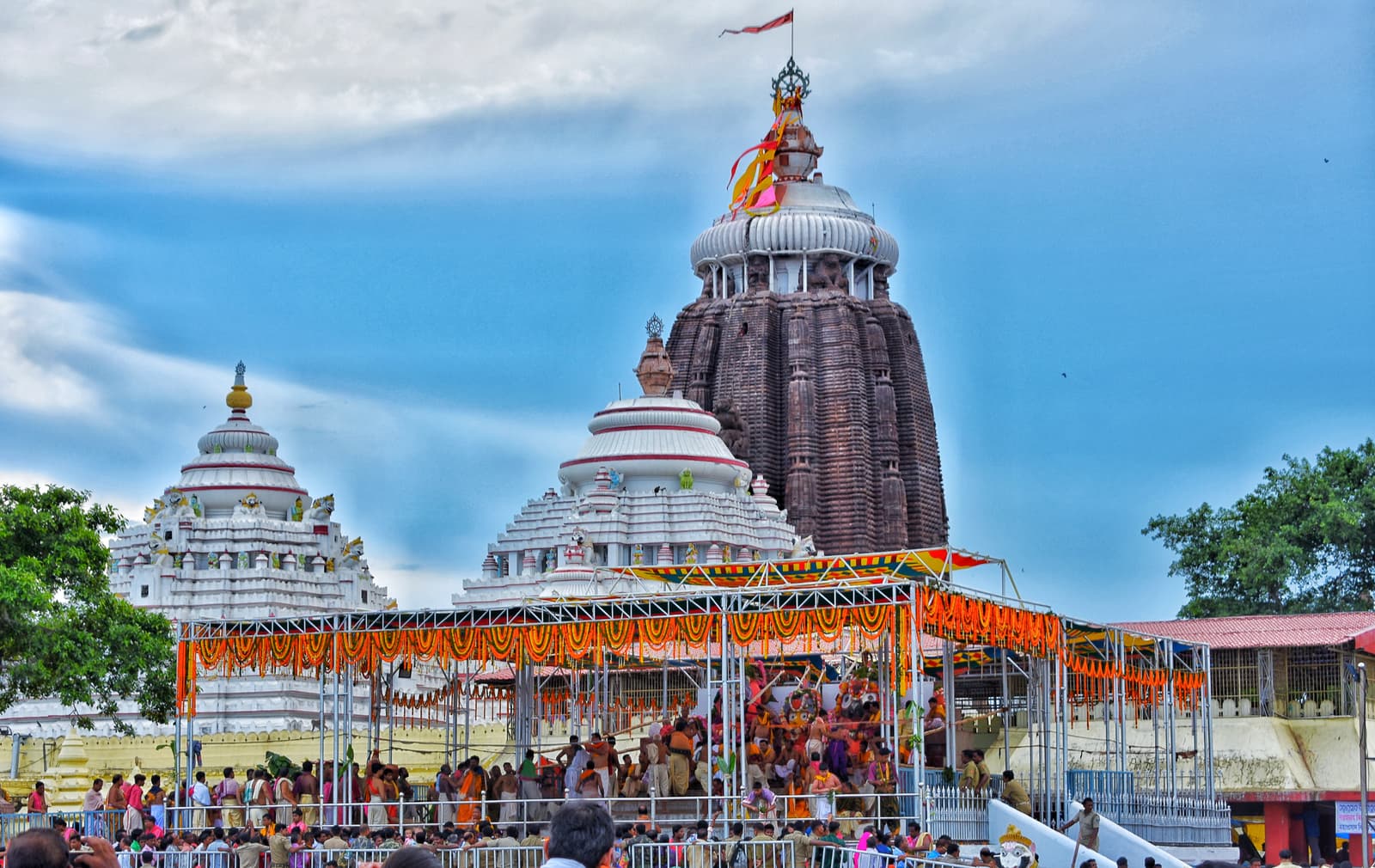
Jagannath Temple
Jagannath Temple in Puri, Odisha, is one of the four Char Dham sites, famous for the annual Rath Yatra (Chariot Festival) and its unique deities made of neem wood.
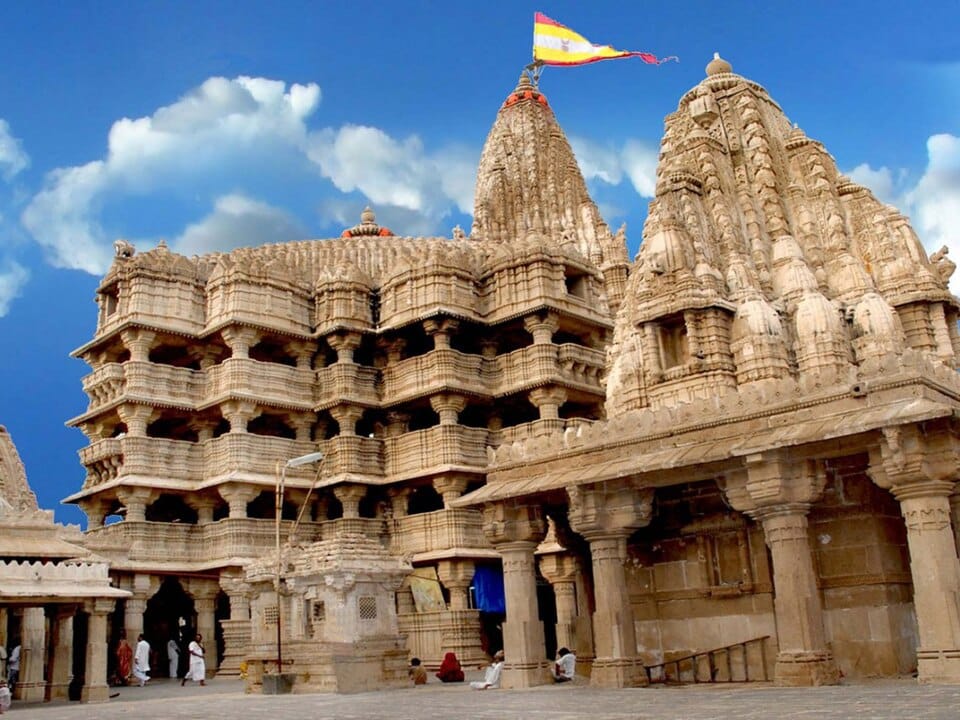
Dwarkadhish Temple
The westernmost of the four Char Dham pilgrimage sites, Dwarkadhish Temple marks the legendary kingdom of Lord Krishna in the ancient city of Dwarka. Built on the banks of the Gomti River where it meets the Arabian Sea, the temple is a five-story marvel of Solanki architecture revered by Vaishnavites worldwide.
Keshava Temple
The Keshava Temple at Somanathapura, built in 1268 CE by Somanatha Dandanayaka, a general of the Hoysala king Narasimha III, is one of the finest surviving examples of Hoysala architecture. Inscribed as a UNESCO World Heritage Site in 2023 as part of the 'Sacred Ensembles of the Hoysalas,' the temple is renowned for its perfectly preserved star-shaped platform, three identical shrines (trikuta), and the most complete sculptural programme of any Hoysala temple.
Krishna Temple
The Krishna Temple in Hampi was built in 1515 CE by the Vijayanagara emperor Krishnadevaraya to commemorate his successful military campaign against the Gajapati kingdom of Odisha. One of the largest temples in Hampi's sacred centre, it originally housed a magnificent image of Balakrishna (infant Krishna) brought from Odisha as a war trophy.
Vittala Temple
The Vittala Temple is the crowning architectural achievement of the Vijayanagara Empire. Located in Hampi's sacred centre, the temple is renowned for its iconic stone chariot carved from a single granite block and its musical pillars that produce different notes when struck. As a UNESCO World Heritage Site within the 'Group of Monuments at Hampi,' the Vittala Temple represents the pinnacle of Vijayanagara temple architecture.