Imperial Patronage & Architecture
Temple Building Dynasties & Empires
Explore the great royal houses that shaped India's sacred landscape through imperial statecraft, stone epigraphy, and monumental temple architecture.
How Imperial Patronage Shaped India's Sacred Landscape
In ancient and medieval India, temple construction was an act of sovereign statecraft as much as devotion. Emperors endowed shrines with agrarian villages, tax immunities, and precious metals so that rituals, Vedic recitations, and community feasts would endure across generations.
Royal grants were engraved onto sanctum walls and copper plates under official royal seals—such as the Gupta Garuda standard or the Hoysala tiger crest—ensuring future administrators respected tax exemptions. These inscriptions preserve crucial administrative records, documenting currency, agricultural tenures, and artisan guilds.
The imperial houses listed below did not design temple traditions in isolation. Each inherited and refined regional architectural grammars: the Guptas established freestanding sandstone sanctums with shikharas; the Pallavas transitioned from monolithic granite rathas to structural shore shrines; the Chalukyas tested Nagara and Dravida plans at Aihole and Pattadakal; the Cholas elevated soaring granite vimanas; the Hoysalas carved star-shaped soapstone sanctums; and the Vijayanagara emperors created monumental urban temple cities at Hampi.
| Dynasty / Empire | Chronological Span | Imperial Seat | Pioneering Contribution |
|---|---|---|---|
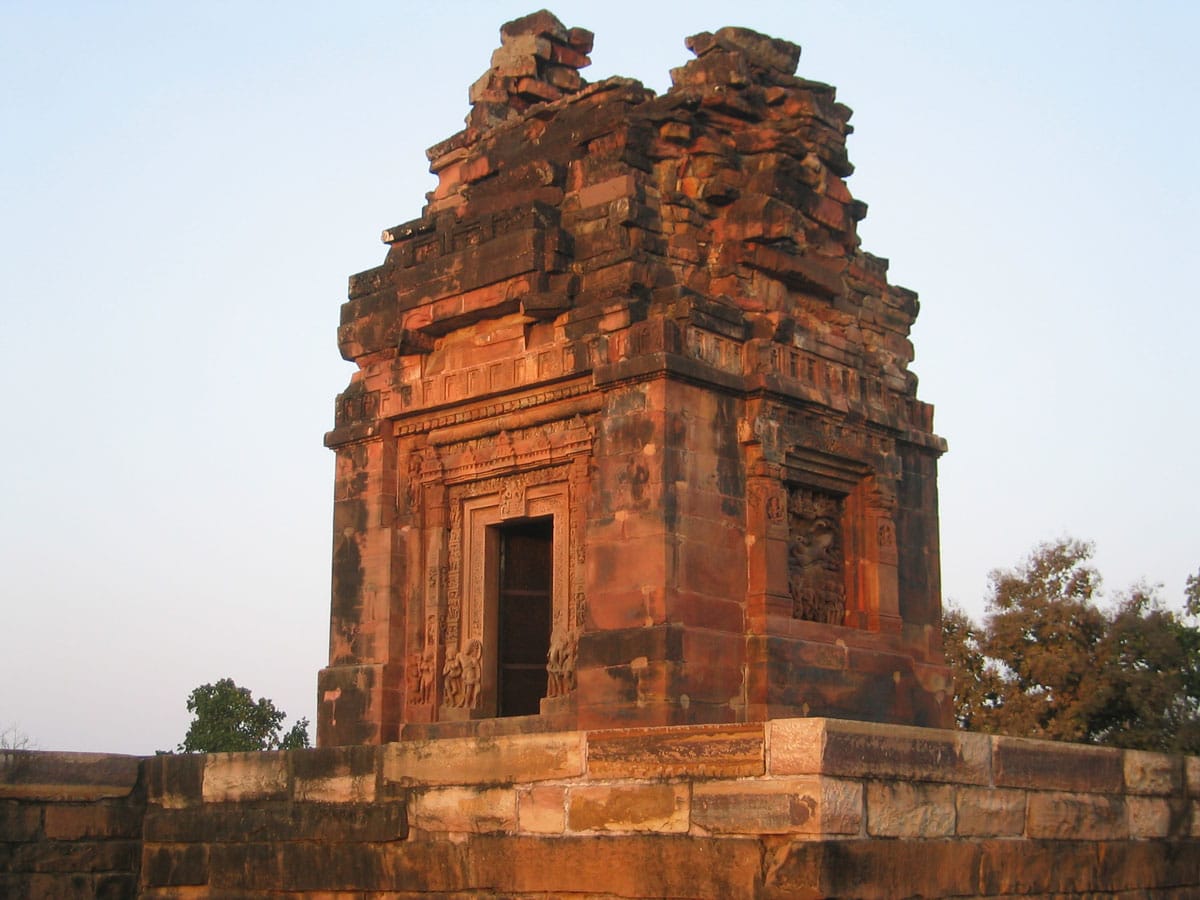
| Gupta Empire | circa 320–550 CE | Pataliputra, Ujjain | Early structural stone shrines with curvilinear shikharas (Deogarh) and classical sculpted panels |
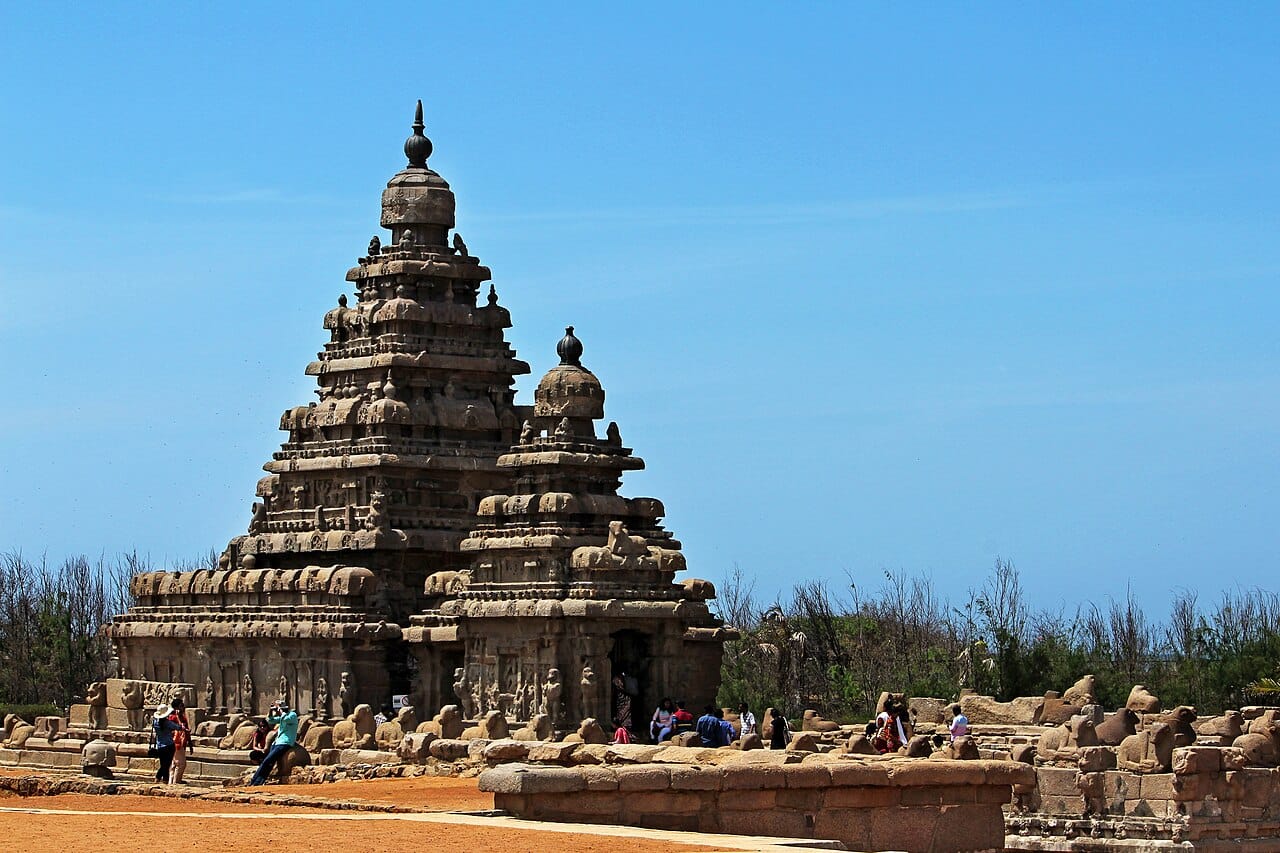
| Pallava Dynasty | circa 275–897 CE | Kanchipuram | Transition from rock-cut cave mandapas and monolithic rathas to structural stone temples |
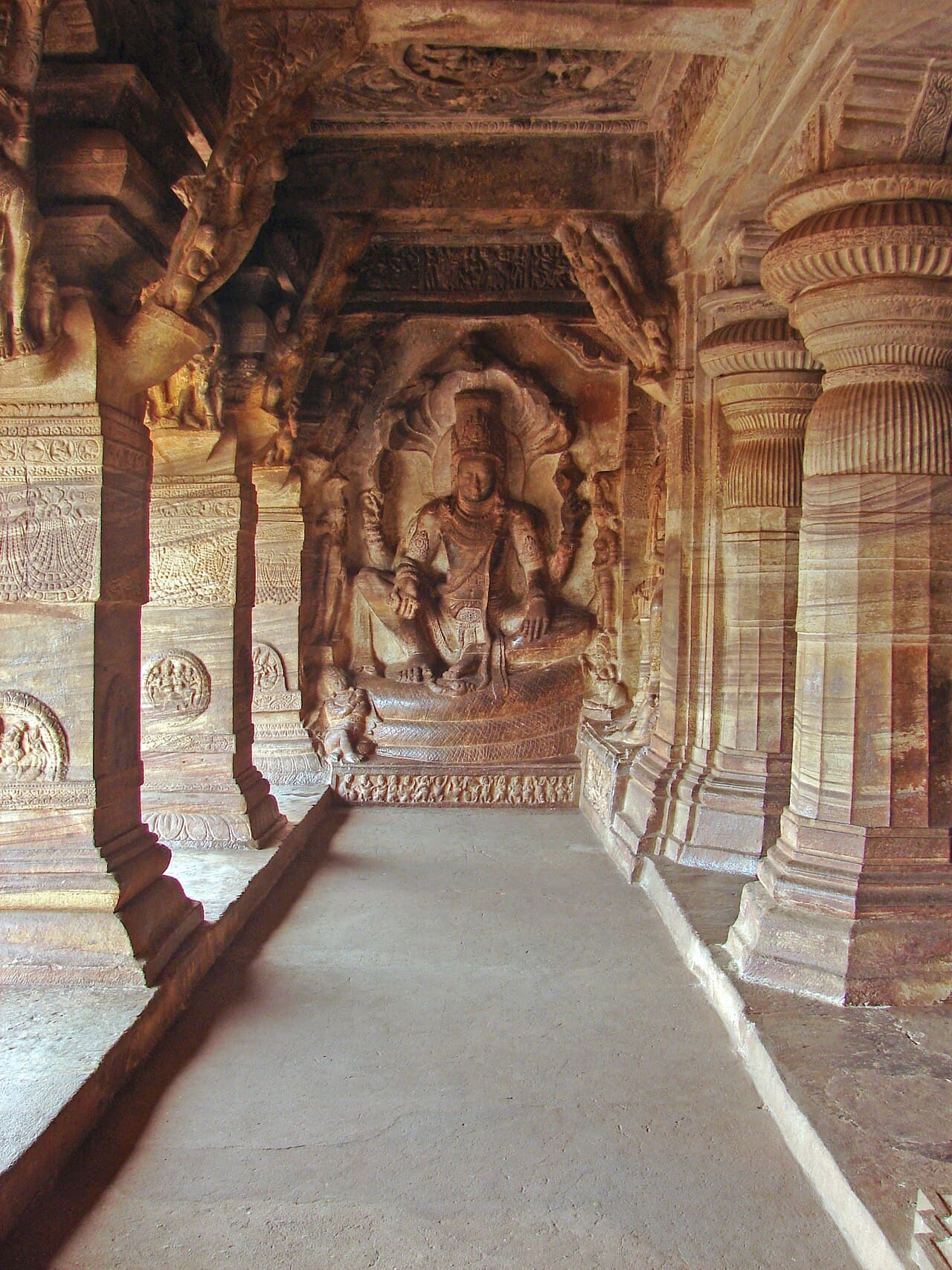
| Chalukya Dynasty | circa 543–753 CE & 973–1189 CE | Badami, then Kalyani | Experimental crucible testing Nagara and Dravida plans side by side at Aihole and Pattadakal |
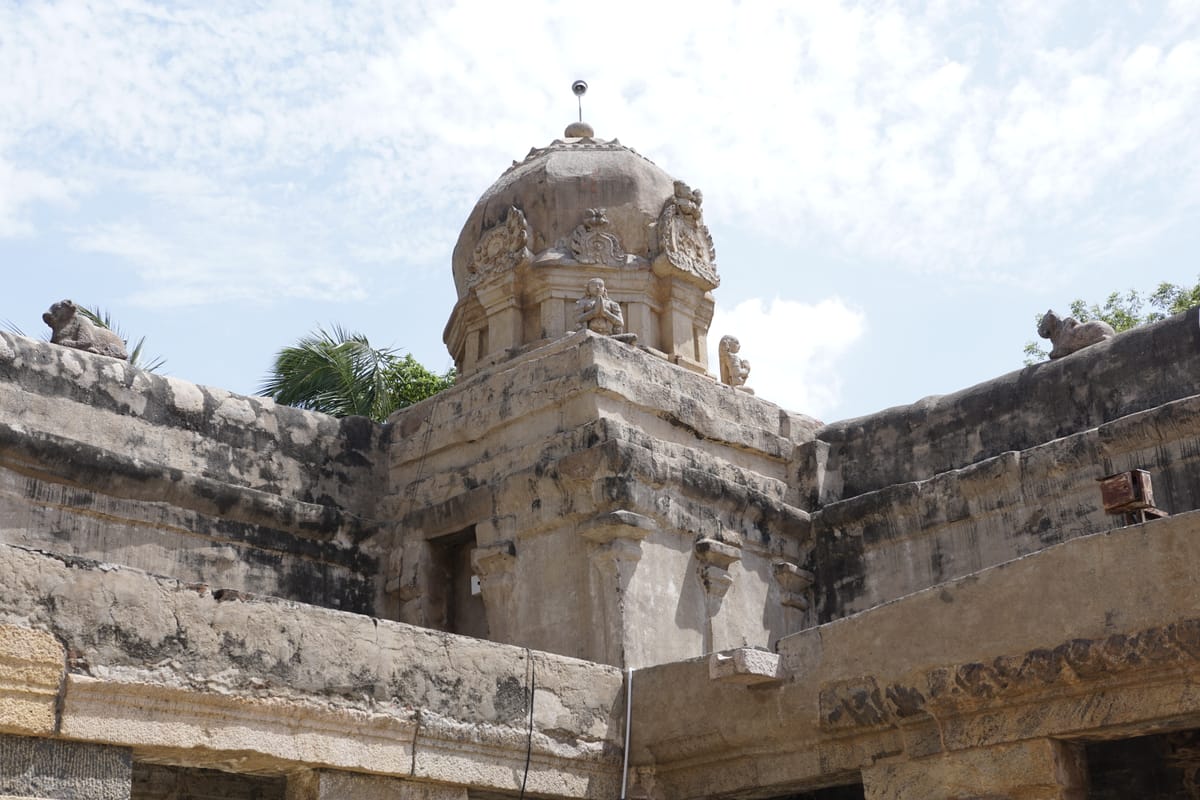
| Chola Dynasty | circa 850–1279 CE | Thanjavur, Gangaikondacholapuram | Monumental granite vimanas (Brihadeeswarar), lost-wax bronze casting, and agrarian endowment records |
| Hoysala Dynasty | circa 1006–1346 CE | Halebidu (Dorasamudra), Belur | Stellate sanctum plans, chloritic schist friezes, and over 200 signed artisan records (UNESCO 2023) |
| Vijayanagara Empire | circa 1336–1646 CE | Hampi (Vijayanagara), Penukonda | Colonnaded thousand-pillar mandapas, soaring rayagopurams, and sacred urban landscapes (UNESCO 1986) |
Synchronous Regional Horizons: Dynastic Overlap in Indian History
Students and researchers frequently mistake dynasty lists for a single chronological succession. In reality, multiple imperial houses governed contemporaneously across different geographical spheres:
4th to 6th Century CE
The Gupta Empire held paramountcy in northern India while the early Pallavas consolidated Kanchipuram and the Vakatakas patronized classical cave art at Ajanta.
6th to 8th Century CE
The Badami Chalukyas in Karnataka and the Imperial Pallavas in northern Tamil Nadu engaged in protracted peninsular rivalry, directly stimulating mutual temple design exchanges at Pattadakal and Kanchipuram.
10th to 12th Century CE
The Imperial Cholas in the Kaveri delta contested peninsular dominance with the Western (Kalyani) Chalukyas of Karnataka, as the Hoysalas emerged as prominent feudatories in the Western Ghats.
14th to 17th Century CE
Following Delhi Sultanate campaigns and the fall of the Hoysalas, the Vijayanagara Empire integrated peninsular governance across Karnataka, Andhra, and Tamil Nadu from its capital at Hampi.
Each dedicated dynasty guide below provides verified political chronologies, sovereign tables, administrative and agrarian analyses, primary epigraphic sources, and interactive competitive-exam revision questions.
Imperial Empire
Gupta Empire
The Gupta Empire (circa 320–550 CE) established classical northern India's political and cultural order, renowned for the Prayaga Prashasti, pure gold dinaras, Sanskrit literature, and pioneering early structural temples like…
circa 320–550 CE
Pataliputra, Ujjain
Dashavatara Temple (Deogarh), Bhitargaon Temple
Full Historical & Exam GuideExplore
Imperial Dynasty
Pallava Dynasty
The Pallava dynasty (early 4th to late 9th century CE; the widely quoted 275–897 CE range is a handbook convention) pioneered South Indian temple architecture, transitioning from rock-cut rathas and…
c. early 4th–late 9th century CE
Kanchipuram
Shore Temple, Kailasanathar Temple
Full Historical & Exam GuideExplore
Imperial Dynasty
Chalukya Dynasty
The Chalukya dynasty (6th–12th centuries CE) ruled the Deccan from Badami and later Kalyani, creating the distinctive Vesara architectural style — a fusion of Nagara and Dravida traditions.
circa 543–753 CE (Badami), 973–1189 CE (Kalyani)
Badami (early), Kalyani/Basavakalyan (later)
Virupaksha Temple (Pattadakal), Papanatha Temple
Full Historical & Exam GuideExplore
Imperial Dynasty
Chola Dynasty
The Chola dynasty (circa 850–1279 CE) represents the pinnacle of Dravidian temple architecture and bronze casting.
circa 850–1279 CE
Thanjavur (early), Gangaikondacholapuram (later)
Brihadeeswara Temple, Airavatesvara Temple
Full Historical & Exam GuideExplore
Imperial Dynasty
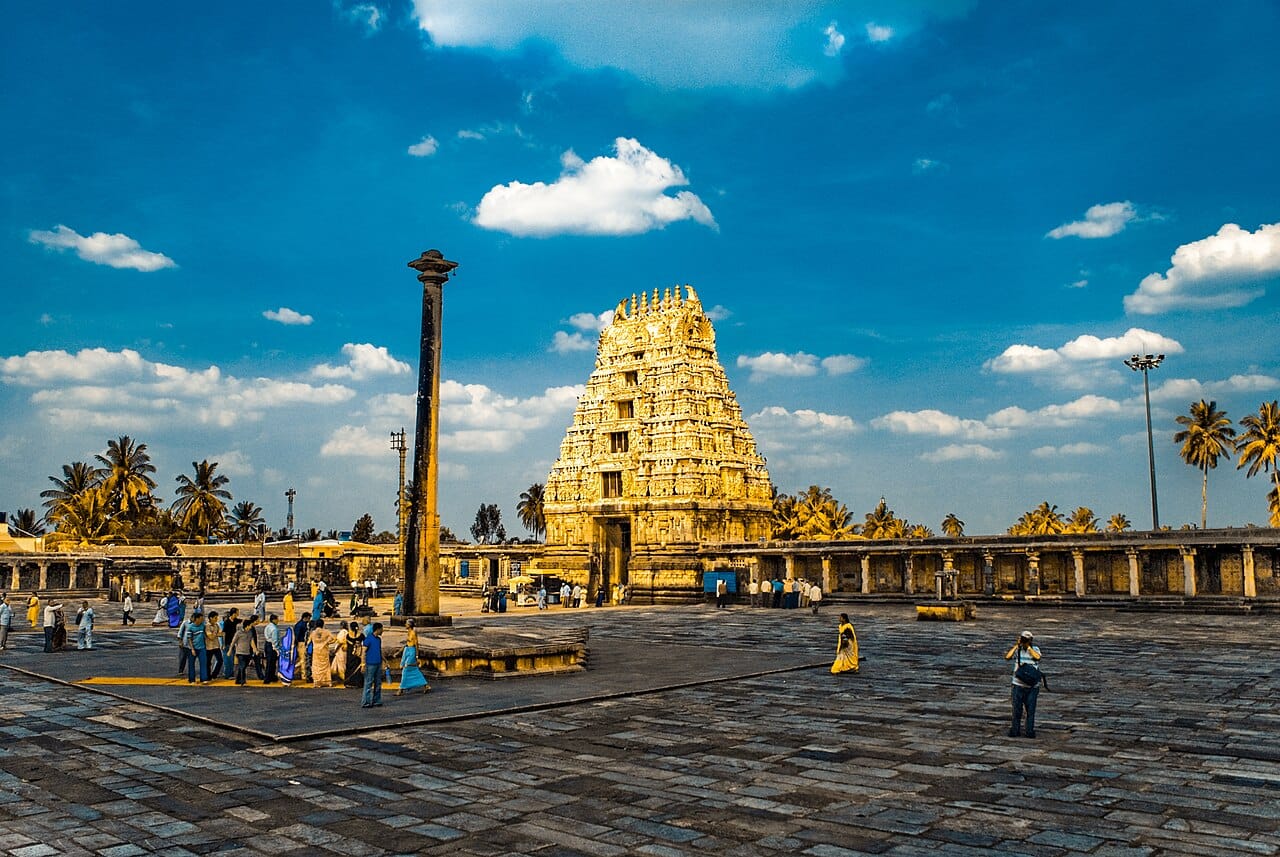
Hoysala Dynasty
The Hoysala dynasty (11th–14th centuries CE) created one of India's most distinctive temple traditions, renowned for star-shaped platforms, intricately carved soapstone friezes, and lathe-turned pillars.
circa 1006–1346 CE
Halebidu (Dorasamudra), Belur
Chennakeshava Temple, Hoysaleswara Temple
Full Historical & Exam GuideExplore
Imperial Empire
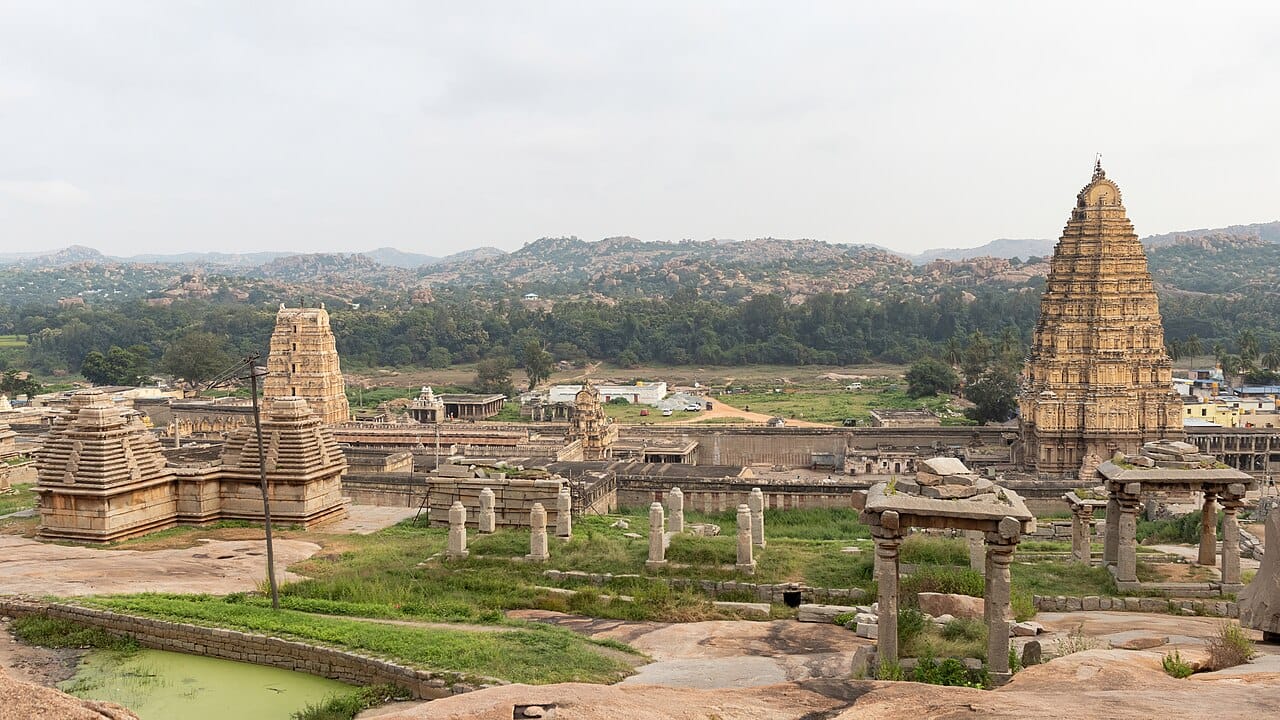
Vijayanagara Empire
The Vijayanagara Empire (1336–1646 CE) represents the final great phase of South Indian temple architecture, characterized by massive gopurams, elaborate mandapas, and the creation of a sacred urban landscape at…
circa 1336–1646 CE
Hampi (Vijayanagara)
Virupaksha Temple, Vittala Temple
Full Historical & Exam GuideExplore
Sources & References
These are the published records this page draws on. Each entry names the body that issued it and the specific claims on this page that it backs, so you can check them yourself rather than taking our word for it.
Archaeological Survey of India
Archaeological Survey of India — monument records and conservation reports
Protection status, dating, architectural classification and published conservation records for the monuments named on this page.
Primary archaeological record
Open source (opens in a new tab)Encyclopædia Britannica
Encyclopædia Britannica — reference entries on Indian art, religion and history
Reference background on the historical figures, dynasties and religious traditions named on this page.
Reference source
Open source (opens in a new tab)INTACH
Indian National Trust for Art and Cultural Heritage
Documentation of Indian architectural heritage and conservation practice behind the style descriptions on this page.
Reference source
Open source (opens in a new tab)
— every record linked above was re-requested for this release, so the link still resolves and the publisher still serves the document. It is a link check, not a re-verification of every sentence on this page.
Missing something, or found an error? Send us a correction with the record that supports it, or read how we choose sources.