From ancient rock-cut marvels to towering imperial shrines, discover the architectural soul of Bharat through our verified digital archive.
Explore More Temples
The Chola dynasty (circa 850–1279 CE) represents the pinnacle of Dravidian temple architecture and bronze casting. Their monumental granite temples — Brihadeeswarar, Gangaikondacholapuram, and Airavatesvara — are collectively a UNESCO World Heritage Site as the Great Living Chola Temples.
The Chola dynasty rose to power in the Kaveri River valley under Vijayalaya Chola (c. 850 CE), capturing Thanjavur from the Mutharaiyar. The dynasty reached its zenith under Rajaraja Chola I (985–1014 CE) and his son Rajendra Chola I (1014–1044 CE), who expanded the empire across South India, Sri Lanka, and the Maldives, with campaigns reaching the Ganges and Srivijaya in Southeast Asia. The Cholas were prolific temple builders, with over a hundred surviving temples across their domain. Their bronze casting tradition using the lost-wax technique produced the finest Indian metal sculptures, particularly of Shiva Nataraja. The Chola administration pioneered a system of local self-government through the Uttaramerur inscriptions. The dynasty declined in the late 13th century under Rajendra III, eventually absorbed by the Pandya dynasty.
c. 850 CE: Vijayalaya captures Thanjavur. 985–1014 CE: Reign of Rajaraja Chola I. 1003–1010 CE: Brihadeeswarar Temple built. 1014–1044 CE: Reign of Rajendra Chola I. c. 1035 CE: Gangaikondacholapuram Temple built. 1146–1173 CE: Reign of Rajaraja Chola II, Airavatesvara Temple built. 1279 CE: Chola dynasty ends under Rajendra III, absorbed by Pandyas.
The Cholas perfected Dravidian temple architecture, transforming the vimana from a modest structure into a monumental pyramidal tower. The Brihadeeswarar Temple's vimana rises 66 meters (216 ft), topped by an 80-ton granite block. They pioneered the use of granite on a massive scale with precise interlocking without mortar. The gopuram tradition was developed, though it remained subordinate to the main vimana. Chola bronze casting using the lost-wax technique produced masterpieces like the Nataraja icon. The 108 karanas (dance postures) carved at Brihadeeswarar preserve classical Bharatanatyam movements. The Cholas also constructed large temple complexes with subsidiary shrines, mandapas, and sacred water tanks.
Sacred architecture patronized by the Chola rulers.
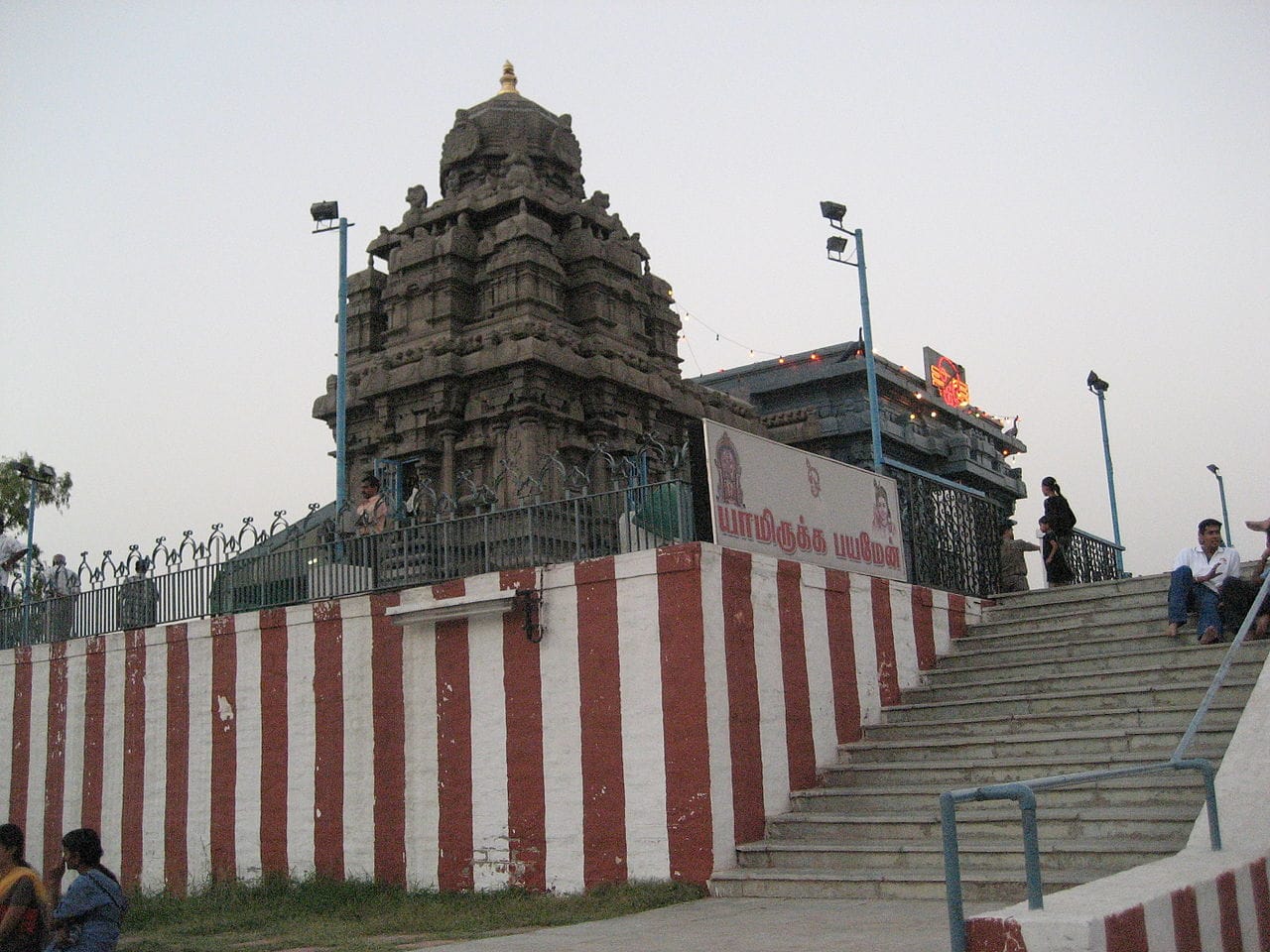
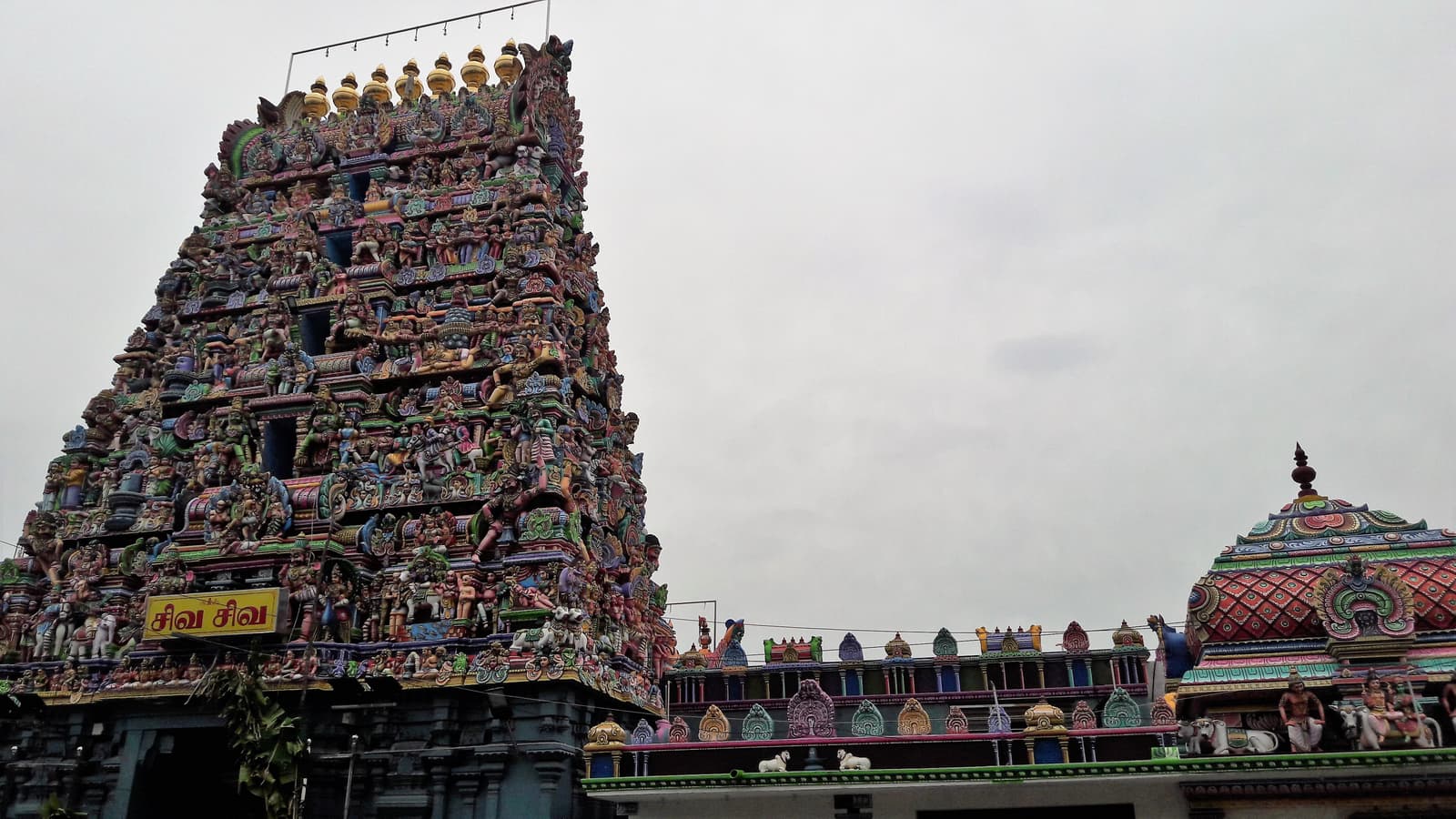
Perched on a hillock, this granite temple is a primary site for Delhi's South Indian community, dedicated to Lord Swaminatha.

Famous for a permanent shadow that falls on the main Shiva Lingam all day, with no visible object casting it.

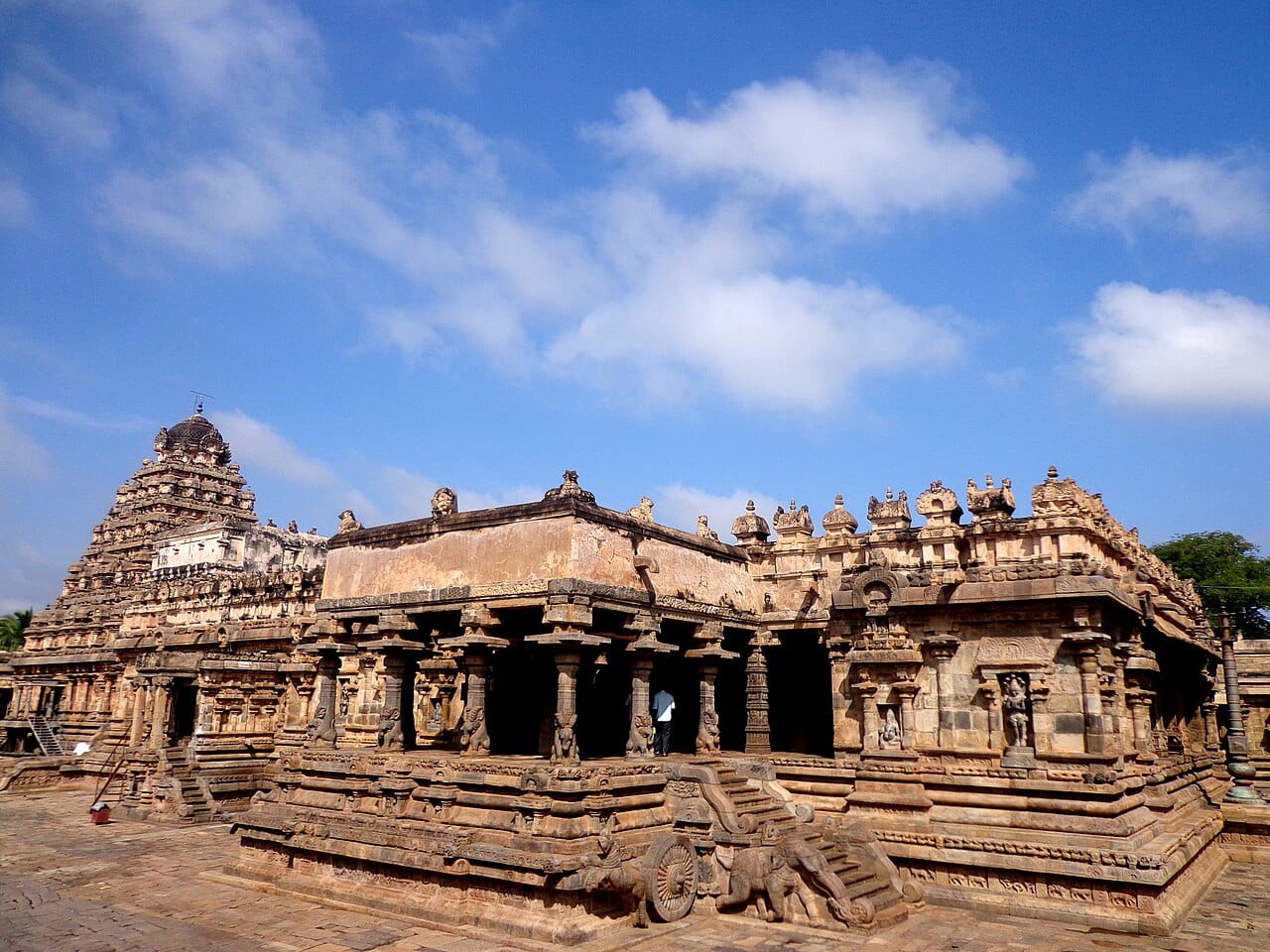
The Airavatesvara Temple at Darasuram, built by Rajaraja Chola II between 1146 and 1172 CE, is one of the three UNESCO World Heritage 'Great Living Chola Temples.' It is renowned for its stone chariot, musical steps, and exquisite 12th-century Chola sculptures.

The Gangaikonda Cholapuram Temple, built by Rajendra Chola I in 1035 CE, is a UNESCO World Heritage 'Great Living Chola Temple.' Its 53-metre vimana with recessed corners and six pairs of monolithic dvarapalas represents a refined evolution of Chola Dravidian architecture.
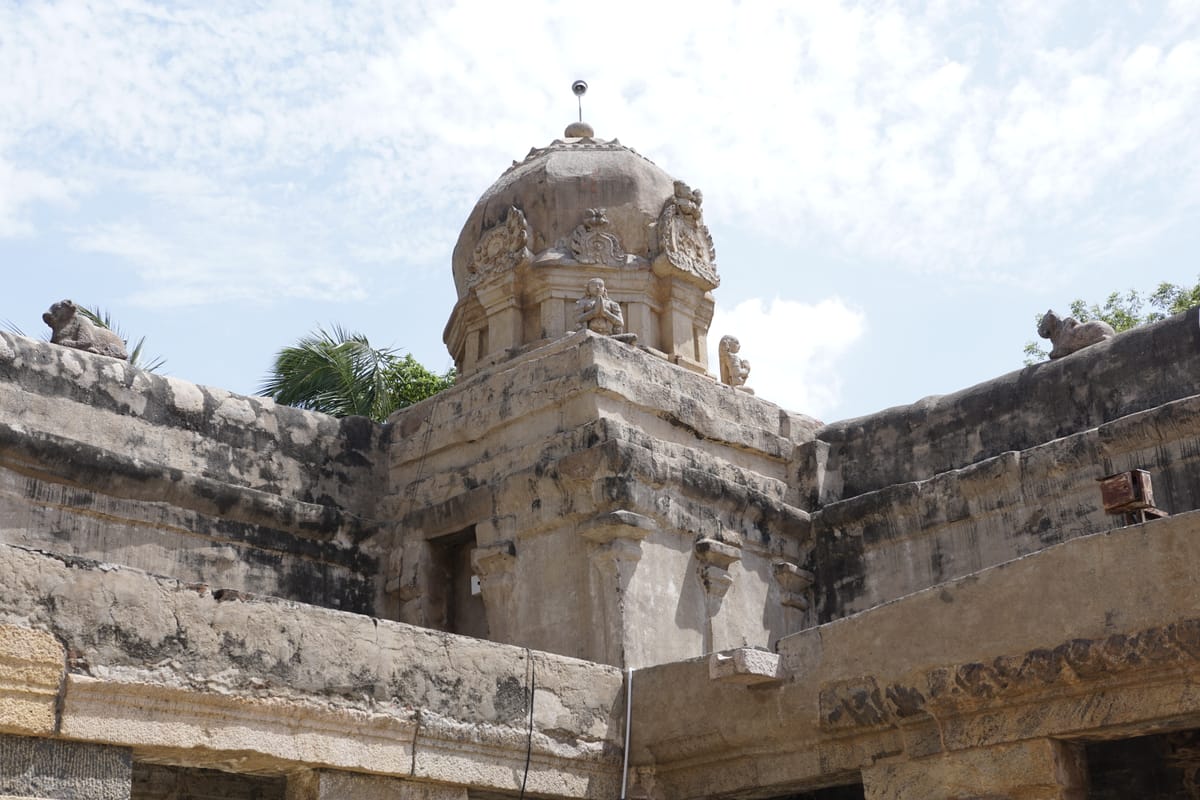
Kampaheswarar Temple in Tribhuvanam, built by Kulothunga Chola III in 1202 CE, is one of the later great Chola temples and completes the quartet of magnificent Chola stone temples alongside the Brihadeeswarar at Thanjavur, Gangaikonda Cholapuram, and Airavatesvara at Darasuram. The temple represents the mature phase of Chola architecture, featuring a 30-metre granite vimana, a separate Devi shrine, and a unique chariot-wheel carving in the mandapa. It is maintained by the Archaeological Survey of India as a protected monument of national importance.

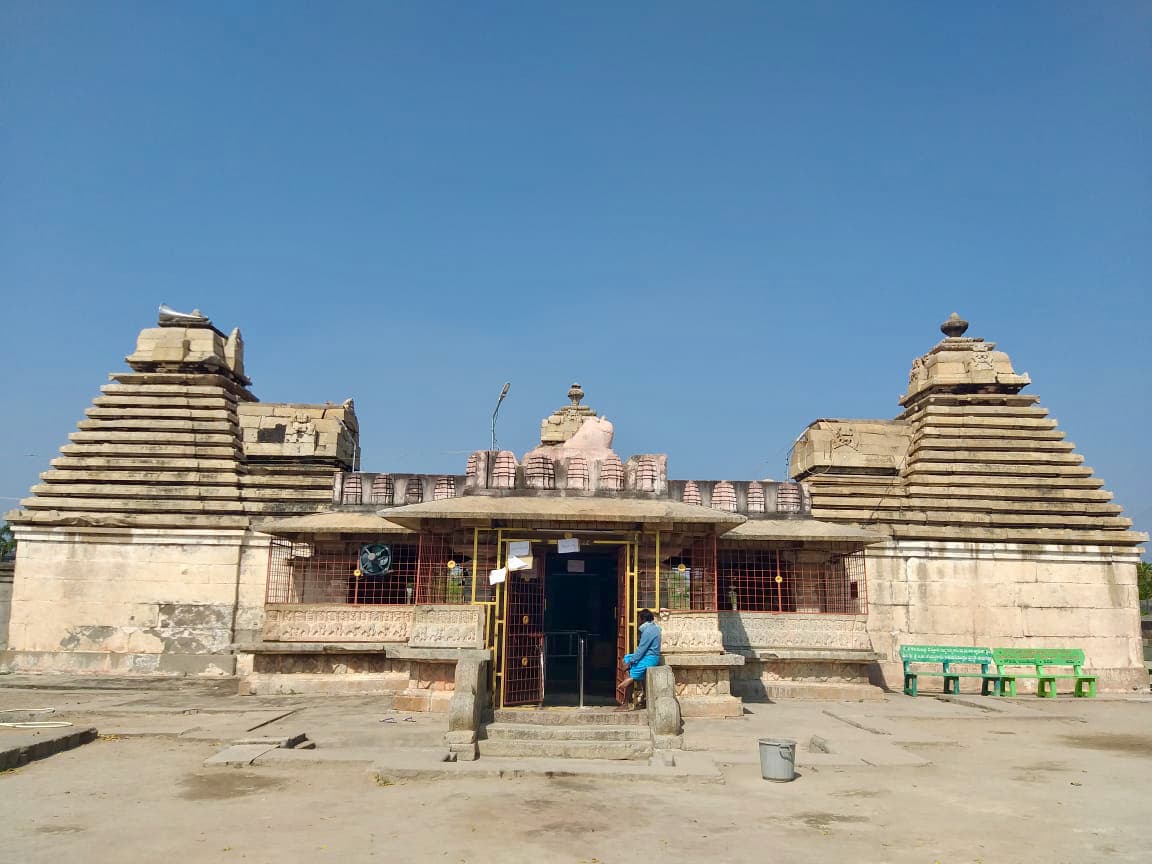
Koranganatha Temple, built during the reign of the Chola king Parantaka I (907-955 CE) at Srinivasanallur near Tiruchirappalli, is a well-preserved example of early Chola architecture with exquisite stone carvings. The temple is maintained by the Archaeological Survey of India and is notable for its peaceful setting on the banks of the Kaveri River.

Arunachaleswarar Temple at the foot of Arunachala Hill in Tiruvannamalai is one of the largest Shiva temples in the world, covering 25 acres. It represents the fire element (Agni) of the Pancha Bhoota Sthalas and is a Paadal Petra Sthalam glorified by the 7th-century Tevaram hymns.

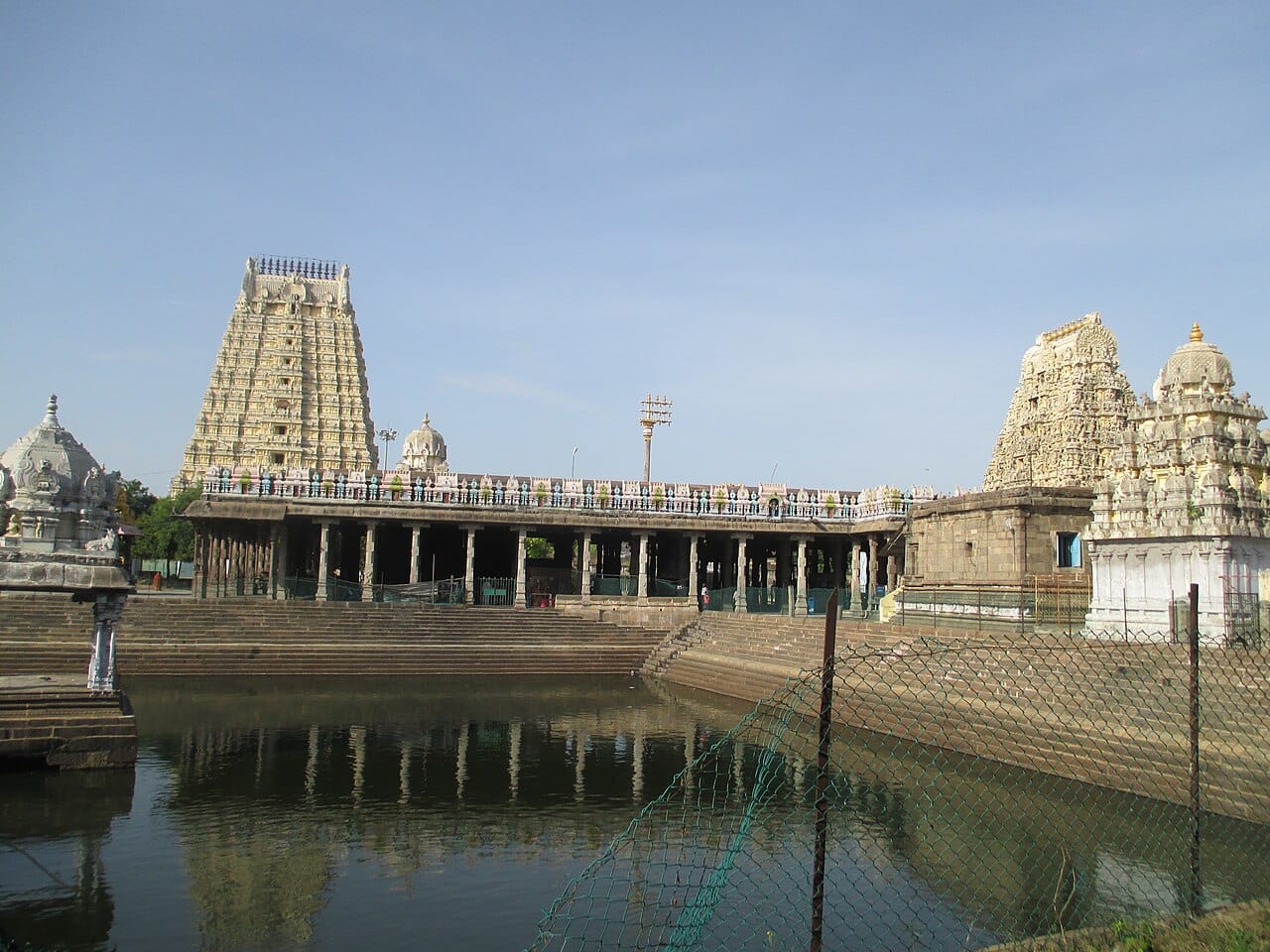
Ekambareswarar Temple in Kanchipuram represents the earth element (Prithvi) of the Pancha Bhoota Sthalas. Its sand-made Prithvi Lingam, 192-foot Raja Gopuram built by Krishnadevaraya (1509), and the 3,500-year-old sacred mango tree make it among the most significant Shiva temples in South India.

Jambukeswarar Temple in Thiruvanaikaval represents the water element (Apas) of the Pancha Bhoota Sthalas. Its unique underwater Appu Lingam sits in a spring-fed subterranean sanctum, with an underground stream that has flowed continuously for over 1,800 years.

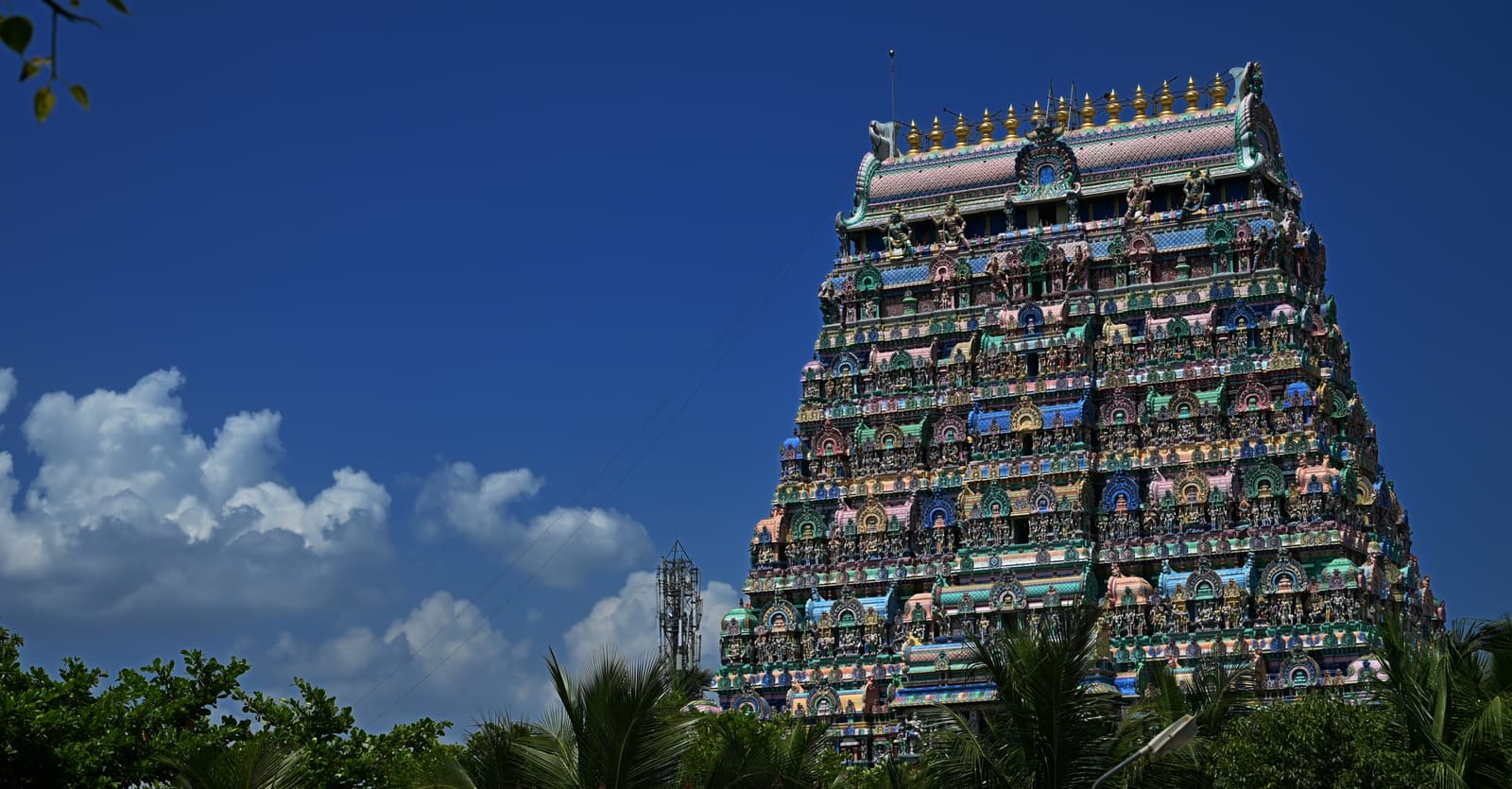
Chidambaram Nataraja Temple represents the space element (Akasha) of the Pancha Bhoota Sthalas. It houses the Chidambara Rahasyam — an empty curtained space symbolising formless Shiva — and is the source of the iconic Nataraja cosmic dance imagery that became the universal symbol of Hinduism.

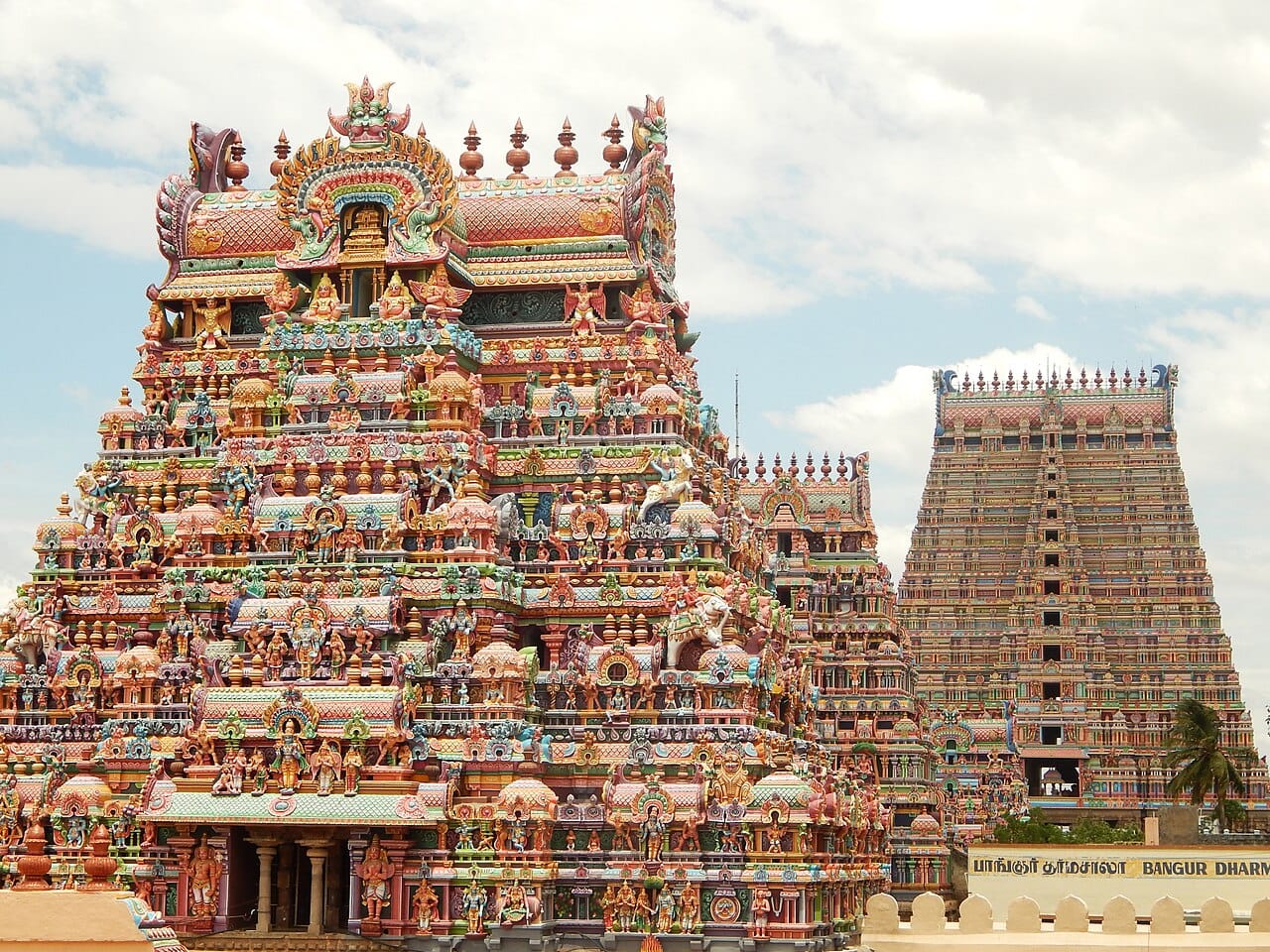
The largest functioning Hindu temple in the world, a temple-city spanning 156 acres with seven concentric walls, 21 gopurams, and the foremost of the 108 Divya Desams.

The Brihadeeswarar Temple in Thanjavur, built by Raja Raja Chola I in the 11th century, is a UNESCO World Heritage Site and the tallest Shiva temple in India, crowned by a monolithic granite vimana that remains one of the greatest engineering achievements of the ancient world.

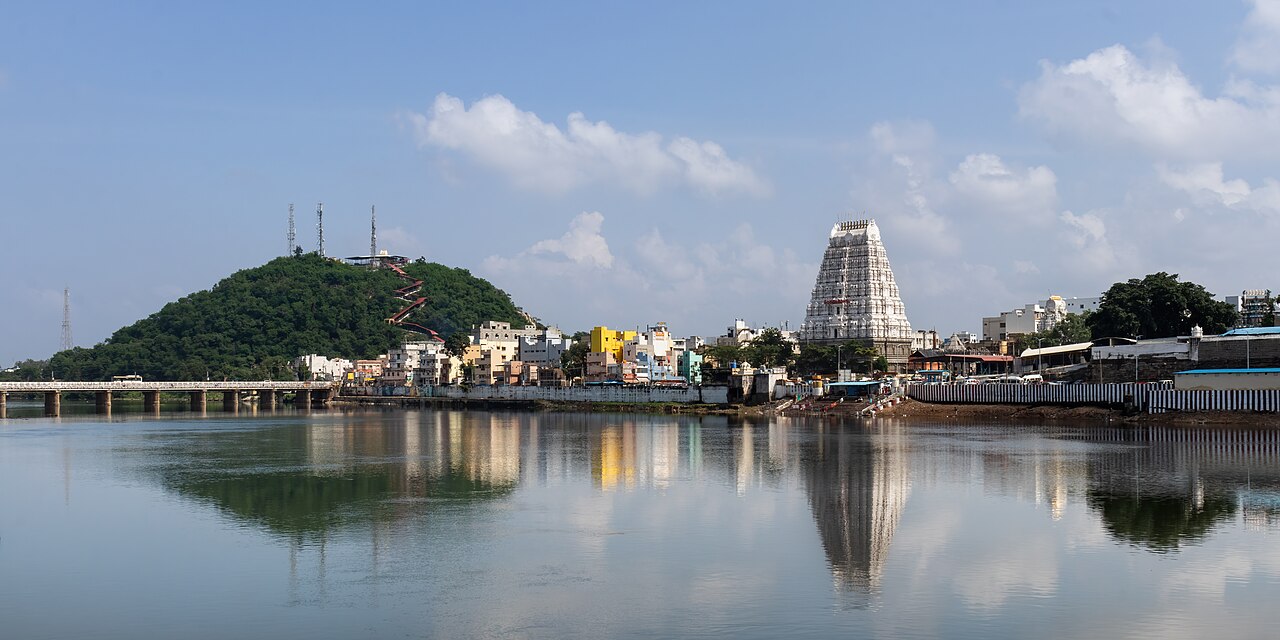
Srikalahasti Temple, situated on the banks of the Swarnamukhi River at the foot of Srikalahasti hill in Tirupati district, is dedicated to Lord Shiva as Srikalahasteeswara. The temple represents the Vayu (wind) element among the southern Pancha Bhoota Sthalas (five element temples of Shiva). Its name is traditionally derived from three animal devotees — a spider (Sri), a serpent (Kala), and an elephant (Hasti) — who attained salvation here. The self-manifested (swayambhu) lingam remains untouched by human hands, and a lamp in the draft-free sanctum continuously flickers, physically symbolising the presence of the air element.

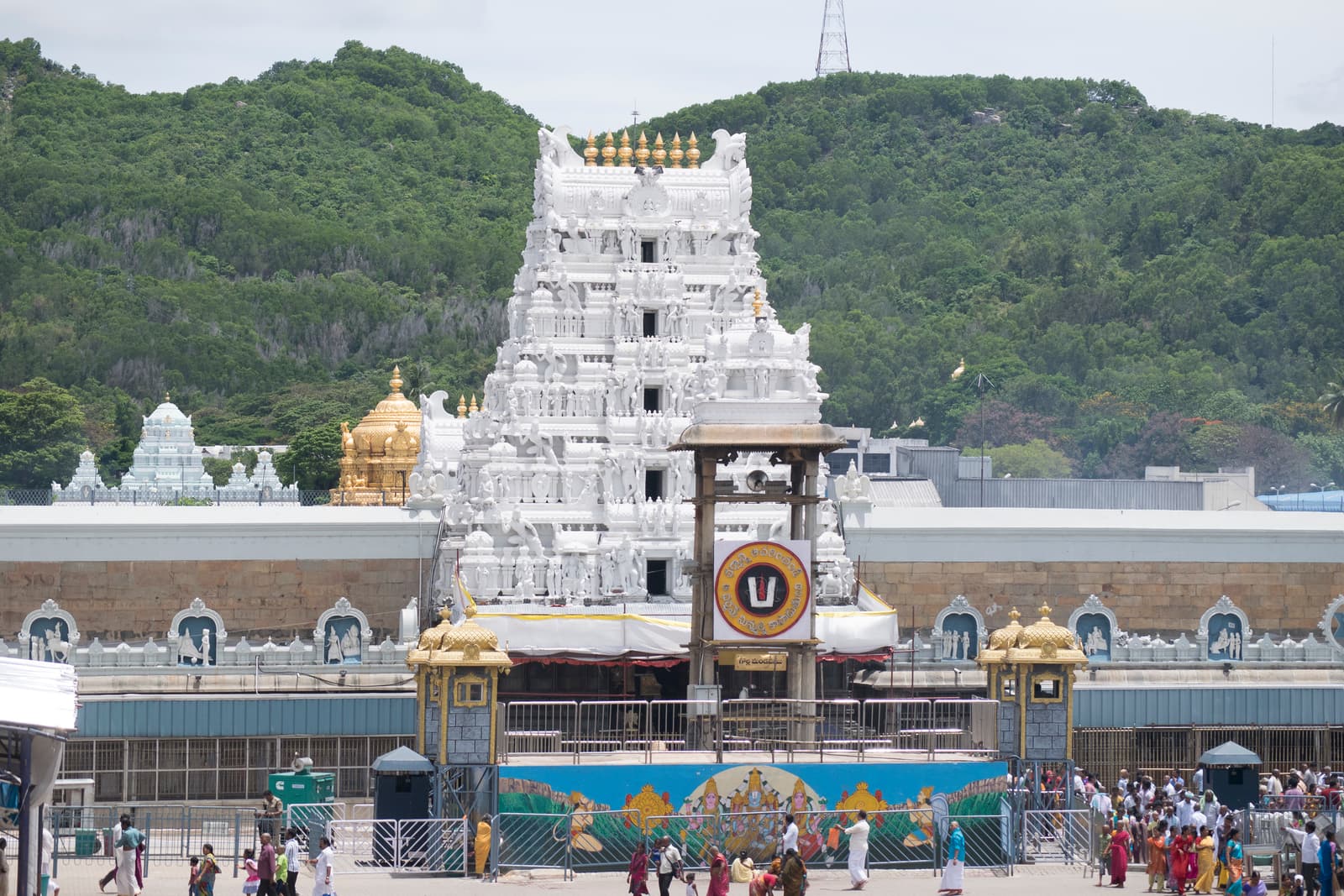
Tirumala Venkateswara Temple, situated in the hill town of Tirumala in Tirupati district, is dedicated to Lord Venkateswara, an incarnation of Vishnu. The shrine is positioned on Venkatadri, one of the seven hills representing the Seshachalam range. It is globally recognized for its massive volume of daily pilgrims, functioning as a primary center of Vaishnava worship under the management of the Tirumala Tirupati Devasthanams (TTD).

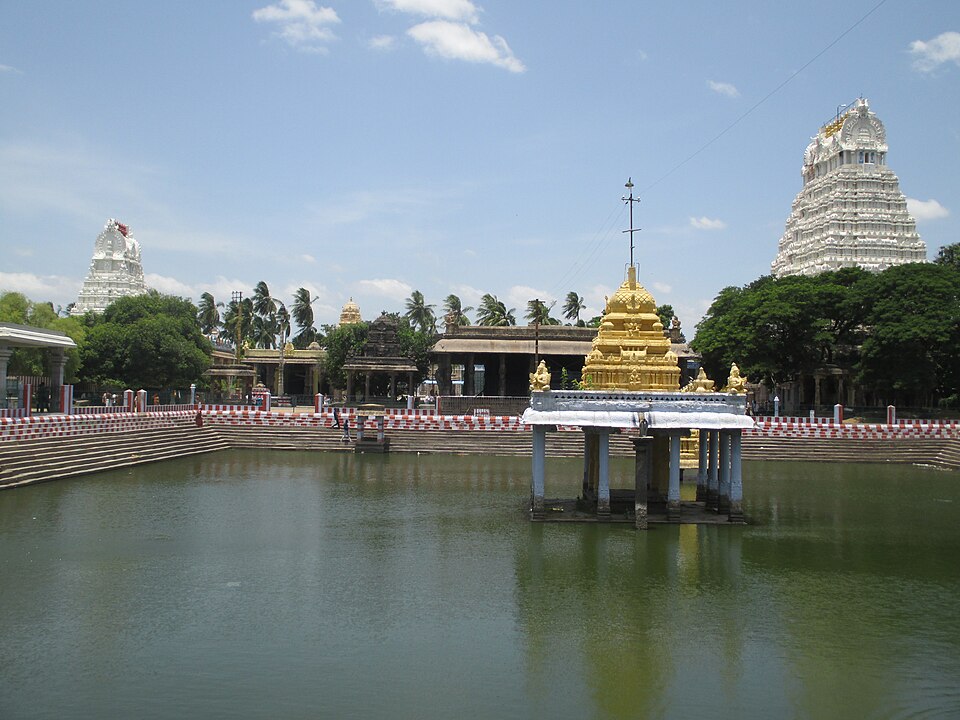
The oldest and most significant Vaishnavite temple in Puducherry, dating to the Chola period.
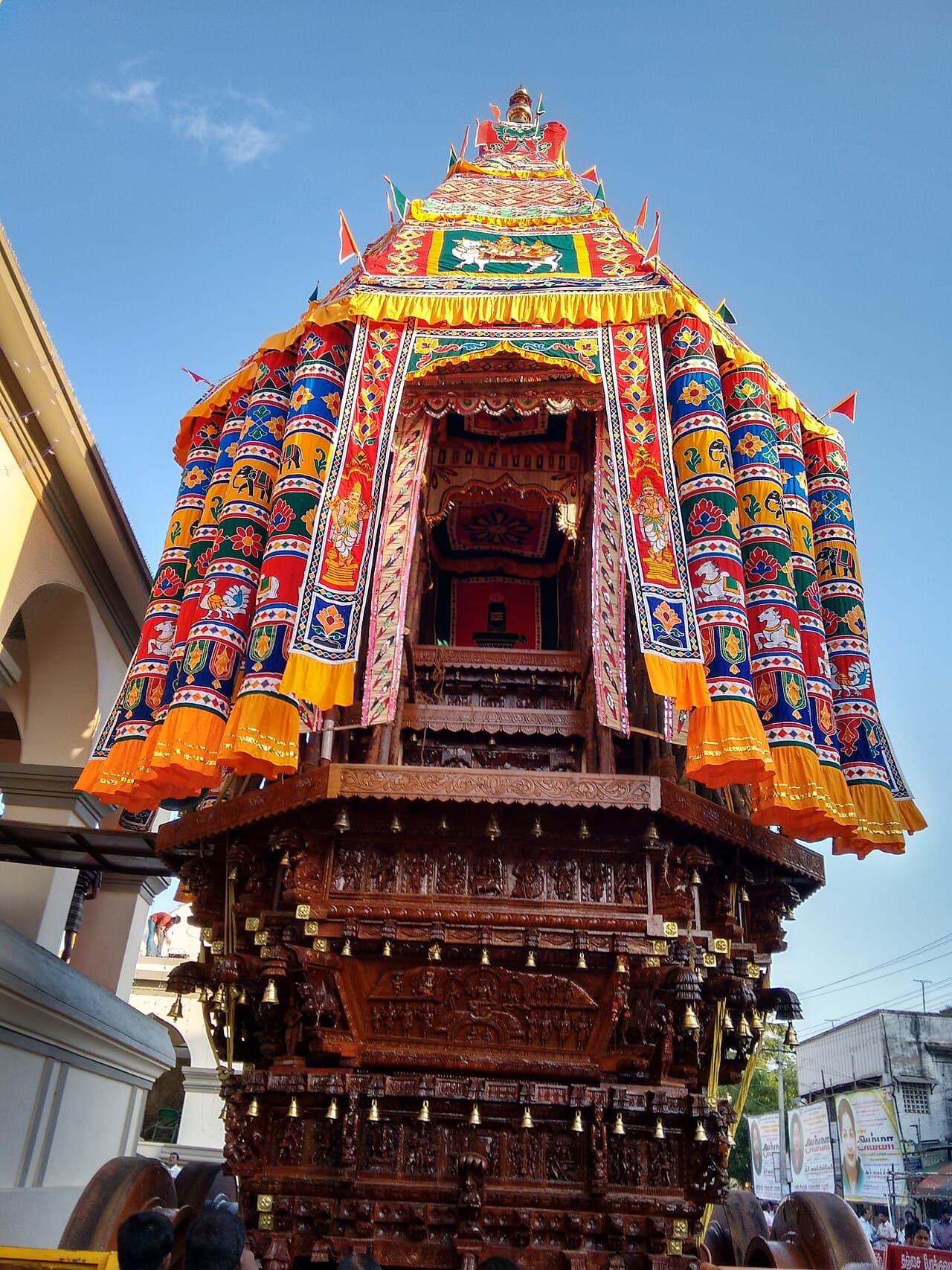
A massive 12th-century Chola temple known for its 15-meter tall temple chariot.
Archaeological Survey of India (ASI)
Verified historical and architectural records.