Sacred Destinations
Andhra Pradesh
8Sacred Sites
8Major Temples
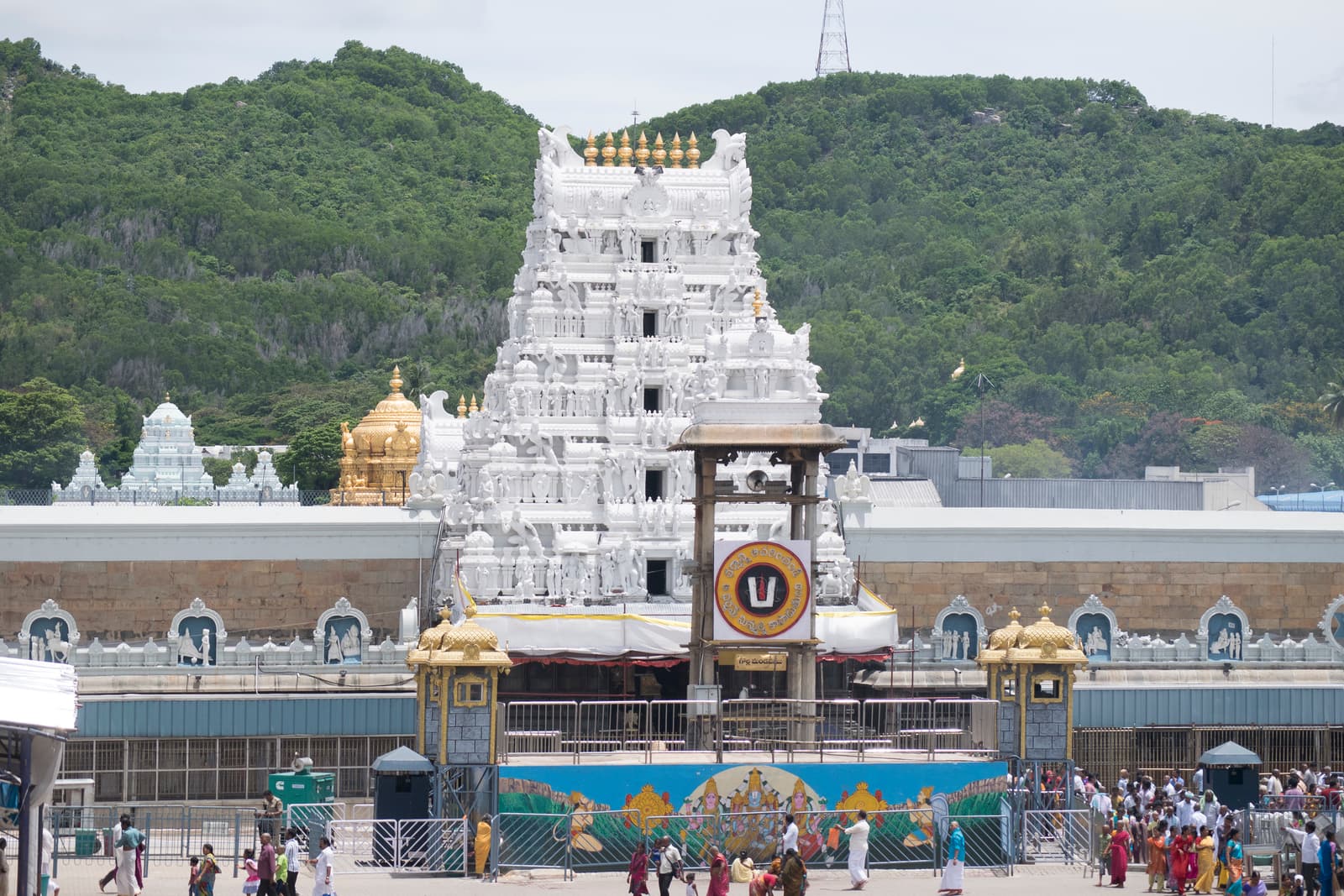
Andhra Pradesh, on India's southeastern coast, contains a sacred landscape shaped by the Satavahana, Kakatiya, and Vijayanagara dynasties. The Tirumala Venkateswara Temple, the richest and most-visited pilgrimage center in the world, lies here alongside the Srisailam Mallikarjuna Swamy Temple where a Jyotirlinga and Shakti Peetha coexist, and the Srikalahasti Temple representing the wind element among the Pancha Bhoota Sthalas. The state's architecture blends Dravidian and Deccan influences, visible in the Lepakshi Veerabhadra Temple and the coastal Pancharama Kshetras.
Quick Facts
Capital
Amaravati
Population
53.9 million
Area
162,968 km²
Languages
Telugu, Urdu
Best Time to Visit
October to March
Major Pilgrimage
Tirumala, Srisailam, Pancharama Kshetras
Temple Style
Dravidian-Vijayanagara
UNESCO Count
0 (temples)
Major River
Krishna, Godavari, Penna
Highest Peak
Arma Konda (1,680 m)
Why Visit Andhra Pradesh
Andhra Pradesh's religious landscape spans Vaishnavism, Shaivism, and Shaktism. Vaishnavism reaches its pinnacle at the Tirumala Venkateswara Temple on the seventh hill of the Seshachalam range. The Ahobilam complex, with nine Narasimha shrines across the Nallamala forest, marks locations where Vishnu manifested as the half-man, half-lion avatar. Shaivism is represented by the Srisailam Jyotirlinga, the five Pancharama Kshetras along the Krishna and Godavari deltas, and Srikalahasti's Vayu Linga. The Kanaka Durga Temple in Vijayawada and the Bhramaramba shrine within Srisailam serve as major Shakti centers. Buddhist heritage sites at Amaravati and Nagarjunakonda preserve Satavahana-era stupas and monastic complexes.
Srisailam is the only site in India where a Jyotirlinga and a Shakti Peetha are co-located. Srikalahasti represents the wind element of the Pancha Bhoota Sthalas. The Pancharama Kshetras form a circuit completed during the Kartika month. Ahobilam preserves nine distinct Narasimha shrines, each linked to a specific episode in the Narasimha legend. Simhachalam Temple maintains the unique tradition of smearing sandalwood paste on the deity for most of the year, revealing the stone image only during the annual Chandan Yatra.
Temple Categories
Featured Sacred Places
Andhra Pradesh
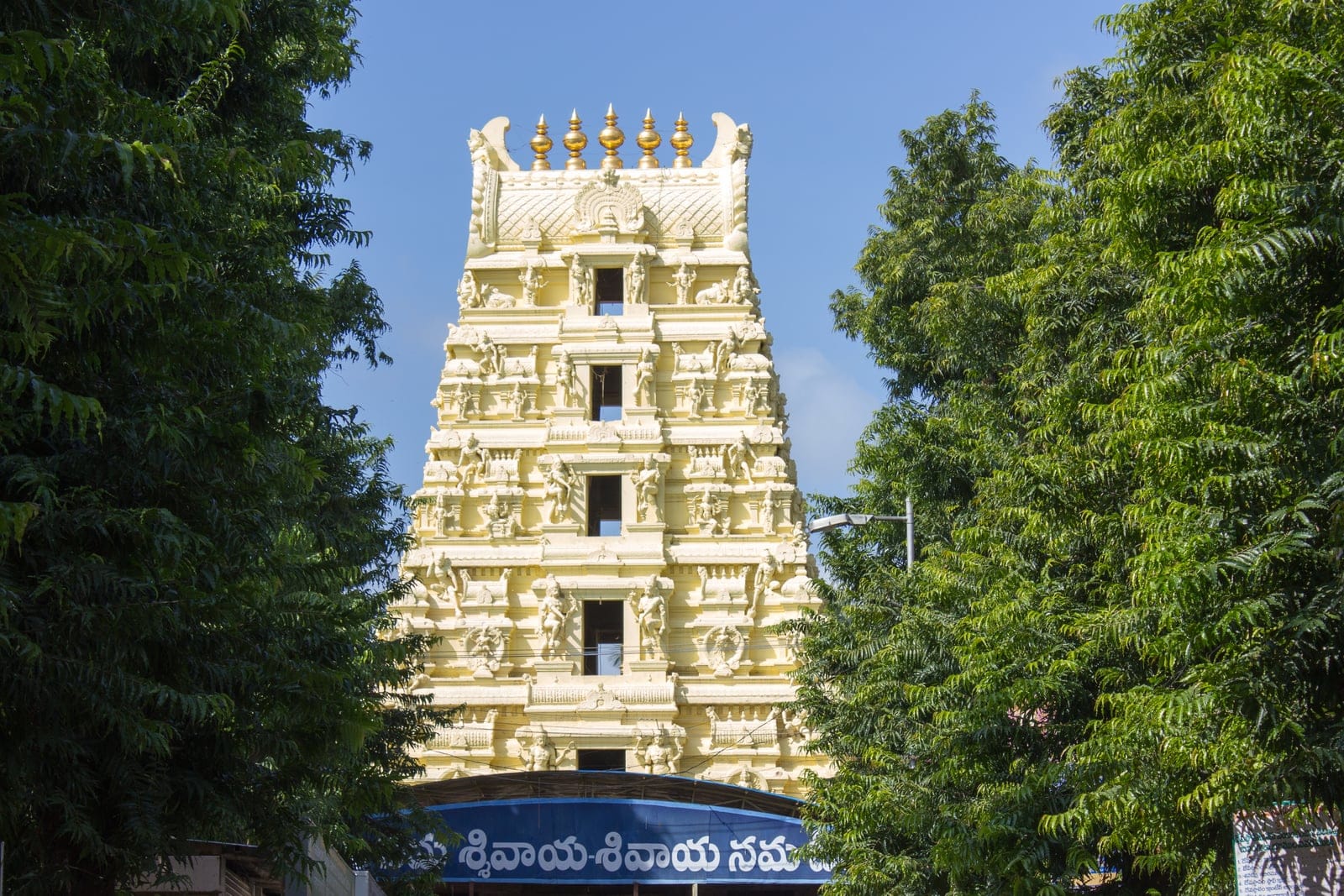
Srisailam Mallikarjuna Swamy Temple
One of the twelve Jyotirlingas and the southernmost among them, Mallikarjuna Temple at Srisailam is uniquely also a Shakti Peetha where the goddess Bhramaramba is worshipped alongside Shiva.
Explore Temple
Andhra Pradesh
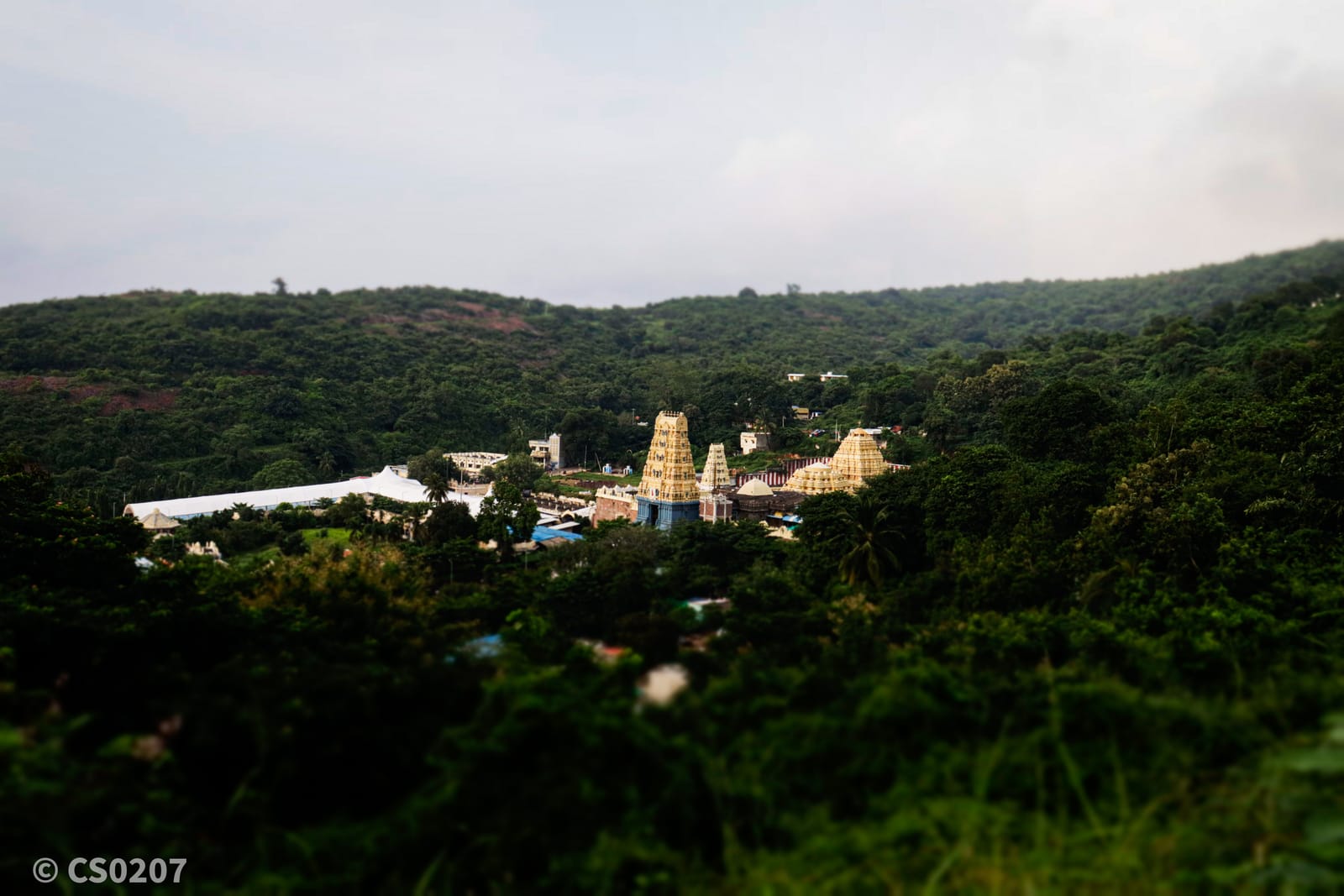
Simhachalam Temple
Simhachalam Temple, also known as Sri Varaha Lakshmi Narasimha Temple, is a historic Hindu temple dedicated to Lord Narasimha, the half-man half-lion avatar of Vishnu.
Explore Temple
Andhra Pradesh
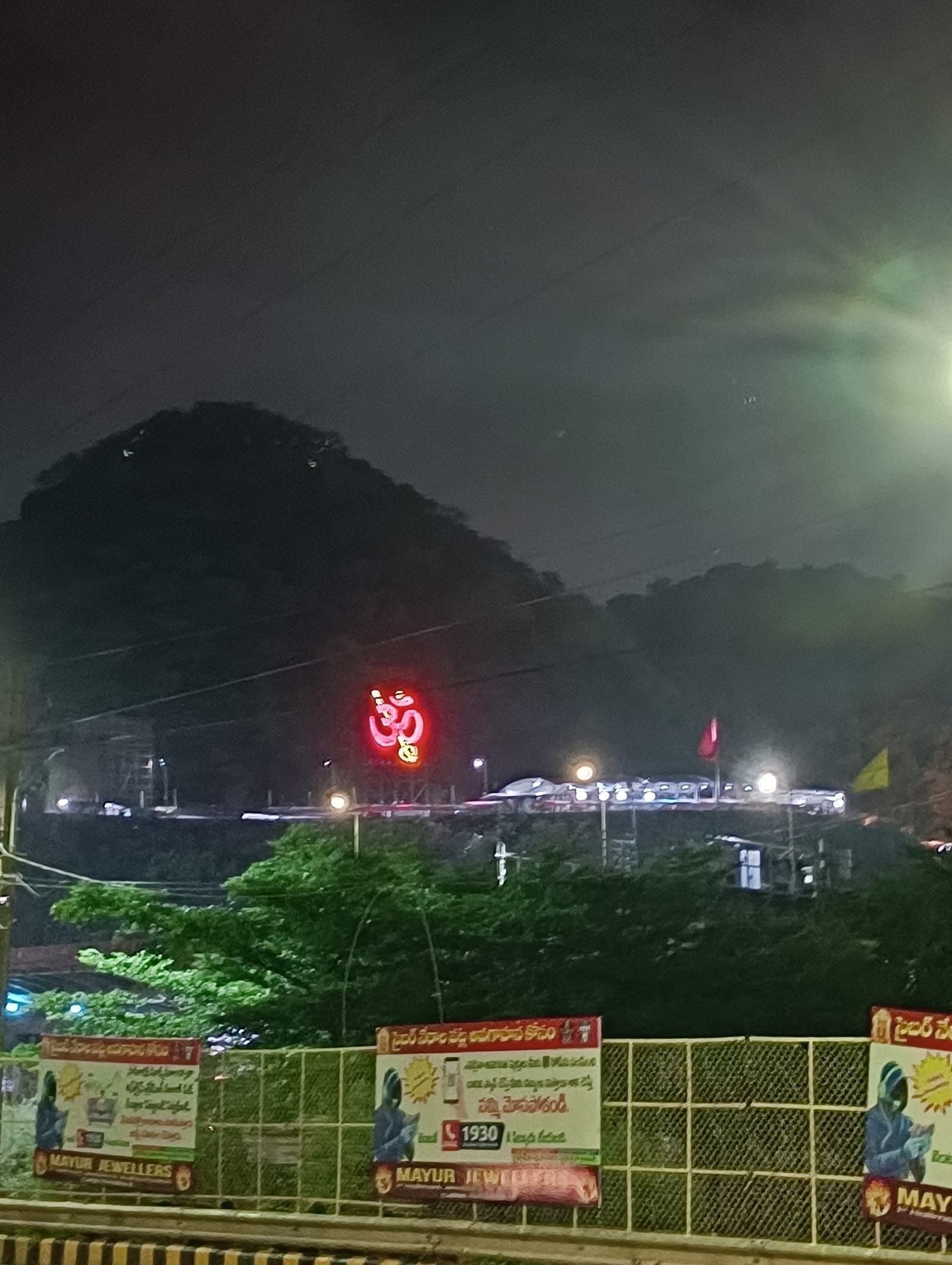
Kanaka Durga Temple
Kanaka Durga Temple, situated on the Indrakeeladri Hill on the banks of the Krishna River in Vijayawada, is a popular Shakti temple in South India.
Explore Temple
Andhra Pradesh
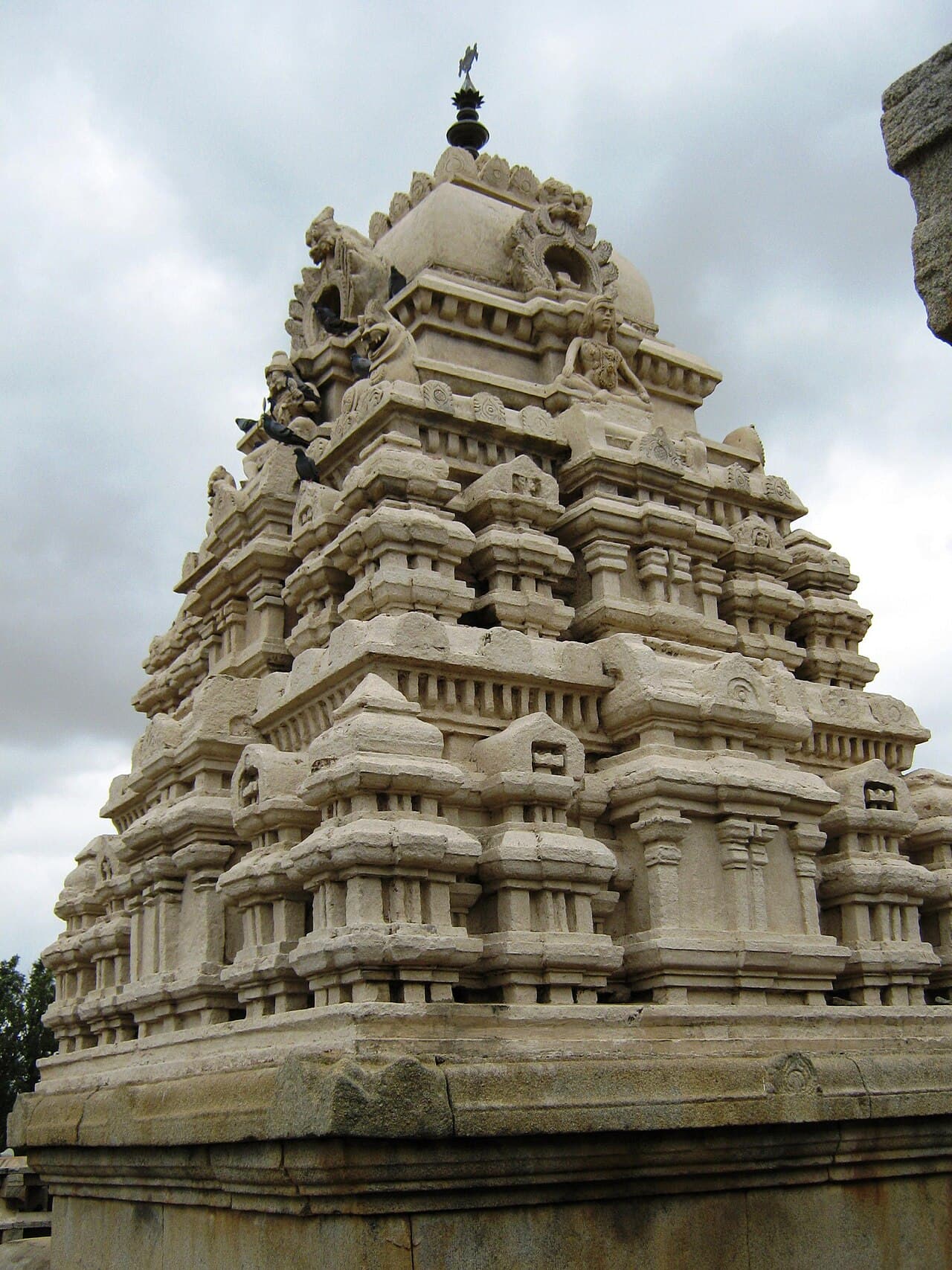
Veerabhadra Temple
Veerabhadra Temple at Lepakshi is a 16th-century Vijayanagara masterpiece, renowned for its hanging pillar, monolithic Nandi, and exquisite ceiling murals.
Explore Temple
Andhra Pradesh
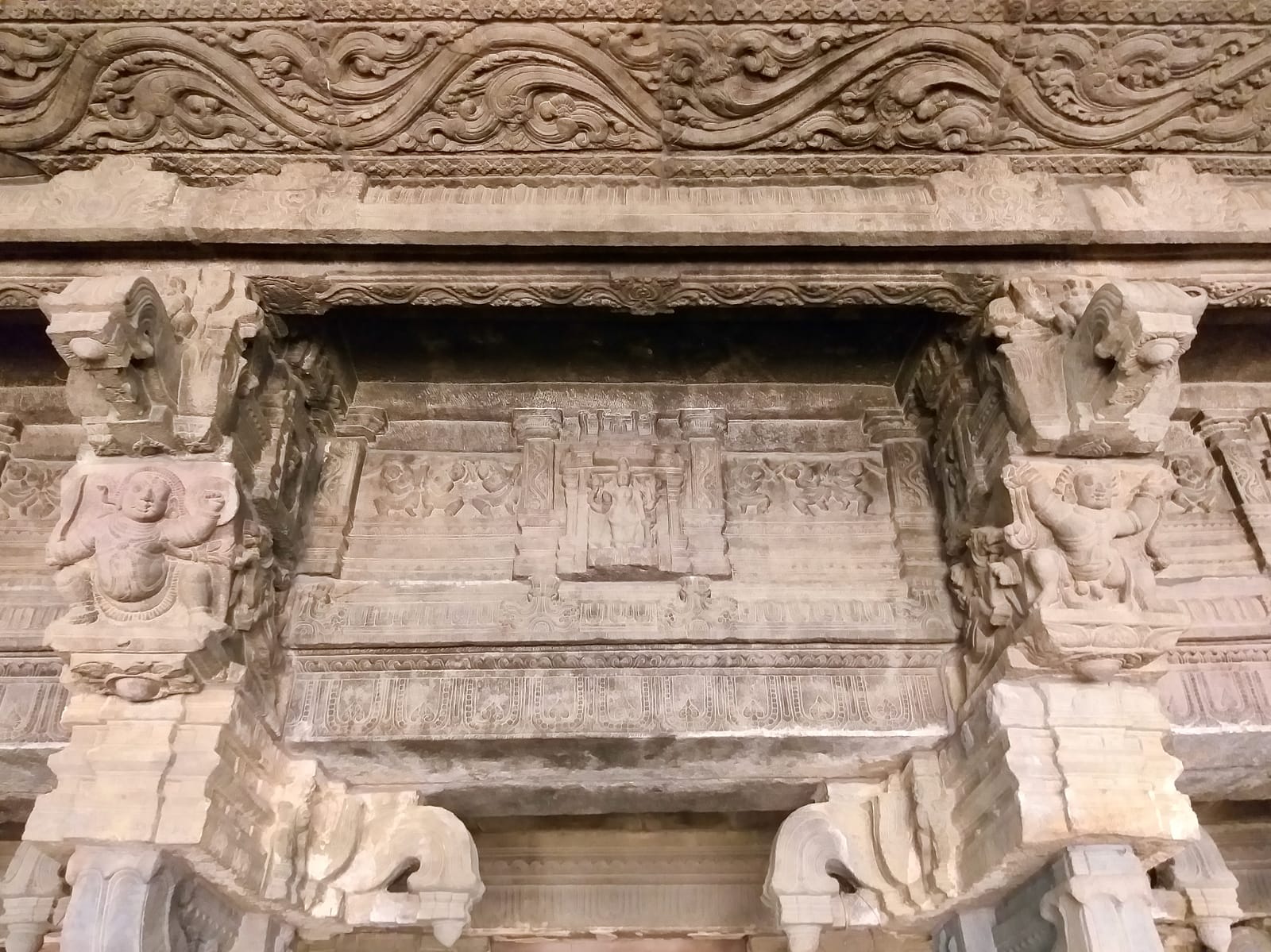
Ahobilam Narasimha Temple
Ahobilam, situated in the dense Nallamala forest of Kurnool district, is the sacred landscape where Lord Narasimha — the half-man, half-lion avatar of Vishnu — is believed to have manifested…
Explore Temple
Andhra Pradesh
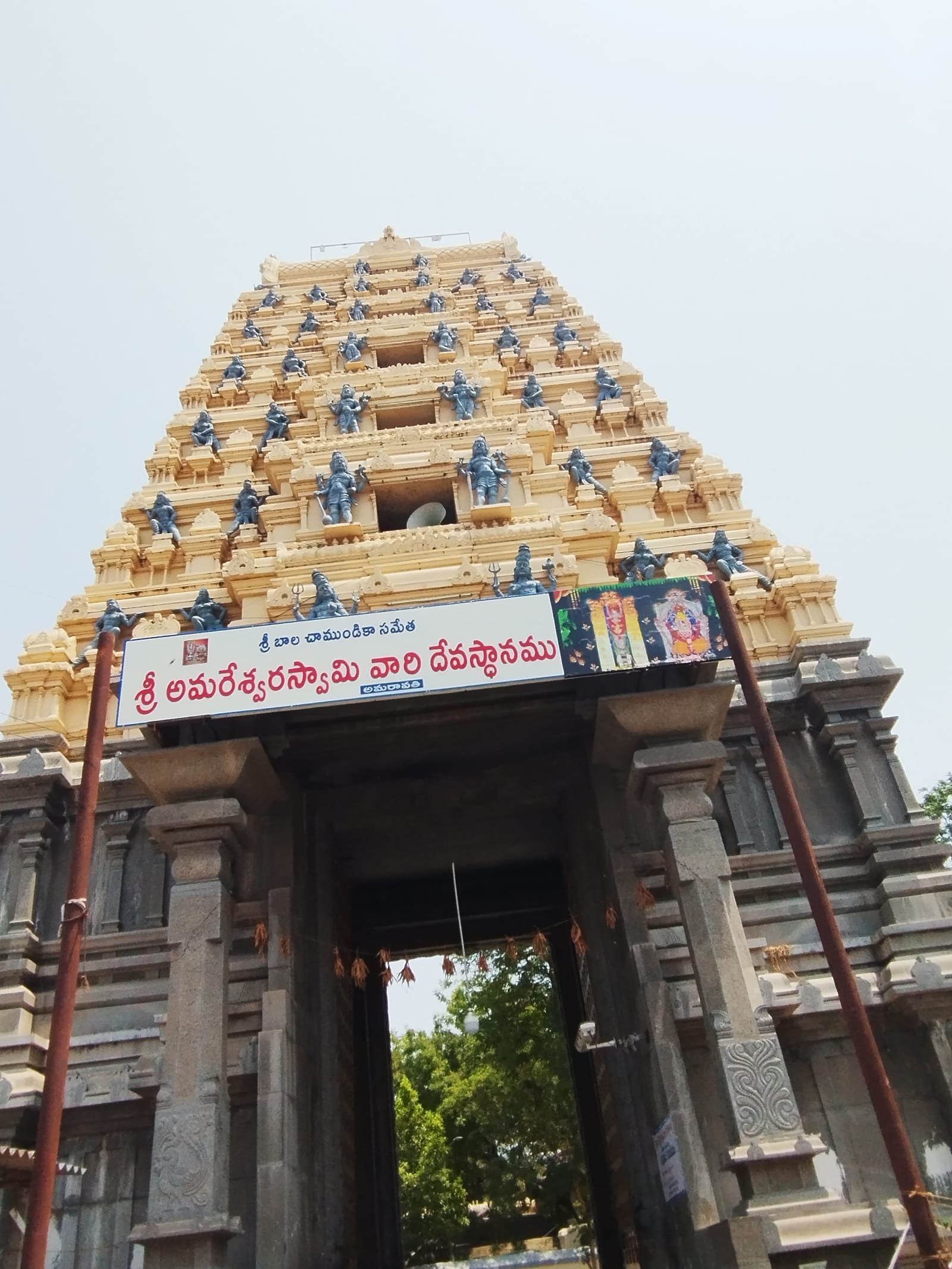
Amaralingeswara Temple
Amaralingeswara Temple, located in Amaravati on the southern bank of the Krishna River, is the foremost of the Pancharama Kshetras — the five ancient Shiva temples of coastal Andhra Pradesh.
Explore Temple
Pilgrimage Circuits
Pancharama Kshetras
5 templesFive Shiva shrines along the Krishna-Godavari deltas built during the Eastern Chalukya period.
AmararamaSomaramaKumararamaKsheeraramaDraksharama
Nava Narasimha Kshetras
9 templesNine Narasimha temples in the Nallamala forest connected by trekking paths.
AhobilaBhargavaYoganandaChatravataKaravanjaBhuvanahaSthambaJwalaMalola
Tirumala Circuit
3 templesThe Tirupati-Srikalahasti-Kanipakam route covering major Vaishnava and Shaiva shrines.
The southern route links Tirumala with Srikalahasti and Kanipakam. The Pancharama Yatra covers five Shiva shrines at Amaravati, Bhimavaram, Samalkot, Draksharama, and Palakollu, completed during Kartika. The Nallamala circuit connects Srisailam with nine Narasimha shrines of Ahobilam through tiger reserve forest. The Visakhapatnam circuit includes Simhachalam Temple and Buddhist sites at Thotlakonda and Bavikonda.
Temple Architecture
Andhra Pradesh temple architecture combines Dravidian vimanas with Deccan elements. Vijayanagara-era constructions feature tall entrance gopurams with stone bases and brick superstructures decorated with stucco figures. Pillars often incorporate carved yalis (mythical beasts) and historical patrons. Lepakshi exemplifies this with monolithic granite carvings, a massive Nandi, and ceiling paintings in natural pigments. The star-shaped platforms pioneered by the Kakatiyas influenced later construction. Simhachalam represents a fusion of Kalinga and Dravidian styles.
Architectural Styles
Historical Timeline
2nd c. BCESatavahana
Satavahana dynasty patronizes Buddhist stupas at Amaravati and Nagarjunakonda.
7th-11th c.Eastern Chalukya
Eastern Chalukyas build structural stone temples in coastal deltas.
12th-14th c.Kakatiya
Kakatiyas introduce star-shaped platforms and polished pillars.
14th-16th c.Vijayanagara
Vijayanagara Empire adds monumental gopurams at Tirumala, Srisailam, and Lepakshi.
16th c.Vijayanagara
Lepakshi Veerabhadra Temple built by Vijayanagara governors Virupanna and Veeranna.
Temple Statistics
8+
Major Temples
Including Tirumala, Srisailam, Srikalahasti, Simhachalam
Tirumala
Richest Temple
World's richest pilgrimage center by donations
1
Jyotirlingas
Srisailam Mallikarjuna
5
Pancharama Kshetras
Ancient coastal Shiva temples
9
Narasimha Kshetras
Ahobilam forest shrines
Festivals
Srivari Brahmotsavam
September-NovemberTirumala Venkateswara Temple
9 days
Daily processions on decorated vahanams; over 500,000 pilgrims attend.
Maha Shivaratri
February-MarchSrisailam Mallikarjuna Swamy
3 days
Longest Shivaratri celebration among all Jyotirlingas; continuous abhishekam.
Chandan Yatra
April-MaySimhachalam Temple
1 day
Sandalwood paste removed from deity for 12 hours, revealing the Narasimha form.
Pancharama Kartika Purnima
NovemberFive temples
1 month
Devotees complete the circuit of five coastal Shiva temples.
The Srivari Brahmotsavam at Tirumala features nine days of processions with the deity carried on decorated wooden vahanams. Maha Shivaratri at Srisailam is the longest among all Jyotirlingas. The Kanaka Durga Temple celebrates Navaratri with grand processions. Simhachalam's Chandan Yatra, when sandalwood paste is removed from the deity, attracts large crowds. The Pancharama Kartika Purnima festival draws Shiva devotees to the five coastal temples.
Travel Guide
Best Time
October to March (20-32°C)
Climate
Hot semi-arid; summer up to 45°C, winter 18-32°C
Nearest Airport
Tirupati (TIR), Vijayawada (VGA), Visakhapatnam (VTZ)
Railway
Vijayawada, Guntakal, Tirupati junctions
Road
NH-16 (Chennai-Kolkata), NH-44 (N-S corridor)
Local Transport
APSRTC buses, private cabs, auto-rickshaws
Temple Etiquette
Remove footwear, cover shoulders/knees
Suggested Duration
7-10 days for key circuits
Nearby Attractions
UNESCO site
Amaravati Stupa
Satavahana-era Buddhist Mahachaitya with intricate marble carvings.
Hill station
Araku Valley
Coffee plantations and tribal museum at 900 meters in the Eastern Ghats.
Natural
Belum Caves
Second-longest cave system in India at 3,229 meters with stalactite formations.
Beach
Visakhapatnam Beaches
Rishikonda, Yarada, and RK Beach along the Bay of Bengal coastline.
Interesting Facts
01
The Tirumala Venkateswara Temple receives over 50,000 visitors daily, making it the most-visited religious building in the world.
02
Srisailam is the only temple in India where a Jyotirlinga (Mallikarjuna) and a Shakti Peetha (Bhramaramba) are within the same complex.
03
The Lepakshi Veerabhadra Temple has a hanging pillar that does not rest fully on the floor, a display of Vijayanagara engineering.
04
The Pancharama Kshetras are five Shiva temples believed to have been established during the Eastern Chalukya period, each housing a Swayambhu linga.
Frequently Asked Questions
A pilgrimage circuit covering five Shiva temples in coastal Andhra: Amararama, Somarama, Kumararama, Ksheerarama, and Draksharama, traditionally completed during the Kartika month.
Nine temples (Nava Narasimha Kshetras) distributed across the Nallamala forest, connected by trekking paths.
The deity is covered with sandalwood paste throughout the year, with the original stone form revealed only during the annual Chandan Yatra.
Tirumala Venkateswara, Srisailam Mallikarjuna, Srikalahasti, Simhachalam, Kanaka Durga, Amaralingeswara, Lepakshi Veerabhadra, and Ahobilam.
Sources & References
These records back the history, architecture, temple listings and visitor guidance published on this Andhra Pradesh page.
Archaeological Survey of India
Archaeological Survey of India — monument records and conservation reports
Protected-monument status, dating, architectural classification and conservation records for the temples and monuments named across this Andhra Pradesh guide.
Primary archaeological record
Open source (opens in a new tab)Ministry of Tourism, Government of India
Ministry of Tourism — official destination information
Official Government of India visitor information, access routes and pilgrimage circuits for Andhra Pradesh.
Government record
Open source (opens in a new tab)Andhra Pradesh Tourism
Andhra Pradesh Tourism — official destination portal
State visitor information — temple timings, access routes and pilgrimage circuit details cited on this page.
Government record
Open source (opens in a new tab)
— every record linked above was re-requested for this release, so the link still resolves and the publisher still serves the document. It is a link check, not a re-verification of every sentence on this page.
Missing something, or found an error? Send us a correction with the record that supports it, or read how we choose sources.