India's UNESCO Temples
Masterpieces of human creative genius, recognized by UNESCO for their outstanding universal value and cultural significance.
What Makes a Temple World Heritage?
To be included on the UNESCO World Heritage List, sites must be of outstanding universal value and meet at least one out of ten selection criteria. Most Indian temples are listed under Criterion (i) — to represent a masterpiece of human creative genius.
These sites are not just religious shrines; they are architectural breakthroughs, documenting the evolution of structural engineering, astronomical alignment, and artistic expression over a millennium of Indian history.
Conservation by ASI
In India, these sites are protected by the Archaeological Survey of India (ASI) under the Ancient Monuments and Archaeological Sites and Remains Act, ensuring their preservation for future generations.
Masterpieces of History
Explore the temple complexes that represent the pinnacle of Indian temple architecture across dynasties.
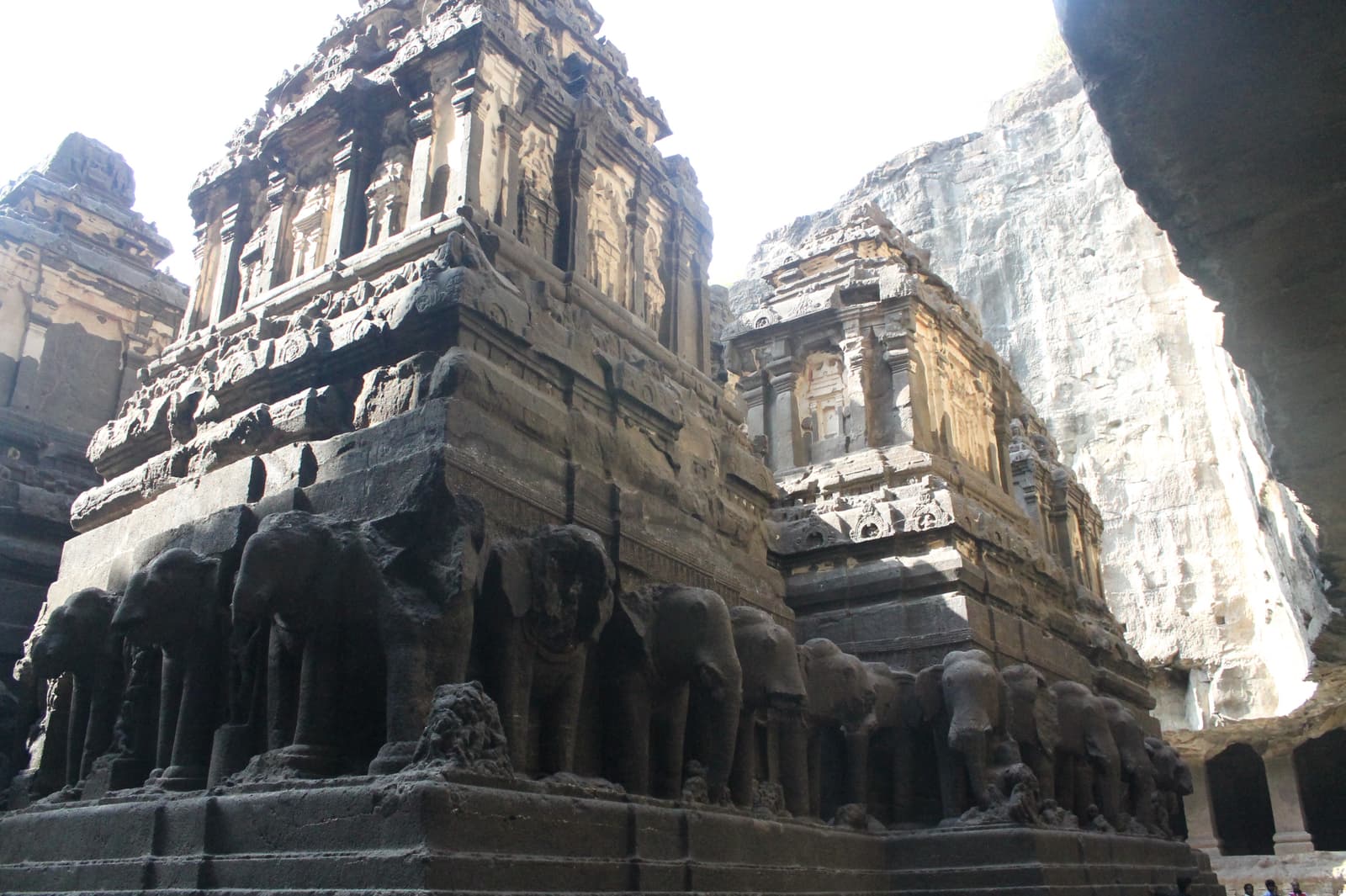
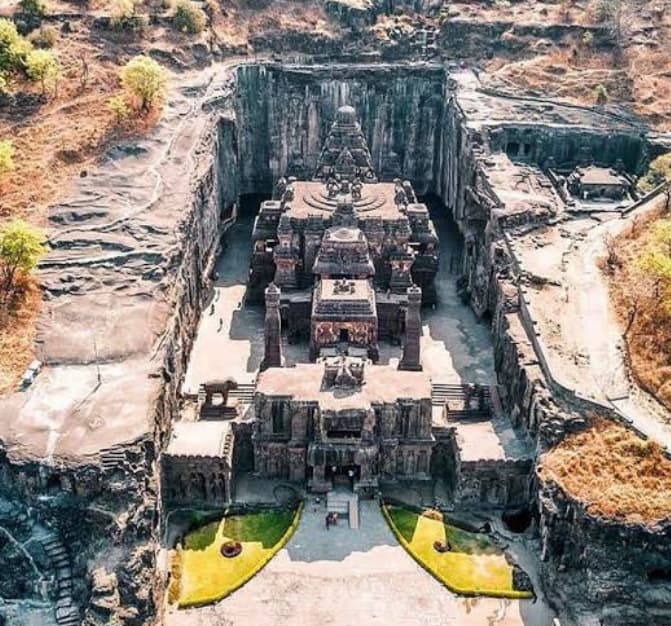
Kailasa Temple, Ellora
The largest monolithic rock-cut structure in the world, representing an extraordinary engineering feat of carving a mountain from top to bottom.
Explore Heritage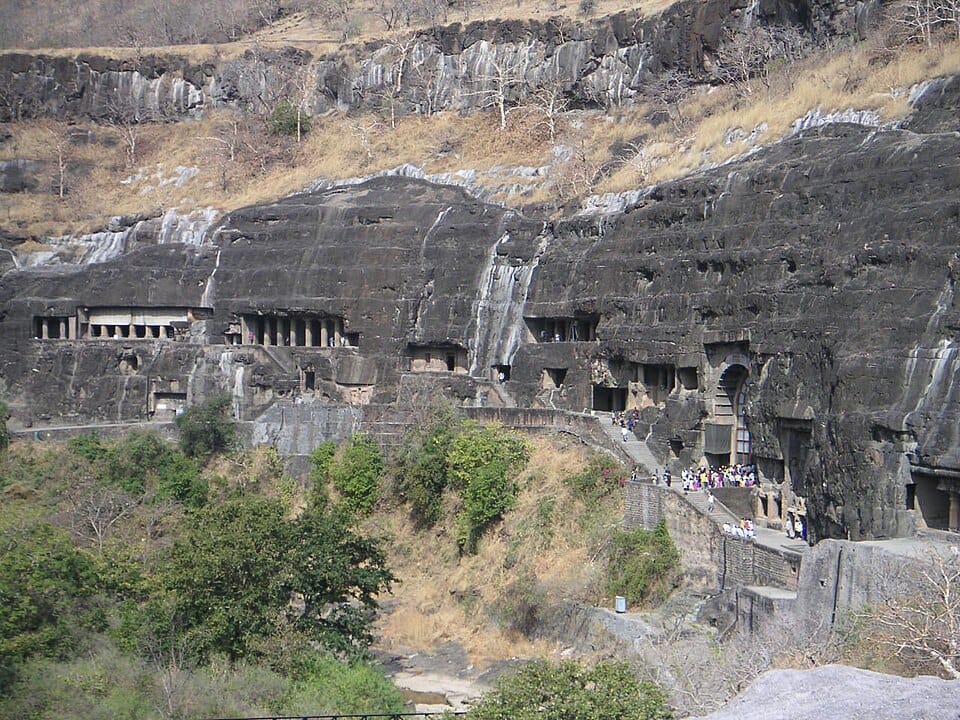
Ajanta Cave Temples
The Ajanta Caves represent the finest surviving examples of ancient Indian mural painting and Buddhist rock-cut architecture, spanning over 800 years of artistic evolution.
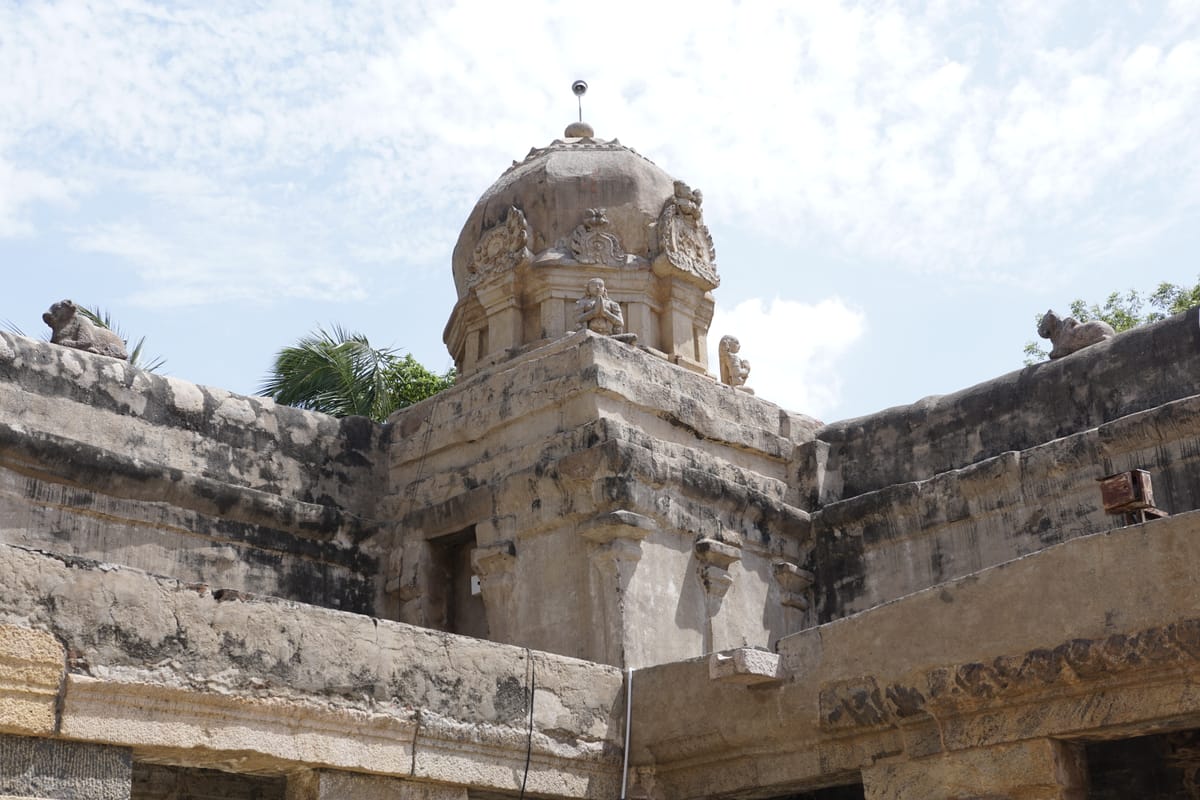
Explore HeritageGreat Living Chola Temples — Brihadeeswarar Temple
The Brihadeeswarar Temple is the principal monument of the Great Living Chola Temples, a UNESCO inscription covering three exceptional Chola temples that demonstrate the outstanding engineering and artistic achievements of the Chola Empire.
Explore Heritage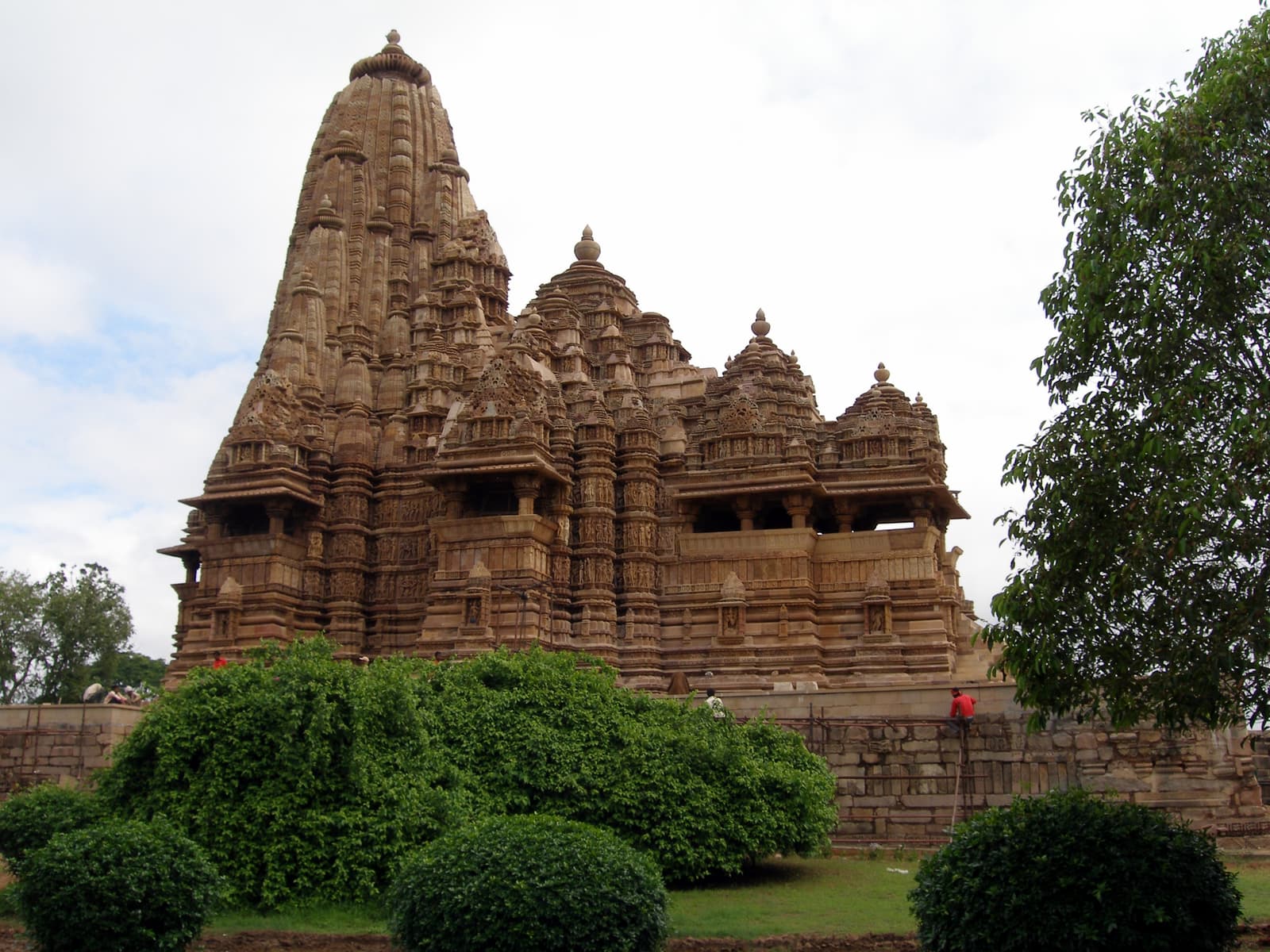
Khajuraho Group of Monuments
Represents the pinnacle of temple architectural development in North India, known for its intricate sculptures and harmonious integration of architecture and sculpture.
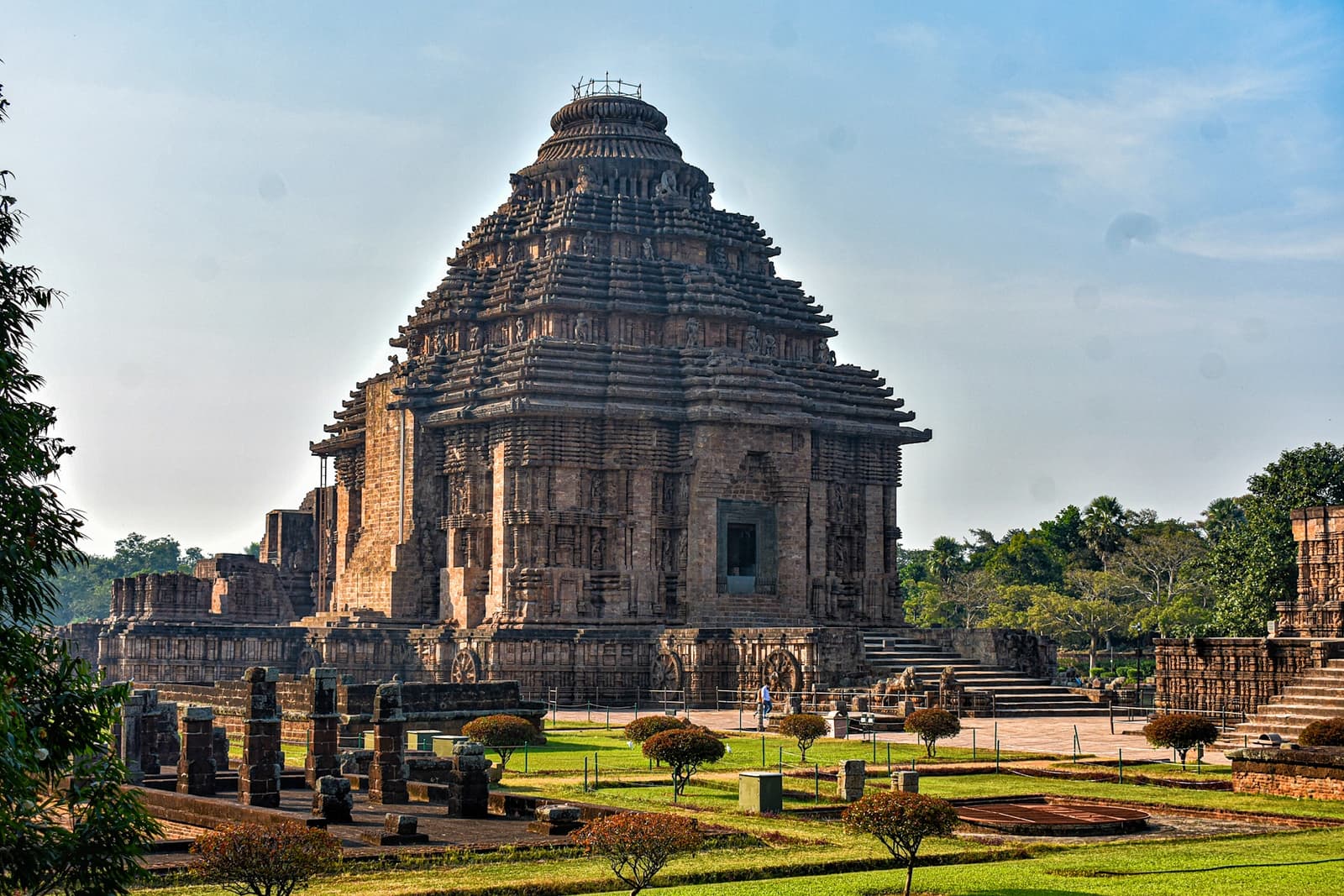
Explore HeritageSun Temple, Konark
A monumental representation of the chariot of the Sun God Surya, it is a famous Brahmanical sanctuary in India.
Explore Heritage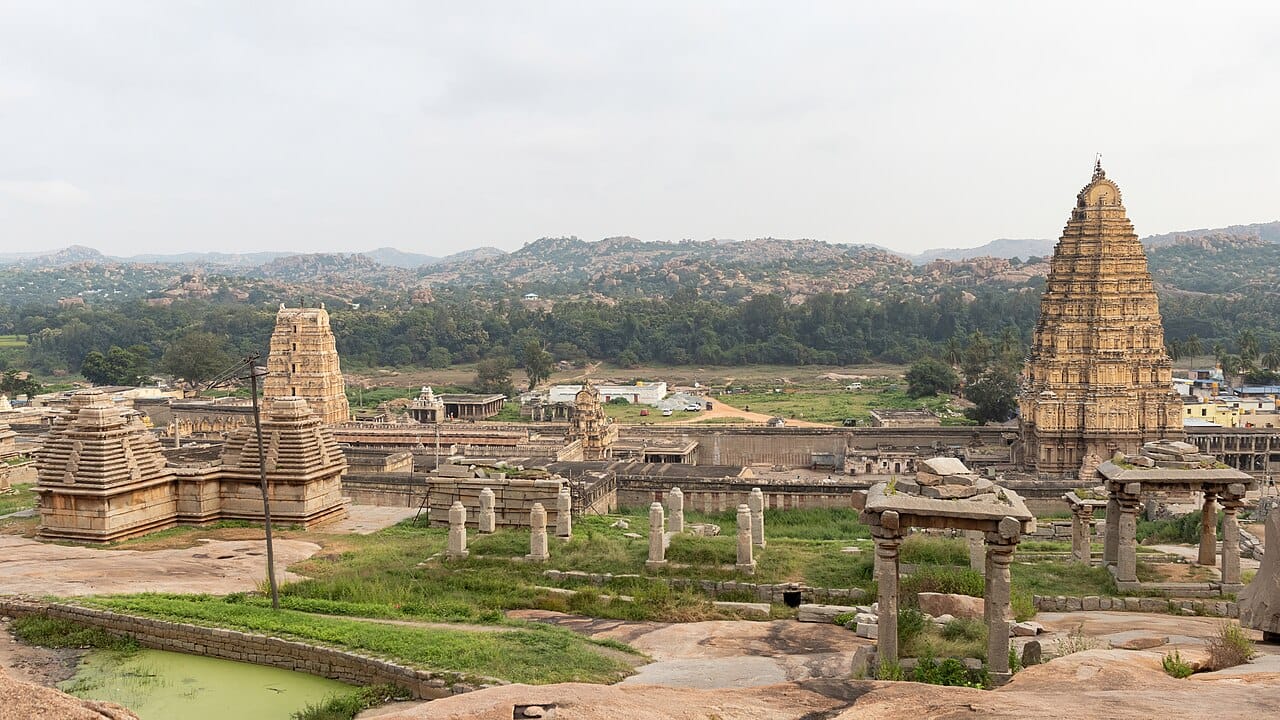
Hampi Group (Virupaksha Temple)
The last great Hindu Kingdom in South India, Hampi's ruins show a highly developed urban layout and innovative architectural style.
Explore Heritage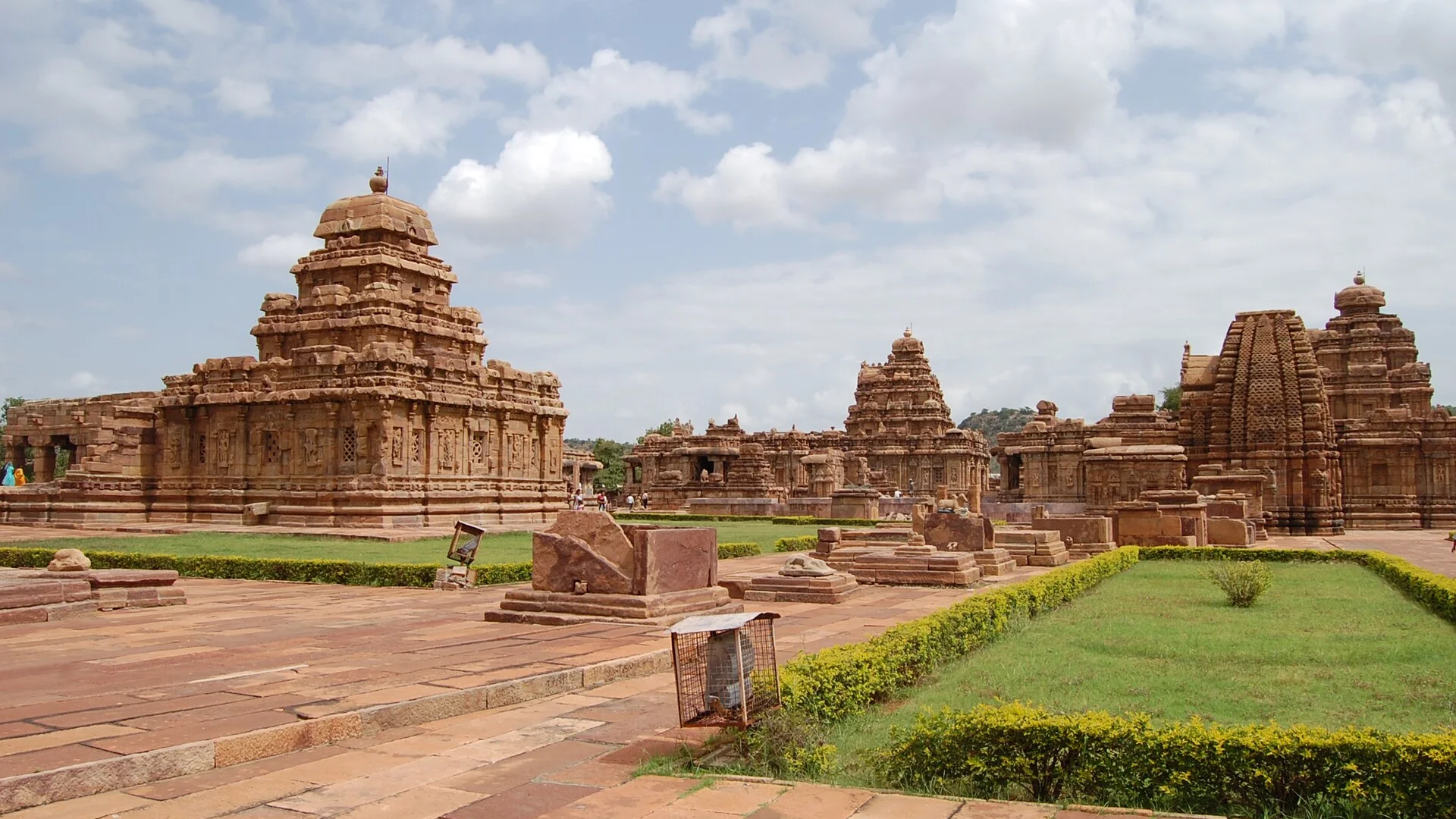
Monuments at Pattadakal
A unique meeting point where architectural styles from North and South India were blended to create a harmonious whole.
Explore Heritage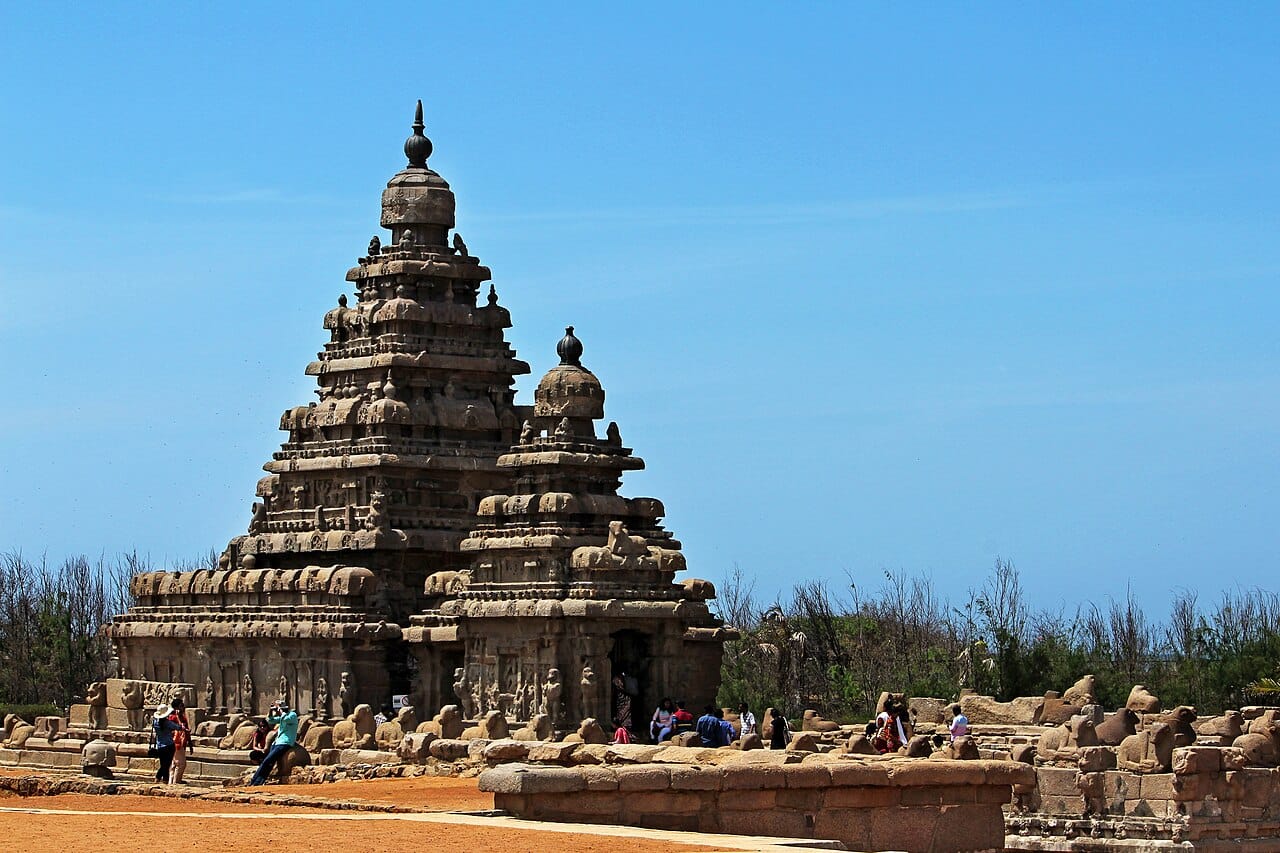
Shore Temple, Mahabalipuram
One of the oldest structural stone temples of South India, it represents the transition from rock-cut to structural architecture.
Explore Heritage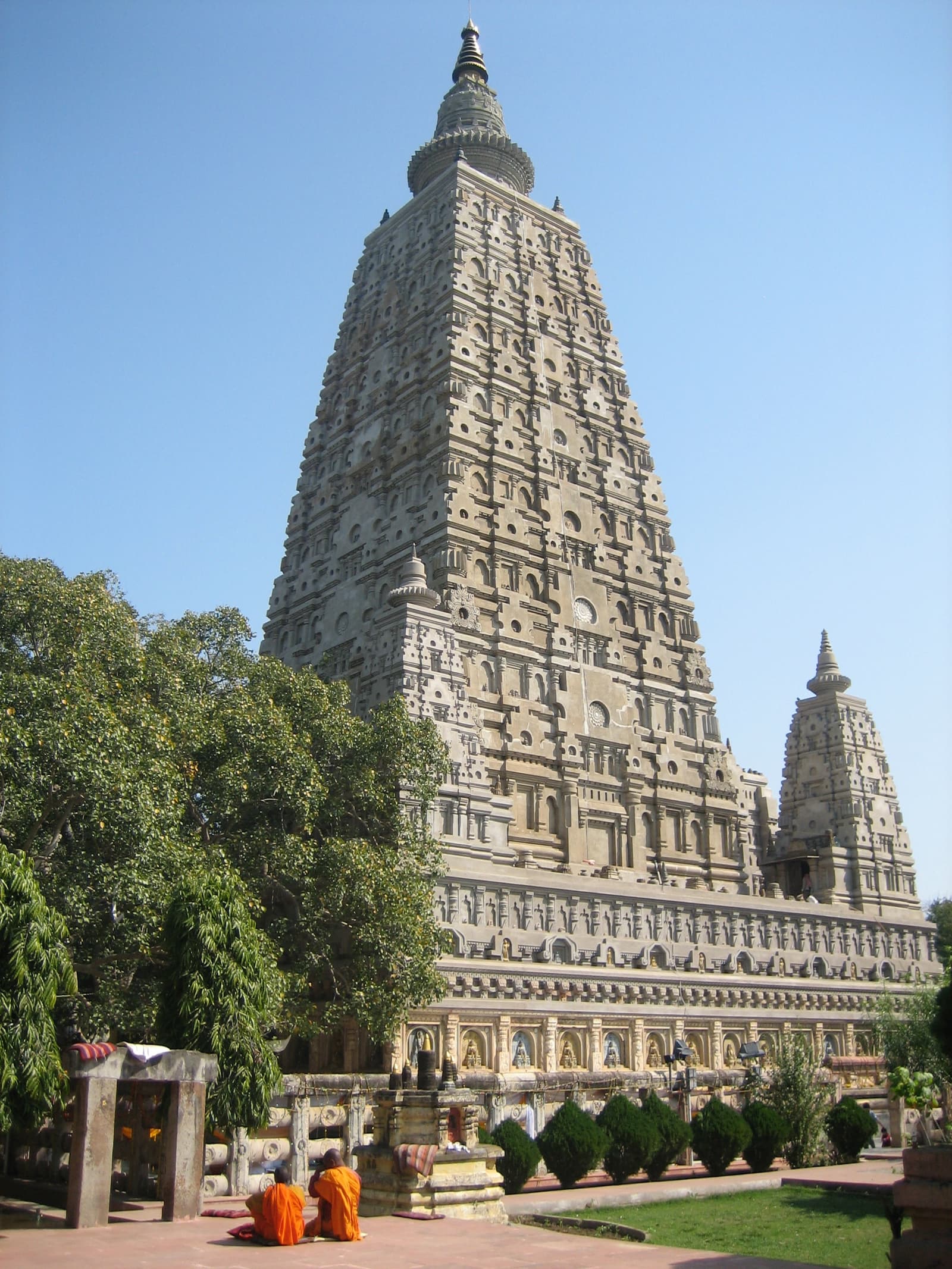
Mahabodhi Temple Complex
One of the four holy sites related to the life of the Lord Buddha, and particularly to the attainment of Enlightenment.
Explore Heritage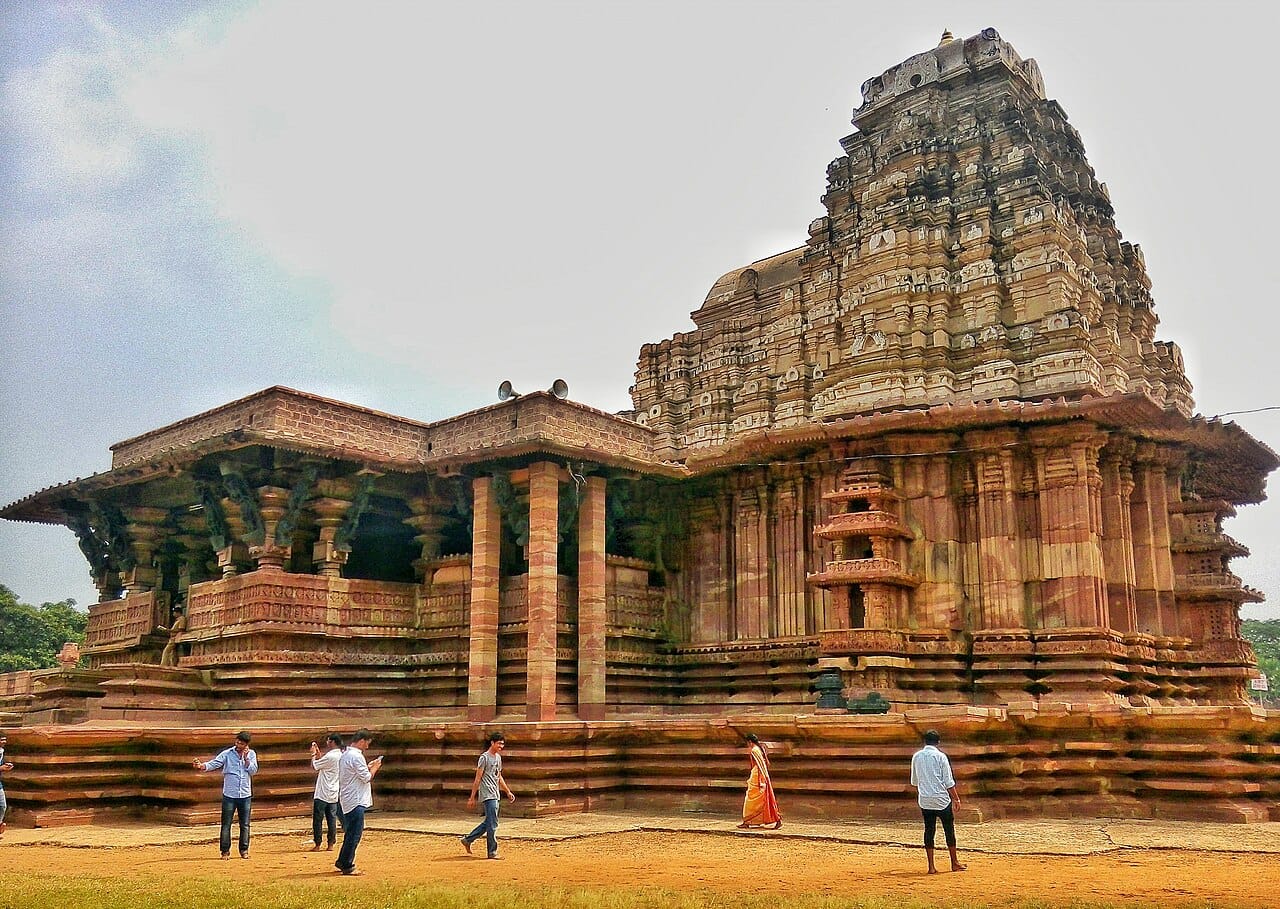
Ramappa Temple
The temple is a masterpiece of Kakatiya art, known for its intricate carvings, floating bricks, and sophisticated engineering.
Explore Heritage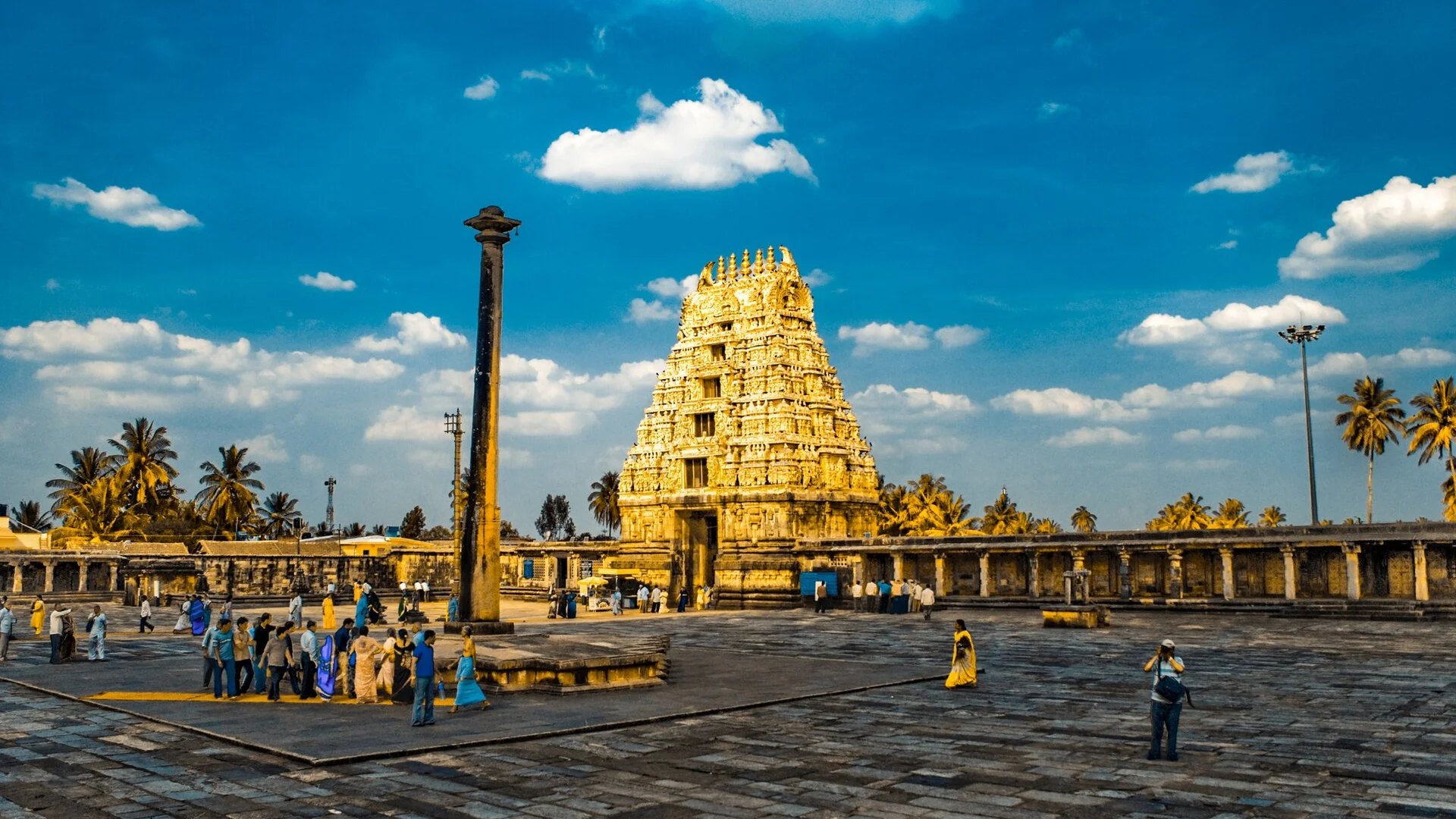
Sacred Ensembles of the Hoysalas — Chennakeshava Temple
The Hoysala temples represent a unique creative genius in stone carving, characterized by hyper-real sculptures and star-shaped architectural plans.
Explore Heritage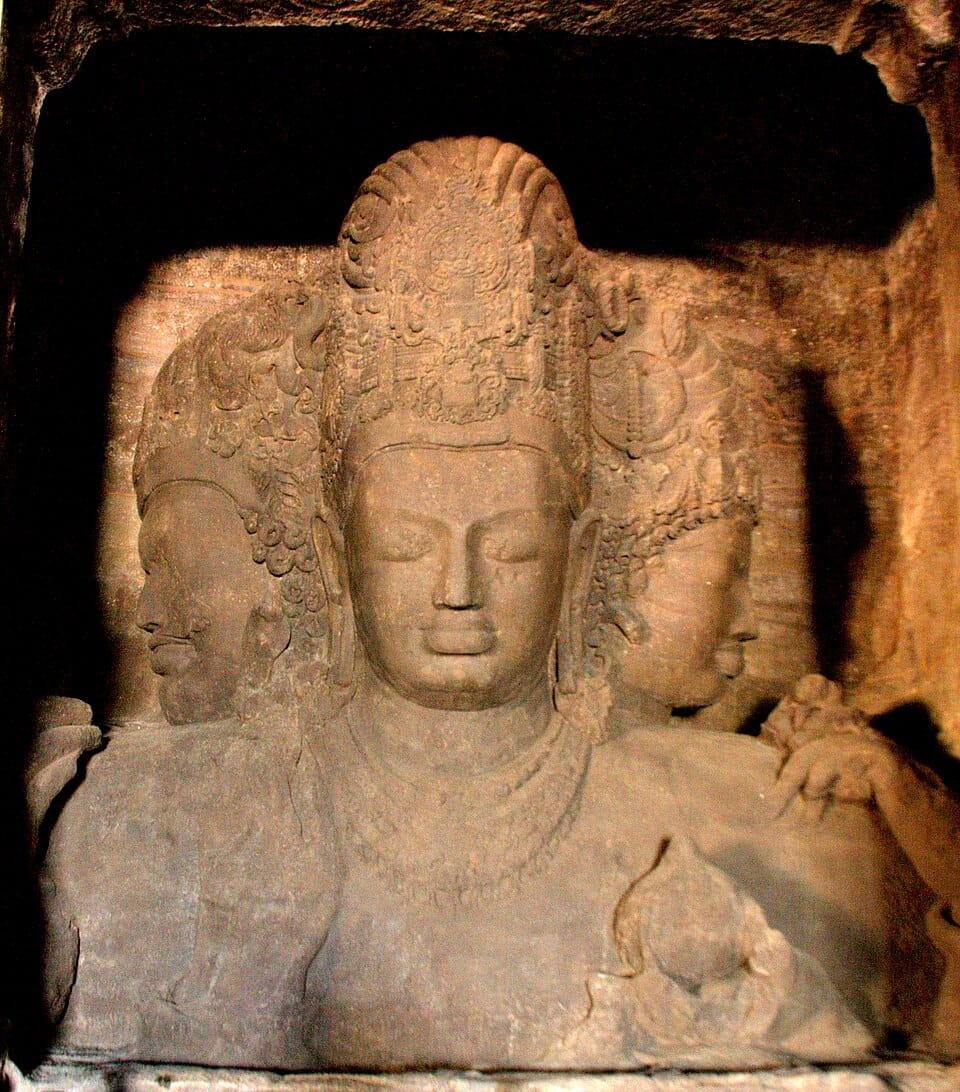
Elephanta Caves
A masterpiece of rock-cut architecture with monumental sculptures, most notably the 20-foot Trimurti, representing the pinnacle of Hindu cave-temple art.
Explore HeritageArchitectural Breakthroughs
Monolithic Marvels
Sites like the Kailasa Temple at Ellora represent the world's largest monolithic structures, carved top-down out of a single basalt rock face.
Structural Innovation
The Brihadeeswarar Temple features a 216-foot vimana built with interlocking granite blocks without binding mortar, crowned by an 80-tonne monolithic granite capstone.
Astronomical Precision
The Konark Sun Temple was designed as a giant stone chariot with 24 wheels that serve as sundials, measuring solar time through shadow angles.
Visitor Essentials
Best Time to Explore
For monuments in Central and South India, the cooler months from November to February are ideal. Avoid the extreme summer heat for a comfortable exploration.
Ticket Booking
Most UNESCO sites are ASI monuments. Book entry tickets online via the ASI portal to avoid long queues at the ticket counters.
Responsible Tourism
- Do not touch ancient stone carvings
- Use government-authorized guides
- Dispose of waste only in designated bins
- Avoid flash photography where prohibited
- Maintain silence in sacred areas
- Wear comfortable walking shoes
Common Questions
What is a UNESCO World Heritage Site?
A UNESCO World Heritage Site is a place listed by UNESCO as possessing outstanding universal value to humanity. In India, cultural heritage monuments are protected under international conventions and managed by the Archaeological Survey of India (ASI).
How many UNESCO World Heritage temple sites are there in India?
This collection covers the 12 temple-related properties on India's UNESCO World Heritage List, including the Great Living Chola Temples, the Sun Temple at Konark, the Khajuraho Group of Monuments, the Sacred Ensembles of the Hoysalas, and the rock-cut Kailasa Temple at Ellora.
Do I need special permission to photograph these sites?
Handheld photography for personal non-commercial use is permitted at ASI-protected monuments. The use of tripods, artificial lighting, drones, and commercial filming equipment requires prior written authorization and permits from the Archaeological Survey of India.
Are these temples still active places of worship?
Practice varies by monument. Living temples such as the Brihadeeswarar Temple in Thanjavur and the Virupaksha Temple in Hampi maintain active daily Agamic rituals. Conversely, monuments such as the Konark Sun Temple and parts of Khajuraho function as protected archaeological monuments without active sanctum worship.
Buddhist Heritage
India's Buddhist heritage includes ancient stupas, rock-cut monasteries, and what UNESCO calls one of the earliest planned universities in the world. Discover sites like Sanchi, Nalanda, and the Ajanta caves through our dedicated collection.
Explore Buddhist HeritageSources & References
These are the published records this page draws on. Each entry names the body that issued it and the specific claims on this page that it backs, so you can check them yourself rather than taking our word for it.
UNESCO World Heritage Centre
UNESCO World Heritage List — India
World Heritage inscription criteria, Outstanding Universal Value statements and the year of listing for the sites named on this page.
World Heritage documentation
Open source (opens in a new tab)Archaeological Survey of India
Archaeological Survey of India — monument records and conservation reports
Protection status, dating, architectural classification and published conservation records for the monuments named on this page.
Primary archaeological record
Open source (opens in a new tab)INTACH
Indian National Trust for Art and Cultural Heritage
Documentation of Indian architectural heritage and conservation practice behind the style descriptions on this page.
Reference source
Open source (opens in a new tab)
— every record linked above was re-requested for this release, so the link still resolves and the publisher still serves the document. It is a link check, not a re-verification of every sentence on this page.
Missing something, or found an error? Send us a correction with the record that supports it, or read how we choose sources.