bu
Theme Collection
Buddhist Heritage
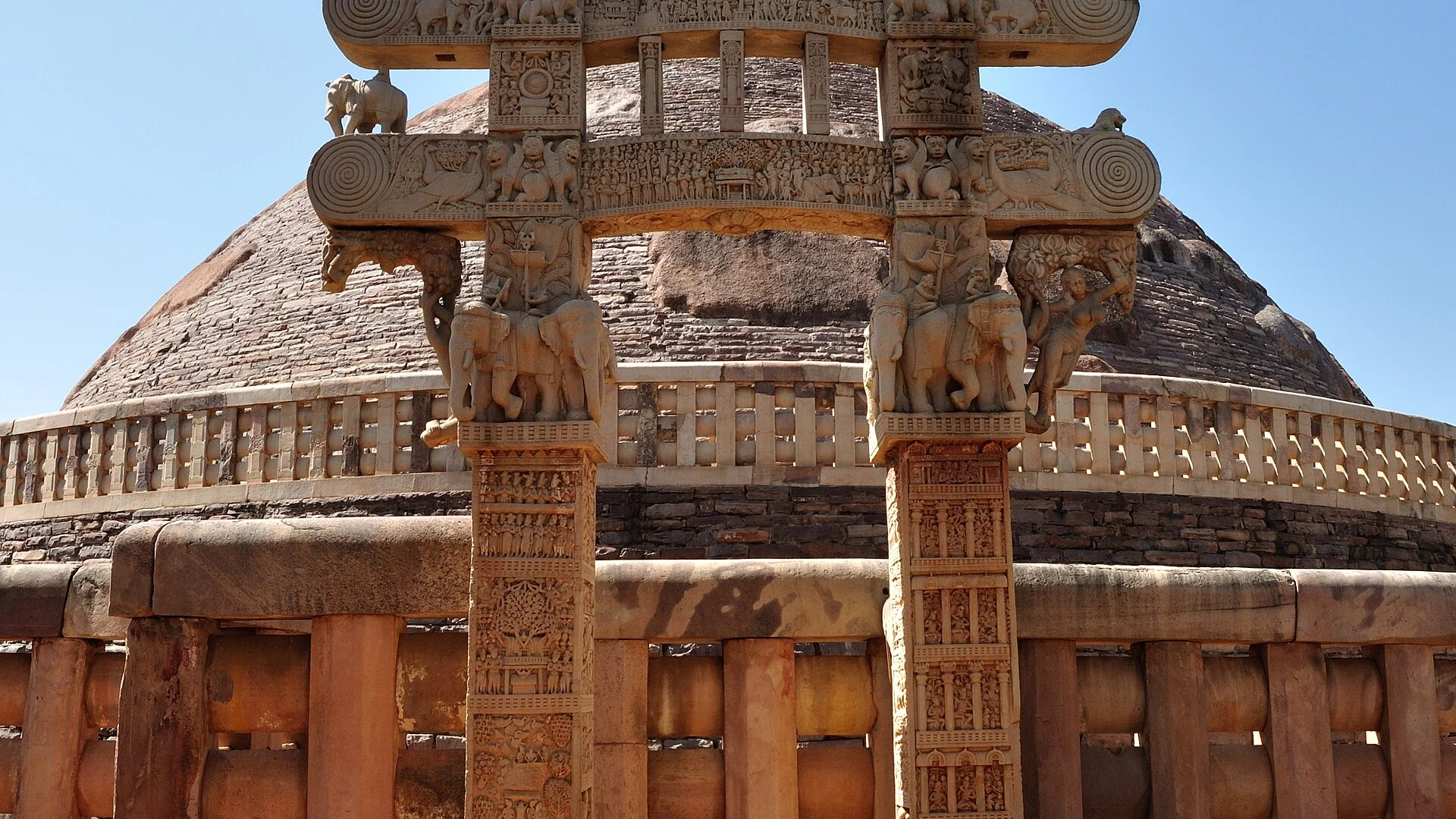
Explore India's most important Buddhist heritage sites, from the Great Stupa at Sanchi to the ancient university of Nalanda.
The Collection
Featured Shrines
Explore our curated selection of buddhist heritage that define this architectural and spiritual category.
15 Sites Identified
Tripura
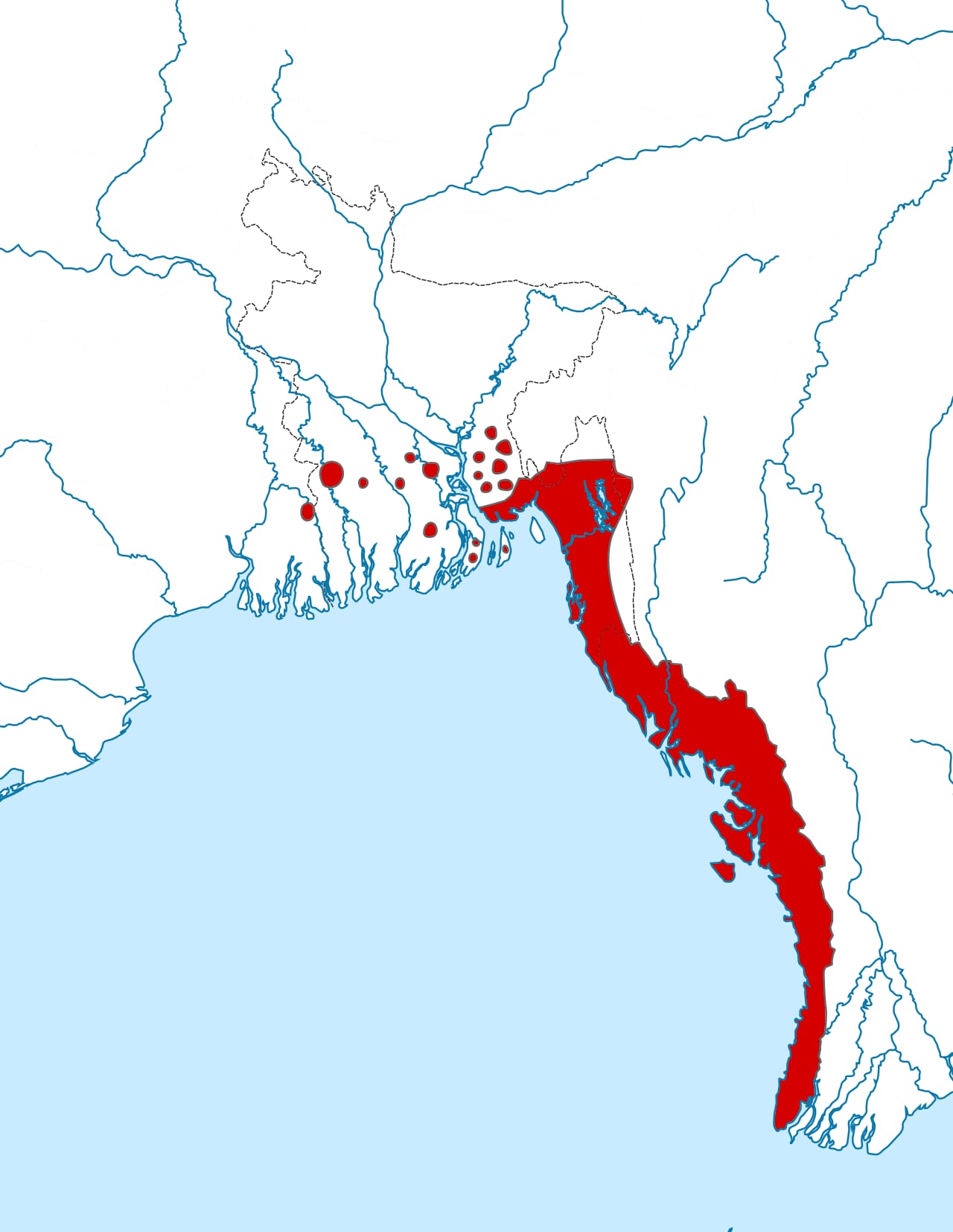
Mahamuni Pagoda
The most important Buddhist pilgrimage site in Tripura, housing an ancient idol said to have been brought from Myanmar.
Explore Temple

Karnataka
Durga Temple
The Durga Temple at Aihole, built in the 7th-8th century CE, is a distinctive architectural experiment of the Early Chalukya period.
Explore Temple

Bihar
Barabar Caves
The oldest surviving rock-cut chambers in India, excavated by Emperor Ashoka in the 3rd century BCE.
Explore Temple
Assam
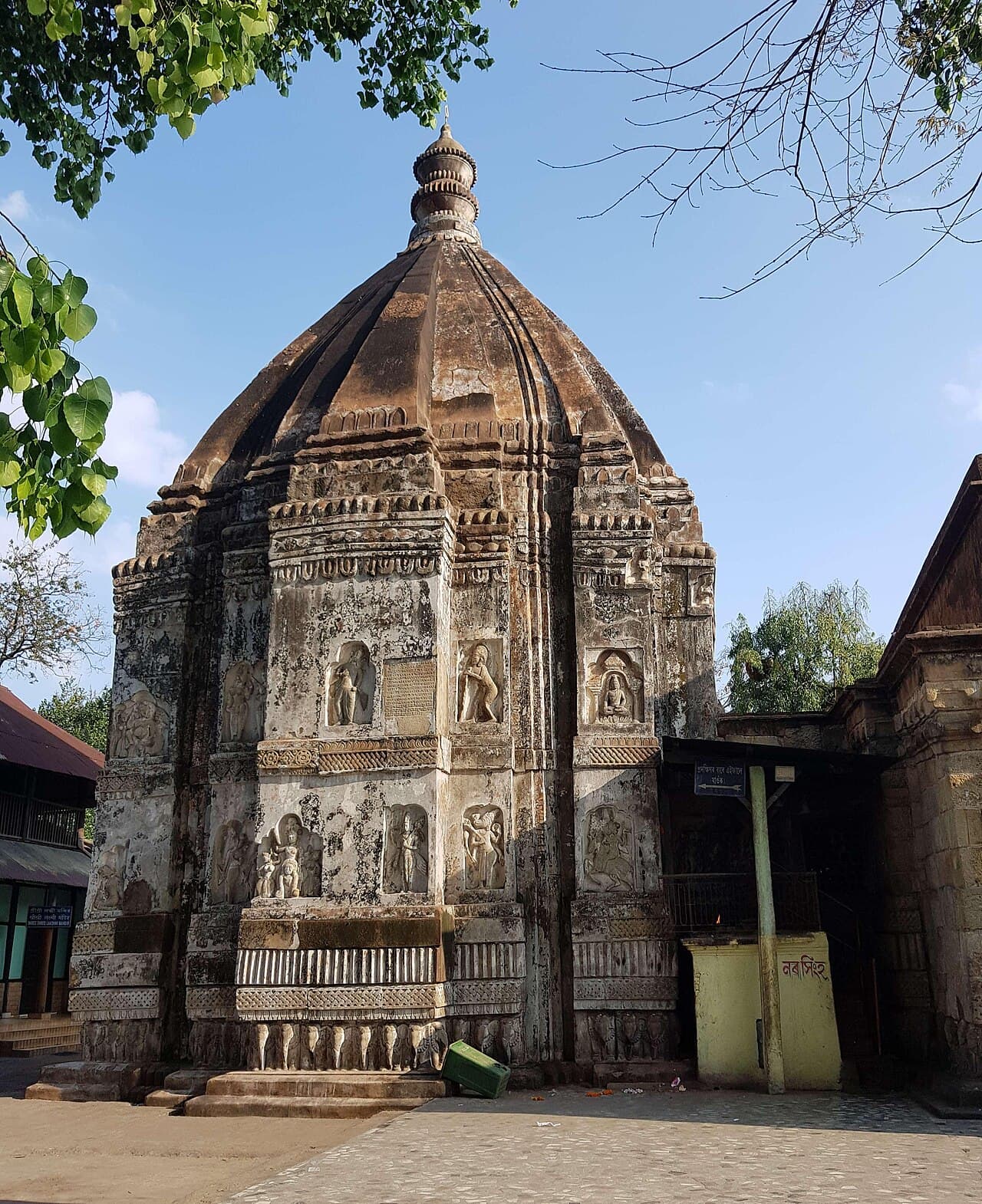
Hayagriva Madhava Temple
A unique 16th-century stone temple on Monikut Hill, sacred to both Hindus and Buddhists, known for its ancient carvings and sacred turtles.
Explore Temple
Arunachal Pradesh
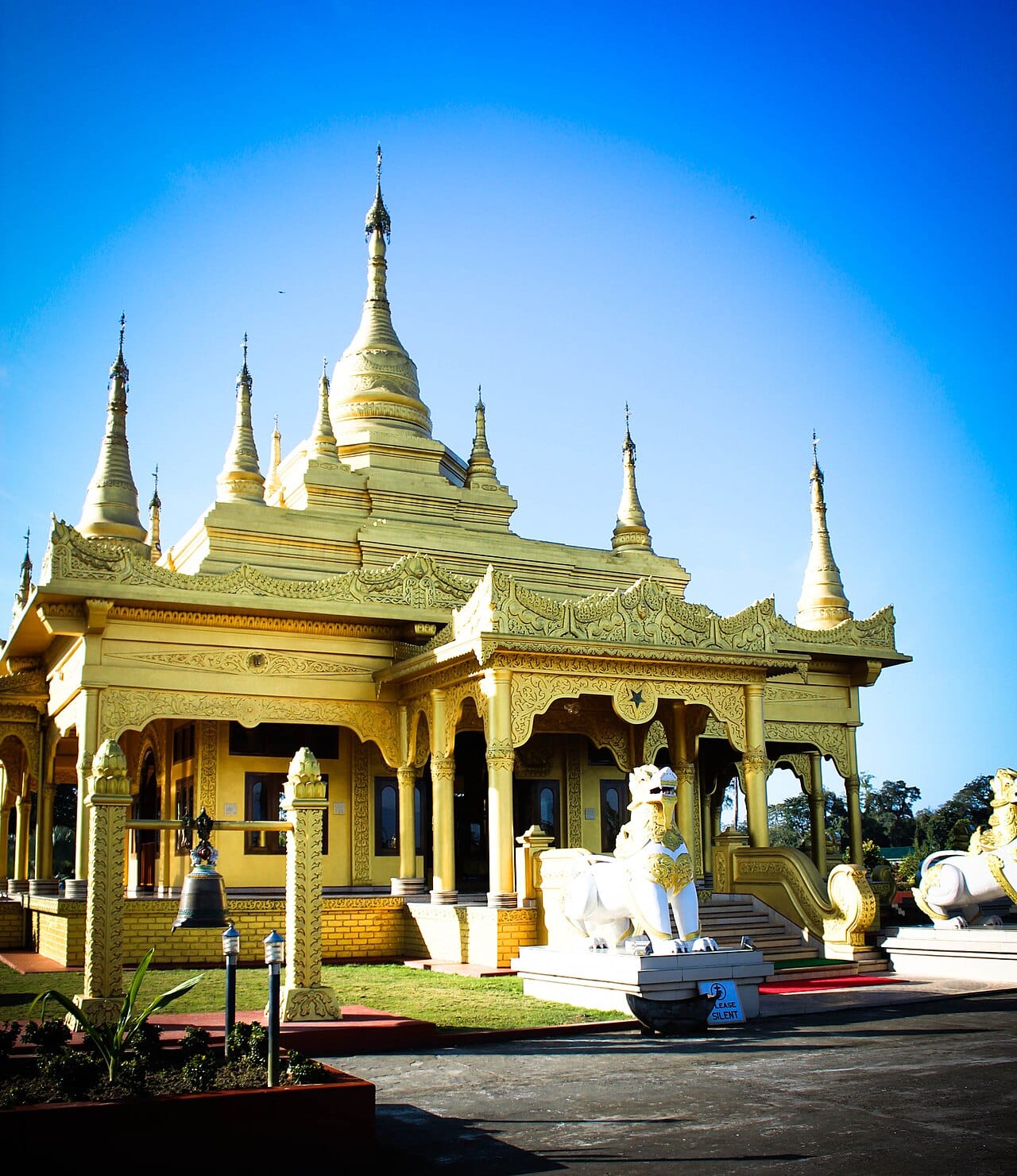
Golden Pagoda
A stunning golden masterpiece of Burmese architecture, serving as a beacon of Theravada Buddhism in the plains of Namsai.
Explore Temple
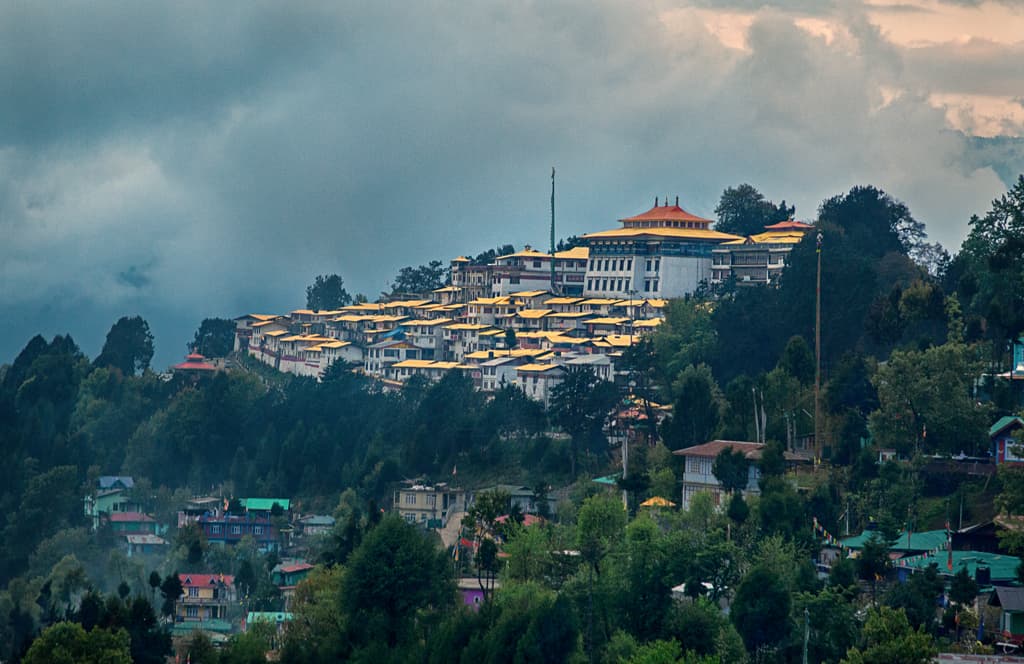
Arunachal Pradesh
Tawang Monastery
The largest monastery in India and the second largest in the world, a stunning 17th-century fortress of Buddhist culture perched at 10,000 feet.
Explore Temple
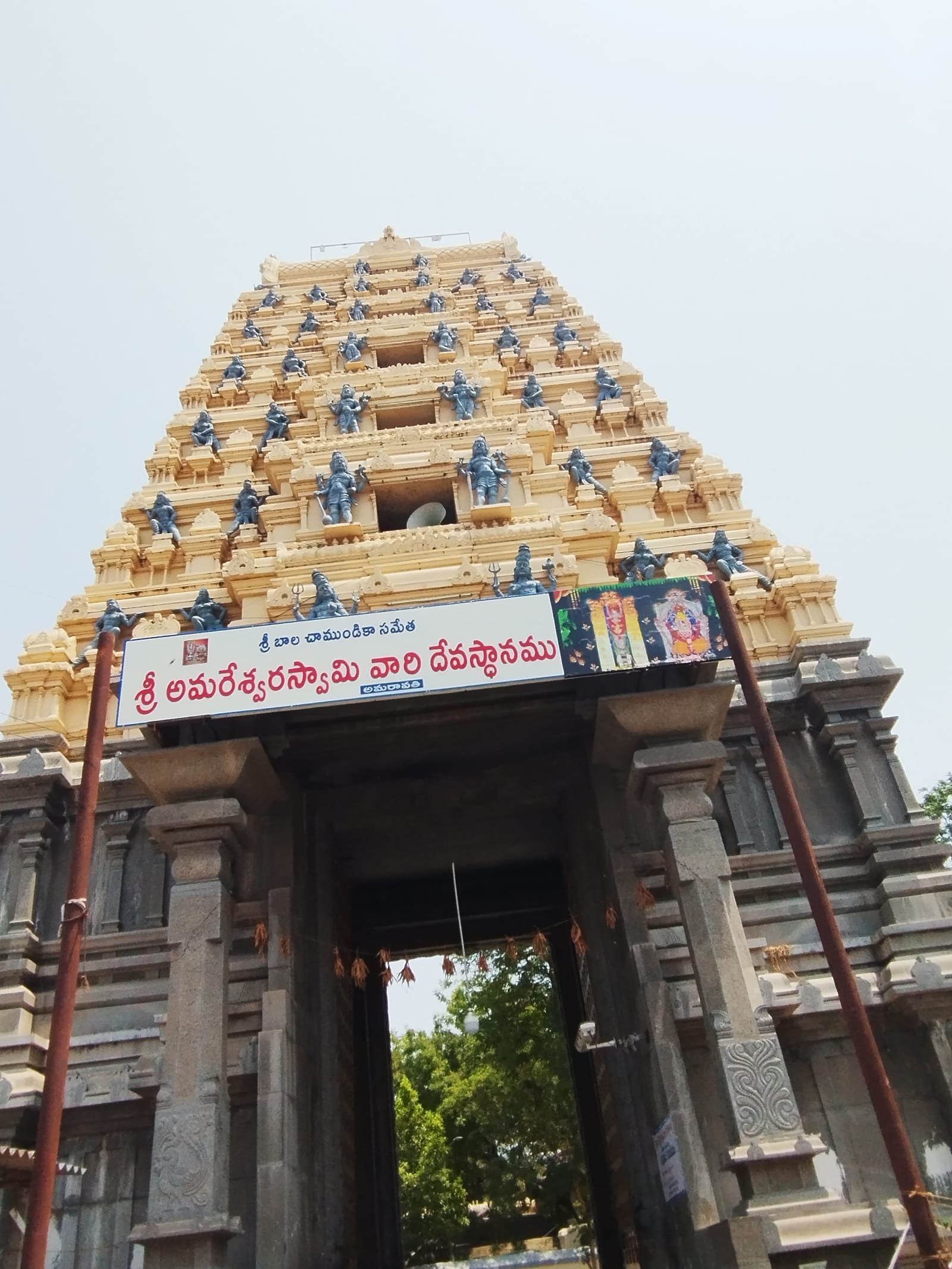
Andhra Pradesh
Amaralingeswara Temple
Amaralingeswara Temple, located in Amaravati on the southern bank of the Krishna River, is the foremost of the Pancharama Kshetras — the five ancient Shiva temples of coastal Andhra Pradesh.
Explore Temple
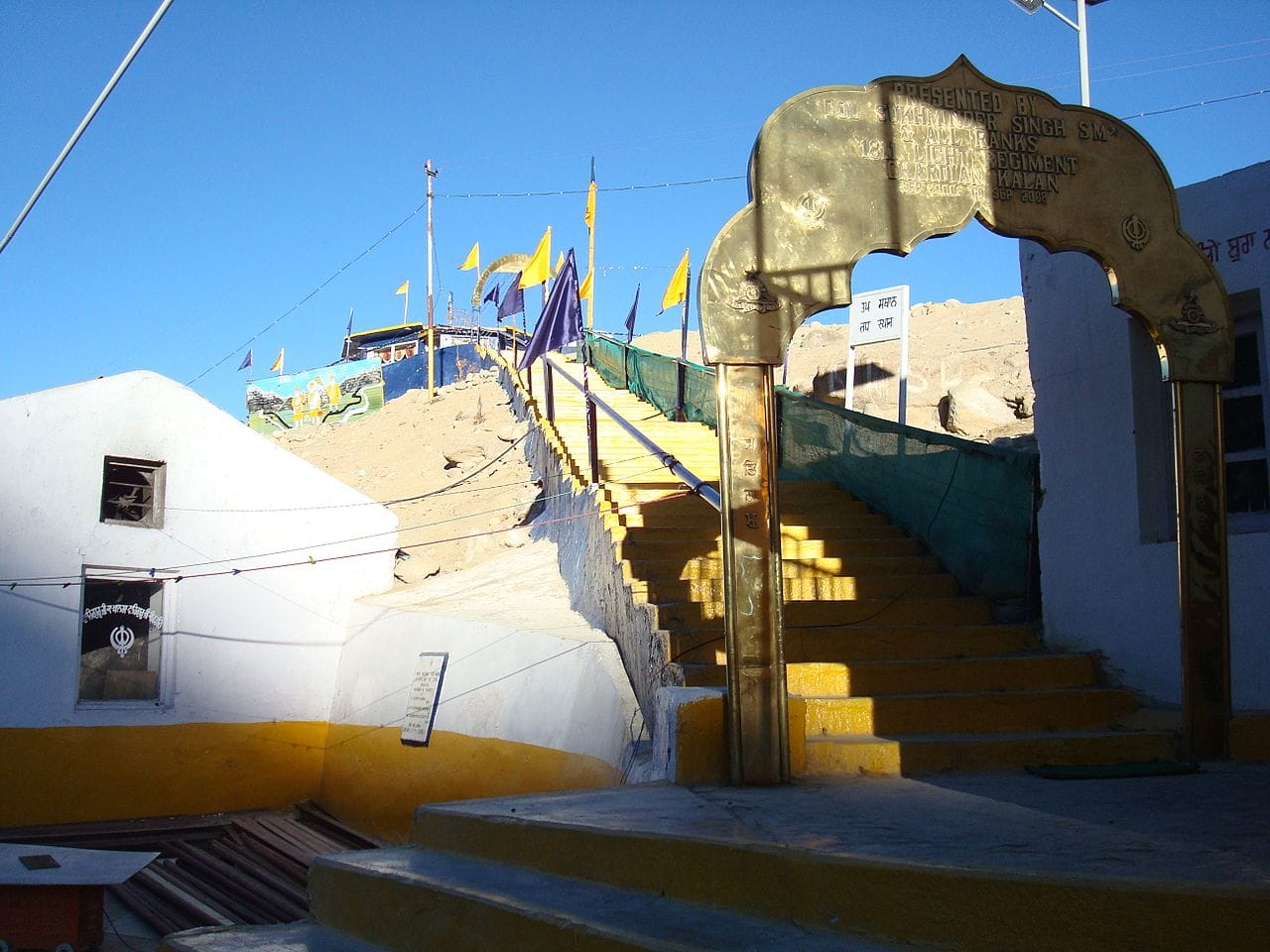
Ladakh
Gurudwara Pathar Sahib
A highly revered Sikh shrine maintained by the Indian Army, housing a massive boulder bearing the miraculous imprint of Guru Nanak Dev Ji.
Explore Temple
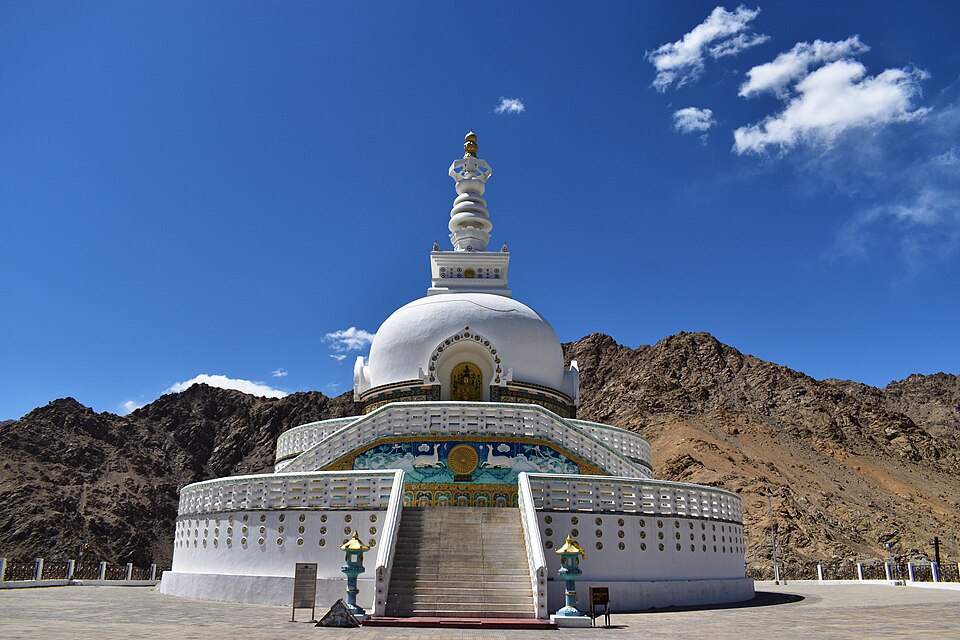
Ladakh
Shanti Stupa
A magnificent white-domed Buddhist stupa offering panoramic views of Leh city and the surrounding snow-capped peaks, built to promote world peace.
Explore Temple
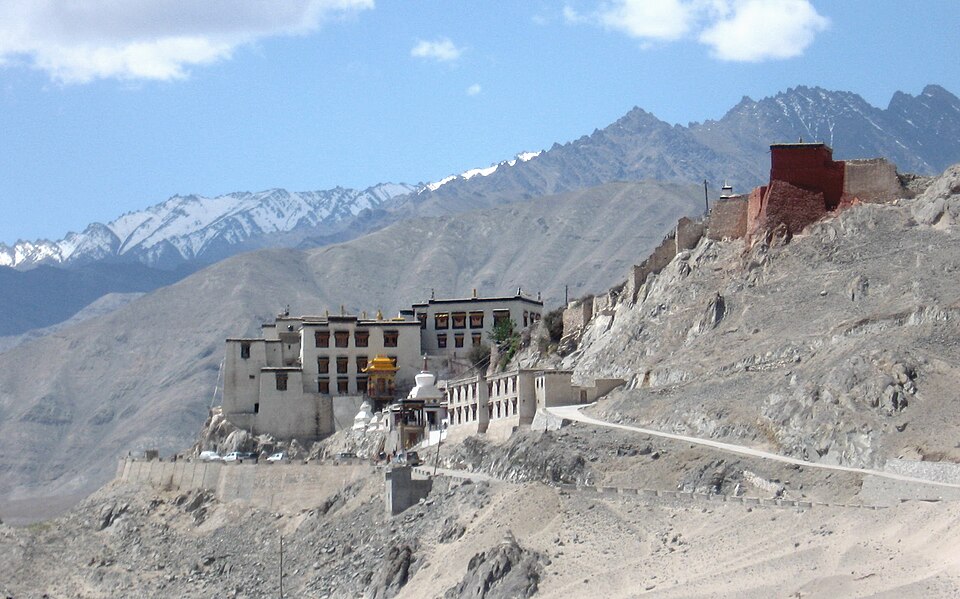
Ladakh
Spituk Monastery
An impressive 11th-century Gompa overlooking the Indus River, known for its giant statue of Kali and stunning views of the Leh airport.
Explore Temple
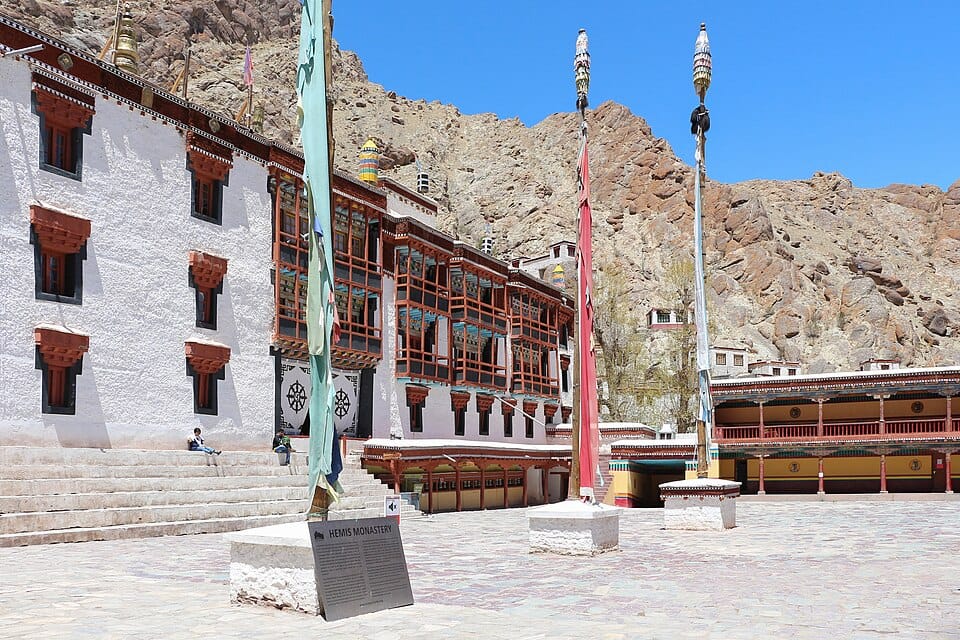
Ladakh
Hemis Monastery
The largest and wealthiest monastery in Ladakh, with a collection of ancient artifacts and the annual Hemis Festival.
Explore Temple
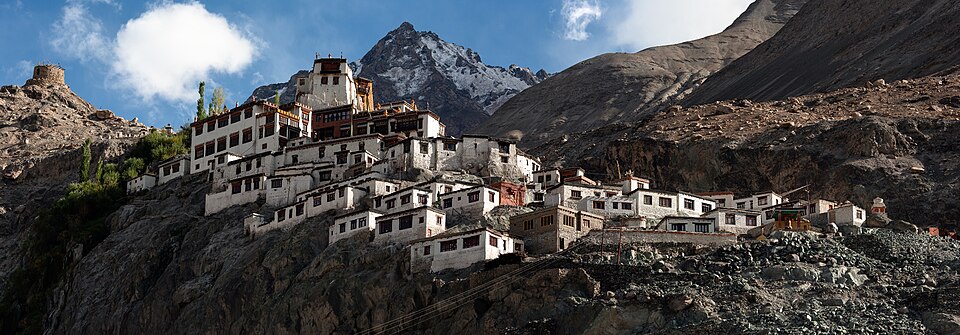
Ladakh
Diskit Monastery
The oldest and largest monastery in the Nubra Valley, featuring a towering 106-foot statue of Maitreya Buddha overlooking the Shyok River.
Explore Temple
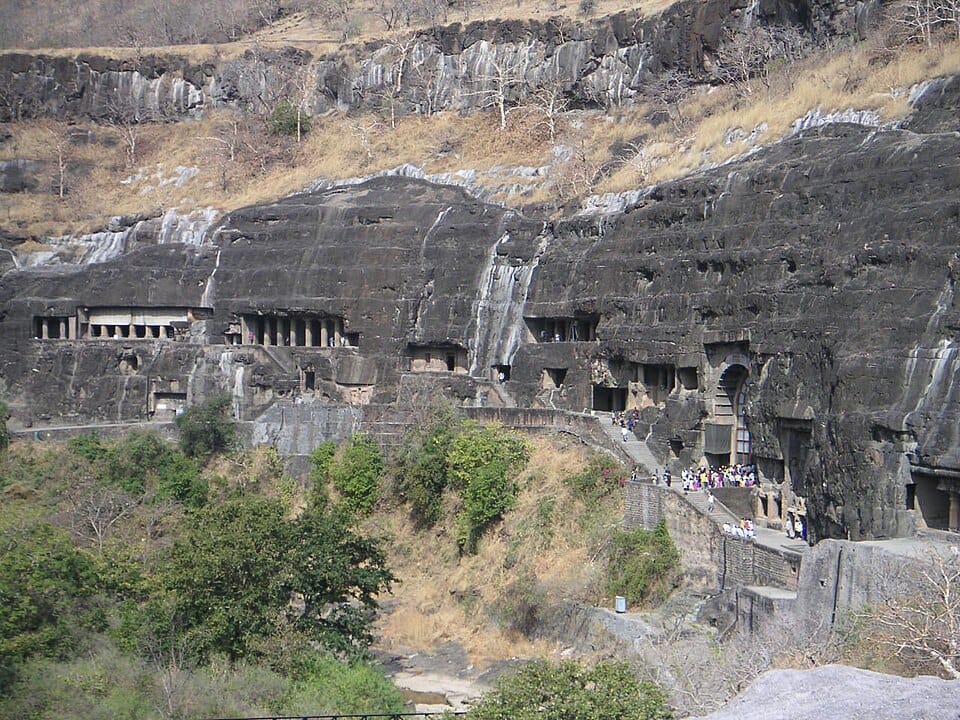
UNESCO 1983Cultural Heritage
Maharashtra
Ajanta Cave Temples
A UNESCO World Heritage site with 30 rock-cut Buddhist caves famous for ancient mural paintings and Jataka tale depictions.
Explore Temple
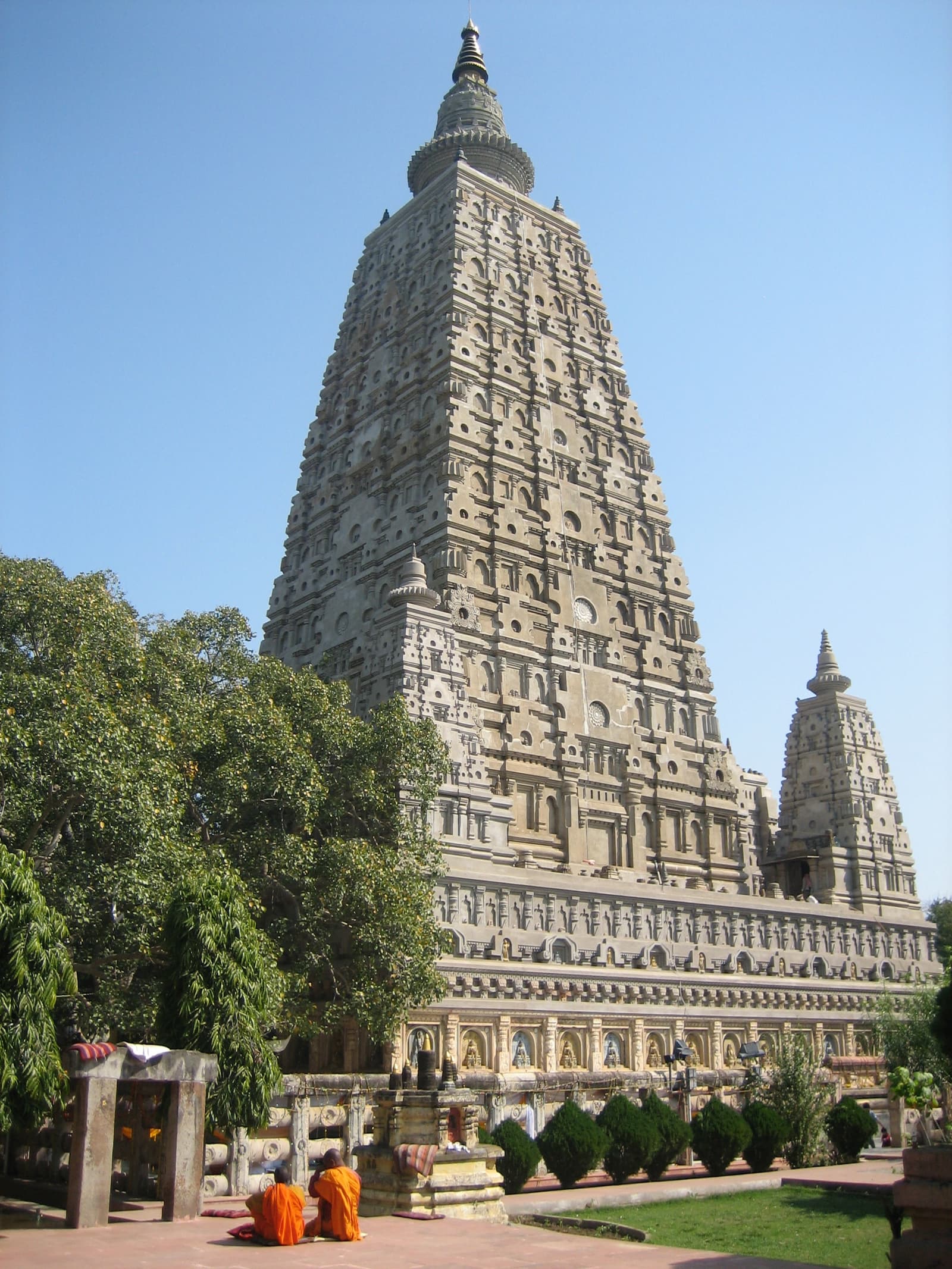
UNESCO 2002Cultural Heritage
Bihar
Mahabodhi Temple Complex
A UNESCO World Heritage site marking the location where Siddhartha Gautama attained enlightenment and became the Buddha.
Explore Temple
Explore Temple
In-Depth Guide
Buddhist Heritage Legacy
India is the birthplace of Buddhism, and its landscape is dotted with sacred Buddhist sites that span over two millennia of spiritual and architectural history. From the Great Stupa at Sanchi, the oldest stone structure in India, to the magnificent rock-cut caves of Ajanta and Ellora, and the world's most ancient university at Nalanda, these sites represent the profound influence of Buddhism on Indian civilization. The Buddhist heritage of India is recognized globally, with several sites inscribed on the UNESCO World Heritage List for their outstanding universal value.
The Stupa Tradition
The stupa is the most recognizable form of Buddhist architecture in India. Originating as a simple hemispherical mound built to enshrine relics of the Buddha, the stupa evolved into a sophisticated architectural form. The Great Stupa at Sanchi, commissioned by Emperor Ashoka in the 3rd century BCE, is the finest surviving example. Stupas served as focal points for worship, meditation, and pilgrimage. The Dhamek Stupa at Sarnath marks the spot where Buddha delivered his first sermon. The stupa tradition spread across Asia, evolving into the pagodas of China, Japan, and Southeast Asia.
Rock-Cut Cave Architecture
India's Buddhist rock-cut caves represent some of the finest examples of ancient architecture and art. The Ajanta Caves (2nd century BCE to 6th century CE) contain thirty caves with exquisite mural paintings and sculptures that are the oldest surviving examples of Indian painting. The Ellora Caves (5th to 8th century CE) include twelve Buddhist caves, with the Visvakarma Cave (Cave 10) being the most spectacular, featuring a 15-foot chaitya with a Buddha image. These caves served as monasteries (viharas) and prayer halls (chaityas) for Buddhist monks.
Centers of Learning
India was home to the world's earliest residential universities, which attracted scholars from across Asia. Nalanda Mahavihara, established in the 5th century CE, was the most renowned, hosting 10,000 students and 2,000 teachers from China, Tibet, Korea, Japan, and Southeast Asia. The curriculum included Buddhism, Vedas, medicine, logic, mathematics, astronomy, and philosophy. The Chinese pilgrim Xuanzang (Hiuen Tsang) studied at Nalanda in the 7th century CE and left detailed accounts of its grandeur. Other major centers included Vikramashila and Odantapuri in Bihar.
UNESCO Recognition
Several Buddhist sites in India have been inscribed on the UNESCO World Heritage List. The Ajanta Caves were among the first Indian sites to be inscribed in 1983. The Mahabodhi Temple Complex at Bodh Gaya, marking the site of Buddha's enlightenment, was inscribed in 2002. The Buddhist Monuments at Sanchi were inscribed in 1989, and Nalanda Mahavihara was recognized in 2016 as an outstanding example of an ancient Buddhist monastic university. These inscriptions highlight the global significance of India's Buddhist heritage.
Buddhist Heritage at a Glance
| Temple | Location | State | Presiding Deity | Primary Significance |
|---|---|---|---|---|
| Mahamuni Pagoda | Manu Bankul | Tripura | — | The most important Buddhist pilgrimage site in Tripura, housing an ancient idol said to have been brought from Myanmar. |
| Durga Temple | Aihole | Karnataka | Lord Shiva / Surya | The Durga Temple at Aihole, built in the 7th-8th century CE, is a distinctive architectural experiment of the Early Chalukya period. |
| Barabar Caves | Jehanabad | Bihar | Ajivika / Buddhist (Non-sectarian) | The oldest surviving rock-cut chambers in India, excavated by Emperor Ashoka in the 3rd century BCE. |
| Hayagriva Madhava Temple | Hajo | Assam | Lord Vishnu (Hayagriva) | A unique 16th-century stone temple on Monikut Hill, sacred to both Hindus and Buddhists, known for its ancient carvings and sacred turtles. |
| Golden Pagoda | Namsai | Arunachal Pradesh | Lord Buddha | A stunning golden masterpiece of Burmese architecture, serving as a beacon of Theravada Buddhism in the plains of Namsai. |
| Tawang Monastery | Tawang | Arunachal Pradesh | Lord Buddha (Sakyamuni) | The largest monastery in India and the second largest in the world, a stunning 17th-century fortress of Buddhist culture perched at 10,000 feet. |
| Amaralingeswara Temple | Amaravati | Andhra Pradesh | Lord Shiva (Amaralingeswara) | Amaralingeswara Temple, located in Amaravati on the southern bank of the Krishna River, is the foremost of the Pancharama Kshetras — the five ancient Shiva temples of coastal Andhra Pradesh. |
| Gurudwara Pathar Sahib | Leh (25 km away on Kargil Highway) | Ladakh | — | A highly revered Sikh shrine maintained by the Indian Army, housing a massive boulder bearing the miraculous imprint of Guru Nanak Dev Ji. |
| Shanti Stupa | Leh | Ladakh | — | A magnificent white-domed Buddhist stupa offering panoramic views of Leh city and the surrounding snow-capped peaks, built to promote world peace. |
| Spituk Monastery | Spituk (Near Leh) | Ladakh | — | An impressive 11th-century Gompa overlooking the Indus River, known for its giant statue of Kali and stunning views of the Leh airport. |
Frequently Asked Questions
Q.Which is the oldest Buddhist monument in India?
The Great Stupa at Sanchi, commissioned by Emperor Ashoka in the 3rd century BCE, is the oldest surviving Buddhist monument and the oldest stone structure in India.
Q.How many UNESCO Buddhist sites are in India?
India has several UNESCO World Heritage sites associated with Buddhism, including the Ajanta Caves (1983), Sanchi (1989), Mahabodhi Temple (2002), and Nalanda Mahavihara (2016).
Q.Which Buddhist site has the oldest paintings in India?
The Ajanta Caves contain the oldest surviving examples of Indian mural paintings, dating from the 2nd century BCE to the 6th century CE.
Q.What was Nalanda University known for?
Nalanda was the world's oldest residential university, established in the 5th century CE. It hosted 10,000 students and 2,000 teachers from across Asia, offering subjects from Buddhism to medicine, astronomy, and philosophy.
Sources & References
These records back the dating, architectural classification and visitor guidance published on this Buddhist Heritage page.
Archaeological Survey of India
Archaeological Survey of India — monument records and conservation reports
Protection status, dating, architectural classification and published conservation records for the monuments named on this page.
Primary archaeological record
Open source (opens in a new tab)Ministry of Tourism, Government of India
Ministry of Tourism — official destination information
Official Government of India destination information — access, visitor circuits and travel guidance referenced on this page.
Government record
Open source (opens in a new tab)UNESCO World Heritage Centre
UNESCO World Heritage List — India
World Heritage inscription criteria, Outstanding Universal Value statements and the year of listing for the sites named on this page.
World Heritage documentation
Open source (opens in a new tab)
— every record linked above was re-requested for this release, so the link still resolves and the publisher still serves the document. It is a link check, not a re-verification of every sentence on this page.
Missing something, or found an error? Send us a correction with the record that supports it, or read how we choose sources.