From ancient rock-cut marvels to towering imperial shrines, discover the architectural soul of Bharat through our verified digital archive.
Explore More Temples
Location
Namsai
Presiding Deity
Lord Buddha
Architecture
Burmese Pagoda Style
Dynasty
Modern — Tai Khamti Heritage
Timings
The Golden Pagoda is open for visitors from 6:00 AM to 8:00 PM daily. The evening hours (around 6:00 PM) are particularly beautiful as the pagoda is brilliantly illuminated with floodlights and candles.
Entry Fee
Free
Best Time
The ideal time to visit the Golden Pagoda is from October to April when the weather is cool and pleasant. The month of April is particularly vibrant due to the Sangken festival. For those seeking peace, the early morning hours in November and December are best, as the pagoda is often shrouded in a light Himalayan mist, creating a celestial atmosphere.
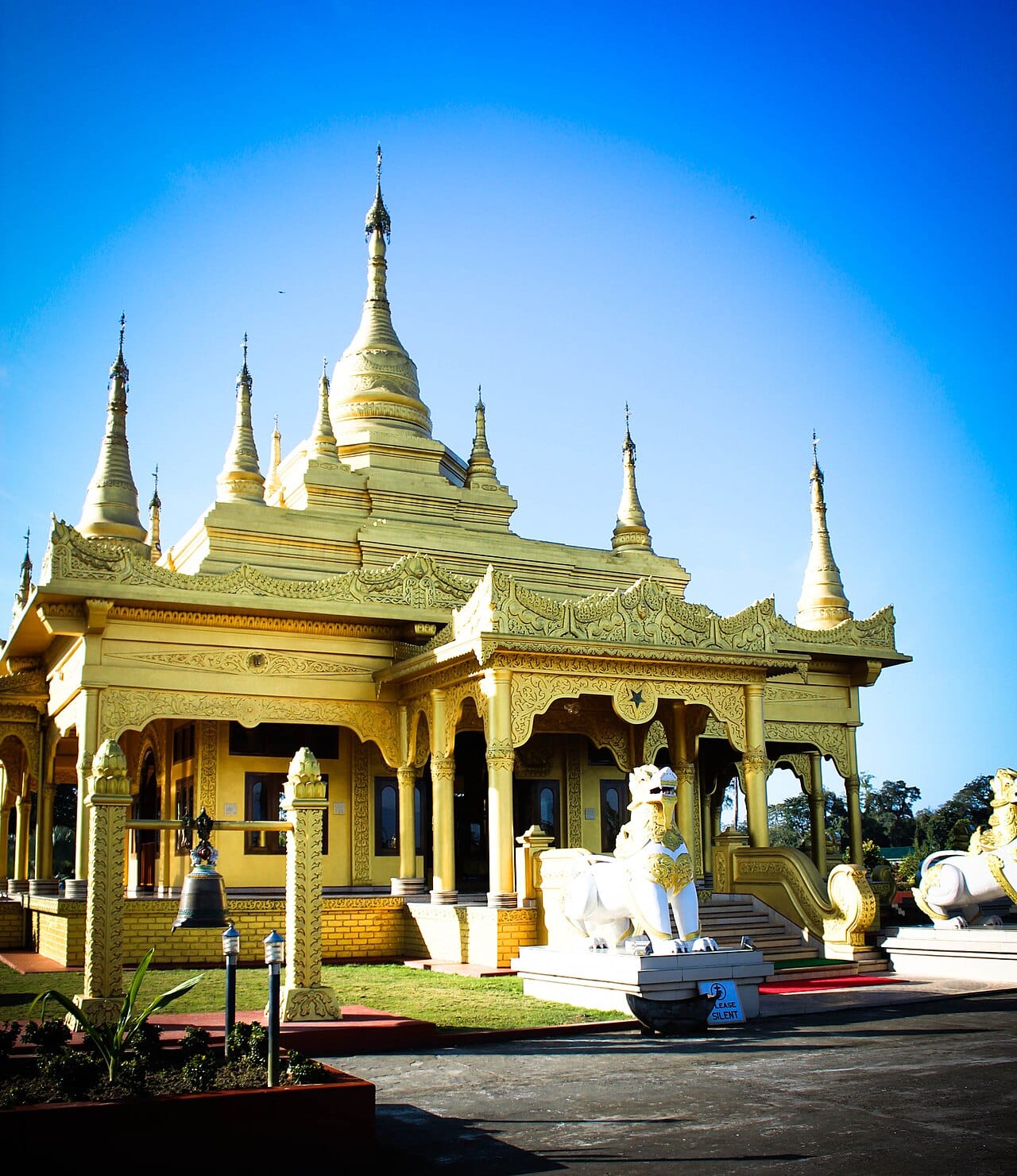
A stunning golden masterpiece of Burmese architecture, serving as a beacon of Theravada Buddhism in the plains of Namsai.
The history of the Golden Pagoda is a testament to the vision and devotion of the local Tai Khamti community. While the structure is modern, having been consecrated on February 21, 2010, it represents a centuries-old spiritual heritage. The project was spearheaded by the local Tai Khamti leaders and supported by various religious organizations and the state government. The intention was to create a monumental landmark that would serve as a focal point for the preservation of the Tai Khamti culture and the propagation of Theravada Buddhist philosophy. The design and construction were overseen by skilled architects and artisans from Myanmar (Burma), ensuring that the pagoda remained faithful to the traditional 'Kongmu' style. The site chosen, Tengapani, was historically a significant crossing point on the river, making it an ideal location for a spiritual sanctuary. Since its inauguration, the Golden Pagoda has rapidly gained fame, attracting international Buddhist delegations and becoming a vital link in the Buddhist pilgrimage circuit of the Northeast, connecting with sites like the [Tawang Monastery](/temple/tawang-monastery) and Bomdila Monastery.
The architecture of the Golden Pagoda is a spectacular display of Burmese Buddhist art. The main structure is a massive gilded pagoda that rises from a high octagonal platform. Its golden exterior, shimmering under the sun, is visible from several kilometers away, acting as a spiritual lighthouse for the Namsai plains. **Key Architectural Features:** - **Multi-tiered Spire:** The pagoda features several tiers of roofs that culminate in a slender, tapering spire known as a 'Hti' (umbrella), which is decorated with bells that chime in the mountain breeze. - **Intricate Carvings:** The walls and the gateways are decorated with exquisite relief work depicting the life of the Buddha and various auspicious symbols of the Tai Khamti culture, such as the peacock and the mythical dragon. - **The Buddha Statue:** Inside the main hall, there is a magnificent 10-foot tall gilded statue of Lord Buddha in a meditative posture, made of high-quality bronze and gold leaf. - **Landscaped Gardens:** The pagoda is surrounded by meticulously maintained gardens, featuring a variety of tropical flowers and sacred trees, providing a serene environment for meditation. - **Meditation Hall:** A spacious hall with wooden flooring and high ceilings is located within the complex, designed for congregational prayers and silent reflection. The integration of the golden structures with the natural greenery and the nearby river creates a visual harmony that is characteristic of traditional Buddhist landscapes.
The Golden Pagoda holds immense spiritual and cultural significance for the Northeast region. Primarily, it is the premier center for Theravada Buddhism in Arunachal Pradesh. Unlike the Mahayana traditions found in Tawang, the practice here emphasizes the original teachings of the Buddha and the Pali Canon. The pagoda serves as a 'Vihara' (monastery) where young monks receive traditional education and where the local community gathers for spiritual guidance. For the Tai Khamti people, the 'Kongmu Kham' is a source of immense communal pride, representing their historical ties with Southeast Asian Buddhist traditions. The site is also significant for its role in promoting peace and non-violence in a region that has seen diverse cultural shifts. The presence of the sacred 'Bodhi Tree', a sapling from the original tree in Anuradhapura, Sri Lanka, further enhances the site's spiritual weight. A visit to the Golden Pagoda is believed to instill a sense of 'Metta' (loving-kindness) and mental clarity, making it a vital node for those on a path of self-discovery.
Rituals at the Golden Pagoda follow the traditional Theravada liturgy. The day begins at 5:00 AM with the 'Prabhat Puja', where the monks chant the 'Mangala Sutta' and 'Metta Sutta' in the Pali language. This is followed by a silent meditation session for both monks and laypeople. **Key Rituals:** - **Pindapata:** In the mornings, monks from the monastery often go on a symbolic alms-round within the complex, where devotees offer them food, reflecting the Buddhist value of 'Dana' (generosity). - **Candle Lighting:** In the evenings, hundreds of candles and oil lamps are lit around the base of the pagoda, creating a magical vision of spiritual light. - **Chanting:** The 'Paritta' chanting is a regular feature, believed to ward off evil and bring protection to the community. - **Holy Water Sprinkle:** After the prayers, the monks sprinkle holy water on the devotees as a mark of blessing and purification. The atmosphere during these rituals is one of disciplined devotion and quiet elegance.
The festival of **Sangken** (the Buddhist New Year/Water Festival) is the most significant event at the Golden Pagoda. Held in mid-April, it involves a ritualistic bathing of the Buddha idols with scented water. The entire Namsai district transforms into a celebration of water and joy, as people splash water on each other to wash away the sins of the past year. **Other Major Festivals:** - **Poi Pee Mau:** The Tai Khamti New Year, celebrated with grand cultural programs, traditional dances like the 'Ka-To' (dance of the white lion), and community feasts. - **Buddha Purnima:** Marking the birth, enlightenment, and parinirvana of the Buddha, celebrated with special prayer sessions and the lighting of thousands of lamps. - **Kathina Robe Offering:** An important monastic festival where devotees offer new robes and essential items to the monks after the rainy season retreat. These festivals are vital for showcasing the vibrant cultural heritage of the Khamti and Singpho tribes to the outside world.
Burmese Pagoda Architecture, Sangken Water Festival, 10-ft Gilded Buddha, Serene Pariyatti River bank, Tai Khamti Cultural Heritage.
The ideal time to visit the Golden Pagoda is from October to April when the weather is cool and pleasant. The month of April is particularly vibrant due to the Sangken festival. For those seeking peace, the early morning hours in November and December are best, as the pagoda is often shrouded in a light Himalayan mist, creating a celestial atmosphere.
The Golden Pagoda is open for visitors from 6:00 AM to 8:00 PM daily. The evening hours (around 6:00 PM) are particularly beautiful as the pagoda is brilliantly illuminated with floodlights and candles.
A. The exterior is coated with a high-quality gold-colored paint and gold leaf in specific areas, giving it a brilliant golden appearance. The main Buddha idol is made of bronze with gold plating.
A. Namsai is well-connected by road from Dibrugarh in Assam (about 80 km away), which has the nearest major airport and railway station. Taxis and buses are easily available.
A. Yes, like all parts of Arunachal Pradesh, Indian citizens need an Inner Line Permit (ILP) and foreigners need a Protected Area Permit (PAP) to visit Namsai.
Parshuram Kund
A sacred Hindu pilgrimage site on the Lohit River, where Lord Parshurama is believed to have washed away his sins in the holy waters.
Malinithan Temple
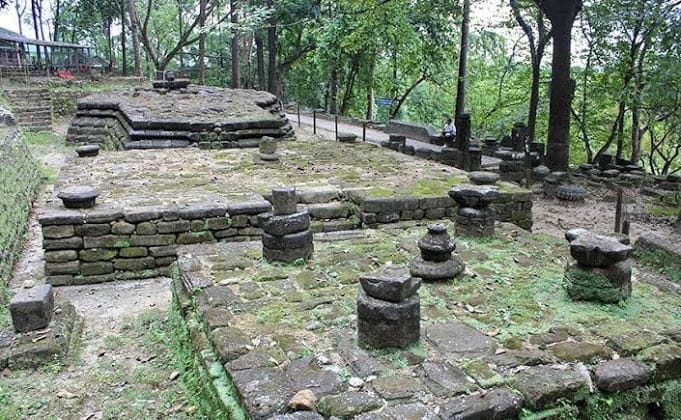
An ancient 14th-century archaeological site housing exquisite granite sculptures that bridge the cultures of the plains and the Himalayas.
Tawang Monastery
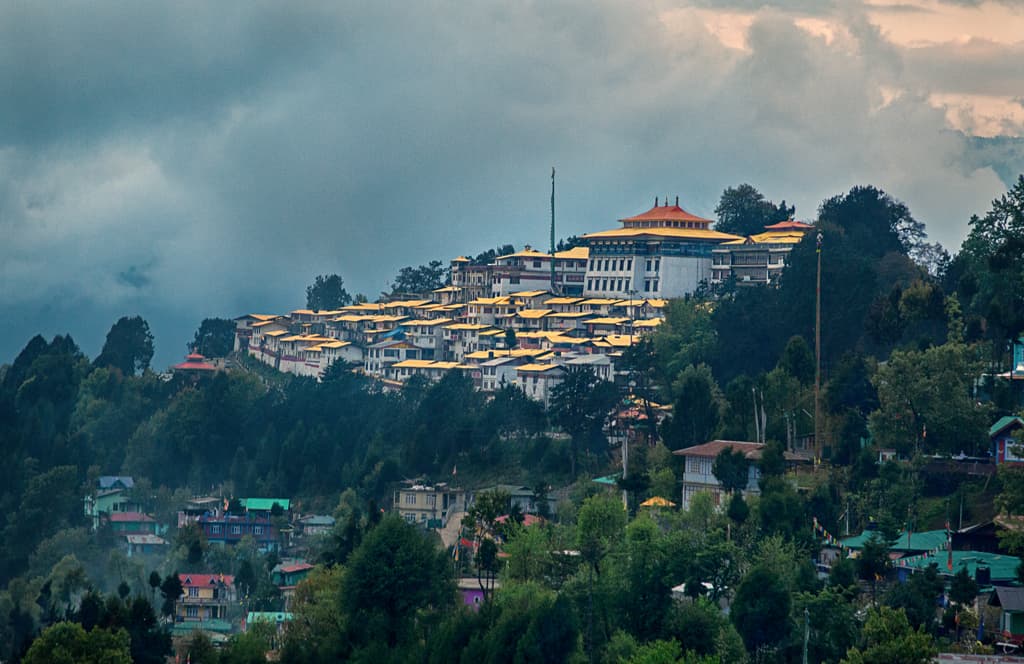
The largest monastery in India and the second largest in the world, a stunning 17th-century fortress of Buddhist culture perched at 10,000 feet.
India's temples are living traditions — not museums. Every temple has its own customs. This guide helps first-time visitors prepare with confidence and respect.
Foreign visitor information is being researched
Please verify with the official temple authority before planning your visit.
Foreign Visitors
Verify Before VisitingVisitor Information
Entry policies vary between temples. Most temples welcome visitors, while some may restrict access to specific areas, rituals, or the inner sanctum. Always verify the latest entry guidelines with the official temple authorities before your visit.
Modest clothing is expected at every Indian temple — a sign of respect, not a restriction. Think of it as dressing for a formal ceremony.
A scarf is always useful — it covers shoulders, works as a head covering, and can double as a makeshift face cover if needed.
Outdoor photography is generally permitted. Indoor photography is often restricted. Always look for signage or ask a priest before taking photos inside.
The ideal time to visit the Golden Pagoda is from October to April when the weather is cool and pleasant. The month of April is particularly vibrant due to the Sangken festival. For those seeking peace, the early morning hours in November and December are best, as the pagoda is often shrouded in a light Himalayan mist, creating a celestial atmosphere.
April — June
July — September
English is widely understood at major tourist temples. In smaller local temples, Hindi and the regional language are more common. A smile and simple hand gestures go a long way. Learning a few words of the local language is always appreciated.
Cash (Indian Rupees) is the most reliable option, especially for temple offerings, small shops, and local transport.
UPI digital payments (Google Pay, PhonePe, Paytm) are widely accepted across India — even at roadside stalls. Download one before you arrive.
International credit/debit cards work at most ATMs, hotels, and larger establishments. Smaller vendors may only accept cash or UPI.
Carry small denominations (₹10, ₹20, ₹50, ₹100 notes) for offerings and temple donations. Large notes (₹500, ₹2000) can be hard to break at smaller counters.
Many historic temples have uneven stone floors, multiple steps, and narrow passages. Wheelchair access is limited at older sites — contact the temple in advance.
Basic restroom facilities and drinking water are available at most major temples. Some charge a small fee (₹5–₹10).
Stay hydrated — carry a reusable water bottle, especially in hot climates.
Keep valuables secure — use hotel lockers for passports and excess cash.
Wear comfortable, sturdy footwear — temple floors can be hot, wet, or uneven.
Beware of unofficial guides or touts near temple entrances. Only use authorised services.
Carry a photocopy of your passport and visa. Leave originals in your hotel safe.
Download offline maps — mobile networks can be unreliable near remote temple sites.
These short explanations help make sense of what you see and experience.
Darshan means 'seeing' — but in a temple it means being seen by the deity. It is a sacred moment of connection, not just a viewing.
Removing footwear is a sign of humility. It also keeps the temple floor clean, since devotees sit and pray on the ground.
Food offered to the deity and then distributed to devotees. It is considered blessed. Accept it with both hands and do not discard it.
The bell creates a focused acoustic atmosphere, wards off distractions, and announces your presence before entering the inner sanctum.
Circumambulation (pradakshina) is done clockwise, keeping the sanctum on your right — an auspicious direction aligned with the sun's path.
Flowers symbolise devotion, coconuts represent the ego being broken, incense purifies the air, and lamps represent the victory of light over darkness.
Sacred viewing of the deity; the central act of temple worship.
Clockwise circumambulation of the sanctum.
Blessed food offered to the deity and distributed to devotees.
The innermost sanctum where the main deity resides.
The towering spire above the sanctum, a defining feature of temple architecture.
A pillared hall or pavilion within the temple complex.
The Indian Rupee (?, INR) is the local currency. ATMs are widely available in cities and towns. For temple offerings, keep small notes (₹10, ₹20, ₹50). Most temples accept donations in cash only — digital payments are uncommon at the offering counter itself.
Offerings (dakshina) are given with the right hand. Place cash in the donation box (hundi) or give it directly to the priest. There is no fixed amount — give what feels appropriate. Some temples have fixed fees for special entry or puja participation.
Shoes and sandals are removed before entering the temple building. Most temples have a designated shoe counter (free or a small fee of ₹5–₹20). Socks are generally allowed. In monsoon, carry a plastic bag for wet shoes.
Darshan queues can take 30 minutes to 3 hours at popular temples. Many offer paid VIP darshan (₹100–₹500) for faster entry. Special queues for women, elderly, and disabled visitors exist at some temples. No line jumping.
Major festivals draw enormous crowds — sometimes hundreds of thousands. Book accommodation months in advance. Expect road closures, restricted vehicle access, and limited phone network. Arrive early (before dawn) to avoid the worst congestion.
Always look for signage before taking photos. When in doubt, ask a priest. Never take photos of devotees in prayer without permission. Selfie sticks are banned at most temples. Silently switch your phone to silent mode.
Police / Ambulance / Fire: 112 (National Emergency Number)
Tourist Helpline: 1800-111-363 (Multi-lingual, Ministry of Tourism)
Women's Helpline: 1091
Temple-specific visitor information is continuously researched and updated from official sources. Where specific data is unavailable, general India travel guidance is provided. Always verify current policies with the temple authority before your visit.
Information last verified July 2026. Temple-specific data coming soon.
Continue your journey through the spiritual and architectural wonders of India.

A sacred Hindu pilgrimage site on the Lohit River, where Lord Parshurama is believed to have washed away his sins in the holy waters.

An ancient 14th-century archaeological site housing exquisite granite sculptures that bridge the cultures of the plains and the Himalayas.

The largest monastery in India and the second largest in the world, a stunning 17th-century fortress of Buddhist culture perched at 10,000 feet.

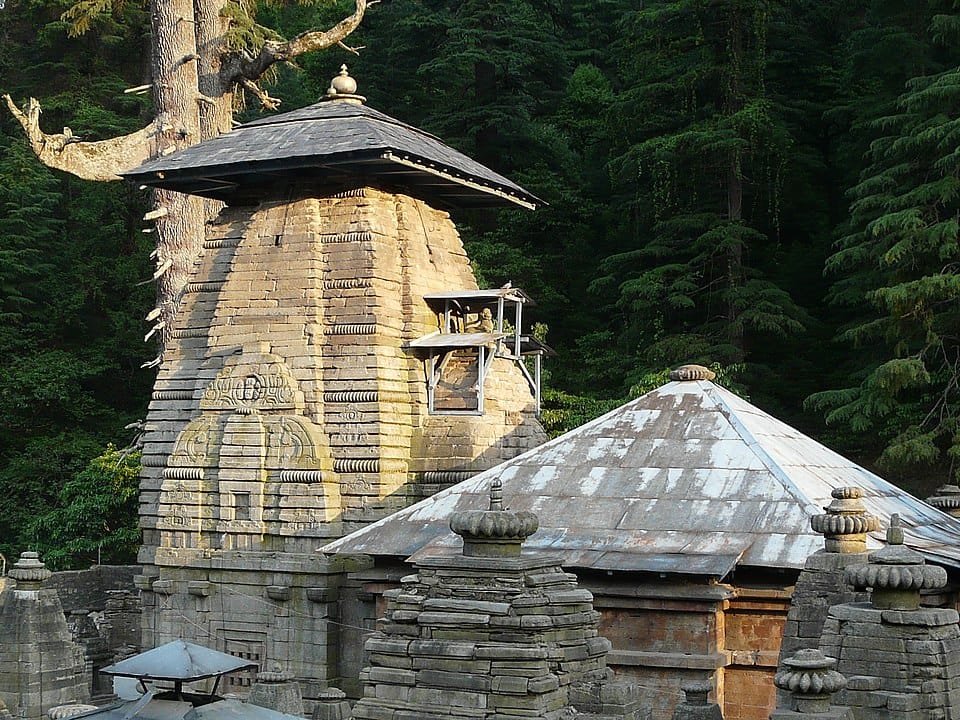
A cluster of 124 ancient stone temples from the 7th-12th centuries, nestled in a dense deodar forest.
"India has over 40 UNESCO World Heritage Sites, ranging from ancient temples to natural wonders."