From ancient rock-cut marvels to towering imperial shrines, discover the architectural soul of Bharat through our verified digital archive.
Explore More Temples
Location
Lohit District
Presiding Deity
Lord Parshurama
Architecture
Natural Sacred Site with Modern Elements
Dynasty
Ancient — Mythological
Timings
The site and the natural kund are accessible 24/7. However, the main temple is open for darshan from 6:00 AM to 7:00 PM. During the Makar Sankranti Mela, the temple and ghats remain open and illuminated throughout the night.
Entry Fee
Free
Best Time
The best time to visit Parshuram Kund is during the winter months, from November to February. The weather is cool and crisp, and the Lohit River is a beautiful turquoise blue. The peak time is mid-January for the Makar Sankranti Mela. During the monsoon (June to September), the region receives heavy rainfall, and the river becomes extremely turbulent and dangerous for bathing.
A sacred Hindu pilgrimage site on the Lohit River, where Lord Parshurama is believed to have washed away his sins in the holy waters.
The history of Parshuram Kund is deeply rooted in the ancient Pauranic traditions of India, specifically mentioned in the Kalika Purana and the Mahabharata. The site is inextricably linked to the life of Lord Parshurama, the sixth avatar of Lord Vishnu, who is known for his fierce adherence to righteousness and his vow to rid the earth of corrupt warrior kings. According to the legend, Parshurama, acting on the command of his father, the sage Jamadagni, performed the unthinkable act of beheading his own mother, Renuka. While he was a devoted son, this act of matricide left him with a deep spiritual burden, and the axe used for the deed became permanently stuck to his hand as a mark of his sin. Haunted by this, Parshurama traveled across the subcontinent seeking penance. He finally reached the banks of the Lohit River in what is now Arunachal Pradesh. Upon dipping his hand into the waters of the Brahmaputra (of which Lohit is a major tributary), the axe finally fell off, signifying that his sin had been washed away. In his gratitude, he used the axe to carve out a permanent kund (pool) for the benefit of future generations. Historically, the site was rediscovered by sadhus and local tribal communities centuries ago. In the early 20th century, the kund was a natural reservoir of considerable size. However, the catastrophic 1950 Assam-Tibet earthquake significantly altered the landscape, causing massive landslides that partially filled the original pool. Despite this geographical shift, the sanctity of the site remained undiminished. In recent decades, the Government of Arunachal Pradesh and various religious organizations have developed the infrastructure, including stone steps (ghats) leading down to the river, a modern temple structure dedicated to Lord Parshurama, and better road connectivity, ensuring that this ancient site remains accessible to modern-day pilgrims.
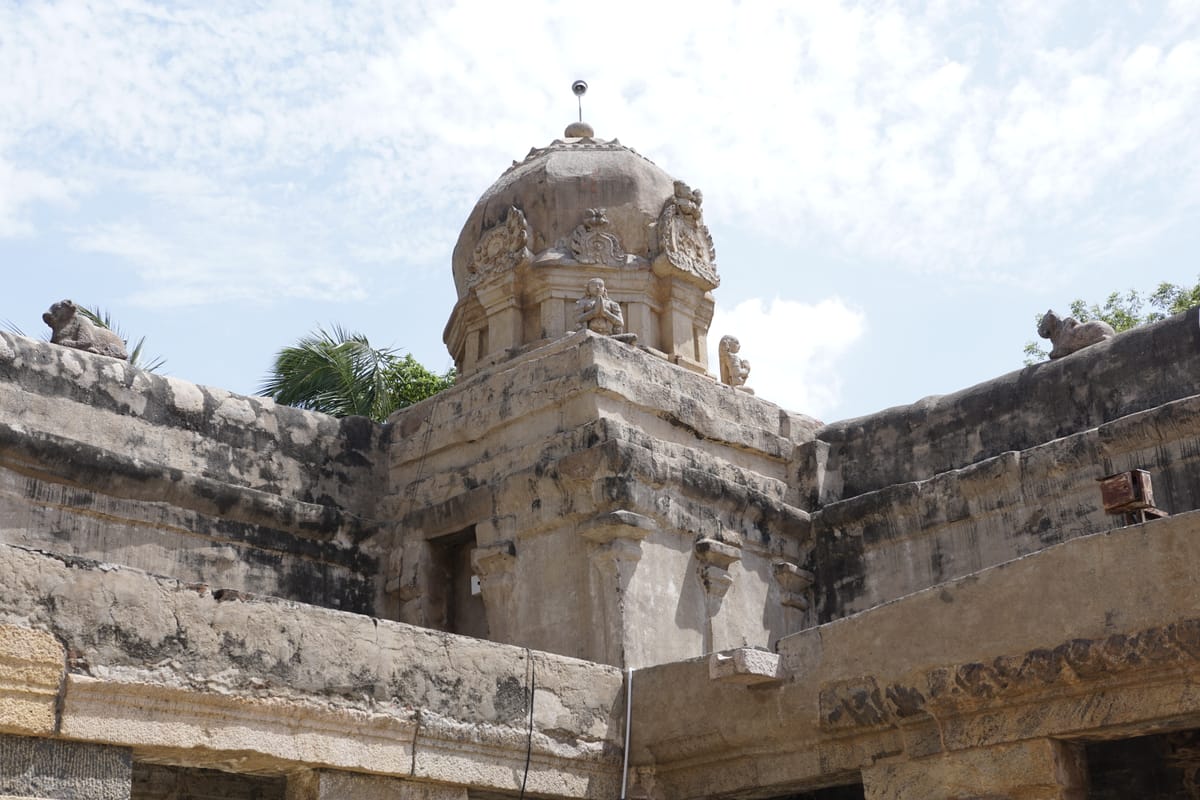
The architecture of Parshuram Kund is a unique combination of natural formations and modest, functional human-made structures. The primary 'architecture' is the natural rocky gorge through which the Lohit River flows. The original kund, which was a deep, still pool, has been transformed by the 1950 earthquake into a more dynamic section of the river with massive boulders and swirling rapids. Human-made additions include: - **The Ghats:** A series of sturdy concrete and stone steps have been built to allow pilgrims to descend the steep hillside safely to reach the water's edge. These steps are designed to withstand the high current of the Lohit River during the monsoon season. - **The Main Temple:** A modern temple dedicated to Lord Parshurama is located on a plateau above the kund. It follows a simple North Indian style with a traditional shikhara (spire) and a spacious hall for devotees. The temple is built primarily of reinforced concrete and stone, painted in vibrant colors to contrast with the deep greens of the surrounding forest. - **Bridges:** Recently, a major bridge has been constructed across the Lohit River near the kund, which is not only an engineering marvel but also provides a stunning aerial view of the sacred site. - **Pilgrim Facilities:** The complex includes dharamshalas (rest houses), a small museum depicting the legend of Parshurama, and administrative offices managed by the district authorities. The overall design philosophy is one of minimalism, ensuring that the human structures do not overshadow the majestic natural beauty of the Lohit valley.
Signature Feature: The Sacred Pool (Kund) and the 51-foot Parshuram Statue. The site is primarily a natural landscape of spiritual significance, with a large-scale statue as a modern landmark.
The rituals at Parshuram Kund are centered around the 'Holy Dip.' The most important ritual is the **Makar Sankranti Snan**, which takes place in the early hours of the morning when the sun enters the Capricorn zodiac. Pilgrims endure the freezing temperatures of the Lohit River to submerge themselves completely three times, while chanting 'Jai Parshurama' or 'Om Namo Narayanaya.' After the bath, devotees perform: - **Tarpan:** Offering of water to ancestors, seeking their peace and blessings. - **Deep Daan:** Lighting of small earthen lamps and setting them afloat in the river, creating a beautiful vision of light on the dark water. - **Pooja at the Temple:** After the dip, pilgrims climb back to the main temple to offer flowers, incense, and 'Prasadam' to the idol of Lord Parshurama. - **Sankalp:** Making a solemn vow to lead a righteous life or to overcome a personal vice, inspired by Parshurama's own path of atonement. The local tribal communities also perform their traditional rituals, involving the beating of drums and rhythmic chants, to seek the protection of the river deities. The priests at the site are often local Brahmins who have been serving the kund for generations, maintaining the Vedic traditions in this remote corner of India.
The **Parshuram Kund Mela** is the premier festival associated with this site. Held annually during Makar Sankranti (January 14th or 15th), it is one of the largest religious gatherings in Northeast India. The mela lasts for about a week, but the peak is reached on the day of the Sankranti. During this time, the district administration sets up a massive tent city to accommodate thousands of pilgrims, and the local markets come alive with tribal crafts, organic produce, and religious artifacts. Other significant festivals include: - **Parshurama Jayanti:** Celebrated in the month of Vaishakha (April/May), marking the birth anniversary of the Lord. It involves special Havans (fire rituals) and cultural programs. - **Navratri:** The nine nights are dedicated to the Divine Mother, reflecting Parshurama's deep (though complicated) bond with his mother Renuka. - **Shivaratri:** As Parshurama was a great devotee of Lord Shiva, this day is celebrated with night-long prayers and meditation. These festivals are crucial for the local economy, providing a platform for the Mishmi and Khamti tribes to showcase their unique heritage to a national audience.
Makar Sankranti Holy Dip, Penance of Lord Parshurama, Lohit River Rapids, 'Kumbh of the North-East', Mishmi Hills Scenery.
The best time to visit Parshuram Kund is during the winter months, from November to February. The weather is cool and crisp, and the Lohit River is a beautiful turquoise blue. The peak time is mid-January for the Makar Sankranti Mela. During the monsoon (June to September), the region receives heavy rainfall, and the river becomes extremely turbulent and dangerous for bathing.
The site and the natural kund are accessible 24/7. However, the main temple is open for darshan from 6:00 AM to 7:00 PM. During the Makar Sankranti Mela, the temple and ghats remain open and illuminated throughout the night.
A. During the winter months and the Mela, specific areas of the river bank are secured with safety chains and monitored by volunteers. However, the current is strong and the water is very cold, so pilgrims are advised to be cautious and follow the instructions of the local authorities.
A. The nearest major airport is Dibrugarh (Mohanbari) in Assam, about 160 km away. From Dibrugarh, you can hire a taxi or take a bus via Tinsukia. The journey involves crossing the Dhola-Sadiya bridge, which is a scenic experience in itself.
A. Yes, all visitors to Arunachal Pradesh require an Inner Line Permit (ILP) for Indian citizens or a Protected Area Permit (PAP) for foreign nationals. These can be obtained online or at the check gates.
Malinithan Temple
An ancient 14th-century archaeological site housing exquisite granite sculptures that bridge the cultures of the plains and the Himalayas.
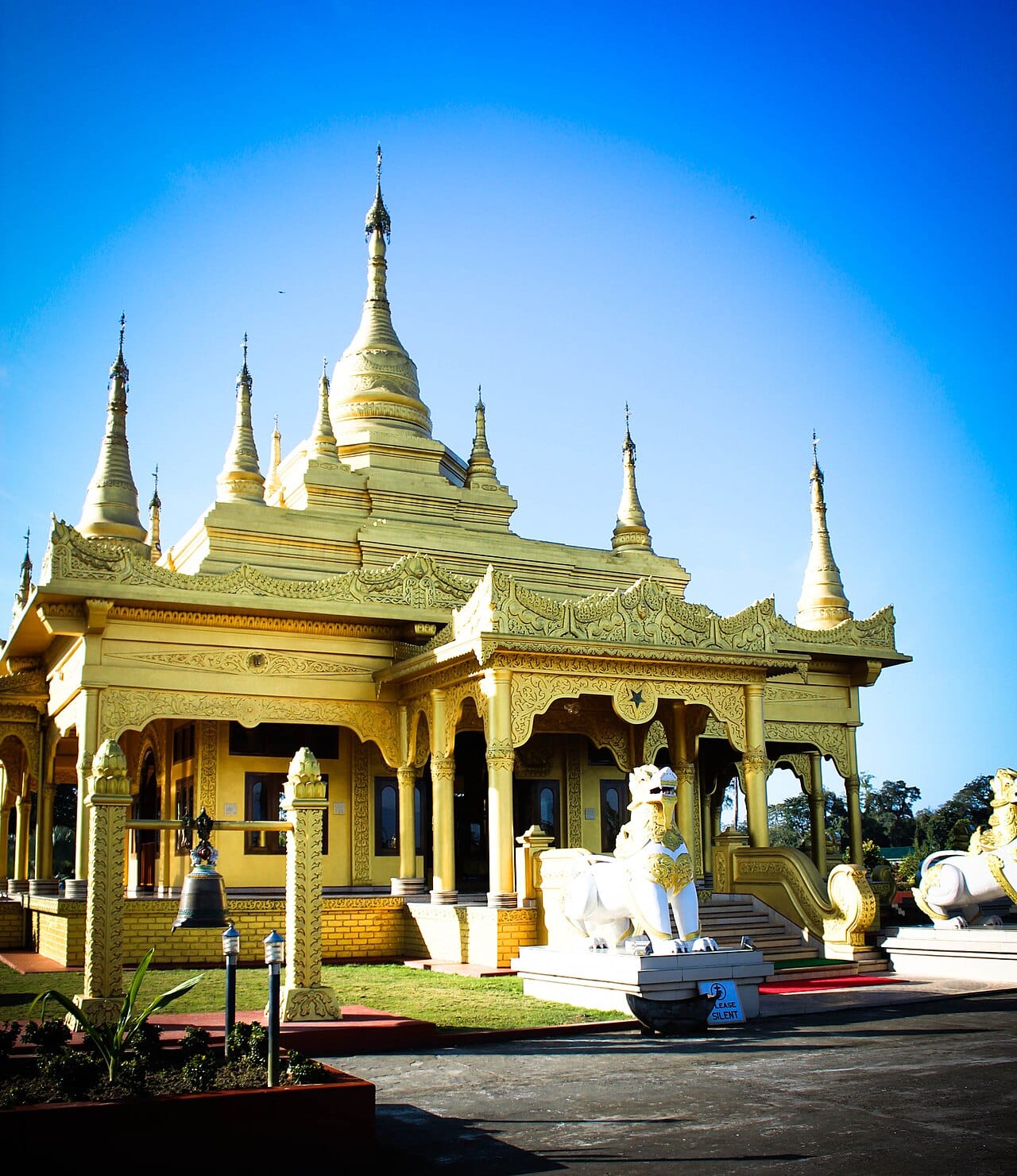
Golden Pagoda
A stunning golden masterpiece of Burmese architecture, serving as a beacon of Theravada Buddhism in the plains of Namsai.
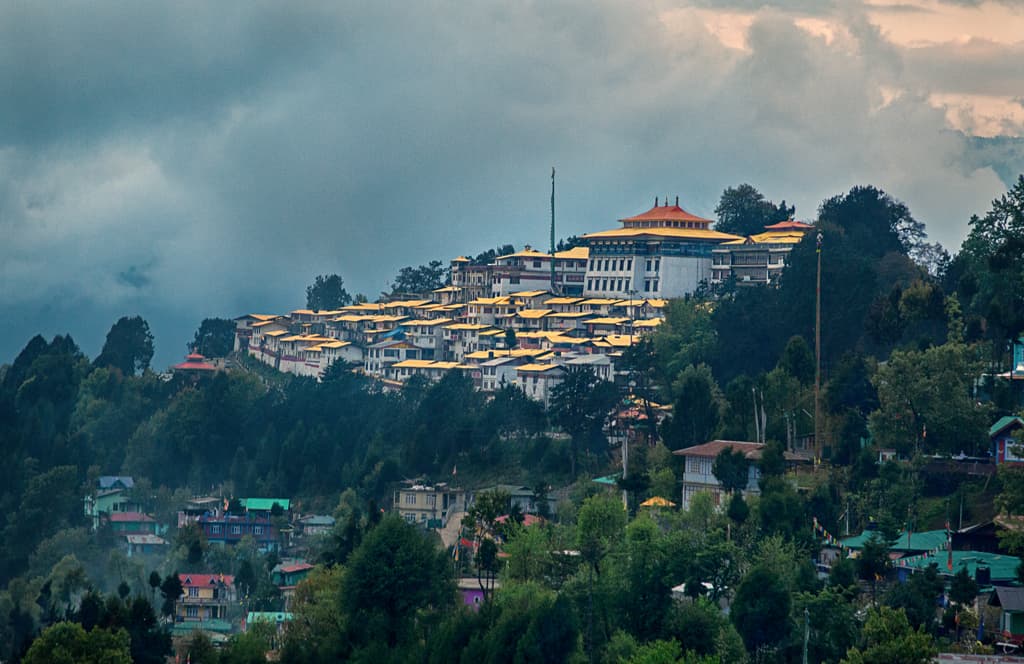
Tawang Monastery
The largest monastery in India and the second largest in the world, a stunning 17th-century fortress of Buddhist culture perched at 10,000 feet.
Rasmancha Bishnupur
The oldest 17th-century brick structure in Bishnupur, unique for its massive pyramidal roof and arched galleries.
Jor-Bangla Temple Bishnupur
Known for its 'twin hut' design and incredibly detailed terracotta panels depicting the Ramayana and Mahabharata.
Shyam Rai Temple Bishnupur
A five-towered terracotta temple famous for its circular friezes showing the Rasa-lila of Lord Krishna.
Dashavatara Temple
Dating to around 500 CE, this is the earliest known North Indian temple with a shikhara (curvilinear tower). The temple is famous for its carved panels depicting the ten incarnations (Dashavatara) of Vishnu on the sanctum walls.
Shri Ram Janmabhoomi Mandir
A grand and historic temple marking the birthplace of Lord Rama, the seventh avatar of Vishnu, representing the pinnacle of Nagara architecture.
Prem Mandir
A stunning modern white-marbled complex in Vrindavan dedicated to Divine Love, known for its life-like tableaus of Krishna's pastimes.
India's temples are living traditions — not museums. Every temple has its own customs. This guide helps first-time visitors prepare with confidence and respect.
Foreign visitor information is being researched
Please verify with the official temple authority before planning your visit.
Foreign Visitors
Verify Before VisitingVisitor Information
Entry policies vary between temples. Most temples welcome visitors, while some may restrict access to specific areas, rituals, or the inner sanctum. Always verify the latest entry guidelines with the official temple authorities before your visit.
Modest clothing is expected at every Indian temple — a sign of respect, not a restriction. Think of it as dressing for a formal ceremony.
A scarf is always useful — it covers shoulders, works as a head covering, and can double as a makeshift face cover if needed.
Outdoor photography is generally permitted. Indoor photography is often restricted. Always look for signage or ask a priest before taking photos inside.
The best time to visit Parshuram Kund is during the winter months, from November to February. The weather is cool and crisp, and the Lohit River is a beautiful turquoise blue. The peak time is mid-January for the Makar Sankranti Mela. During the monsoon (June to September), the region receives heavy rainfall, and the river becomes extremely turbulent and dangerous for bathing.
April — June
July — September
English is widely understood at major tourist temples. In smaller local temples, Hindi and the regional language are more common. A smile and simple hand gestures go a long way. Learning a few words of the local language is always appreciated.
Cash (Indian Rupees) is the most reliable option, especially for temple offerings, small shops, and local transport.
UPI digital payments (Google Pay, PhonePe, Paytm) are widely accepted across India — even at roadside stalls. Download one before you arrive.
International credit/debit cards work at most ATMs, hotels, and larger establishments. Smaller vendors may only accept cash or UPI.
Carry small denominations (₹10, ₹20, ₹50, ₹100 notes) for offerings and temple donations. Large notes (₹500, ₹2000) can be hard to break at smaller counters.
Many historic temples have uneven stone floors, multiple steps, and narrow passages. Wheelchair access is limited at older sites — contact the temple in advance.
Basic restroom facilities and drinking water are available at most major temples. Some charge a small fee (₹5–₹10).
Stay hydrated — carry a reusable water bottle, especially in hot climates.
Keep valuables secure — use hotel lockers for passports and excess cash.
Wear comfortable, sturdy footwear — temple floors can be hot, wet, or uneven.
Beware of unofficial guides or touts near temple entrances. Only use authorised services.
Carry a photocopy of your passport and visa. Leave originals in your hotel safe.
Download offline maps — mobile networks can be unreliable near remote temple sites.
These short explanations help make sense of what you see and experience.
Darshan means 'seeing' — but in a temple it means being seen by the deity. It is a sacred moment of connection, not just a viewing.
Removing footwear is a sign of humility. It also keeps the temple floor clean, since devotees sit and pray on the ground.
Food offered to the deity and then distributed to devotees. It is considered blessed. Accept it with both hands and do not discard it.
The bell creates a focused acoustic atmosphere, wards off distractions, and announces your presence before entering the inner sanctum.
Circumambulation (pradakshina) is done clockwise, keeping the sanctum on your right — an auspicious direction aligned with the sun's path.
Flowers symbolise devotion, coconuts represent the ego being broken, incense purifies the air, and lamps represent the victory of light over darkness.
Sacred viewing of the deity; the central act of temple worship.
Clockwise circumambulation of the sanctum.
Blessed food offered to the deity and distributed to devotees.
The innermost sanctum where the main deity resides.
The towering spire above the sanctum, a defining feature of temple architecture.
A pillared hall or pavilion within the temple complex.
The Indian Rupee (?, INR) is the local currency. ATMs are widely available in cities and towns. For temple offerings, keep small notes (₹10, ₹20, ₹50). Most temples accept donations in cash only — digital payments are uncommon at the offering counter itself.
Offerings (dakshina) are given with the right hand. Place cash in the donation box (hundi) or give it directly to the priest. There is no fixed amount — give what feels appropriate. Some temples have fixed fees for special entry or puja participation.
Shoes and sandals are removed before entering the temple building. Most temples have a designated shoe counter (free or a small fee of ₹5–₹20). Socks are generally allowed. In monsoon, carry a plastic bag for wet shoes.
Darshan queues can take 30 minutes to 3 hours at popular temples. Many offer paid VIP darshan (₹100–₹500) for faster entry. Special queues for women, elderly, and disabled visitors exist at some temples. No line jumping.
Major festivals draw enormous crowds — sometimes hundreds of thousands. Book accommodation months in advance. Expect road closures, restricted vehicle access, and limited phone network. Arrive early (before dawn) to avoid the worst congestion.
Always look for signage before taking photos. When in doubt, ask a priest. Never take photos of devotees in prayer without permission. Selfie sticks are banned at most temples. Silently switch your phone to silent mode.
Police / Ambulance / Fire: 112 (National Emergency Number)
Tourist Helpline: 1800-111-363 (Multi-lingual, Ministry of Tourism)
Women's Helpline: 1091
Temple-specific visitor information is continuously researched and updated from official sources. Where specific data is unavailable, general India travel guidance is provided. Always verify current policies with the temple authority before your visit.
Information last verified July 2026. Temple-specific data coming soon.
Continue your journey through the spiritual and architectural wonders of India.

An ancient 14th-century archaeological site housing exquisite granite sculptures that bridge the cultures of the plains and the Himalayas.

A stunning golden masterpiece of Burmese architecture, serving as a beacon of Theravada Buddhism in the plains of Namsai.

The largest monastery in India and the second largest in the world, a stunning 17th-century fortress of Buddhist culture perched at 10,000 feet.

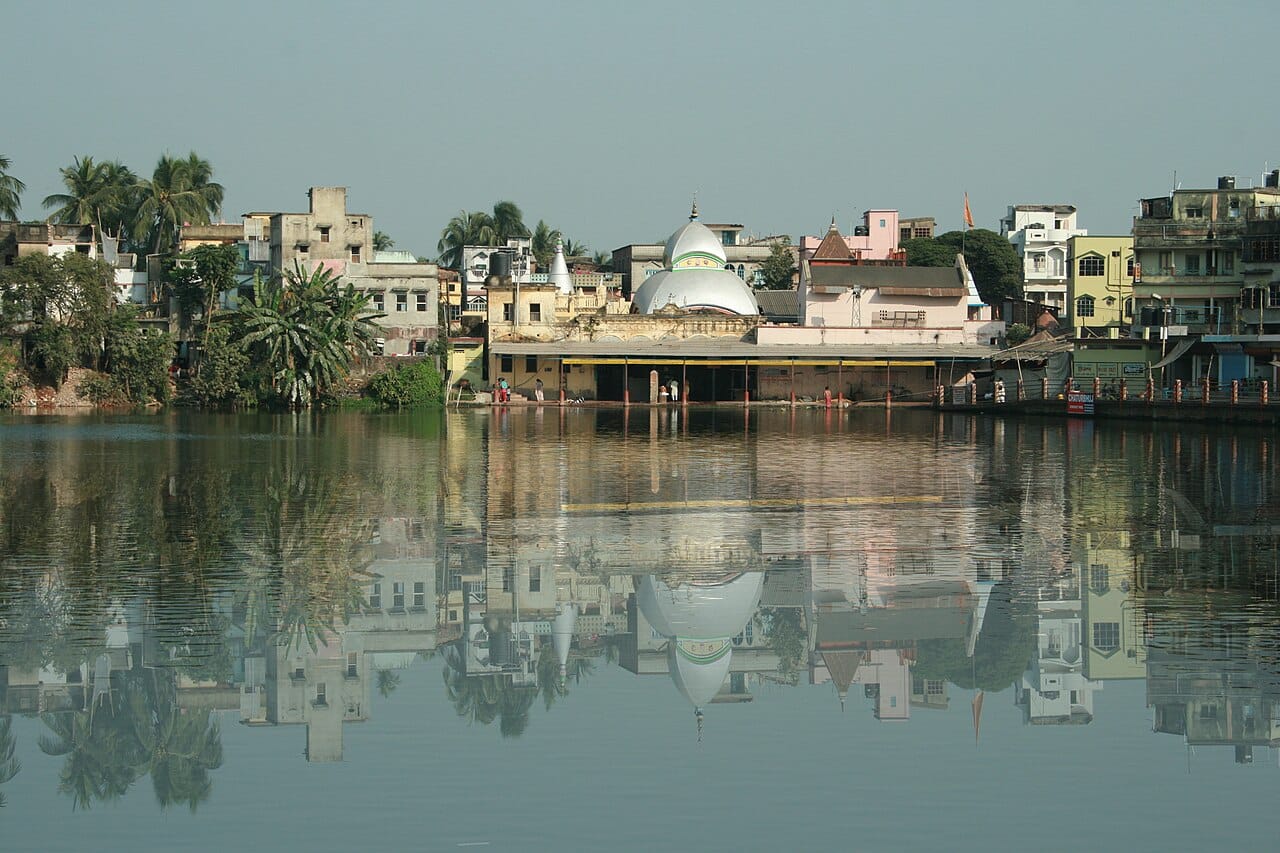
A massive 18th-century pilgrimage site dedicated to Lord Taraknath, especially vibrant during the Gajan festival.
"UNESCO was founded in 1945 to promote world peace and security through international cooperation."