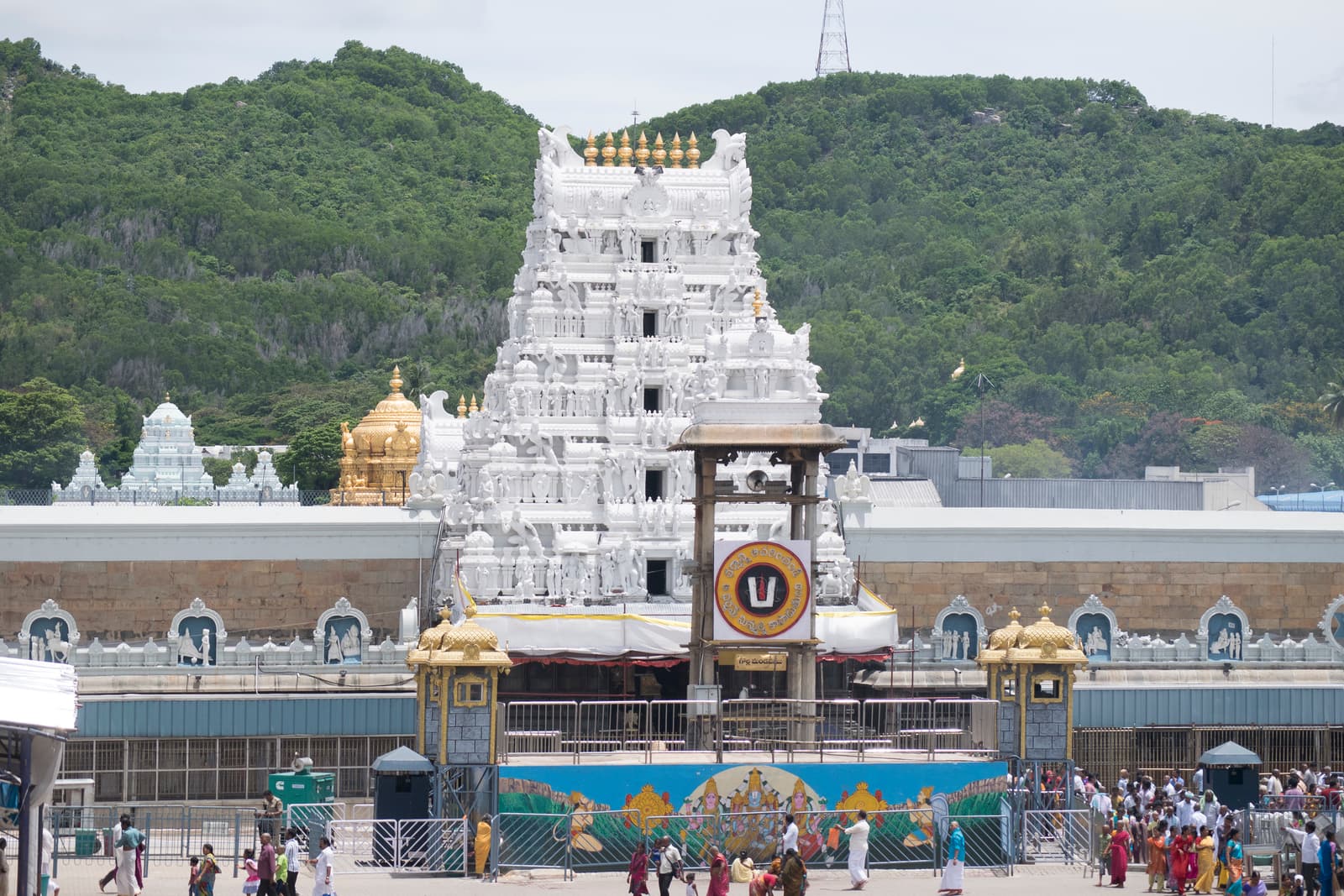
Richest Temples in India
A verified, metric-by-metric analysis of operating budgets, gold reserves, land endowments, and vaulted antiquities across India's foremost pilgrimage institutions.
TTD Gold Reserves (Mar 2024)
11,300+ kg
TTD Budget FY 2023–24
₹4,400+ Cr
Trust Status
Non-Profit
Why are Indian Temples so Wealthy?
Indian temples accumulated wealth through three historical channels: royal endowments from ruling dynasties (Cholas, Vijayanagara, Marathas, Travancore), land grants that transformed temples into the largest feudal landowners, and centuries of uninterrupted votive offerings. The Chola emperor Rajaraja I's inscriptions record hundreds of kilograms of gold donated to the Brihadeeswarar Temple. The Travancore royal family deposited its entire treasury into the Padmanabhaswamy Temple vaults.
Today this wealth grows through hundi (offering box) donations — Tirumala's hundi offerings alone bring in more than ₹1,300 crore a year from roughly 70,000 devotees a day — and is managed by public trusts that fund hospitals, schools, and free kitchens. The Golden Temple's langar feeds around 100,000 people daily regardless of religion, the largest free kitchen in the world.
Key Wealth Metrics
- Land Assets: Recorded royal land grants & estates
- Gold Deposits: Held in RBI & Vaults
- Daily Offerings: Varies up to ₹5Cr/day
- Hidden Treasures: Ancient artifacts
- Investments: Stocks, Bonds, and FDs
How Temple Wealth Is Measured: The 6 Separate Financial Dimensions
Popular online rankings often mislead readers by conflating inalienable centuries-old sacred regalia with annual liquid income into a single fabricated “net worth” figure. To preserve factual accuracy, Sacred Places India tracks temple finances across six distinct and separate categories:
Editorial Rule: Where an accurate financial comparison between liquid operating income and ancient vaulted collections cannot be verified, we explicitly state the metric rather than inventing a composite ranking. All numbers are sourced from statutory temple trust budget publications, state legislative gazettes, and Supreme Court filings.
Comparative Wealth Matrix by Metric
Examine the audited operating budget, gold reserves, land endowments, and vaulted antiquities across India's prominent pilgrimage institutions.
| Temple & Location | Classification | Annual Operating Budget | Hundi (Annual Cash) | Gold Reserves | Vaulted / Capital Assets | Auditing Authority |
|---|---|---|---|---|---|---|
| Sri Padmanabhaswamy TempleThiruvananthapuram, Kerala | Vaulted Antiquity | ₹50–80 Cr | ₹30–40 Cr | In situ (reported >1,000 kg antique ornaments) | Est. ~$22 Billion (2011 preliminary court estimate) | Supreme Court Administrative Committee |
| Tirumala Venkateswara TempleTirupati, Andhra Pradesh | Operational Trust | ₹4,411 Cr (FY 2023–24) | ₹1,300–1,500 Cr | 11,329 kg deposited under RBI Gold Monetisation Scheme | Diamond kireetam, golden pitambaram & sanctum regalia | Tirumala Tirupati Devasthanams (TTD) |
| Shirdi Sai Baba TempleShirdi, Maharashtra | Operational Trust | ₹450–500 Cr | ₹350–400 Cr | 400+ kg gold & 5,000+ kg silver | Bank FDs exceeding ₹2,500 Cr in nationalised banks | Shri Saibaba Sansthan Trust |
| Shri Mata Vaishno DeviKatra, Jammu & Kashmir | Operational Trust | ₹450–500 Cr | ₹300–380 Cr | Banked gold holdings not separately published | Regularly melted & minted sovereign gold medallions | SMVDSB (Govt of J&K) |
| Siddhivinayak TempleMumbai, Maharashtra | Operational Trust | ₹120–150 Cr | ₹80–100 Cr | 160+ kg gold reserves; 3.7 kg gold-plated dome | Fixed deposits exceeding ₹500 Cr dedicated to healthcare | Shree Siddhivinayak Temple Trust |
| Shree Jagannath TemplePuri, Odisha | Heritage & Land | ₹250–300 Cr | ₹50–70 Cr | Ratna Bhandar inventory; outer chamber ~150 kg gold | Historical medieval Ganga/Gajapati royal ornaments | Shree Jagannath Temple Administration (SJTA) |
| Kashi Vishwanath TempleVaranasi, Uttar Pradesh | Operational Trust | ₹100–120 Cr | ₹60–85 Cr | 800 kg gold-plated spire (Ranjit Singh, 1839) | Corridor expansion & national devotee endowments | Shri Kashi Vishwanath Temple Trust |
| Brihadeeswarar TempleThanjavur, Tamil Nadu | Heritage Shrines | ASI & HR&CE maintenance | Modest devotee offerings | 250+ kg gold gifted in 1010 CE (inscriptional record) | Priceless Chola bronze sculptures & epigraphy | ASI & Tamil Nadu HR&CE |
| Somnath TempleSomnath, Gujarat | Operational Trust | ₹80–100 Cr | ₹40–60 Cr | 100+ kg deposited under Gold Monetisation Scheme | Post-1951 national reconstruction public trust assets | Shree Somnath Trust |
| Golden Temple (Harmandir Sahib)Amritsar, Punjab | Community Seva (Sikh) | SGPC apex budget ~₹1,100+ Cr | Unquantified global Dasvandh (tithe) donations | Gold-plated sanctum and dome (quantity not published) | Historical Toshakhana relics, swords, and chhatras | Shiromani Gurdwara Parbandhak Committee (SGPC) |
* Data sourced from official trust disclosures, state legislative filings, and Supreme Court appointed committee records. Figures are updated periodically as audits are published.
Detailed Profiles of Prominent Shrines
Profiles below examine the unique historical endowments, ongoing revenue generation, and charitable operations of each major temple.
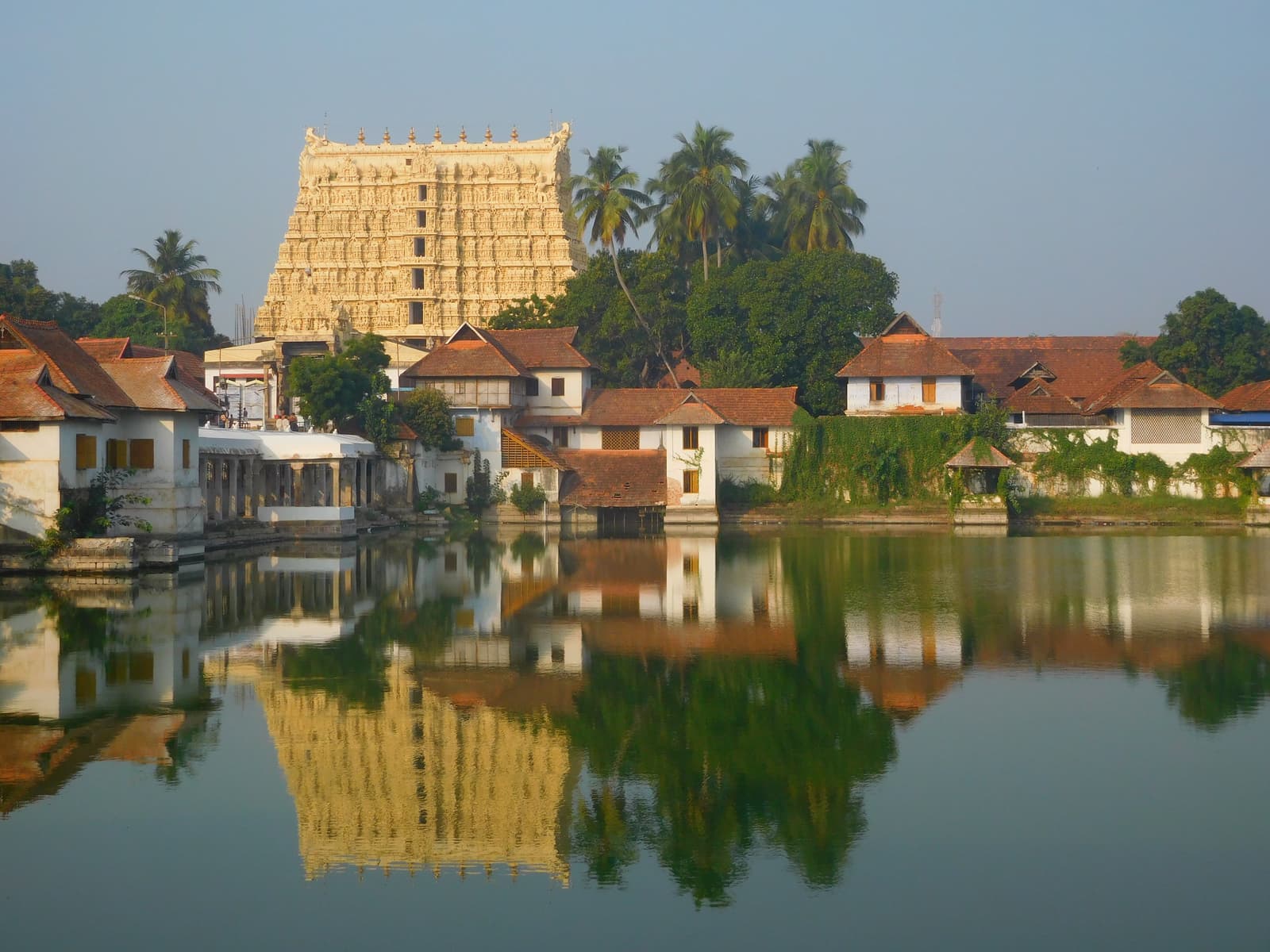
Sree Padmanabhaswamy Temple
Thiruvananthapuram, Kerala
Holds the largest known historical collection of sacred antiquities in the world, inventoried in underground subterranean vaults in 2011 under Supreme Court oversight.
Tirumala Venkateswara Temple
Tirupati, Andhra Pradesh
The world's highest-earning Hindu temple by annual income. Devotees contribute roughly ₹1,300 to ₹1,500 crore annually to the hundi.
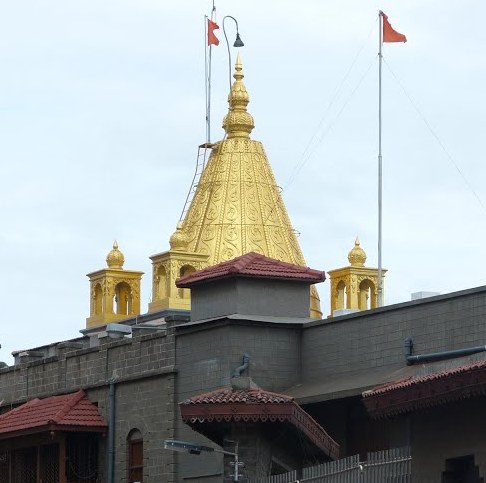
Shirdi Sai Baba Temple
Shirdi, Maharashtra
Receives global donations through hundi, direct online transfers, and bullion offerings. The trust operates free multi-speciality hospitals, large-scale educational complexes, and one of Asia's largest solar kitchen facilities.
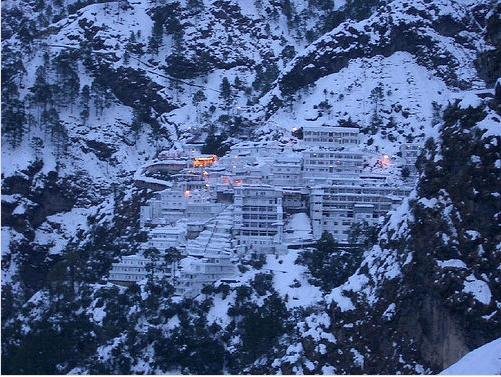
Vaishno Devi Temple
Katra, Jammu & Kashmir
Maintained by the Shri Mata Vaishno Devi Shrine Board (SMVDSB). Receives millions of trekking pilgrims whose donations fund free pilgrim dormitories, medical emergency infrastructure, and Shri Mata Vaishno Devi University.
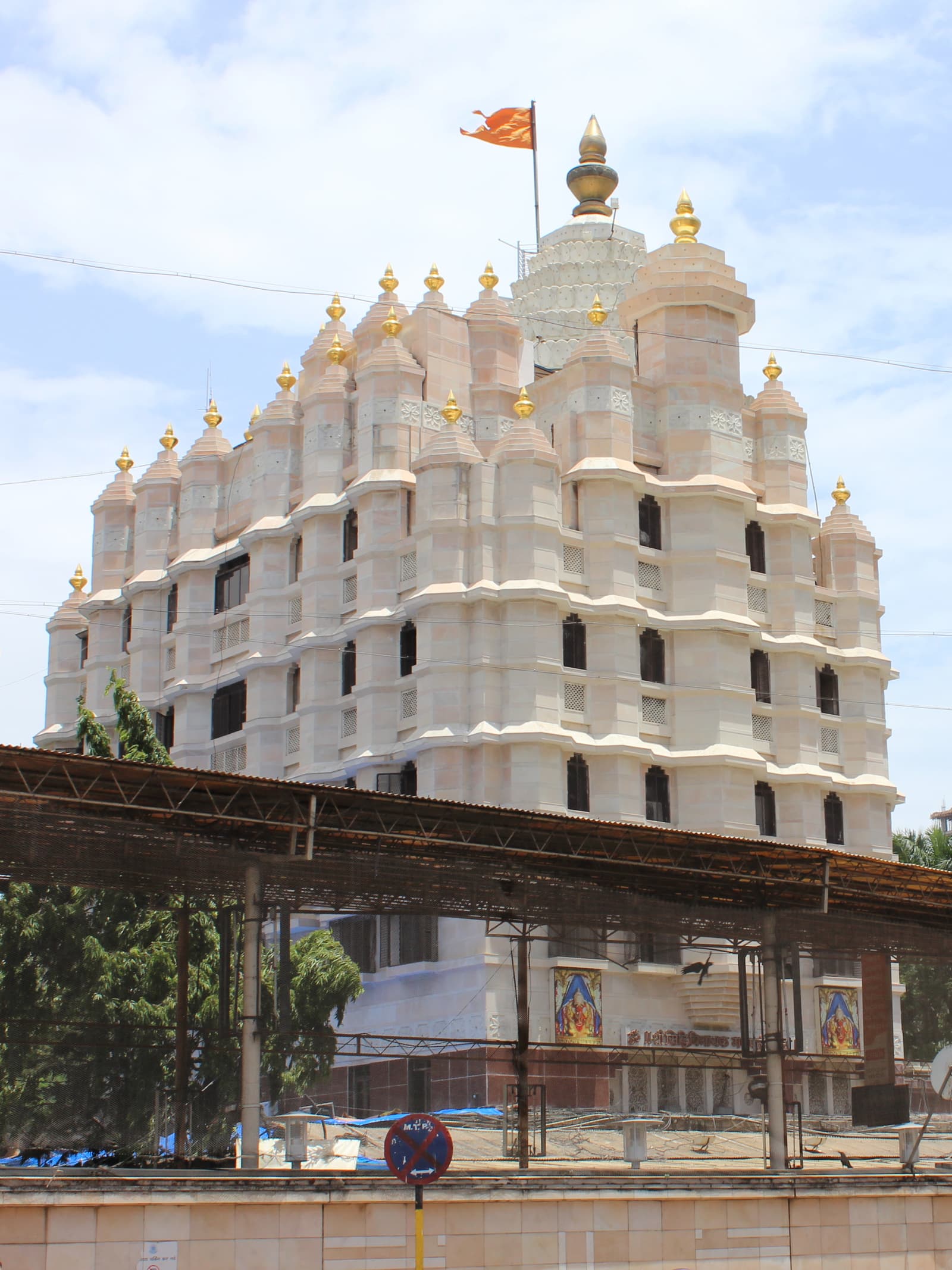
Siddhivinayak Temple
Mumbai, Maharashtra
Mumbai's foremost shrine to Ganesha. Trust funds are heavily channelled into medical aid, dialysis centers, book banks, and disaster relief programs across Maharashtra.
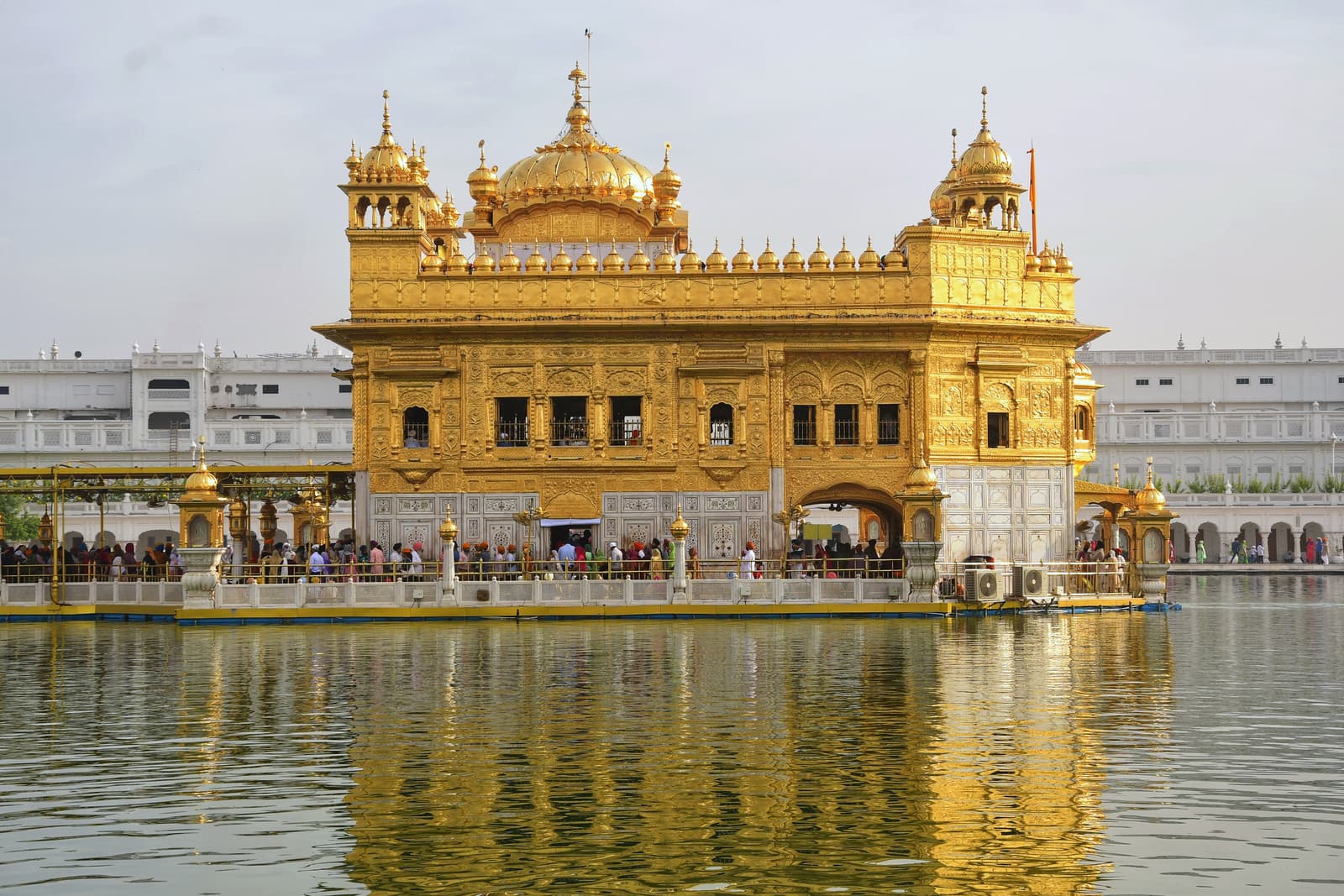
Golden Temple (Harmandir Sahib)
Amritsar, Punjab
The central shrine of Sikhism, Harmandir Sahib is a Gurdwara rather than a Hindu temple and is included for comparative context.
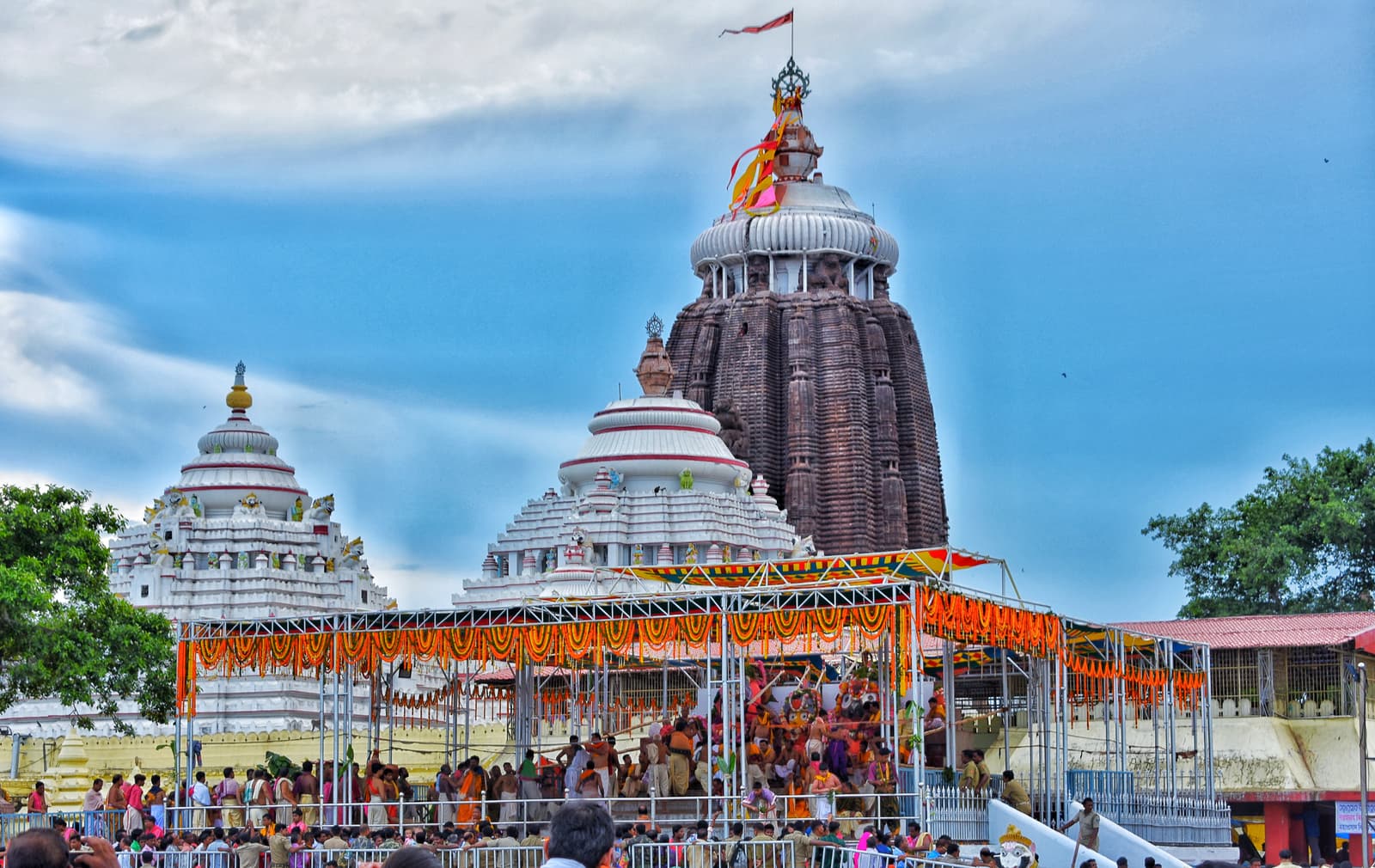
Jagannath Temple
Puri, Odisha
Endowed with over 60,000 acres of recorded land across Odisha and adjacent states.
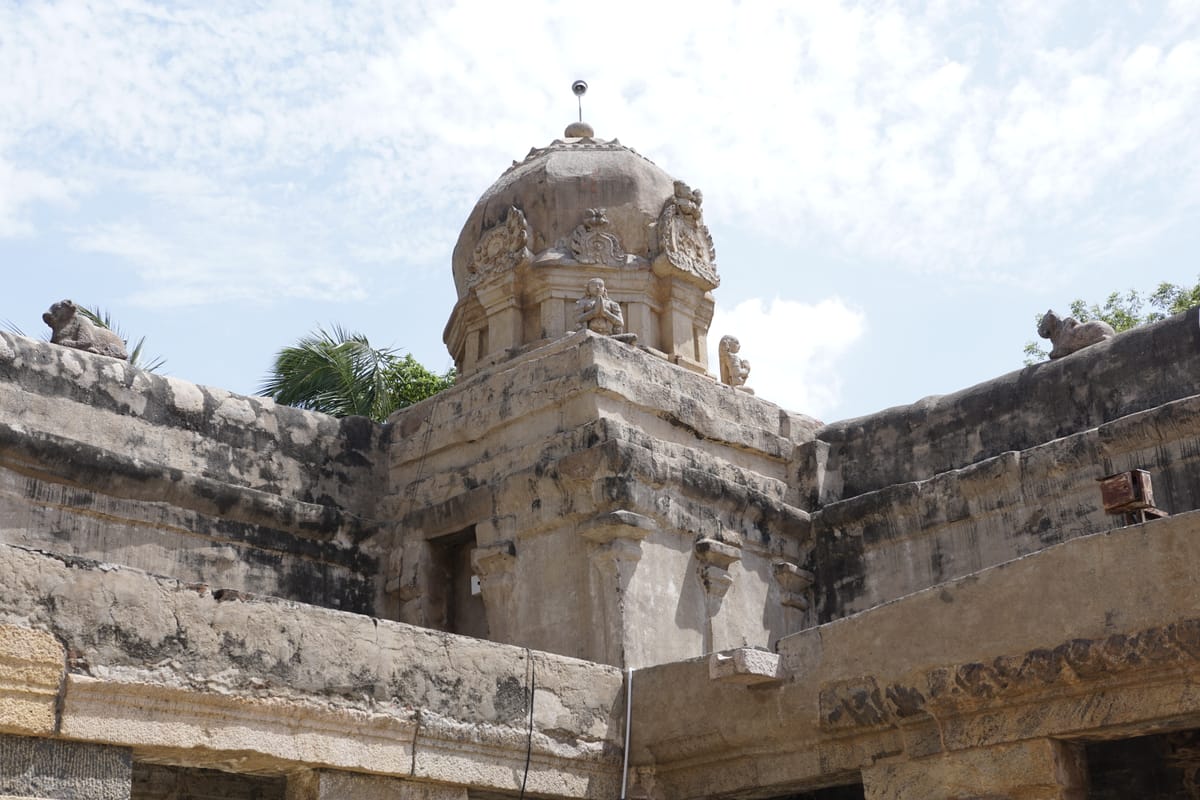
Brihadeeswarar Temple
Thanjavur, Tamil Nadu
Inscribed on granite base walls in 1010 CE, Emperor Rajaraja I recorded over 250 kg of pure gold and hundreds of gifted villages.
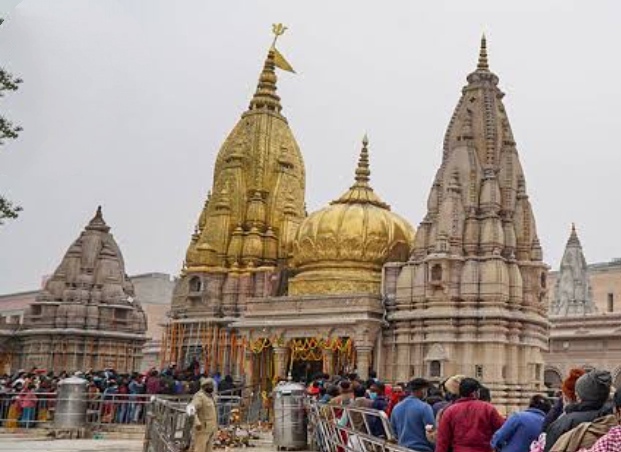
Kashi Vishwanath Temple
Varanasi, Uttar Pradesh
Following the opening of the Kashi Vishwanath Dham corridor in December 2021, footfall and offerings expanded dramatically.
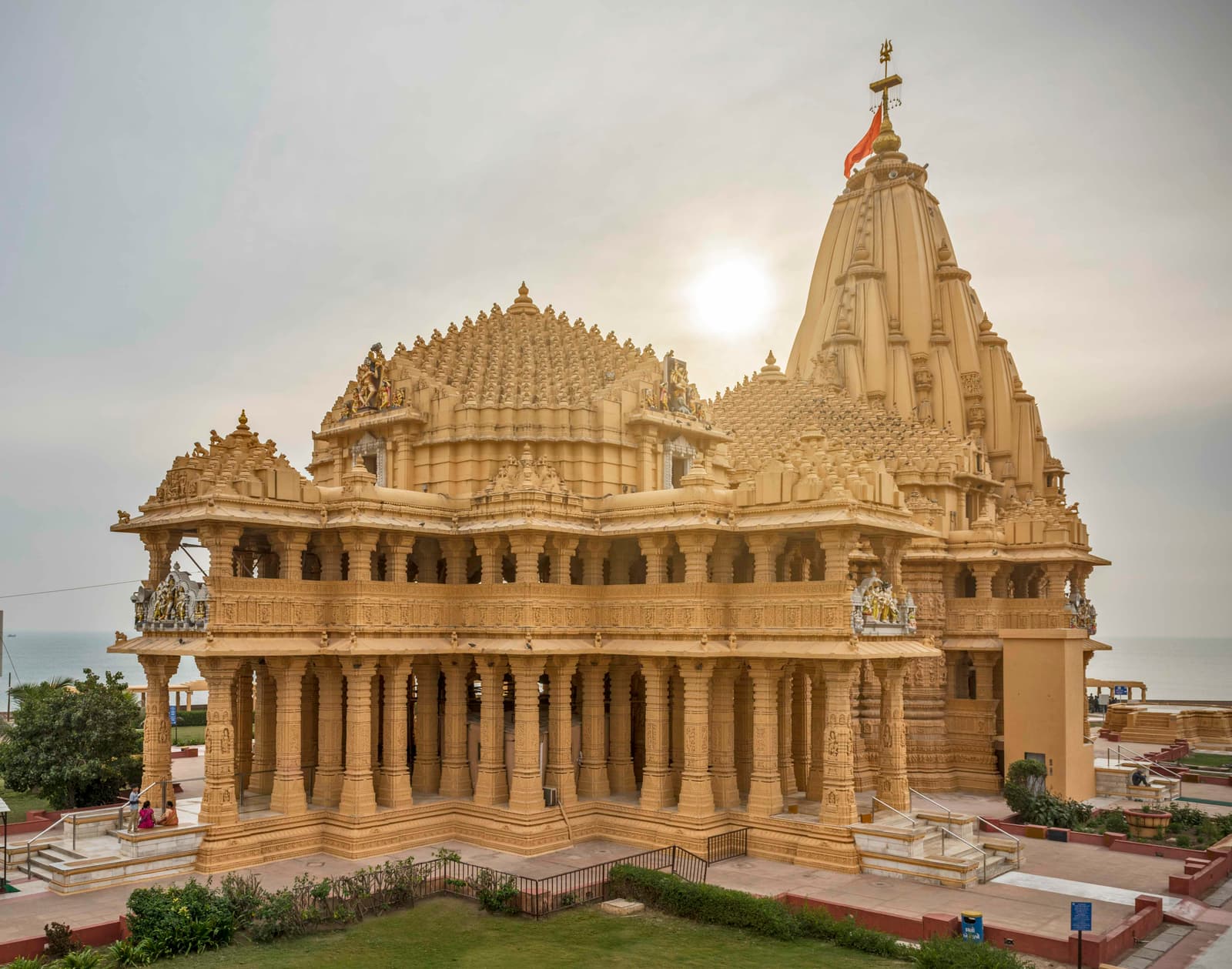
Somnath Temple
Somnath, Gujarat
The first Jyotirlinga shrine has witnessed multiple historical cycles of royal patronage and reconstruction. Rebuilt in 1951, the Shree Somnath Trust manages pilgrimage guest houses, pastoral reserves, and bank deposits.
Rich Temples FAQ
Which is the richest temple in India?
The Sri Padmanabhaswamy Temple in Thiruvananthapuram (Kerala) is widely regarded as the richest temple in India, owing to treasure discovered in its underground vaults in 2011. The Sri Venkateswara (Tirumala Tirupati) temple receives the highest annual income of any temple in the country.
How much gold does the Padmanabhaswamy Temple hold?
The exact value is not publicly declared. When the vaults were inventoried in 2011, officials reported large quantities of gold coins, jewellery, and artefacts with a total value estimated in the tens of thousands of crores of rupees. Precise figures remain subject to ongoing valuation.
What is the richest temple trust in India?
The Tirumala Tirupati Devasthanams (TTD), which manages the Sri Venkateswara Temple in Andhra Pradesh, is the richest Hindu temple trust in India by annual income, with a revenue budget of about ₹4,400 crore (FY 2023–24), much of it from hundi offerings and donations.
Why do Indian temples accumulate so much wealth?
Indian temples grew wealthy through royal endowments and land grants from ruling dynasties (Chola, Vijayanagara, and Travancore among them), along with centuries of votive offerings. This income is today administered by public trusts funding hospitals, schools, and community kitchens.
Is the Golden Temple included in a list of Hindu temples?
The Golden Temple (Harmandir Sahib) in Amritsar is a Sikh Gurdwara, not a Hindu temple. Some 'richest temples' lists include it for its famous gold covering and large langar, but it is the holiest site of Sikhism and should be classified as a Sikh place of worship.
Sources & References
— every record linked above was re-requested for this release, so the link still resolves and the publisher still serves the document. It is a link check, not a re-verification of every sentence on this page.
- • Sree Padmanabhaswamy Temple — Supreme Court affidavit on vault assets, 2011
- • Tirumala Tirupati Devasthanams — Annual Report 2023–24
- • Shirdi Sai Baba Sansthan Trust — Property & Asset Disclosure
- • Shri Vaishno Devi Shrine Board — Annual Financial Report
- • Reserve Bank of India — Temple Gold Deposit Scheme data
- • Archaeological Survey of India — Temple inscription records
- • Jagannath Temple, Puri — Shree Jagannath Temple Office, Annual Report
- • Brihadeeswarar Temple — Thanjavur Inscriptions, Rajaraja Chola records
- • Kashi Vishwanath Temple — Kashi Vishwanath Temple Trust disclosures
- • Somnath Temple — Somnath Trust Annual Reports
Note on Valuations
The wealth of Indian temples is often incalculable due to the historical value of artifacts. Estimations are based on public records and gold reserve reports. The primary purpose remains religious and charitable.