Sacred Heritage
Shirdi Sai Baba Temple (Samadhi Mandir)
Shirdi, Ahmednagar, Maharashtra
State:Maharashtra
District:Shirdi, Ahmednagar
Why This Temple Matters
Key Takeaways
- Dedicated to Sai Baba (Samartha Sadguru)
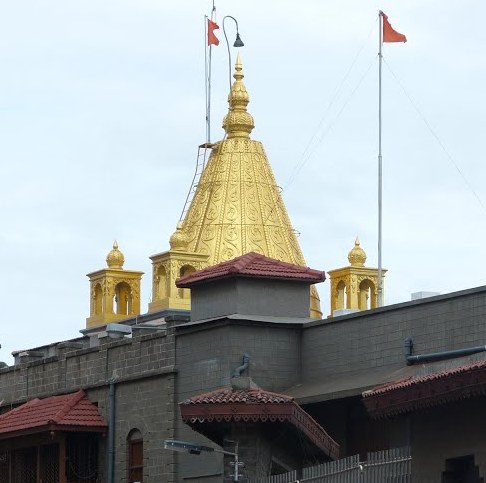
- Modern style with domed mandir, marble interiors, and a prominent statue of Sai Baba architecture
- Located in Shirdi, Ahmednagar, Maharashtra
Quick Facts
- Saint
- Sai Baba (1838–1918)
- Dynasty
- Modern (est. 1918)
- Established
- 1918 (Samadhi Mandir)
- Style
- Modern with Marble Interiors
- Main Shrine
- Samadhi Mandir
- Location
- Shirdi, Ahmednagar, Maharashtra
- Significance
- 25,000+ pilgrims daily
- Special Sites
- Dwarkamai, Gurusthan, Chavadi
- Open Hours
- 4:00 AM – 11:00 PM
- Inter-Faith
- Hindu-Muslim Unity
Overview
Who Was Sai Baba of Shirdi?
Shirdi Sai Baba Temple, officially known as the Shri Saibaba Sansthan Trust, is among the most visited religious sites in India. Located in the town of Shirdi in the Ahmednagar district of Maharashtra, the sprawling temple complex is built around the Samadhi Mandir — the burial shrine of Sai Baba, who attained mahasamadhi (left his physical body) on October 15, 1918.
Sai Baba was a 19th–20th century Indian spiritual master whose teachings transcended all religious divisions. He taught a universal path of love, devotion, service (seva), and surrender (shraddha and saburi) — faith and patience. He lived and preached from a dilapidated mosque called Dwarkamai, which he treated as a home open to all regardless of caste, creed, or religion. He is revered by both Hindus and Muslimsas a saint and spiritual master, and remains one of India's most beloved and widely worshipped figures.
The temple attracts over 25,000 pilgrims daily, with numbers exceeding 300,000 on special occasions like Ramanavami and Gurupurnima. The complex includes Dwarkamai (the mosque where Baba lived), Chavadi (where Baba slept on alternate days), Gurusthan(the banyan tree where Baba first appeared), and extensive facilities for the millions of pilgrims who visit every year. The temple is managed by the Shri Saibaba Sansthan Trust, one of India's richest and most efficiently run temple trusts.
History
From a Wandering Fakir to India's Most Beloved Saint
Sai Baba's origins remain mysterious. He arrived in Shirdi as a young boy around 1854, appearing under a banyan tree (Gurusthan), and remained in the village for the rest of his life — a period of over 60 years. Nothing is known with certainty about his birth or early life, though various traditions place his birth between 1835 and 1838. He was first seen as a quiet, meditative youth, often sitting under the banyan tree, oblivious to surroundings.
He soon moved into a local mosque, which he named Dwarkamai ("Mother Dwarka"), and made it his permanent residence. Here he received all visitors without distinction, maintaining a perpetual fire (dhuni) from which he distributed sacred ash (udhi) to devotees as a blessing. He lived a life of extreme simplicity, subsisting on alms and spending long hours in meditation. His fame grew through his miracles of healing, his ability to read minds, and his profound spiritual wisdom.
During the 1896–1897 plague epidemic that devastated Shirdi, Sai Baba personally nursed the sick and arranged for the disposal of bodies, earning the gratitude of the entire village. His most famous devotee, Hemadpant (G. S. Khaparde), recorded his teachings and miracles in the Sri Sai Satcharitra, the primary scripture of Sai Baba's devotees. By the time of his mahasamadhi in 1918, Sai Baba had transformed from a wandering fakir into a revered saint with thousands of devoted followers, including wealthy merchants, lawyers, and British officials.
After his passing on October 15, 1918 — which coincided with the festival of Vijayadashami — his body was buried at a spot chosen by him, now the Samadhi Mandir. The original structure was built immediately after by his devotees. The current grand temple complex was constructed under the Shirdi Sansthan, which manages the site today. The temple has undergone massive expansion since the 1950s, with the addition of modern amenities, a bhakta niwas (pilgrim lodging), and extensive facilities for the millions of annual pilgrims.
Sai Baba's appeal has only grown in the decades since his death. From the 1970s onward, the Sansthan emerged as one of India's wealthiest religious institutions, funded by the donations of millions of devotees. Major Bollywood productions about his life in the 1970s and the spread of Sai Baba temples worldwide — from the United States to Australia, the UK to Singapore — have transformed Shirdi from a small Maharashtrian village into a global pilgrimage destination of the first order.
Architecture
Samadhi Mandir, Dwarkamai, and the Sacred Landscape
The Shirdi complex comprises several distinct architectural zones, each with its own character: the grand Samadhi Mandir, the rustic Dwarkamai mosque, the traditional Chavadi, and the sacred Gurusthantree. Together they form a pilgrimage landscape unlike any other in India — blending modern temple grandeur with the preserved simplicity of Sai Baba's daily life.
Samadhi Mandir
The main temple built over Sai Baba's burial tomb. Features a spacious prayer hall with white marble walls and floors, large chandeliers, and silver-plated flooring. The central Samadhi shrine is covered with silver plating and sits under an intricately carved marble canopy. A 20-foot marble statue of Sai Baba stands in the main hall on a gold-plated pedestal. The dome has a striking golden kalasha finial visible from across Shirdi.
Dwarkamai
The original mosque where Sai Baba lived for 60+ years, preserved exactly as he left it. A simple structure with a sloping roof, open verandah, and a small inner room. The perpetual fire (dhuni) from which udhi (sacred ash) is distributed still burns. The walls are blackened by decades of smoke. Portraits of Sai Baba and religious symbols of both Hinduism and Islam adorn the interior — reflecting Baba's universal message.
Chavadi
A traditional Maharashtrian village rest house where Sai Baba slept on alternate nights. The building is divided into a front room with a distinctive facade of arches and a back room where Baba rested. Today it is maintained as a museum with life-sized wax figures depicting scenes from Sai Baba's daily life, including his practice of sleeping with oil lamps tied to his feet to provide light for devoteers who came at night.
Gurusthan
The sacred banyan tree under which Sai Baba first appeared in Shirdi as a young boy around 1854. The site features a small temple structure built around the tree, with a marble image of Sai Baba in his youthful form. It is considered the most spiritually potent spot in Shirdi, marking the origin point of Sai Baba's presence in the village. Devotees often meditate here before visiting the Samadhi Mandir.
The temple's architecture purposefully blends Hindu and Islamic influences, reflecting Baba's universal message. The Samadhi Mandir itself is modern in style, but the overall complex preserves the rustic charm of 19th-century rural Maharashtra while accommodating millions of modern pilgrims through wide corridors, queue management systems, and state-of-the-art facilities.
The Saint
Sai Baba — The Universal Saint
The main shrine at Shirdi houses Sai Baba's Samadhi — his burial tomb under a beautiful marble structure adorned with fresh flowers and ornaments daily. The central marble statue of Sai Baba, seated in a meditative posture, is the primary object of veneration. The Samadhi is covered with silver plating and topped with an ornate silver canopy.
Sai Baba's teachings centered on shraddha (faith) and saburi (patience). He taught that God is one, regardless of what name or form humans use to approach Him. His famous saying — "Sabka Malik Ek Hai" (The Master of all is One) — encapsulates his universal vision. He did not ask his followers to change their religion; instead, he encouraged them to deepen their existing faith. He respected both the Quran and the Vedas, and participated in both Hindu and Muslim festivals.
The udhi (sacred ash) from the perpetually burning dhuni at Dwarkamai is Sai Baba's most famous physical blessing. Baba himself distributed udhi to visitors and said it had healing and protective powers. Today, millions of pilgrims receive udhi packets from the temple as a sacred souvenir. The Sai Satcharitra, written by Hemadpant and published in 1930, is the primary textual source of Sai Baba's life and teachings and is read in homes and temples worldwide.
"Why do you fear when I am here? I am the owner of the universe. I am the father of all beings. The entire world rests in me. I am the law and the law-giver. I am the limitless and infinite. I am the creator, preserver, and destroyer."— Sai Baba of Shirdi
Festivals
Celebrating Sai Baba's Presence
Ramanavami (March–April)
The biggest festival at Shirdi, celebrating Sai Baba's spiritual birth. A three-day celebration includes a grand procession of Sai Baba's palanquin through the streets of Shirdi, special aartis, cultural programs, and distribution of prasad to hundreds of thousands of devotees. The entire temple complex is elaborately decorated with flowers and lights.
Gurupurnima (July)
The full moon day of Ashadha month is celebrated as Guru Purnima, honoring Sai Baba as the supreme guru. Hundreds of thousands of devotees gather for special rituals, discourses, and bhajan sessions. This is the second-largest gathering at Shirdi, with the temple managing queues of 4–6 hours or more.
Vijayadashami (September–October)
Marks the day of Sai Baba's mahasamadhi (leaving his physical body) in 1918. The temple holds special rituals, and the day is observed with both mourning and celebration — mourning for the physical loss, celebration for Baba's eternal presence. The famous procession of Baba's silver footprints is a highlight.
Every Thursday
Considered Sai Baba's special day. Extra aartis and bhajans are performed throughout the day. The temple sees significantly larger crowds. Many devotees observe a Thursday fast (Sai Baba Vrat) and visit Shirdi specifically on this day. Special decorations adorn the Samadhi.
Punyatithi — the death anniversary of Sai Baba, observed on Vijayadashami — is the most solemn occasion. Additionally, Datta Jayanti (December) and Makar Sankranti (January) draw significant crowds. Throughout the year, the first Thursday of every month is marked by extra festivities.
Visitor Information
Planning Your Visit to Shirdi
Temple Timings
- Temple Open4:00 AM – 11:00 PM
- Kakad Aarti (Morning)4:15 AM
- Mangal Snaan5:00 AM
- Abhishek7:00 AM
- Madhyan Aarti (Noon)12:00 PM
- Dhoop Aarti (Evening)6:30 PM
- Shej Aarti (Night)10:30 PM
Guidelines
- No entry fee — darshan is free for all
- Queue system for Samadhi darshan (1–3 hrs peak)
- Special darshan tickets available (paid)
- Photography allowed in complex, not during aarti
- Shoes must be removed before entering
- Traditional dress recommended (no shorts)
- Alcohol and tobacco strictly prohibited
- Mobile phones allowed but silent mode
Facilities
- Free prasad (holy food) distribution
- Free accommodation (bhakta niwas)
- Paid rooms with better amenities
- Shoe storage and luggage facilities
- Free drinking water stations
- First-aid and medical facilities
- ATMs available on campus
Tips for Devotees
- Book accommodation via Sansthan website
- Visit Dwarkamai before Samadhi darshan
- Collect udhi from Dwarkamai dhuni
- Thursday crowds are 3x normal
- Best darshan: early morning Kakad Aarti
- Carry a photocopy of ID proof
- Weekdays have shorter queues
How to Reach
Getting to Shirdi
By Air
Shirdi Airport (15 km / 25 min) — daily flights from Mumbai, Delhi, Hyderabad, and Ahmedabad. Alternatively, Mumbai Airport (250 km) and Pune Airport (180 km) are larger hubs with wider connectivity. Taxis and buses run from all airports to Shirdi.
By Rail
Sainagar Shirdi Railway Station (5 km from temple) — direct trains from Mumbai, Delhi, Bangalore, Chennai, Hyderabad, and Pune. Manmad Junction (60 km) is another major railhead with frequent connections. Auto-rickshaws and buses available from both stations.
By Road
Shirdi is well connected by road to major cities: Mumbai (250 km, 5 hrs via NH-160), Pune (180 km, 4 hrs), Nashik (80 km, 1.5 hrs), Ahmednagar (75 km, 1.5 hrs), Aurangabad (120 km, 2.5 hrs). MSRTC buses, private Volvo buses, and taxis run regularly from all major cities. The Ahmednagar–Manmad highway (SH-10) passes through Shirdi.
Local Transport
Shirdi is a compact town. Temples and key sites are within walking distance of each other. Auto-rickshaws and cycle-rickshaws are readily available. The Sansthan operates free shuttle buses between the railway station and temple. Most hotels provide pickup from the station/bus stand.
Best Time to Visit
When to Go — Weather and Seasons
Shirdi is open year-round and receives pilgrims throughout the year. The temple operates every single day from 4:00 AM to 11:00 PM. However, the experience varies significantly by season.
Best: October–March
Pleasant weather with daytime temperatures 20–30°C. Cool evenings and mornings. Ideal for comfortable darshan and exploring the temple complex. Peak tourist season — book accommodation well in advance.
Moderate: April–June
Summers are hot, reaching 40°C. Despite the heat, Shirdi remains crowded. Mornings and evenings are still pleasant. The temple provides cooling facilities and water stations. Lower accommodation prices.
Monsoon: July–September
Heavy rainfall but the temple remains open. Greener surroundings, fewer crowds, and comfortable temperatures (25–30°C). Gurupurnima (July) is the busiest period despite the rain. Carry an umbrella.
Nearby Attractions
Beyond Shirdi — Exploring Maharashtra
Shani Shingnapur
85 km from Shirdi. Famous temple of Lord Shani (Saturn), known for the unique tradition that no doors or locks are used in the village — there has never been a recorded theft. Houses Shani Dev's swayambhu (self-manifested) stone idol under an open sky.
Nashik Panchavati
110 km from Shirdi. Sacred city on the Godavari River where Lord Rama lived during his exile. Key sites include Kalaram Temple, Sita Gufa, and the Triveni Sangam. Also famous for the Godavari Pushkaram and Kumbh Mela.
Trimbakeshwar Temple
130 km from Shirdi. One of the 12 Jyotirlingas, dedicated to Lord Shiva. The temple features a unique linga with three faces representing Brahma, Vishnu, and Mahesh. Located near the source of the Godavari River.
Ellora Caves
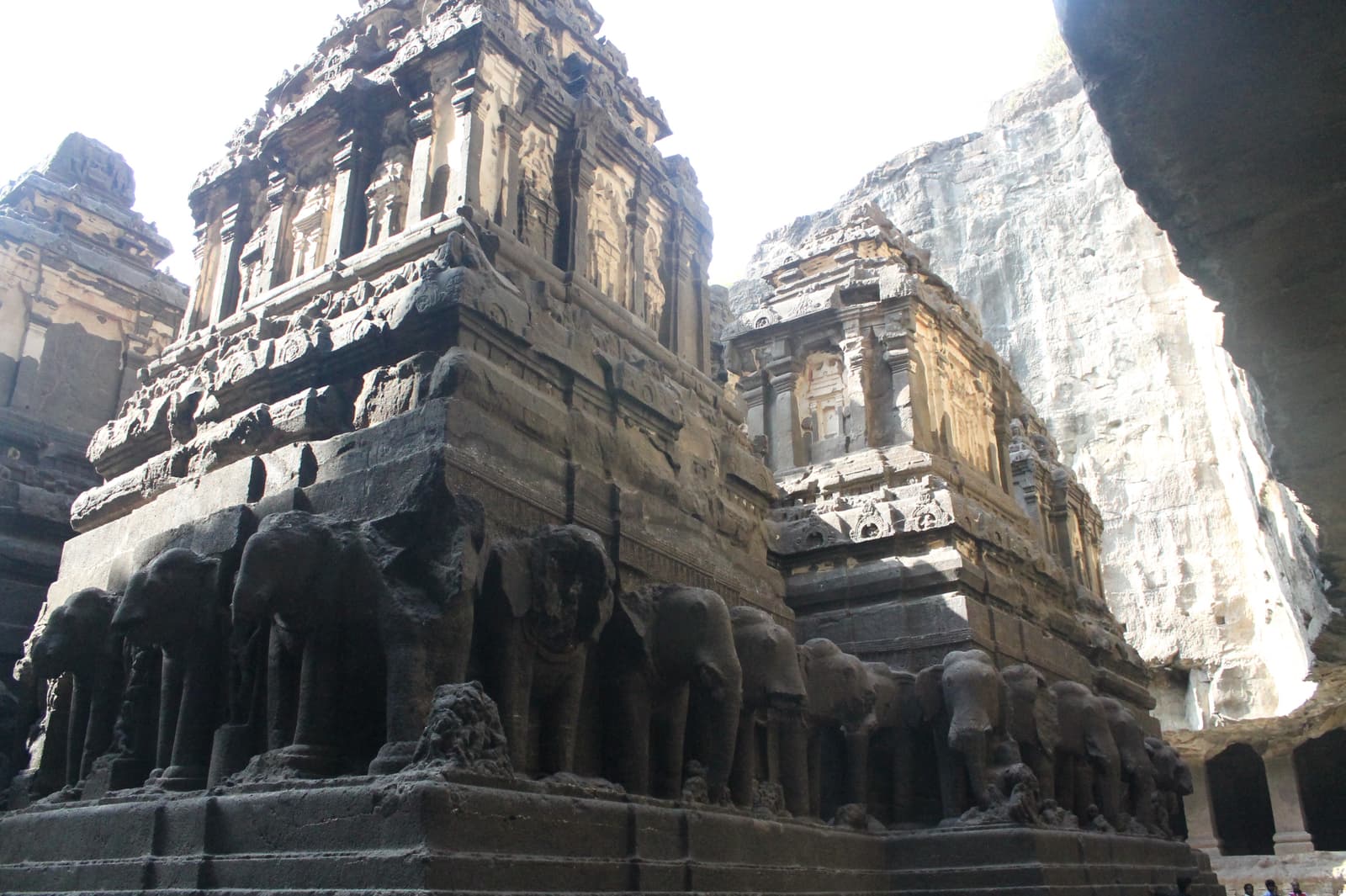
140 km from Shirdi. UNESCO World Heritage site featuring 34 rock-cut monasteries and temples dating from 600–1000 CE. The Kailasa Temple (Cave 16) is the world's largest monolithic structure, carved from a single rock.
Grishneshwar Temple
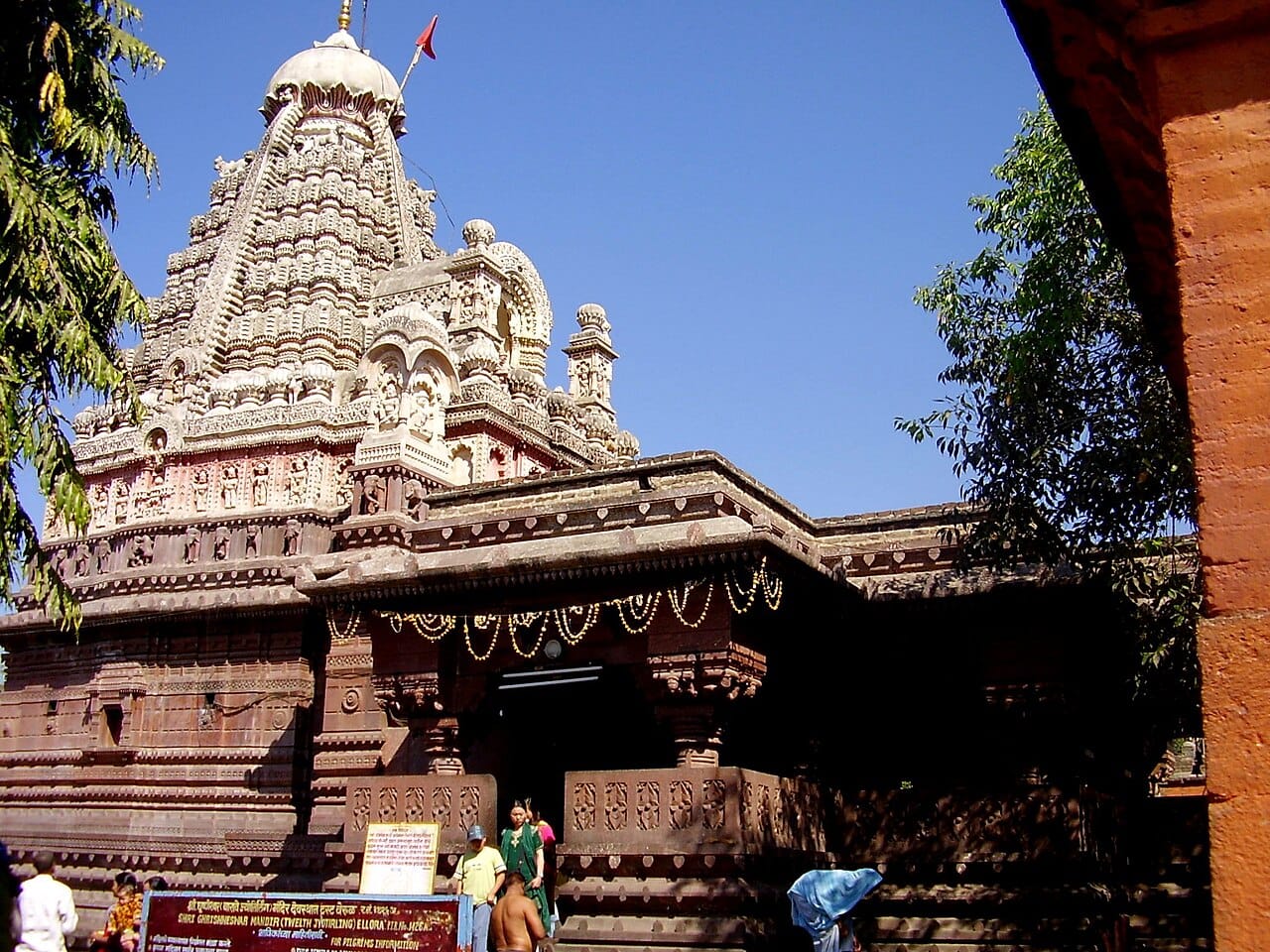
140 km from Shirdi. One of the 12 Jyotirlingas, located near the Ellora Caves in Aurangabad district. An ancient temple rebuilt in the 18th century with intricate stone carvings and a five-tiered shikhara.
Ahmednagar Fort
95 km from Shirdi. A 15th-century fort built by Ahmad Nizam Shah I, featuring massive walls, moats, and historical significance. Used as a prison during the British era. Houses the Ahmednagar Fort Museum with artifacts from various periods.
FAQ
Frequently Asked Questions
Q. Who was Sai Baba of Shirdi?
A. Sai Baba of Shirdi was a 19th–20th century Indian spiritual master who taught a universal path of love, devotion, and service. He is revered by both Hindus and Muslims and remains one of India's most beloved saints. His teachings centered on shraddha (faith) and saburi (patience), and his famous saying 'Sabka Malik Ek Hai' (The Master of all is One) epitomizes his universal vision.
Q. What is Udhi (sacred ash)?
A. Udhi is the sacred ash from the perpetual fire (dhuni) at Dwarkamai, which Sai Baba himself maintained throughout his life. It is distributed free to all pilgrims and is believed to have healing and protective powers. Devotees apply it to their foreheads, consume small amounts, and carry it home as a sacred blessing from Sai Baba.
Q. What are the temple timings at Shirdi?
A. The Samadhi Mandir is open from 4:00 AM to 11:00 PM daily. Aarti schedule: Kakad Aarti at 4:15 AM, Mangal Snaan at 5:00 AM, Abhishek at 7:00 AM, Madhyan Aarti at 12:00 PM, Dhoop Aarti at 6:30 PM, and Shej Aarti at 10:30 PM. The temple remains open every single day of the year.
Q. How to reach Shirdi?
A. Shirdi has its own airport (15 km from the temple) with daily flights from Mumbai, Delhi, Hyderabad, and Ahmedabad. Sainagar Shirdi Railway Station (5 km) connects to major cities. By road, Shirdi is well connected from Mumbai (250 km, 5 hrs), Pune (180 km, 4 hrs), and Nashik (80 km, 1.5 hrs). MSRTC and private buses run regularly.
Q. Is there an entry fee for the temple?
A. No, darshan is completely free for all devotees. The temple offers a free queue system for Samadhi darshan, though waiting times can be 1–3 hours during peak periods. Special darshan tickets are available at a nominal fee for those who wish to avoid long queues.
Q. What is Dwarkamai and why is it important?
A. Dwarkamai is the mosque where Sai Baba lived for over 60 years. It is preserved exactly as he left it, with the perpetually burning dhuni (sacred fire) still giving udhi to devotees. It is considered even more sacred than the Samadhi Mandir by many devotees, as it was Baba's actual residence where he performed most of his miracles.
Q. What is the best time to visit Shirdi?
A. October to March offers the most pleasant weather. However, Shirdi is busy year-round as a pilgrimage destination. Thursday is considered Sai Baba's special day. Gurupurnima (July) and Ramanavami (March–April) are the busiest periods. The temple is open every day — timing flexibility is not a concern.
Q. What is the dress code for the temple?
A. Traditional Indian attire is recommended. Men wear kurta-pajama or dhoti, while women wear sarees or salwar kameez. Western attire like shorts, miniskirts, or revealing clothes is discouraged. Shoes must be removed before entering the temple complex. Head covering is optional but observed by many.
Q. What is the significance of Thursday for Sai Baba?
A. Thursday is considered Sai Baba's special day. It is believed that Baba chose Thursday as his day of blessing. The temple sees significantly larger crowds on Thursdays, with special aartis and bhajans throughout the day. Many devotees observe the Sai Baba Vrat (fast) on Thursdays.
Q. Can I stay overnight in Shirdi?
A. Yes, the Shirdi Sansthan provides free accommodation (bhakta niwas) as well as paid rooms with better amenities. Numerous private hotels and lodges are also available, from budget to luxury. It is strongly recommended to book accommodation in advance through the Sansthan website or travel portals, especially during festival seasons.
Sources
Sources and References
This page draws on information from the following authoritative sources:
1
2
Sri Sai Satcharitra
Hemadpant (G. S. Khaparde) / Translated by Nagesh Gunaji
3
Sai Baba of Shirdi: A Unique Saint
Dr. Marianne Warren (Academic Publication)
4
Life and Teachings of Sai Baba
Swami Sai Sharan Anand (Religious Publication)
5
Shirdi: A Journey into the Sacred
Dr. K. R. S. Murthy (Travel Literature)
6
The Gospel of Sai Baba
Dr. S. P. Ruhela (Academic Publication)
7
Shirdi's Architectural and Cultural Heritage
Maharashtra Tourism Development Corporation
Did You Know?
- Sai Baba of Shirdi (1838–1918) was revered equally by Hindus and Muslims — he lived in a dilapidated mosque, spoke in parables, and maintained the sacred fire (Dhuni) that still burns in Dwarkamai today.
- Thursday is considered Sai Baba's special day — the temple sees its highest footfall on Thursdays, following his tradition of giving darshan and blessings on that day.
- The Gurusthan (where Sai Baba first appeared as a young boy under a neem tree) marks the spot of his mysterious arrival in Shirdi in the 1850s — the neem tree still stands and its leaves are said to have medicinal properties.
- Sai Baba's Samadhi (tomb) was built in 1918 at the site of his physical burial, and the present marble structure was completed in 1922 — the statue inside depicts him seated in his characteristic posture with his right hand raised in blessing.
- The temple's daily Udi (ash from the Dhuni) distribution is unique — devotees receive sacred ash as prasad, following Sai Baba's practice of giving blessed ash from his perpetual fire as a symbol of healing and protection.
Related Temples
Same State
Trimbakeshwar Temple
The Trimbakeshwar Temple in Maharashtra is one of the twelve Jyotirlingas, unique for its three-faced…
Mahalakshmi Temple
Mahalakshmi Temple in Kolhapur, also known as Ambabai Temple, is one of the 18 Maha…
Shree Siddhivinayak Ganapati Temple, Mumbai
Mumbai's most famous temple and among the richest in India, dedicated to the wish-fulfilling form…
Grishneshwar Temple
The 12th and final Jyotirlinga, located just 1 km from the Ellora Caves.
Bhimashankar Jyotirlinga
The source of the Bhima River deep in the Sahyadri hills.
Kailasa Temple, Ellora
The world's largest monolithic rock-cut structure, carved top-down from a single basalt cliff.
Visiting as an International Traveller
Fact CheckedEditorial ReviewVerified 2026-07-03
Entry Status
Foreign Visitors
AllowedAll visitors welcome regardless of religion, caste, or nationality — Sai Baba himself welcomed people of all faiths.
Visitor Information
Entry policies are set by each site — confirm before travelling.
Entry rules for international visitorsWho can enter, permits, and what to expect at the gate.Dress Code
Modest clothing is expected — a sign of respect, not a restriction.
Shoulders covered
Knees covered
Shoes removed before entry
Head covering (women)
Rain gear available
Warm layers (winter)
Photography Guide
Outside
Inside
Flash
Drone
Tripod
Commercial
Best Time to Visit
October to March offers the most pleasant weather. Shirdi is open year-round — the temple operates every day from 4:00 AM to 11:00 PM. Thursday is Sai Baba's special day. Gurupurnima (July) and Ramanavami (March–April) are the busiest periods.
Language & Communication
Common local languages: Marathi, Hindi, English
English spokenLicensed guides available at the temple entrance
Accessibility
Wheelchair: The main Samadhi Mandir is accessible. Ramps available in the complex.
Understanding Temple Traditions
These short explanations help make sense of what you see and experience.
Tips for International Visitors
Temple vocabulary and ritualsDarshan, pradakshina, prasadam, aarti, hundi and mandapa.Currency, donations and queuesCash, UPI, donation etiquette and how long entry queues take.Photography etiquetteSignage, flash, selfie sticks and photographing other visitors.Festival crowds and safetyAdvance booking, road closures, belongings and offline maps.
Essential Contacts
Police / Ambulance / Fire: 112 (National Emergency Number)
Tourist Helpline: 1800-111-363 (Multi-lingual, Ministry of Tourism)
Women's Helpline: 1091
Official Temple WebsiteState Tourism WebsiteTravel Preparation Checklist
Packing Checklist for Shirdi Sai Baba Temple (Samadhi Mandir)
Continue Reading
Verified 2026-07-03Sources: Shri Sai Baba Sansthan Trust, Shirdi, Maharashtra Tourism Development Corporation, Sri Sai Satcharita by G.R. Dabholkar (1929), Sai Baba: The Saint of Shirdi by M.S. Desai (1997), Shirdi: The Mecca of the Poor by K. Raghunathan (2001)
Rules change — confirm current policies with the site's authority before you travel.
By Naveen singh negi
Updated: 2026-07-03
Last reviewed: 2026-07-03
Fact-checked
Editorial review
Sources: Shri Sai Baba Sansthan Trust, Shirdi, Maharashtra Tourism Development Corporation, Sri Sai Satcharita by G.R. Dabholkar (1929), Sai Baba: The Saint of Shirdi by M.S. Desai (1997), Shirdi: The Mecca of the Poor by K. Raghunathan (2001)
Related:Maharashtra TemplesSai Baba (Samartha Sadguru)Modern style with domed mandir, marble interiors, and a prominent statue of Sai BabaModern (est. 1918)Methodology
Maharashtra
Modern (est. 1918)
Famous Temple
Explore More Sacred & Heritage Sites
Related heritage monuments, regional traditions, and pilgrimage connections.
UNESCO Temple Heritage Sites
UNESCO 1983Cultural Heritage
Maharashtra
Kailasa Temple, Ellora
The world's largest monolithic rock-cut structure, carved top-down from a single basalt cliff.
Explore Temple
UNESCO 1983Cultural Heritage
Maharashtra
Ajanta Cave Temples
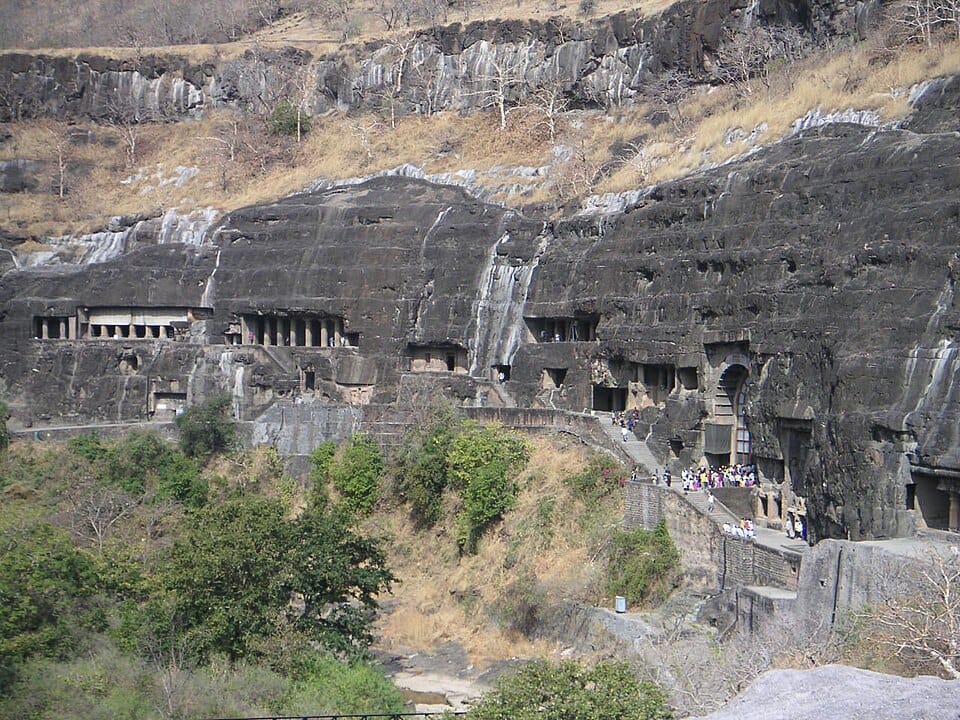
A UNESCO World Heritage site with 30 rock-cut Buddhist caves famous for ancient mural paintings…
Explore Temple
UNESCO 1987Cultural Heritage
Maharashtra
Elephanta Caves
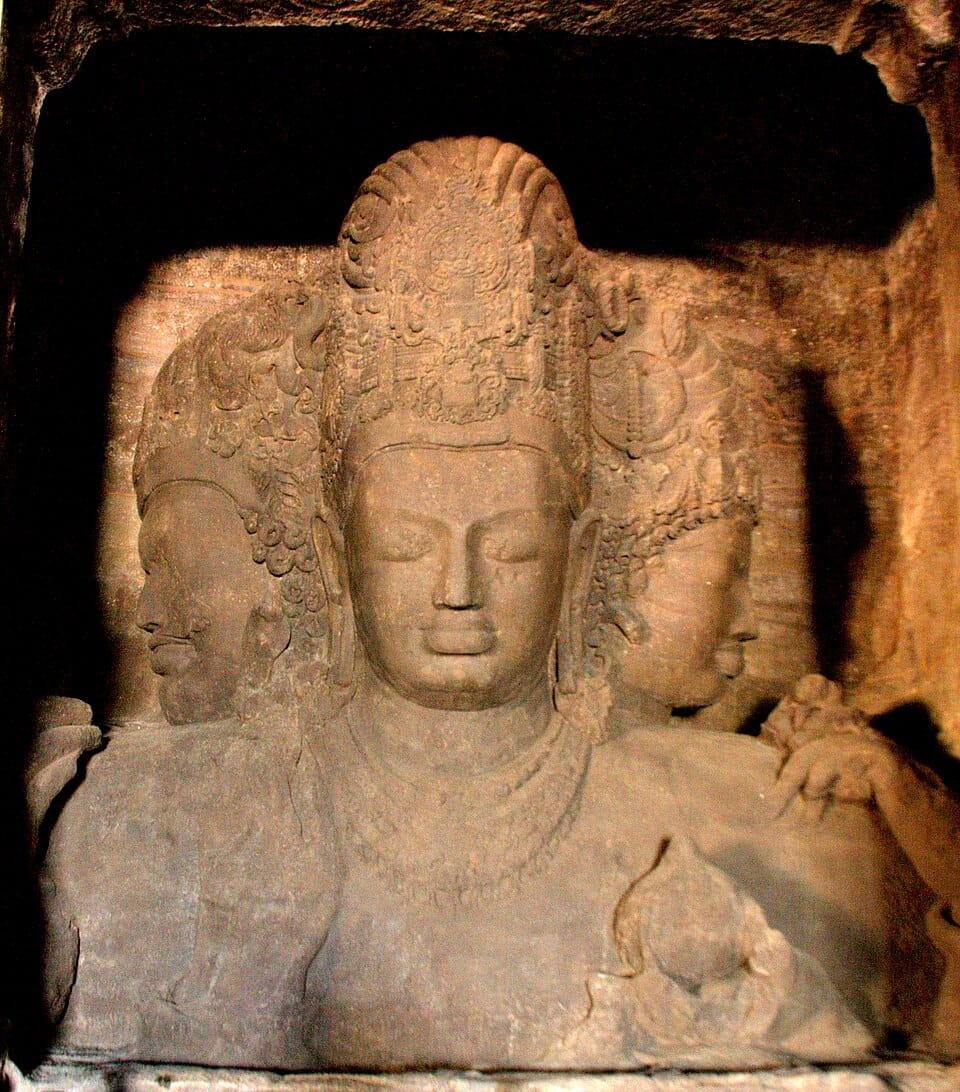
A UNESCO World Heritage site on Elephanta Island, famed for the colossal 20-foot Trimurti sculpture…
Explore Temple
UNESCO 1986Cultural Heritage
Karnataka
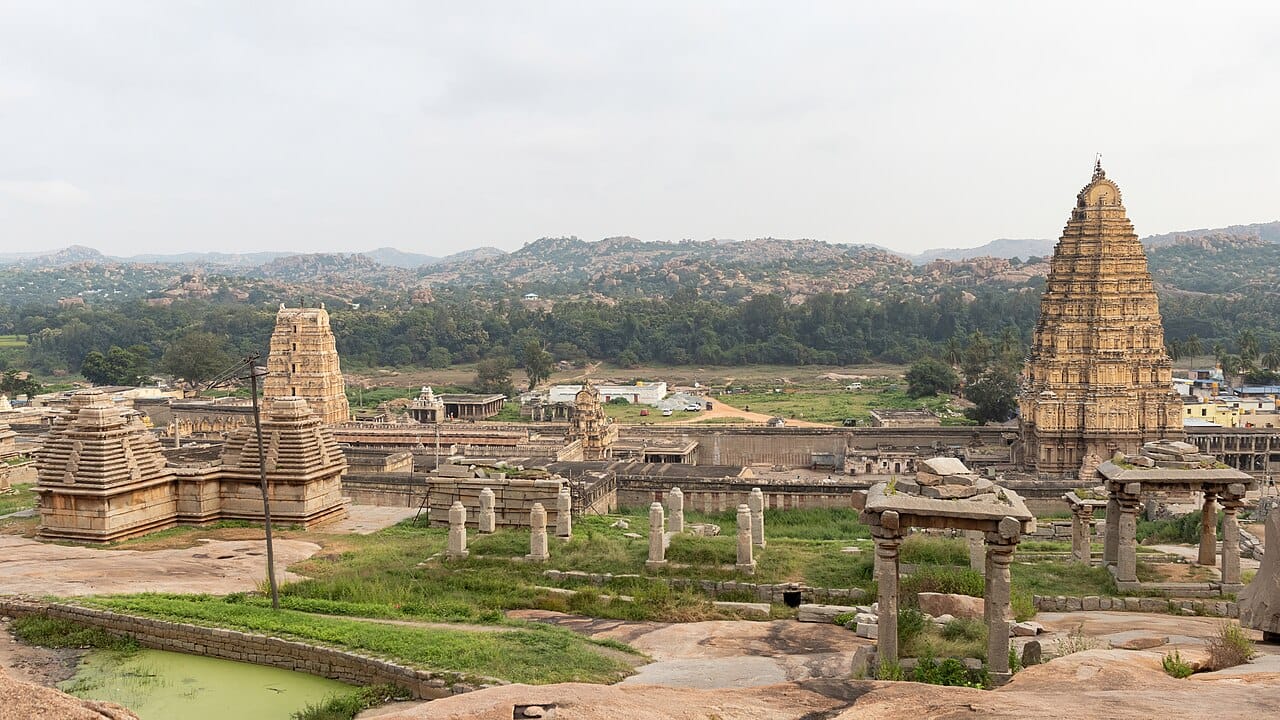
Hampi Group (Virupaksha Temple)
The Virupaksha Temple is the most iconic monument of Hampi, a UNESCO World Heritage site…
Explore Temple
Famous Temples You May Like
Maharashtra
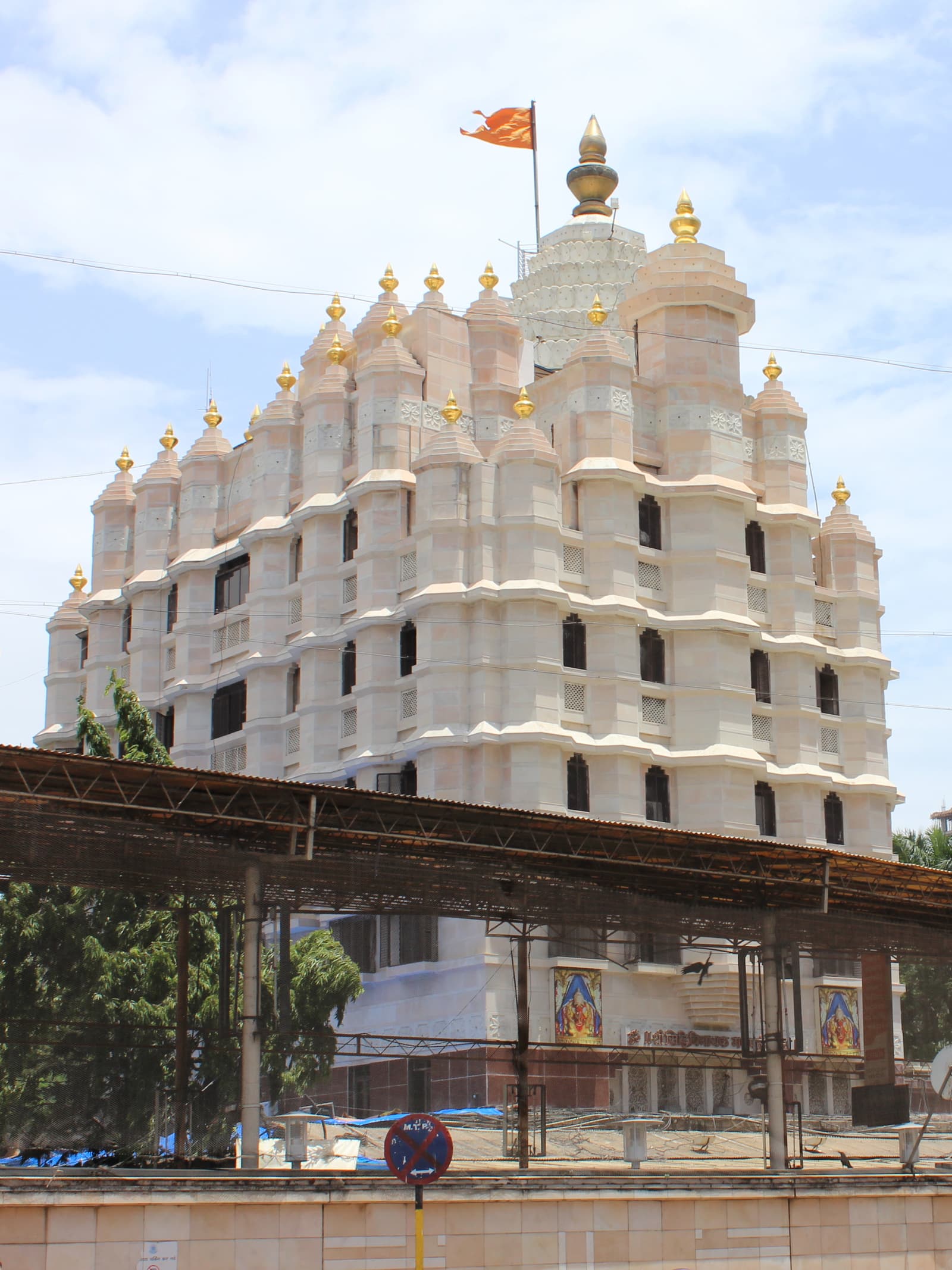
Shree Siddhivinayak Ganapati Temple, Mumbai
Mumbai's most famous temple and among the richest in India, dedicated to the wish-fulfilling form…
Explore Temple
Maharashtra
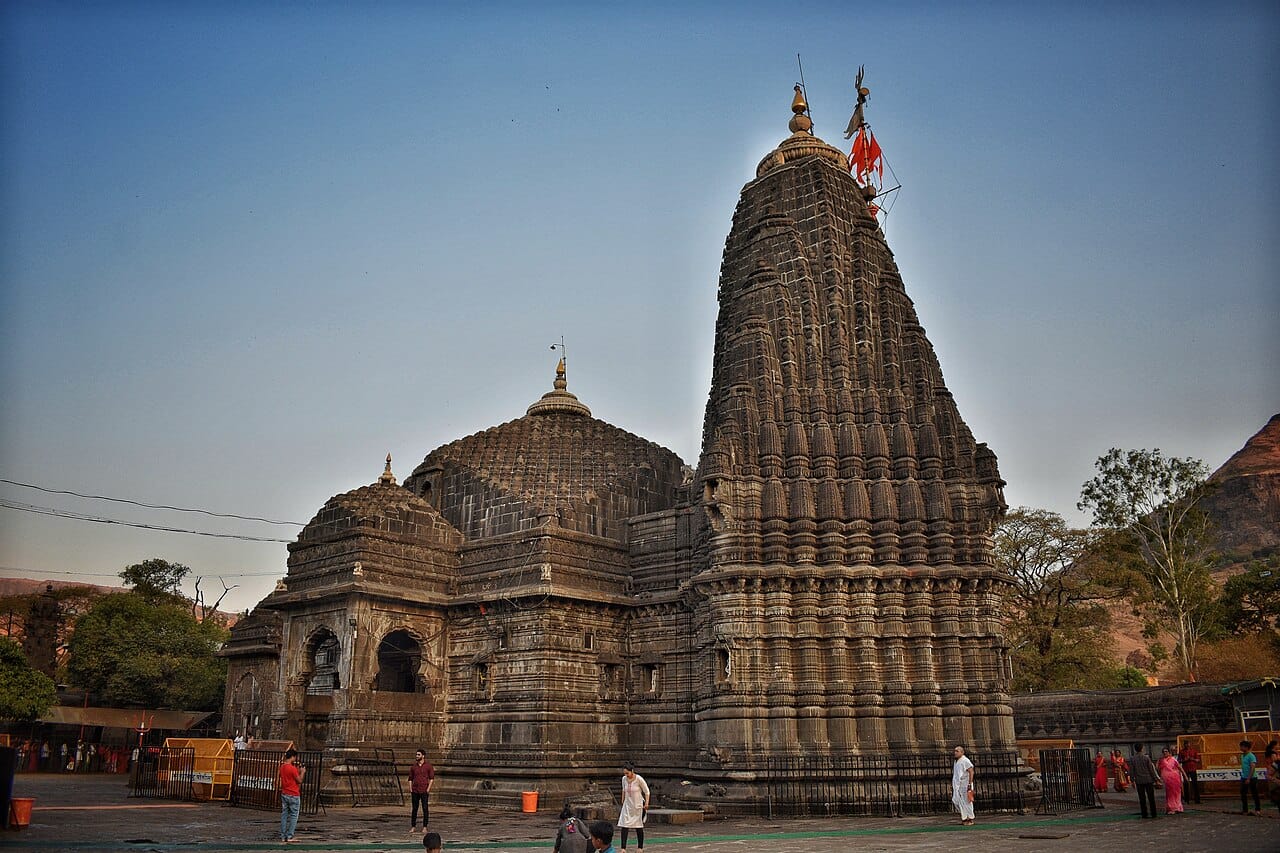
Trimbakeshwar Temple
The Trimbakeshwar Temple in Maharashtra is one of the twelve Jyotirlingas, unique for its three-faced…
Explore Temple
Maharashtra
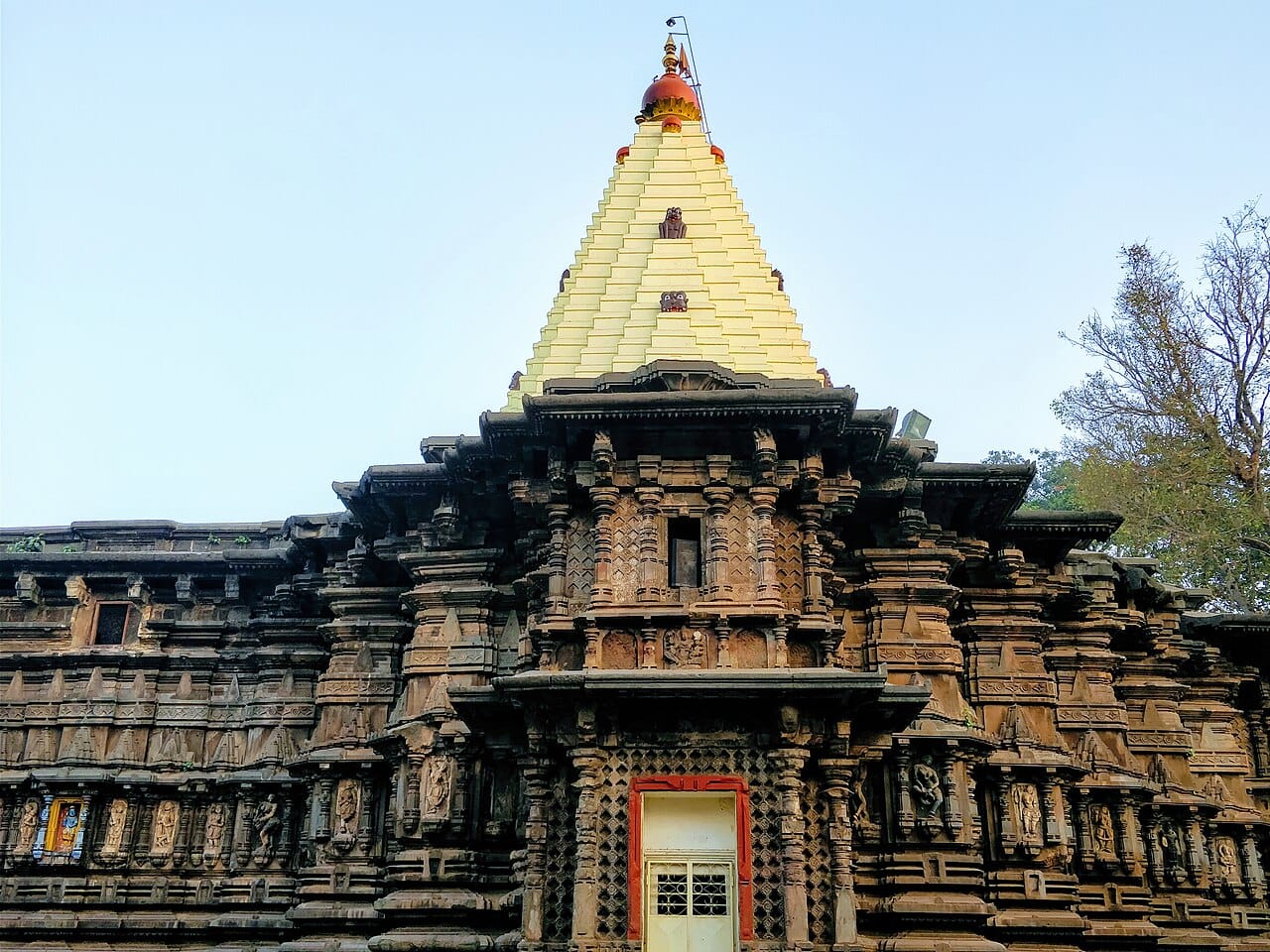
Mahalakshmi Temple
Mahalakshmi Temple in Kolhapur, also known as Ambabai Temple, is one of the 18 Maha…
Explore Temple
Maharashtra
Grishneshwar Temple
The 12th and final Jyotirlinga, located just 1 km from the Ellora Caves.
Explore Temple
Explore More in Maharashtra
Heritage Fact
"The Ellora Caves feature 34 monasteries and temples, including the massive monolithic Kailasa Temple."