Sacred Destinations
Maharashtra
9Sacred Sites
6UNESCO Heritage
9Major Temples
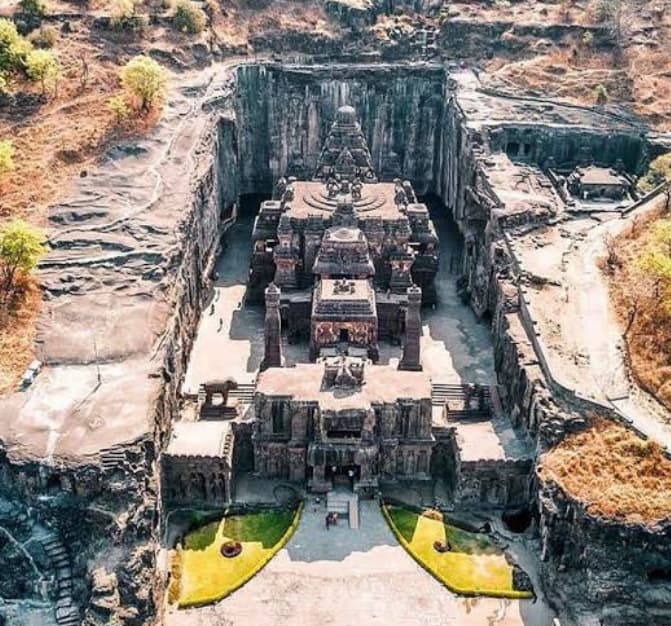
Maharashtra's temple heritage spans the rock-cut marvels of the Deccan and the living pilgrimage traditions of Jyotirlingas, the Ashtavinayak circuit, and the Warkari movement centered on Pandharpur. The western Deccan contains over 1,200 rock-cut caves carved between the 2nd century BCE and the 10th century CE. The state houses three of the twelve Jyotirlingas and the largest monolithic structure in the world — the Kailasa Temple at Ellora.
Quick Facts
Capital
Mumbai
Population
123.1 million
Area
307,713 km²
Languages
Marathi, Hindi, English
Best Time to Visit
October to March
Major Pilgrimage
Ellora, Ajanta, Elephanta, Pandharpur, Ashtavinayak, Shirdi
Temple Style
Rock-cut, Hemadpanti, Maratha
UNESCO Count
3 (Ajanta, Ellora, Elephanta)
Major River
Godavari, Krishna, Bhima, Tapi
Highest Peak
Kalsubai (1,646 m)
Why Visit Maharashtra
Maharashtra occupies a central position in Indian temple history. The state contains three UNESCO World Heritage Sites involving temples: the Ajanta Caves (Buddhist), the Ellora Caves (Buddhist-Hindu-Jain), and the Elephanta Caves (Hindu). The Kailasa Temple at Ellora is the largest monolithic structure in the world. Maharashtra has three of the twelve Jyotirlingas: Bhimashankar, Trimbakeshwar, and Grishneshwar. The Ashtavinayak circuit covers eight self-manifested Ganesha temples. The Vithoba Temple at Pandharpur is the center of the Warkari Bhakti movement.
The Kailasa Temple (Cave 16 at Ellora) was carved from a single basalt cliff, descending from the top down. Bhimashankar is unique for its Sahyadri forest setting; it is the source of the Bhima River. The Siddhivinayak Temple in Mumbai is one of the wealthiest and most visited Ganesha temples in India. The Shirdi Sai Baba Temple is a major interfaith pilgrimage site. The Elephanta Caves contain the 6-meter Trimurti Sadashiva, one of the most iconic sculptural representations of Shiva.
Temple Categories
Rock-Cut Caves
1200Ajanta, Ellora, Elephanta, Bhaja, Karla — over 1,200 caves carved over 1,200 years.
Jyotirlingas
3Bhimashankar, Trimbakeshwar, Grishneshwar — three of the twelve.
Ashtavinayak Temples
8Eight self-manifested Ganesha temples around Pune district.
Warkari Tradition
1Vithoba Temple at Pandharpur — center of the Bhakti movement.
Maratha Period Temples
5Trimbakeshwar, Bhimashankar rebuilds — Maratha-style multi-spired structures.
Featured Sacred Places
Maharashtra
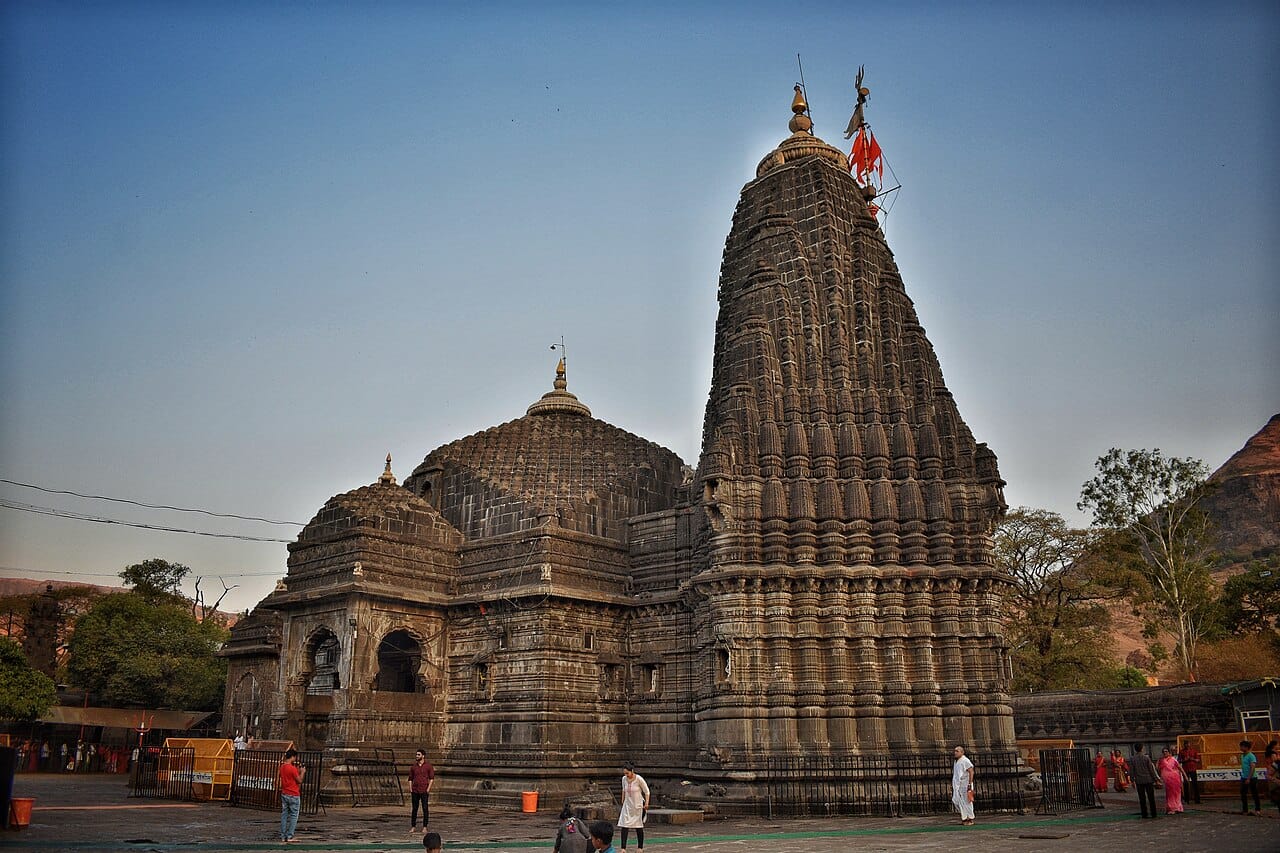
Trimbakeshwar Temple
The Trimbakeshwar Temple in Maharashtra is one of the twelve Jyotirlingas, unique for its three-faced linga representing the Trimurti and the source of the Godavari River.
Explore Temple
Maharashtra
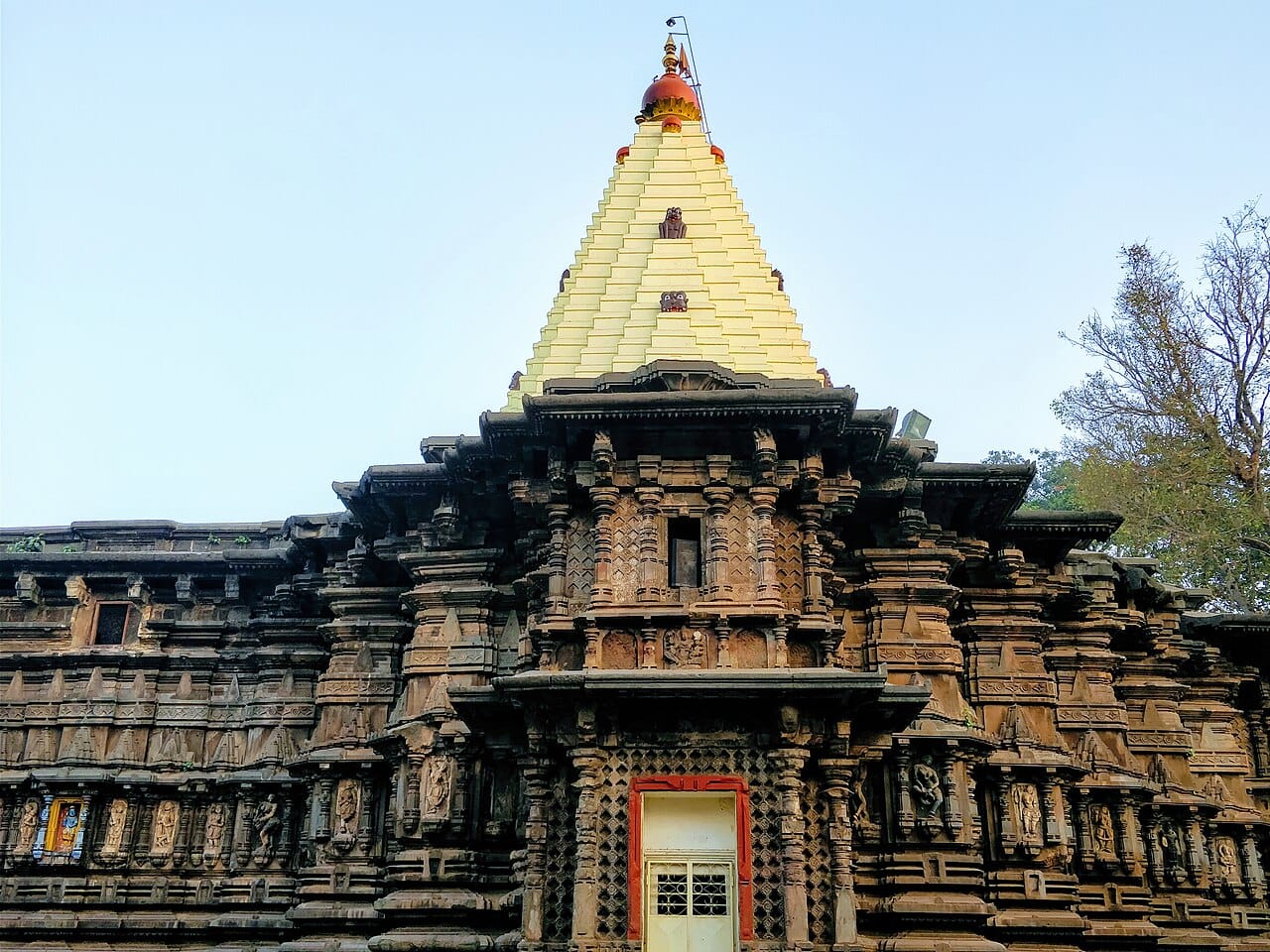
Mahalakshmi Temple
Mahalakshmi Temple in Kolhapur, also known as Ambabai Temple, is one of the 18 Maha Shakti Peethas and one of six Shakti sites in India.
Explore Temple
Maharashtra
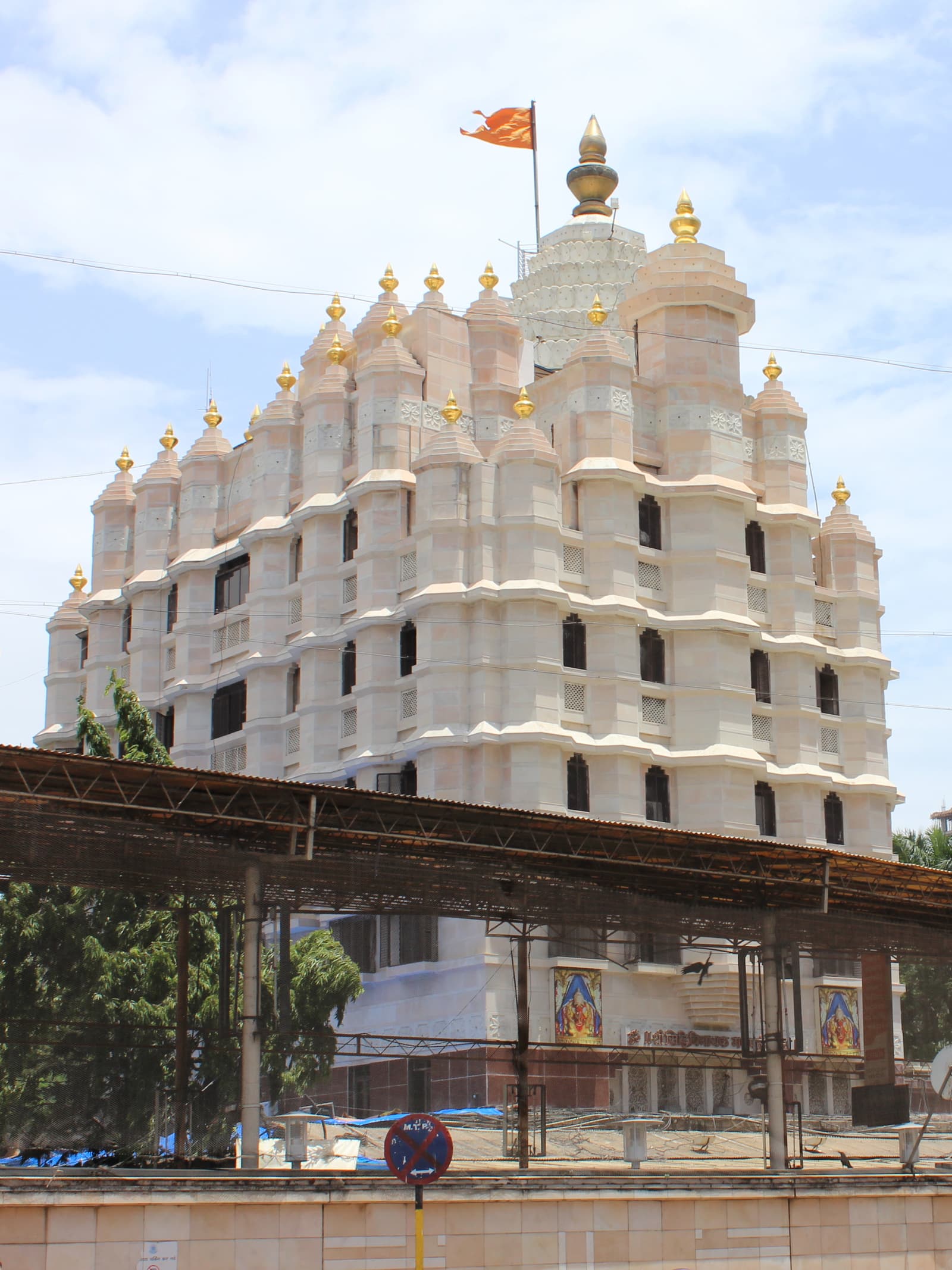
Shree Siddhivinayak Ganapati Temple, Mumbai
Mumbai's most famous temple and among the richest in India, dedicated to the wish-fulfilling form of Lord Ganesha, drawing over 100,000 devotees daily.
Explore Temple
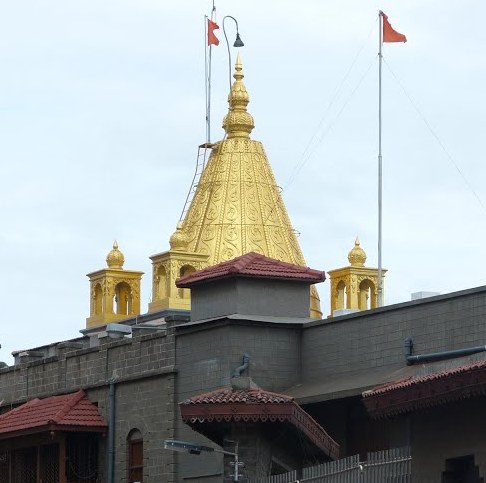
Maharashtra
Shirdi Sai Baba Temple (Samadhi Mandir)
The holiest Sai Baba shrine where the saint lived and taught, with his Samadhi (tomb) drawing 25,000+ daily pilgrims from across religions.
Explore Temple
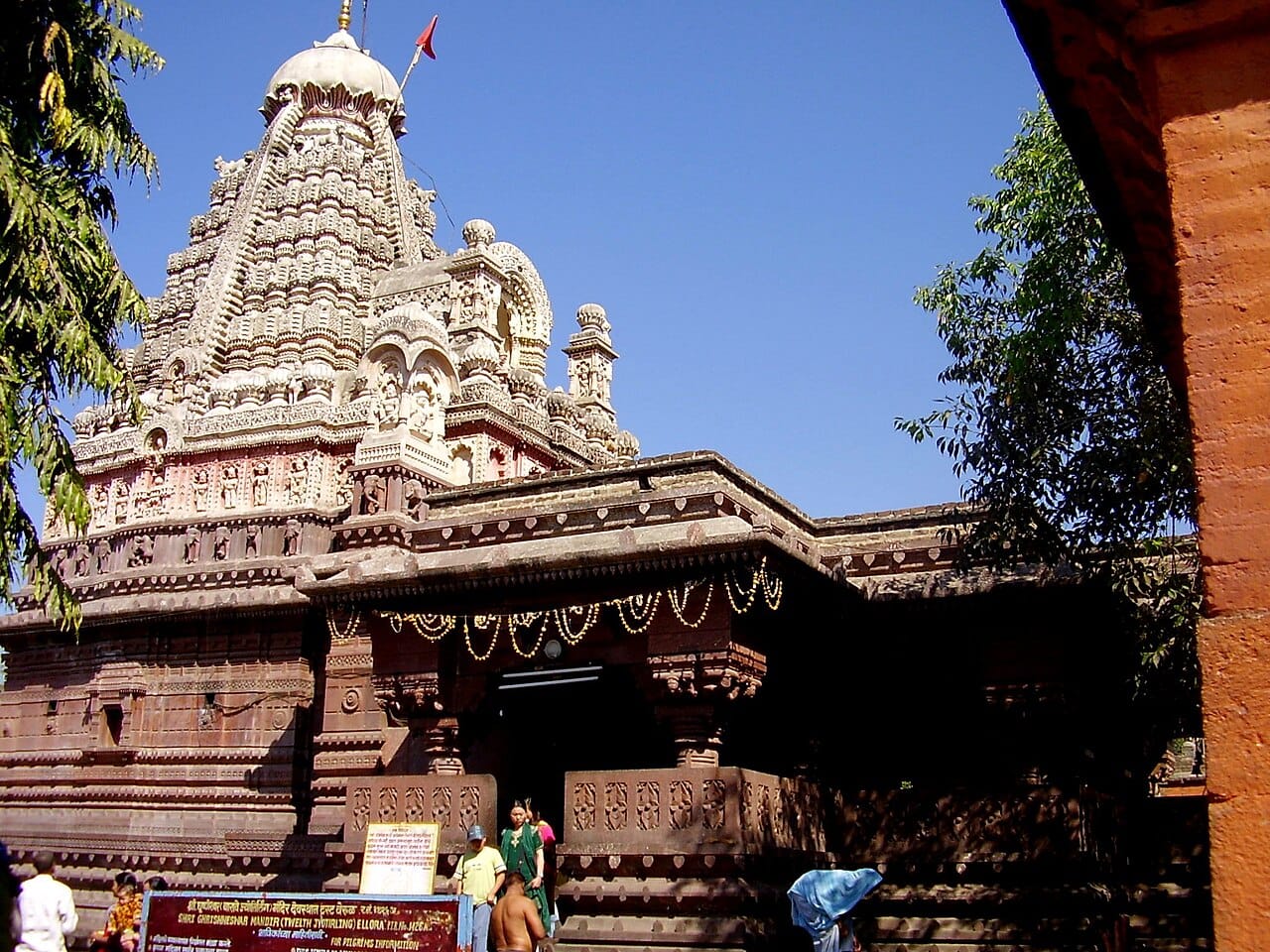
Maharashtra
Grishneshwar Temple
The 12th and final Jyotirlinga, located just 1 km from the Ellora Caves.
Explore Temple
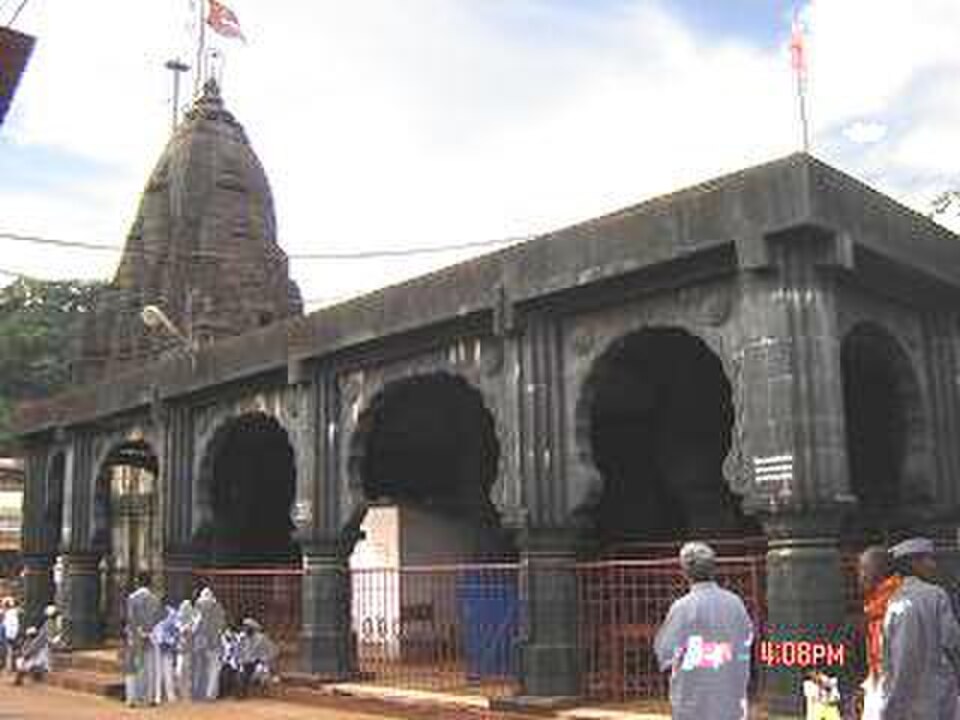
Maharashtra
Bhimashankar Jyotirlinga
The source of the Bhima River deep in the Sahyadri hills. A Jyotirlinga surrounded by a wildlife sanctuary, with the legend of Tripurasura.
Explore Temple
Pilgrimage Circuits
Ashtavinayak Yatra
8 templesEight Ganesha temples: Morgaon, Siddhatek, Pali, Mahad, Theur, Lenyadri, Ozhar, Ranjangaon.
Moreshwar TempleSiddhivinayak SiddhatekBallaleshwar PaliVaradvinayak MahadChintamani TheurGirijatmaja LenyadriVighnahar OzharMahaganapati Ranjangaon
Maharashtra Jyotirlinga Circuit
3 templesBhimashankar, Trimbakeshwar, and Grishneshwar — the highest concentration of Jyotirlingas in any state.
UNESCO Cave Circuit
3 templesAjanta, Ellora, and Elephanta — three UNESCO rock-cut cave complexes.
The Ashtavinayak Yatra covers eight Ganesha temples around Pune district. The Jyotirlinga circuit includes Bhimashankar, Trimbakeshwar, and Grishneshwar. The Warkari pilgrimage to Pandharpur is performed biannually in Ashadhi and Kartik. The Buddhist circuit includes Ajanta, Ellora, and Karla caves.
Temple Architecture
Rock-cut caves feature chaitya halls with vaulted ceilings, carved pillars, and stupas. The Kailasa Temple is carved from a single basalt cliff with a two-story sanctum, surrounding cells, and a Nandi pavilion — covering twice the area of the Parthenon. The Hemadpanti style uses black basalt with intricate Bhumija-style carvings. The Maratha style features multi-spired structures with deepukundas (lamp pillars) and sabhamandaps.
Architectural Styles
Historical Timeline
2nd c. BCESatavahana
Earliest Buddhist caves carved at Bhaja, Karla, and Bedsa during the Satavahana period.
5th-6th c.Vakataka
Ajanta Caves painted and carved during the Vakataka period.
756-773Rashtrakuta
Kailasa Temple at Ellora carved under Rashtrakuta king Krishna I.
6th-8th c.Kalachuri
Elephanta Caves created; Trimurti Sadashiva carved during Kalachuri period.
1893British
Lokmanya Tilak starts the Ganeshotsav festival, transforming it into a public celebration.
UNESCO Heritage Sites
Maharashtra has 3 UNESCO World Heritage temples.
Kailasa Temple, Ellora
Verul · UNESCO 1983
The world's largest monolithic rock-cut structure, carved top-down from a single basalt cliff.
Explore
Ajanta Cave Temples
Ajanta · UNESCO 1983
A UNESCO World Heritage site with 30 rock-cut Buddhist caves famous for ancient mural paintings and Jataka tale depictions.
Explore
Elephanta Caves
Elephanta Island · UNESCO 1987
A UNESCO World Heritage site on Elephanta Island, famed for the colossal 20-foot Trimurti sculpture of Lord Shiva.
Explore
Temple Statistics
3
UNESCO Sites
Ajanta, Ellora, Elephanta
3
Jyotirlingas
Highest in any state
1,200+
Cave Temples
Across the western Deccan
2nd c. BCE
Oldest Caves
Bhaja and Karla
Festivals
Ganeshotsav
August-SeptemberSiddhivinayak Mumbai and statewide
10 days
Largest Ganesha festival in India; started by Lokmanya Tilak in 1893; elaborate pandals and immersion processions.
Pandharpur Ashadhi Ekadashi
June-JulyVithoba Temple, Pandharpur
3 days
Over 1 million Warkari pilgrims walk hundreds of kilometers carrying palkhis of saints Dnyaneshwar and Tukaram.
Maha Shivaratri
February-MarchBhimashankar, Trimbakeshwar
1 night
Night-long vigils, abhishekam, and chanting at the three Jyotirlingas of Maharashtra.
The Ganeshotsav, started by Lokmanya Tilak in 1893, transforms the state during August-September with temporary temples, processions, and immersion ceremonies. The Pandharpur Ashadhi Ekadashi (June-July) draws over a million Warkari pilgrims walking hundreds of kilometers carrying saints' palanquins. Maha Shivaratri at Bhimashankar and Trimbakeshwar features night-long vigils.
Travel Guide
Best Time
October to March (15-30°C)
Climate
Tropical; monsoon June-September
Nearest Airport
Mumbai (BOM), Pune (PNQ), Aurangabad (IXU)
Railway
Mumbai, Pune, Nashik, Shirdi
Road
Mumbai-Pune Expressway, Samruddhi Mahamarg
Local Transport
MSRTC buses, taxis, local trains
Temple Etiquette
Remove footwear; modest dress
Suggested Duration
7-12 days for full circuits
Nearby Attractions
UNESCO site
Ajanta Caves
30 Buddhist cave temples and monasteries (2nd c. BCE-6th c. CE) with celebrated mural paintings.
UNESCO site
Ellora Caves
34 caves spanning Buddhist, Hindu, and Jain traditions (6th-10th c.); Kailasa Temple is Cave 16.
UNESCO site
Elephanta Caves
5th-7th century cave temple complex on Elephanta Island; houses the 6-meter Trimurti Sadashiva.
Pilgrimage
Shirdi
Temple of Sai Baba, an interfaith saint revered by Hindus and Muslims alike; attracts millions annually.
Interesting Facts
01
The Kailasa Temple at Ellora was carved from the top down — builders removed 200,000 tons of basalt without scaffolding, starting at the top and working downward.
02
Maharashtra has the highest concentration of Jyotirlingas in any Indian state — three of the twelve (Bhimashankar, Trimbakeshwar, Grishneshwar), all within 250 km radius.
03
The Elephanta Caves' Trimurti Sadashiva depicts a three-faced Shiva representing Aghora (destroyer), Tatpurusha (preserver), and Vamadeva (creator) — at 6 meters tall, it is the largest high-relief sculpture in India.
Frequently Asked Questions
Maharashtra has three Jyotirlingas: Bhimashankar (Pune district), Trimbakeshwar (Nashik district), and Grishneshwar (Aurangabad district) — the highest concentration of Jyotirlingas in any single state.
Eight self-manifested (Swayambhu) Ganesha temples around Pune district, each associated with a specific legend. They form a distinct pilgrimage circuit: Morgaon, Siddhatek, Pali, Mahad, Theur, Lenyadri, Ozhar, and Ranjangaon.
The largest monolithic structure in the world, carved entirely from a single basalt cliff during the Rashtrakuta period (756-773 CE). Dedicated to Shiva, it represents Mount Kailash and covers twice the area of the Parthenon.
A Vaishnava Bhakti movement centered on the Vithoba Temple at Pandharpur. Followers (Warkaris) undertake biannual pilgrimages walking hundreds of kilometers, singing devotional songs of saints Dnyaneshwar, Tukaram, and Namdev.
Sources & References
These records back the history, architecture, temple listings and visitor guidance published on this Maharashtra page.
Archaeological Survey of India
Archaeological Survey of India — monument records and conservation reports
Protected-monument status, dating, architectural classification and conservation records for the temples and monuments named across this Maharashtra guide.
Primary archaeological record
Open source (opens in a new tab)Ministry of Tourism, Government of India
Ministry of Tourism — official destination information
Official Government of India visitor information, access routes and pilgrimage circuits for Maharashtra.
Government record
Open source (opens in a new tab)Maharashtra Tourism
Maharashtra Tourism — official destination portal
State visitor information — temple timings, access routes and pilgrimage circuit details cited on this page.
Government record
Open source (opens in a new tab)UNESCO World Heritage Centre
UNESCO World Heritage List — World Heritage Sites in Maharashtra
Inscription criteria, listing year and Outstanding Universal Value statements for the 3 World Heritage Sites in Maharashtra covered on this page (Kailasa Temple, Ellora, Ajanta Cave Temples, Elephanta Caves).
World Heritage documentation
Open source (opens in a new tab)
— every record linked above was re-requested for this release, so the link still resolves and the publisher still serves the document. It is a link check, not a re-verification of every sentence on this page.
Missing something, or found an error? Send us a correction with the record that supports it, or read how we choose sources.