Sacred Destinations
Goa
4Sacred Sites
5Major Temples
Goa, on India's western Konkan coast, preserves a distinctive Hindu temple tradition that evolved during five centuries of Portuguese colonial rule (1510-1961). The state's temples, concentrated in the talukas of Ponda, Quepem, and Sattari, were relocated and rebuilt inland after the Portuguese destruction of coastal temples during the Goa Inquisition period. The temples combine traditional Hindu iconography with Portuguese-influenced architectural elements, including tiled roofs, pillared verandas, and European-style chandeliers.
Quick Facts
Capital
Panaji (Panjim)
Population
1.46 million
Area
3,702 km²
Languages
Konkani, Marathi, English
Best Time to Visit
November to March
Major Pilgrimage
Mangeshi, Shanta Durga, Tambdi Surla
Temple Style
Indo-Portuguese, Kadamba (Hemadpanthi)
UNESCO Count
0 (temples)
Major River
Mandovi, Zuari
Highest Point
Sonsogor (1,166 m)
Why Visit Goa
Goa's temple architecture represents a survival story of Hindu worship under colonial pressure. Following the Portuguese decree of 1540 that prohibited Hindu worship in conquered coastal areas, temple deities were moved inland to the safety of neighboring Hindu kingdoms. The Mangeshi Temple, dedicated to Shiva, was relocated from Chorão island to Priol in Ponda taluka in the 16th century. The Shanta Durga Temple at Kavalem houses the goddess worshipped by the Kadamba royal family. The Tambdi Surla Temple, hidden in the Bhagwan Mahavir Wildlife Sanctuary, is the only surviving 12th-century Kadamba-era stone temple in Goa.
The Mangeshi Temple is one of the wealthiest and most important temples in Goa, originally established on Chorão island in the 10th century. The Shanta Durga Temple carries the Kadamba royal emblem and is dedicated to Durga in her peaceful form. Tambdi Surla, dating to 1211 CE under Kadamba king Shivachitta, survived Portuguese destruction due to its remote forest location and is the only Hemadpanthi-style stone temple in Goa.
Temple Categories
Featured Sacred Places
Goa
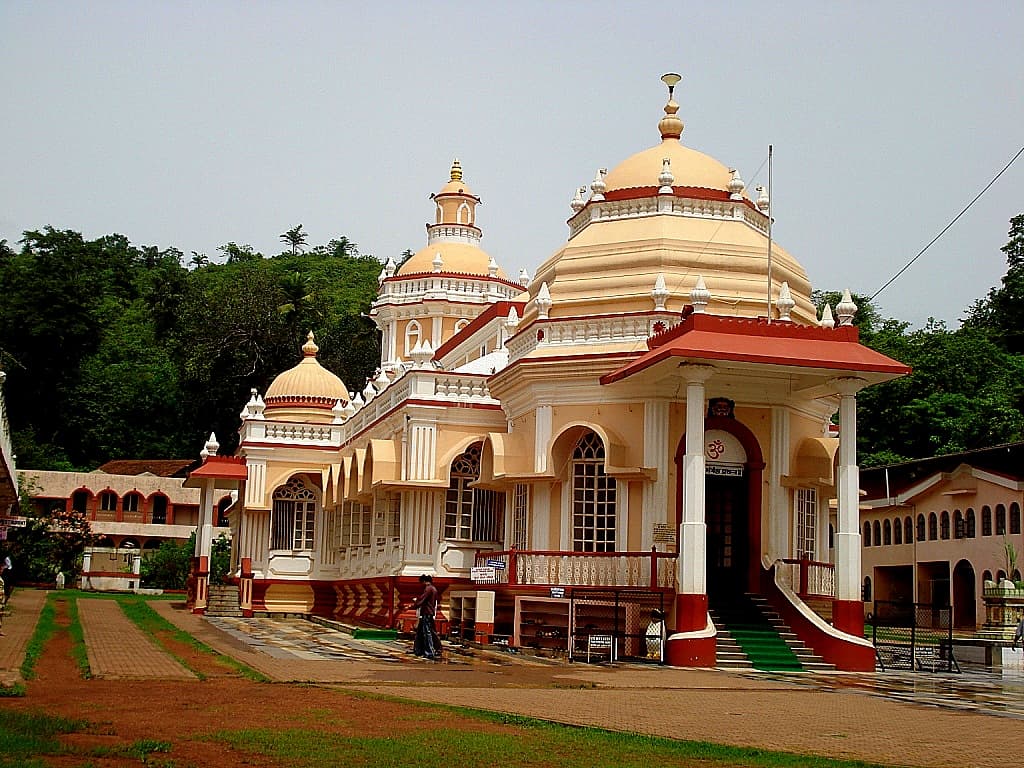
Shri Mangeshi Temple
One of Goa's most prominent and wealthiest Hindu shrines, famous for its unique Indo-Portuguese architecture and the tallest Deepastambha in the state.
Explore Temple
Goa
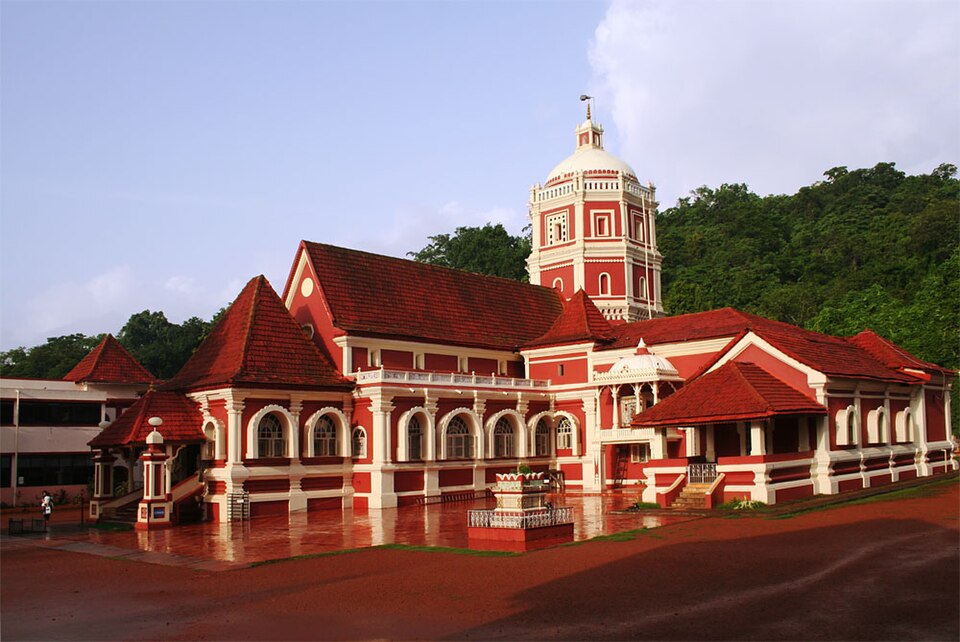
Shanta Durga Temple
A premier Shakti shrine in Goa, dedicated to the peaceful manifestation of Durga who mediated between Shiva and Vishnu, featuring unique Indo-Portuguese architecture.
Explore Temple
Goa
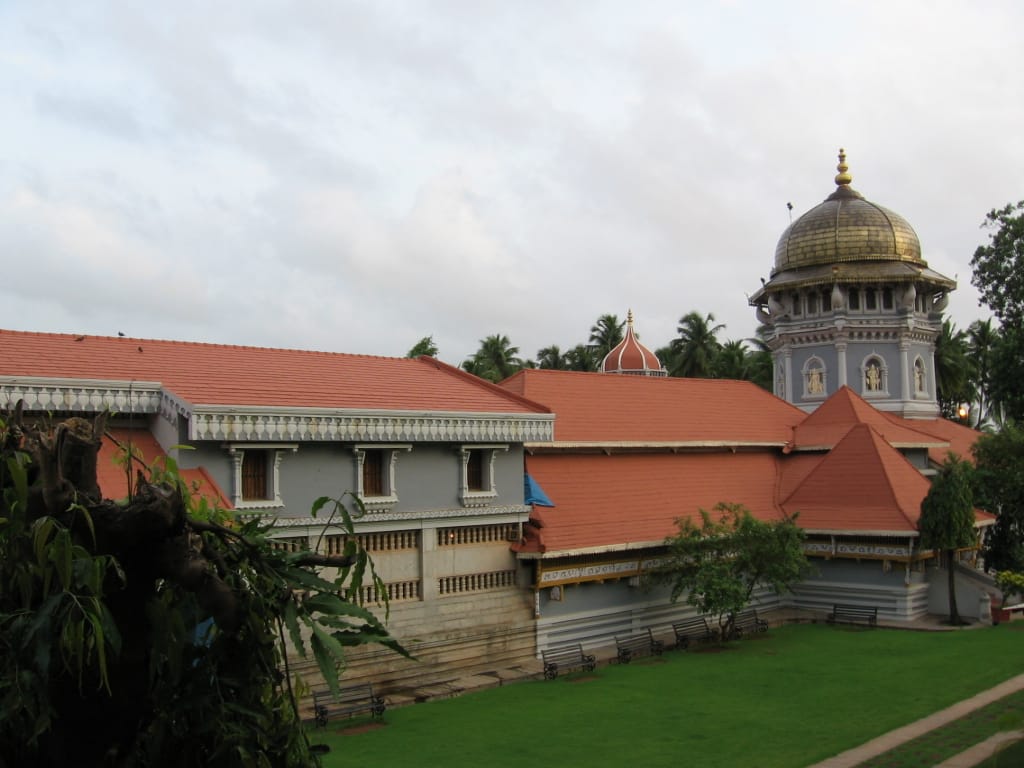
Mahalasa Narayani Temple
A unique and ancient shrine dedicated to the Mohini avatar of Lord Vishnu, famous for its 21-story brass Deepastambha and its history of survival during the Portuguese Inquisition.
Explore Temple

Goa
Nagueshi Temple
One of the few Goan temples that remained in its original 15th-century location throughout the colonial era, famous for its 1413 AD stone inscription and exquisite wood carvings.
Explore Temple
Pilgrimage Circuits
Ponda Temple Circuit
4 templesMangeshi, Shanta Durga, Nagueshi, Mahalaxmi — the four principal temples of Ponda taluka.
Kadamba Heritage Trail
2 templesTambdi Surla-Chandor, tracing Kadamba-era architecture from the 12th-century temple to the ancient capital.
Tambdi Surla TempleChandor Temples
Goa's temple circuit connects the Hindu centers of Ponda taluka: Mangeshi, Shanta Durga, Nagueshi, Lakshmi Narasimha, and Ramanath Temple. The Tambdi Surla excursion is combined with visits to Dudhsagar Falls and the Bhagwan Mahavir Sanctuary. Many pilgrims combine temple visits with Catholic shrines of Old Goa including the Basilica of Bom Jesus.
Temple Architecture
Goan temple architecture is a distinct regional style characterized by the deepasthan (lamp tower) at the entrance, multiple roofs with sloping eaves, and European-influenced interiors. The Mangeshi Temple features a seven-story deepasthan, a domed sanctum with a silver-plated Shiva linga, and interiors lit by Belgian chandeliers. The Shanta Durga Temple has a large water tank and a three-story structure with Neoclassical columns. Tambdi Surla is a pure Kadamba-style stone temple with a stepped shikhara rising 12 meters, carved with figures of Shiva, elephants, and floral patterns.
Historical Timeline
10th-14th c.Kadamba
Kadamba dynasty builds temples in coastal Goa, including original structures at Chorão and other islands.
1211Kadamba
Tambdi Surla Temple constructed under Kadamba king Shivachitta in the Western Ghats foothills.
1510Portuguese
Portuguese conquest of Goa; coastal temples begin to be destroyed.
1540Portuguese
Portuguese ban Hindu worship; temples relocated inland to Ponda and Sanguem talukas.
17th-18th c.Maratha/Portuguese
New temples built in hybrid Indo-Portuguese style reflecting European construction techniques.
Temple Statistics
10
Major Temples
Including Mangeshi, Shanta Durga, Tambdi Surla
1211 CE
Oldest Temple
Tambdi Surla Temple
1510-1961
Portuguese Period
451 years of colonial rule affecting temple architecture
0
UNESCO Sites
Churches of Goa are UNESCO; temples are not
Festivals
Rathotsava
November-DecemberShri Mangeshi Temple, Priol
2 days
Largest temple festival in Goa; 20-meter wooden chariot pulled by devotees; traditional Goan percussion.
Shanta Durga Zatra
JanuaryShanta Durga Temple, Kavalem
3 days
Colorful palanquin procession with traditional Goan folk dances and musical instruments.
Tambdi Surla Jatra
NovemberTambdi Surla Temple
1 day
Pilgrimage through the Bhagwan Mahavir Wildlife Sanctuary to the remote 12th-century temple.
The Rathotsava (chariot festival) at Mangeshi Temple during Margashirsha (November-December) is the largest temple festival in Goa, featuring a 20-meter wooden chariot. The Shanta Durga Zatra (January) includes a procession with palanquins and traditional Goan percussion. Ganesh Chaturthi is the most important household festival. The Jatra at Tambdi Surla (November) involves a pilgrimage through the forest sanctuary.
Travel Guide
Best Time
November to March (20-32°C)
Climate
Monsoon 3,000-4,000 mm; summer 35°C+
Nearest Airport
Dabolim (GOI), Mopa (GOX)
Railway
Madgaon, Thivim (Konkan Railway)
Road
NH-66 (coastal highway)
Local Transport
Buses, taxis, two-wheeler rentals
Temple Etiquette
Remove footwear; modest dress
Suggested Duration
2-4 days for temple circuit
Nearby Attractions
UNESCO site
Basilica of Bom Jesus
16th-century church housing the relics of St. Francis Xavier in Old Goa.
Waterfall
Dudhsagar Falls
One of India's tallest waterfalls at 310 meters, located on the Goa-Karnataka border.
Wildlife Sanctuary
Bhagwan Mahavir Sanctuary
Goa's largest protected area (240 km²) containing the Tambdi Surla Temple inside its boundaries.
Interesting Facts
01
Tambdi Surla is the only surviving pre-Portuguese stone temple in Goa — all others were destroyed or rebuilt after 1510 with European architectural elements.
02
The deepasthan (lamp tower) at Goan temples can reach seven stories and is unique to this regional style, not found anywhere else in India.
03
The original Mangeshi Temple stood on Chorão island until Portuguese priests destroyed it; the 16th-century relocation saved the deity by moving it 30 km inland to Priol.
Frequently Asked Questions
After the 1510 conquest, coastal temples were systematically destroyed. The 1540 ban on Hindu worship led to relocation of deities inland to Ponda, Quepem, and Sattari. New temples were built in a hybrid Indo-Portuguese style as Goan Hindu craftsmen had adopted European building techniques.
It is the only surviving 12th-century Kadamba-era stone temple in Goa, built in 1211 CE under Kadamba king Shivachitta. Constructed of black basalt in the Hemadpanthi style, it survived the Portuguese destruction due to its remote location in the Bhagwan Mahavir Wildlife Sanctuary.
Goan temples feature a multi-storied deepasthan (lamp tower), sloping tiled roofs with wide eaves, and European-style interiors with chandeliers and Neoclassical columns. This combination of Hindu iconography with Portuguese-era building techniques is unique to Goa.
The Rathotsava (chariot festival) at Mangeshi Temple during Margashirsha (November-December) is the largest, featuring a 20-meter wooden chariot pulled by hundreds of devotees accompanied by traditional Goan percussion instruments.
Sources & References
These records back the history, architecture, temple listings and visitor guidance published on this Goa page.
Archaeological Survey of India
Archaeological Survey of India — monument records and conservation reports
Protected-monument status, dating, architectural classification and conservation records for the temples and monuments named across this Goa guide.
Primary archaeological record
Open source (opens in a new tab)Ministry of Tourism, Government of India
Ministry of Tourism — official destination information
Official Government of India visitor information, access routes and pilgrimage circuits for Goa.
Government record
Open source (opens in a new tab)
— every record linked above was re-requested for this release, so the link still resolves and the publisher still serves the document. It is a link check, not a re-verification of every sentence on this page.
Missing something, or found an error? Send us a correction with the record that supports it, or read how we choose sources.