pi
Theme Collection
Pilgrimage Guides
Follow the ancient spiritual paths that have guided seekers for millennia, including the Char Dham and regional yatras.
The Collection
Featured Shrines
Explore our curated selection of pilgrimage guides that define this architectural and spiritual category.
22 Sites Identified
Jammu & Kashmir
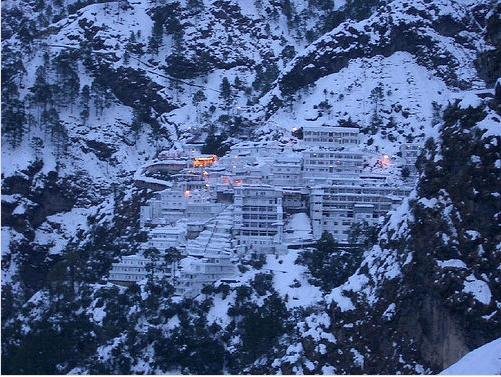
Vaishno Devi Temple
The Vaishno Devi Temple, a sacred cave shrine situated in the Trikuta Mountains of Jammu and Kashmir, is one of India's most visited pilgrimage sites, where millions trek 12 km…
Explore Temple
Uttarakhand
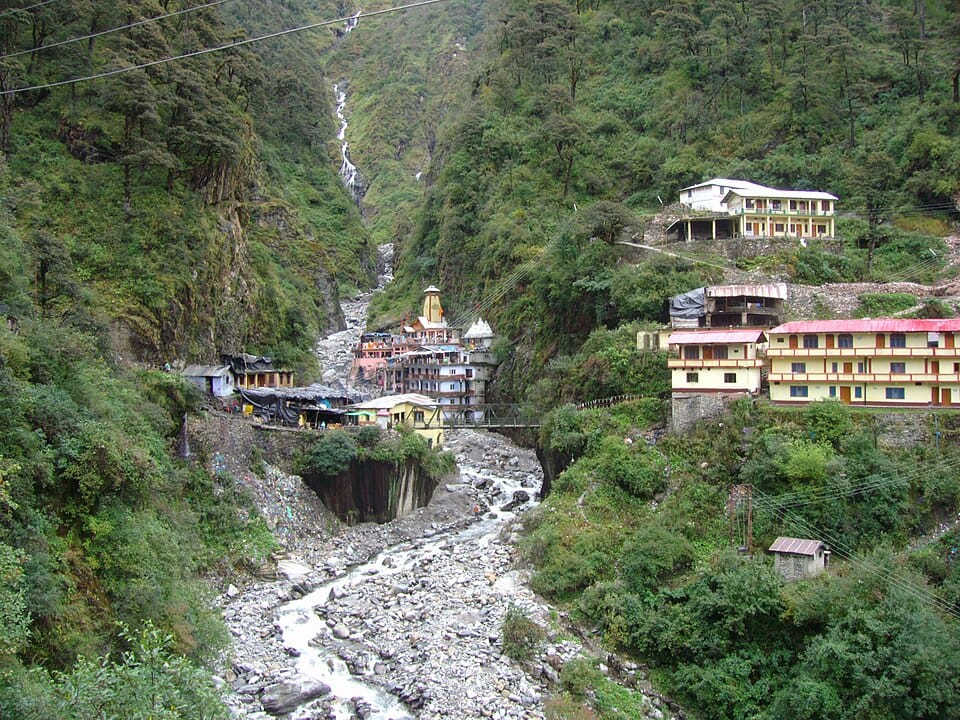
Yamunotri Temple
The first stop on the Char Dham Yatra at 3,291 meters, where the Yamuna River originates and pilgrims cook offerings in geothermal springs before darshan.
Explore Temple
Uttarakhand
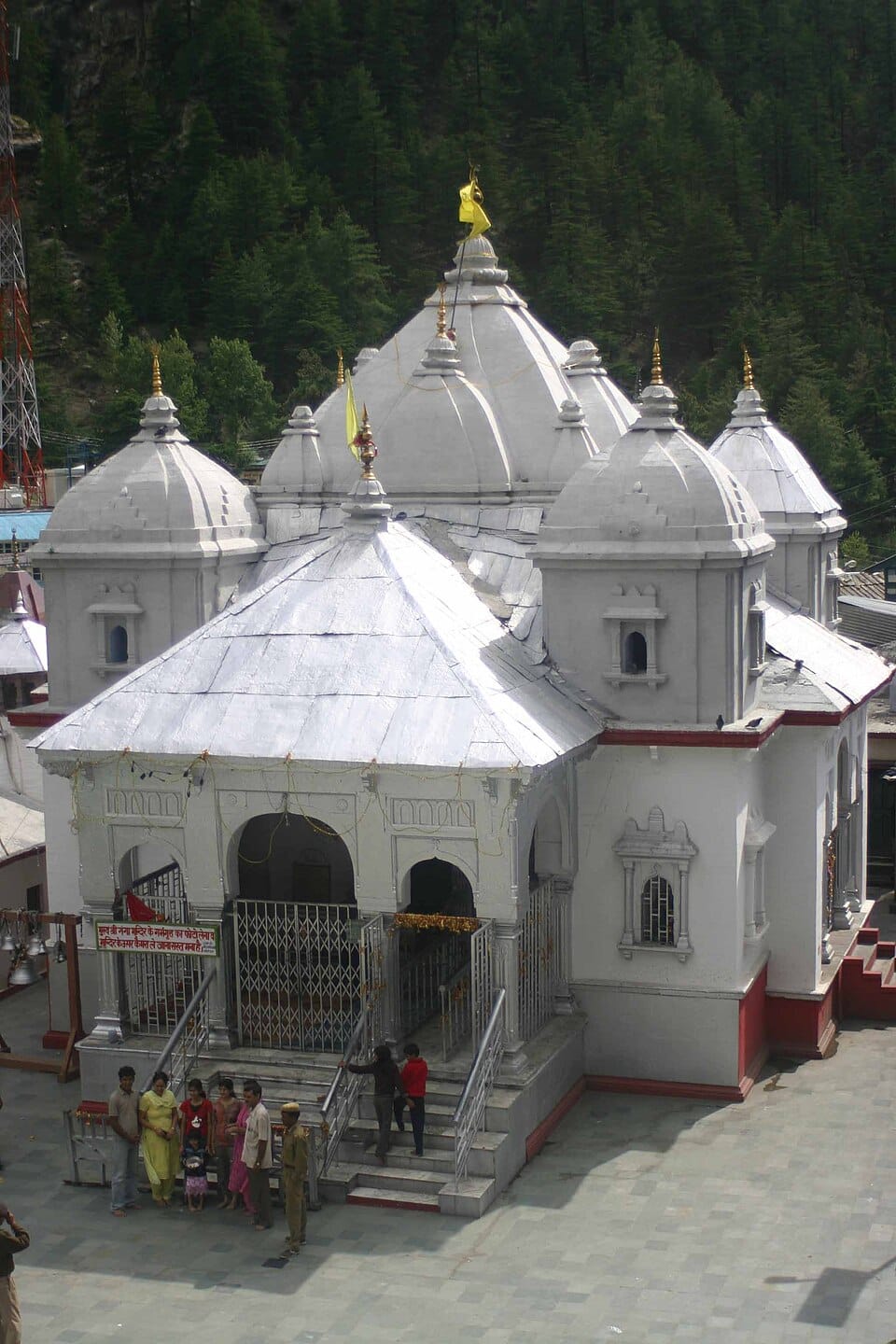
Gangotri Temple
The highest temple dedicated to Goddess Ganga at 3,100 meters, marking where the sacred river descended to earth through Shiva's locks after King Bhagirath's penance.
Explore Temple
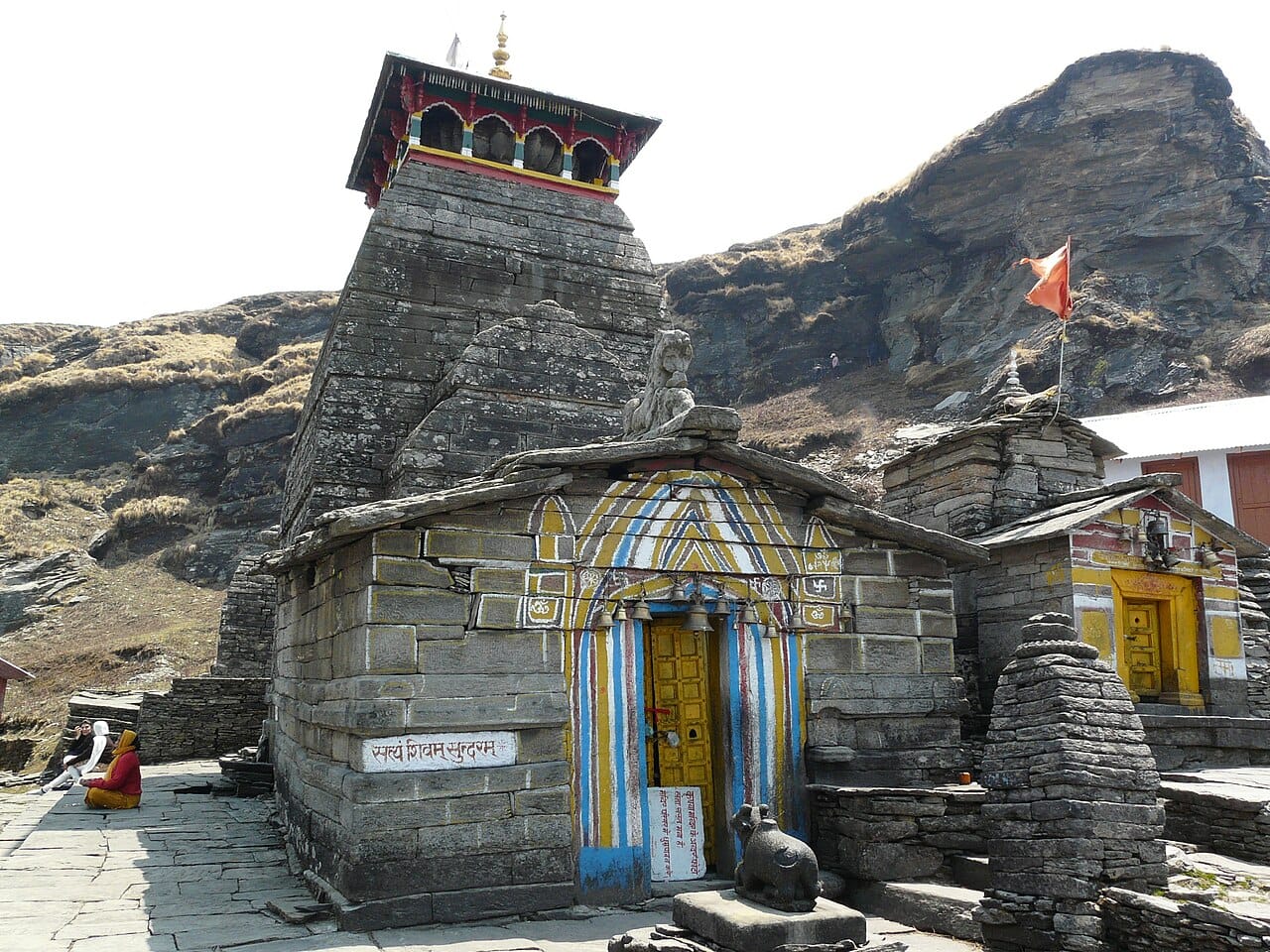
Uttarakhand
Tungnath Temple
The highest Shiva temple in the world, situated at 3,680 meters on the Chandranath Parbat; it is the 'Tritiya Kedar' in the sacred Panch Kedar pilgrimage circuit.
Explore Temple
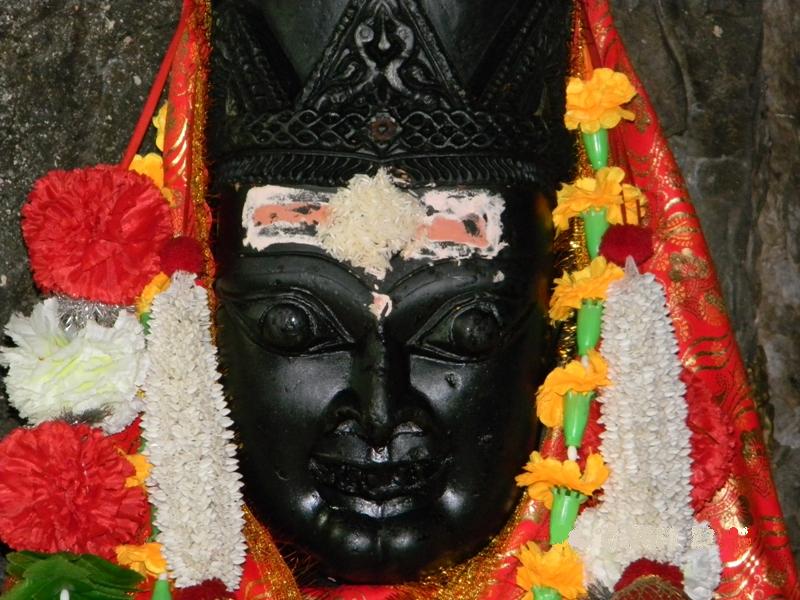
Uttarakhand
Dhari Devi Temple
A sacred Shakti temple on the banks of the Alaknanda River, considered the guardian deity of the Char Dham Yatra and famous for the idol that changes color three times…
Explore Temple
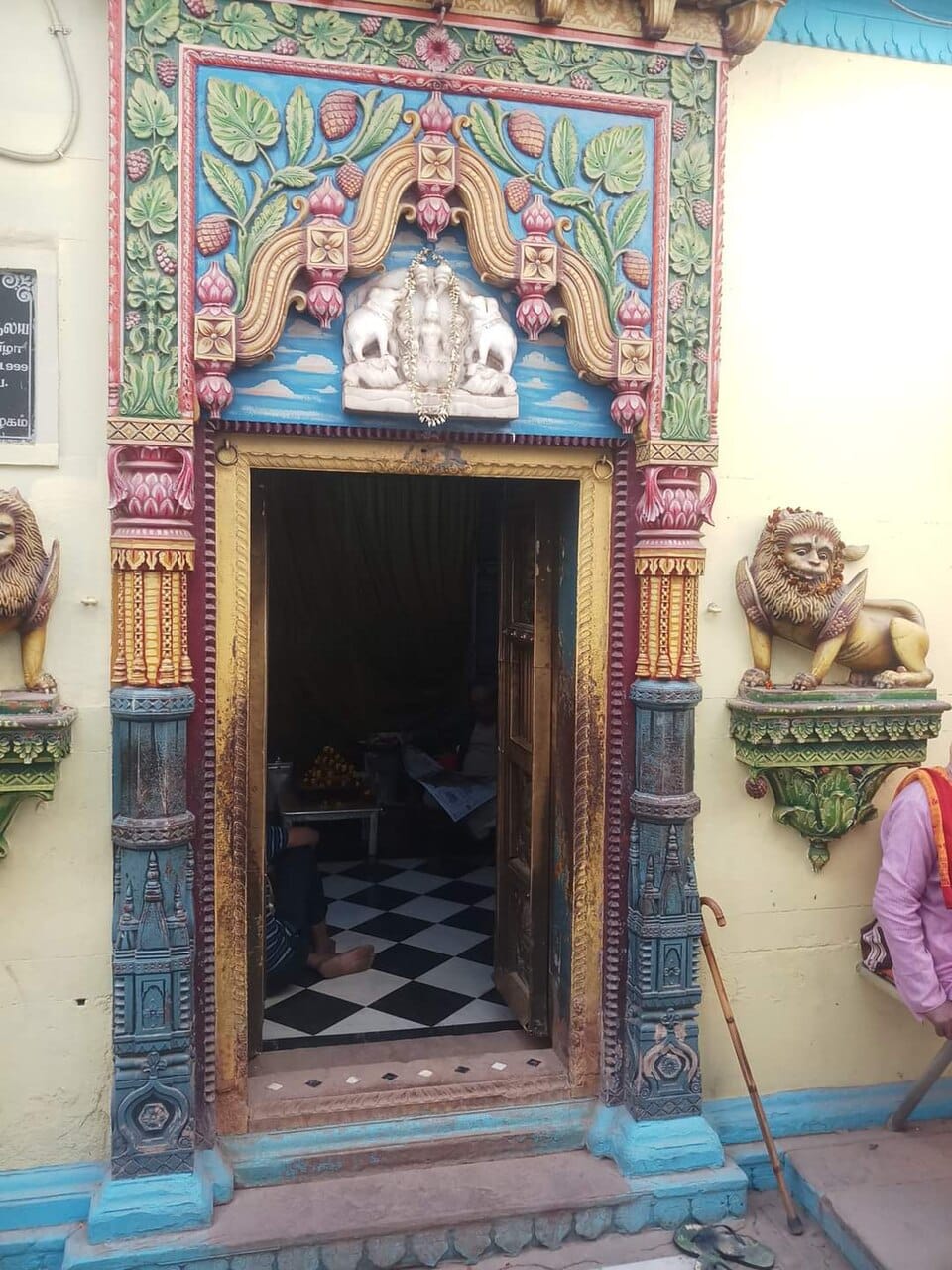
Uttar Pradesh
Vishalakshi Temple
The Vishalakshi Temple, located in the narrow lanes of Mir Ghat near the Ganges in Varanasi, is one of the 51 Shakti Peethas where the earrings of Goddess Sati are…
Explore Temple
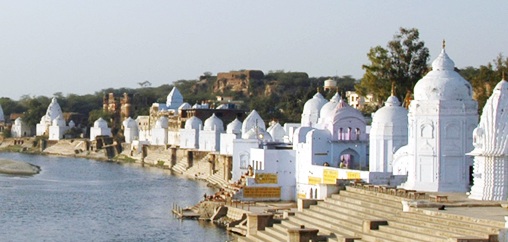
Uttar Pradesh
Bateshwar Temples Agra
A complex of 101 Shiva temples built on the banks of Yamuna, representing a significant pilgrimage and architectural site.
Explore Temple
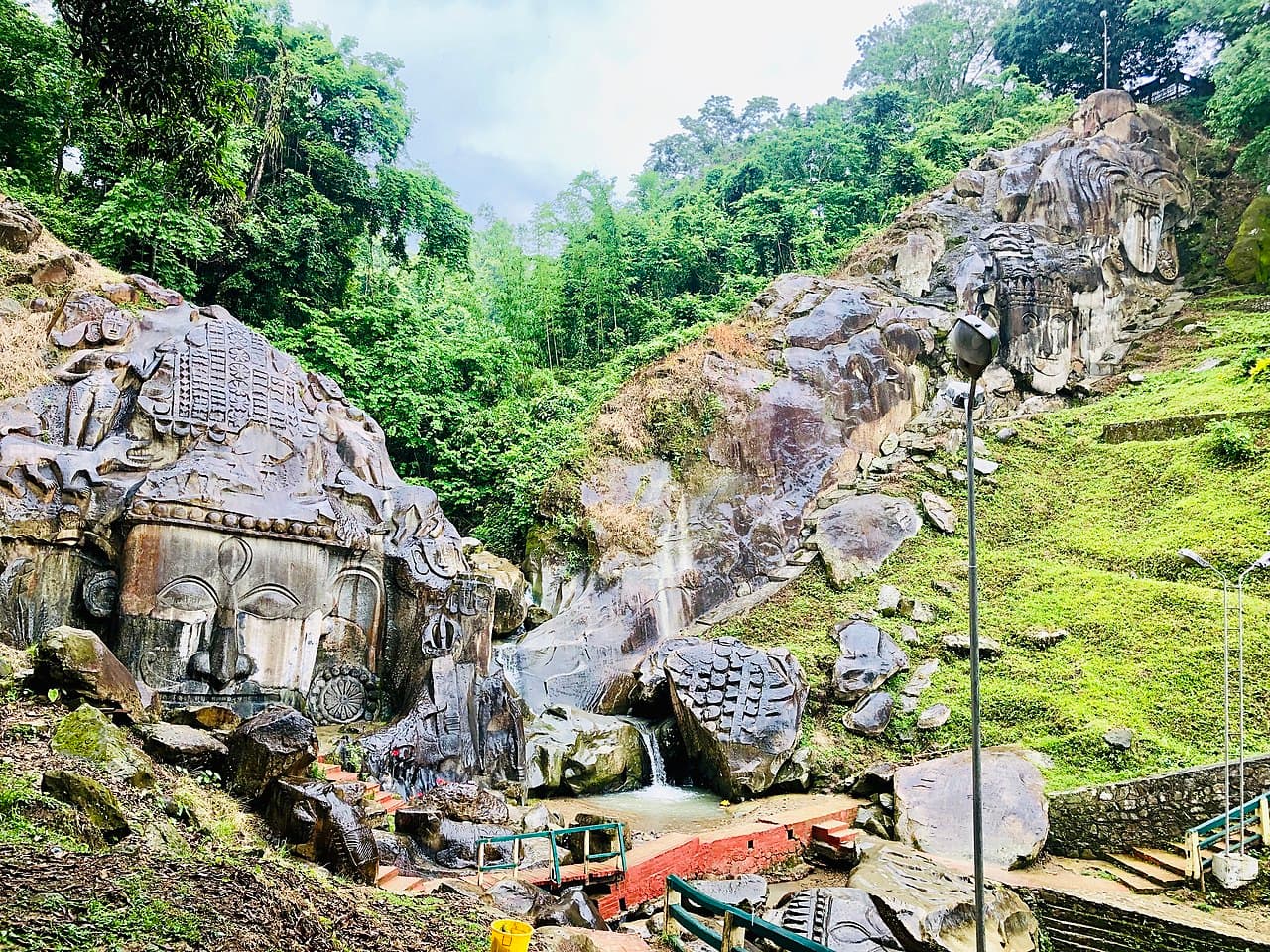
Tripura
Unakoti
An ancient pilgrimage site featuring massive rock-cut sculptures of Shiva and other deities, known as the 'Angkor Wat of the North-East'.
Explore Temple
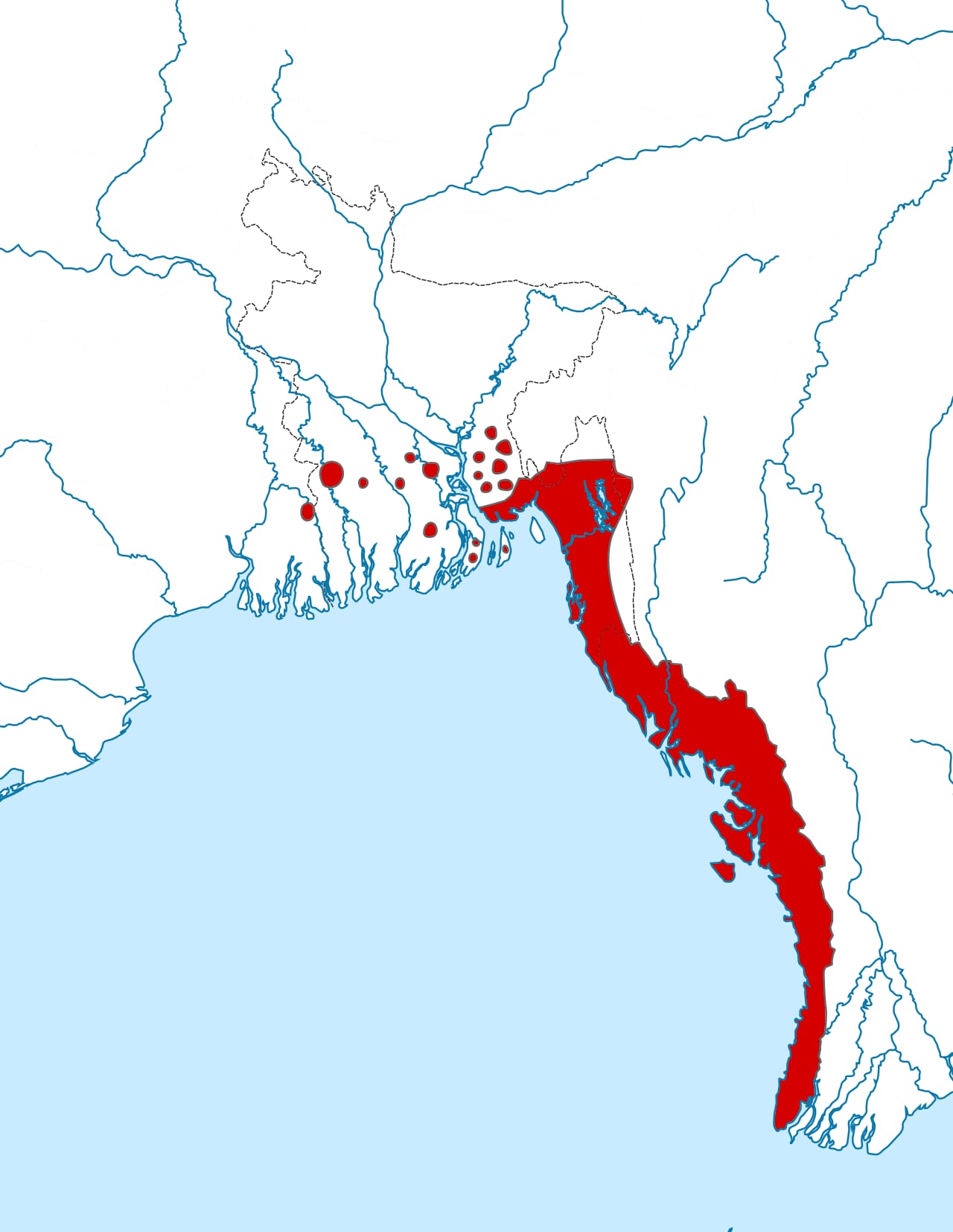
Tripura
Mahamuni Pagoda
The most important Buddhist pilgrimage site in Tripura, housing an ancient idol said to have been brought from Myanmar.
Explore Temple
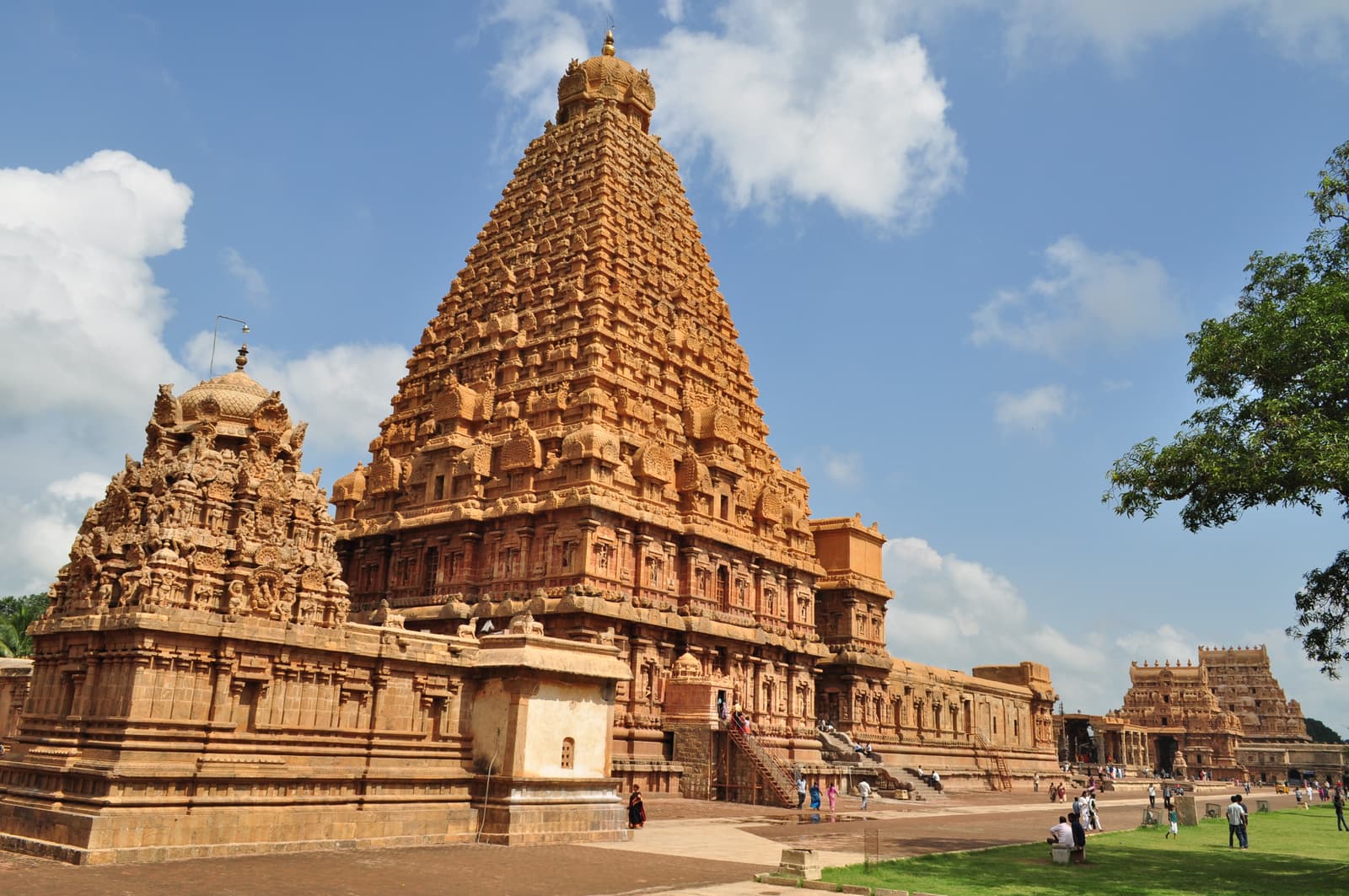
Tamil Nadu
Ramanathaswamy Temple
The Ramanathaswamy Temple in Rameswaram is one of the 12 Jyotirlingas and a Char Dham site, famous for its magnificent thousand-pillared corridors, the longest temple corridor in the world, and…
Explore Temple
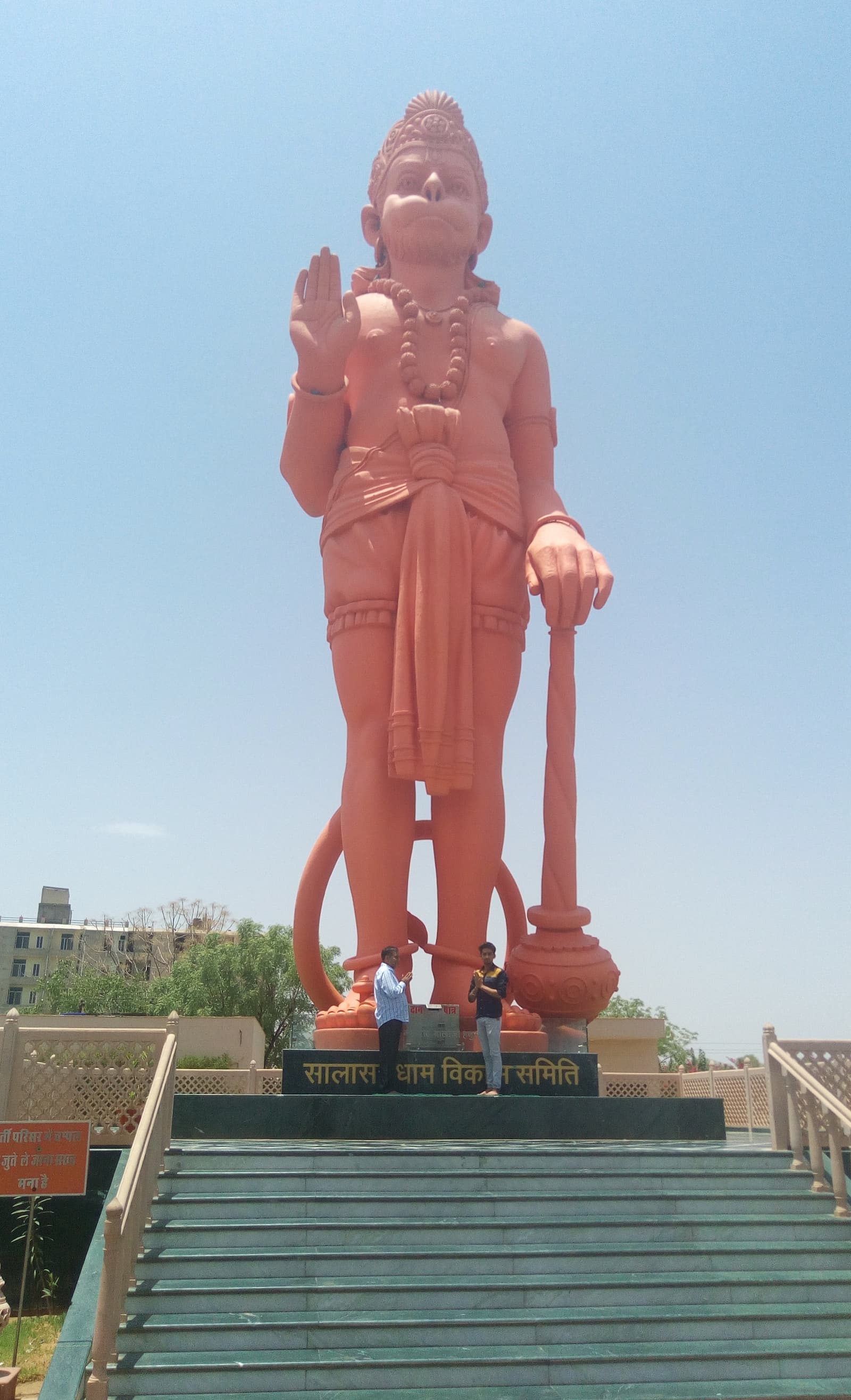
Rajasthan
Salasar Balaji Temple
One of North India's most powerful Hanuman temples and a major Shakti Sthal pilgrimage center, famous for wish-fulfillment and the sacred 'dora' (sacred thread) tradition.
Explore Temple
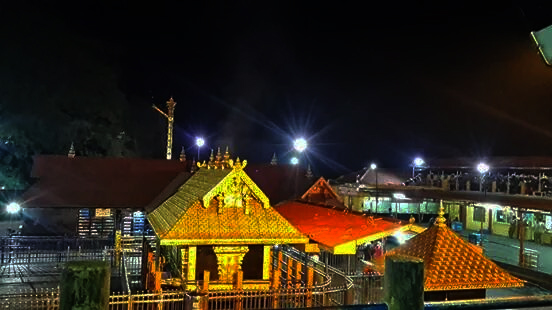
Kerala
Sabarimala Ayyappa Temple
One of the world's largest annual pilgrimages (50+ million participants), dedicated to Lord Ayyappa, accessible only after a rigorous 41-day vratham (penance) involving celibacy, vegetarianism, and wearing black attire.
Explore Temple
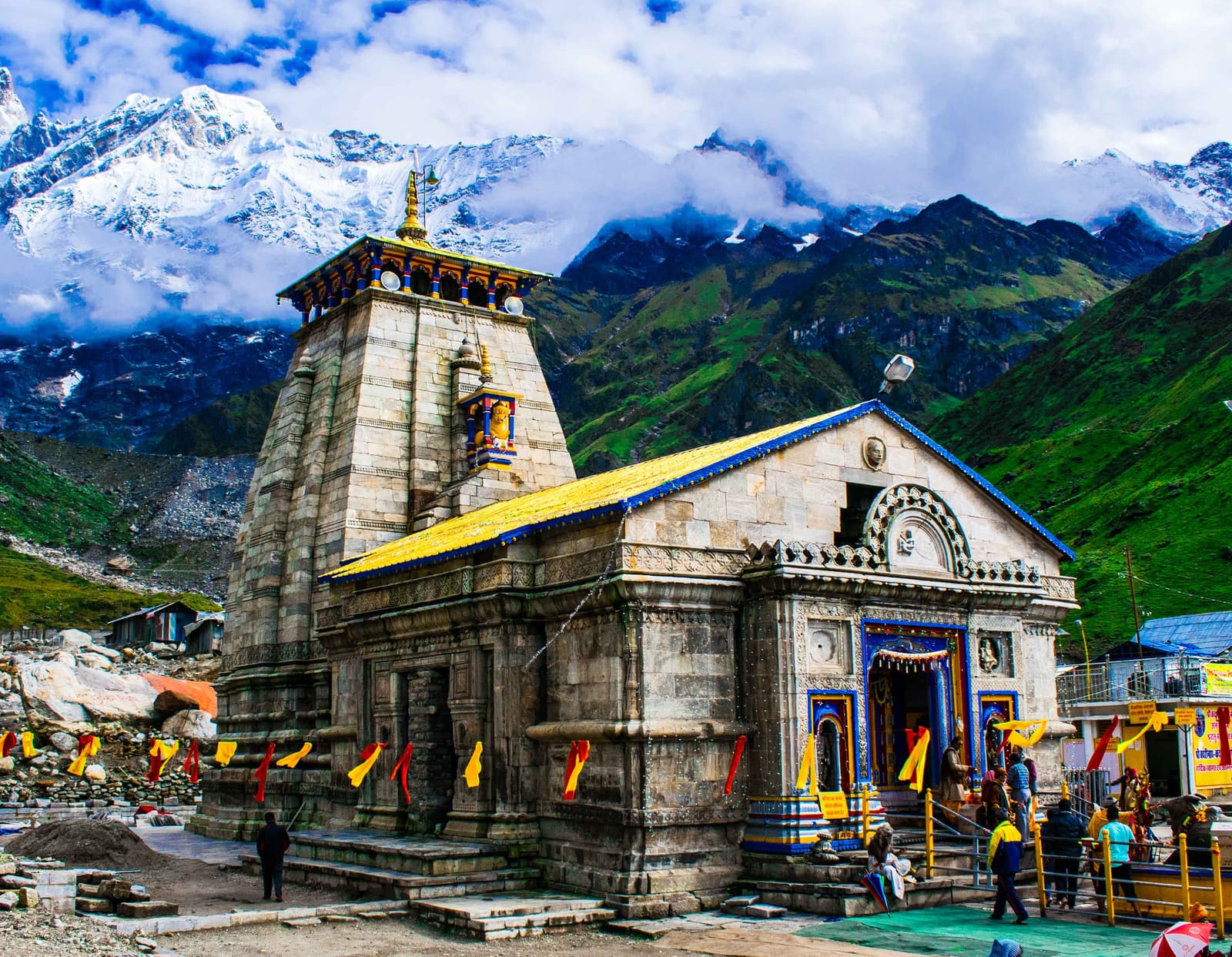
Uttarakhand
Kedarnath Temple
Kedarnath Temple — one of 12 Jyotirlingas, part of Char Dham and Panch Kedar. Verified visitor guide for pilgrims and international travellers at 3,583 m.
Explore Temple
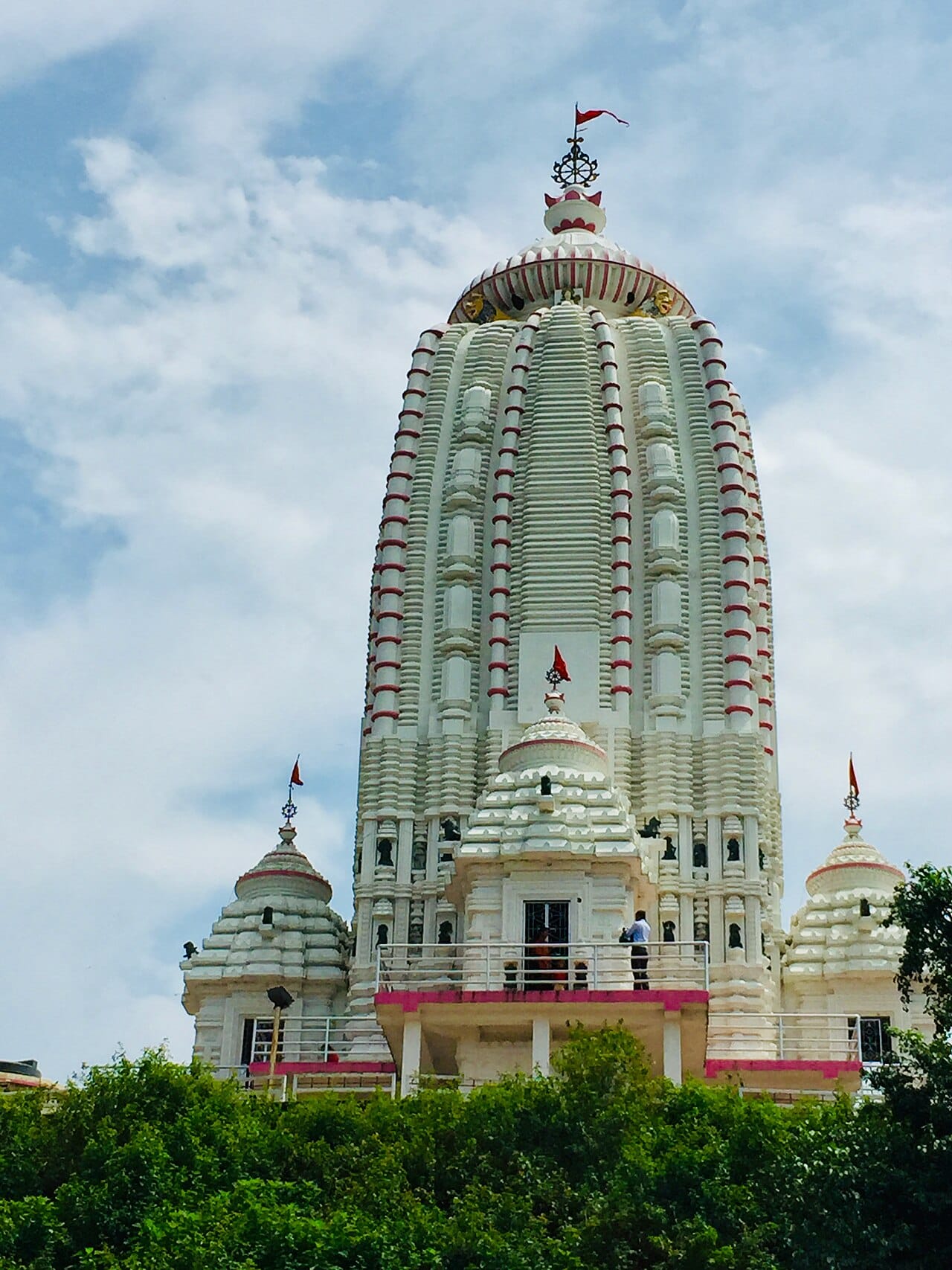
Jharkhand
Jagannath Temple
A prominent 17th-century hilltop temple in Ranchi, echoing the spiritual grandeur and Rath Yatra traditions of Puri.
Explore Temple
Odisha
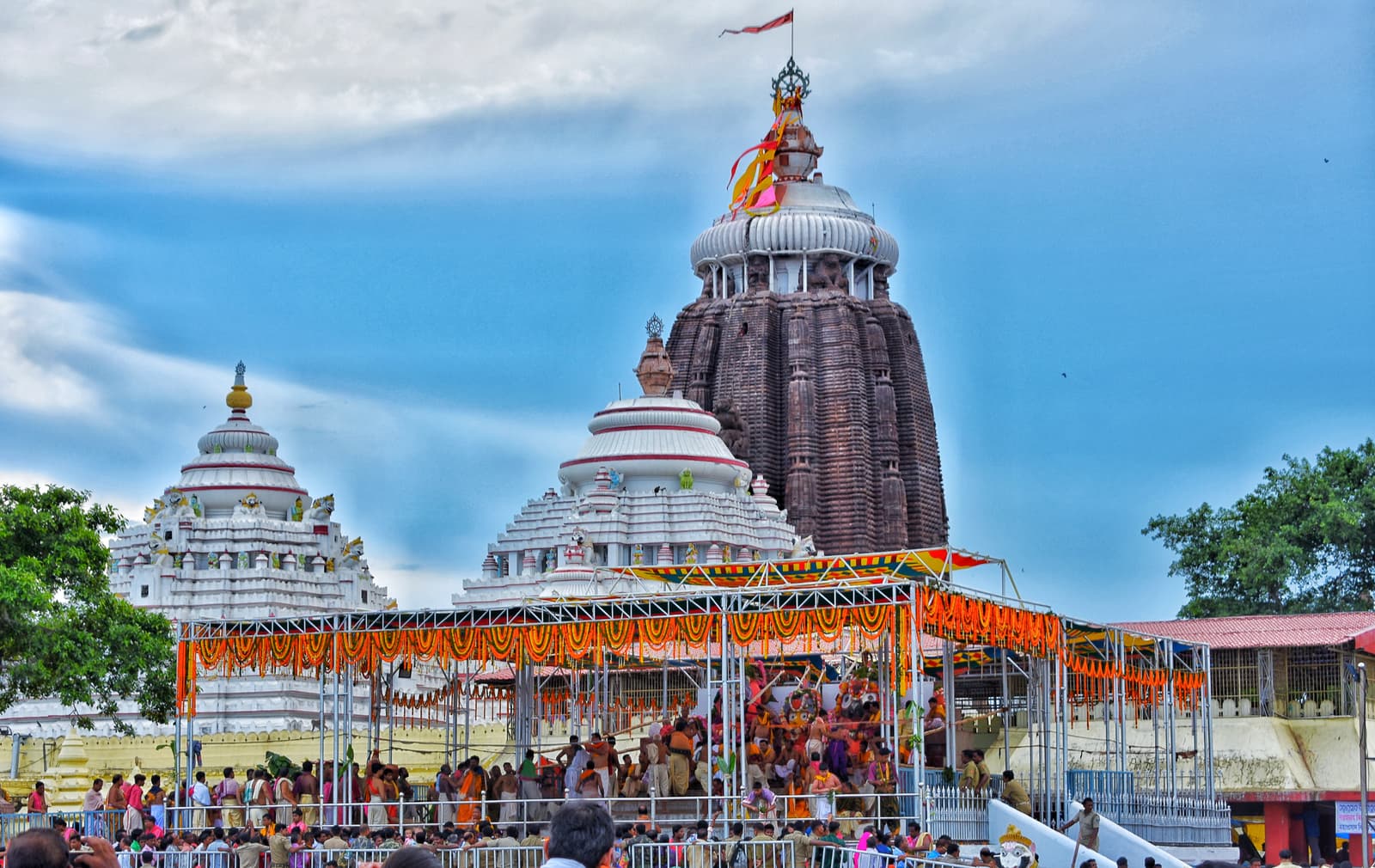
Jagannath Temple
Jagannath Temple in Puri, Odisha, is one of the four Char Dham sites, famous for the annual Rath Yatra (Chariot Festival) and its unique deities made of neem wood.
Explore Temple
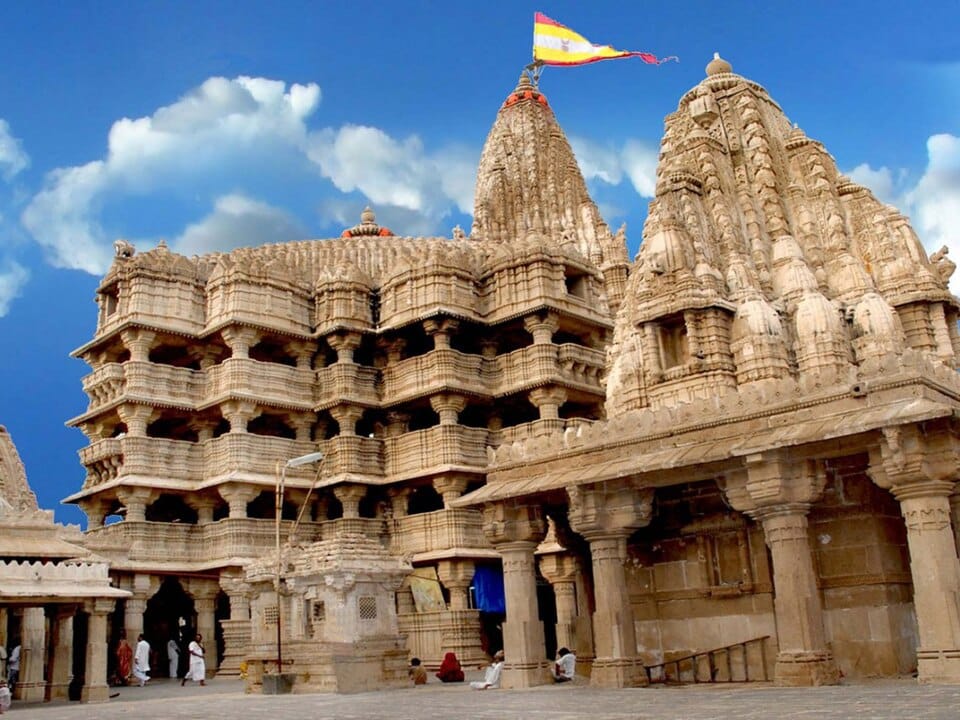
Gujarat
Dwarkadhish Temple
The westernmost of the four Char Dham pilgrimage sites, Dwarkadhish Temple marks the legendary kingdom of Lord Krishna in the ancient city of Dwarka.
Explore Temple
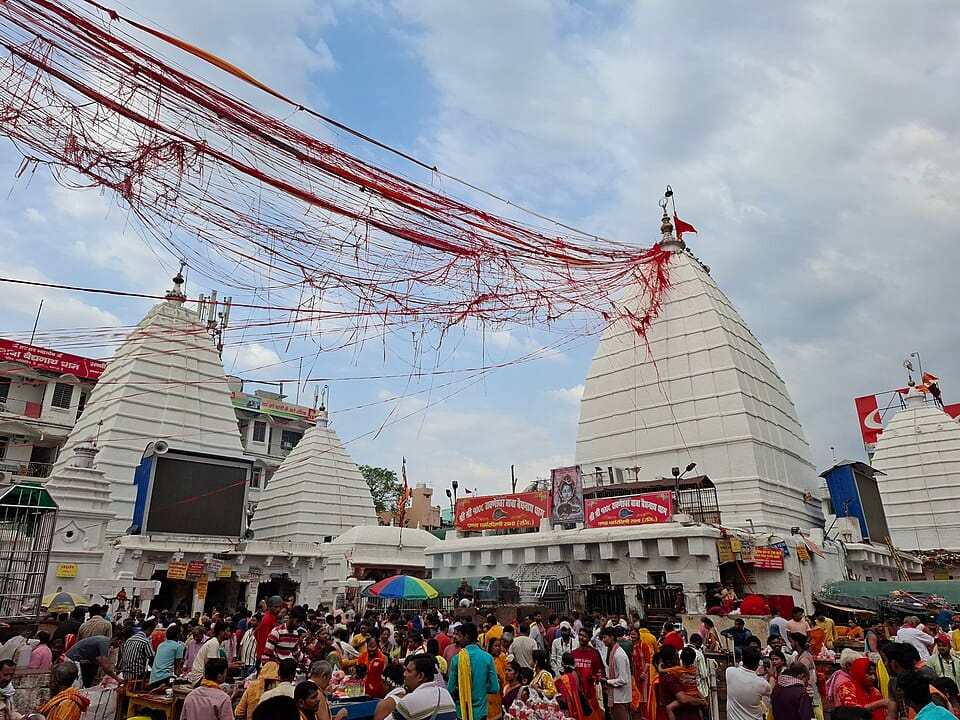
Jharkhand
Baidyanath Jyotirlinga Temple
Where Shiva is worshipped not as destroyer but as physician. Baidyanath — the Lord of Healing — draws millions who carry Ganga water 108 km barefoot in the Kaanwar Yatra.
Explore Temple
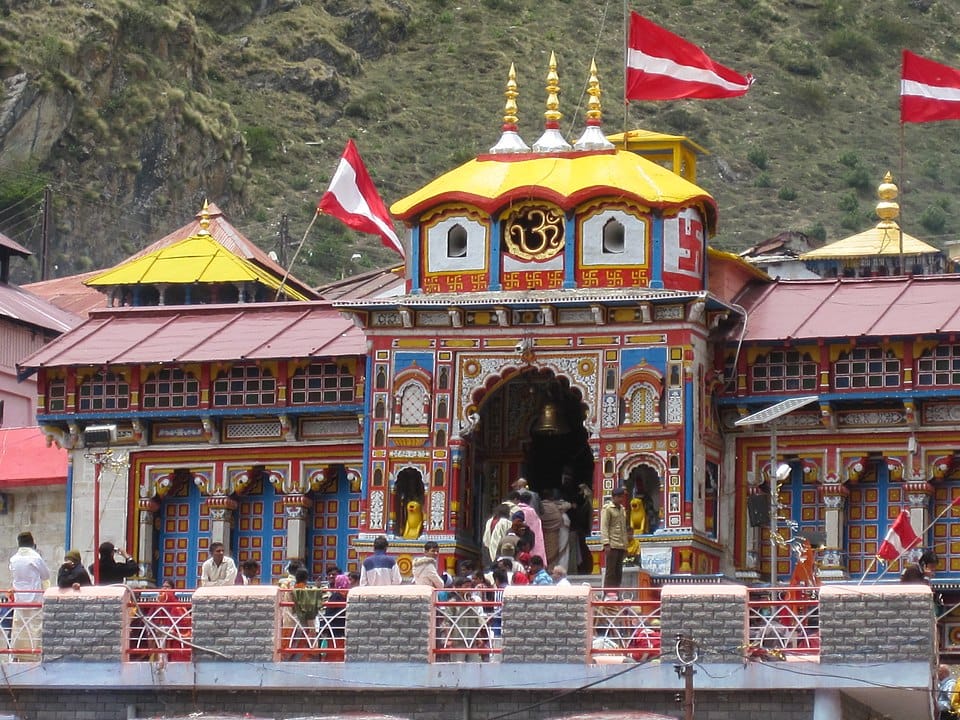
Uttarakhand
Badrinath Temple
Badrinath Temple, dedicated to Lord Vishnu, is a principal Char Dham site and one of the most sacred Vaishnava temples in India, located in the Garhwal Himalayas of Uttarakhand.
Explore Temple
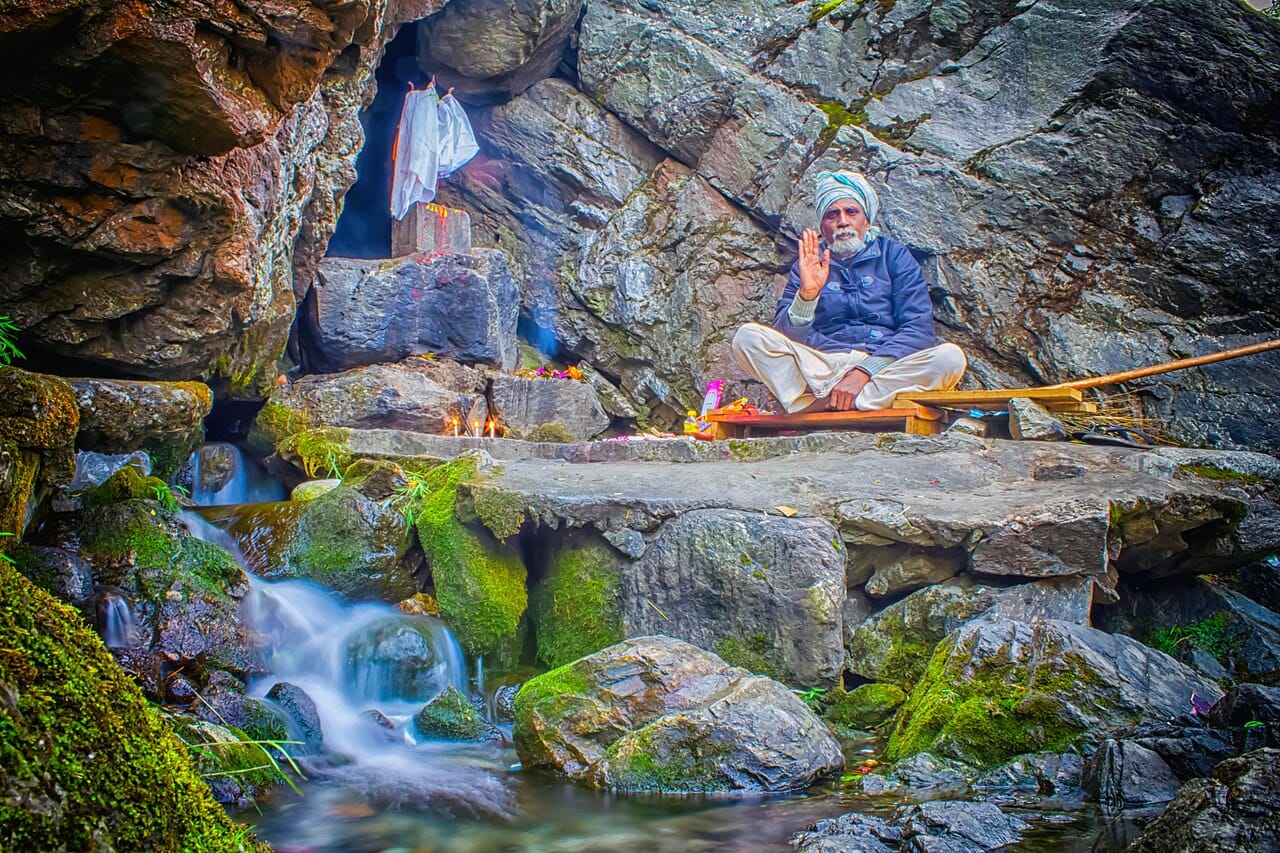
Arunachal Pradesh
Parshuram Kund
A sacred Hindu pilgrimage site on the Lohit River, where Lord Parshurama is believed to have washed away his sins in the holy waters.
Explore Temple
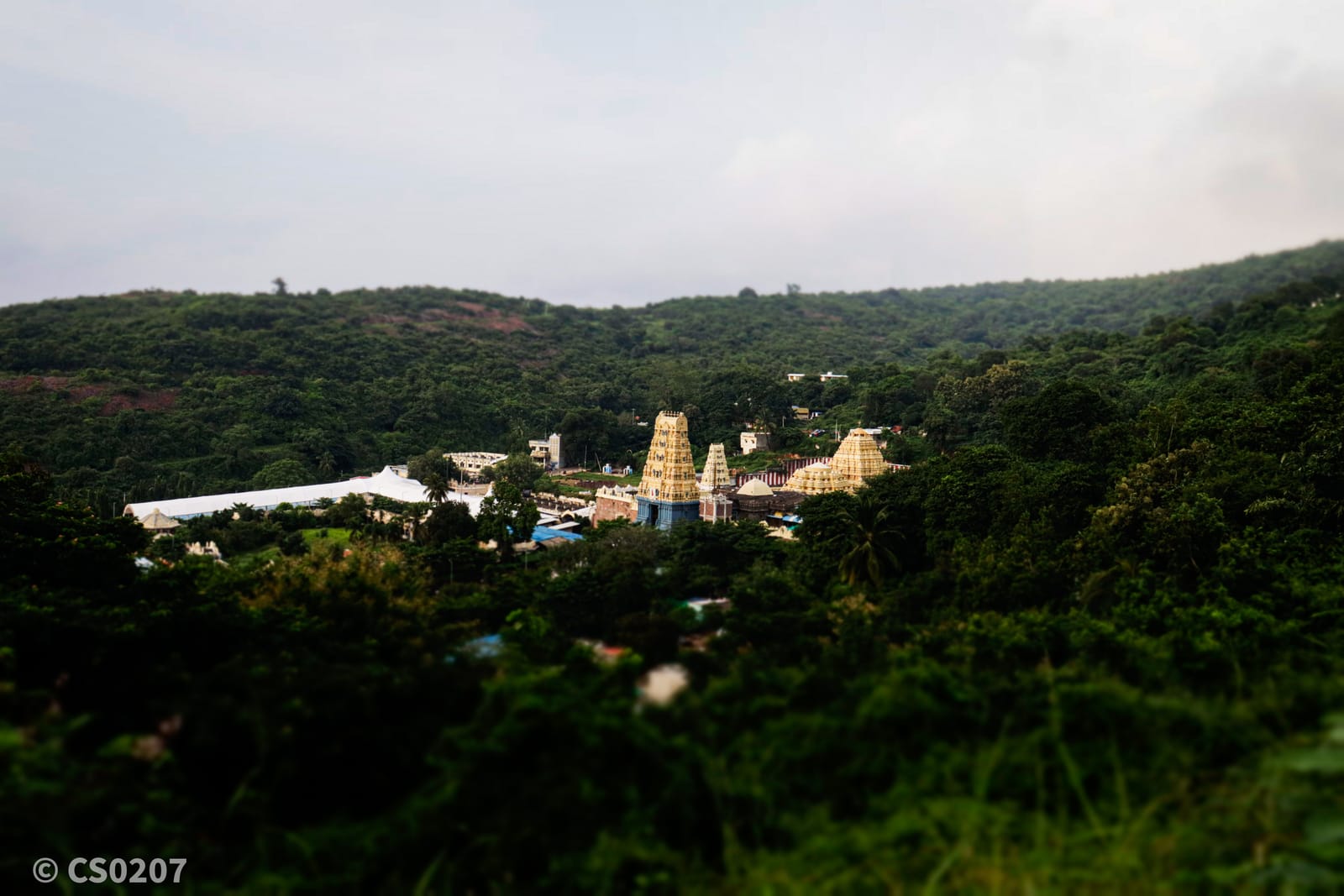
Andhra Pradesh
Simhachalam Temple
Simhachalam Temple, also known as Sri Varaha Lakshmi Narasimha Temple, is a historic Hindu temple dedicated to Lord Narasimha, the half-man half-lion avatar of Vishnu.
Explore Temple
Chandigarh
Mata Mansa Devi Temple
A major Shakti pilgrimage shrine located in Panchkula on the Chandigarh border, set across 100 acres in the Shivalik foothills with twin 19th-century sanctums established under the rulers of Manimajra…
Explore Temple
Andaman & Nicobar
ISKCON Temple
Prominent Gaudiya Vaishnava center in Brichgunj, Port Blair, featuring a spacious kirtan prayer hall, daily discourses on the Bhagavad Gita, and vibrant celebrations of Janmashtami and Ratha Yatra in the…
Explore Temple
In-Depth Guide
Pilgrimage Guides Legacy
India's pilgrimage routes form one of the world's most extensive networks of sacred travel, connecting thousands of sites across the subcontinent through traditions that have been followed for millennia. These routes are organized into all-India circuits like the Char Dham and regional circuits like the Jyotirlinga Yatra and the Shakti Peetha Yatra. Pilgrimage (yatra) in Hindu tradition is considered a meritorious act that combines physical exertion with spiritual discipline, often involving vows, fasting, and ritual observances.
The Char Dham
The Char Dham (four abodes) were established by Adi Shankaracharya in the 8th century as the four cardinal pilgrimage sites of India: Badrinath in the north (Uttarakhand), Dwarka in the west (Gujarat), Puri in the east (Odisha), and Rameswaram in the south (Tamil Nadu). These four sites span over 5,000 kilometers and represent the geographic and spiritual unity of the subcontinent. The Himalayan Char Dham (Yamunotri, Gangotri, Kedarnath, Badrinath) is a separate circuit in Uttarakhand, traditionally completed after the plains Char Dham.
The Jyotirlinga Yatra
The twelve Jyotirlingas form the most important Shaivite pilgrimage circuit, spanning seven states from Gujarat to Jharkhand and from Uttarakhand to Tamil Nadu. Pilgrims traditionally begin at Somnath in Gujarat and proceed eastward. The circuit covers over 4,000 kilometers and requires several months to complete. Many pilgrims conduct the yatra over multiple years, visiting three or four sites per trip. The Shravan month (July-August) sees the largest Jyotirlinga pilgrimage activity, particularly at Baidyanath Dham in Deoghar.
Regional Pilgrimage Circuits
India's regional pilgrimage circuits offer more accessible options. The Pancha Bhoota Sthalas (five elemental Shiva temples) are concentrated in Tamil Nadu and Andhra Pradesh. The Ashtavinayak Yatra covers eight Ganesha temples within 150 kilometers of Pune. The Braj Yatra visits Krishna-related sites in the Mathura-Vrindavan region. The Arupadai Veedu circuit covers six Murugan temples in Tamil Nadu. The Navagraha Yatra visits nine planetary temples around Kumbakonam. Each circuit reflects regional geography and local religious traditions.
Pilgrimage Guides at a Glance
| Temple | Location | State | Presiding Deity | Primary Significance |
|---|---|---|---|---|
| Vaishno Devi Temple | Katra | Jammu & Kashmir | Goddess Vaishno Devi (Durga) | The Vaishno Devi Temple, a sacred cave shrine situated in the Trikuta Mountains of Jammu and Kashmir, is one of India's most visited pilgrimage sites, where millions trek 12 km each year to seek blessings of Mata Vaishno Devi at the holy cave complex. |
| Yamunotri Temple | Uttarkashi | Uttarakhand | Goddess Yamuna | The first stop on the Char Dham Yatra at 3,291 meters, where the Yamuna River originates and pilgrims cook offerings in geothermal springs before darshan. |
| Gangotri Temple | Uttarkashi | Uttarakhand | Goddess Ganga | The highest temple dedicated to Goddess Ganga at 3,100 meters, marking where the sacred river descended to earth through Shiva's locks after King Bhagirath's penance. |
| Tungnath Temple | Rudraprayag | Uttarakhand | Lord Shiva (as Bahu/Arms) | The highest Shiva temple in the world, situated at 3,680 meters on the Chandranath Parbat; it is the 'Tritiya Kedar' in the sacred Panch Kedar pilgrimage circuit. |
| Dhari Devi Temple | Kaliyasaur, Rudraprayag | Uttarakhand | Goddess Dhari Devi (Kali) | A sacred Shakti temple on the banks of the Alaknanda River, considered the guardian deity of the Char Dham Yatra and famous for the idol that changes color three times daily. |
| Vishalakshi Temple | Varanasi | Uttar Pradesh | Goddess Vishalakshi | The Vishalakshi Temple, located in the narrow lanes of Mir Ghat near the Ganges in Varanasi, is one of the 51 Shakti Peethas where the earrings of Goddess Sati are believed to have fallen. |
| Bateshwar Temples Agra | Agra | Uttar Pradesh | Lord Shiva | A complex of 101 Shiva temples built on the banks of Yamuna, representing a significant pilgrimage and architectural site. |
| Unakoti | Kailashahar | Tripura | Lord Shiva (Unakotiswara Kal Bhairava) | An ancient pilgrimage site featuring massive rock-cut sculptures of Shiva and other deities, known as the 'Angkor Wat of the North-East'. |
| Mahamuni Pagoda | Manu Bankul | Tripura | — | The most important Buddhist pilgrimage site in Tripura, housing an ancient idol said to have been brought from Myanmar. |
| Ramanathaswamy Temple | Rameswaram | Tamil Nadu | Lord Shiva | The Ramanathaswamy Temple in Rameswaram is one of the 12 Jyotirlingas and a Char Dham site, famous for its magnificent thousand-pillared corridors, the longest temple corridor in the world, and its sacred association with Lord Rama's worship of Shiva. |
Frequently Asked Questions
Q.What is the most important pilgrimage circuit in India?
The Char Dham (Badrinath, Dwarka, Puri, Rameswaram) is considered the most important all-India pilgrimage circuit. The Jyotirlinga Yatra (12 Shiva shrines) is the most important Shaivite circuit.
Q.How long does a full Char Dham Yatra take?
The plains Char Dham covering Badrinath, Dwarka, Puri, and Rameswaram takes 3-4 weeks by road. The Himalayan Char Dham (Yamunotri, Gangotri, Kedarnath, Badrinath) takes 10-14 days during the summer season.
Q.Which pilgrimage circuit is easiest to complete?
The Ashtavinayak Yatra in Maharashtra, covering eight Ganesha temples within 150 kilometers of Pune, can be completed in 2-3 days. The Navagraha Yatra near Kumbakonam can be completed in a single day.
Q.What is the busiest pilgrimage season in India?
The Shravan month (July-August) is the busiest for Shaivite pilgrimage. The Navaratri period (September-October) is the busiest for Devi temple pilgrimage. The Kumbh Mela years (every 12 years) see the largest single gatherings.
Sources & References
These records back the dating, architectural classification and visitor guidance published on this Pilgrimage Guides page.
Archaeological Survey of India
Archaeological Survey of India — monument records and conservation reports
Protection status, dating, architectural classification and published conservation records for the monuments named on this page.
Primary archaeological record
Open source (opens in a new tab)Ministry of Tourism, Government of India
Ministry of Tourism — official destination information
Official Government of India destination information — access, visitor circuits and travel guidance referenced on this page.
Government record
Open source (opens in a new tab)
— every record linked above was re-requested for this release, so the link still resolves and the publisher still serves the document. It is a link check, not a re-verification of every sentence on this page.
Missing something, or found an error? Send us a correction with the record that supports it, or read how we choose sources.