From ancient rock-cut marvels to towering imperial shrines, discover the architectural soul of Bharat through our verified digital archive.
Explore More Temples
Location
Rudraprayag
Presiding Deity
Lord Shiva (as Bahu/Arms)
Architecture
Himalayan Stone Masonry (Nagara Style)
Dynasty
Pandava Lore — Katyuri Era
Timings
The temple is open for darshan from 6:00 AM to 7:00 PM daily during the summer season. Darshan closes for a few hours in the afternoon for the Lord's rest and food offering.
Entry Fee
Free
Best Time
The ideal time to visit Tungnath is from May to June and from September to October. During these months, the weather is pleasant for trekking, and the meadows are covered in wild flowers and green grass. The temple is closed from November to April due to heavy snowfall. For those seeking clear Himalayan views, October is the best month as the skies are brilliant blue.
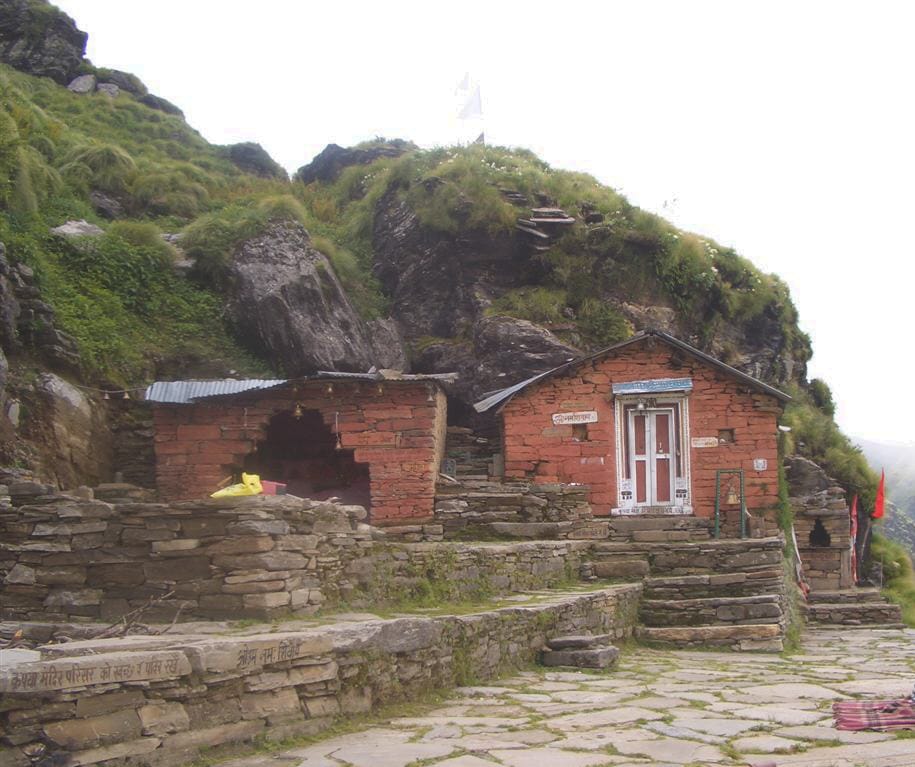
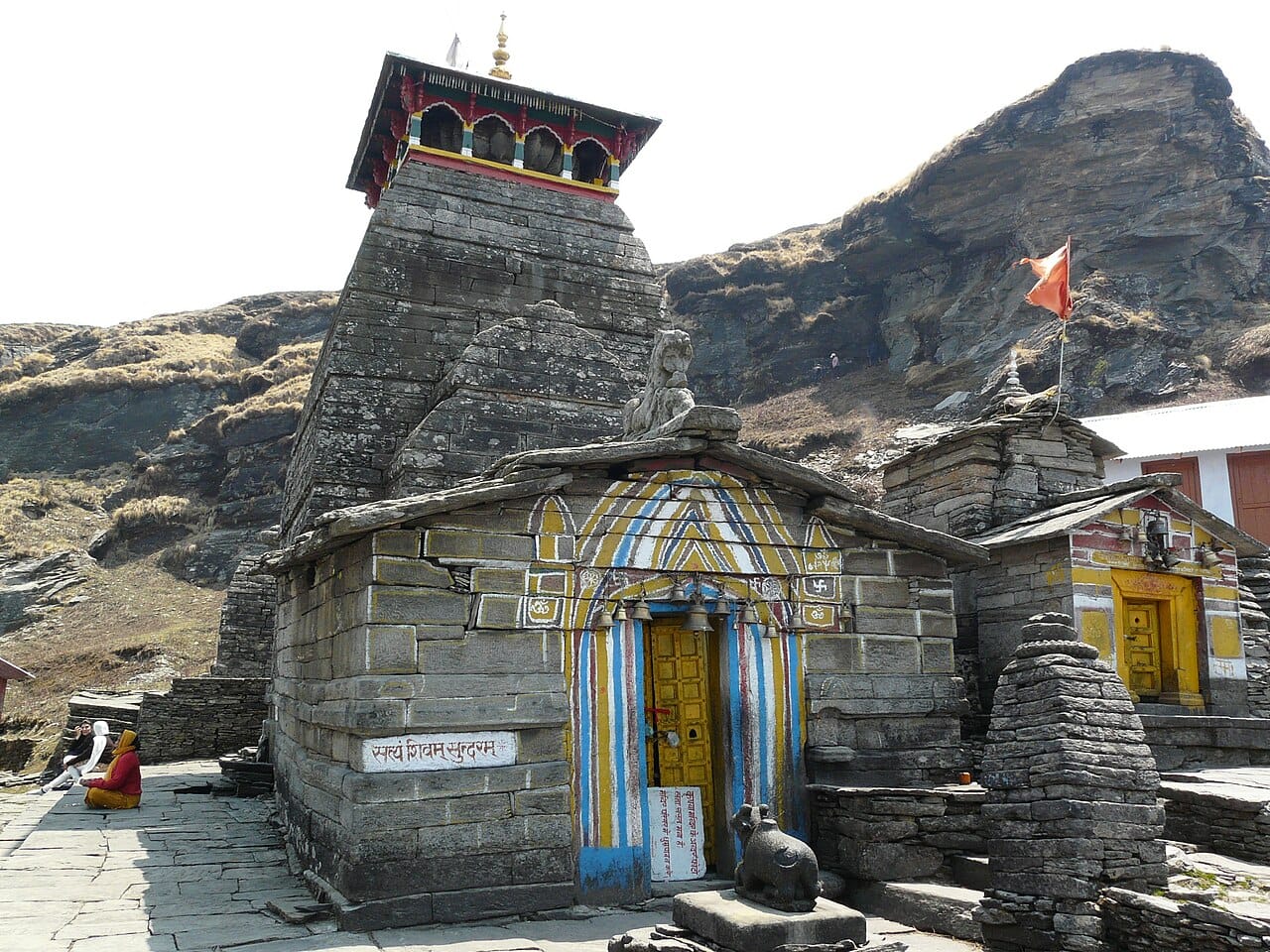
The highest Shiva temple in the world, situated at 3,680 meters on the Chandranath Parbat; it is the 'Tritiya Kedar' in the sacred Panch Kedar pilgrimage circuit.
The history of Tungnath is inextricably linked to the 'Pandava Legend' of the Mahabharata. Following the Kurukshetra War, the Pandavas sought the blessings of Lord Shiva to atone for the sins of fratricide (killing kin) and Brahmanahatya (killing priests). Shiva, eluding them, took the form of a bull and hid in the Himalayas. When the Pandavas pursued him, the bull-form Shiva dove into the ground, and different parts of his body reappeared at five different locations—the Panch Kedar. It is believed that the 'Bahu' (arms) of Lord Shiva emerged at Tungnath. Legend attributes the original foundation of the temple to Arjuna, the third Pandava brother. Historically, the current stone structure is estimated to be over 1,000 years old, built during the Katyuri dynasty, which was responsible for most of the ancient stone temples in the Garhwal and Kumaon regions. The temple has been maintained for centuries by the local community of Makkumath, who serve as its traditional caretakers. During the winter months, when the high-altitude site is buried under several feet of snow, the symbolic image of the deity is moved down to the [Makkumath Temple](/state/uttarakhand) in a grand procession, reflecting the ancient seasonal migration patterns of the Himalayan people.
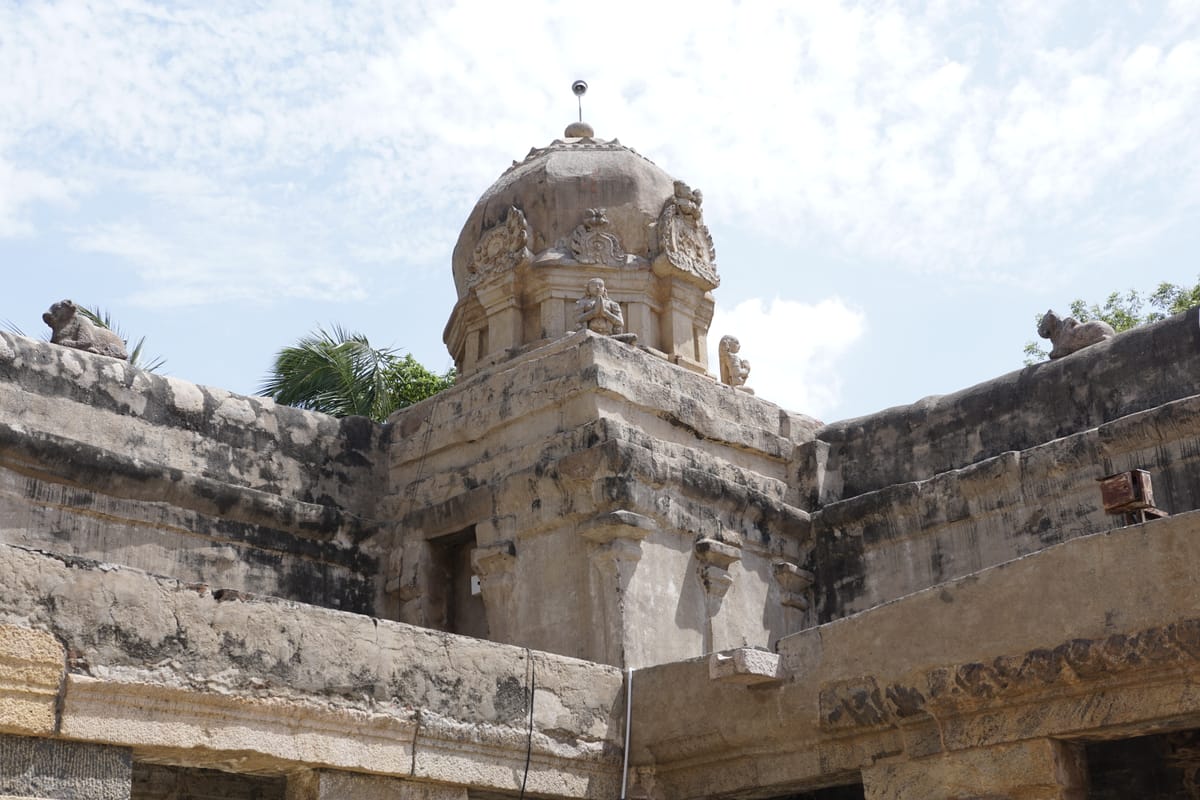
The architecture of Tungnath Temple is a classic example of the 'Katyuri' style, which is characteristic of the ancient Himalayan shrines. Built entirely of heavy, weathered grey stone slabs, the temple is designed to withstand the extreme weather conditions of its high-altitude location. The structure is relatively small and compact, featuring a square plan with a high, sloping stone shikhara (spire) topped with a wooden umbrella-like structure, a common feature in Garhwali temple design. At the entrance of the temple stands a weathered stone statue of **Nandi** (the bull), facing the sanctum. The exterior walls are decorated with simple but profound carvings of various Hindu deities. The inner sanctum (Garbhagriha) is a small, dark chamber that houses a stone Lingam and a bronze idol of Lord Shiva in his multi-armed form. The temple complex also includes several smaller shrines dedicated to Goddess Parvati, the Pandavas, and other local deities. A unique architectural element is the paved stone path that leads to the temple, which was constructed over centuries to facilitate the movement of pilgrims on the steep incline. The temple's integration into the rocky cliff of Chandranath Parbat creates a visually striking image of a man-made spiritual fortress perched against the infinite sky.
Signature Feature: Highest Shiva Temple in the World (3,680m). Part of the Panch Kedar circuit; architectural style is the resilient 'Pahadi Nagara' using local stone without mortar.
Rituals at Tungnath are governed by the ancient Garhwali traditions of temple management. The temple opens for the public in May (around Akshaya Tritiya) and closes in November (following the festival of Bhai Dooj). - Daily rituals begin early in the morning with the 'Abhishekam,' where the deity is bathed with sacred water and milk. - This is followed by the 'Aarti' and the offering of 'Bhog' made of locally grown grains and sweets. - The evening 'Aarti' is a deeply moving experience, with the sound of the temple bell carrying across the silent alpine meadows. A unique and significant ritual is the **Winter Migration Procession**. When the temple closes, the Doli (palanquin) of the Lord is carried by the priests and devotees down the 20 km path to Makkumath. This journey is marked by traditional music, dancing, and the participation of all the surrounding villages. The reverse procession occurs in the spring, marking the re-opening of the world's highest shrine.
The most significant celebrations at Tungnath are associated with the opening and closing of the temple. The day of the **Kapat Opening** (in May) is a massive festive event when the town of Chopta and the trekking path are filled with pilgrims. **Maha Shivaratri** is celebrated with great fervor at Makkumath, as the high-altitude temple lies under snow during this time. The 'Shiva Ratri Mela' in the valley draws thousands of locals who perform traditional Garhwali folk dances like the 'Choliya' and 'Pandav Nritya.' Another important festival is the **Annakut**, where a variety of food items are offered to the Lord. During the monsoon months, the 'Shravan' festivals see many young trekkers carrying Ganges water to offer to the deity. The atmosphere during these events is a blend of mountain ruggedness and intense, vibrant faith.
Highest Shiva Temple in the World, Tritiya Kedar, Trek from Chopta (Mini Switzerland), Chandrashila Peak Trek, Rhododendron Forests
The ideal time to visit Tungnath is from May to June and from September to October. During these months, the weather is pleasant for trekking, and the meadows are covered in wild flowers and green grass. The temple is closed from November to April due to heavy snowfall. For those seeking clear Himalayan views, October is the best month as the skies are brilliant blue.
The temple is open for darshan from 6:00 AM to 7:00 PM daily during the summer season. Darshan closes for a few hours in the afternoon for the Lord's rest and food offering.
A. The trek is approximately 3.5 km from Chopta and is well-paved with stone steps. It is considered an easy-to-moderate trek, taking about 2-3 hours for an average adult. However, the high altitude (3,600m+) can make breathing difficult, so trekkers are advised to move slowly.
A. There is no motorable road to the temple. However, ponies and mules are available at the Chopta base for those who cannot trek on foot. Palkis (palanquins) are also sometimes available.
A. There are very limited and basic guest houses managed by the temple trust and locals near the temple. Most visitors prefer to stay in Chopta, which has several hotels and camps, and perform the visit as a day trip.
Rudranath Temple
One of the Panch Kedar shrines, representing Lord Shiva's face, situated at an altitude of 2,286 meters amidst meadows and rhododendron forests.
Kalpeshwar Temple
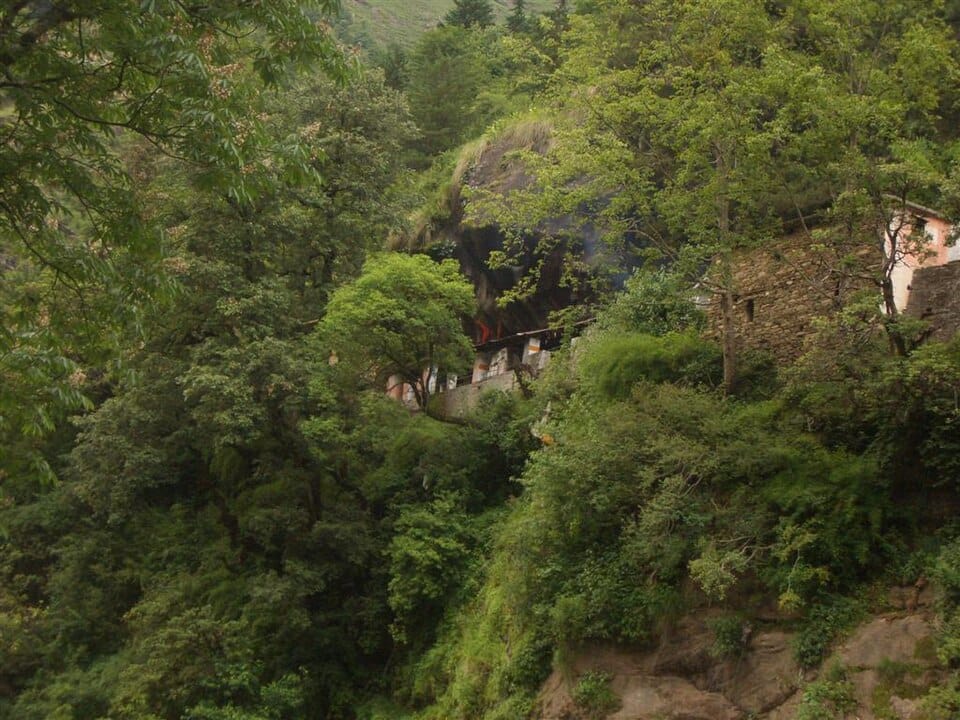
The only Panch Kedar temple accessible year-round, housed in a natural cave and featuring a unique four-faced Shiva linga representing the god's hair.
Madhyamaheshwar Temple
One of the Panch Kedar shrines, representing Shiva's navel, set at 3,497 meters beneath the majestic Chaukhamba peak in the Garhwal Himalayas.
Kedarnath Temple
Kedarnath Temple — one of 12 Jyotirlingas, part of Char Dham and Panch Kedar. Verified visitor guide for pilgrims and international travellers at 3,583 m.
Yamunotri Temple
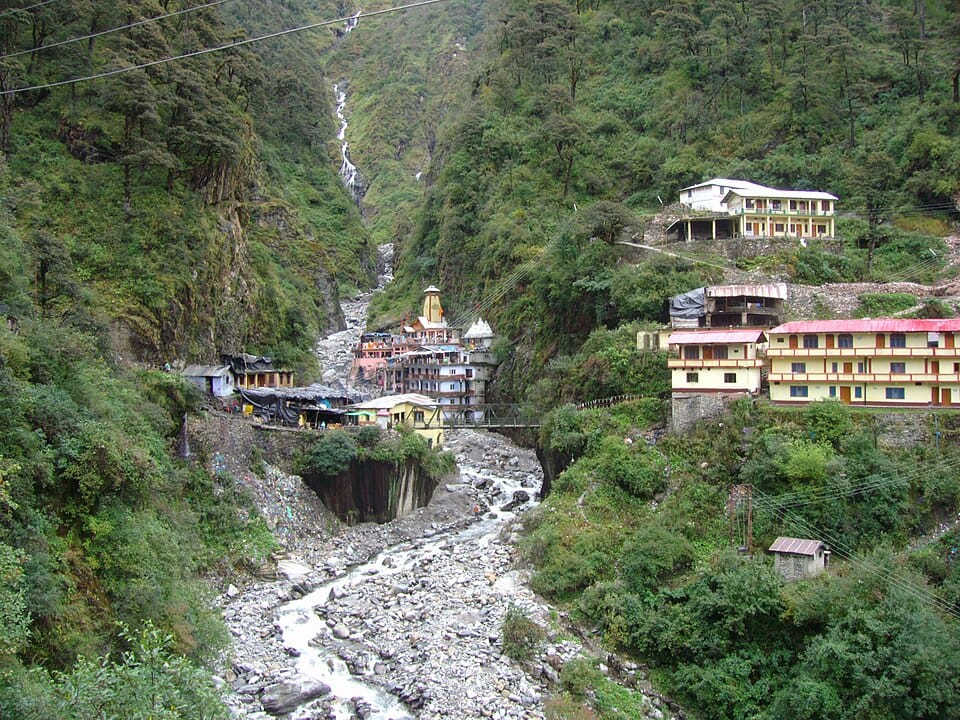
The first stop on the Char Dham Yatra at 3,291 meters, where the Yamuna River originates and pilgrims cook offerings in geothermal springs before darshan.
Gangotri Temple
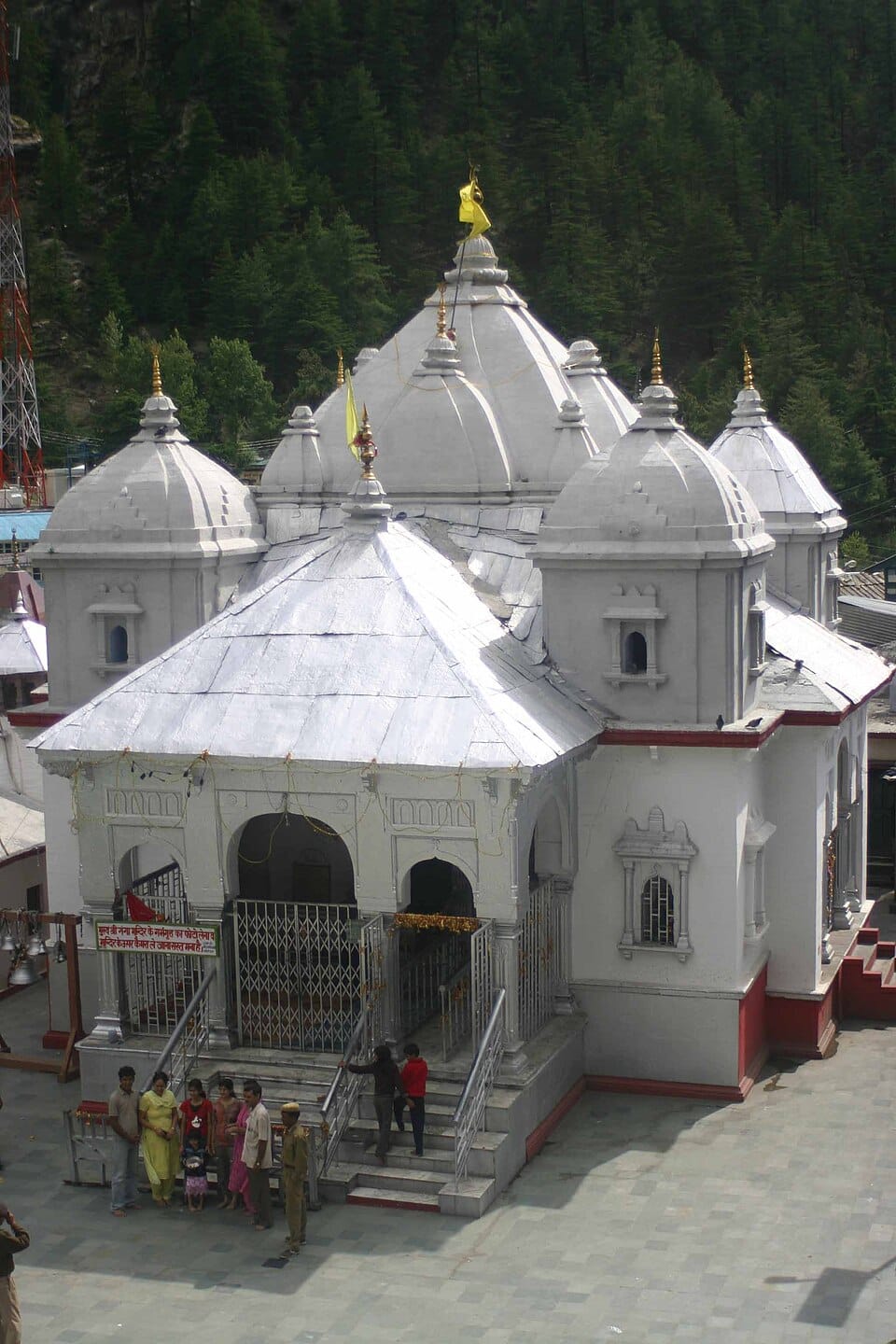
The highest temple dedicated to Goddess Ganga at 3,100 meters, marking where the sacred river descended to earth through Shiva's locks after King Bhagirath's penance.
Jageshwar Temple
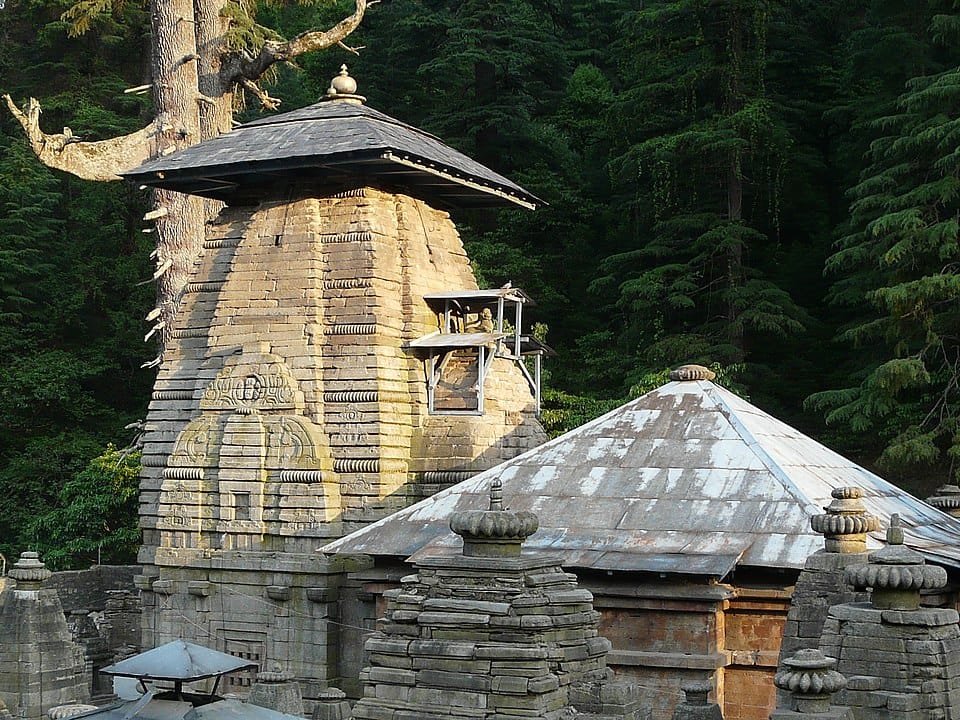
A cluster of 124 ancient stone temples from the 7th-12th centuries, nestled in a dense deodar forest.
Neelkanth Mahadev Temple
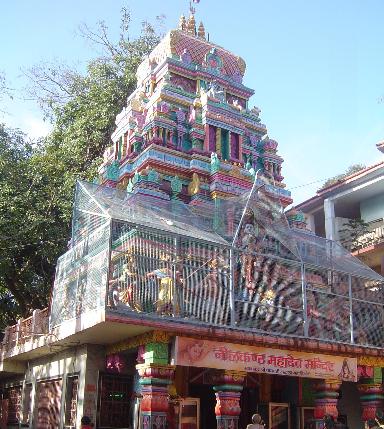
Situated at 1,330 meters, this is where Lord Shiva is believed to have consumed the poison (Halahala) during the Samudra Manthan.
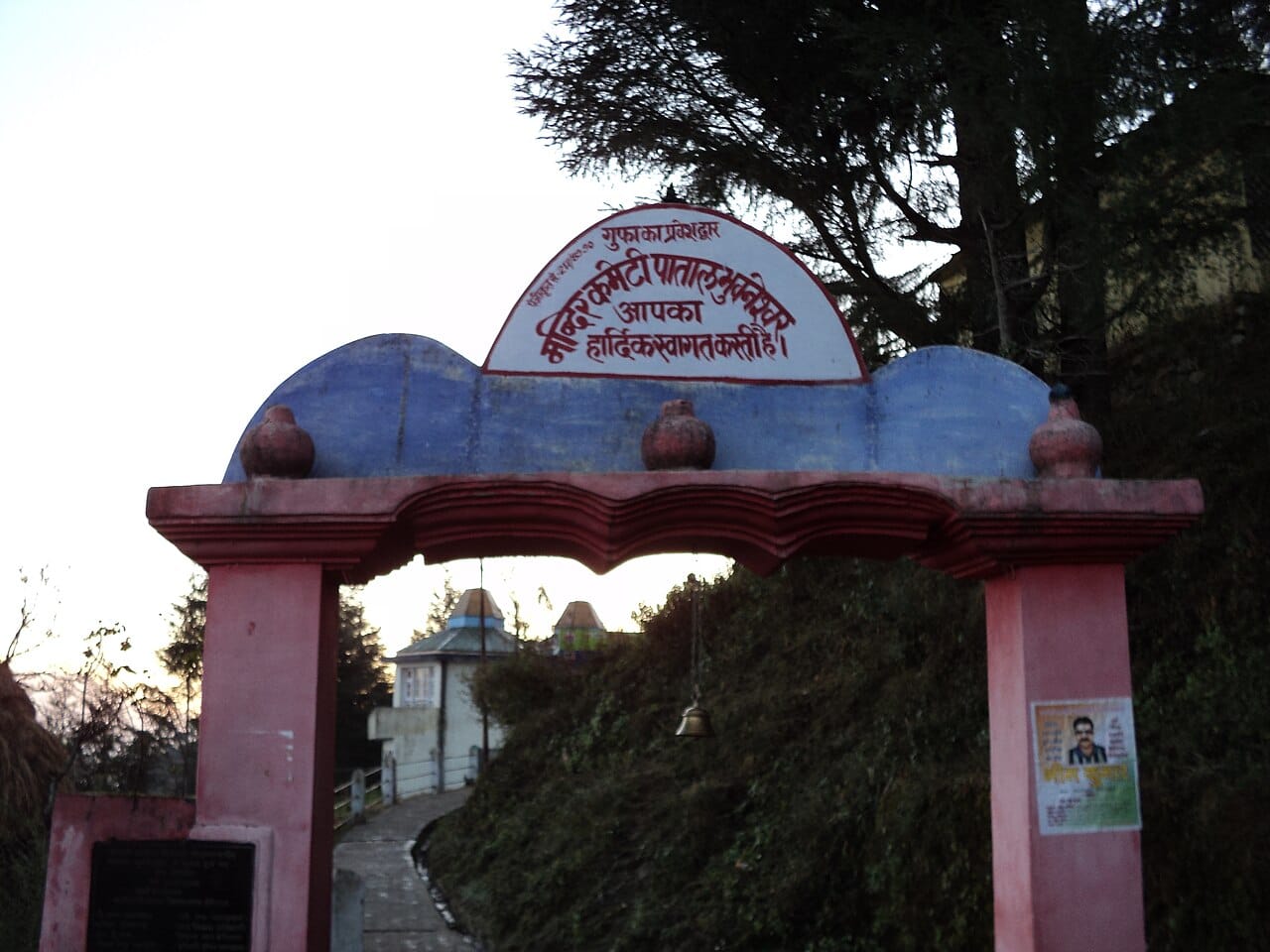
Adi Badri Uttarakhand
A complex of 16 ancient temples from the Gupta period; it is believed Vishnu resided here before moving to Badrinath.
Katarmal Sun Temple
A 9th-century architectural marvel and India's second most important Sun temple after Konark, featuring intricate carvings.
Tarakeshwar Temple Hooghly
A massive 18th-century pilgrimage site dedicated to Lord Taraknath, especially vibrant during the Gajan festival.
Virupaksha Temple
The Virupaksha Temple in Hampi, Karnataka, is a UNESCO World Heritage Site and the oldest functioning temple in India, dedicated to Lord Shiva as Virupaksha.
Jageshwar Temple
A cluster of 124 ancient stone temples from the 7th-12th centuries, nestled in a dense deodar forest.
Neelkanth Mahadev Temple
Situated at 1,330 meters, this is where Lord Shiva is believed to have consumed the poison (Halahala) during the Samudra Manthan.
Rudranath Temple
One of the Panch Kedar shrines, representing Lord Shiva's face, situated at an altitude of 2,286 meters amidst meadows and rhododendron forests.
Kalpeshwar Temple
The only Panch Kedar temple accessible year-round, housed in a natural cave and featuring a unique four-faced Shiva linga representing the god's hair.
India's temples are living traditions — not museums. Every temple has its own customs. This guide helps first-time visitors prepare with confidence and respect.
Foreign visitor information is being researched
Please verify with the official temple authority before planning your visit.
Foreign Visitors
Verify Before VisitingVisitor Information
Entry policies vary between temples. Most temples welcome visitors, while some may restrict access to specific areas, rituals, or the inner sanctum. Always verify the latest entry guidelines with the official temple authorities before your visit.
Modest clothing is expected at every Indian temple — a sign of respect, not a restriction. Think of it as dressing for a formal ceremony.
A scarf is always useful — it covers shoulders, works as a head covering, and can double as a makeshift face cover if needed.
Outdoor photography is generally permitted. Indoor photography is often restricted. Always look for signage or ask a priest before taking photos inside.
The ideal time to visit Tungnath is from May to June and from September to October. During these months, the weather is pleasant for trekking, and the meadows are covered in wild flowers and green grass. The temple is closed from November to April due to heavy snowfall. For those seeking clear Himalayan views, October is the best month as the skies are brilliant blue.
April — June
July — September
English is widely understood at major tourist temples. In smaller local temples, Hindi and the regional language are more common. A smile and simple hand gestures go a long way. Learning a few words of the local language is always appreciated.
Cash (Indian Rupees) is the most reliable option, especially for temple offerings, small shops, and local transport.
UPI digital payments (Google Pay, PhonePe, Paytm) are widely accepted across India — even at roadside stalls. Download one before you arrive.
International credit/debit cards work at most ATMs, hotels, and larger establishments. Smaller vendors may only accept cash or UPI.
Carry small denominations (₹10, ₹20, ₹50, ₹100 notes) for offerings and temple donations. Large notes (₹500, ₹2000) can be hard to break at smaller counters.
Many historic temples have uneven stone floors, multiple steps, and narrow passages. Wheelchair access is limited at older sites — contact the temple in advance.
Basic restroom facilities and drinking water are available at most major temples. Some charge a small fee (₹5–₹10).
Stay hydrated — carry a reusable water bottle, especially in hot climates.
Keep valuables secure — use hotel lockers for passports and excess cash.
Wear comfortable, sturdy footwear — temple floors can be hot, wet, or uneven.
Beware of unofficial guides or touts near temple entrances. Only use authorised services.
Carry a photocopy of your passport and visa. Leave originals in your hotel safe.
Download offline maps — mobile networks can be unreliable near remote temple sites.
These short explanations help make sense of what you see and experience.
Darshan means 'seeing' — but in a temple it means being seen by the deity. It is a sacred moment of connection, not just a viewing.
Removing footwear is a sign of humility. It also keeps the temple floor clean, since devotees sit and pray on the ground.
Food offered to the deity and then distributed to devotees. It is considered blessed. Accept it with both hands and do not discard it.
The bell creates a focused acoustic atmosphere, wards off distractions, and announces your presence before entering the inner sanctum.
Circumambulation (pradakshina) is done clockwise, keeping the sanctum on your right — an auspicious direction aligned with the sun's path.
Flowers symbolise devotion, coconuts represent the ego being broken, incense purifies the air, and lamps represent the victory of light over darkness.
Sacred viewing of the deity; the central act of temple worship.
Clockwise circumambulation of the sanctum.
Blessed food offered to the deity and distributed to devotees.
The innermost sanctum where the main deity resides.
The towering spire above the sanctum, a defining feature of temple architecture.
A pillared hall or pavilion within the temple complex.
The Indian Rupee (?, INR) is the local currency. ATMs are widely available in cities and towns. For temple offerings, keep small notes (₹10, ₹20, ₹50). Most temples accept donations in cash only — digital payments are uncommon at the offering counter itself.
Offerings (dakshina) are given with the right hand. Place cash in the donation box (hundi) or give it directly to the priest. There is no fixed amount — give what feels appropriate. Some temples have fixed fees for special entry or puja participation.
Shoes and sandals are removed before entering the temple building. Most temples have a designated shoe counter (free or a small fee of ₹5–₹20). Socks are generally allowed. In monsoon, carry a plastic bag for wet shoes.
Darshan queues can take 30 minutes to 3 hours at popular temples. Many offer paid VIP darshan (₹100–₹500) for faster entry. Special queues for women, elderly, and disabled visitors exist at some temples. No line jumping.
Major festivals draw enormous crowds — sometimes hundreds of thousands. Book accommodation months in advance. Expect road closures, restricted vehicle access, and limited phone network. Arrive early (before dawn) to avoid the worst congestion.
Always look for signage before taking photos. When in doubt, ask a priest. Never take photos of devotees in prayer without permission. Selfie sticks are banned at most temples. Silently switch your phone to silent mode.
Police / Ambulance / Fire: 112 (National Emergency Number)
Tourist Helpline: 1800-111-363 (Multi-lingual, Ministry of Tourism)
Women's Helpline: 1091
Temple-specific visitor information is continuously researched and updated from official sources. Where specific data is unavailable, general India travel guidance is provided. Always verify current policies with the temple authority before your visit.
Information last verified July 2026. Temple-specific data coming soon.
Continue your journey through the spiritual and architectural wonders of India.

A 12th-century complex on the Gomti banks, famous for its life-sized black stone idol of Goddess Parvati.

An underground limestone cave temple where legend says the entire pantheon of Hindu gods reside in rock formations.

One of the Panch Kedar shrines, representing Lord Shiva's face, situated at an altitude of 2,286 meters amidst meadows and rhododendron forests.

The only Panch Kedar temple accessible year-round, housed in a natural cave and featuring a unique four-faced Shiva linga representing the god's hair.

The first stop on the Char Dham Yatra at 3,291 meters, where the Yamuna River originates and pilgrims cook offerings in geothermal springs before darshan.

The highest temple dedicated to Goddess Ganga at 3,100 meters, marking where the sacred river descended to earth through Shiva's locks after King Bhagirath's penance.

A cluster of 124 ancient stone temples from the 7th-12th centuries, nestled in a dense deodar forest.
Situated at 1,330 meters, this is where Lord Shiva is believed to have consumed the poison (Halahala) during the Samudra Manthan.
"India has over 40 UNESCO World Heritage Sites, ranging from ancient temples to natural wonders."