Sacred Destinations
Uttarakhand
18Sacred Sites
10Major Temples
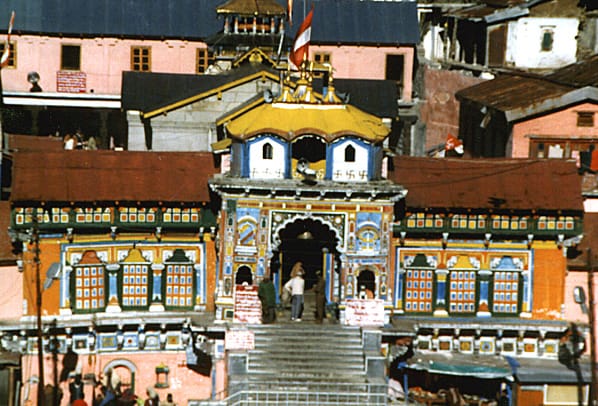
Uttarakhand, known as Devbhumi (Land of the Gods), is the most sacred mountain region in India, containing the Char Dham circuit of Badrinath, Kedarnath, Gangotri, and Yamunotri, along with the Panch Kedar, Panch Badri, and Panch Prayag pilgrimage systems. The state's sacred geography stretches from the Shivalik foothills to high Himalayan peaks, with thousands of temples, ashrams, and natural pilgrimage sites across Garhwal and Kumaon.
Quick Facts
Capital
Dehradun (winter), Gairsain (summer)
Population
11.2 million
Area
53,483 km²
Languages
Hindi, Garhwali, Kumaoni
Best Time to Visit
May-June, September-October
Major Pilgrimage
Char Dham (Badrinath, Kedarnath, Gangotri, Yamunotri)
Temple Style
Nagara (high-altitude stone)
UNESCO Count
1 (Valley of Flowers NP)
Major River
Ganges, Yamuna, Alaknanda, Bhagirathi
Highest Peak
Nanda Devi (7,816 m)
Why Visit Uttarakhand
Uttarakhand's religious landscape is defined by two major pilgrimage circuits. The Char Dham circuit comprises Yamunotri (source of the Yamuna), Gangotri (source of the Ganges), Kedarnath (the northernmost Jyotirlinga), and Badrinath (the most important Vishnu shrine in the Himalayas). The Panch Kedar covers five Shiva temples: Kedarnath, Madhyamaheshwar, Tungnath (the highest Shiva temple at 3,680 meters), Rudranath, and Kalpeshwar. The state also contains Haridwar, where the Ganges enters the plains, and Rishikesh, the yoga capital of the world.
Kedarnath is one of the twelve Jyotirlingas and the highest at 3,583 meters. Badrinath is one of the four Char Dham sites, established by Adi Shankaracharya in the 8th century. Gangotri is the source of the Bhagirathi, the physical origin of the Ganges. Har Ki Pauri in Haridwar is the most sacred bathing ghat on the Ganges plains. The Panch Kedar tradition holds that the five temples mark where the bull-headed Shiva's body parts fell after the Mahabharata war.
Temple Categories
Char Dham
4Badrinath, Kedarnath, Gangotri, Yamunotri — the four primary Himalayan pilgrimages.
Panch Kedar
5Kedarnath, Madhyamaheshwar, Tungnath, Rudranath, Kalpeshwar — five Shiva temples.
Panch Badri
5Badrinath, Yogadhyan Badri, Bhavishya Badri, Vriddha Badri, Adi Badri.
Panch Prayag
5Vishnuprayag, Nandaprayag, Karnaprayag, Rudraprayag, Devprayag.
Kumaon Temples
130Jageshwar (124 temples), Katarmal Sun Temple, Baijnath.
Featured Sacred Places
Uttarakhand
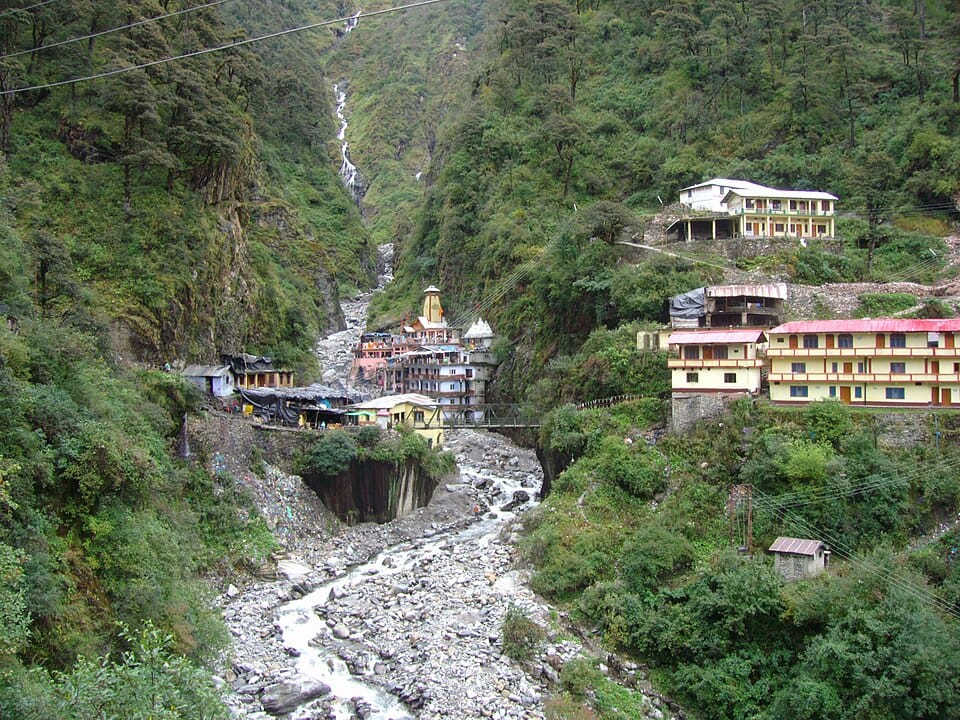
Yamunotri Temple
The first stop on the Char Dham Yatra at 3,291 meters, where the Yamuna River originates and pilgrims cook offerings in geothermal springs before darshan.
Explore Temple
Uttarakhand
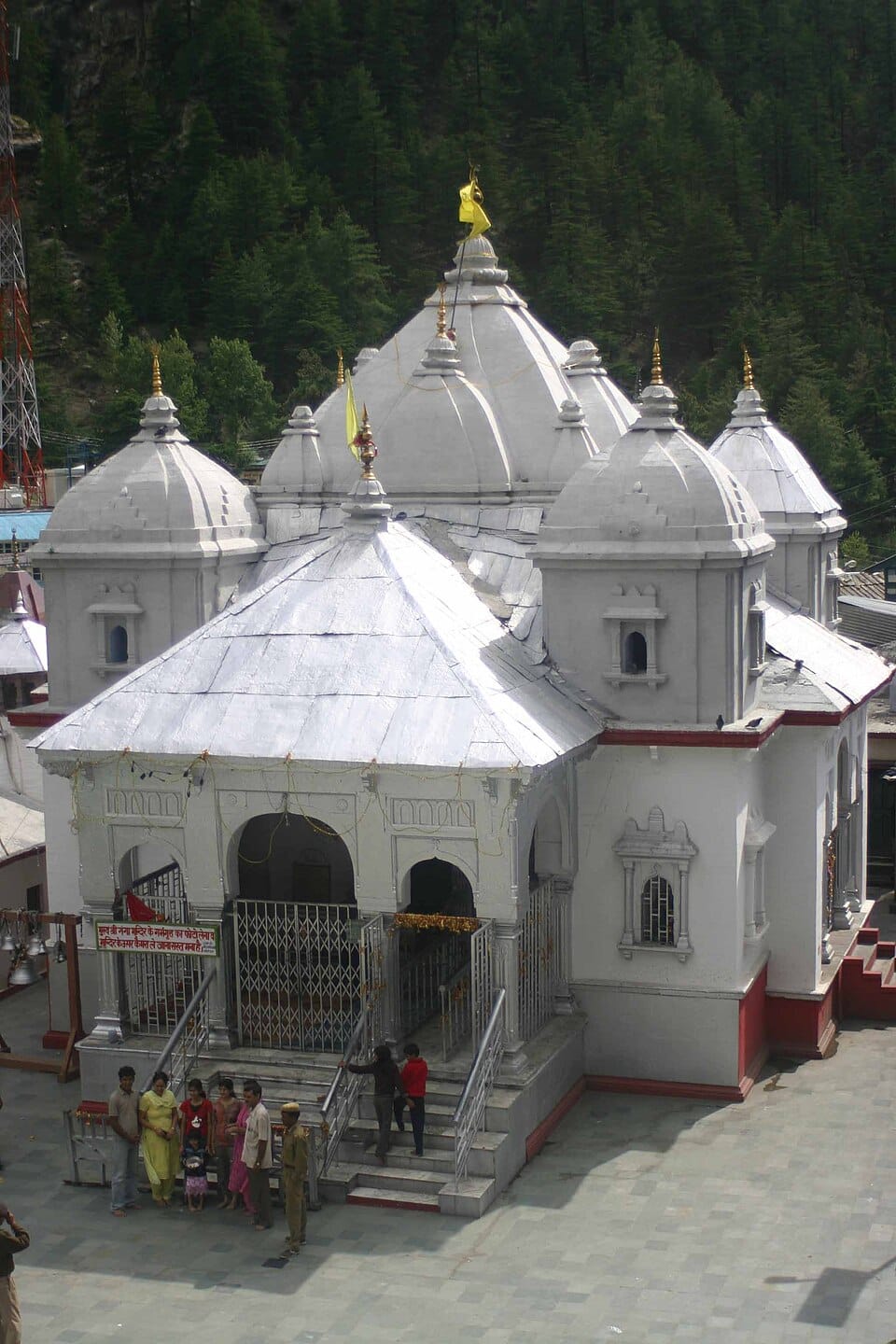
Gangotri Temple
The highest temple dedicated to Goddess Ganga at 3,100 meters, marking where the sacred river descended to earth through Shiva's locks after King Bhagirath's penance.
Explore Temple
Uttarakhand
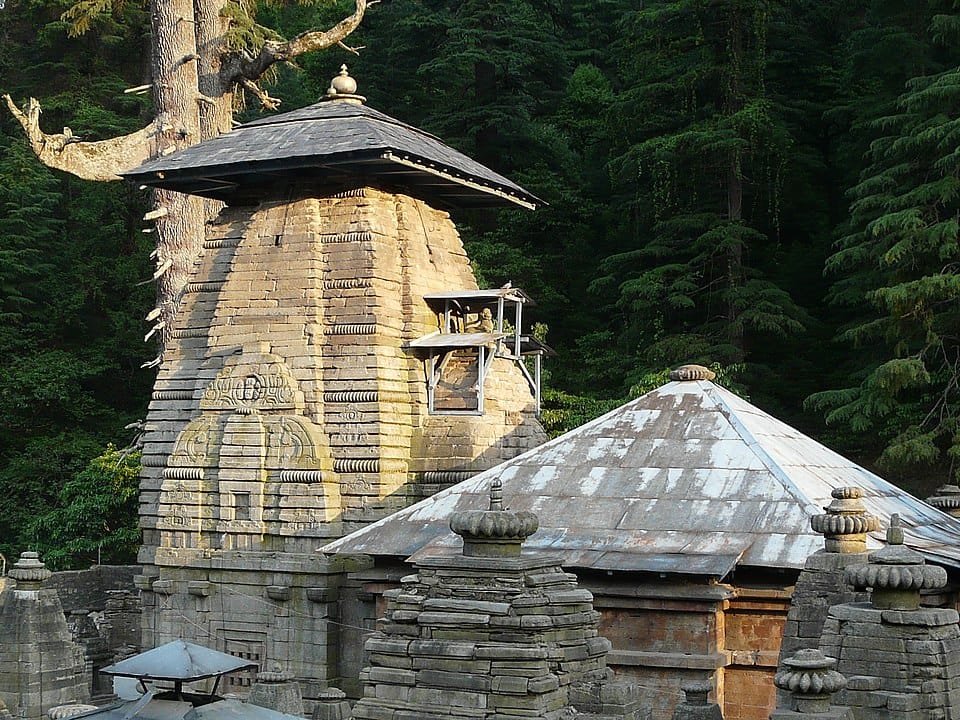
Jageshwar Temple
A cluster of 124 ancient stone temples from the 7th-12th centuries, situated in a dense deodar forest.
Explore Temple
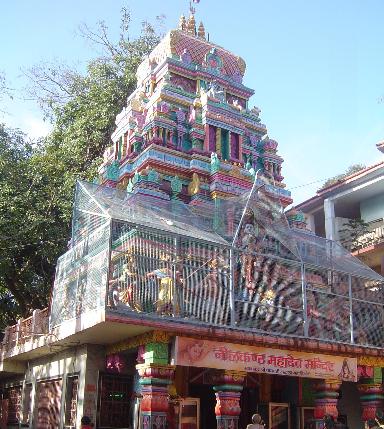
Uttarakhand
Neelkanth Mahadev Temple
Situated at 1,330 meters, this is where Lord Shiva is believed to have consumed the poison (Halahala) during the Samudra Manthan.
Explore Temple
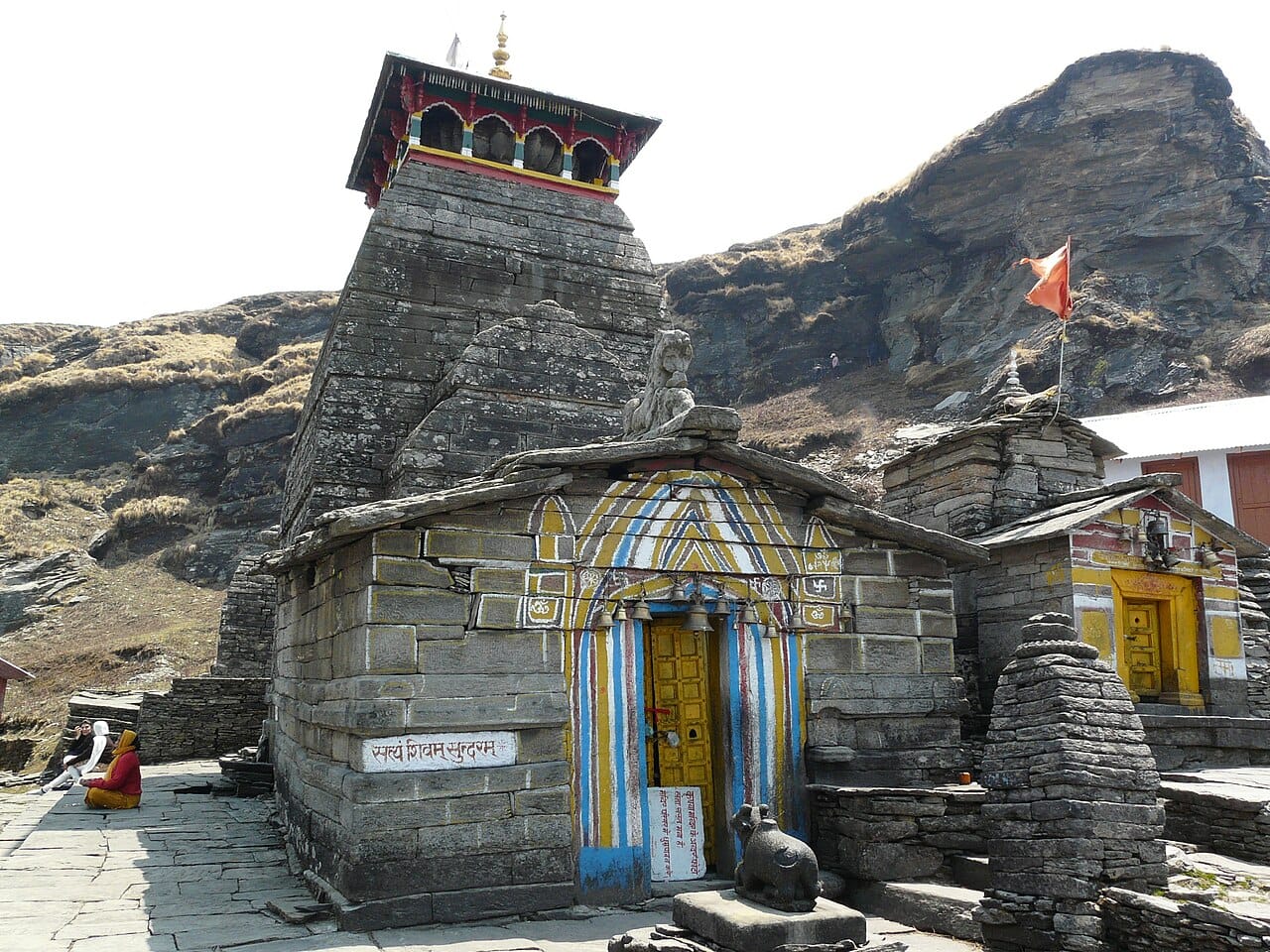
Uttarakhand
Tungnath Temple
The highest Shiva temple in the world, situated at 3,680 meters on the Chandranath Parbat; it is the 'Tritiya Kedar' in the sacred Panch Kedar pilgrimage circuit.
Explore Temple
Uttarakhand
Adi Badri Uttarakhand
A complex of 16 ancient temples from the Gupta period; it is believed Vishnu resided here before moving to Badrinath.
Explore Temple
Pilgrimage Circuits
Char Dham Yatra
4 templesYamunotri-Gangotri-Kedarnath-Badrinath, the most important Himalayan pilgrimage circuit.
Panch Kedar Trek
5 templesKedarnath-Madhyamaheshwar-Tungnath-Rudranath-Kalpeshwar, covering all five Shiva body-part temples.
KedarnathMadhyamaheshwarTungnathRudranathKalpeshwar
Panch Prayag Circuit
5 templesThe five sacred river confluences culminating at Devprayag where the Ganges is formed.
The Char Dham Yatra is completed clockwise from Yamunotri to Gangotri to Kedarnath to Badrinath, open May to October over 1,200 km of mountain roads. The Panch Kedar Yatra involves trekking to five remote Shiva temples. The Panch Prayag circuit visits five sacred river confluences. Haridwar-Rishikesh circuit includes Har Ki Pauri, Triveni Ghat, and the Laxman Jhula.
Temple Architecture
Uttarakhand's temple architecture is in the North Indian Nagara style adapted for high altitude. Kedarnath is built of massive gray stone slabs with a 30-meter conical shikhara designed to withstand heavy snow. Badrinath has a 15-meter conical spire with a gold-gilted summit. Jageshwar's 124 temples (7th-12th centuries) display early Nagara shikharas with intricate stone carvings. The Katarmal Sun Temple features a 45-foot vimana with 44 carved panels depicting Surya.
Historical Timeline
8th c.Shankaracharya
Adi Shankaracharya establishes Badrinath Temple and Jyotirmath monastic seat.
7th-12th c.Katyuri/Chand
Jageshwar temple cluster (124 temples) built by Katyuri and Chand dynasties.
12th c.Katyuri
Katarmal Sun Temple built by the Katyuri dynasty.
1740Garhwal
Kedarnath Temple rebuilt by the Garhwal king.
2013Independent India
Kedarnath floods devastate the region; temple structure survives intact.
Temple Statistics
1
Jyotirlingas
Kedarnath (highest at 3,583 m)
4
Char Dham Sites
Yamunotri, Gangotri, Kedarnath, Badrinath
3,680 m
Highest Shiva Temple
Tungnath (Panch Kedar)
124+
Kumaon Temples
Jageshwar complex
Festivals
Char Dham Opening
April-MayAll four Char Dham temples
1 day each
Temples open on Akshaya Tritiya with Vedic chants; the Akhand Jyoti lamp ritual at Badrinath.
Nanda Devi Raj Jat
Biennial (once/12 years full)Nanda Devi Temple, Nauti to Roopkund
21-23 days
280-km pilgrimage carrying four-tiered palanquin to Roopkund Lake at 4,800 meters.
Kumbh Mela Haridwar
Every 12 yearsHar Ki Pauri, Haridwar
1 month
Over 50 million pilgrims; Shahi Snan (royal bath) at the Ganges; last held 2021.
The Char Dham yatra opening ceremonies mark the most important annual events. The Badrinath Temple opens on Akshaya Tritiya (April-May). The Nanda Devi Raj Jat Yatra (biennial, once every 12 years) is a 280-km pilgrimage carrying the goddess's palanquin to Roopkund Lake (4,800 meters). The Kunbh Mela at Haridwar (every 12 years) attracts over 50 million pilgrims. Dev Deepawali (November) involves floating thousands of diyas on the Ganges.
Travel Guide
Best Time
May-June, September-October
Climate
Alpine; monsoon 1,500-2,500 mm
Nearest Airport
Dehradun (DED), Pantnagar (PGH)
Railway
Rishikesh, Haridwar, Dehradun
Road
NH-34, NH-94 (Char Dham)
Local Transport
Shared jeeps, state buses
Temple Etiquette
Remove footwear; warm clothes essential
Suggested Duration
10-14 days for full Char Dham
Nearby Attractions
UNESCO site
Valley of Flowers
Alpine meadow at 3,300-6,700 meters with endemic flora; accessible via 17-km trek from Govindghat.
Sikh Gurudwara
Hemkund Sahib
Highest gurudwara in the world at 4,632 meters; accessible by 13-km trek from Govindghat.
National Park
Jim Corbett National Park
India's oldest national park (est. 1936); Bengal tiger population in the Shivalik foothills.
Interesting Facts
01
The Tungnath Temple at 3,680 meters is the highest Shiva temple in the world, yet its Panch Kedar counterpart Kedarnath at 3,583 meters receives 100 times more pilgrims.
02
The Char Dham Yatra is only open for six months (May-October) because all four temples are buried under 10-20 feet of snow for the rest of the year.
03
The 2013 Kedarnath floods killed over 5,000 people and washed away everything around the temple, but the 30-meter stone structure itself stood without a single crack.
Frequently Asked Questions
Char Dham covers four Himalayan pilgrimages (Yamunotri, Gangotri, Kedarnath, Badrinath) spanning both Shaivite and Vaishnavite traditions. Panch Kedar refers specifically to five Shiva temples where body parts of Shiva's bull form fell.
It is the northernmost Jyotirlinga and the highest at 3,583 meters. After the Mahabharata war, the Pandavas sought Shiva's blessings; Shiva's hump remained at Kedarnath while other body parts fell at the remaining Panch Kedar sites.
Haridwar marks where the Ganges emerges from the Himalayas; Har Ki Pauri ghat hosts the Kumbh Mela every 12 years. Rishikesh, 24 km upstream, is the Yoga Capital of the World and the starting point for the Char Dham yatra.
Sources & References
These records back the history, architecture, temple listings and visitor guidance published on this Uttarakhand page.
Archaeological Survey of India
Archaeological Survey of India — monument records and conservation reports
Protected-monument status, dating, architectural classification and conservation records for the temples and monuments named across this Uttarakhand guide.
Primary archaeological record
Open source (opens in a new tab)Ministry of Tourism, Government of India
Ministry of Tourism — official destination information
Official Government of India visitor information, access routes and pilgrimage circuits for Uttarakhand.
Government record
Open source (opens in a new tab)Uttarakhand Tourism
Uttarakhand Tourism — official destination portal
State visitor information — temple timings, access routes and pilgrimage circuit details cited on this page.
Government record
Open source (opens in a new tab)
— every record linked above was re-requested for this release, so the link still resolves and the publisher still serves the document. It is a link check, not a re-verification of every sentence on this page.
Missing something, or found an error? Send us a correction with the record that supports it, or read how we choose sources.