From ancient rock-cut marvels to towering imperial shrines, discover the architectural soul of Bharat through our verified digital archive.
Explore More Temples
Location
Uttarkashi
Presiding Deity
Goddess Yamuna
Architecture
Garhwali with Tibetan influences
Dynasty
Tehri Garhwal — Jaipur
Timings
Open from 6:00 AM to 8:00 PM daily during the pilgrimage season (May to October). Aarti times: Mangala Aarti at 6:00 AM, Bhog Aarti at 12:00 PM, Sandhya Aarti at sunset (approximately 6:00 PM). The temple is closed for darshan between 12:00 PM and 2:00 PM.
Entry Fee
Free
Best Time
May to June and September to early November. The temple opens on Akshaya Tritiya (April-May) and closes on Bhai Dooj (October-November). The post-monsoon season (September-October) offers clear skies and excellent views of Bandarpoonch. July-August is monsoon season with landslide risks on the trek route.
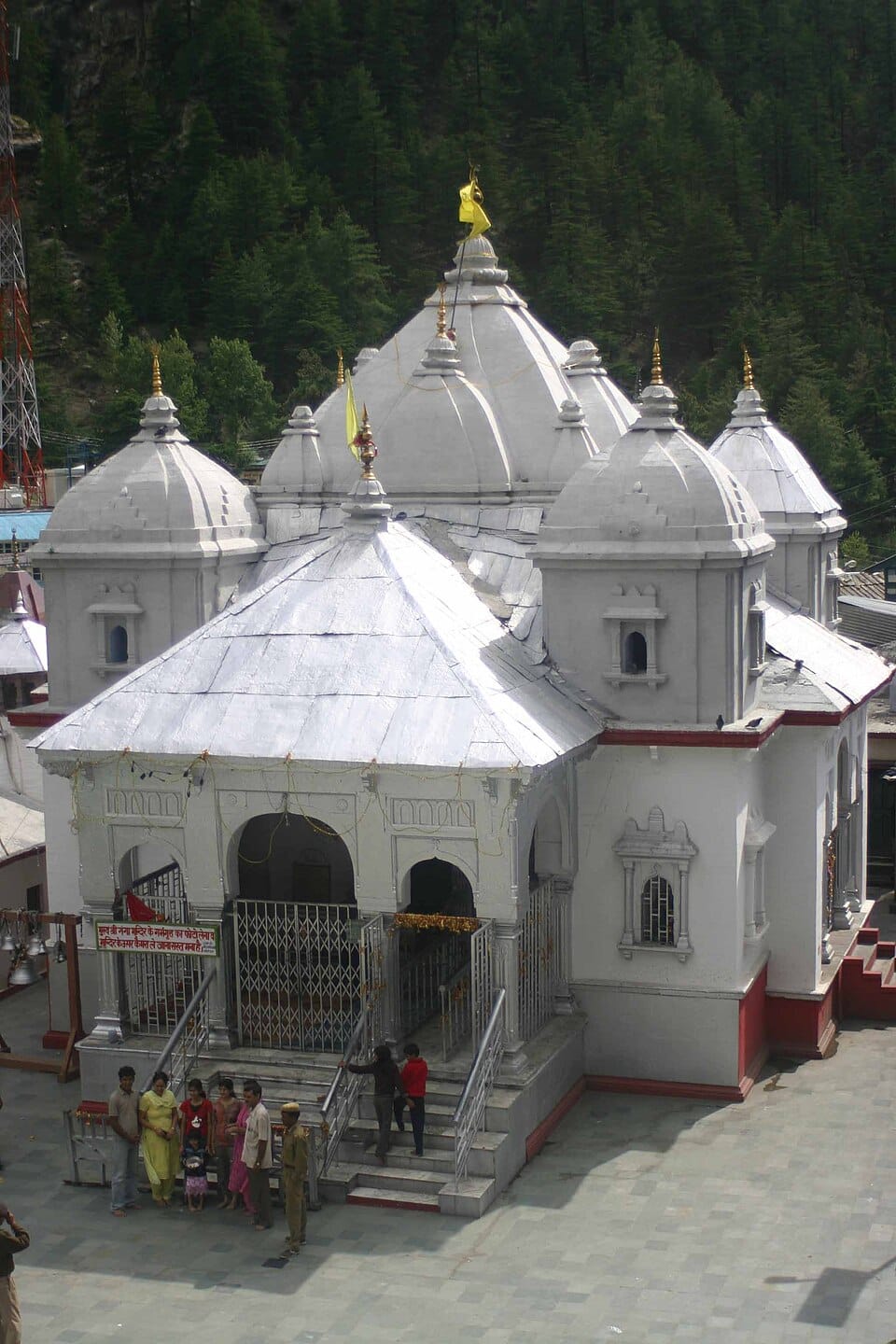
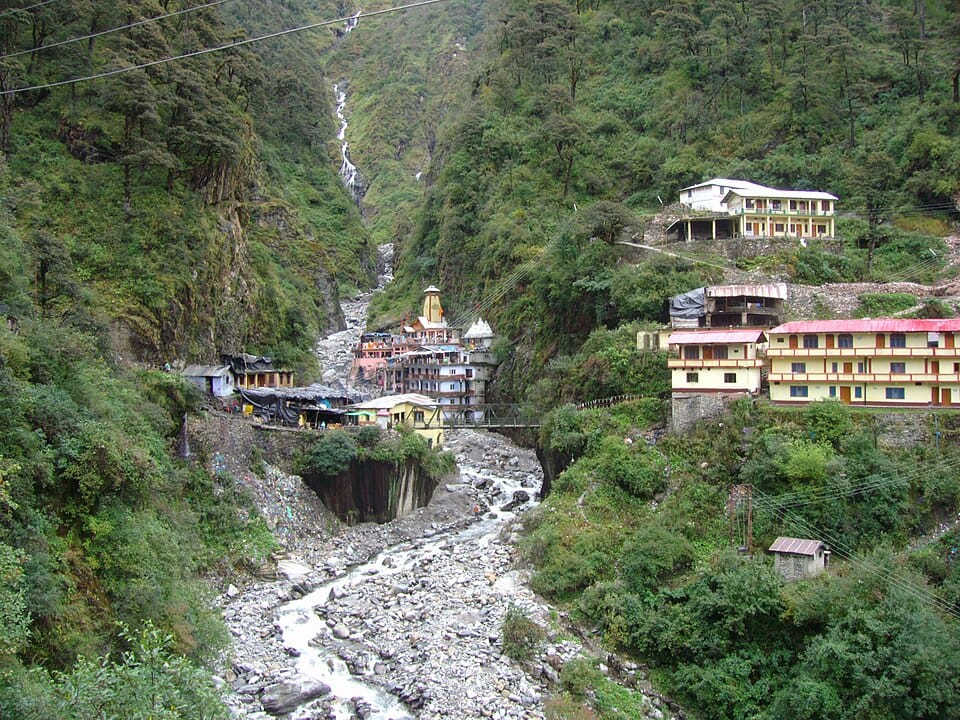
The first stop on the Char Dham Yatra at 3,291 meters, where the Yamuna River originates and pilgrims cook offerings in geothermal springs before darshan.
The original temple was constructed in 1839 by Maharaja Pratap Shah of Tehri Garhwal. Severe damage from earthquakes and snow avalanches in the late 19th century required a complete rebuild. The current structure was rebuilt by Maharani Gularia of Jaipur in the early 20th century. The temple underwent major restoration after the 1991 Uttarkashi earthquake and again after the 2013 Kedarnath floods, which disrupted access routes. The temple is under the administration of the Tehri Garhwal district administration and the Uttarakhand Char Dham Devasthanam Board. In 2019, the Uttarakhand government completed a major renovation of the temple complex, including the Surya Kund bathing area and the approach path from Janki Chatti.
“According to the Puranas, Yamuna is the daughter of Surya (the sun god) and sister of Yama (the lord of death). She is considered the second-most sacred river after the Ganga. The legend of King Shani and Yamuna tells of how Yamuna was cursed to be born as a river after accidentally offending a sage. The sage Narada is said to have mediated between Yama and Yamuna, securing Yama's promise that anyone who bathes in the Yamuna would be spared the torments of death. The Divya Shila at the temple entrance is believed to be the rock on which the sage Asita Muni meditated for 1,000 years. The Surya Kund is believed to have been created by Surya himself so that his daughter Yamuna would have warm water for her worship. The Champasar Glacier, the actual source, is named after the Champa (magnolia) flowers that grow in the region, though in legend it is where the celestial cow Kamadhenu once grazed.”
The temple follows traditional Garhwali hill architecture with Tibetan Buddhist influences visible in the sloping roof design. The main structure is approximately 30 feet tall, built of stone and timber, with a conical copper-plated shikhara painted yellow — a color associated with Goddess Yamuna. The sanctum is a small, simple chamber housing the silver-plated idol of Goddess Yamuna, standing on a tortoise (kurma) — her vahana. The idol wears a garland of wildflowers, replaced daily during the pilgrimage season. The temple complex includes the Surya Kund bathing tank (about 20 feet square), the Divya Shila rock platform, and several smaller shrines dedicated to Ganga, Shiva, and Shakti. The approach from Janki Chatti features a 6 km stone-paved trail with resting shelters (chattis) at every kilometer.
Yamunotri is the spiritual source of the Yamuna River, which flows 1,376 km through Uttarakhand, Himachal Pradesh, Haryana, Delhi, and Uttar Pradesh before merging with the Ganga at Sangam in Prayagraj. Bathing in the Yamuna at Yamunotri is believed to protect devotees from untimely death because Yamuna is the sister of Yama, the god of death — she intercedes on behalf of her devotees. The temple features two primary sacred objects: the Divya Shila (divine rock pillar) that must be worshipped before entering the main shrine, and the Surya Kund (sun pond) — a natural hot spring with water temperatures reaching 90°C. The hot spring is believed to have healing properties and is rich in sulfur and other minerals.
The most distinctive ritual at Yamunotri is cooking rice and potatoes in the boiling waters of Surya Kund. Devotees tie rice and potatoes in muslin cloth and submerge them in the 90°C hot spring for 15-20 minutes. The cooked food, called 'prasad,' is first offered to the goddess, then distributed among family members. Worship of the Divya Shila — a black stone pillar near the temple — is mandatory before entering the main shrine. Pilgrims circle the rock and apply tilak (vermilion mark) to it. The priest performs three daily aartis: Mangala Aarti at 6:00 AM, Bhog Aarti at 12:00 PM, and Sandhya Aarti at sunset. The idol is bathed in water from Surya Kund and dressed in a yellow saree daily. Non-Brahmins are not permitted inside the inner sanctum, but can view the deity from the entrance.
Bhai Dooj (Yam Dwitiya), celebrated two days after Diwali in October-November, is the most significant festival. It celebrates the bond between Yamuna and her brother Yama. On this day, sisters pray for their brothers' long life, and the temple closes for the winter season immediately after the festival. Akshaya Tritiya (April-May) marks the temple's grand opening for the summer season, with special pujas and the ceremonial transfer of the deity from its winter abode. The Yamunotri Temple Fair during the opening week draws thousands of pilgrims. Surya Shashti (Chhath Puja) in October-November is also observed with offerings to the sun god Surya at the Surya Kund.
First stop on the Char Dham Yatra, 3,291-meter Himalayan location, Surya Kund geothermal springs, and the tradition of cooking prasad in boiling hot springs.
May to June and September to early November. The temple opens on Akshaya Tritiya (April-May) and closes on Bhai Dooj (October-November). The post-monsoon season (September-October) offers clear skies and excellent views of Bandarpoonch. July-August is monsoon season with landslide risks on the trek route.
Open from 6:00 AM to 8:00 PM daily during the pilgrimage season (May to October). Aarti times: Mangala Aarti at 6:00 AM, Bhog Aarti at 12:00 PM, Sandhya Aarti at sunset (approximately 6:00 PM). The temple is closed for darshan between 12:00 PM and 2:00 PM.
By Air: Jolly Grant Airport, Dehradun (210 km). By Rail: Rishikesh (200 km) is the nearest major railway station. By Road: Yamunotri is accessible by road up to Janki Chatti (6 km from the temple). Regular buses run from Rishikesh to Janki Chatti. The final approach is a 6 km trek from Janki Chatti (4-5 hours on foot, 2-3 hours by pony). Ponies, palanquins (palki), and dandies (portable chairs) are available for hire. The trek follows the Yamuna river gorge with steep ascents. Carry warm clothing even in summer — temperatures drop to 5°C at night. The trail has several tea stalls and resting points. Accommodation is available at GMVN tourist lodges and private guesthouses in Janki Chatti and Yamunotri. Book in advance for May-June peak season.
Janki Chatti (6 km) — the last road head village before the temple, known for its hot springs and accommodation. Surya Kund (at the temple) — the natural hot spring where pilgrims cook offerings. Divya Shila (at the temple) — the sacred rock pillar worshipped before entering. Barkot (45 km) — a scenic town on the Yamuna River with views of Bandarpoonch. Hanuman Chatti (15 km) — the confluence of the Yamuna and Hanuman Ganga rivers. Kempty Falls (95 km, near Mussoorie) — a popular waterfall. Mussoorie (100 km) — the Queen of Hill Stations. From Rishikesh (200 km), pilgrims can continue to Gangotri (100 km from Uttarkashi).
A. The trek is approximately 6 km from Janki Chatti and takes 4-5 hours on foot. Ponies, palanquins (palki), and dandies (portable chairs) are available for hire.
A. Yes, there are designated bathing areas (kunds) near the Surya Kund where pilgrims can take a holy dip. The water temperature is around 90°C in the main spring but cooler in the bathing pools.
A. The temple opens on Akshaya Tritiya (April-May) and closes on Bhai Dooj (October-November). During winter, the idol is moved to Kharsali village for worship.
A. The Champasar Glacier (actual source at 4,423 m) is a challenging 26 km trek from the temple. Most pilgrims worship at the temple, which marks the spiritual source.
Gangotri Temple
The highest temple dedicated to Goddess Ganga at 3,100 meters, marking where the sacred river descended to earth through Shiva's locks after King Bhagirath's penance.
Dhari Devi Temple
A sacred Shakti temple on the banks of the Alaknanda River, considered the guardian deity of the Char Dham Yatra and famous for the idol that changes color three times daily.
Siddhesvara Dham (Char Dham)
A grand complex featuring a 108-foot Shiva statue and replicas of the 12 Jyotirlingas and the four Char Dham sites.
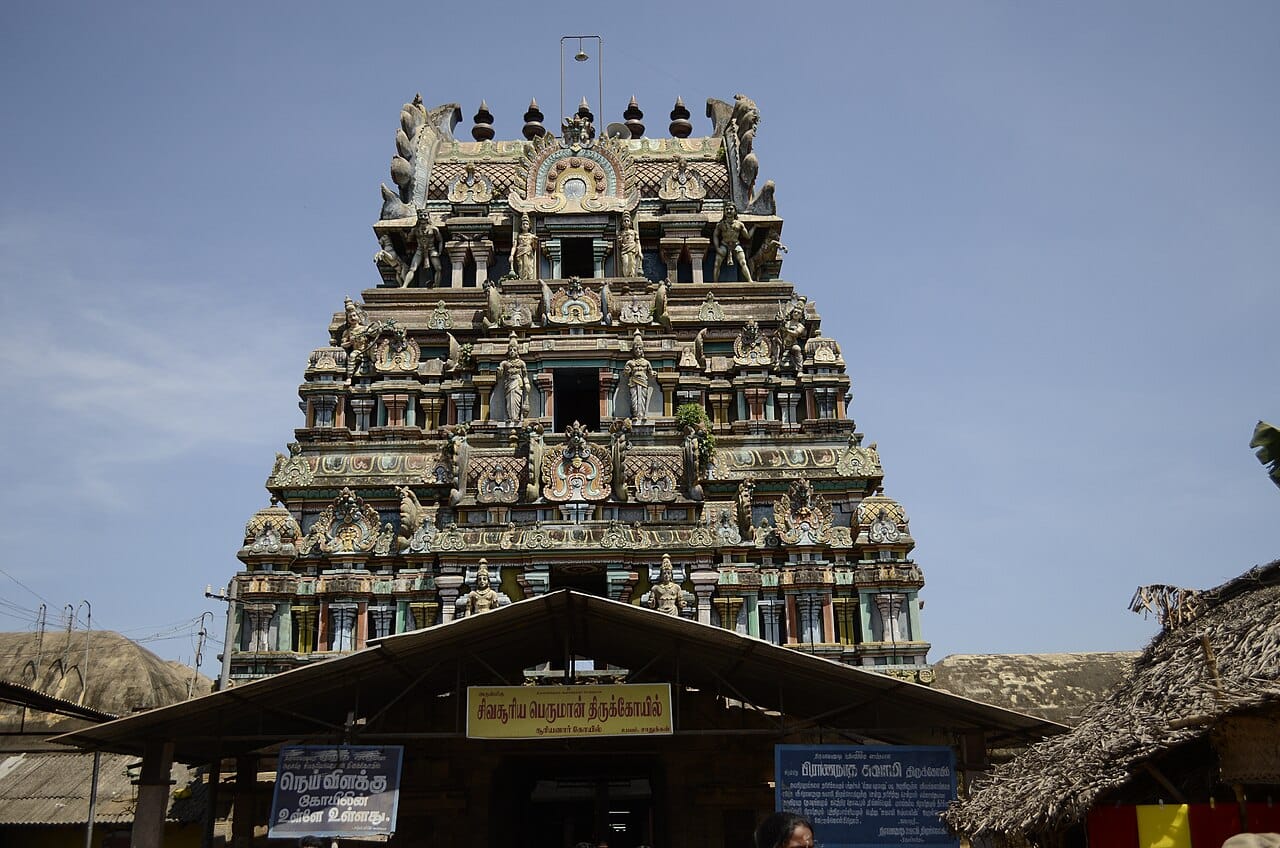
Ramanathaswamy Temple
The Ramanathaswamy Temple in Rameswaram is one of the 12 Jyotirlingas and a Char Dham site, famous for its magnificent thousand-pillared corridors, the longest temple corridor in the world, and its sacred association with Lord Rama's worship of Shiva.
Kedarnath Temple
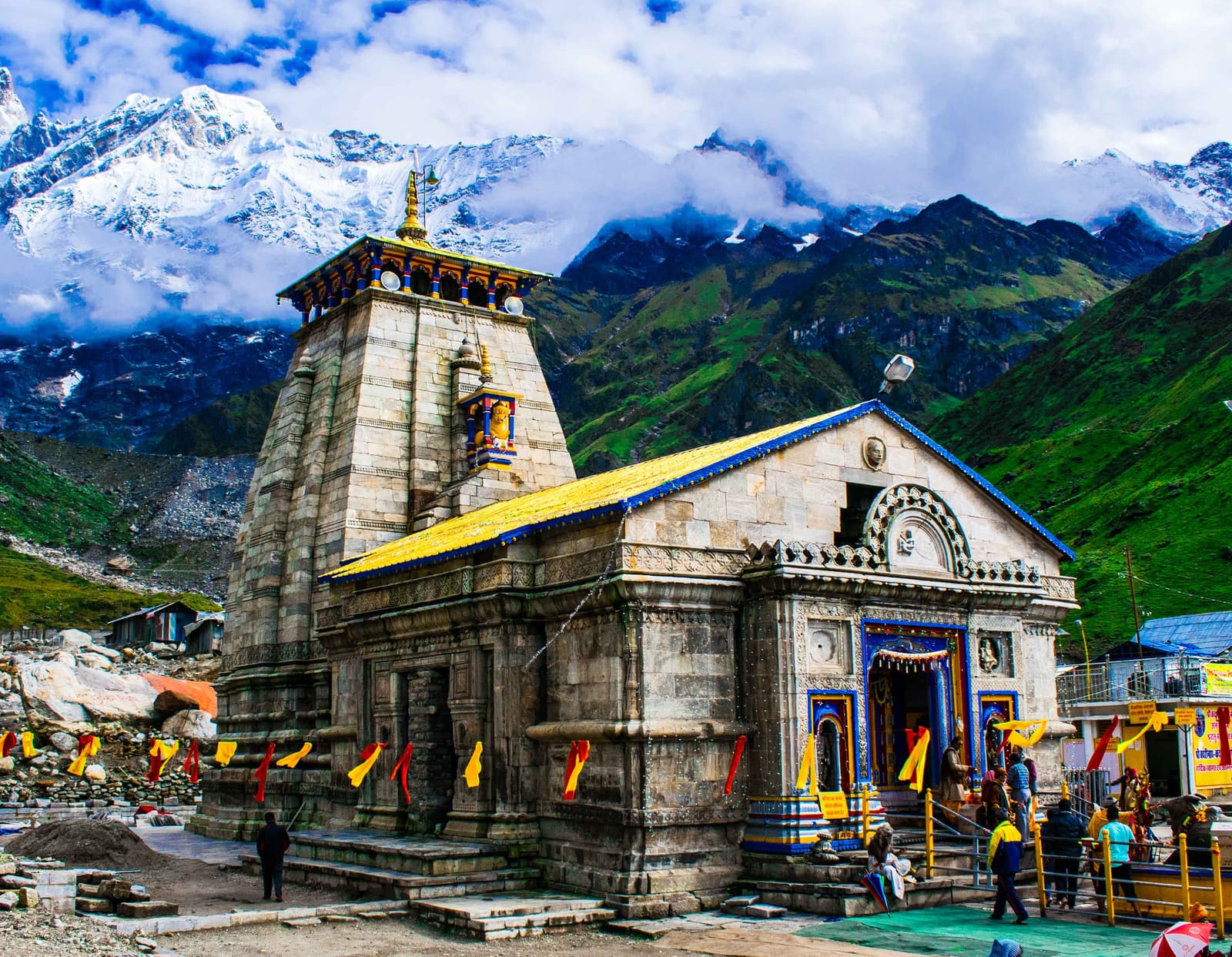
Kedarnath Temple — one of 12 Jyotirlingas, part of Char Dham and Panch Kedar. Verified visitor guide for pilgrims and international travellers at 3,583 m.
Jagannath Temple
Jagannath Temple in Puri, Odisha, is one of the four Char Dham sites, famous for the annual Rath Yatra (Chariot Festival) and its unique deities made of neem wood.
Gangotri Temple
The highest temple dedicated to Goddess Ganga at 3,100 meters, marking where the sacred river descended to earth through Shiva's locks after King Bhagirath's penance.
Jageshwar Temple
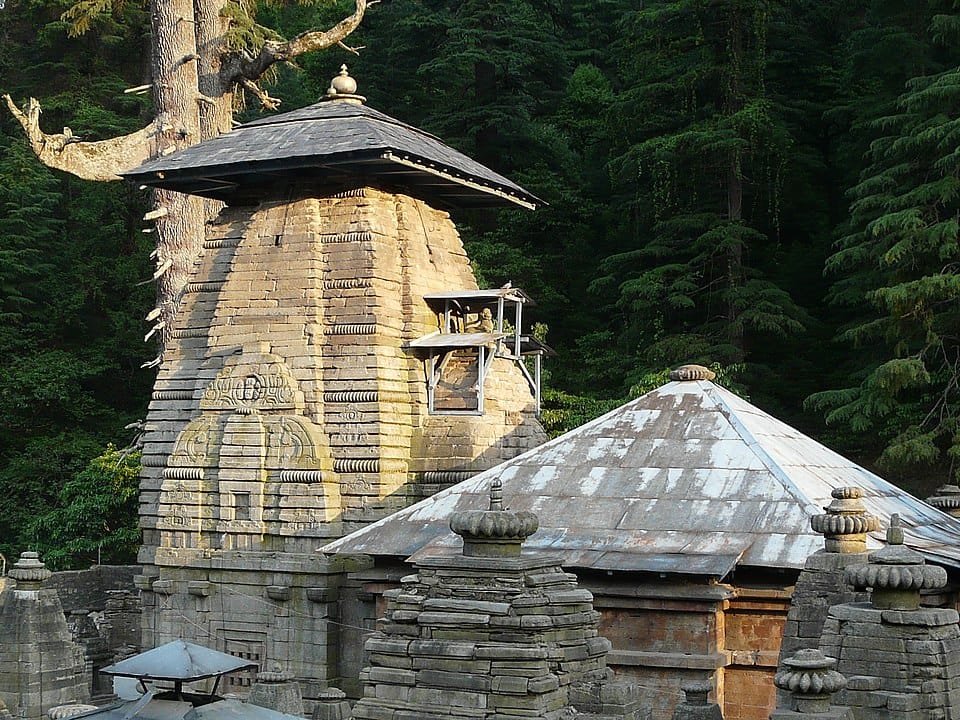
A cluster of 124 ancient stone temples from the 7th-12th centuries, nestled in a dense deodar forest.
Neelkanth Mahadev Temple
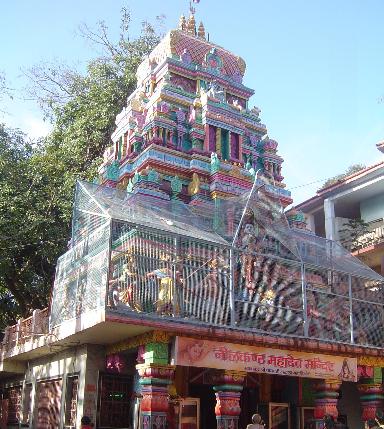
Situated at 1,330 meters, this is where Lord Shiva is believed to have consumed the poison (Halahala) during the Samudra Manthan.
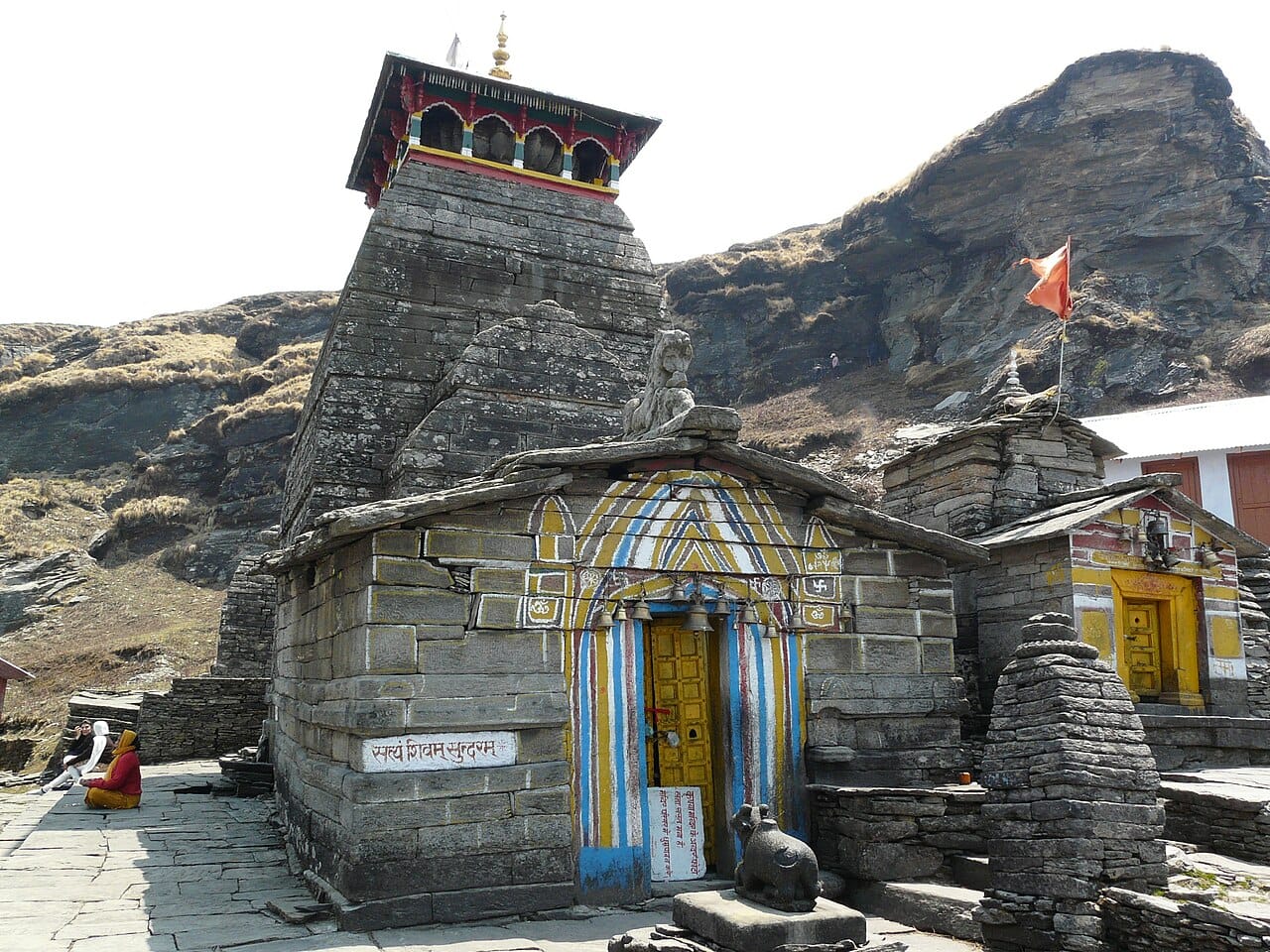
Tungnath Temple
The highest Shiva temple in the world, situated at 3,680 meters on the Chandranath Parbat; it is the 'Tritiya Kedar' in the sacred Panch Kedar pilgrimage circuit.
Adi Badri Uttarakhand
A complex of 16 ancient temples from the Gupta period; it is believed Vishnu resided here before moving to Badrinath.
Katarmal Sun Temple
A 9th-century architectural marvel and India's second most important Sun temple after Konark, featuring intricate carvings.
India's temples are living traditions — not museums. Every temple has its own customs. This guide helps first-time visitors prepare with confidence and respect.
Foreign visitor information is being researched
Please verify with the official temple authority before planning your visit.
Foreign Visitors
Verify Before VisitingVisitor Information
Entry policies vary between temples. Most temples welcome visitors, while some may restrict access to specific areas, rituals, or the inner sanctum. Always verify the latest entry guidelines with the official temple authorities before your visit.
Modest clothing is expected at every Indian temple — a sign of respect, not a restriction. Think of it as dressing for a formal ceremony.
A scarf is always useful — it covers shoulders, works as a head covering, and can double as a makeshift face cover if needed.
Outdoor photography is generally permitted. Indoor photography is often restricted. Always look for signage or ask a priest before taking photos inside.
May to June and September to early November. The temple opens on Akshaya Tritiya (April-May) and closes on Bhai Dooj (October-November). The post-monsoon season (September-October) offers clear skies and excellent views of Bandarpoonch. July-August is monsoon season with landslide risks on the trek route.
April — June
July — September
English is widely understood at major tourist temples. In smaller local temples, Hindi and the regional language are more common. A smile and simple hand gestures go a long way. Learning a few words of the local language is always appreciated.
Cash (Indian Rupees) is the most reliable option, especially for temple offerings, small shops, and local transport.
UPI digital payments (Google Pay, PhonePe, Paytm) are widely accepted across India — even at roadside stalls. Download one before you arrive.
International credit/debit cards work at most ATMs, hotels, and larger establishments. Smaller vendors may only accept cash or UPI.
Carry small denominations (₹10, ₹20, ₹50, ₹100 notes) for offerings and temple donations. Large notes (₹500, ₹2000) can be hard to break at smaller counters.
Many historic temples have uneven stone floors, multiple steps, and narrow passages. Wheelchair access is limited at older sites — contact the temple in advance.
Basic restroom facilities and drinking water are available at most major temples. Some charge a small fee (₹5–₹10).
Stay hydrated — carry a reusable water bottle, especially in hot climates.
Keep valuables secure — use hotel lockers for passports and excess cash.
Wear comfortable, sturdy footwear — temple floors can be hot, wet, or uneven.
Beware of unofficial guides or touts near temple entrances. Only use authorised services.
Carry a photocopy of your passport and visa. Leave originals in your hotel safe.
Download offline maps — mobile networks can be unreliable near remote temple sites.
These short explanations help make sense of what you see and experience.
Darshan means 'seeing' — but in a temple it means being seen by the deity. It is a sacred moment of connection, not just a viewing.
Removing footwear is a sign of humility. It also keeps the temple floor clean, since devotees sit and pray on the ground.
Food offered to the deity and then distributed to devotees. It is considered blessed. Accept it with both hands and do not discard it.
The bell creates a focused acoustic atmosphere, wards off distractions, and announces your presence before entering the inner sanctum.
Circumambulation (pradakshina) is done clockwise, keeping the sanctum on your right — an auspicious direction aligned with the sun's path.
Flowers symbolise devotion, coconuts represent the ego being broken, incense purifies the air, and lamps represent the victory of light over darkness.
Sacred viewing of the deity; the central act of temple worship.
Clockwise circumambulation of the sanctum.
Blessed food offered to the deity and distributed to devotees.
The innermost sanctum where the main deity resides.
The towering spire above the sanctum, a defining feature of temple architecture.
A pillared hall or pavilion within the temple complex.
The Indian Rupee (?, INR) is the local currency. ATMs are widely available in cities and towns. For temple offerings, keep small notes (₹10, ₹20, ₹50). Most temples accept donations in cash only — digital payments are uncommon at the offering counter itself.
Offerings (dakshina) are given with the right hand. Place cash in the donation box (hundi) or give it directly to the priest. There is no fixed amount — give what feels appropriate. Some temples have fixed fees for special entry or puja participation.
Shoes and sandals are removed before entering the temple building. Most temples have a designated shoe counter (free or a small fee of ₹5–₹20). Socks are generally allowed. In monsoon, carry a plastic bag for wet shoes.
Darshan queues can take 30 minutes to 3 hours at popular temples. Many offer paid VIP darshan (₹100–₹500) for faster entry. Special queues for women, elderly, and disabled visitors exist at some temples. No line jumping.
Major festivals draw enormous crowds — sometimes hundreds of thousands. Book accommodation months in advance. Expect road closures, restricted vehicle access, and limited phone network. Arrive early (before dawn) to avoid the worst congestion.
Always look for signage before taking photos. When in doubt, ask a priest. Never take photos of devotees in prayer without permission. Selfie sticks are banned at most temples. Silently switch your phone to silent mode.
Police / Ambulance / Fire: 112 (National Emergency Number)
Tourist Helpline: 1800-111-363 (Multi-lingual, Ministry of Tourism)
Women's Helpline: 1091
Temple-specific visitor information is continuously researched and updated from official sources. Where specific data is unavailable, general India travel guidance is provided. Always verify current policies with the temple authority before your visit.
Information last verified July 2026. Temple-specific data coming soon.
Continue your journey through the spiritual and architectural wonders of India.

The highest temple dedicated to Goddess Ganga at 3,100 meters, marking where the sacred river descended to earth through Shiva's locks after King Bhagirath's penance.

Kedarnath Temple — one of 12 Jyotirlingas, part of Char Dham and Panch Kedar. Verified visitor guide for pilgrims and international travellers at 3,583 m.

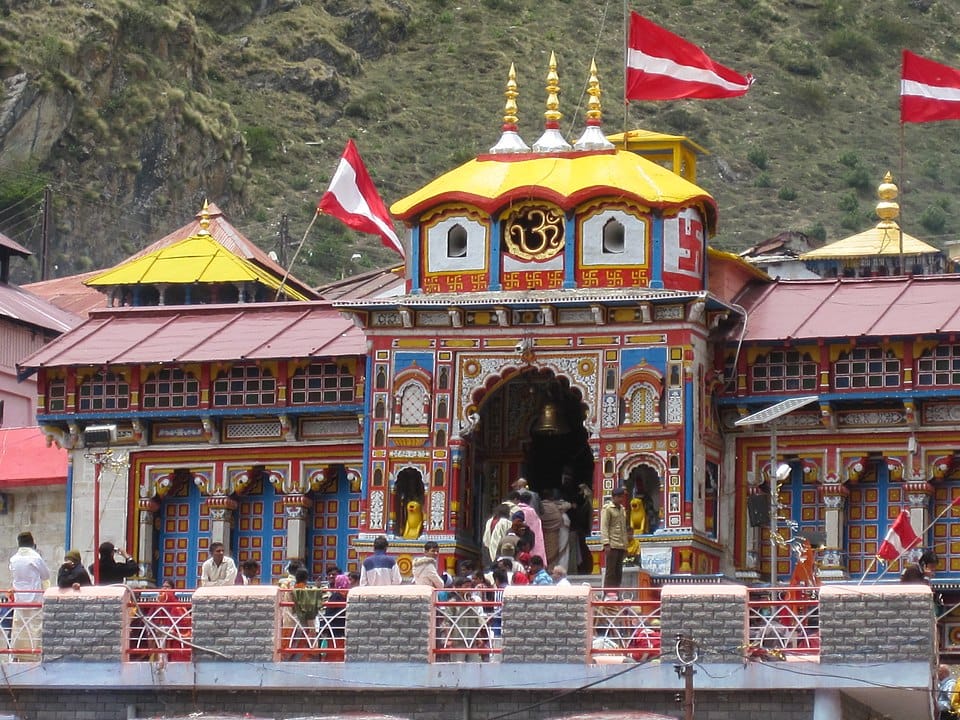
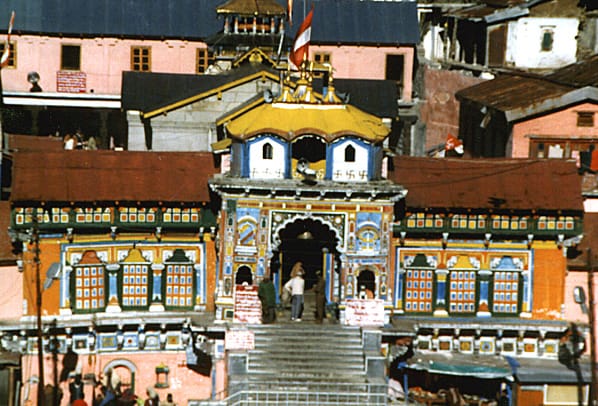
Badrinath Temple, dedicated to Lord Vishnu, is a principal Char Dham site and one of the most sacred Vaishnava temples in India, located in the Garhwal Himalayas of Uttarakhand.

A cluster of 124 ancient stone temples from the 7th-12th centuries, nestled in a dense deodar forest.
Situated at 1,330 meters, this is where Lord Shiva is believed to have consumed the poison (Halahala) during the Samudra Manthan.

The highest Shiva temple in the world, situated at 3,680 meters on the Chandranath Parbat; it is the 'Tritiya Kedar' in the sacred Panch Kedar pilgrimage circuit.

A complex of 16 ancient temples from the Gupta period; it is believed Vishnu resided here before moving to Badrinath.

A 9th-century architectural marvel and India's second most important Sun temple after Konark, featuring intricate carvings.
"The Jagannath Temple in Puri is famous for its annual Ratha Yatra, where three massive wooden chariots are pulled by thousands of devotees."