From ancient rock-cut marvels to towering imperial shrines, discover the architectural soul of Bharat through our verified digital archive.
Explore More Temples
Builder
Adi Shankara (8th c. CE restoration)
Dynasty
Katyuri — Chand — Gorkha
Construction
~8th Century CE (Current)
Style
Nagara
Main Deity
Kedarnath (Shiva as Sadashiva)
Location
Rudraprayag, Uttarakhand
Elevation
3,583 m (11,755 ft)
Significance
Jyotirlinga, Char Dham, Panch Kedar
Season
May to October
Trek Distance
16 km from Gaurikund
Pilgrimage Circuit
Char Dham, Jyotirlinga, Panch Kedar
Official Website
badrinath-kedarnath.gov.in
The highest of the twelve Jyotirlingas, Kedarnath sits at 3,583 meters in the Garhwal Himalayas. Unlike any other Shiva shrine, its lingam is a natural triangular rock formation. The temple is built from massive grey stone slabs locked together without mortar, a technique that helped it survive the catastrophic 2013 floods.
Most Jyotirlingas house a Shiva lingam carved into a smooth, cylindrical form. Kedarnath is different. Here, the lingam is a natural, irregular protrusion of rock, roughly triangular in shape, rising directly from the stone floor of the sanctum.
The shape is not an artistic choice. The lingam at Kedarnath was never carved into a conventional form. It is exactly as nature made it, a rough, pointed mass of grey stone with uneven sides, tapering upward to an apex that is more pyramid than cylinder. The priests drape it in cloth and adorn it with flowers, but beneath the ceremonial covering, the rock remains as raw as the day it was first worshipped.
According to the Panch Kedar legend, this triangular form is the hump of a divine bull. When Shiva transformed into a bull to evade the Pandavas and dived into the earth, only his hump remained visible above ground. The hump petrified into this triangular rock mass. The shape is therefore not a deviation from the norm but a direct representation of the myth. Other Jyotirlingas are abstract symbols of the formless Shiva. The Kedarnath lingam is a fossilized fragment of divine action.
The theological implication is profound. A cylindrical lingam is a symbol crafted by human hands to represent the cosmic pillar. The Kedarnath triangular lingam is a direct manifestation, svayambhu (self-manifested) in the most literal sense. Devotees do not worship an image of Shiva here. They worship the actual rock that Shiva's body became. There is no separation between symbol and reality.
The Mahabharata war ended. The Pandavas had won, but the cost was unbearable. They had killed their cousins, their teachers, their elders. The land was soaked in blood, and the sin of fratricide hung over them. Vyasa, their grandfather, advised them to seek Shiva blessings to atone for the violence. But Shiva, still angry at the destruction, refused to grant them an audience.
The Pandavas traveled to Kashi, where Shiva was said to reside. Each time they approached, he evaded them. Finally, Shiva transformed himself into a bull and disappeared into the Himalayan mountains. The Pandavas followed him into the high ranges, tracking the bull through the valleys. At Kedarnath, the bull began to dive into the earth.
Bhima, the second Pandava, known for his strength, grabbed the bull by its hump and tail to prevent its escape. The bull vanished into the ground, but Bhima grip tore its body into pieces. The hump remained in Bhima hands while the rest of the body disappeared into the mountain. Shiva appeared and declared that he would reside at Kedarnath as the hump, and at four other locations as the remaining body parts.
These five sites became the Panch Kedar: Kedarnath (hump), Tungnath (arms), Rudranath (face), Madhyamaheshwar (belly), and Kalpeshwar (hair). The Pandavas built the temple at each location, and the Panch Kedar circuit remains the most sacred pilgrimage in the Garhwal Himalayas.
The massive boulder behind the temple is traditionally associated with Bhima. According to local belief, Bhima placed the rock to mark the spot where he wrestled with the divine bull. In June 2013, the same boulder acted as a natural dam that diverted the floodwater and debris away from the temple, protecting it from destruction. What was once a mythological marker became a literal savior.
Adi Shankara, the 8th-century philosopher who systematized the Advaita Vedanta school of Hindu philosophy, arrived at Kedarnath near the end of his short life. He was 32 years old but had already walked the length of India, debated scholars in every court, and written commentaries on the Upanishads, the Brahma Sutras, and the Bhagavad Gita.
When Shankara reached Kedarnath, he found the temple in a state of neglect. The original structure had suffered centuries of Himalayan weather, seismic activity, and the deterioration that comes with extreme altitudes. Shankara undertook the restoration of the temple, re-establishing the worship rituals and the priestly lineage that continues to this day.
Tradition holds that Shankara established the Rawal system for Badrinath with Namboodiri Brahmins from Kerala. At Kedarnath, the Rawals are traditionally from the Maithili Brahmin community of Bihar, serving on a rotational basis.
Shankara attained mahasamadhi, the conscious and voluntary departure of a realized soul, at Kedarnath. His samadhi lies a short distance behind the main temple, marked by a simple stone platform. Pilgrims routinely visit it after their darshan at the main shrine. Shankara is said to have entered the Himalayan cave behind the temple and never emerged, merging his physical form with the elements.
The connection between Shankara and Kedarnath is not merely historical. His philosophy of non-duality finds a natural resonance in the location, the stark simplicity of the rock lingam, the austerity of the mountain environment, the sense of being at the boundary between the material and the transcendent. For Shankara, Kedarnath was where his own physical existence dissolved into the oneness he had spent his life articulating.
Like Kedarnath, Kashi Vishwanath in Varanasi is revered as a Mukti Kshetra — a place where liberation from the cycle of rebirth is attainable. Both Jyotirlingas, one in the high Himalayas and one on the banks of the Ganga, represent the promise of moksha that defines the Shaiva pilgrimage tradition.
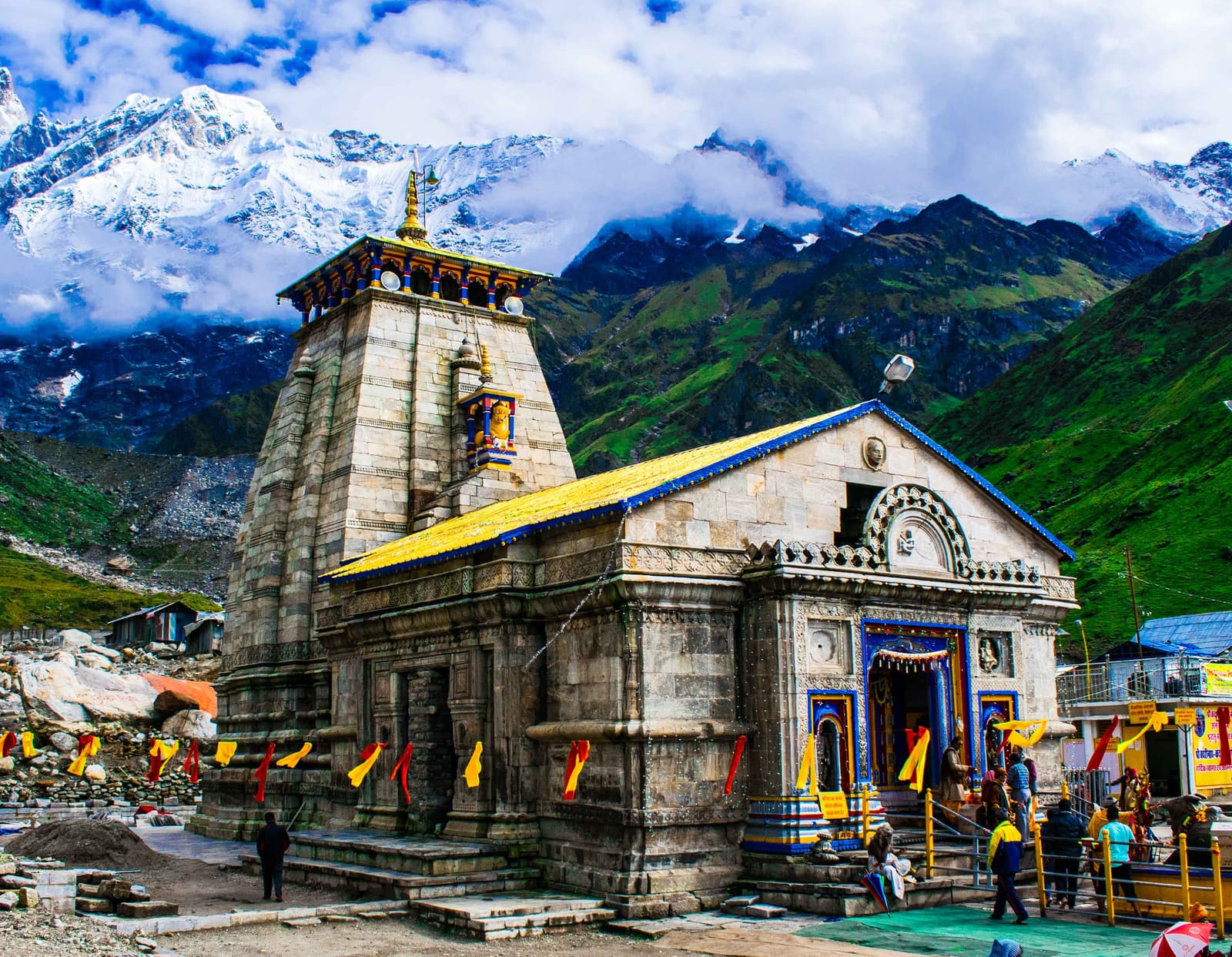
The Kedarnath Temple is built from massive slabs of grey stone, a type of locally quarried Himalayan schist and granite, laid one upon another without any binding material. No mortar, no cement, no lime plaster. The stones are locked together by their own weight and by precise cutting that creates interlocking joints.
This dry-stone construction technique relies on gravity and precise fit. Each stone is cut so that it sits flush against its neighbors, with the weight of the upper courses pressing down to hold the lower courses in place. The system is essentially pre-stressed, the heavier the structure becomes, the more stable it gets.
The advantage becomes obvious in a seismic zone. The Himalayas rank among the most tectonically active regions on earth. A mortared structure is rigid, when the ground shakes, the mortar joints crack, and the wall fails. A dry-stone wall is flexible. The individual stones can shift, settle, and adjust to seismic movement without losing structural integrity. After the earthquake, the stones settle back into place.
Flexible Joints
Stones shift under pressure rather than crack, allowing the wall to deform and redistribute force.
Natural Drainage
Water flows through gaps between stones instead of building up hydrostatic pressure inside the wall.
Mass Distribution
The immense weight of the stone slabs creates inertia that resists the force of floodwaters.
Pyramidal Profile
The temple tapered shape allows debris-laden water to flow over and around without exerting lateral force.
The source of the stones remains a subject of speculation. The slabs are too large and too numerous to have been transported over long distances in the pre-modern era. The most plausible explanation is that they were quarried from the surrounding mountain slopes and shaped on-site. Some weigh several tons each. Moving them into position required ramps, levers, and coordinated human labor on a scale difficult to imagine in this remote, high-altitude environment.
This architectural method is characteristic of the Nagara style, adapted here for extreme Himalayan conditions. Unlike the ornate Nagara temples of central India, Kedarnath prioritizes structural resilience over ornamentation — a necessary compromise at 3,583 meters.
On June 16, 2013, the Kedarnath valley was full of pilgrims during the peak Char Dham season. The weather had been unseasonably warm, accelerating the melting of the Chorabari Glacier above the valley. Then the monsoon arrived with unprecedented intensity, 375% of the average rainfall in a single day.
At around 6:30 PM, the moraine dam holding back the Chorabari Tal burst. A wall of water, mud, and boulders, estimated at 15 to 20 meters high, surged down the valley at speeds exceeding 80 kilometers per hour. The Mandakini River became a raging torrent carrying house-sized boulders. Everything in the path was obliterated. Hotels, lodges, shops, dharamshalas, and entire residential colonies were swept away.
As the flood descended on the temple, a massive rock behind the structure, the Bhim Shila, split the flow of debris. The floodwater divided around the temple, with the main force directed to either side. The temple stood exactly at the point where the water converged again, but by then the destructive energy had dissipated. Satellite imagery after the flood shows the temple untouched at the center of a vast debris field.
The temple itself lost nothing. Not a single stone was displaced. Inside the sanctum, the priests continued their rituals as the flood raged outside. They did not leave. The Rawal and his assistant priests remained in the temple through the night, performing continuous prayers as the floodwaters rose and fell around them.
Over 5,000 people died across the Kedarnath valley. The town of Kedarnath was effectively erased, only the temple remained. The Indian Air Force conducted one of the largest peacetime rescue operations in history, evacuating over 100,000 people. The temple became the focal point of the rescue operation, the only landmark that was still recognizable, the only structure that pilots could use for navigation.
Every year, as winter approaches the Garhwal Himalayas, the Kedarnath Temple closes its doors. The date is determined by the Hindu calendar, falling in October or early November. By this time, the first snows have begun to dust the surrounding peaks, and temperatures at 3,583 meters drop well below freezing.
The closing ceremony, the Kedarnath Utsava, is a ritual as old as the temple itself. The Utsava murti, a small metal image of Shiva serving as the mobile representative of the main deity, is ceremonially carried down from the sanctum. The priests wrap the idol in silk and place it in a specially designed palanquin. A grand procession carries the deity down the mountain.
The destination is Ukhimath, 150 kilometers away at 1,317 meters, where winter conditions are survivable. The deity takes up residence in the Omkareshwar Temple for six months. Here, the priests continue all daily rituals, the abhishekam, the aarti, the offerings, exactly as they would at Kedarnath. The deity is not in storage. It is in transit, residing at a winter address.
The reopening is equally elaborate. On Akshaya Tritiya in April or May, the deity is carried back up the mountain. The temple doors are opened at a precise astrologically determined moment. The first glimpse of the sanctum after six months of winter darkness is called the darshan of the door opening. Thousands gather for this moment.
During the closed months, the temple is buried under several meters of snow. Only the top of the shikhara protrudes from the white expanse. The raw rock lingam lies buried under the snow, preserving itself for another season of worship.
There is no road to Kedarnath. The last motorable point is Gaurikund at 1,982 meters. From here, a 16-kilometer footpath climbs steadily through the Mandakini River valley to the temple at 3,583 meters. The trek is the pilgrimage, the physical exertion is part of the spiritual preparation, a stripping away of comfort that leaves the devotee open to the experience of the shrine.
The trail begins at Gaurikund, named after the goddess Parvati, where a natural hot spring offers pilgrims their last civilized bath. The path follows the Mandakini River, crossing it multiple times. The first stretch climbs through dense forests of rhododendron, cedar, and deodar. At Rambara, destroyed in the 2013 floods, the valley narrows and the gradient steepens.
The middle section passes through Garudchatti and Triyuginarayan, where the landscape opens into alpine meadows dotted with wildflowers. Views of the Himalayan peaks unfold, the Chaukhamba massif to the east, Mount Kedarnath to the north. At Lincholi, the final stretch becomes a steep, rocky climb across a barren moraine. The temple comes into view suddenly, its grey shikhara rising against the white of the glacier.
The trek takes an average fit person 6 to 8 hours. Ponies, palanquins, and mules are available. Helicopter services from Phata, Guptkashi, and Sirsi reduce the journey to 10 minutes. But most pilgrims walk. The tradition of the foot pilgrimage is as central to Kedarnath as the temple itself.
The rituals at Kedarnath are notably simpler than those at other major Jyotirlingas, shaped by the practical constraints of the Himalayan environment. The schedule is dictated by daylight, weather, and the physical endurance of the priests.
The day begins before dawn with the mangala aarti, performed in the chill of the early morning when the temple is lit only by oil lamps. The Rawal personally anoints the triangular lingam with water, milk, ghee, honey, and curd, the panchamrita abhishekam. The irregular triangular rock requires the priests to pour the offerings carefully over the uneven surface.
The lingam is then dressed in silk and adorned with flowers, bilva leaves, and rudraksha beads. There is no silver mask or gold cover on the Kedarnath lingam. The raw rock is left visible, covered only by the ceremonial cloth and the fresh flowers offered by devotees throughout the day.
The Rawal performs the rituals personally, assisted by four to five priests. Unlike other major temples where multiple teams rotate, the Kedarnath priests serve through the entire pilgrimage season without relief. The Rawals serve on a rotational basis, with the chief priest traditionally from the Maithili Brahmin community of Bihar.
The presiding deity of Kedarnath is Lord Shiva in his Sadashiva form — the eternal, unchanging aspect of the divine. Unlike the anthropomorphic idols found in most temples, the representation here is aniconic: a naturally occurring triangular rock formation rising directly from the sanctum floor. This is the Sadashiva lingam, standing approximately three feet tall, set in a square silver-plated base.
The term Sadashiva means eternal Shiva. In Shaiva theology, Sadashiva represents the fifth of the five faces of Shiva (Isana), associated with the element of ether and the power of revelation. The choice of a natural rock rather than a carved image reflects the theological position that the divine is not something made by human hands but something that reveals itself through nature. The lingam is svayambhu — self-manifested — in the most literal sense.
During the abhishekam, water and milk poured over the lingam flow out through a spout (pranala) to the outside. The lingam is adorned with seasonal flowers — rhododendrons from the surrounding forests in summer and marigolds in autumn. Silver and gold umbrellas (chhatra) are held above the lingam during special ceremonies. The Utsava Murti, a smaller five-metal alloy image, serves as the processional deity and travels to Ukhimath each winter.
The name Kedarnath means Lord of Kedar, the ancient name for this region of the Garhwal Himalayas. In the scriptures, Shiva is called Kedareshwara, and a hymn to him, the Kedareshwara Stotra, is attributed to Adi Shankara himself.
For more on the Shaiva tradition, see the complete guide to the twelve Jyotirlingas.
The earliest possible historical reference to a temple in the Kedarnath region comes from the 7th-century Chinese pilgrim Hiuen Tsang (Xuanzang), who wrote of a 'Maheshvara Deva' temple in the 'Kie-li' area during his visit around 630 CE. This identification is not definitively established by scholars. The Skanda Purana, composed between the 6th and 8th centuries, describes Kedarnath as a sacred site where Shiva released the divine Ganga from his matted locks. The original structure predates the current building by several centuries.
By tradition, the present structure is attributed to Adi Shankaracharya, the 8th-century philosopher-saint who systematized the Advaita Vedanta school of Hindu philosophy. According to traditional accounts, when Shankara arrived at Kedarnath he found the existing temple in a state of neglect and undertook a comprehensive restoration, re-establishing the worship rituals. Direct historical or archaeological evidence for Shankara's involvement at Kedarnath is limited, but the tradition is deeply established. The Rawals (chief priests) of Kedarnath are traditionally from the Maithili Brahmin community of Bihar, serving on a rotational basis.
The Katyuri kings of Kumaon (7th–11th centuries) were the earliest recorded royal patrons of Kedarnath. Temple inscriptions record land grants and endowments from the Chand dynasty of Kumaon (11th–18th centuries), who maintained the temple and supported the priesthood. The Gorkha rulers of Nepal controlled the region in the late 18th and early 19th centuries. After the Anglo-Nepalese War (1814–1816) and the Treaty of Sugauli, the region came under British administration, which improved the pilgrimage infrastructure by constructing rest houses and upgrading the trek route.
In the 20th century, the temple was managed by the Travancore Royal Family before being transferred to the Uttar Pradesh government. The Shri Badrinath-Kedarnath Temple Committee (BKTC) was formally established in 1932. After the creation of Uttarakhand in 2000, management was transferred to the Uttarakhand government. Following the 2013 floods, the Archaeological Survey of India (ASI) and IIT Madras conducted structural assessments, confirming the temple's integrity. In 2026, BKTC announced restrictions on non-Hindu entry, citing Article 26 of the Constitution.
Kedarnath Temple is an adaptation of the North Indian Nagara style of temple architecture, modified for extreme high-altitude conditions at 3,583 meters. The temple is built entirely of massive gray stone slabs — Himalayan schist and granite — precisely cut and interlocked without mortar. This dry-stone construction, known as ashlar masonry, relies on gravity and precise fitting. The technique provides natural flexibility in seismic zones, allowing stones to shift and settle without cracking.
The temple follows a compact quadrangular plan measuring approximately 187 feet long and 80 feet wide, with walls 12 feet thick. It consists of a garbhagriha (sanctum sanctorum), a mandapa (pillared hall), and an antarala (vestibule) connecting them. The sanctum is square and houses the svayambhu triangular lingam. The mandapa features four massive stone pillars supporting the roof, with a small Nandi statue facing the sanctum.
The shikhara (tower) rises in a stepped pyramidal form, tapering gradually and capped with a kalasha (finial). It is divided into several bhumi (tiers) with small projected niches called gavakshas. Compared to later Nagara temples, the exterior is austere — minimal sculptural ornamentation, a deliberate concession to the harsh climate that would erode intricate carvings. The walls are slightly battered (inclined inward), providing stability against seismic activity and heavy snow loads.
The temple sits on a large stone plinth (adhishthana) that elevates it above ground level, protecting it from snow accumulation and water runoff. The roof is constructed with overlapping stone slabs forming a weatherproof seal. The entrance doorframe features carved river goddesses Ganga and Yamuna, a standard motif in North Indian temples. Behind the main temple stand the smaller Bhairavanath Temple and the Samadhi of Adi Shankara. The entire complex is enclosed by a low stone wall defining the sacred precinct.
Four engineering principles contribute to the temple's longevity: flexible joints that allow stones to shift under pressure rather than crack; natural drainage through gaps between stones preventing hydrostatic pressure buildup; mass distribution where the immense weight of slabs creates inertia against floodwaters; and a pyramidal profile that allows debris-laden water to flow over and around without exerting lateral force.
The temple survived the 2013 Uttarakhand floods without structural damage. Bhim Shila diverted the floodwaters away from the sanctum.
Built entirely without mortar — stone slabs locked together using precise cutting. This dry-stone method has helped it survive over 1,200 years.
The Sadashiva lingam at Kedarnath is triangular, unlike the cylindrical lingams at all other Jyotirlinga temples. It is svayambhu (self-manifested).
The temple stays buried under snow for six months each year. The deity is moved to Ukhimath for the winter.
Kedarnath priests (Rawals) are traditionally from the Maithili Brahmin community of Bihar, serving on a rotational basis.
At 3,583 meters, Kedarnath is the highest among the twelve Jyotirlingas.
The Kedarnath region falls in Seismic Zone V — the highest earthquake risk zone in India.
May to June and September to October. The temple opens on Akshaya Tritiya (April/May) and closes on Bhairon Ashtami (October/November). July-August monsoon brings landslide risk.
Morning Darshan: 4:00 AM - 12:00 PM | Evening Darshan: 2:00 PM - 9:00 PM | Temple closed 12:00 PM - 2:00 PM. General darshan is free. VIP passes available.
500 m behind Kedarnath Temple. Dedicated to Bhairava, the guardian deity who protects the temple during winter when it lies buried under snow. Pilgrims visit after Kedarnath darshan.
Directly behind the main temple. The mahasamadhi site of Adi Shankara, the 8th-century philosopher who restored Kedarnath. Marked by a simple stone platform. Every pilgrim visits after darshan.
3 km trek from Kedarnath. A pristine glacial lake at 3,900 m, source of the Mandakini River. Named Gandhi Sarovar after Mahatma Gandhi's ashes were immersed here. Spectacular views of surrounding peaks.
6 km trek from Kedarnath. A high-altitude glacial lake at approximately 4,100 m with panoramic views of Mount Chaukhamba (7,138 m). Camping during peak season.
25 km from Gaurikund. Legendary venue of Shiva and Parvati's wedding. Features an eternal flame (akhand dhuni) said to have burned since the wedding. The pond here is called the Madhu Kaund.
16 km from Kedarnath (start of trek). Base camp featuring a natural hot spring (sulphur-rich, 32°C) and a temple dedicated to Goddess Gauri. Last motorable point before Kedarnath.
75 km via Chopta. Highest Shiva temple in the world at 3,680 m. Part of Panch Kedar, representing Shiva's arms. Small stone temple with ancient lingam and panoramic Himalayan views.
75 km via trek from Kedarnath. Third of the Panch Kedar, representing Shiva's belly (nabhi). Located at 3,490 m in the Garhwal Himalayas. Known for its natural spring within the sanctum.
August
1 festival
Kedarnath
Highest footfall of the season. Mondays draw peak crowds. Special Rudrabhishekam performed throughout the month. Heavy monsoon increases trek difficulty.
/keh-daar-naath/
Lord of the Kedar region
/jyo-tir-ling-ah/
Column of divine light
/panch keh-daar/
Five Shiva temples in Garhwal
/gar-bha-gree-ha/
Inner sanctum
/a-bhi-shay-kam/
Ritual bathing of deity
/shi-kha-ra/
Temple spire or tower
/sva-yam-bhoo/
Self-manifested or self-born
/ra-waal/
Chief priest of Kedarnath
/man-da-pee-ka/
Pillared hall within temple
/bheem shee-la/
Boulder associated with Bhima
Click the speaker icon to hear pronunciation. Browser text-to-speech may vary.
Jyotirlinga Status
Kedarnath is the 11th of the 12 Jyotirlingas. A unique feature: its lingam is triangular and natural (svayambhu), unlike the cylindrical form at all other Jyotirlinga temples.
Pilgrimage Circuits
Part of three major circuits: Char Dham (with Badrinath, Gangotri, Yamunotri), Panch Kedar (with Tungnath, Rudranath, Madhyamaheshwar, Kalpeshwar), and Jyotirlinga circuit.
2013 Flood Survival
The temple survived the June 2013 Uttarakhand floods with no structural damage. Bhim Shila, a large boulder behind the temple, diverted the floodwaters. IIT Madras and ASI later confirmed structural integrity.
Rawal Priest System
The Rawals (chief priests) of Kedarnath are traditionally from the Maithili Brahmin community of Bihar, serving on a rotational basis. This tradition differs from Badrinath, where Rawals are Namboodiri Brahmins from Kerala.
Six-Month Closure
The temple is open only six months (April/May to October/November). During winter, the Utsava murti is moved to Omkareshwar Temple in Ukhimath, where daily rituals continue.
A. The Kedarnath lingam is a natural rock formation that was never carved. According to Panch Kedar legend, it represents the hump of the bull that Shiva transformed into to evade the Pandavas. It is a svayambhu (self-manifested) lingam.
A. Two factors saved the temple. Bhim Shila diverted floodwater and debris around the structure. The dry-stone construction allowed the temple to flex under pressure. Satellite imagery showed the temple untouched at the center of a vast debris field.
A. The temple is accessible by a 16 km trek from Gaurikund. Helicopter services operate from Phata, Guptkashi, and Sirsi. Nearest railway station is Rishikesh (209 km), nearest airport is Jolly Grant, Dehradun (239 km). Season runs from May to October.
A. After the Mahabharata war, the Pandavas sought Shiva forgiveness. Shiva turned into a bull and disappeared into the ground. Bhima grabbed the bull hump, which remained as the triangular lingam. Other body parts became the four other Panch Kedar shrines.
A. Adi Shankara traveled to Kedarnath at age 32, restored the temple, and re-established rituals. He attained mahasamadhi at Kedarnath and his samadhi lies behind the main temple.
A. When the temple closes in October-November, the Utsava murti is moved to Omkareshwar Temple in Ukhimath. Priests continue all daily rituals there for six months until the temple reopens on Akshaya Tritiya.
A. The 16 km trek from Gaurikund (1,982 m) to Kedarnath (3,583 m) is moderately difficult and takes 6-8 hours. Ponies, palanquins, and mules are available. Altitude acclimatization is recommended.
A. A massive boulder behind Kedarnath Temple associated with Bhima. In June 2013, it acted as a natural barrier that diverted floodwater around the temple, protecting it from destruction. It is now revered as a divine guardian.
A. The present structure is attributed to Adi Shankara (8th century CE), who restored or rebuilt a pre-existing temple. The Katyuri kings of Kumaon were early patrons. The Pandava connection is from traditional belief, not historical evidence.
A. The temple sits at 3,583 meters (11,755 feet) above sea level in the Garhwal Himalayas. It is the highest of the twelve Jyotirlingas.
A. Both. It is one of four Char Dham sites (with Badrinath, Gangotri, Yamunotri) and the primary temple of Panch Kedar (with Tungnath, Rudranath, Madhyamaheshwar, Kalpeshwar). It is also the 11th of 12 Jyotirlingas.
A. Modest clothing covering shoulders and knees is required. Traditional Indian attire is preferred. Warm layers are essential due to cold mountain temperatures. Leather items are prohibited inside the temple.
A. No. Photography and mobile phones are strictly prohibited inside the temple complex. Cameras and phones must be deposited at the cloakroom before entry. Outside photography is permitted in the surrounding valley.
A. There is no entry fee for general darshan. Registration for the Char Dham Yatra is mandatory (nominal fee). VIP darshan passes and paid puja services are available through the temple committee.
A. The temple opens on Akshaya Tritiya (April/May) and closes on Bhairon Ashtami (October/November). Exact dates are announced annually by BKTC on Maha Shivaratri. Check the official Uttarakhand Tourism website for confirmed dates.
A. As of 2026, BKTC has restricted entry to followers of Sanatan Dharma only. Foreign visitors of Hindu faith may be asked to provide documentation of faith or sign an affidavit. Non-Hindus are not permitted entry.
Shri Badarinath Kedarnath Temple Committee (BKTC)
Official temple management, darshan and puja information
View sourcePress Information Bureau (PIB), Government of India
ASI structural assessment and restoration reports after the 2013 floods
View sourceLochtefeld, J. G.
The Illustrated Encyclopedia of Hinduism (2002)
2002
Hiuen Tsang (Xuanzang)
Si-yu-ki (Records of the Western Regions), c. 630 CE — earliest possible written reference to the site
IIT Madras & ASI Joint Assessment (2013–2015)
Structural integrity assessment confirming temple stability after the 2013 floods
Virupaksha Temple
The Virupaksha Temple in Hampi, Karnataka, is a UNESCO World Heritage Site and the oldest functioning temple in India, dedicated to Lord Shiva as Virupaksha.
Trimbakeshwar Temple
The Trimbakeshwar Temple in Maharashtra is one of the twelve Jyotirlingas, unique for its three-faced linga representing the Trimurti and the source of the Godavari River.
Airavatesvara Temple
The Airavatesvara Temple at Darasuram, built by Rajaraja Chola II between 1146 and 1172 CE, is one of the three UNESCO World Heritage 'Great Living Chola Temples.' It is renowned for its stone chariot, musical steps, and exquisite 12th-century Chola sculptures.
Gangaikonda Cholapuram Temple
The Gangaikonda Cholapuram Temple, built by Rajendra Chola I in 1035 CE, is a UNESCO World Heritage 'Great Living Chola Temple.' Its 53-metre vimana with recessed corners and six pairs of monolithic dvarapalas represents a refined evolution of Chola Dravidian architecture.
Kampaheswarar Temple
Kampaheswarar Temple in Tribhuvanam, built by Kulothunga Chola III in 1202 CE, is one of the later great Chola temples and completes the quartet of magnificent Chola stone temples alongside the Brihadeeswarar at Thanjavur, Gangaikonda Cholapuram, and Airavatesvara at Darasuram. The temple represents the mature phase of Chola architecture, featuring a 30-metre granite vimana, a separate Devi shrine, and a unique chariot-wheel carving in the mandapa. It is maintained by the Archaeological Survey of India as a protected monument of national importance.
Koranganatha Temple
Koranganatha Temple, built during the reign of the Chola king Parantaka I (907-955 CE) at Srinivasanallur near Tiruchirappalli, is a well-preserved example of early Chola architecture with exquisite stone carvings. The temple is maintained by the Archaeological Survey of India and is notable for its peaceful setting on the banks of the Kaveri River.
Adi Badri Uttarakhand
A complex of 16 ancient temples from the Gupta period; it is believed Vishnu resided here before moving to Badrinath.
Baijnath Temple Uttarakhand
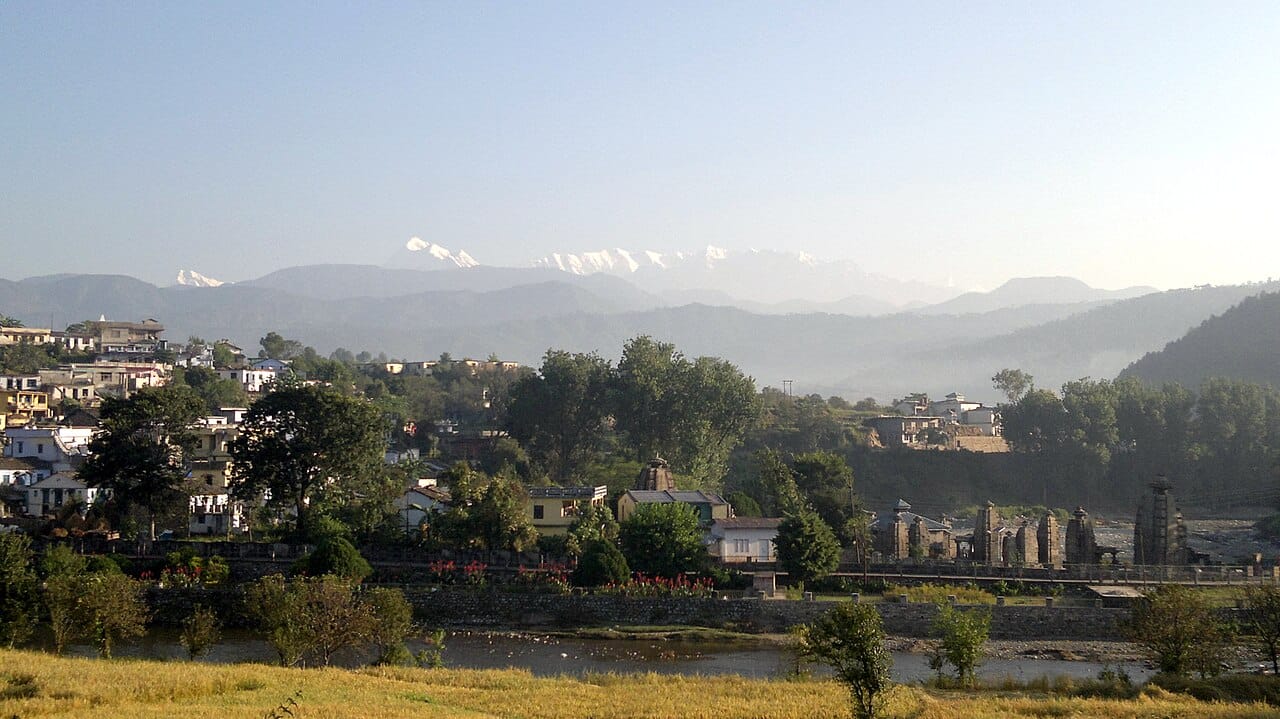
A 12th-century complex on the Gomti banks, famous for its life-sized black stone idol of Goddess Parvati.
Vindhyavasini Devi Temple
One of India's most visited Shakti Peethas, where Goddess Durga is believed to have resided after slaying Mahishasura.
Lalita Devi Temple Naimisharanya
Located in the ancient forest of Naimisharanya, it is mentioned in Puranas as the spot where the universe's first Chakra fell.
Bateshwar Temples Agra
A complex of 101 Shiva temples built on the banks of Yamuna, representing a significant pilgrimage and architectural site.
Gauri Shankar Temple Delhi
An 800-year-old temple in Chandni Chowk built by a Maratha soldier, housing a centuries-old brown Shiva Lingam.
Trimbakeshwar Temple
The Trimbakeshwar Temple in Maharashtra is one of the twelve Jyotirlingas, unique for its three-faced linga representing the Trimurti and the source of the Godavari River.
Alampur Jogulamba Temple
One of the 18 Maha Shakti Peethas, located in a complex that also houses nine ancient 7th-century Chalukyan temples.
Somnath Temple
Somnath Temple, the first of the twelve Jyotirlingas, is an ancient Shiva temple in Gujarat known for its resilience through repeated destruction and reconstruction over a millennium.
Siddhesvara Dham (Char Dham)
A grand complex featuring a 108-foot Shiva statue and replicas of the 12 Jyotirlingas and the four Char Dham sites.
Ramanathaswamy Temple
The Ramanathaswamy Temple in Rameswaram is one of the 12 Jyotirlingas and a Char Dham site, famous for its magnificent thousand-pillared corridors, the longest temple corridor in the world, and its sacred association with Lord Rama's worship of Shiva.
Omkareshwar Temple
Situated on a sacred island in the Narmada River, Omkareshwar is the only Jyotirlinga located on an island. The temple stands at the confluence of the Narmada and Kaveri rivers, with the lingam positioned where the river forms the shape of the sacred symbol Om.
Yamunotri Temple
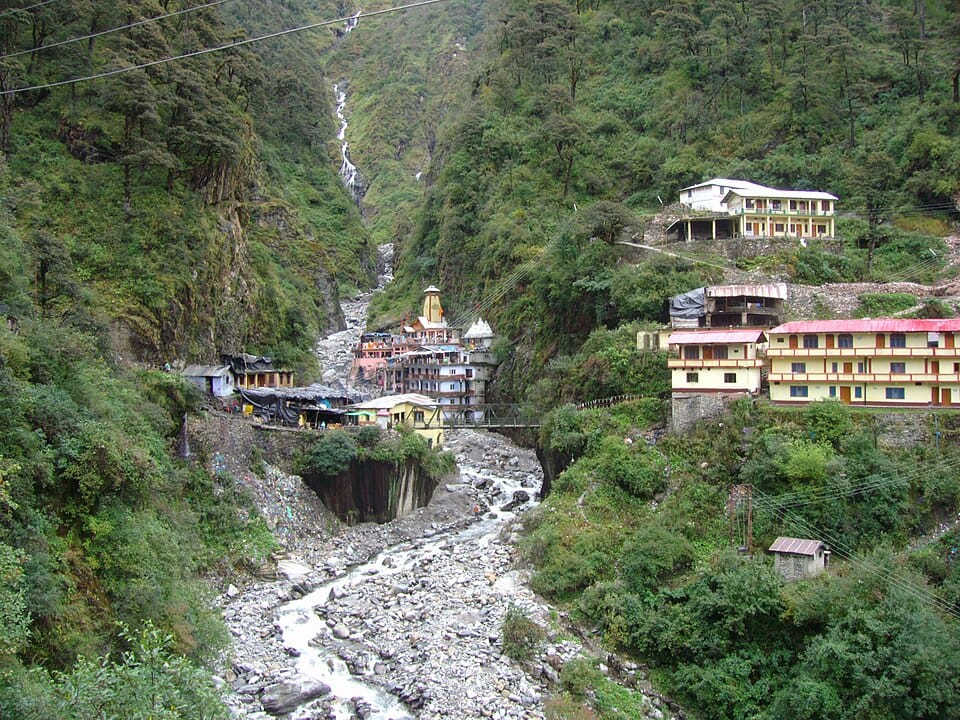
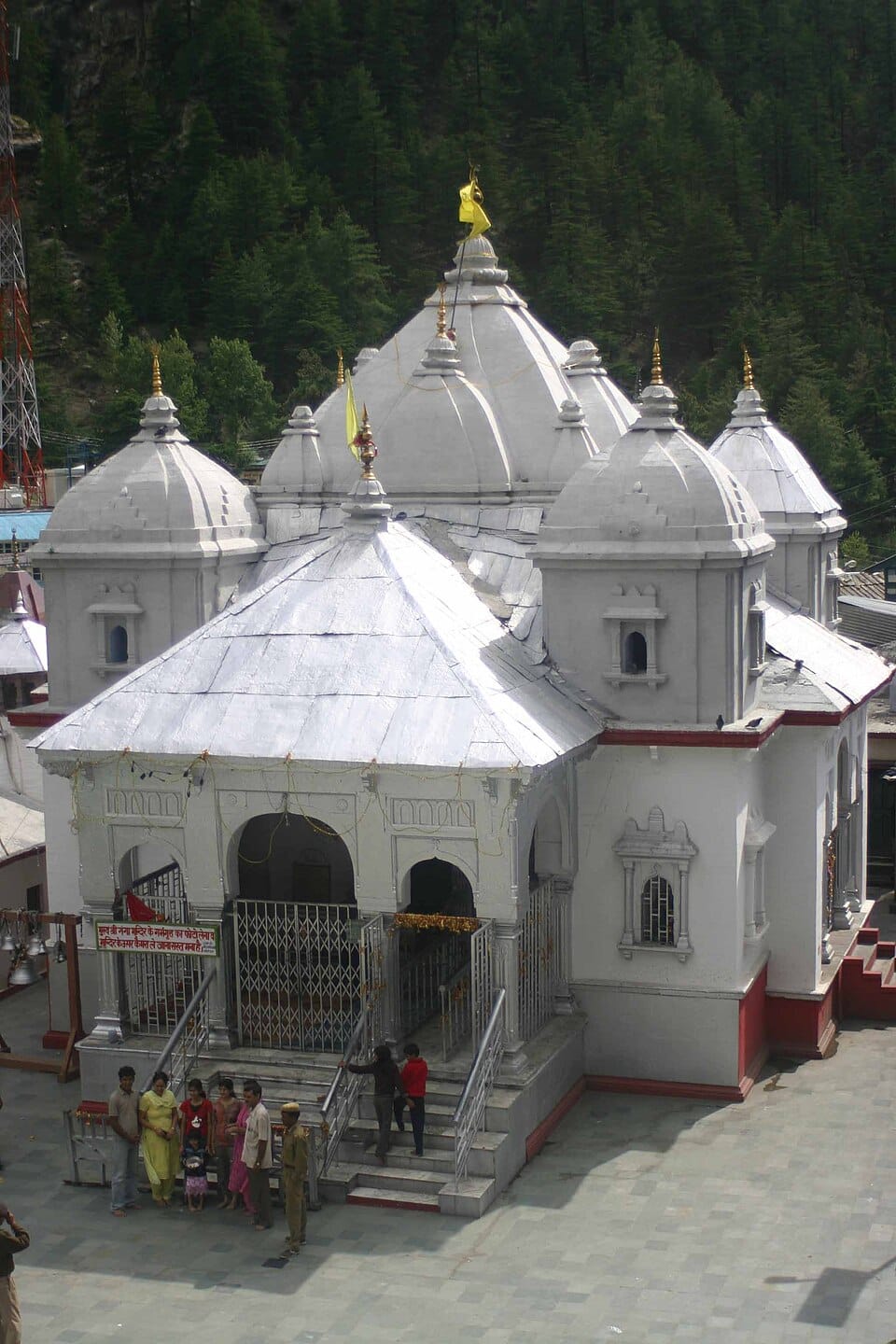
The first stop on the Char Dham Yatra at 3,291 meters, where the Yamuna River originates and pilgrims cook offerings in geothermal springs before darshan.
Gangotri Temple
The highest temple dedicated to Goddess Ganga at 3,100 meters, marking where the sacred river descended to earth through Shiva's locks after King Bhagirath's penance.
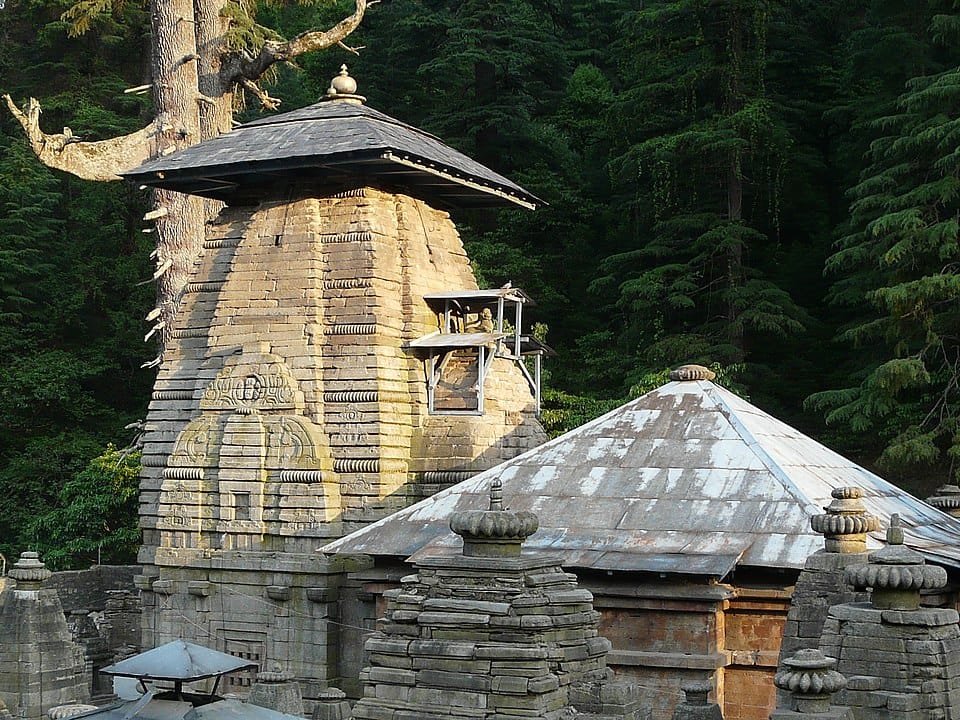
Jageshwar Temple
A cluster of 124 ancient stone temples from the 7th-12th centuries, nestled in a dense deodar forest.
Neelkanth Mahadev Temple
Situated at 1,330 meters, this is where Lord Shiva is believed to have consumed the poison (Halahala) during the Samudra Manthan.
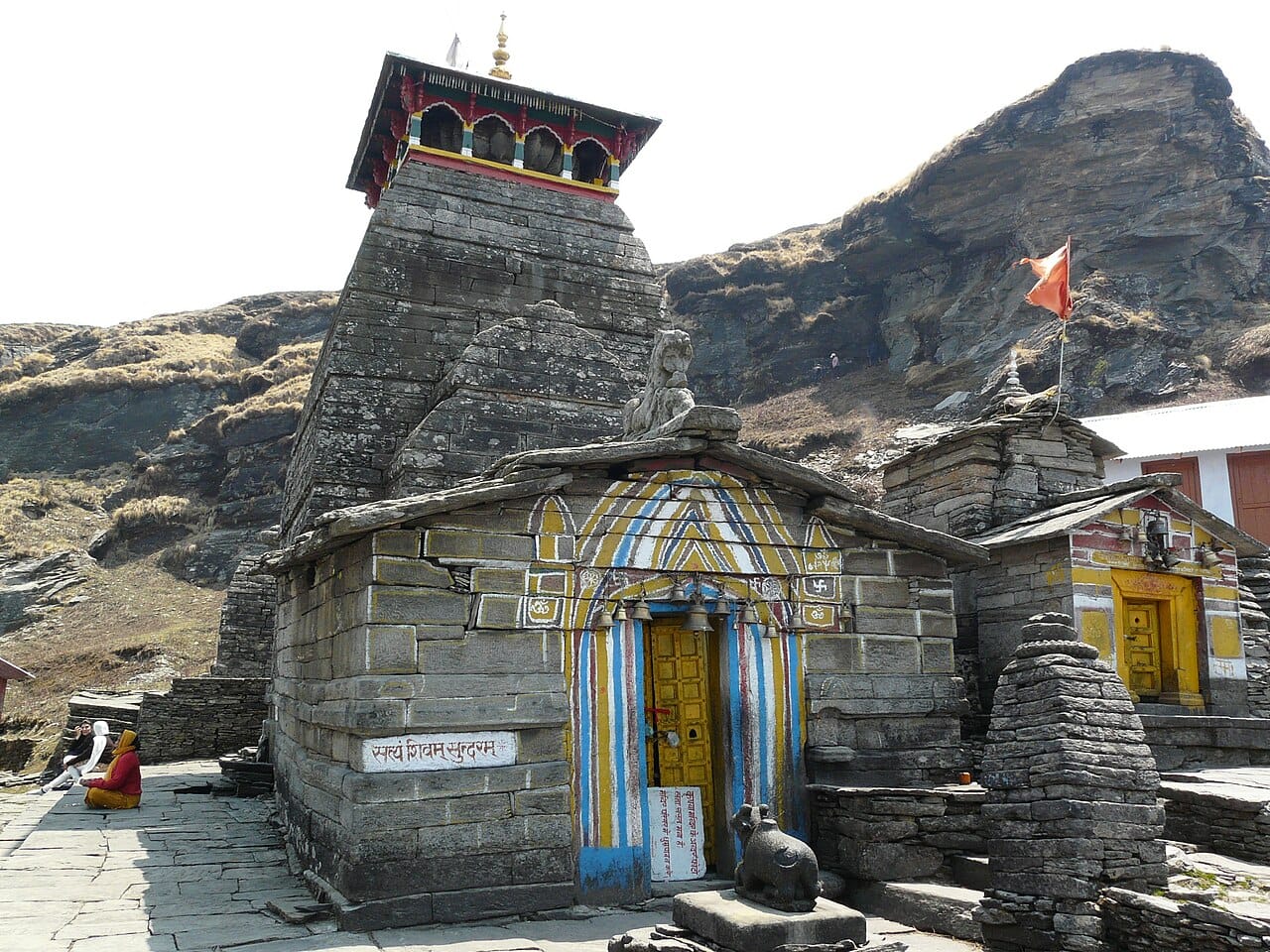
Tungnath Temple
The highest Shiva temple in the world, situated at 3,680 meters on the Chandranath Parbat; it is the 'Tritiya Kedar' in the sacred Panch Kedar pilgrimage circuit.
Adi Badri Uttarakhand
A complex of 16 ancient temples from the Gupta period; it is believed Vishnu resided here before moving to Badrinath.
Tarakeshwar Temple Hooghly
A massive 18th-century pilgrimage site dedicated to Lord Taraknath, especially vibrant during the Gajan festival.
Virupaksha Temple
The Virupaksha Temple in Hampi, Karnataka, is a UNESCO World Heritage Site and the oldest functioning temple in India, dedicated to Lord Shiva as Virupaksha.
Jageshwar Temple
A cluster of 124 ancient stone temples from the 7th-12th centuries, nestled in a dense deodar forest.
Neelkanth Mahadev Temple
Situated at 1,330 meters, this is where Lord Shiva is believed to have consumed the poison (Halahala) during the Samudra Manthan.
Tungnath Temple
The highest Shiva temple in the world, situated at 3,680 meters on the Chandranath Parbat; it is the 'Tritiya Kedar' in the sacred Panch Kedar pilgrimage circuit.
Rudranath Temple
One of the Panch Kedar shrines, representing Lord Shiva's face, situated at an altitude of 2,286 meters amidst meadows and rhododendron forests.
Jolly Grant Airport, Dehradun (248 km). Helicopter services from Phata, Guptkashi, and Sersi to Kedarnath helipad.
Rishikesh (228 km). Also: Haridwar (250 km), Dehradun (255 km).
Gaurikund (16 km trek start point). Regular buses to Gaurikund from Rishikesh, Haridwar, and Dehradun.
Gaurikund is connected by road to Rishikesh (209 km) via Rudraprayag, Kund, and Guptkashi. Private vehicles not permitted beyond Gaurikund.
Parking available at Sonprayag and Gaurikund base points. Private vehicles not permitted beyond Gaurikund.
BKTC guest houses at Sonprayag and Guptkashi. Dharamshalas at nominal charges. Private hotels at Sitapur (near Sonprayag), Guptkashi, and Gaurikund. GMVN accommodation available.
Basic vegetarian meals available at Gaurikund, trek points (Rambara, Lincholi, Bhimbali), and Kedarnath township. Limited options — carry dry fruits, energy bars, and sufficient water.
Mangala Aarti: ~4:00 AM · Abhishekam: 4:30–6:00 AM · Shringar Aarti: ~9:00 AM · Bhog Aarti: ~12:00 PM · Sandhya Aarti: ~6:00 PM · Shayana Aarti: ~8:30 PM (temple closes ~9:00 PM). Aarti timings shift slightly with daylight across the season.
Only authorized prasad may be offered at Kedarnath. The temple committee distributes dry fruits, pedas and laddoos as prasad to pilgrims. Char Dham yatra registration includes a prasad allowance. Avoid unofficial vendors outside the complex.
General darshan is free; VIP darshan passes are limited and issued by the temple committee. Peak-season waits can reach 2–4 hours. Mobile phones and cameras must be deposited in the cloakroom before entering the sanctum. As of 2026, entry is restricted to followers of Sanatan Dharma (BKTC ruling).
No entry fee for general darshan. Registration for Chardham Yatra is mandatory (nominal fee). VIP darshan and paid puja services (e.g., Shodashopachar Puja ~?5,500 for up to 5 persons) available through BKTC.
India's temples are living traditions — not museums. Every temple has its own customs. This guide helps first-time visitors prepare with confidence and respect.
Foreign Visitors
AllowedForeign visitors may enter if they are followers of Sanatan Dharma. As of 2026, BKTC has restricted entry to followers of Sanatan Dharma only. Foreign visitors of Hindu faith may be asked to provide documentation of faith or sign an affidavit affirming belief in Sanatan Dharma.
Standard Chardham Yatra registration required for all pilgrims. No special permit beyond yatra registration.
Temple closed November–April (under snow). Opens on Akshaya Tritiya (~April/May), closes on Bhairon Ashtami (~October/November).
Visitor Information
Entry policies vary between temples. Most temples welcome visitors, while some may restrict access to specific areas, rituals, or the inner sanctum. Always verify the latest entry guidelines with the official temple authorities before your visit.
Non-Hindu Entry
Hindus OnlyBKTC announced in March 2026 that non-Hindus are prohibited from entering Kedarnath and Badrinath temples, citing Article 26 of the Indian Constitution. This applies to all 47 temples under BKTC jurisdiction. Some reports indicate non-Hindus may be asked to sign an affidavit affirming faith in Sanatan Dharma before entry, but this has not been officially confirmed by BKTC.
Modest clothing is expected at every Indian temple — a sign of respect, not a restriction. Think of it as dressing for a formal ceremony.
Modest clothing required throughout the temple premises. Leather items (belts, wallets, bags) are prohibited inside the temple.
Carry a small camera for outside shots only. Be prepared to deposit all devices at the cloakroom.
May–June and September–October
April — June
July — September
May–June: 12–18°C daytime, clear skies. September–October: post-monsoon, clearest skies, stable weather.
Best for photography: September–October offers clearest mountain views. Monsoon (July–August) has clouds and rain risk.
Located at 3,583 m (11,755 ft). Temperatures drop significantly in winter — pack accordingly.
Common local languages: Hindi, English (limited, at tourist facilities)
Indian Rupees (INR) required — ATMs scarce beyond Guptkashi. Carry sufficient cash.
Widely accepted at base points (Sonprayag, Guptkashi, Gaurikund)
Not widely accepted at higher altitudes. Bring sufficient cash for the trek and temple town.
ATM: Last reliable ATMs in Guptkashi. No ATMs at Kedarnath.
Network: Limited — BSNL has best coverage at Kedarnath. Jio/Airtel intermittent. Wi-Fi not available.
Wheelchair: Not wheelchair accessible — 16 km uphill trek on uneven terrain
Elderly visitors: Pony, palanquin (palki), and helicopter options available. Medical checkup mandatory for 50+. Advance booking recommended.
Stairs: Steep stone stairs within temple. No ramps.
Walking distance: 16 km trek from Gaurikund (6–8 hours on foot). Alternative: helicopter (5 min + short walk).
Restrooms: Basic toilets available at Kedarnath town and trek stops. Limited.
Drinking water: Available at designated points along trek. Filtered water at Kedarnath township.
Medical: Basic first-aid posts at trek stops. Small hospital at Kedarnath. Major facilities only in Guptkashi and beyond.
Baby friendly: Not recommended for infants due to high altitude, cold, and strenuous access.
High altitude (3,583 m) — risk of Acute Mountain Sickness (AMS). Walk slowly, stay hydrated.
Medical checkup mandatory for pilgrims aged 50+ or with pre-existing conditions.
Weather changes rapidly — carry warm layers, rain gear, and sunscreen.
Trek can be strenuous — use pony/palki/helicopter if needed. Do not push beyond your physical limits.
These short explanations help make sense of what you see and experience.
One of twelve sacred shrines where Shiva is believed to have manifested as a column of light (jyoti). Kedarnath is the 11th Jyotirlinga.
The four sacred Himalayan pilgrimage sites: Badrinath, Kedarnath, Gangotri, and Yamunotri. Completing the circuit is believed to grant moksha (liberation).
Five Shiva temples in the Garhwal Himalayas, each associated with a different body part of Shiva's bull form. Kedarnath is the primary temple where the hump is worshipped.
The eternal form of Shiva, represented at Kedarnath as a unique triangular rock formation (swayambhu — self-manifested) rather than a carved lingam.
The chief priest of Kedarnath, traditionally from the Maithili Brahmin community of Bihar, serving on a rotational basis.
A Hindu ritual of worship involving lamps, songs, and devotional offerings. Performed multiple times daily at Kedarnath.
Entry is not completely banned for all foreigners — only non-Hindus. Foreign Hindus may enter with appropriate documentation.
Photography is NOT allowed inside, even without flash. Deposit all devices at the cloakroom.
The trek is 16 km uphill, not a short walk. Prepare physically and acclimatize properly.
ATMs are unavailable beyond Guptkashi. Carry sufficient cash for the entire trip.
Alcohol and non-vegetarian food are strictly prohibited in the temple town.
Mobile network coverage is limited — BSNL works best. Do not depend on internet-based maps.
Sacred viewing / audience with the deity
Temple
Worship / prayer ritual
Blessed offering / sacred food
Aniconic representation of Lord Shiva
Sanctum Sanctorum (inner shrine)
Indian Rupee (INR). ATMs scarce beyond Guptkashi. Exchange currency at Dehradun or Rishikesh before starting the yatra.
Donations accepted for temple renovation, dharamshala construction, bhog, sandalwood, and saffron. Use official donation counters. Beware of unofficial touts.
Shoes and socks must be removed before entering the temple. Designated shoe-keeping counters available (small fee). Lockable storage recommended.
General darshan wait times: 1–3 hours during peak season (May–June). VIP darshan passes available but limited. Queue discipline strictly enforced.
Expect extreme crowds during Shravan Month (July–August Mondays) and Badri-Kedar Utsav (June). Book accommodation months in advance.
Temperature range: 4–18°C during open season. Below freezing after October. Pack layer system: thermal base, fleece mid-layer, waterproof outer shell. Gloves, hat, and scarf essential.
Kedarnath is at 3,583 m. Altitude sickness can affect anyone regardless of fitness. Symptoms: headache, nausea, dizziness. Ascend gradually, stay hydrated, avoid alcohol.
Police: Kedarnath Police Post: accessible via temple committee
Ambulance: 108 (National Ambulance Service)
Nearest hospital: Base hospital at Kedarnath township (basic). Major hospital: Guptkashi (32 km from Gaurikund).
Tourist police: Uttarakhand Tourism Police: 0135-2710334 (State Emergency Operation Center)
Official Temple WebsiteState Tourism WebsiteTemple-specific visitor information is continuously researched and updated from official sources. Where specific data is unavailable, general India travel guidance is provided. Always verify current policies with the temple authority before your visit.
Continue your journey through the spiritual and architectural wonders of India.

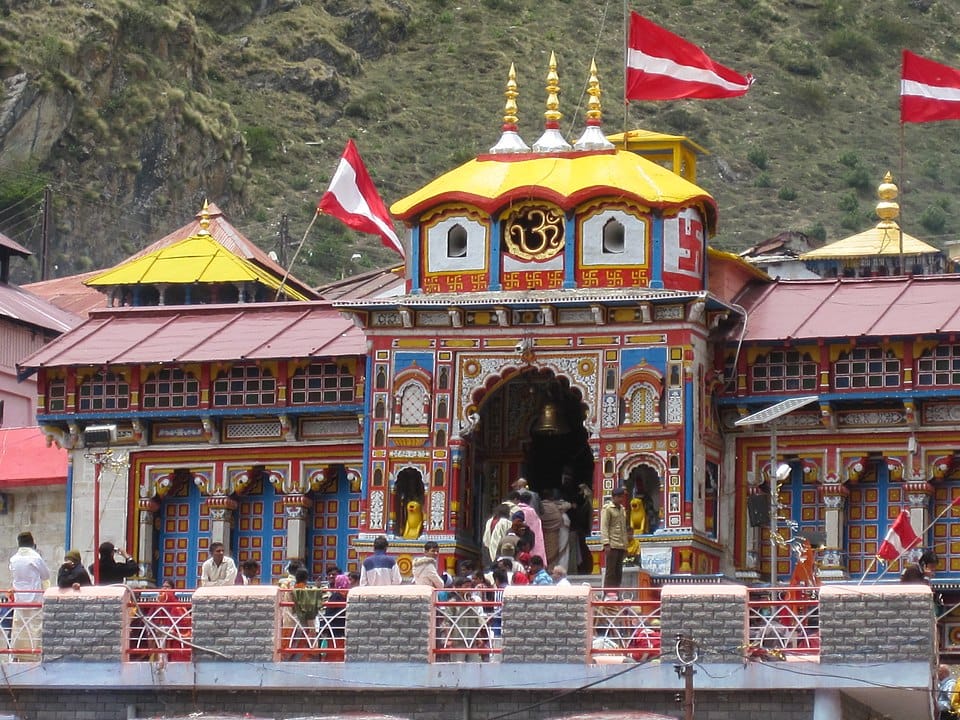
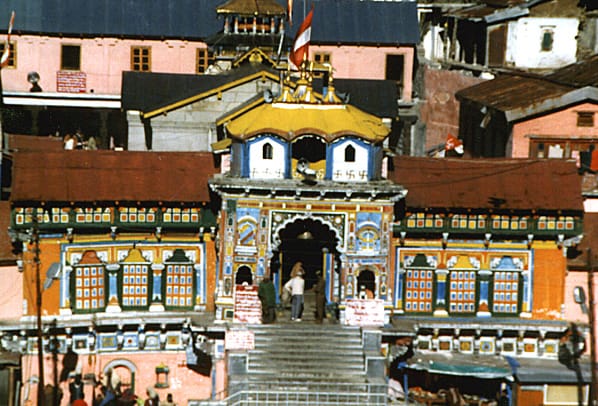
Badrinath Temple, dedicated to Lord Vishnu, is a principal Char Dham site and one of the most sacred Vaishnava temples in India, located in the Garhwal Himalayas of Uttarakhand.

A complex of 16 ancient temples from the Gupta period; it is believed Vishnu resided here before moving to Badrinath.

A 12th-century complex on the Gomti banks, famous for its life-sized black stone idol of Goddess Parvati.

The first stop on the Char Dham Yatra at 3,291 meters, where the Yamuna River originates and pilgrims cook offerings in geothermal springs before darshan.

The highest temple dedicated to Goddess Ganga at 3,100 meters, marking where the sacred river descended to earth through Shiva's locks after King Bhagirath's penance.

A cluster of 124 ancient stone temples from the 7th-12th centuries, nestled in a dense deodar forest.
Situated at 1,330 meters, this is where Lord Shiva is believed to have consumed the poison (Halahala) during the Samudra Manthan.

The highest Shiva temple in the world, situated at 3,680 meters on the Chandranath Parbat; it is the 'Tritiya Kedar' in the sacred Panch Kedar pilgrimage circuit.
"The Jagannath Temple in Puri is famous for its annual Ratha Yatra, where three massive wooden chariots are pulled by thousands of devotees."