Architecture Style
Nagara Architecture
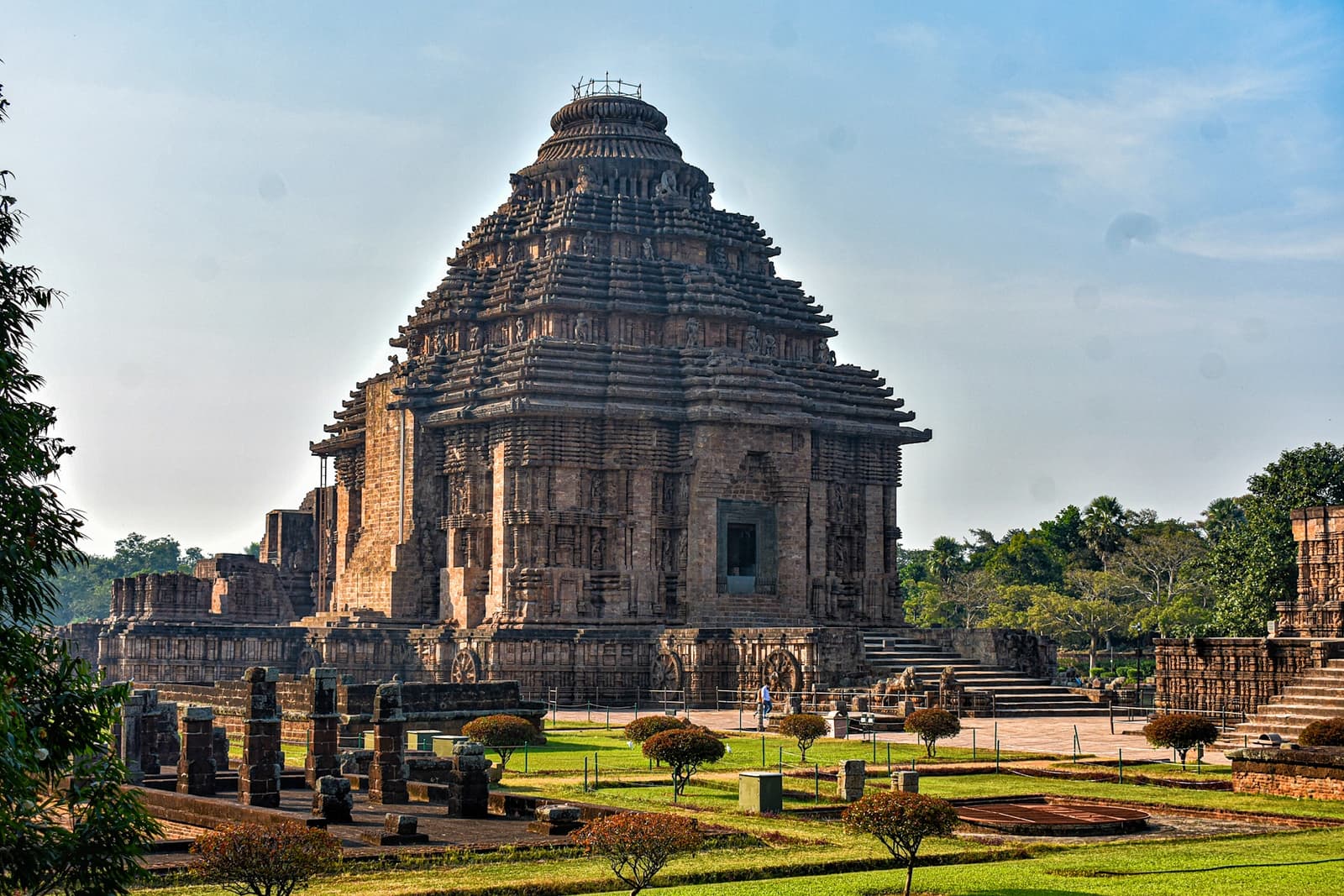
The Nagara style of temple architecture, predominant in northern India, is characterized by its curvilinear shikhara (spire) and distinct ground plan. Originating during the Gupta period, this style evolved across multiple regional schools including Odisha, Khajuraho, and Solanki traditions.
6 Regions
51 Temples
5 Dynasties
History & Origins
The Nagara style emerged in the 5th–6th centuries CE during the Gupta period, with early examples at Deogarh and Bhitargaon. The style matured between the 8th and 13th centuries under the patronage of dynasties like the Chandellas (Khajuraho), the Eastern Gangas (Odisha), and the Solankis (Gujarat). Unlike Dravidian architecture, Nagara temples lack elaborate boundary walls and towering gopurams, instead focusing on the vertical ascent of the main shikhara.
Timeline
5th–6th cent. CE: Gupta period origins (Deogarh). 8th–10th cent.: Early medieval development (Parasurameswara, Mukteswara). 10th–12th cent.: Classical period (Khajuraho, Lingaraja, Jagannath). 12th–13th cent.: Regional maturation (Konark, Modhera). 14th cent. onward: Decline under Delhi Sultanate, continued in isolated regions.
Key Characteristics
The defining feature of Nagara architecture is the shikhara, a curvilinear spire that rises above the garbhagriha (sanctum). The ground plan follows a square layout with multiple projections (rathas) creating a star-like appearance. The temple sits on a raised plinth (jagati) and includes an antarala (vestibule), mandapa (pillared hall), and ardhamandapa (entrance porch). The shikhara is capped by an amalaka (ribbed stone disc) and kalasha (finial).
Regional sub-styles include the pancharatha, saptaratha, and navaratha plans based on the number of vertical projections.
Visual & Stylistic Features
Curvilinear shikhara with amalaka and kalasha finial. Square garbhagriha with multiple projected angles (rathas). Rich sculptural ornamentation including divine figures, celestial dancers, and floral motifs. Absence of elaborate boundary walls. The mandapa roof is stepped or pyramidal. In Odisha, the jagamohana (assembly hall) features a distinctive pyramidal roof different from the main shikhara.
Regional Distribution
Associated Dynasties
Chandella DynastyEastern Ganga DynastySolanki DynastyParamara DynastyKalachuri Dynasty
Famous Examples
Notable Nagara Temples
Masterpieces of the Nagara tradition.
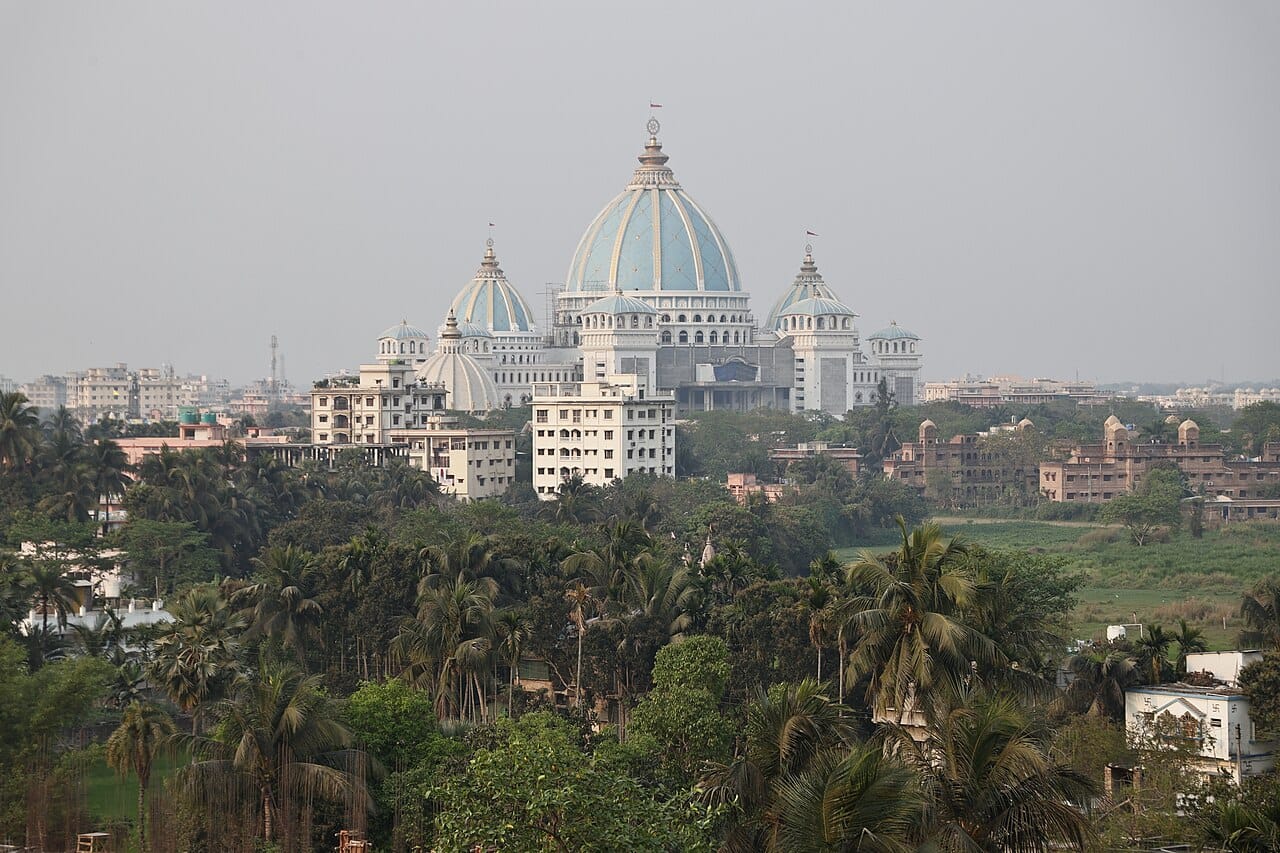
West Bengal
ISKCON Mayapur Nadia
The global spiritual headquarters of ISKCON in Mayapur, Nadia, situated at the confluence of the Jalangi and Bhagirathi rivers.
Discover Temple
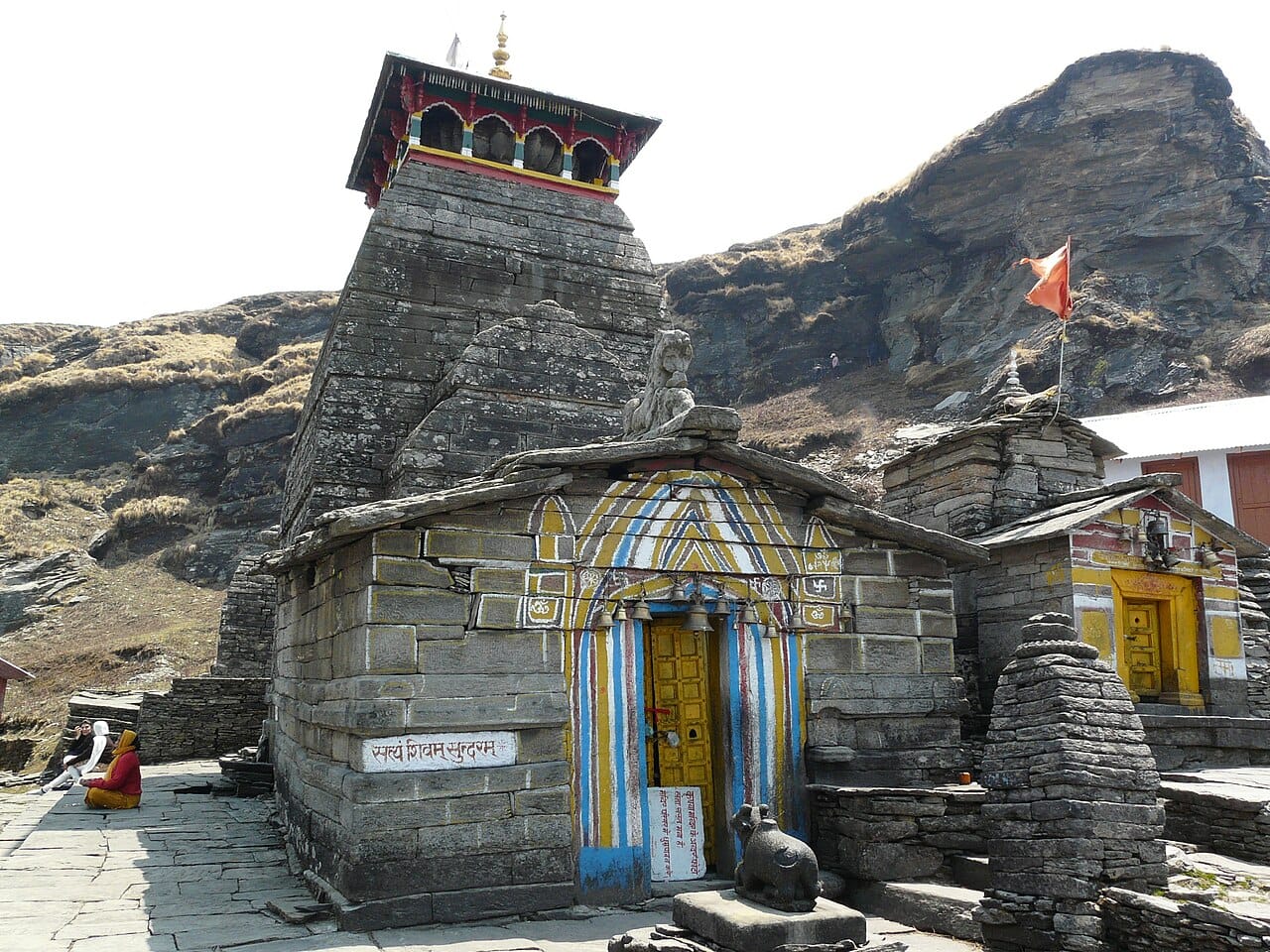
Uttarakhand
Tungnath Temple
The highest Shiva temple in the world, situated at 3,680 meters on the Chandranath Parbat; it is the 'Tritiya Kedar' in the sacred Panch Kedar pilgrimage circuit.
Discover Temple
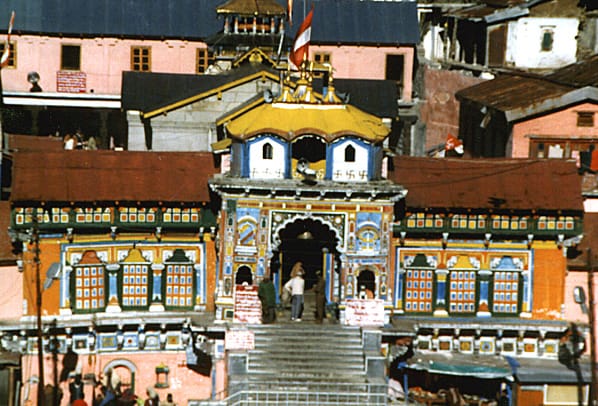
Uttarakhand
Adi Badri Uttarakhand
A complex of 16 ancient temples from the Gupta period; it is believed Vishnu resided here before moving to Badrinath.
Discover Temple
Uttarakhand
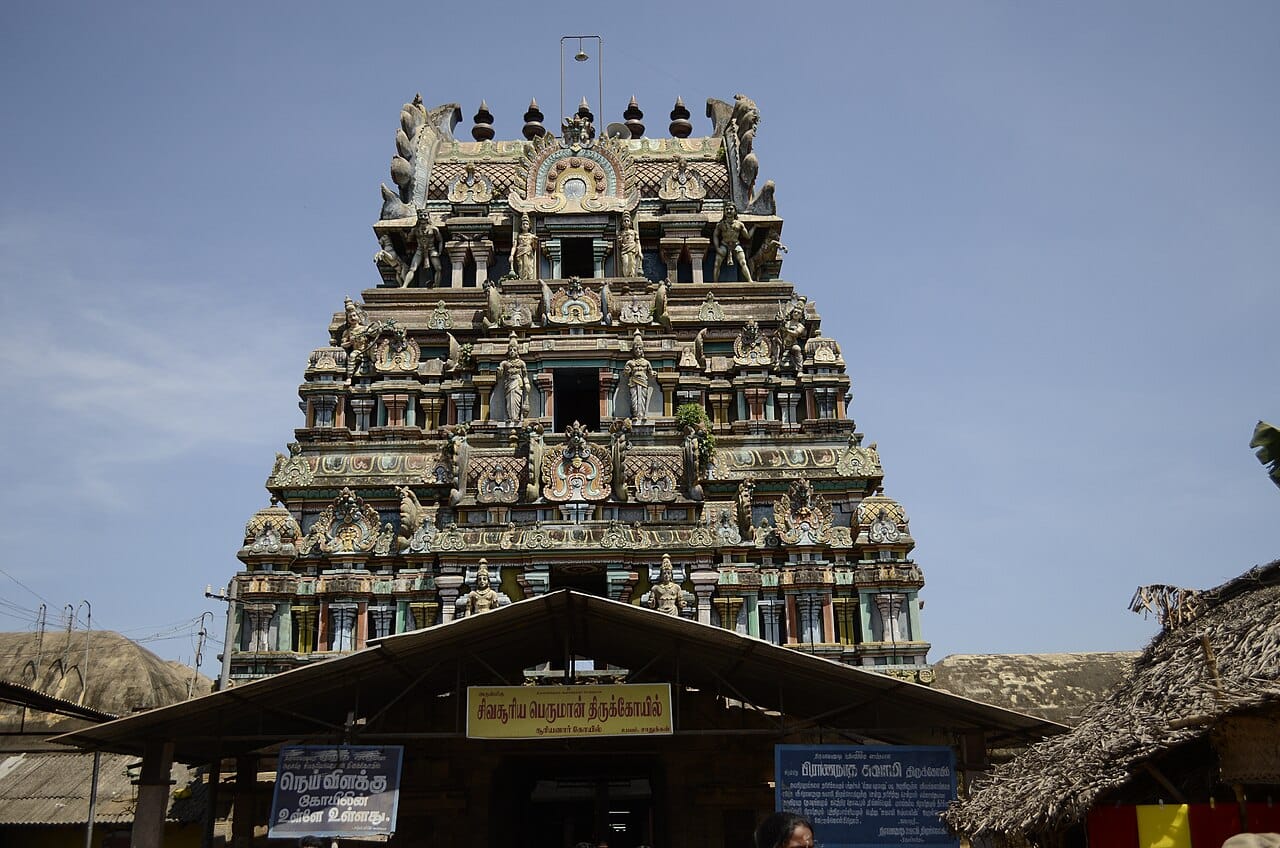
Katarmal Sun Temple
A 9th-century stone temple and one of northern India's primary Sun temples after Konark, featuring intricate carvings.
Discover Temple
Uttarakhand
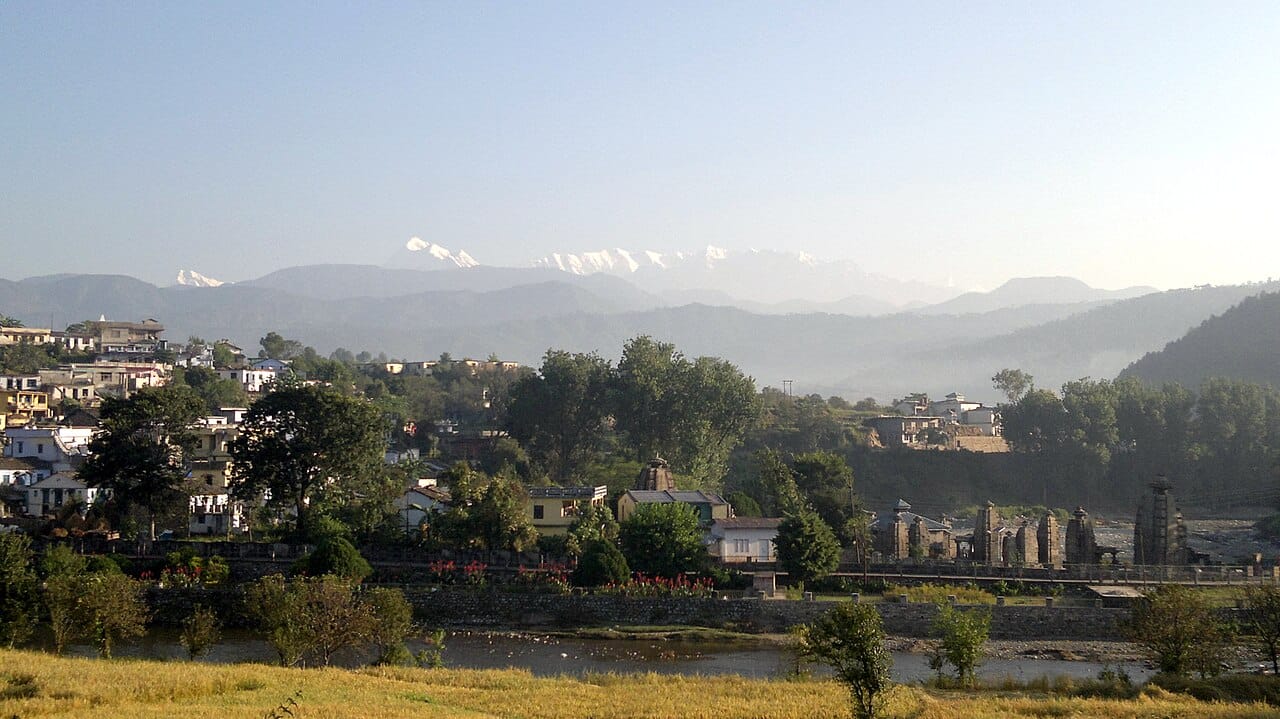
Baijnath Temple Uttarakhand
A 12th-century complex on the Gomti banks, famous for its life-sized black stone idol of Goddess Parvati.
Discover Temple
Uttar Pradesh
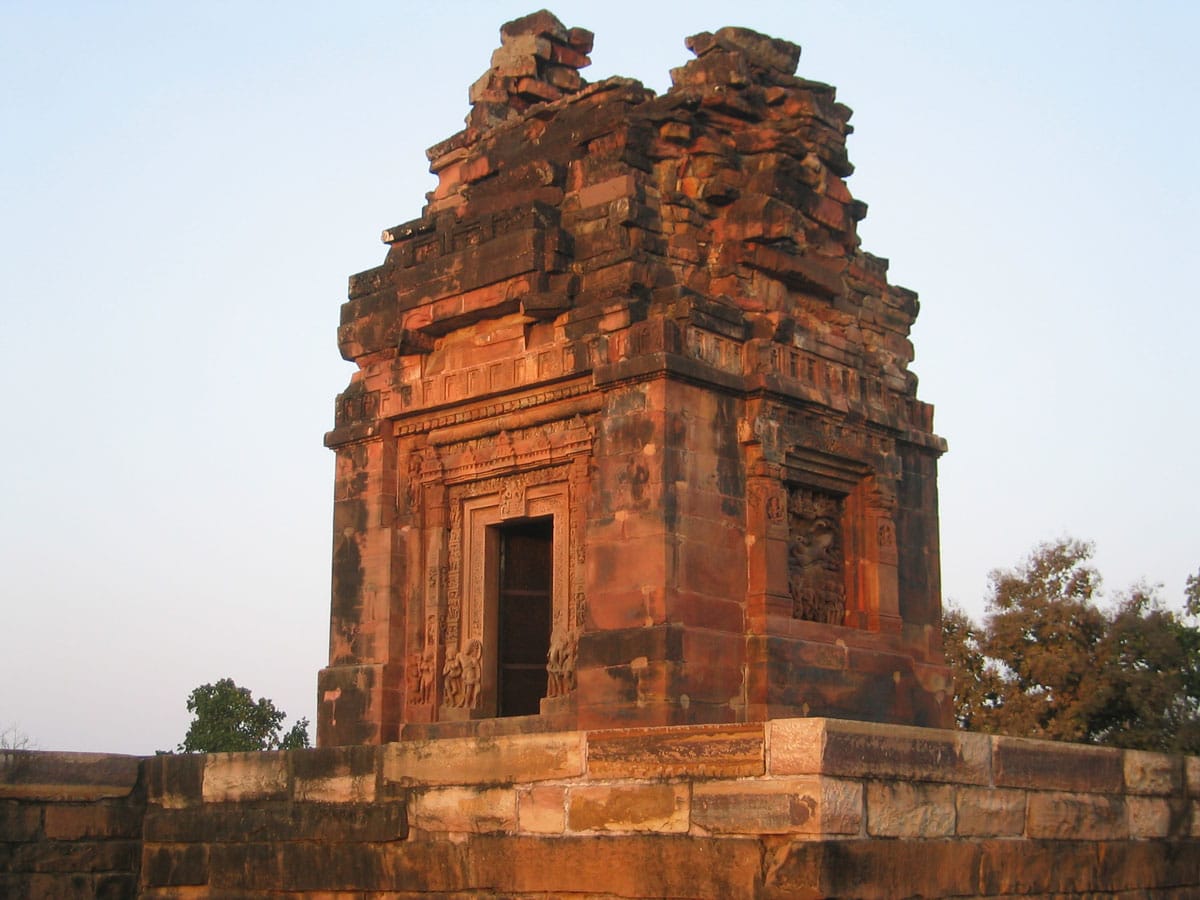
Dashavatara Temple
Dating to around 500 CE, this is the earliest known North Indian temple with a shikhara (curvilinear tower).
Discover Temple
Uttar Pradesh
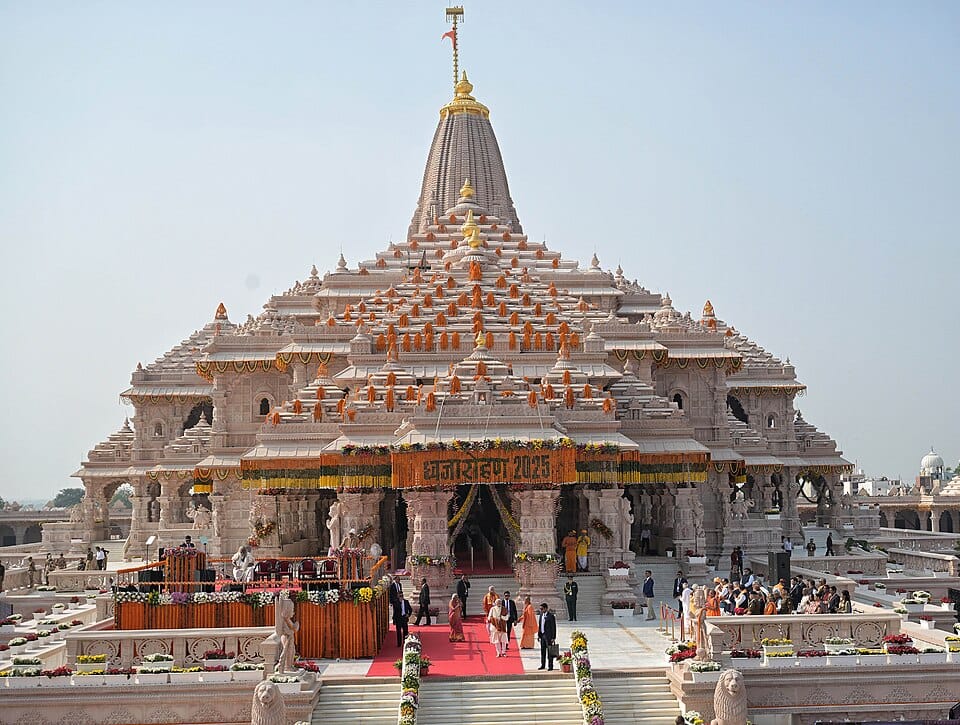
Shri Ram Janmabhoomi Mandir
A grand and historic temple marking the birthplace of Lord Rama, the seventh avatar of Vishnu, representing the pinnacle of Nagara architecture.
Discover Temple
Uttar Pradesh
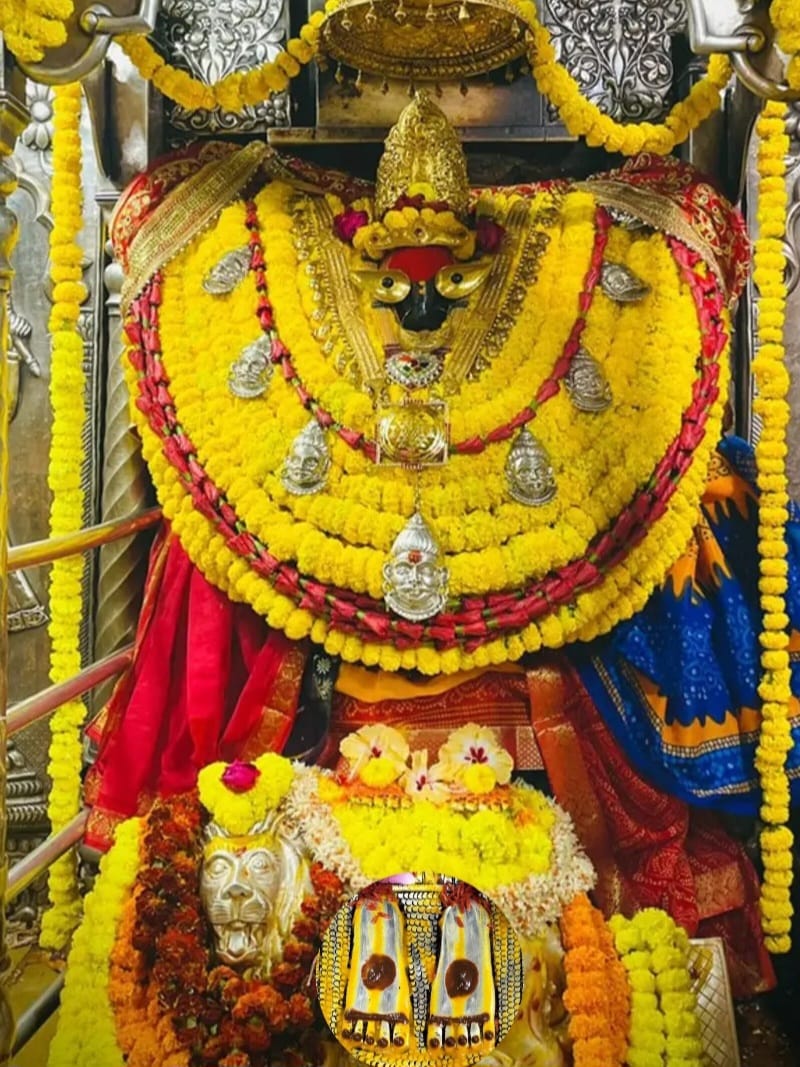
Vindhyavasini Devi Temple
One of India's most visited Shakti Peethas, where Goddess Durga is believed to have resided after slaying Mahishasura.
Discover Temple
Uttar Pradesh
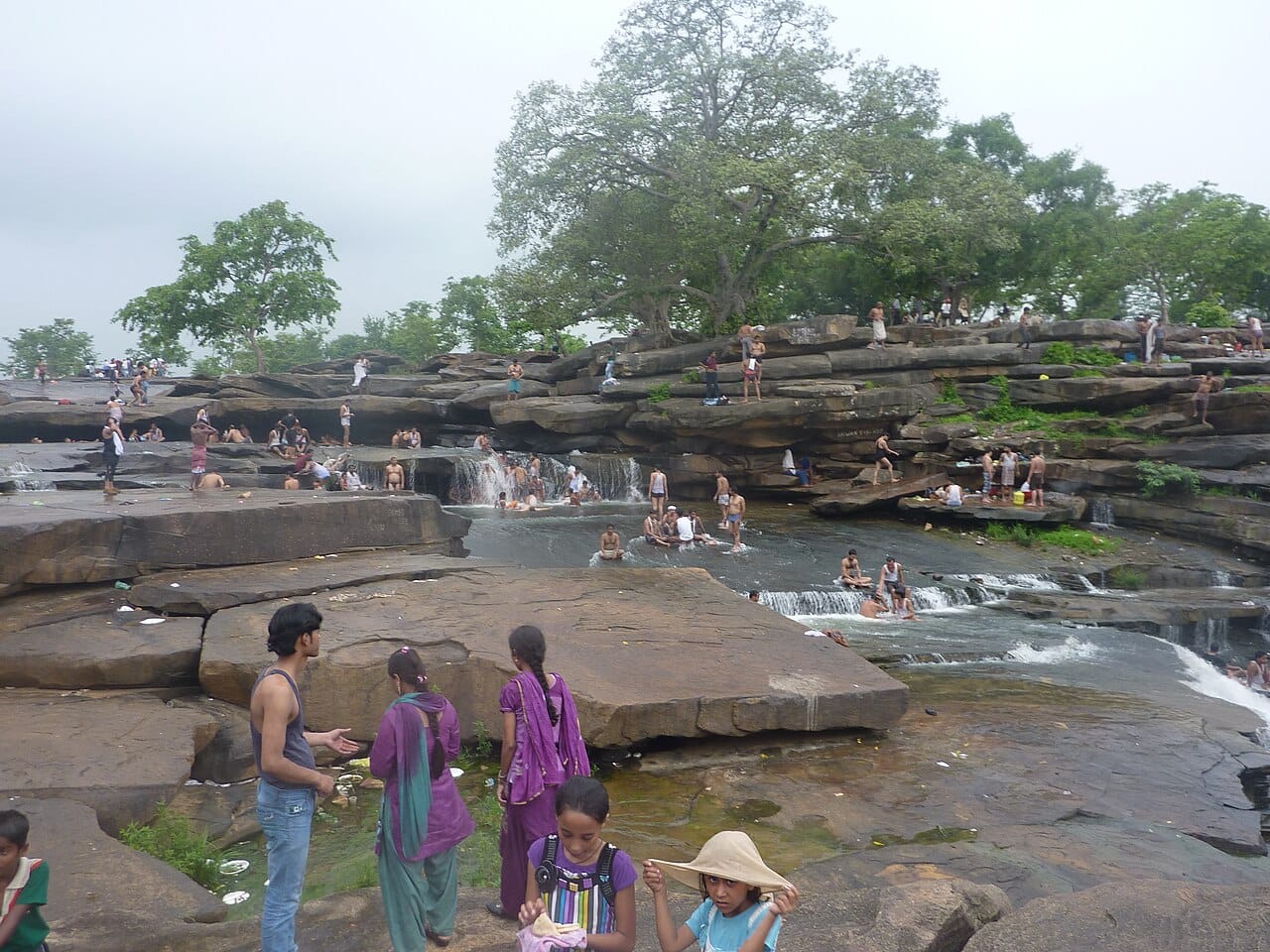
Devipatan Shakti Peeth
Legend says the right shoulder of Sati fell here; it serves as the headquarters of the Nath sect in eastern Uttar Pradesh.
Discover Temple
Uttar Pradesh
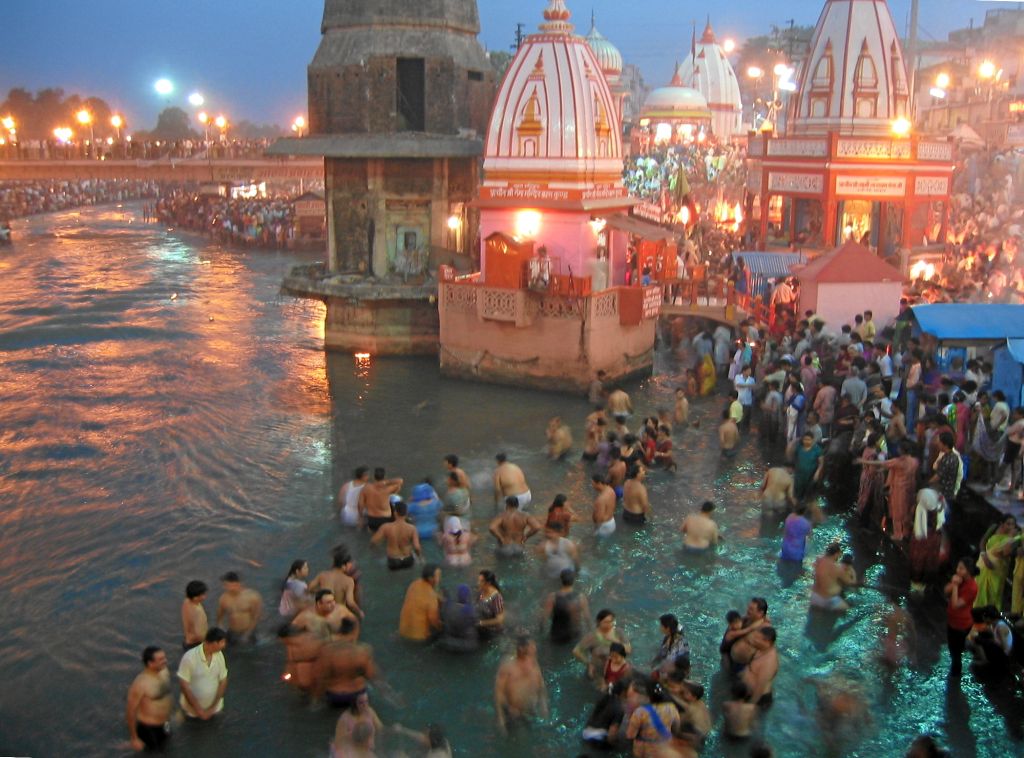
Lalita Devi Temple Naimisharanya
Located in the ancient forest of Naimisharanya, it is mentioned in Puranas as the spot where the universe's first Chakra fell.
Discover Temple
Uttar Pradesh
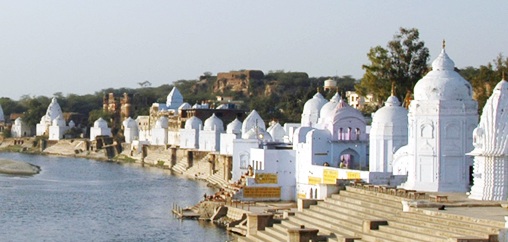
Bateshwar Temples Agra
A complex of 101 Shiva temples built on the banks of Yamuna, representing a significant pilgrimage and architectural site.
Discover Temple
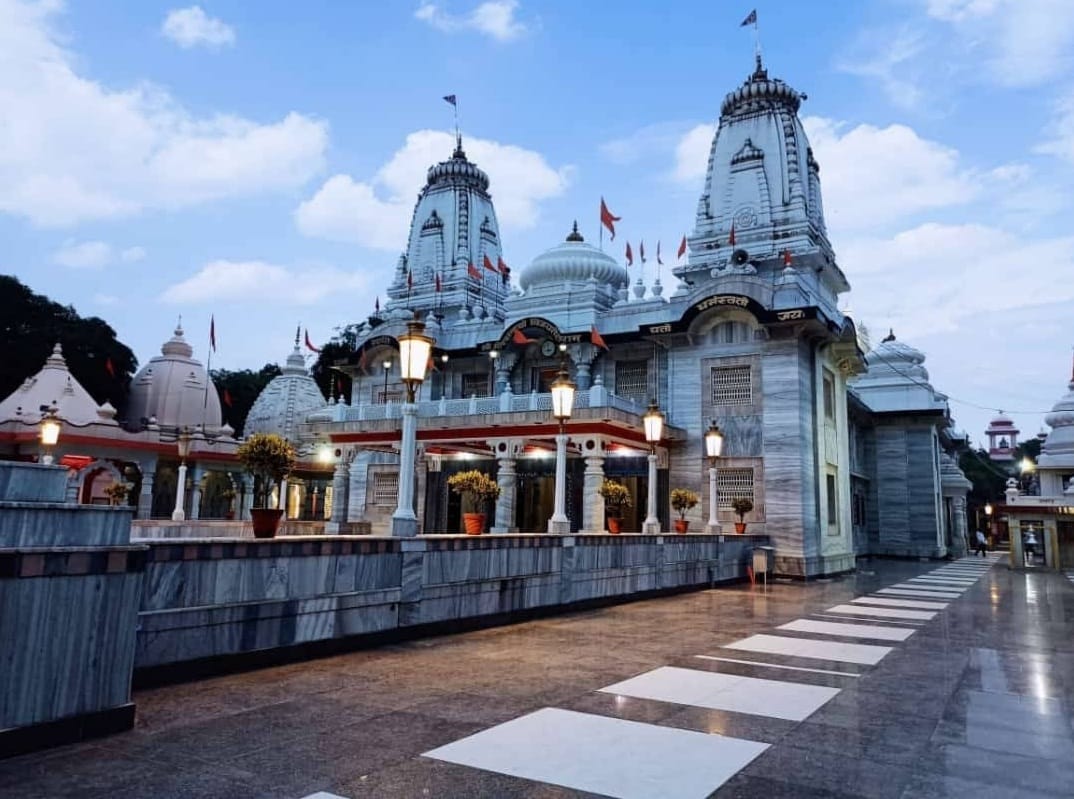
Uttar Pradesh
Gorakhnath Temple Gorakhpur
The spiritual headquarters of the Nath monastic order and a grand center for Yoga, carrying a millennium of spiritual power and social service.
Discover Temple
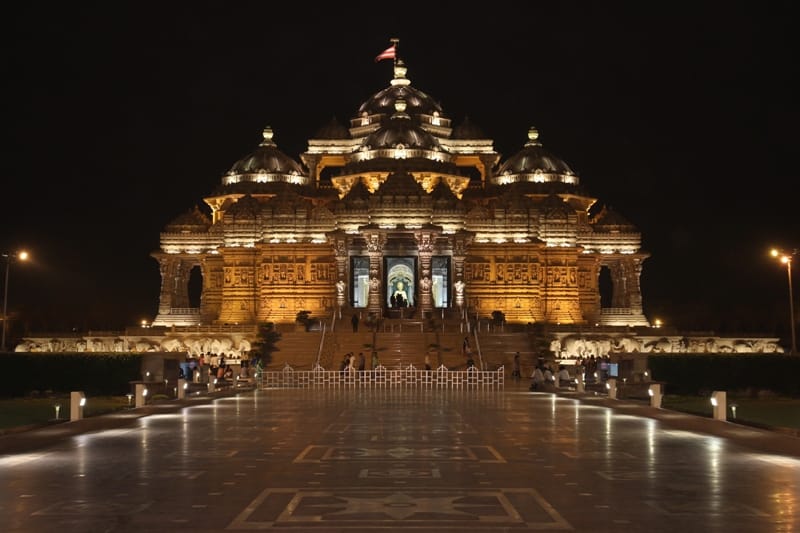
Delhi
Akshardham Temple
A massive Hindu temple complex displaying millennia of traditional Indian and Hindu culture, spirituality, and architecture.
Discover Temple
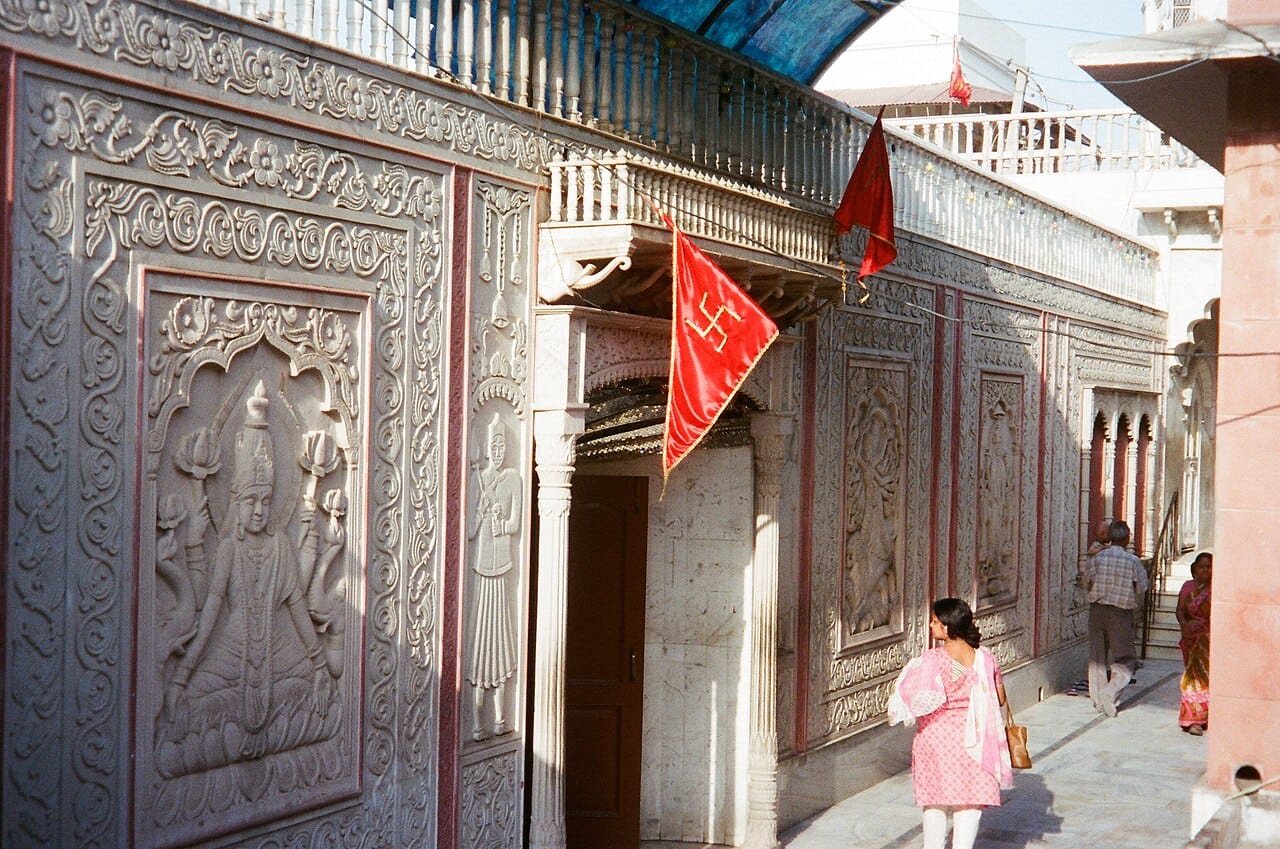
Delhi
Yogmaya Temple Mehrauli
One of Delhi's few surviving ancient temples, believed to be built by the Pandavas and a symbol of communal harmony.
Discover Temple
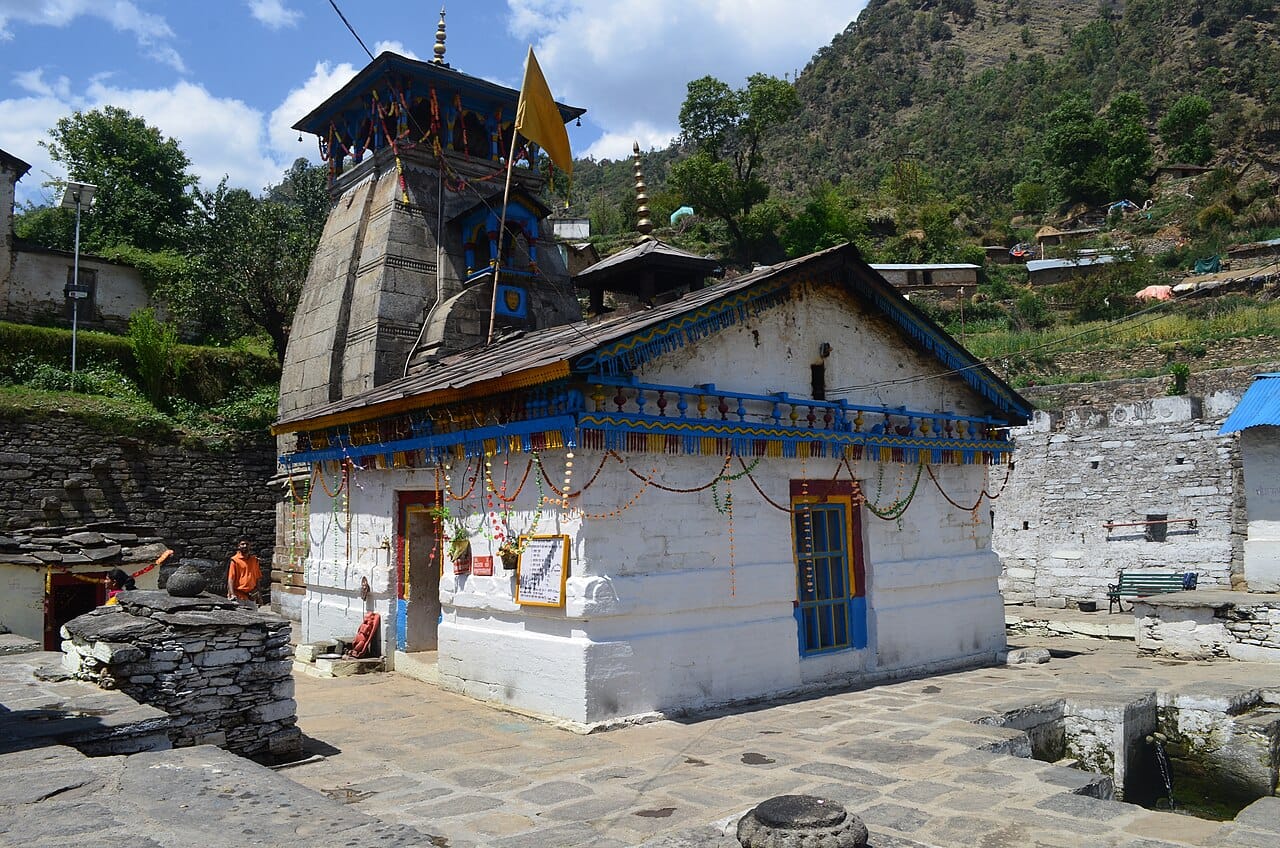
Delhi
Gauri Shankar Temple Delhi
Historic 18th-century Shaivite temple in Chandni Chowk founded by Maratha soldier Appa Gangadhar, enshrining a venerated brown stone lingam traditionally believed to be centuries older.
Discover Temple
Delhi
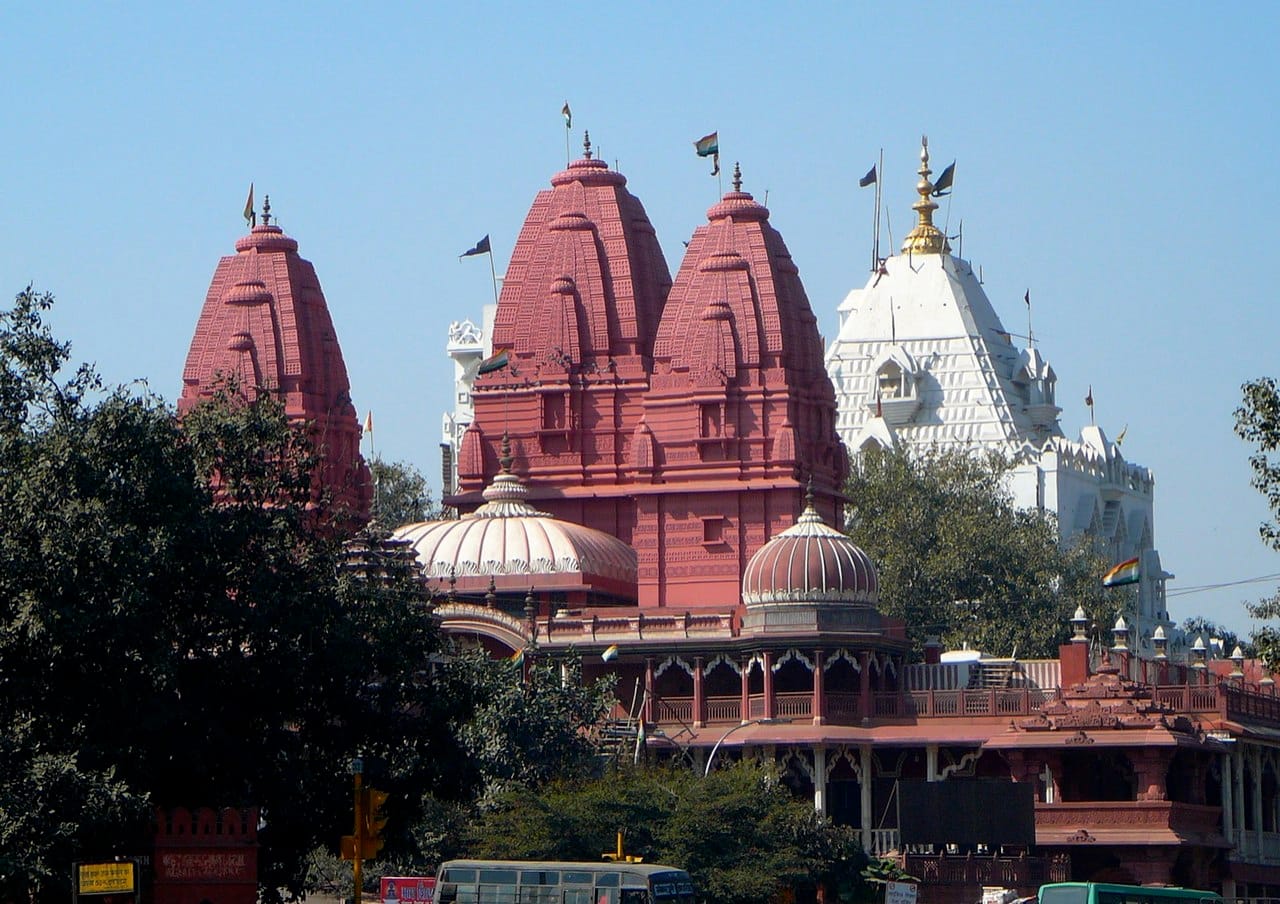
Shri Digambar Jain Lal Mandir
The oldest Jain temple in Delhi, built in 1656 and famous for its vibrant red architecture and Charity Birds Hospital.
Discover Temple
Delhi
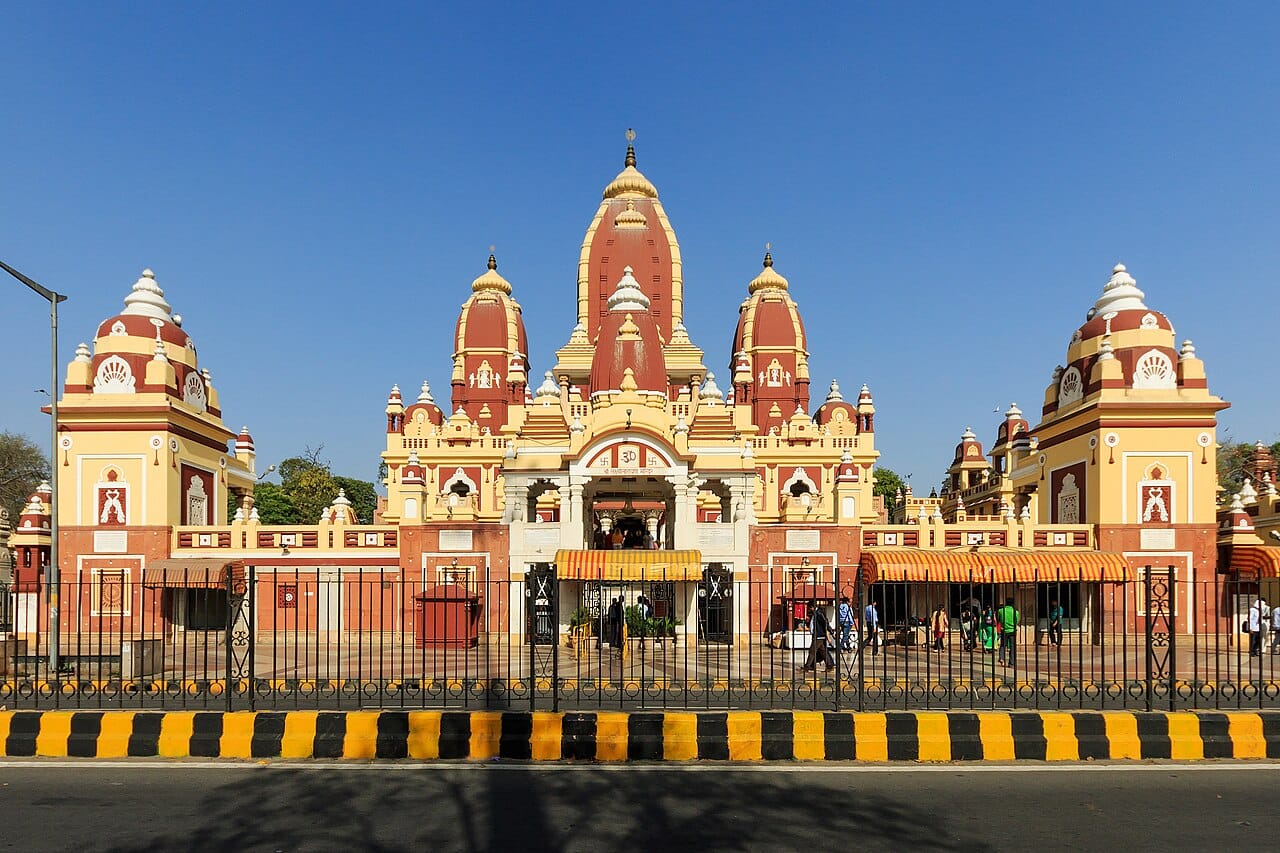
Birla Mandir (Laxmi Narayan Temple)
Inaugurated by Mahatma Gandhi in 1939, this masterpiece of Nagara style was one of India's first temples open to all castes.
Discover Temple
Tripura
Jagannath Bari Agartala
A 19th-century masterpiece blending traditional Hindu design with Islamic domes and arches, built by the royal family.
Discover Temple
Telangana
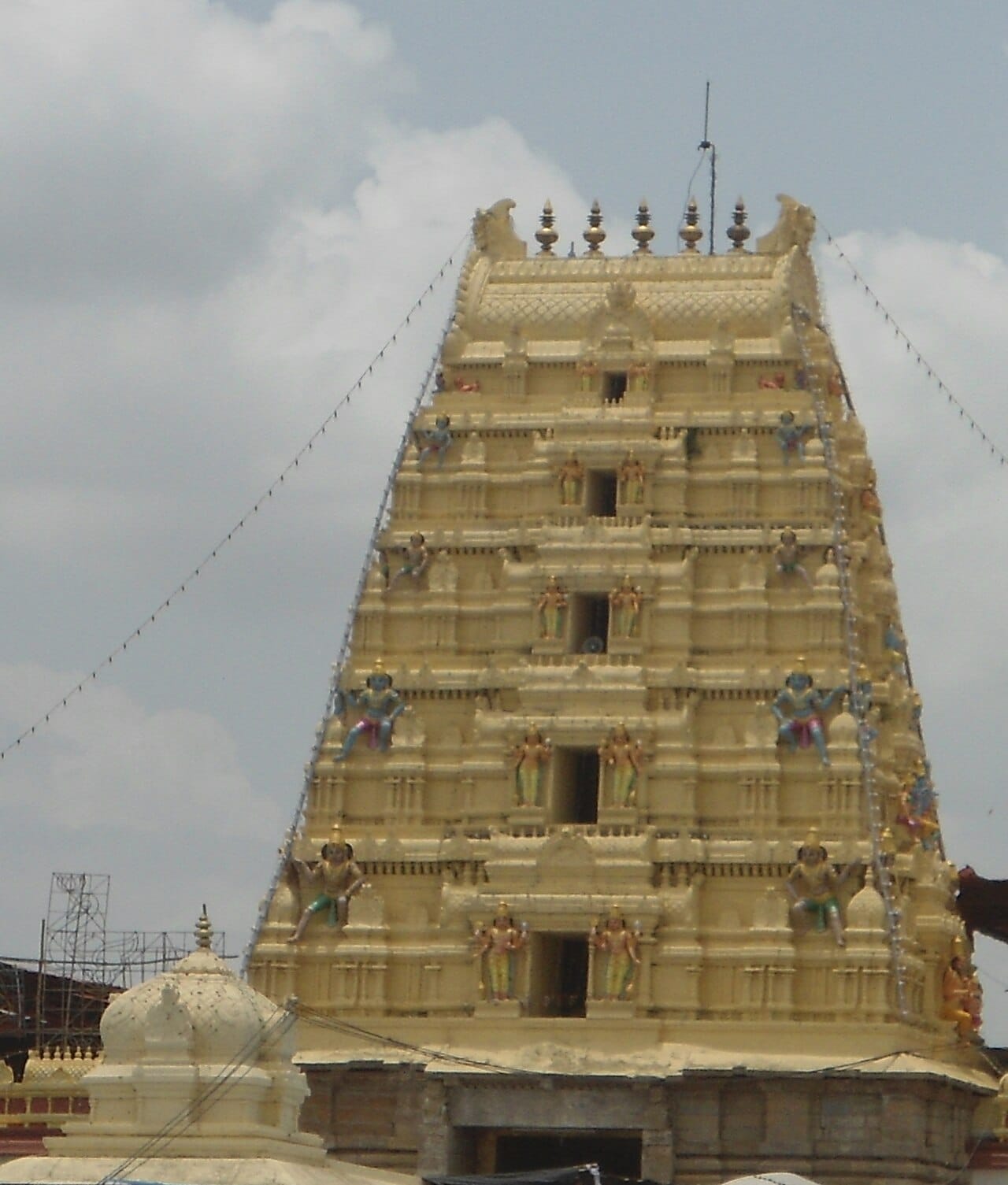
Bhadrachalam Sita Ramachandra Swamy Temple
Known as the Ayodhya of the South, this temple on the Godavari river was built by the legendary devotee Bhakta Ramadasu.
Discover Temple
Telangana
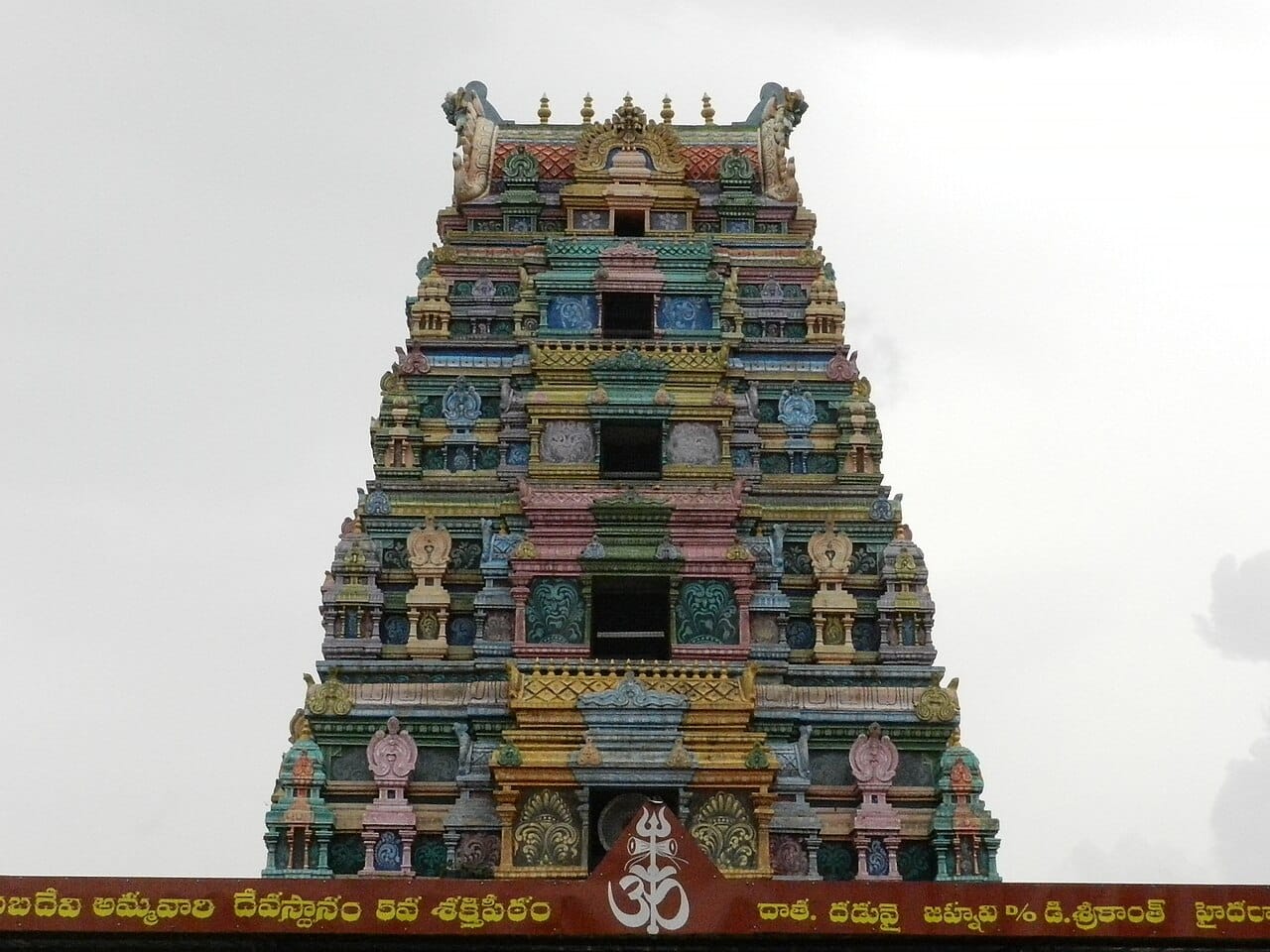
Alampur Jogulamba Temple
One of the 18 Maha Shakti Peethas, located in a complex that also houses nine ancient 7th-century Chalukyan temples.
Discover Temple
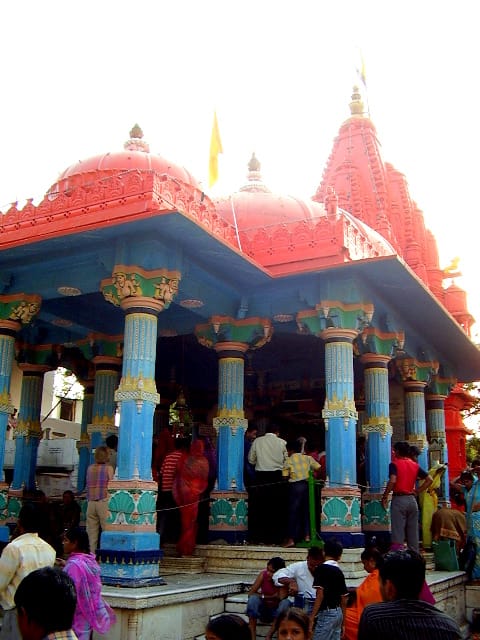
Rajasthan
Jagatpita Brahma Temple
One of the very few temples in the world dedicated to Lord Brahma, the creator god, located by the sacred Pushkar Lake.
Discover Temple
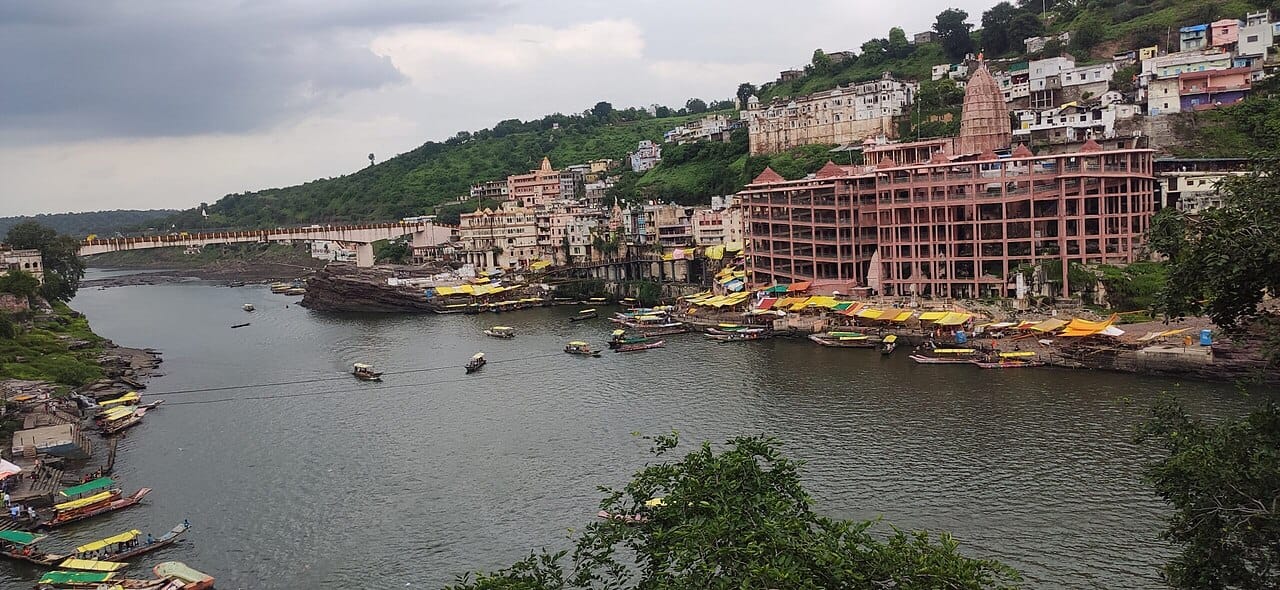
Madhya Pradesh
Omkareshwar Temple
Situated on a sacred island in the Narmada River, Omkareshwar is the only Jyotirlinga located on an island.
Discover Temple
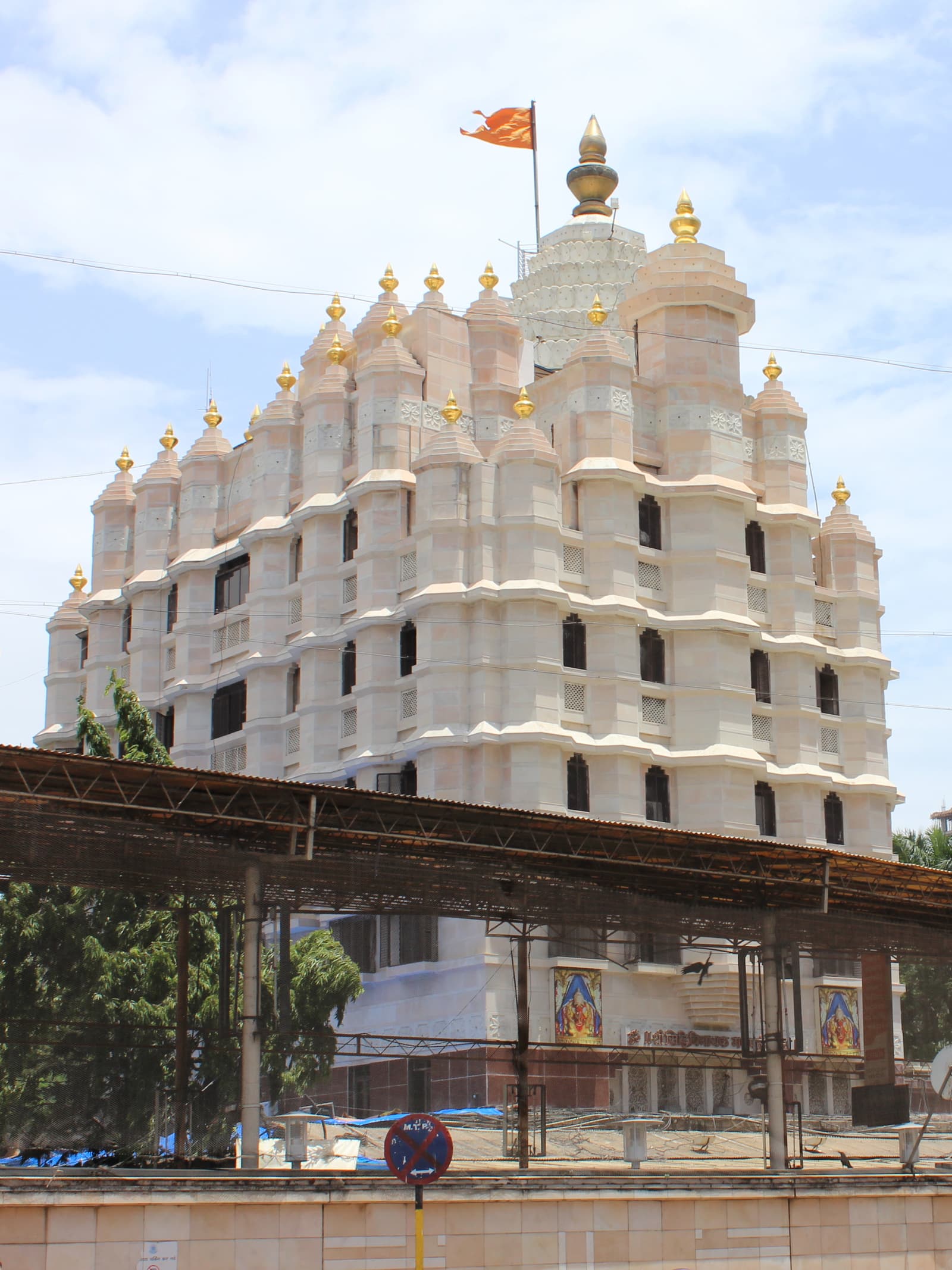
Maharashtra
Shree Siddhivinayak Ganapati Temple, Mumbai
Mumbai's most famous temple and among the richest in India, dedicated to the wish-fulfilling form of Lord Ganesha, drawing over 100,000 devotees daily.
Discover Temple
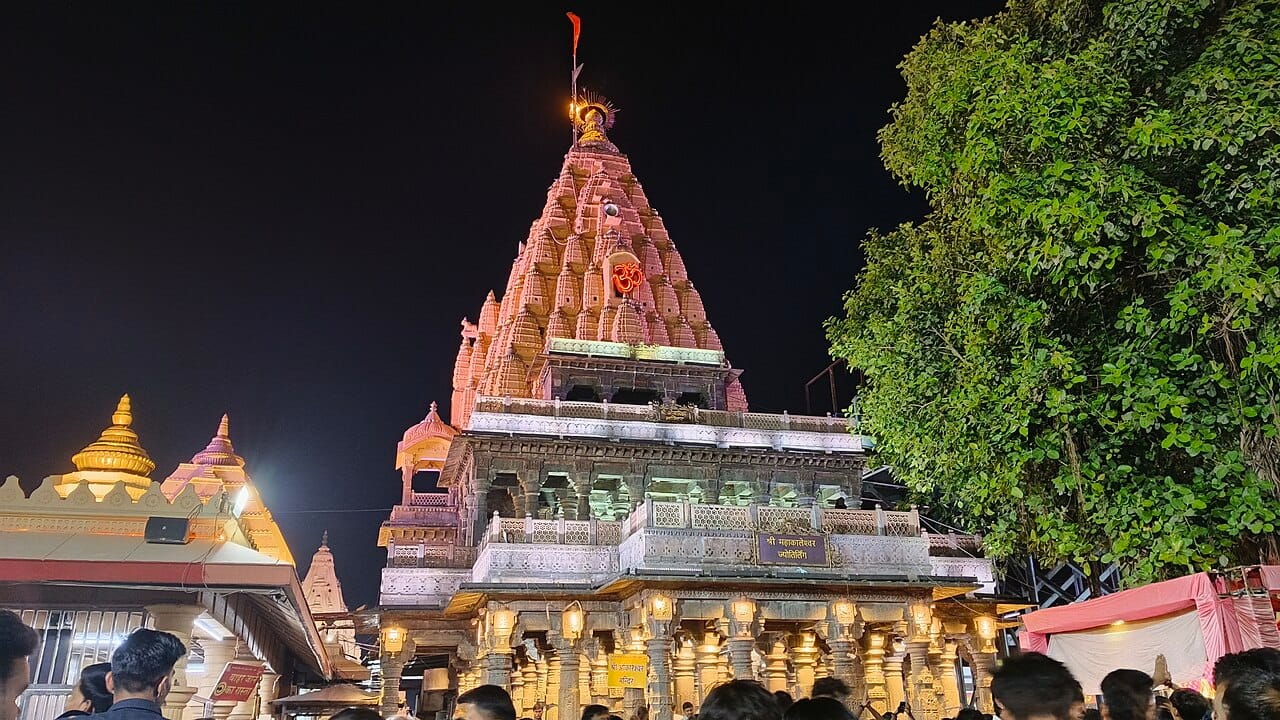
Madhya Pradesh
Mahakaleshwar Temple
One of the twelve Jyotirlingas, Mahakaleshwar in Ujjain is the only Shiva temple where the lingam faces south (Dakshinamurti).
Discover Temple
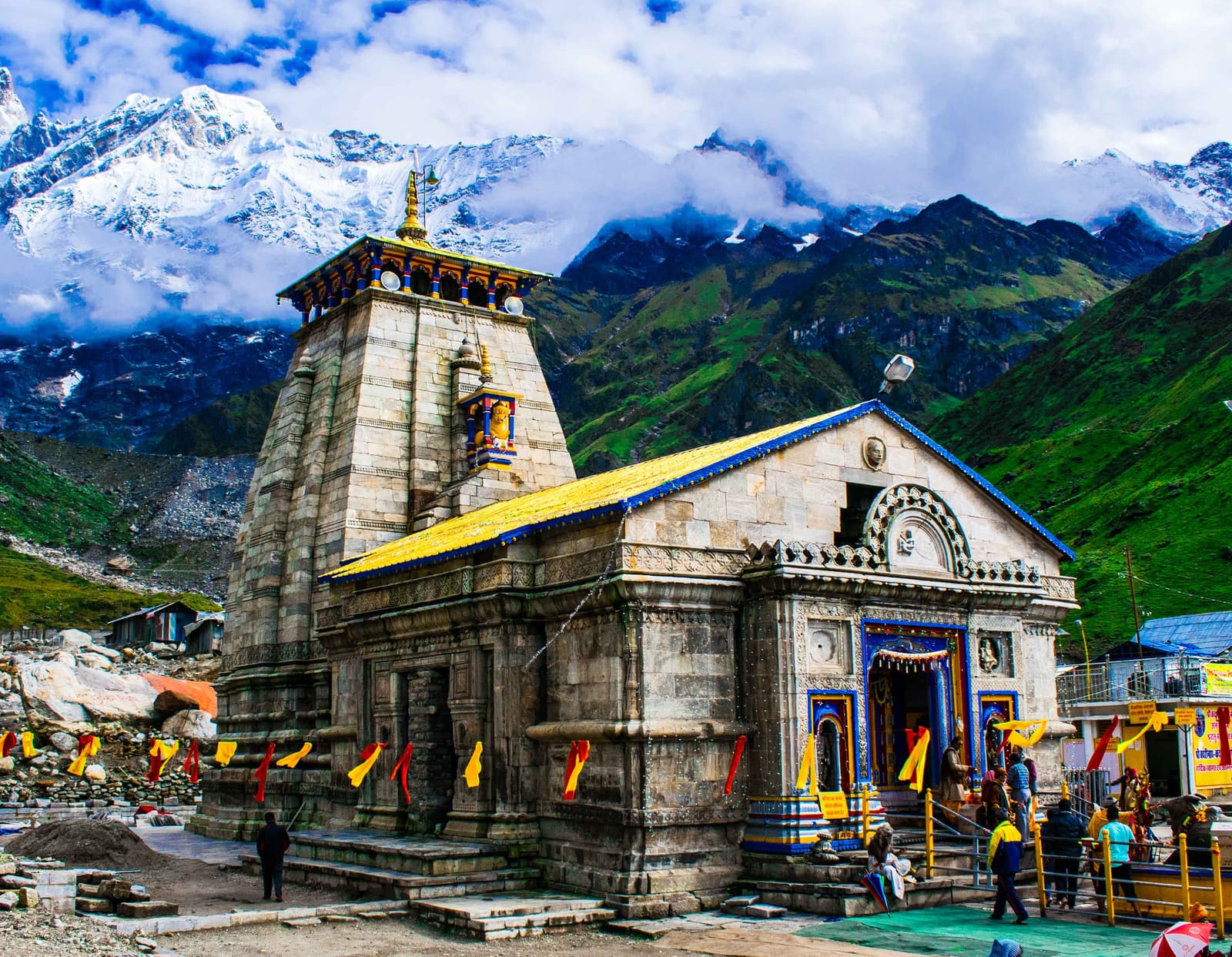
Uttarakhand
Kedarnath Temple
Kedarnath Temple — one of 12 Jyotirlingas, part of Char Dham and Panch Kedar. Verified visitor guide for pilgrims and international travellers at 3,583 m.
Discover Temple
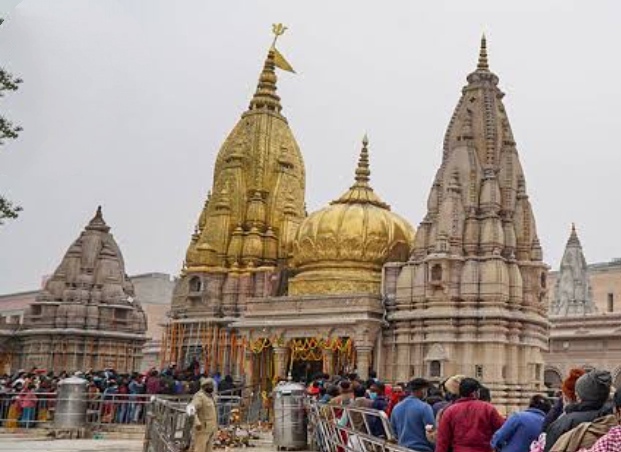
Uttar Pradesh
Kashi Vishwanath Temple
Kashi Vishwanath Temple in Varanasi, one of the twelve Jyotirlingas and the most sacred Shiva temple in Hinduism, stands on the western bank of the holy Ganga.
Discover Temple

Karnataka
Hazara Rama Temple
The Hazara Rama Temple (meaning 'Thousand Ramas') in Hampi served as the royal chapel of the Vijayanagara kings.
Discover Temple

Karnataka
Krishna Temple
The Krishna Temple in Hampi was built in 1515 CE by the Vijayanagara emperor Krishnadevaraya to commemorate his successful military campaign against the Gajapati kingdom of Odisha.
Discover Temple

Karnataka
Achyutaraya Temple
The Achyutaraya Temple, built in 1534 CE during the reign of the Vijayanagara emperor Achyutaraya (1530-1542 CE), is one of the largest and most impressive temple complexes in Hampi's sacred…
Discover Temple

Karnataka
Vittala Temple
The Vittala Temple is the crowning architectural achievement of the Vijayanagara Empire.
Discover Temple
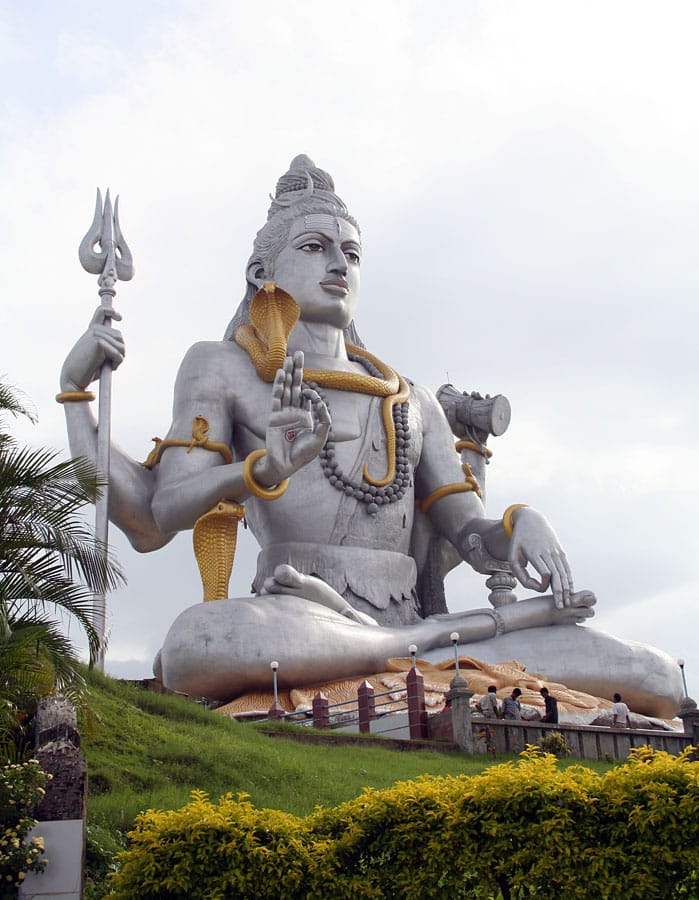
Karnataka
Murudeshwar Temple
Home to the world's second-tallest Shiva statue (123 feet) and a massive 20-story Raja Gopuram overlooking the Arabian Sea.
Discover Temple
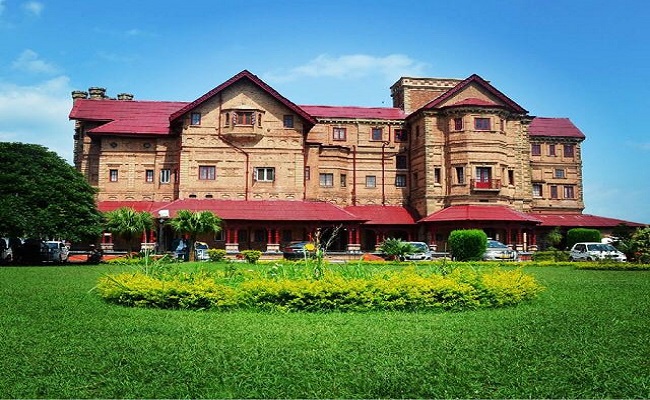
Jammu & Kashmir
Ranbireshwar Temple Jammu
Built in 1883, it is North India's largest Shiva temple, housing a massive 8-foot central Lingam and twelve crystal lingams.
Discover Temple
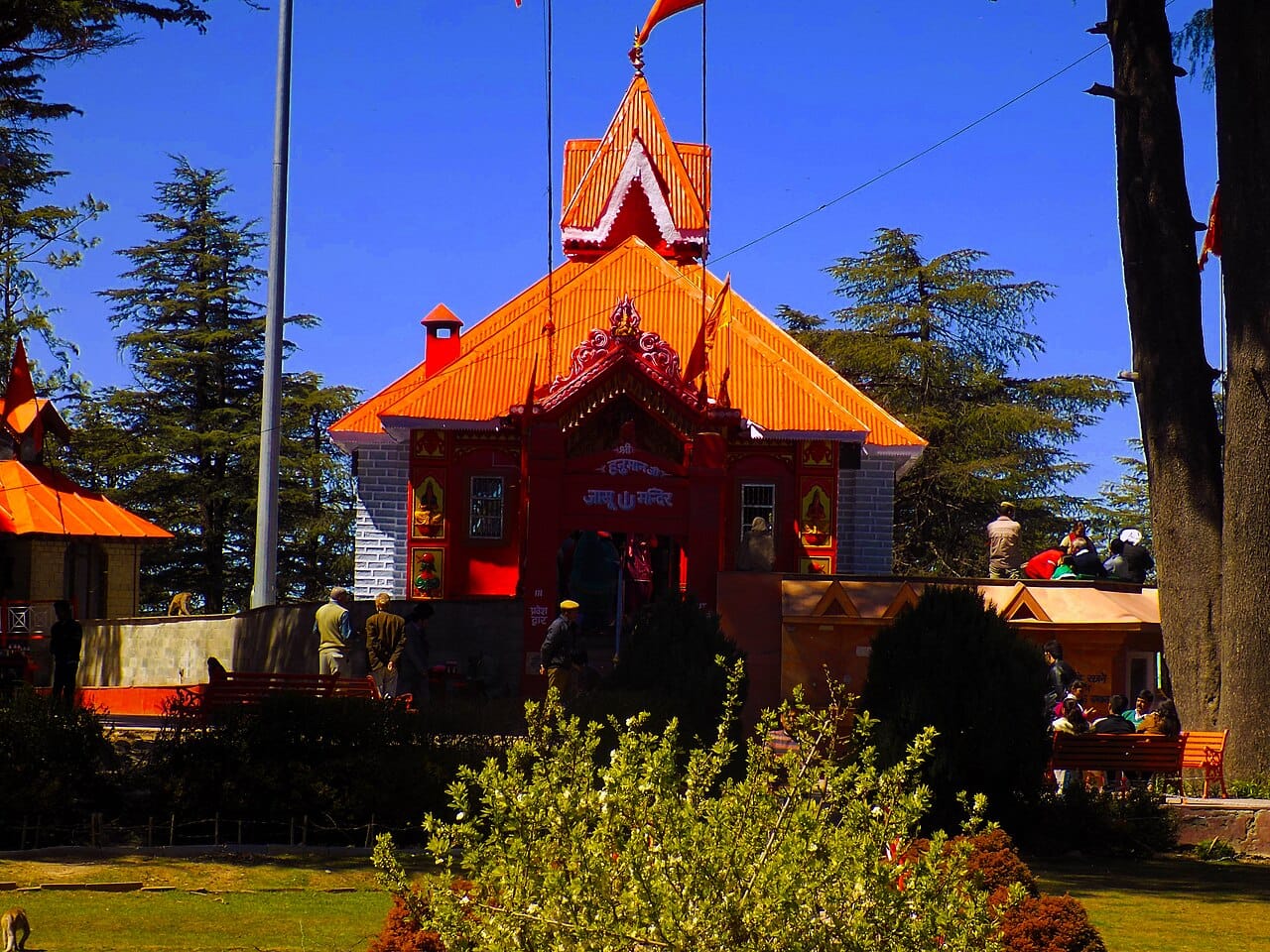
Himachal Pradesh
Chintpurni Temple
A major Shakti Peetha dedicated to Maa Chhinnamastika, the 'Headless Goddess', believed to remove all worries and fulfill the sincere prayers of devotees.
Discover Temple
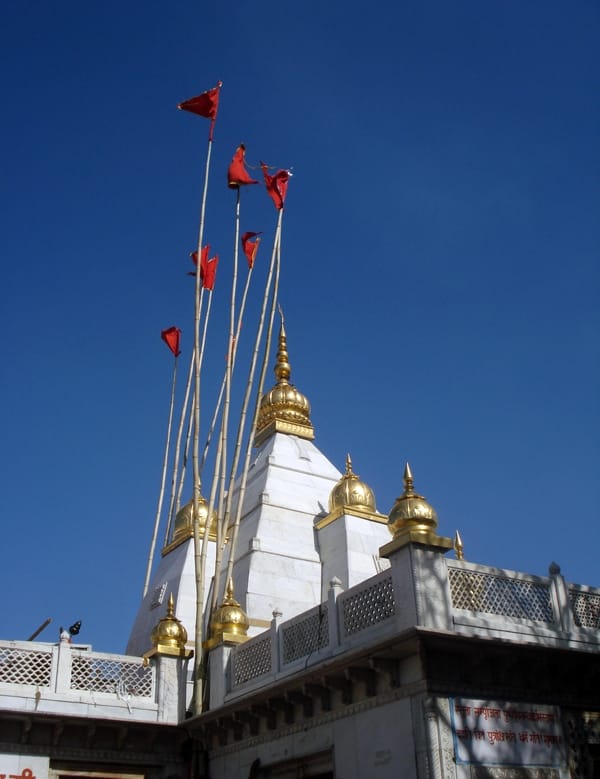
Himachal Pradesh
Naina Devi Temple
A highly revered Shakti Peetha situated on a triangular hilltop where the eyes of Sati are believed to have fallen, offering panoramic views of the Shivalik range and Gobind Sagar…
Discover Temple
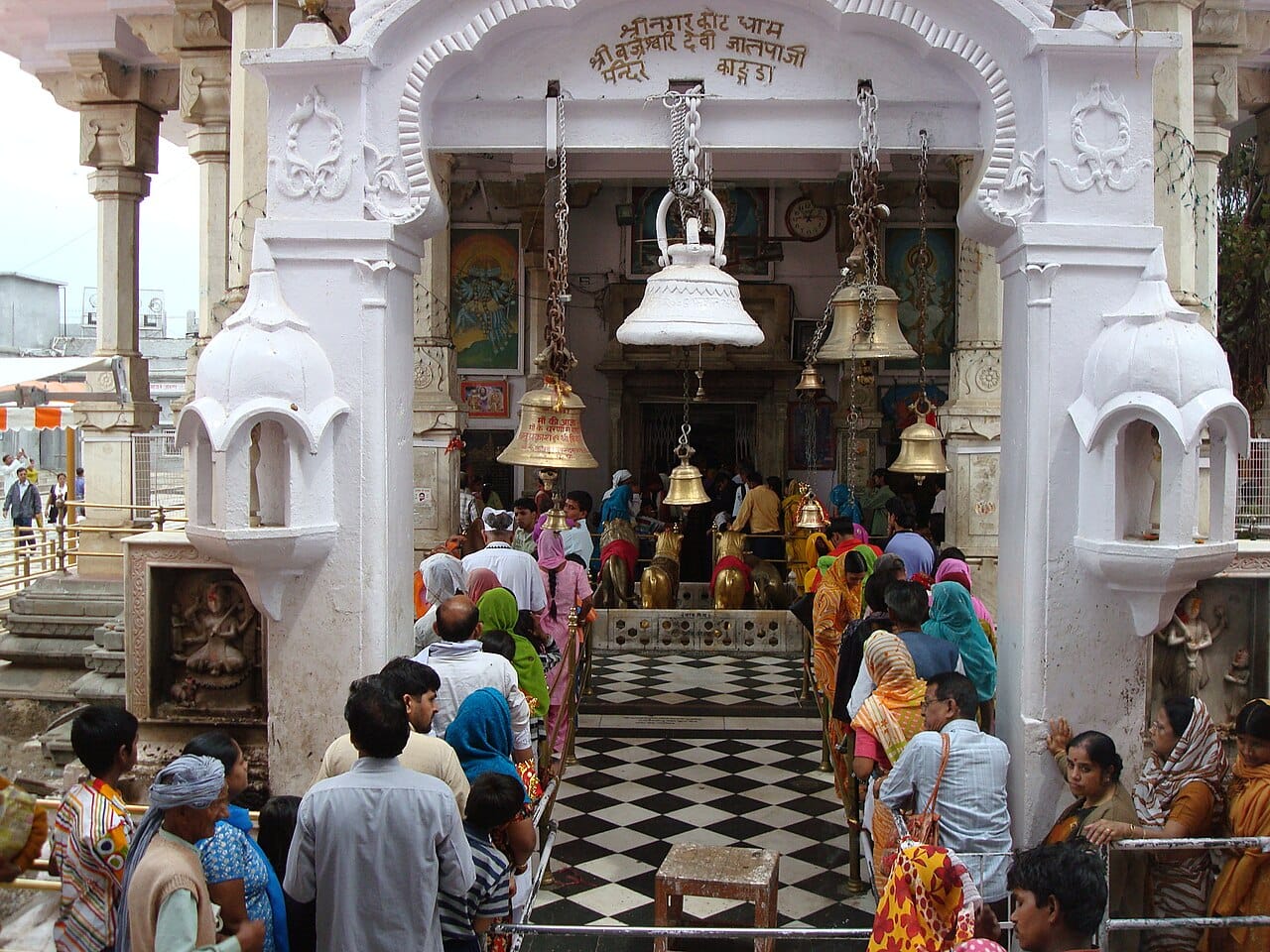
Himachal Pradesh
Bajreshwari Devi Temple
One of the 51 Shakti Peethas, this ancient temple is famous for its legendary wealth and the unique 'Makhan ka Lep' ritual on Makar Sankranti.
Discover Temple
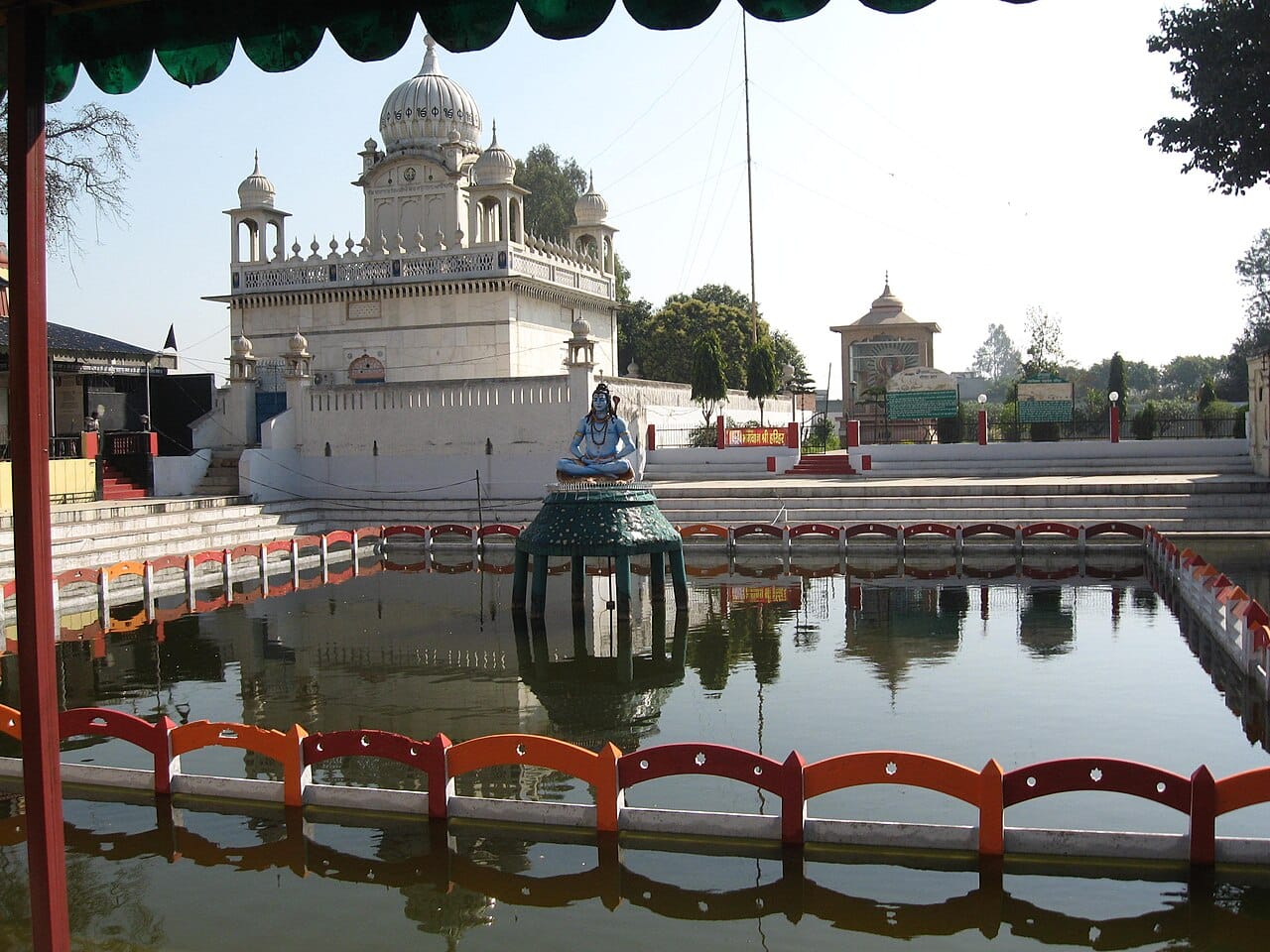
Haryana
Sthaneshwar Mahadev Temple
An ancient and highly revered shrine dedicated to Lord Shiva, intimately connected to the Mahabharata epic and the mighty Pushyabhuti dynasty of Emperor Harshavardhana.
Discover Temple
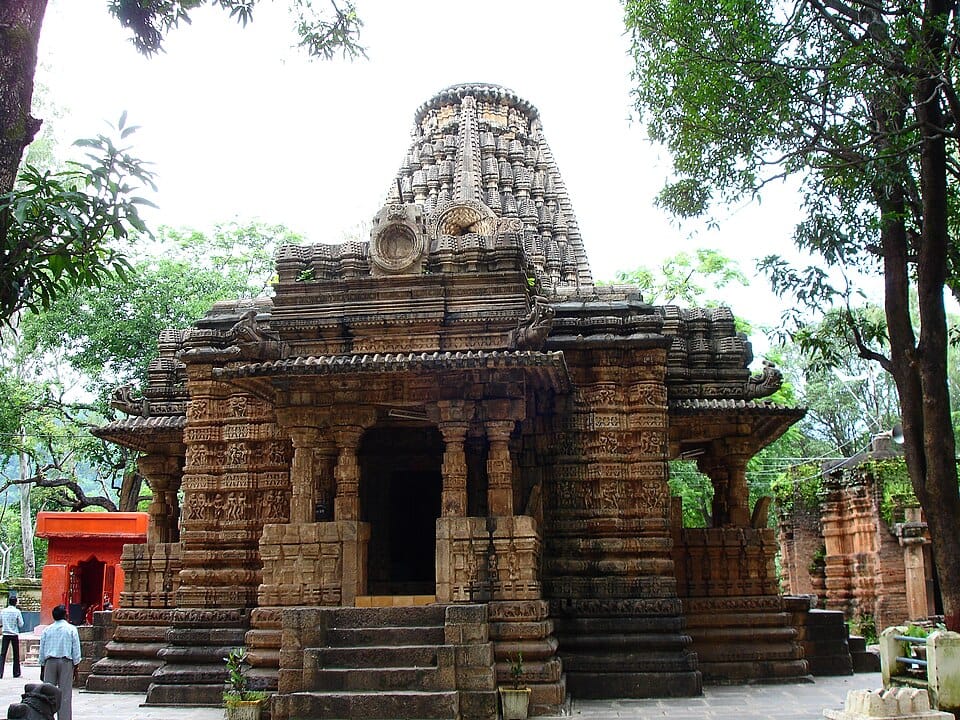
Chhattisgarh
Bhoramdeo Temple
Commonly known as the 'Khajuraho of Chhattisgarh,' this 11th-century architectural masterpiece is famous for its exquisite erotic and mythological sculptures.
Discover Temple
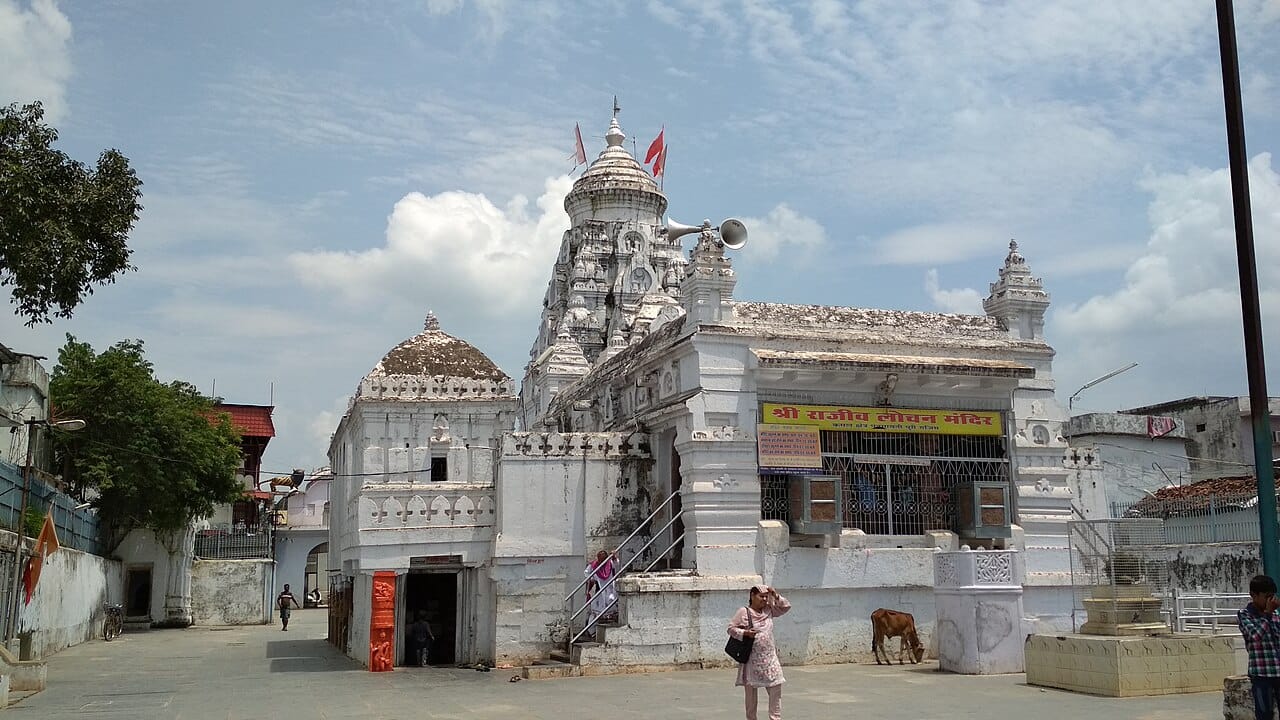
Chhattisgarh
Rajiv Lochan Temple
A magnificent 7th-century Vishnu temple situated at the holy confluence of three rivers, known as the 'Prayag of Chhattisgarh' and famous for its Nala dynasty architecture.
Discover Temple
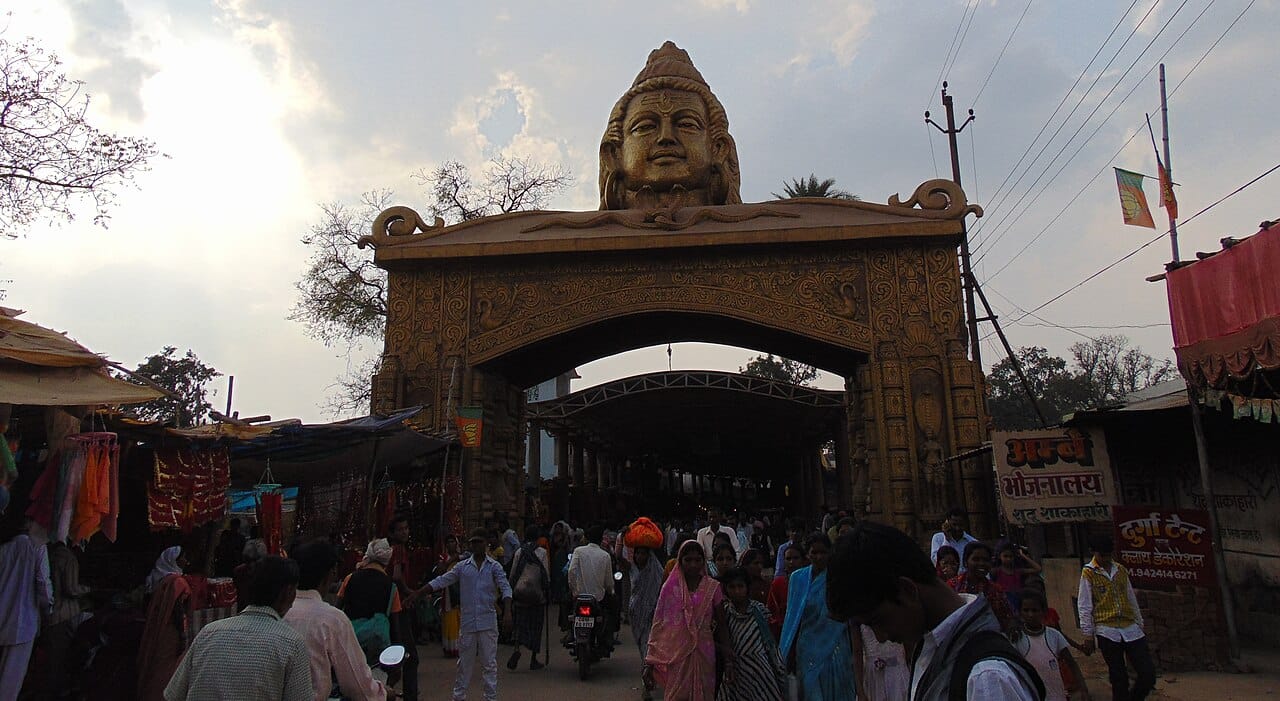
Chhattisgarh
Mahamaya Temple
An 11th-century Shakti Peetha where the right shoulder of Sati is believed to have fallen; unique for its dual idols representing both Mahalakshmi and Mahasaraswati.
Discover Temple
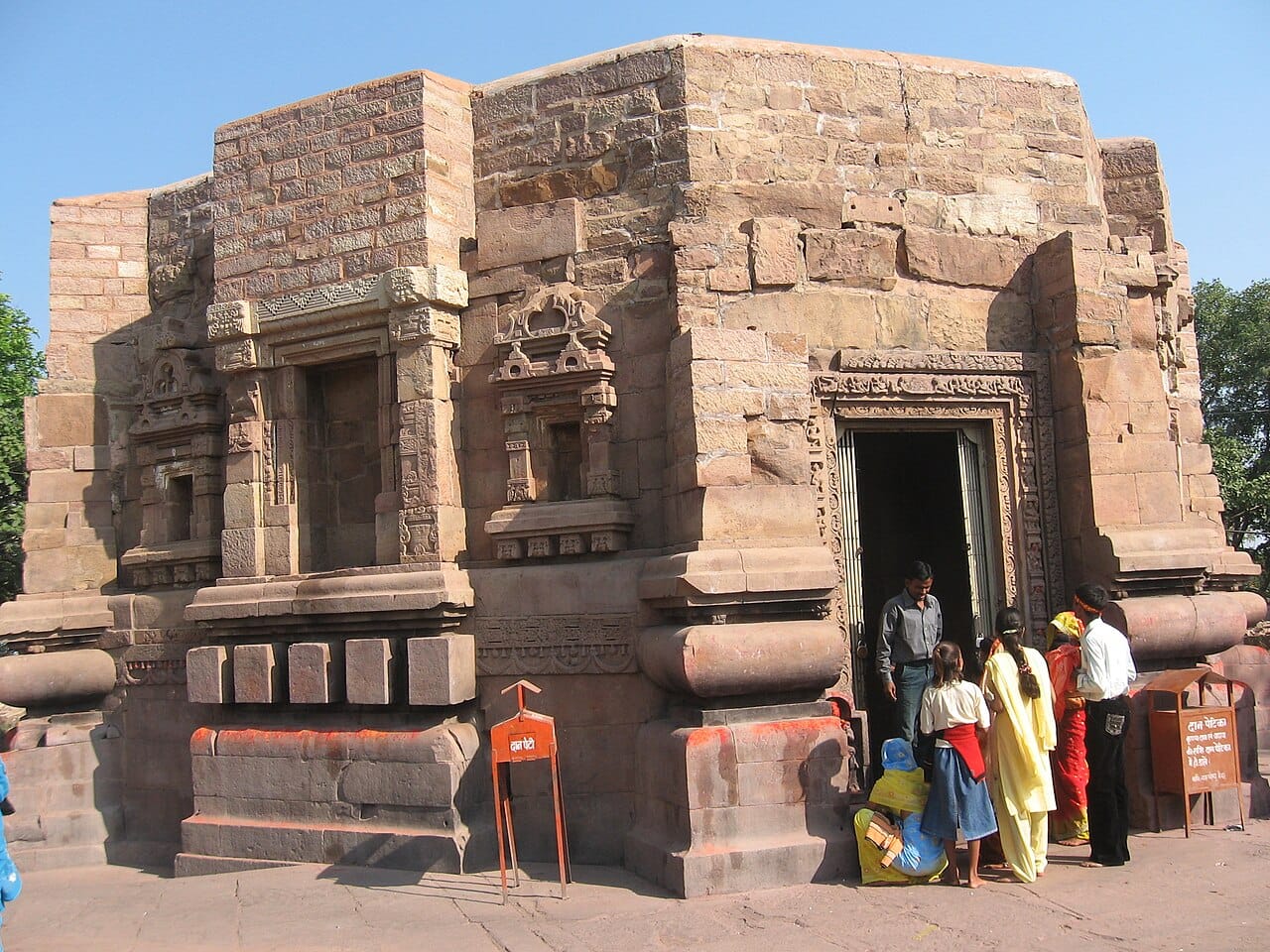
Bihar
Mundeshwari Temple
Often described as the oldest continuously functioning temple in India (claimed 108 AD; ASI plaque gives 635 AD), this ancient octagonal temple on Pawra Hill is known for its unique…
Discover Temple
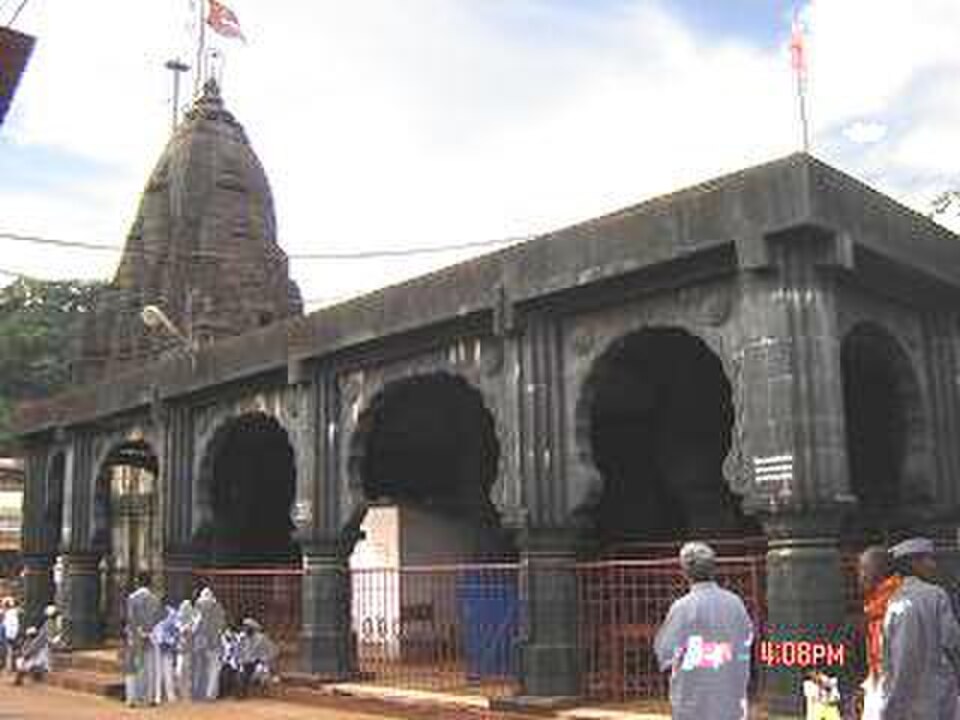
Maharashtra
Bhimashankar Jyotirlinga
The source of the Bhima River deep in the Sahyadri hills. A Jyotirlinga surrounded by a wildlife sanctuary, with the legend of Tripurasura.
Discover Temple
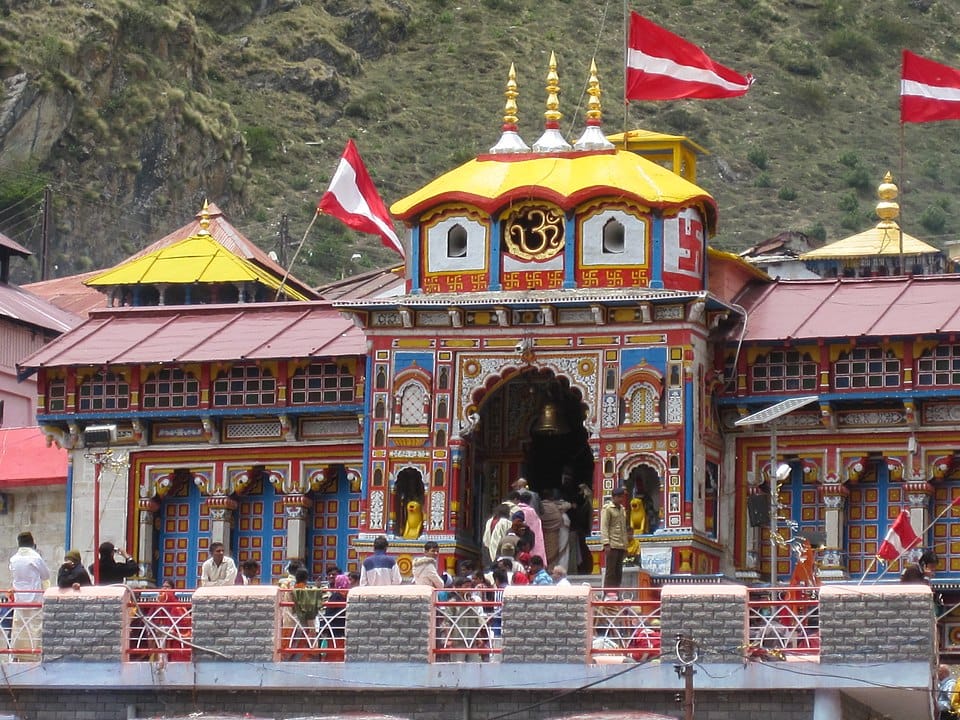
Uttarakhand
Badrinath Temple
Badrinath Temple, dedicated to Lord Vishnu, is a principal Char Dham site and one of the most sacred Vaishnava temples in India, located in the Garhwal Himalayas of Uttarakhand.
Discover Temple
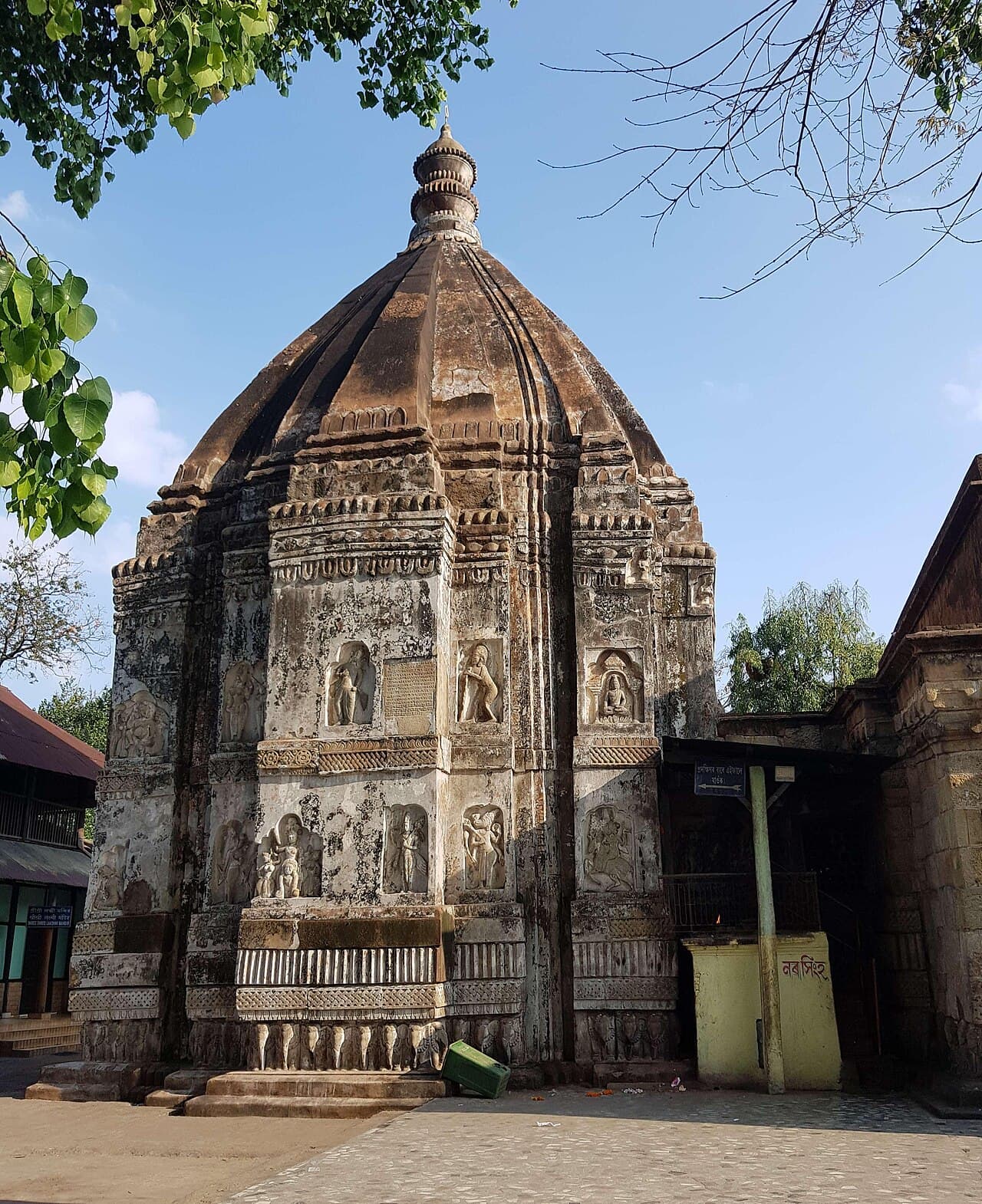
Assam
Hayagriva Madhava Temple
A unique 16th-century stone temple on Monikut Hill, sacred to both Hindus and Buddhists, known for its ancient carvings and sacred turtles.
Discover Temple
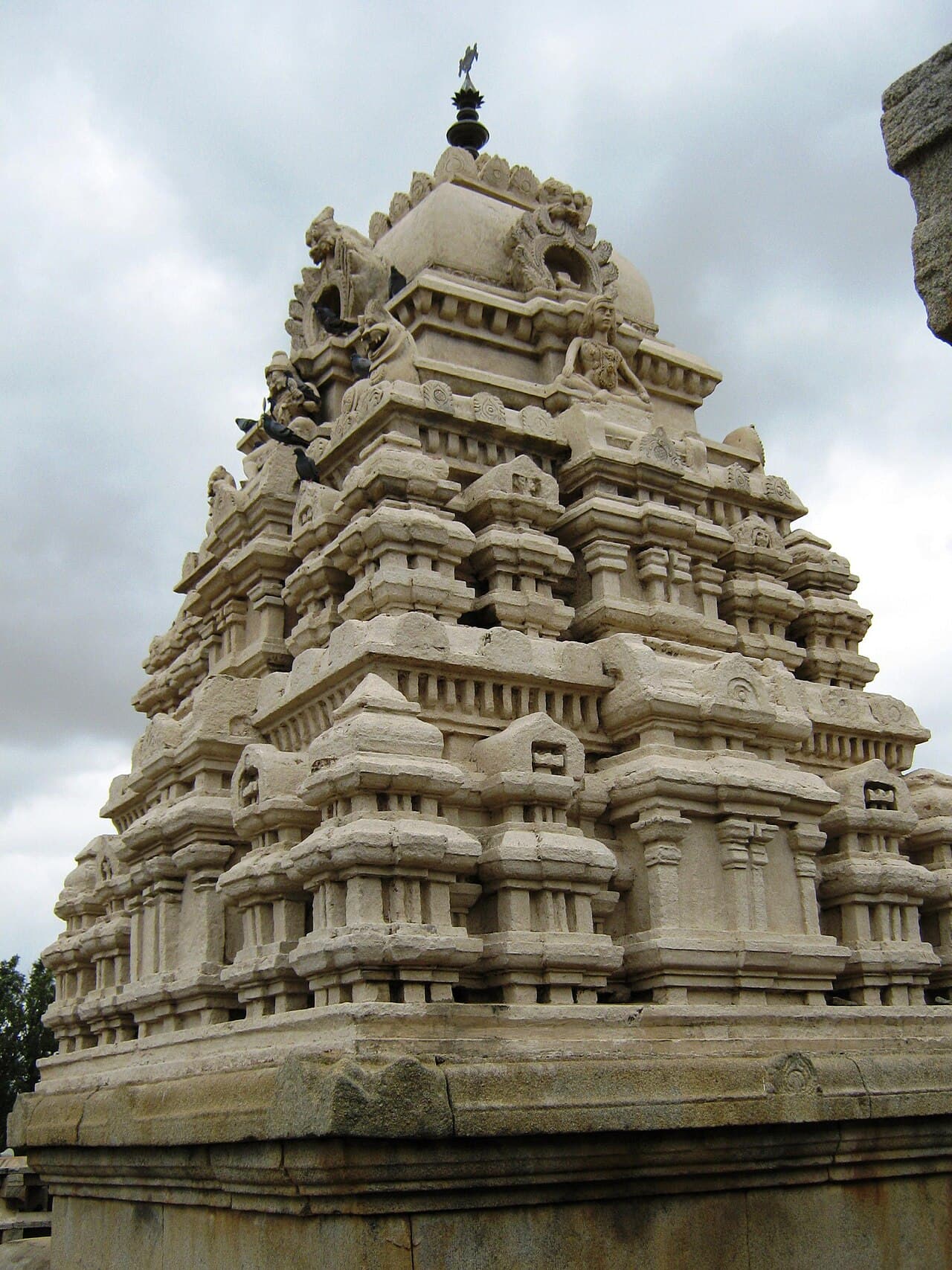
Andhra Pradesh
Veerabhadra Temple
Veerabhadra Temple at Lepakshi is a 16th-century Vijayanagara masterpiece, renowned for its hanging pillar, monolithic Nandi, and exquisite ceiling murals.
Discover Temple
Andhra Pradesh
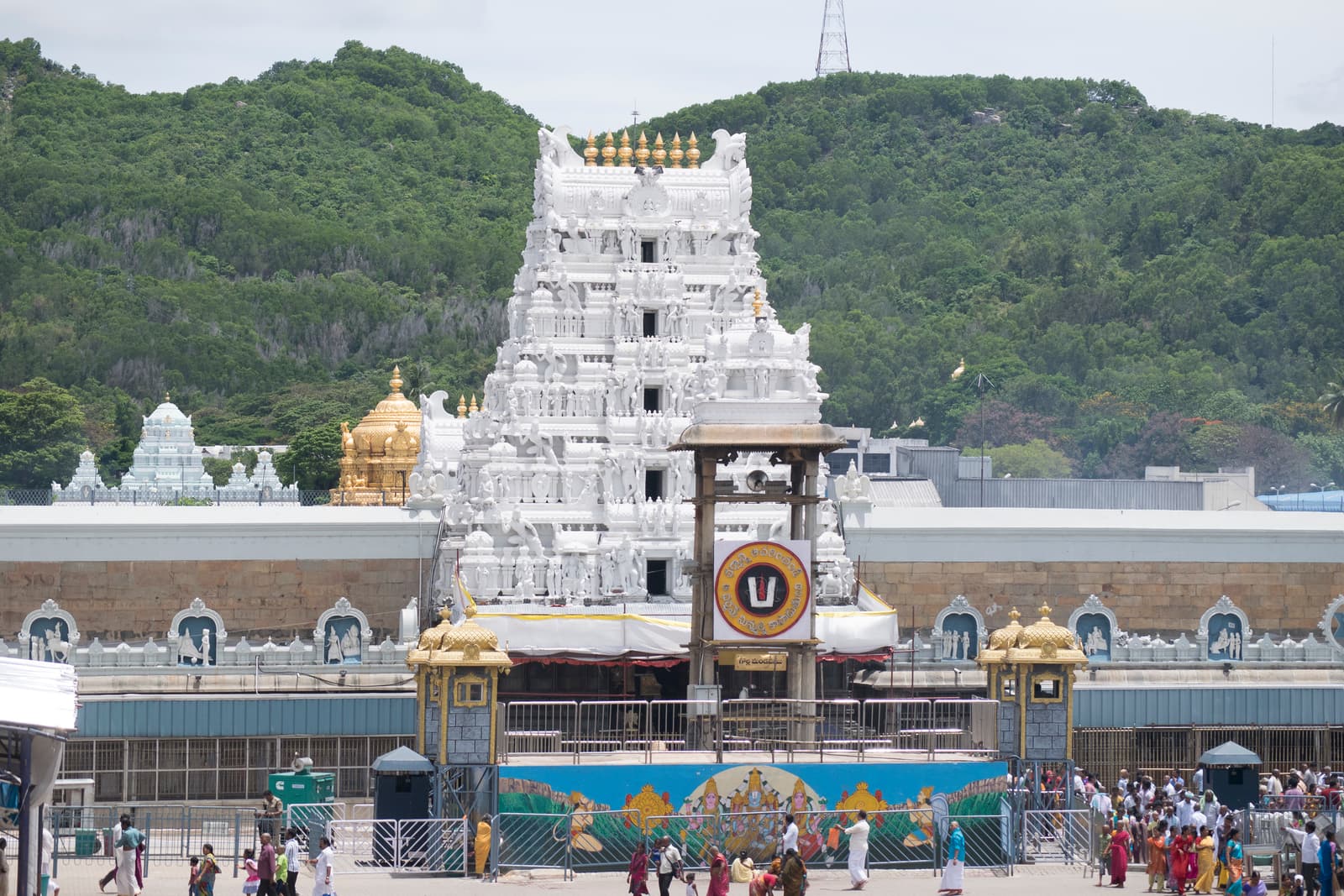
Tirumala Venkateswara Temple
Tirumala Venkateswara Temple, situated in the hill town of Tirumala in Tirupati district, is dedicated to Lord Venkateswara, an incarnation of Vishnu.
Discover Temple
Dadra & Nagar Haveli and Daman & Diu
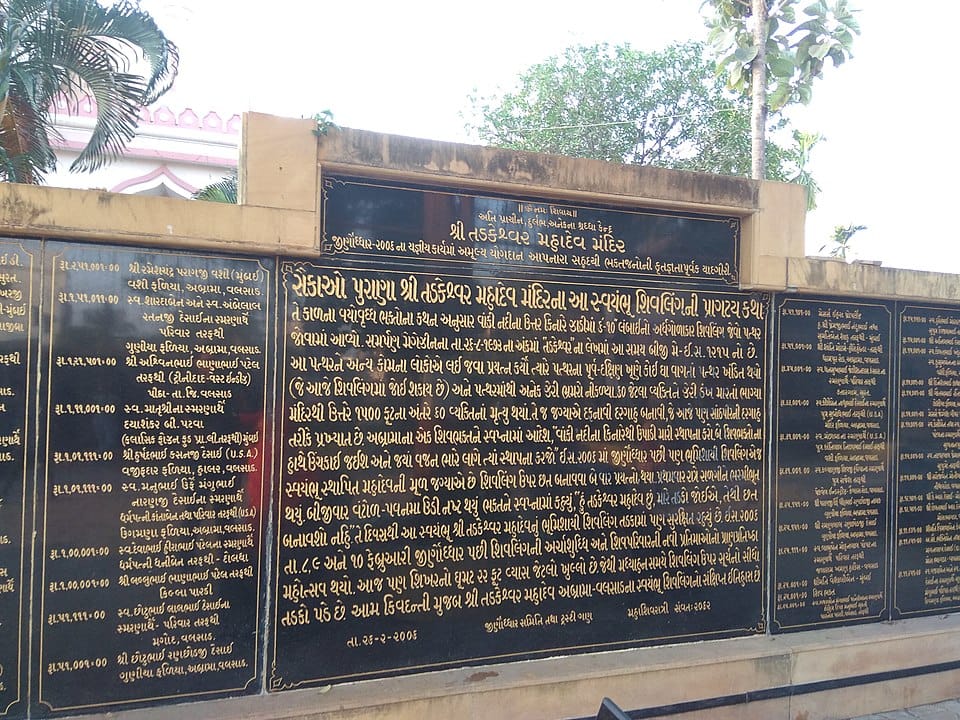
Shiva Temple Silvassa (Tadkeshwar Mahadev)
An ancient Shiva temple in dense forest with a unique roofless sanctum allowing direct sunlight on the lingam.
Discover Temple
Andaman & Nicobar
Radha Govind Temple
A revered Vaishnavite sanctuary on R.G.T. Road in Port Blair featuring white marble sanctums, expressive narrative mural artwork depicting Krishna's childhood, and an adjoining Jain temple sanctuary.
Discover Temple
Andaman & Nicobar
Sri Lakshmi Narayan Temple
Centrally located Nagara-style Vishnu temple in Aberdeen Bazaar, Port Blair, enshrining Lord Vishnu and Goddess Lakshmi with a graceful shikhara that serves as a prime community landmark for island residents.
Discover Temple
UNESCO 1986Cultural Heritage
Madhya Pradesh
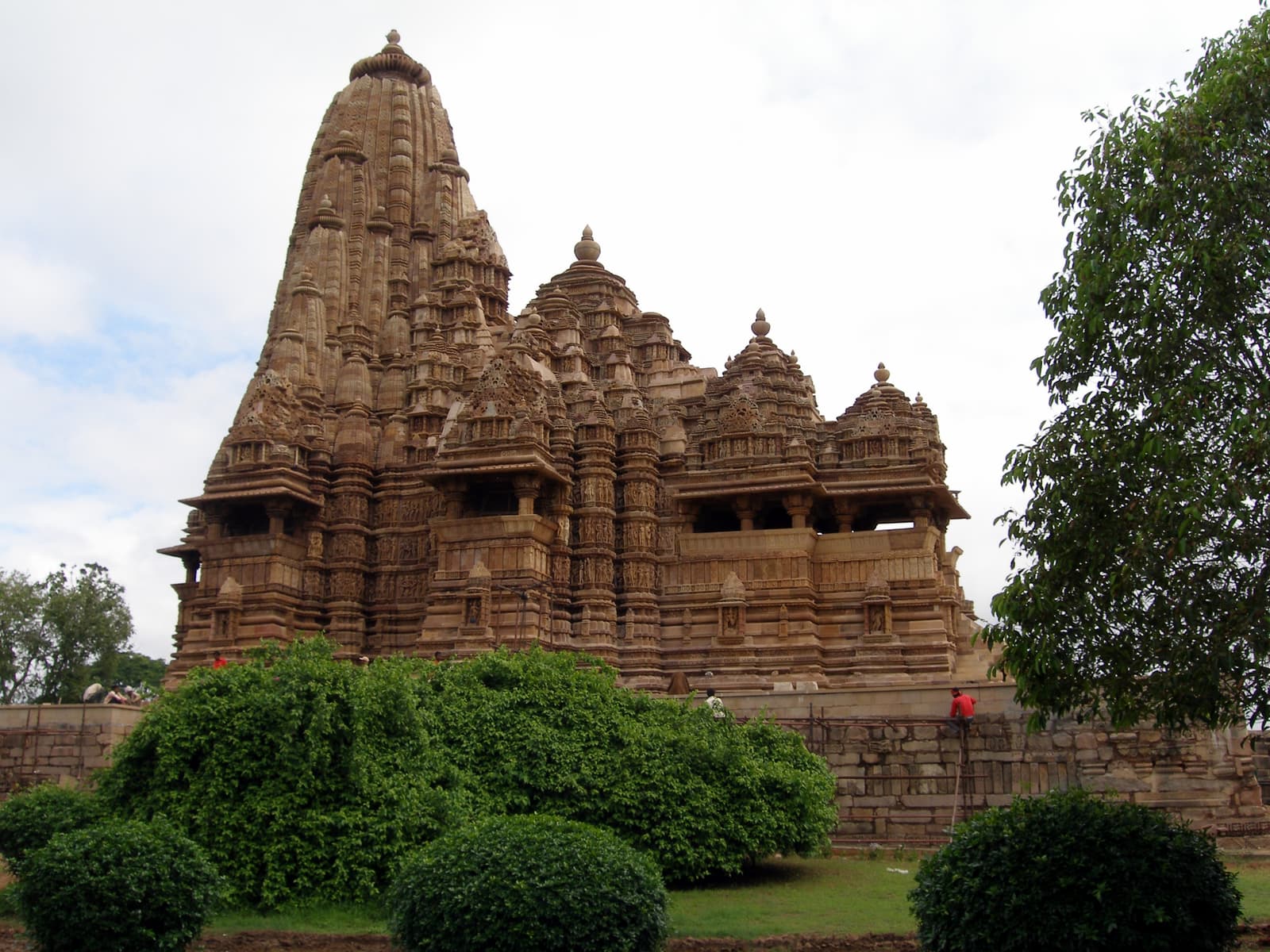
Khajuraho Group of Monuments
The largest and most ornate Hindu temple in the Khajuraho Group of Monuments.
Discover Temple
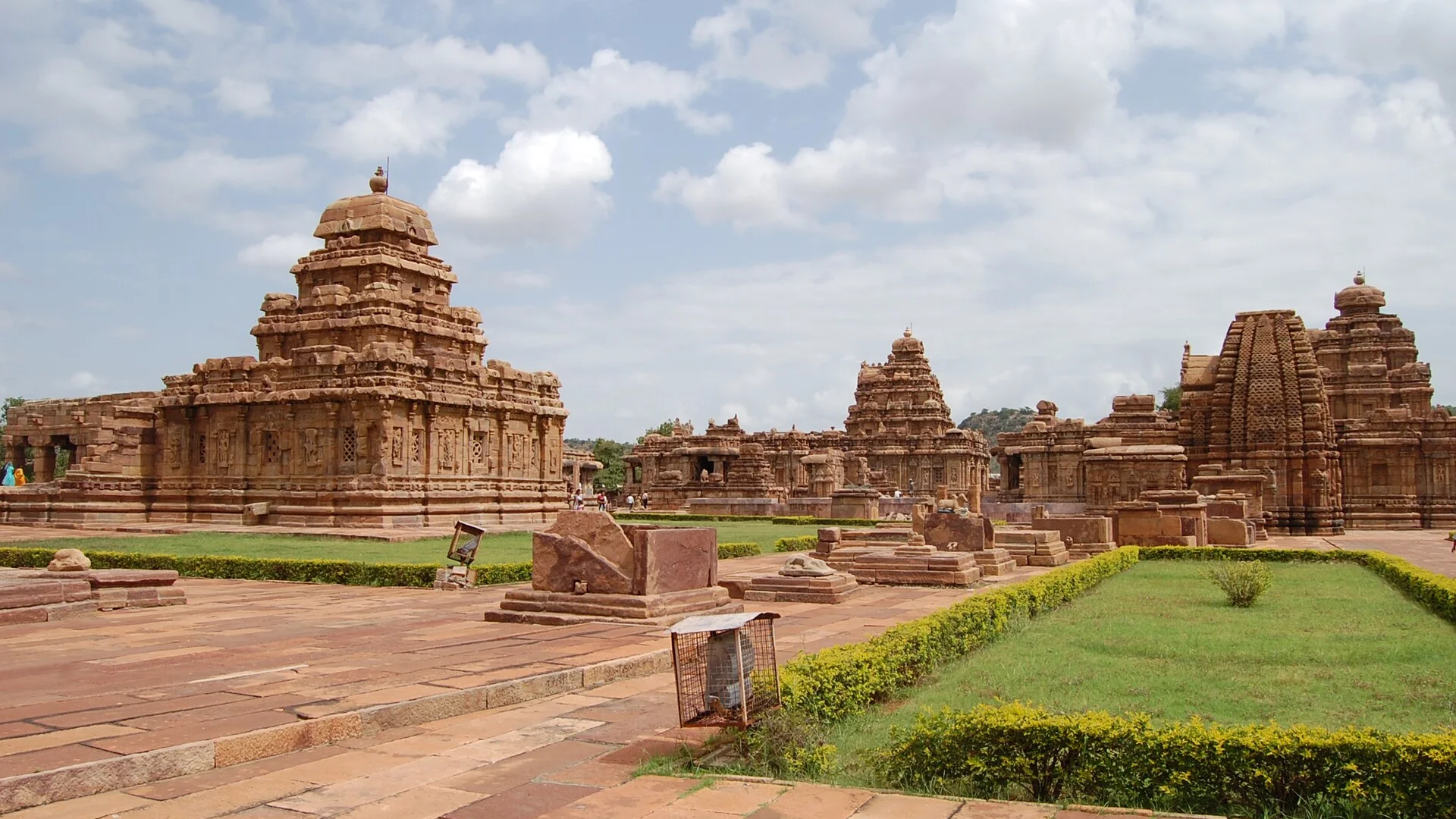
UNESCO 1987Cultural Heritage
Karnataka
Monuments at Pattadakal
A UNESCO World Heritage site showcasing the unique blend of Nagara and Dravidian temple architecture from the Chalukya dynasty.
Discover Temple
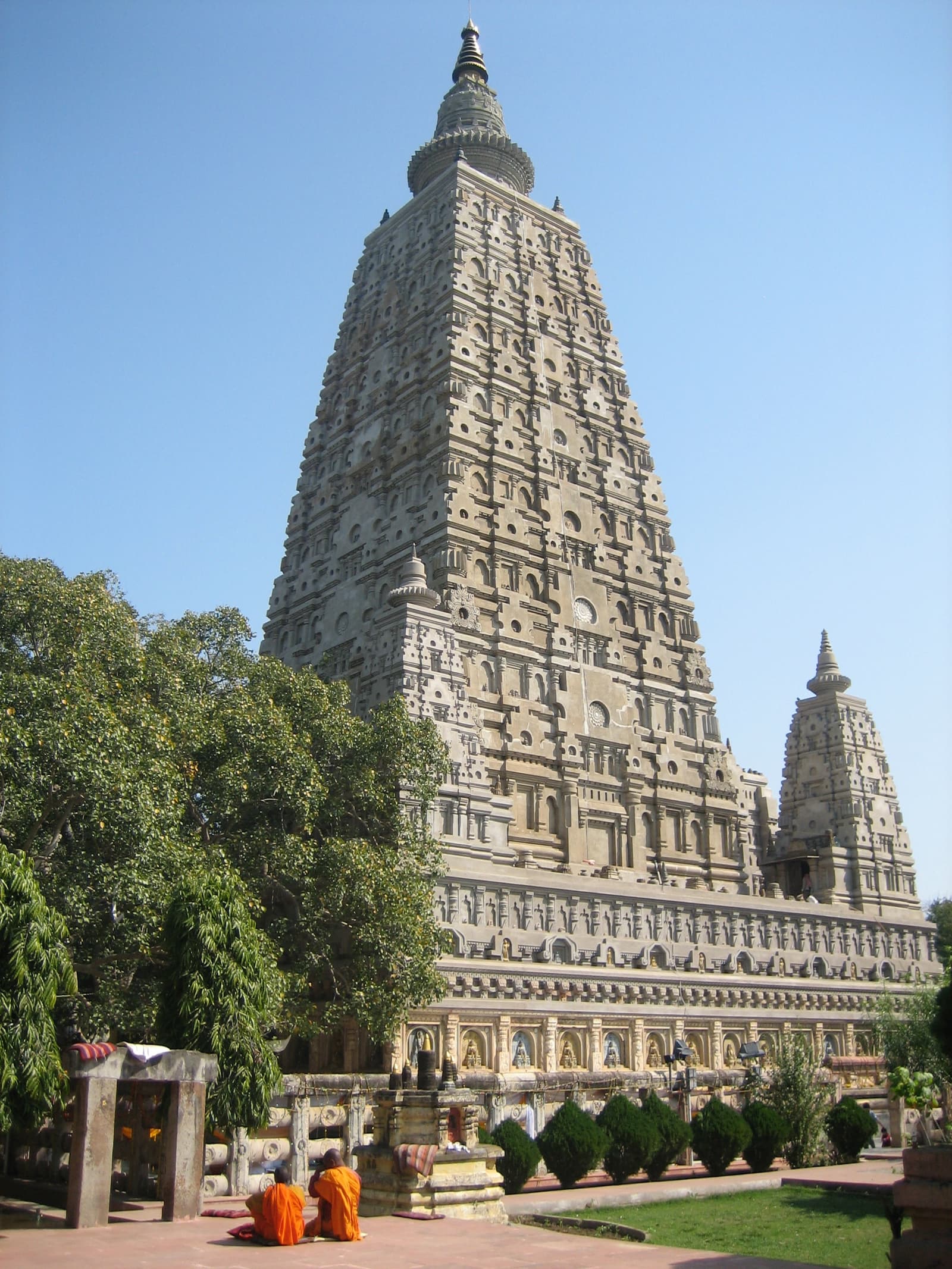
UNESCO 2002Cultural Heritage
Bihar
Mahabodhi Temple Complex
A UNESCO World Heritage site marking the location where Siddhartha Gautama attained enlightenment and became the Buddha.
Discover Temple
Continue Exploring
Sources & References
Archaeological Survey of India (ASI)
Verified monument data and architectural records.
UNESCO World Heritage Centre
International heritage documentation.
— every record linked above was re-requested for this release, so the link still resolves and the publisher still serves the document. It is a link check, not a re-verification of every sentence on this page.