From ancient rock-cut marvels to towering imperial shrines, discover the architectural soul of Bharat through our verified digital archive.
Explore More Temples
Location
Kurukshetra
Presiding Deity
Lord Shiva (Sthaneshwar Mahadev)
Architecture
Nagara style with later Maratha/Mughal domed elements
Dynasty
Pushyabhuti Dynasty — Maratha Empire
Timings
The temple doors open to devotees early in the morning at 5:00 AM and remain open until 9:00 PM. In the winter season, the timings may be slightly adjusted to 5:30 AM to 8:30 PM. The morning Mangala Aarti is performed at 5:30 AM, and the Sandhya (evening) Aarti takes place at 7:00 PM. The temple does not close during the afternoon, allowing for continuous darshan (viewing of the deity).
Entry Fee
Free
Best Time
The ideal time to visit the Sthaneshwar Mahadev Temple is during the winter months, from October to March. The weather in Haryana during this period is cool and pleasant, making it comfortable for exploring the temple complex, the holy tank, and the numerous other historical sites in Kurukshetra. For those seeking to witness the sheer magnitude of religious fervor, visiting during the Maha Shivaratri festival (February/March) or the holy month of Shravan (July/August) offers a deeply immersive cultural experience. Expect extremely large crowds and long waiting times during these festive periods. Early mornings, particularly during the Mangala Aarti around 5:30 AM, offer the most peaceful and spiritually rewarding experience.
An ancient and highly revered shrine dedicated to Lord Shiva, intimately connected to the Mahabharata epic and the mighty Pushyabhuti dynasty of Emperor Harshavardhana.
The history of the Sthaneshwar Mahadev Temple is a captivating saga that spans from the mythological Treta and Dvapara Yugas to the recorded annals of medieval and modern Indian history. According to the Mahabharata, before the commencement of the apocalyptic Kurukshetra War, Lord Krishna brought the five Pandava brothers—Yudhishthira, Bhima, Arjuna, Nakula, and Sahadeva—to this exact spot. Here, they performed intense penance and offered prayers to Lord Shiva, seeking his divine blessings for victory in the impending battle against their cousins, the Kauravas. Pleased with their devotion, Lord Shiva appeared and granted them the boon of ultimate victory, stating that truth and righteousness would prevail. This legendary event cements the temple's status as a site of divine intervention in the greatest epic of India. Moving from mythology to documented history, the temple served as the presiding deity's shrine for the Pushyabhuti dynasty (also known as the Vardhana dynasty). The city of Thanesar was their capital, and the rulers were ardent devotees of Lord Shiva. Emperor Prabhakaravardhana and his illustrious son, Emperor Harshavardhana (who ruled from 606 to 647 CE), worshipped at this temple. During Harsha's golden reign, Thanesar flourished as a great center of learning, culture, and trade, and the Sthaneshwar Mahadev Temple was the spiritual heart of the empire. The Chinese traveler Xuanzang (Hiuen Tsang), who visited India during Harsha's reign, documented the prosperity of Thanesar and the deep religious fervor of its people. However, the temple's journey through time was not without tragedy. In 1011 CE, the devastating invasions of Mahmud of Ghazni reached the gates of Thanesar. The city was brutally sacked, and the Sthaneshwar Mahadev Temple suffered massive destruction. The invader plundered the temple's vast wealth, destroyed its sacred idols, and left the once-glorious shrine in ruins, taking many devotees as prisoners. For centuries, the site lay in a state of desecration, a silent witness to the turbulent medieval period of Northern India. The resurrection of the Sthaneshwar Mahadev Temple came centuries later, spearheaded by the Maratha Empire. During the 18th century, as the Marathas expanded their influence across North India, they undertook the restoration of numerous ancient Hindu sites. The current structure of the temple owes its existence largely to Sadashivrao Bhau, the commander-in-chief of the Maratha army. Prior to the fateful Third Battle of Panipat in 1761, Sadashivrao Bhau visited Kurukshetra and ordered the reconstruction of the Sthaneshwar Mahadev Temple, honoring the site where the Pandavas once prayed for victory. Though the Marathas lost the battle at Panipat, their legacy lives on in the beautifully rebuilt temple that stands today, symbolizing the enduring and indomitable spirit of the Hindu faith.
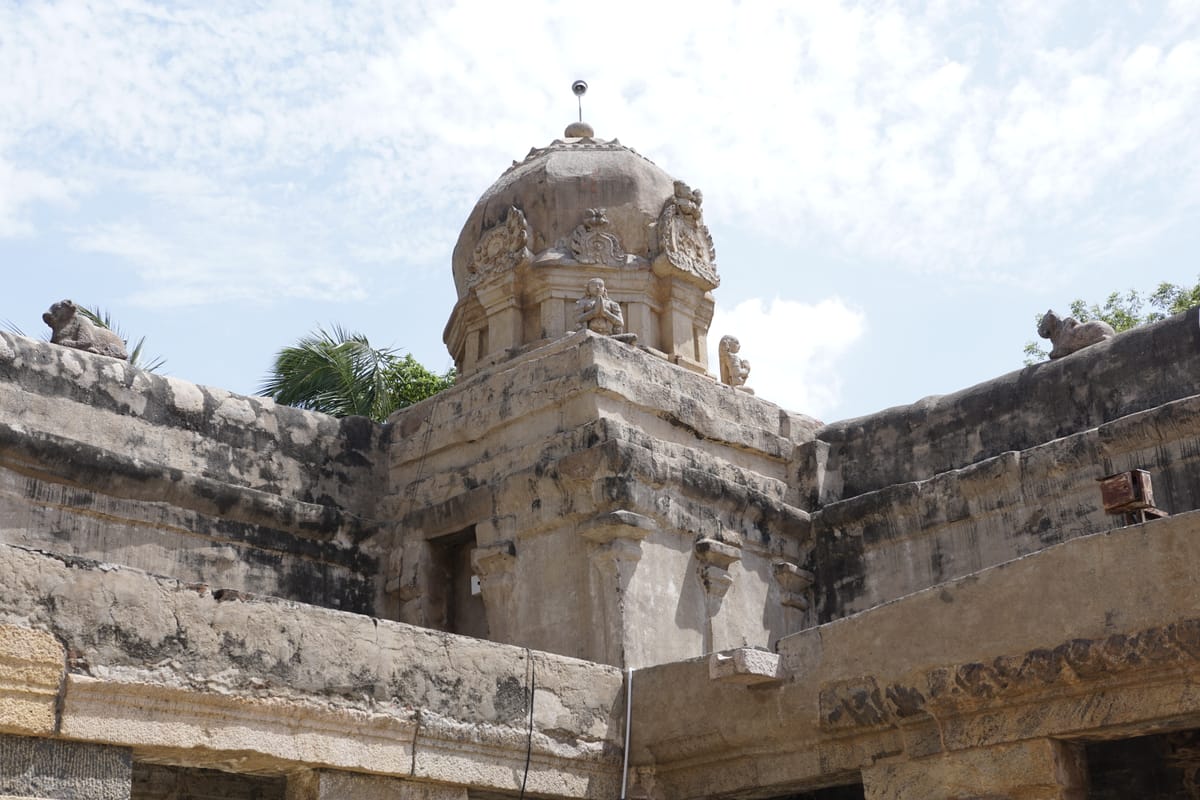
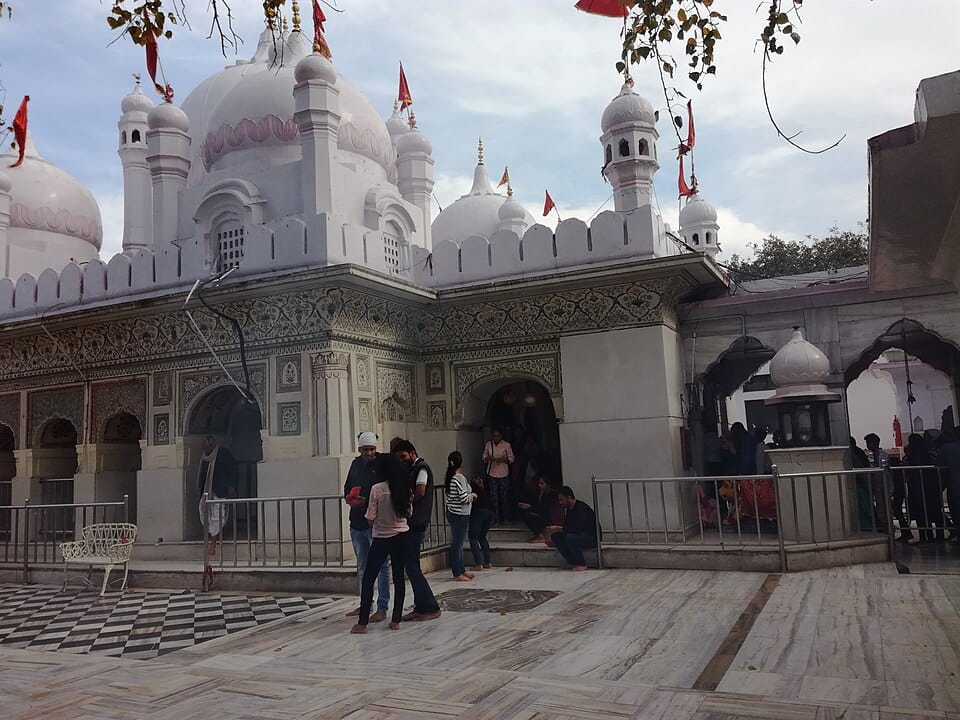
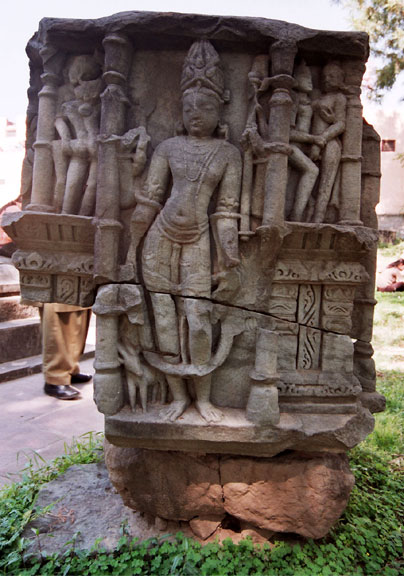
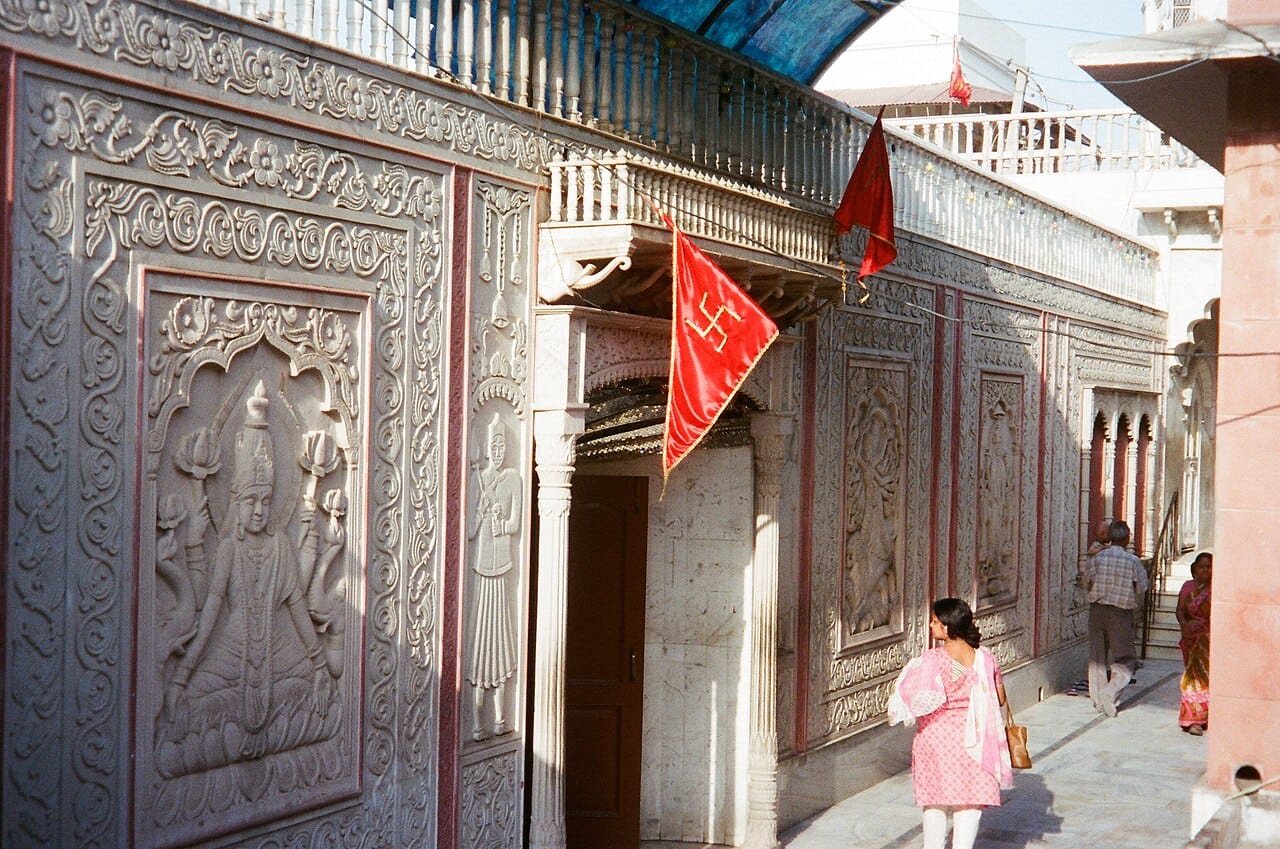
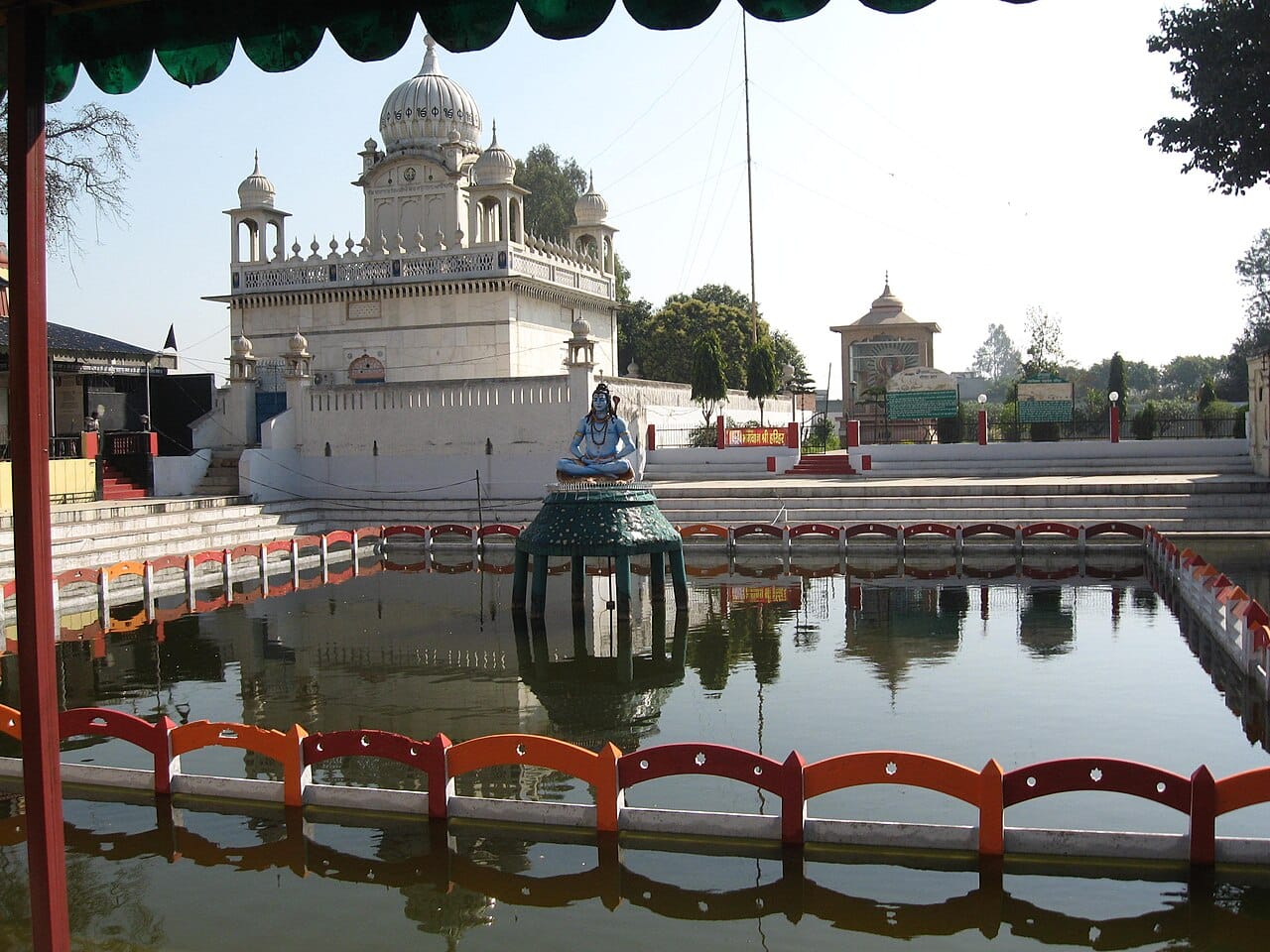
The architectural layout and design of the Sthaneshwar Mahadev Temple reflect a fascinating synthesis of ancient sanctity and later Maratha architectural styles, owing to its 18th-century reconstruction. While the original Pushyabhuti-era structure is lost to time and invasions, the current edifice stands as a beautiful example of resilient Hindu temple architecture adapted to the regional styles of North India. The main shrine is characterized by its striking, onion-shaped dome, a feature highly characteristic of late Maratha and Rajput architectural influences. This ribbed dome, painted in pristine white, rises elegantly against the skyline of Thanesar, crowned with an ornate golden finial (Kalash) that glints in the sunlight. The use of white marble in the construction of the central shrine imparts an aura of purity and peace. The temple is built on an elevated platform, requiring devotees to ascend a short flight of stairs to reach the main sanctum (Garbhagriha). The sanctum itself is relatively unadorned, directing the devotee's entire focus toward the central deity—the ancient Shiva Linga. The walls of the temple complex are thick and sturdy, built to withstand the test of time, and enclose a spacious courtyard that accommodates large gatherings during festivals. The courtyard is paved with stone and surrounded by smaller shrines dedicated to other deities of the Hindu pantheon, creating a holistic environment of worship. Adjacent to the main temple structure is the revered sacred tank. The ghats (steps) leading down to the water are constructed with robust stonework, allowing devotees safe access for ritual bathing. The reflection of the white-domed temple in the calm waters of the tank during the early morning hours creates a visually mesmerizing and spiritually uplifting panorama. To the side of the temple, one can also find a shrine dedicated to Bhairava, the fierce manifestation of Lord Shiva, and an ancient Peepal tree that is tied with thousands of sacred red threads (Kalawa) by devotees making wishes. The entire architectural ensemble, while modest compared to massive South Indian complexes, exudes an intense, concentrated spiritual energy.
Signature Feature: The holy tank whose waters are said to have cured a leprosy-stricken king.. The temple was reconstructed by the Marathas in the 18th century.
The Sthaneshwar Mahadev Temple follows strict and ancient Vedic rituals that have been preserved through generations of temple priests. The day begins before dawn with the 'Mangala Aarti', an incredibly powerful ritual where the deity is awakened with the chanting of Rudram and other Shaivite hymns. This is followed by the daily 'Jal Abhishek', where the Shiva Linga is bathed with holy water drawn from the sacred tank, mixed with milk, curd, honey, ghee, and sugar (Panchamrit). Devotees flock to the temple throughout the day to perform their personal offerings, predominantly consisting of Bel leaves (Bilva Patra), Dhatura flowers, Bhang, and fresh fruits, which are believed to be highly favored by Lord Shiva. The chanting of the 'Maha Mrityunjaya Mantra' echoes continuously in the temple halls, creating a deeply meditative atmosphere. Taking a holy dip in the adjacent Amrit Vapi (tank) before offering prayers to the Linga is a key ritual unique to this temple. This act of purification is considered essential for washing away physical afflictions and past karmic debts. In the evening, the 'Sandhya Aarti' is a mesmerizing spectacle; the temple is illuminated with hundreds of oil lamps (Diyas), and the rhythmic beating of the Damaru (Lord Shiva's drum) and ringing of massive temple bells create a profoundly spiritual vibration that transcends the mundane world.
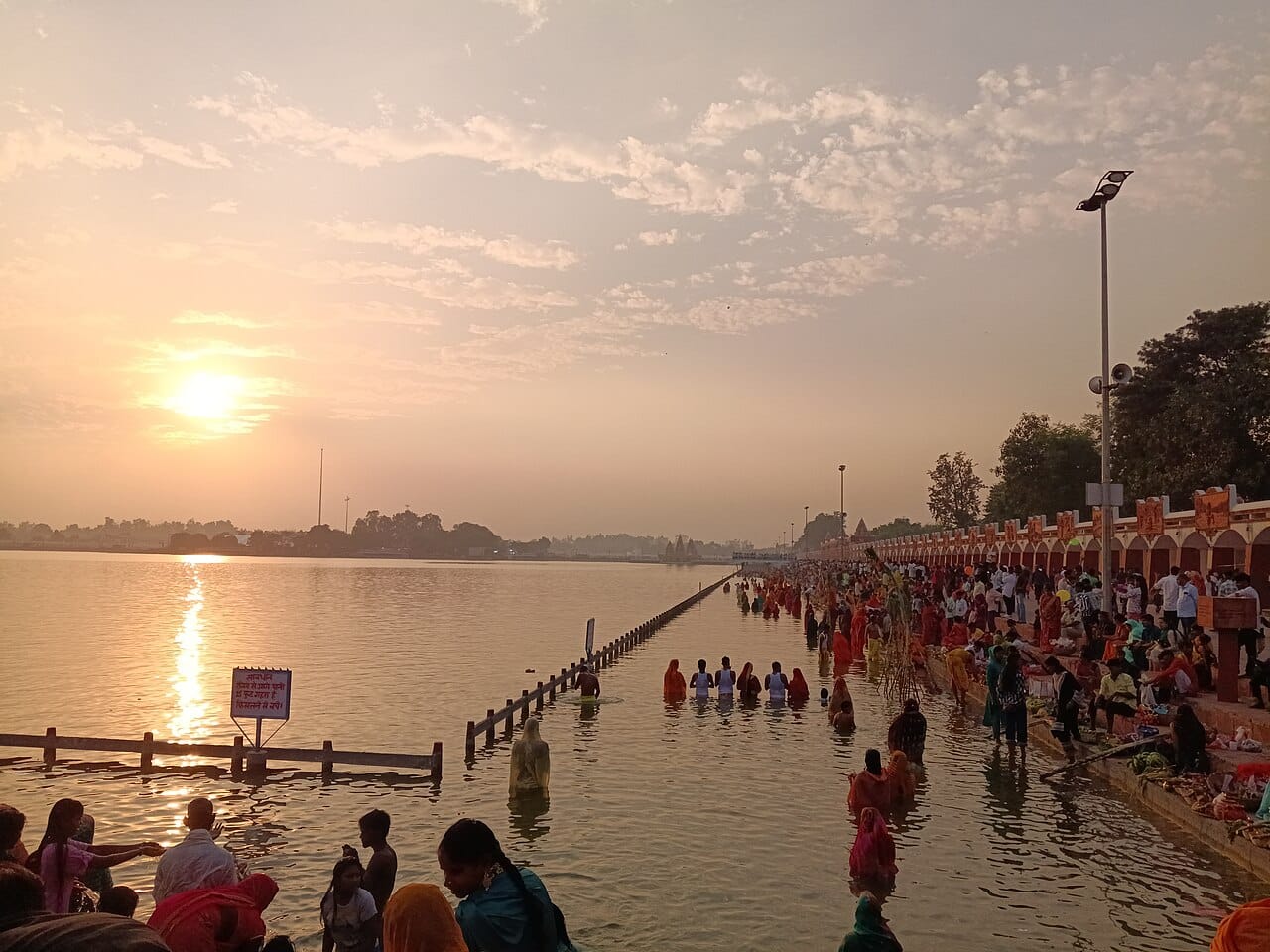
The temple is a focal point for massive religious gatherings, celebrating Hindu festivals with unparalleled enthusiasm and devotion. The most significant of these is 'Maha Shivaratri' (The Great Night of Shiva), falling in the months of February or March. During this festival, the Sthaneshwar Mahadev Temple is transformed into a vibrant hub of devotion. Hundreds of thousands of pilgrims form serpentine queues that stretch for miles, waiting patiently for hours to offer holy water and Bel leaves to the Linga. The temple remains open throughout the night, with continuous chanting, devotional music (Bhajans), and special 'Maha Abhishek' ceremonies that culminate in the early hours of the morning. The holy month of 'Shravan' (July-August) is another period of intense religious activity. Throughout this month, considered especially dear to Lord Shiva, the temple sees a daily influx of 'Kanwariyas'—devotees who walk hundreds of kilometers barefoot carrying pots of holy water from the river Ganga, suspended on a decorated bamboo pole (Kanwar), to offer to the Sthaneshwar Mahadev. Mondays (Somvar) during this month are particularly auspicious and witness extraordinary crowds. Additionally, the festival of 'Gita Jayanti', which celebrates the birth of the Bhagavad Gita in nearby Jyotisar, brings an overflow of pilgrims to the temple. During the solar eclipse (Surya Grahan) fairs, which hold immense significance in Kurukshetra, a dip in the temple's tank and subsequent prayers are considered highly meritorious, drawing sadhus (ascetics) and laymen alike from all corners of India.
Historical connection to the Mahabharata (Pandavas prayed here), association with Emperor Harshavardhana and the Pushyabhuti dynasty, being the first place where Lord Shiva was worshipped as a Linga, the miraculous healing waters of the Amrit Vapi tank, and its Maratha-style architecture.
The ideal time to visit the Sthaneshwar Mahadev Temple is during the winter months, from October to March. The weather in Haryana during this period is cool and pleasant, making it comfortable for exploring the temple complex, the holy tank, and the numerous other historical sites in Kurukshetra. For those seeking to witness the sheer magnitude of religious fervor, visiting during the Maha Shivaratri festival (February/March) or the holy month of Shravan (July/August) offers a deeply immersive cultural experience. Expect extremely large crowds and long waiting times during these festive periods. Early mornings, particularly during the Mangala Aarti around 5:30 AM, offer the most peaceful and spiritually rewarding experience.
The temple doors open to devotees early in the morning at 5:00 AM and remain open until 9:00 PM. In the winter season, the timings may be slightly adjusted to 5:30 AM to 8:30 PM. The morning Mangala Aarti is performed at 5:30 AM, and the Sandhya (evening) Aarti takes place at 7:00 PM. The temple does not close during the afternoon, allowing for continuous darshan (viewing of the deity).
A. The temple is historically significant because it was the presiding deity's shrine for the ancient Pushyabhuti dynasty. Emperor Harshavardhana, one of India's greatest rulers, worshipped here. Thanesar (derived from Sthaneshwar) served as the capital of his empire before he moved it to Kannauj.
A. According to legend, Lord Krishna brought the five Pandavas to this exact location before the great Kurukshetra War. They prayed to Lord Shiva here, who blessed them with the boon of ultimate victory against the Kauravas.
A. The water tank, known as Amrit Vapi, is believed to possess miraculous healing properties. A legendary king named Vena was reportedly cured of leprosy after taking a dip in this tank. Devotees still bathe here hoping to be cured of physical ailments.
Trimbakeshwar Temple
The Trimbakeshwar Temple in Maharashtra is one of the twelve Jyotirlingas, unique for its three-faced linga representing the Trimurti and the source of the Godavari River.
Alampur Jogulamba Temple
One of the 18 Maha Shakti Peethas, located in a complex that also houses nine ancient 7th-century Chalukyan temples.
Somnath Temple
Somnath Temple, the first of the twelve Jyotirlingas, is an ancient Shiva temple in Gujarat known for its resilience through repeated destruction and reconstruction over a millennium.
Siddhesvara Dham (Char Dham)
A grand complex featuring a 108-foot Shiva statue and replicas of the 12 Jyotirlingas and the four Char Dham sites.
Ramanathaswamy Temple
The Ramanathaswamy Temple in Rameswaram is one of the 12 Jyotirlingas and a Char Dham site, famous for its magnificent thousand-pillared corridors, the longest temple corridor in the world, and its sacred association with Lord Rama's worship of Shiva.
Omkareshwar Temple
Situated on a sacred island in the Narmada River, Omkareshwar is the only Jyotirlinga located on an island. The temple stands at the confluence of the Narmada and Kaveri rivers, with the lingam positioned where the river forms the shape of the sacred symbol Om.
Mata Mansa Devi Temple
A premier Shakti Peetha where the head of Sati is believed to have fallen, famous for its 19th-century wall paintings and the twin Navratri melas.
Bhima Devi Temple
Often hailed as the 'Khajuraho of North India', this 8th-to-11th-century architectural marvel features magnificent Gurjara-Pratihara ruins and an open-air museum.
Brahma Sarovar
A magnificent ancient water tank in Kurukshetra, deeply tied to the Mahabharata and the creation of the universe by Lord Brahma.
Tarakeshwar Temple Hooghly
A massive 18th-century pilgrimage site dedicated to Lord Taraknath, especially vibrant during the Gajan festival.
Virupaksha Temple
The Virupaksha Temple in Hampi, Karnataka, is a UNESCO World Heritage Site and the oldest functioning temple in India, dedicated to Lord Shiva as Virupaksha.
Jageshwar Temple
A cluster of 124 ancient stone temples from the 7th-12th centuries, nestled in a dense deodar forest.
Neelkanth Mahadev Temple
Situated at 1,330 meters, this is where Lord Shiva is believed to have consumed the poison (Halahala) during the Samudra Manthan.
Tungnath Temple
The highest Shiva temple in the world, situated at 3,680 meters on the Chandranath Parbat; it is the 'Tritiya Kedar' in the sacred Panch Kedar pilgrimage circuit.
Rudranath Temple
One of the Panch Kedar shrines, representing Lord Shiva's face, situated at an altitude of 2,286 meters amidst meadows and rhododendron forests.
India's temples are living traditions — not museums. Every temple has its own customs. This guide helps first-time visitors prepare with confidence and respect.
Foreign visitor information is being researched
Please verify with the official temple authority before planning your visit.
Foreign Visitors
Verify Before VisitingVisitor Information
Entry policies vary between temples. Most temples welcome visitors, while some may restrict access to specific areas, rituals, or the inner sanctum. Always verify the latest entry guidelines with the official temple authorities before your visit.
Modest clothing is expected at every Indian temple — a sign of respect, not a restriction. Think of it as dressing for a formal ceremony.
A scarf is always useful — it covers shoulders, works as a head covering, and can double as a makeshift face cover if needed.
Outdoor photography is generally permitted. Indoor photography is often restricted. Always look for signage or ask a priest before taking photos inside.
The ideal time to visit the Sthaneshwar Mahadev Temple is during the winter months, from October to March. The weather in Haryana during this period is cool and pleasant, making it comfortable for exploring the temple complex, the holy tank, and the numerous other historical sites in Kurukshetra. For those seeking to witness the sheer magnitude of religious fervor, visiting during the Maha Shivaratri festival (February/March) or the holy month of Shravan (July/August) offers a deeply immersive cultural experience. Expect extremely large crowds and long waiting times during these festive periods. Early mornings, particularly during the Mangala Aarti around 5:30 AM, offer the most peaceful and spiritually rewarding experience.
April — June
July — September
English is widely understood at major tourist temples. In smaller local temples, Hindi and the regional language are more common. A smile and simple hand gestures go a long way. Learning a few words of the local language is always appreciated.
Cash (Indian Rupees) is the most reliable option, especially for temple offerings, small shops, and local transport.
UPI digital payments (Google Pay, PhonePe, Paytm) are widely accepted across India — even at roadside stalls. Download one before you arrive.
International credit/debit cards work at most ATMs, hotels, and larger establishments. Smaller vendors may only accept cash or UPI.
Carry small denominations (₹10, ₹20, ₹50, ₹100 notes) for offerings and temple donations. Large notes (₹500, ₹2000) can be hard to break at smaller counters.
Many historic temples have uneven stone floors, multiple steps, and narrow passages. Wheelchair access is limited at older sites — contact the temple in advance.
Basic restroom facilities and drinking water are available at most major temples. Some charge a small fee (₹5–₹10).
Stay hydrated — carry a reusable water bottle, especially in hot climates.
Keep valuables secure — use hotel lockers for passports and excess cash.
Wear comfortable, sturdy footwear — temple floors can be hot, wet, or uneven.
Beware of unofficial guides or touts near temple entrances. Only use authorised services.
Carry a photocopy of your passport and visa. Leave originals in your hotel safe.
Download offline maps — mobile networks can be unreliable near remote temple sites.
These short explanations help make sense of what you see and experience.
Darshan means 'seeing' — but in a temple it means being seen by the deity. It is a sacred moment of connection, not just a viewing.
Removing footwear is a sign of humility. It also keeps the temple floor clean, since devotees sit and pray on the ground.
Food offered to the deity and then distributed to devotees. It is considered blessed. Accept it with both hands and do not discard it.
The bell creates a focused acoustic atmosphere, wards off distractions, and announces your presence before entering the inner sanctum.
Circumambulation (pradakshina) is done clockwise, keeping the sanctum on your right — an auspicious direction aligned with the sun's path.
Flowers symbolise devotion, coconuts represent the ego being broken, incense purifies the air, and lamps represent the victory of light over darkness.
Sacred viewing of the deity; the central act of temple worship.
Clockwise circumambulation of the sanctum.
Blessed food offered to the deity and distributed to devotees.
The innermost sanctum where the main deity resides.
The towering spire above the sanctum, a defining feature of temple architecture.
A pillared hall or pavilion within the temple complex.
The Indian Rupee (?, INR) is the local currency. ATMs are widely available in cities and towns. For temple offerings, keep small notes (₹10, ₹20, ₹50). Most temples accept donations in cash only — digital payments are uncommon at the offering counter itself.
Offerings (dakshina) are given with the right hand. Place cash in the donation box (hundi) or give it directly to the priest. There is no fixed amount — give what feels appropriate. Some temples have fixed fees for special entry or puja participation.
Shoes and sandals are removed before entering the temple building. Most temples have a designated shoe counter (free or a small fee of ₹5–₹20). Socks are generally allowed. In monsoon, carry a plastic bag for wet shoes.
Darshan queues can take 30 minutes to 3 hours at popular temples. Many offer paid VIP darshan (₹100–₹500) for faster entry. Special queues for women, elderly, and disabled visitors exist at some temples. No line jumping.
Major festivals draw enormous crowds — sometimes hundreds of thousands. Book accommodation months in advance. Expect road closures, restricted vehicle access, and limited phone network. Arrive early (before dawn) to avoid the worst congestion.
Always look for signage before taking photos. When in doubt, ask a priest. Never take photos of devotees in prayer without permission. Selfie sticks are banned at most temples. Silently switch your phone to silent mode.
Police / Ambulance / Fire: 112 (National Emergency Number)
Tourist Helpline: 1800-111-363 (Multi-lingual, Ministry of Tourism)
Women's Helpline: 1091
Temple-specific visitor information is continuously researched and updated from official sources. Where specific data is unavailable, general India travel guidance is provided. Always verify current policies with the temple authority before your visit.
Information last verified July 2026. Temple-specific data coming soon.
Continue your journey through the spiritual and architectural wonders of India.

A premier Shakti Peetha where the head of Sati is believed to have fallen, famous for its 19th-century wall paintings and the twin Navratri melas.

Often hailed as the 'Khajuraho of North India', this 8th-to-11th-century architectural marvel features magnificent Gurjara-Pratihara ruins and an open-air museum.

A magnificent ancient water tank in Kurukshetra, deeply tied to the Mahabharata and the creation of the universe by Lord Brahma.

One of Delhi's few surviving ancient temples, believed to be built by the Pandavas and a symbol of communal harmony.
"UNESCO was founded in 1945 to promote world peace and security through international cooperation."