Sacred Heritage
Trimbakeshwar Shiva Temple
Nashik, Maharashtra
State:Maharashtra
District:Nashik
Why This Temple Matters
One of the 12 Jyotirlingas — the most sacred abodes of Lord Shiva
Key Takeaways
- Dedicated to Trimbakeshwar (Shiva as Trimurti)
- Hemadpanti (Black Stone) architecture
- Built by the Maratha / Peshwa Dynasty dynasty
- Located in Nashik, Maharashtra
Quick Facts
- Builder
- Balaji Baji Rao (Nanasaheb Peshwa)
- Dynasty
- Maratha / Peshwa
- Construction
- 18th Century
- Style
- Hemadpanti
- Main Deity
- Trimbakeshwar (Trimurti)
- Location
- Nashik, Maharashtra
- Significance
- Three-Faced Lingam
- River Source
- Godavari (Brahmagiri)
- Material
- Black Stone
- Associated Sage
- Gautama Rishi
- Kumbh Mela
- Nashik Kumbh (Every 12 years)
The Three Faces
The Three-Faced Lingam
Every other Jyotirlinga in India is a cylinder of stone. Smooth. Abstract. A form without features, representing the formless. Trimbakeshwar is the exception. Here, the lingam has three faces carved directly into the black stone — three distinct visages, each with its own expression, its own identity, its own god.
The name Trimbakeshwar means “Lord of the Three Eyes” — but the three eyes are not literal. They are the three gods: Brahma on the left, Vishnu in the center, Mahesh (Shiva) on the right. The Trimurti — the Hindu trinity of creation, preservation, and destruction — condensed into a single stone form. No other temple in India replicates this arrangement. There are three-faced images elsewhere, but none as the central lingam of a Jyotirlinga.
The lingam stands about one meter tall, carved from a single piece of black granite. Each face has a distinct expression. Brahma's looks inward, contemplating the act of creation. Vishnu's is serene, the face of the preserver who maintains cosmic order. Shiva's is fierce but controlled — the face of destruction that is also regeneration. A crown of gold and precious jewels once adorned the lingam, with separate crowns for each face. The original jewels are now stored in a bank vault due to security concerns; replicas are used during ceremonies.
The theological significance is profound. The Trimurti is depicted as three separate figures — three gods, three bodies, three roles. At Trimbakeshwar, they are one body with three faces, suggesting that creation, preservation, and destruction are not three separate divine acts but one continuous divine process seen from different angles. The lingam's three faces force the viewer to confront the unity behind the multiplicity of Hindu gods — a theological statement carved in stone.
The Godavari's Origin
The Godavari's Origin
The Godavari is the longest river in peninsular India. It flows 1,465 kilometers from the Western Ghats to the Bay of Bengal, crosses three states, supports tens of millions of people, and has been worshipped as a goddess for over two thousand years. And it begins here, at Trimbakeshwar — a trickle of water emerging from a stone spout at the Brahmagiri Hills, just above the temple.
The exact source is marked by the Gangadwar Tirtha, a small stone reservoir at the base of the hill. Water trickles into the tank from a cow-mouth spout (gomukhi), a symbolic representation of the river's birth. Pilgrims collect this water in brass pots and carry it back to their homes across India. The water is considered pure enough to purify any space it touches — it is the same water that will eventually become the broad river at Rajahmundry, 1,400 kilometers downstream.
The Brahmagiri Hills themselves are considered sacred geography. A pilgrimage path (parikrama) circuits the hill, passing through shrines, meditation caves, and viewpoints overlooking the temple town. The climb to the top takes about an hour and passes through forested terrain inhabited by langurs and peacocks. At the summit, a small shrine marks the spot where the river first fell to earth according to legend. The view from the top encompasses the entire Trimbakeshwar valley — the temple below, the Godavari winding through the town, and the hills receding into the distance.
The river's sacred geography at Trimbakeshwar is inseparable from the temple's identity. The Godavari does not merely pass by the temple — it originates from it. The temple exists because the river exists. The river exists because of the sage's penance. The sacred circuit of cause and effect — penance, river, temple — defines Trimbakeshwar in a way that distinguishes it from every other Jyotirlinga.
The Godavari by Numbers
Total length1,465 km
Basin area312,812 sq km
States crossedMaharashtra, Telangana, Andhra Pradesh
Source elevation1,067 m (Brahmagiri Hills)
Major tributaryPranhita, Indravati, Manjira
River classificationSecond-longest in India (after Ganga)
Further south in the same Sahyadri range, Bhimashankar Jyotirlingarises from the forests of the Western Ghats. Both temples share the ancient geology of Maharashtra's mountain spine, and many pilgrims visit them together on a single Sahyadri circuit.
The Gautama Rishi Legend
The Gautama Rishi Legend
The story of Trimbakeshwar is inseparable from the story of Sage Gautama. He is not a peripheral figure in the temple's mythology — he is its cause, its justification, and the reason the Godavari flows at all. Every element of the Trimbakeshwar tradition traces back to this single narrative.
The Penance
Gautama Rishi (not to be confused with Gautama Buddha) lived in the Brahmagiri Hills with his wife Ahalya. He was a man of extraordinary spiritual power, accumulated through centuries of meditation and ascetic practices. His power threatened the cosmic balance — the gods in heaven felt the force of his penance, and Indra, the king of the gods, grew concerned that Gautama's accumulated merit might eclipse his own.
The Cow Incident
Indra devised a plan to disrupt Gautama's meditation. He sent two celestial cows to graze near the sage's hermitage. The cows, being divine, were unusually beautiful and tempting. Gautama, who had not seen such cows before, was momentarily distracted. As he waved his hand to shoo them away, a blade of grass in his hand inadvertently struck one of the cows. The cow collapsed and died.
The Curse
Sixty thousand other sages living in the region — jealous of Gautama's power and eager to see him fall — accused him of cow-killing, the gravest sin in the Vedic tradition. They cursed him to wander the earth as a brahmarakshasa (a cursed spirit) unless he could purify himself. The curse spread across the land, and Gautama found himself shunned by every ashram, every village, every city.
The Godavari Descends
Gautama returned to the Brahmagiri Hills and performed the most intense penance of his life. He stood on one leg for a thousand years, meditating on Lord Shiva. Shiva appeared before him and offered him a boon. Gautama asked for the river Ganga to descend to Brahmagiri so that he could bathe in its waters and be purified. Shiva directed the river Godavari — the Ganga of the South — to flow from the hills instead. The river burst forth from a rock, forming the Kushavarta Tirtha (the sacred pool). Gautama bathed, was freed from the curse, and installed the first lingam at Trimbakeshwar in gratitude.
Architecture
Hemadpanti Architecture
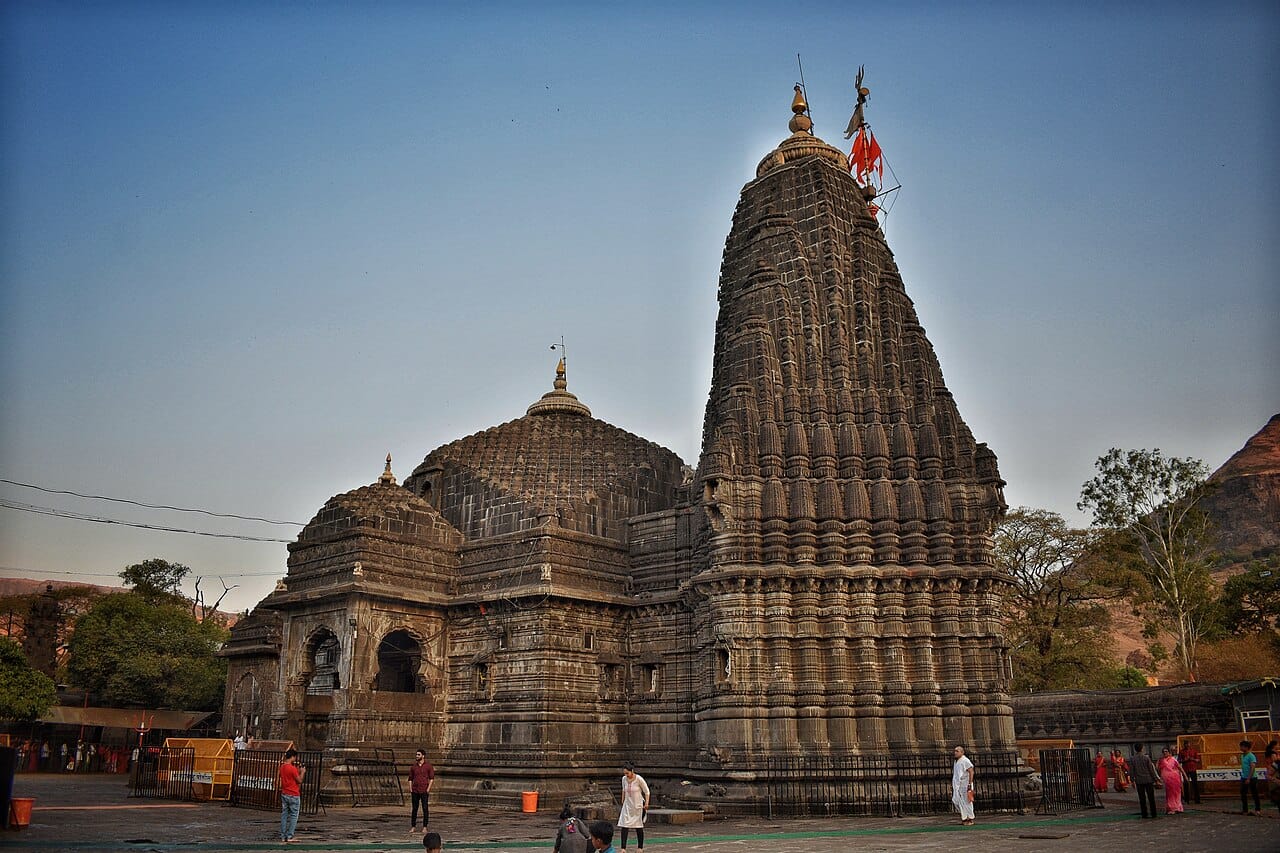
The Trimbakeshwar Temple is built in the Hemadpanti style, named after Hemadpant (also known as Hemadri), the 13th-century prime minister of the Yadava dynasty. Hemadpant was a scholar, administrator, and architect who codified a distinct temple-building tradition that became the dominant architectural language of medieval Maharashtra.
The Black Stone
The defining material of Hemadpanti architecture is black stone — a fine-grained basalt found abundantly in the Deccan plateau. Every part of the Trimbakeshwar Temple — the walls, pillars, sanctum, mandapa, and shikhara — is built from this single material. The stone is dark, almost charcoal in color, giving the temple a somber, ancient appearance. Unlike the white marble of Rajasthan or the golden sandstone of Khajuraho, Hemadpanti black stone absorbs light. The temple interior is perpetually dim, lit by oil lamps and the glow of aarti flames.
Construction Without Mortar
Hemadpanti temples are assembled through precise interlocking. Each stone block is carved to fit its neighbor with tolerances measured in millimeters. No mortar binds them. The weight of the structure provides stability — the higher the wall, the more tightly the stones lock together. This technique requires extraordinary precision in the quarry. A block cut even slightly wrong would dislodge its neighbors, causing a cascade of failure.
The Temple Layout
The temple follows a traditional layout: an entrance porch (mukha mandapa), a pillared hall (sabha mandapa), an inner chamber (antarala), and the sanctum (garbhagriha) containing the three-faced lingam. The shikhara rises above the sanctum in the Nagara style, its straight-line profile tapering to a finial. The black stone of the shikhara darkens against the afternoon sky, making the temple visible across the Nashik valley. The outer walls are carved with panels depicting gods, goddesses, floral motifs, and geometric patterns. The carving is dense but not chaotic — every element has a place within the overall composition.
The Narayan Nagbali
The Narayan Nagbali Ritual
Trimbakeshwar is one of the few places in India where the Narayan Nagbali ritual is performed with full scriptural authority. The ritual is among the most powerful and expensive in the Hindu tradition — it costs between Rs. 15,000 and Rs. 30,000, takes three full days, and requires a team of eight specialized priests.
The ritual has two parts. Narayan Bali is an appeasement ritual performed for ancestors who died unnatural deaths — accidents, suicides, murders, or deaths without proper rites. The ritual invokes Lord Vishnu in his Narayan form to guide these unsettled souls toward liberation. Nag Bali addresses a different category of karmic debt: the sin of killing a snake. In Hindu tradition, snakes (nagas) are semi-divine beings, and killing one — even accidentally — creates an affliction on the family line that can manifest as infertility, financial ruin, or chronic illness.
The ritual involves the construction of a detailed mandala on the floor of the temple's outer hall, offerings of ghee, sesame seeds, cloth, and gold, and the recitation of specific mantras from the Garuda Purana. The priests fast through the three days, eating only one meal a day of plain rice and ghee. On the final day, the offerings are consigned to the Godavari river — the same river that purified Sage Gautama — completing the transfer of merit from the living to the departed.
The belief behind the ritual is that unresolved ancestral afflictions continue to impact the living. A family experiencing repeated miscarriages, business failures, or unexplained illnesses may be told by a priest that they have pitru dosha (ancestral affliction) and need a Narayan Nagbali at Trimbakeshwar. Thousands of families make the pilgrimage each year for this specific purpose. The ritual is not performed for happy occasions — it is an act of repair, a spiritual corrective for something gone wrong in the relationship between the living and the dead. Trimbakeshwar's reputation as the place where this repair is possible has spread across India.
The Kumbh Mela
The Kumbh Mela Connection
Nashik is one of the four cities that host the Kumbh Mela — the largest religious gathering on earth — rotating every 12 years with Prayagraj, Ujjain, and Haridwar. Trimbakeshwar is the spiritual center of the Nashik Kumbh. The temple is where pilgrims begin their journey, and the Godavari riverbank adjacent to the temple is where the main bathing ghats are located.
The Kumbh Mela's timing at Nashik is determined by a specific astrological alignment: when Jupiter (Brihaspati) enters Leo (Simha) and the Sun enters Virgo. This happens once every 12 years. During this period, the Godavari is believed to transform into the primordial ocean of nectar, and bathing in it during the prescribed days grants liberation from the cycle of rebirth. The calculation is centered on Trimbakeshwar — the temple's priests are the traditional keepers of the astrological calendar.
During the Kumbh, the population of Trimbakeshwar swells from a few thousand to several million. Temporary tent cities cover the surrounding hills. Akharas (monastic orders) establish their camps along the riverbank. The temple operates around the clock, with continuous darshan for the duration of the festival. The sound of temple bells, conch shells, and priestly chants never stops. The Godavari flows red with kumkum and orange with marigolds as millions of pilgrims offer prayers at the temple before entering the water.
The 2015 Nashik Kumbh Mela attracted 75 million pilgrims over the 45-day period, with a single-day record of 22 million on the main bathing day. The Trimbakeshwar Temple processed 500,000 visitors on each of the peak days. The logistical operation was comparable to managing an Olympic Games for a continuous two-month period — water supply, sanitation, medical facilities, security, and crowd control deployed across 40 square kilometers of the valley.
The Peshwa Legacy
The Peshwa Legacy
The current temple structure at Trimbakeshwar was built by Balaji Baji Rao — better known as Nanasaheb Peshwa — the 8th Peshwa of the Maratha Empire. He ruled from 1740 to 1761, a period that saw the Maratha Empire reach its greatest territorial extent, only to collapse catastrophically at the Third Battle of Panipat. The temple construction likely took place in the 1750s, before the disaster that ended his reign.
The Peshwas were devout Shaivites. Their rise to power in the 18th century coincided with a massive program of temple construction and restoration across Maharashtra. The Peshwa patronage of Trimbakeshwar was not merely religious — it was political. By restoring and expanding Shiva temples, the Peshwas asserted their legitimacy as the protectors of Hindu dharma, a claim that distinguished them from the Mughals and positioned the Maratha state as the successor to the Vijayanagara and Chalukya traditions.
Nanasaheb's father, Baji Rao I, had famously said, “Let us strike the enemy at the heart of the Mughal Empire and destroy their power. Let us plant the Maratha flag on the walls of Delhi.” His son continued this vision but channeled resources into architecture as well as warfare. The Trimbakeshwar temple, along with the Peshwa's other projects at Nashik, Pune, and Satara, created a network of Maratha-sponsored sacred sites that defined the religious geography of 18th-century Maharashtra.
The temple's management was historically handled by the Peshwa-appointed trustees, who transitioned into the hereditary priests and administrators that run the temple today. The system has changed with the times — the temple is now managed jointly by the Shri Trimbakeshwar Devasthan Trust and the Maharashtra state government — but the underlying structure of authority traces back to Nanasaheb's original endowment.
Festivals
Festivals of Trimbakeshwar
Three festivals define the ritual calendar of Trimbakeshwar, each connected to a different dimension of the temple's identity.
Maha Shivaratri
Maha Shivaratri at Trimbakeshwar is the temple's main annual festival. The three-faced lingam receives special offerings through the night — milk, ghee, honey, curd, and sugar are poured over each face in sequence, one for each of the three gods. The temple stays open through the night, and the aartis continue without break. The Kushavarta Tirtha (the sacred pool fed by the Godavari) is illuminated with thousands of lamps. The night sky above Brahmagiri glows with the reflected fire.
Kumbh Mela
The Nashik Kumbh Mela is Trimbakeshwar's defining festival in the 12-year cycle. The 2015 Kumbh drew 75 million pilgrims to the region. The temple processed half a million visitors on peak days. The atmosphere is an extraordinary mix of devotion and chaos — the narrow streets of Trimbakeshwar town become rivers of humanity, and the temple's priests perform thousands of individual pujas without pause for days on end.
Godavari Pushkaram
Godavari Pushkaram is celebrated once every 12 years when Jupiter enters Leo — the same astrological condition as the Kumbh Mela but observed at a larger geographic scale across all the Godavari riverbanks from Maharashtra to Andhra Pradesh. At Trimbakeshwar, the Pushkaram involves a special bathing ritual at the Gangadwar Tirtha, and the river's source spout is decorated with garlands and silver work. The festival is considered by local tradition to predate the Kumbh Mela itself — the original river worship from which the Kumbh evolved.
Frequently Asked Questions
Why is Trimbakeshwar considered unique among the 12 Jyotirlingas?
A.
Trimbakeshwar is the only Jyotirlinga where the lingam has three distinct faces carved on it — representing Brahma (creator), Vishnu (preserver), and Shiva (destroyer) as the Trimurti. Every other Jyotirlinga is a cylindrical or oval stone form. Trimbakeshwar's anthropomorphic faces make it architecturally and iconographically unique.
What does the three-faced lingam look like?
A.
The lingam at Trimbakeshwar is about one meter tall and carved from black stone. Three faces emerge from the shaft: the left face is Brahma, the central face is Vishnu, and the right face is Mahesh (Shiva). A jeweled crown originally adorned the lingam, but the jewels were moved to a bank vault for security. Replicas are used during ceremonies.
How did the Godavari River originate at Trimbakeshwar?
A.
The Godavari, the longest river in peninsular India, originates from the Brahmagiri Hills immediately above the temple. A small kund (reservoir) called Gangadwar marks the precise source point. According to Hindu belief, the river descended from heaven through the penance of Sage Gautama, and Brahmagiri is the place where the celestial river first touched earth.
What is the Narayan Nagbali ritual?
A.
Narayan Nagbali is a complex, expensive ritual performed at Trimbakeshwar to cure ancestral afflictions known as pitru dosha. It involves two parts: Narayan Bali (appeasing Lord Vishnu for deceased ancestors) and Nag Bali (appeasing the serpent spirits for karmic debts related to snake killing). The ritual takes three days, costs between Rs. 15,000-30,000, and must be performed by specialized priests. Trimbakeshwar is one of the few places in India where it is done correctly.
Who built the current Trimbakeshwar temple?
A.
The current temple structure was built by Balaji Baji Rao (also known as Nanasaheb Peshwa), the 8th Peshwa of the Maratha Empire, in the 18th century. He ruled from 1740 to 1761 and was a devout Shaivite. The Peshwa dynasty spent extensively on temple construction across Maharashtra, with Trimbakeshwar being one of their most significant projects.
What is the connection between Trimbakeshwar and the Kumbh Mela?
A.
Nashik is one of the four cities that hosts the Kumbh Mela on a rotating basis every 12 years. Trimbakeshwar is the focal point of the Nashik Kumbh — pilgrims gather at the temple before proceeding to the Godavari riverbank for the holy dip. The astrological alignment that determines the Kumbh Mela's timing is calculated from Trimbakeshwar's position.
What is the story of Sage Gautama at Trimbakeshwar?
A.
The legend goes that Sage Gautama lived in the Brahmagiri Hills with his wife Ahalya. He performed severe penance to request the river Godavari to descend to earth. Indra, the king of gods, sent two cows to disturb Gautama's meditation. When Gautama accidentally struck one cow with a blade of grass, it died, and he was cursed for cow-killing by 60,000 jealous sages.
To purify himself, Gautama again invoked the Godavari, and the river descended to Trimbakeshwar, freeing him from the curse.
What is Hemadpanti architecture?
A.
Hemadpanti architecture, named after Hemadpant (the 13th-century Peshwa minister of the Yadava dynasty), is characterized by exclusive use of black stone, precise interlocking stone construction without mortar, intricate carvings, and symmetrical layouts. Trimbakeshwar is built entirely in this style — every stone block is carved to fit its neighbors perfectly, with the weight of the structure providing stability.
Showing 8 of 11 questions
Answers are based on verified information. Site rules may change — verify locally before visiting.
Did You Know?
- Trimbakeshwar is the only temple in India with a three-faced (Trimurti) lingam — each face representing Brahma (left), Vishnu (center), and Shiva (right), carved directly from a single piece of black stone.
- The Godavari, the longest river in peninsular India at 1,465 km, originates from the Brahmagiri Hills immediately above the temple — a small kund called Gangadwar marks the precise source point.
- Trimbakeshwar is the focal point of the Nashik Kumbh Mela, one of four Kumbh Mela sites in India — the astrological alignment that determines the Kumbh Mela's timing is calculated from Trimbakeshwar's position.
- The temple is built entirely in the Hemadpanti architectural style (named after Hemadpant, the 13th-century Yadava minister) using precisely interlocking black stone blocks without mortar.
- The Kushavarta Tirtha, the sacred pool fed by the Godavari's source, was built by Ahilyabai Holkar in the 18th century and is considered the holiest bathing ghat in Maharashtra.
Sources & References
Ministry of Tourism, Government of India
"Ministry of Tourism — official destination information"
View SourceLinks Last Checked
2026-07-03
Related Temples
Same Deity
Virupaksha Temple
The Virupaksha Temple in Hampi, Karnataka, is a UNESCO World Heritage Site and the oldest…
Airavatesvara Temple
The Airavatesvara Temple at Darasuram, built by Rajaraja Chola II between 1146 and 1172 CE…
Gangaikonda Cholapuram Temple
The Gangaikonda Cholapuram Temple, built by Rajendra Chola I in 1035 CE, is a UNESCO…
Kampaheswarar Temple
Kampaheswarar Temple in Tribhuvanam, built by Kulothunga Chola III in 1202 CE, is one of…
Koranganatha Temple
Koranganatha Temple, built during the reign of the Chola king Parantaka I (907-955 CE) at…
Pancha Rathas
The Pancha Rathas (Five Chariots) are a set of five monolithic temple structures carved from…
Same Pilgrimage
Alampur Jogulamba Temple
One of the 18 Maha Shakti Peethas, located in a complex that also houses nine…
Somnath Temple
Somnath Temple, the first of the twelve Jyotirlingas, is an ancient Shiva temple in Gujarat…
Siddhesvara Dham (Char Dham)
A grand complex featuring a 108-foot Shiva statue and replicas of the 12 Jyotirlingas and…
Ramanathaswamy Temple
The Ramanathaswamy Temple in Rameswaram is one of the 12 Jyotirlingas and a Char Dham…
Omkareshwar Temple
Situated on a sacred island in the Narmada River, Omkareshwar is the only Jyotirlinga located…
Nageshwar Jyotirlinga Temple
The coastal jyotirlinga hidden in the marshlands of Saurashtra.
Same State
Mahalakshmi Temple
Mahalakshmi Temple in Kolhapur, also known as Ambabai Temple, is one of the 18 Maha…
Shree Siddhivinayak Ganapati Temple, Mumbai
Mumbai's most famous temple and among the richest in India, dedicated to the wish-fulfilling form…
Shirdi Sai Baba Temple (Samadhi Mandir)
The holiest Sai Baba shrine where the saint lived and taught, with his Samadhi (tomb)…
Grishneshwar Temple
The 12th and final Jyotirlinga, located just 1 km from the Ellora Caves.
Bhimashankar Jyotirlinga
The source of the Bhima River deep in the Sahyadri hills.
Kailasa Temple, Ellora
The world's largest monolithic rock-cut structure, carved top-down from a single basalt cliff.
Same Tradition
Tarakeshwar Temple Hooghly
1729 CE Atchala-style Shiva sanctuary founded by Raja Bharamalla in Hooghly district, famous for its…
Virupaksha Temple
The Virupaksha Temple in Hampi, Karnataka, is a UNESCO World Heritage Site and the oldest…
Jageshwar Temple
A cluster of 124 ancient stone temples from the 7th-12th centuries, situated in a dense…
Neelkanth Mahadev Temple
Situated at 1,330 meters, this is where Lord Shiva is believed to have consumed the…
Tungnath Temple
The highest Shiva temple in the world, situated at 3,680 meters on the Chandranath Parbat…
Rudranath Temple
One of the Panch Kedar shrines, representing Lord Shiva's face, situated at an altitude of…
Visiting as an International Traveller
Fact CheckedEditorial ReviewVerified 2026-07-03
Entry Status
Foreign Visitors
AllowedAll visitors welcome. Non-Hindus can enter the temple and observe the three-faced lingam.
Visitor Information
Entry policies are set by each site — confirm before travelling.
Entry rules for international visitorsWho can enter, permits, and what to expect at the gate.Dress Code
Modest clothing is expected — a sign of respect, not a restriction.
Shoulders covered
Knees covered
Shoes removed before entry
Head covering (women)
Rain gear available
Warm layers (winter)
Photography Guide
Outside
Inside
Flash
Drone
Tripod
Commercial
Best Time to Visit
Peak Season
October — March
Moderate to High — comfortable weather
Summer
April — June
Low — hot plains, pleasant hills
Monsoon
July — September
Low — lush landscape, travel delays possible
Language & Communication
Common local languages: Marathi, Hindi, English
English spokenLocal guides available at the temple entrance
Accessibility
Wheelchair: Limited. The temple area has steps and uneven stone flooring.
Understanding Temple Traditions
These short explanations help make sense of what you see and experience.
Tips for International Visitors
Temple vocabulary and ritualsDarshan, pradakshina, prasadam, aarti, hundi and mandapa.Currency, donations and queuesCash, UPI, donation etiquette and how long entry queues take.Photography etiquetteSignage, flash, selfie sticks and photographing other visitors.Festival crowds and safetyAdvance booking, road closures, belongings and offline maps.
Essential Contacts
Police / Ambulance / Fire: 112 (National Emergency Number)
Tourist Helpline: 1800-111-363 (Multi-lingual, Ministry of Tourism)
Women's Helpline: 1091
Official Temple WebsiteState Tourism WebsiteTravel Preparation Checklist
Packing Checklist for Trimbakeshwar Shiva Temple
Continue Reading
Verified 2026-07-03Sources: Trimbakeshwar Devasthan Trust, Maharashtra Tourism Development Corporation, Nashik District Gazetteer (1883), The Godavari: A River in Crisis by K. S. R. N. Sarma (2005), Kumbh Mela: The Greatest Show on Earth by D. P. Dubey (2008)
Rules change — confirm current policies with the site's authority before you travel.
By Naveen singh negi
Updated: 2026-07-03
Last reviewed: 2026-07-03
Fact-checked
Editorial review
Sources: Trimbakeshwar Devasthan Trust, Maharashtra Tourism Development Corporation, Nashik District Gazetteer (1883), The Godavari: A River in Crisis by K. S. R. N. Sarma (2005), Kumbh Mela: The Greatest Show on Earth by D. P. Dubey (2008)
Related:Maharashtra TemplesTrimbakeshwar (Shiva as Trimurti)Hemadpanti (Black Stone)Maratha / Peshwa DynastyMethodology
Collections:12 Jyotirlingas
Maharashtra
Maratha / Peshwa Dynasty
Jyotirlinga
Explore More Sacred & Heritage Sites
Related heritage monuments, regional traditions, and pilgrimage connections.
UNESCO Temple Heritage Sites
UNESCO 1983Cultural Heritage
Maharashtra
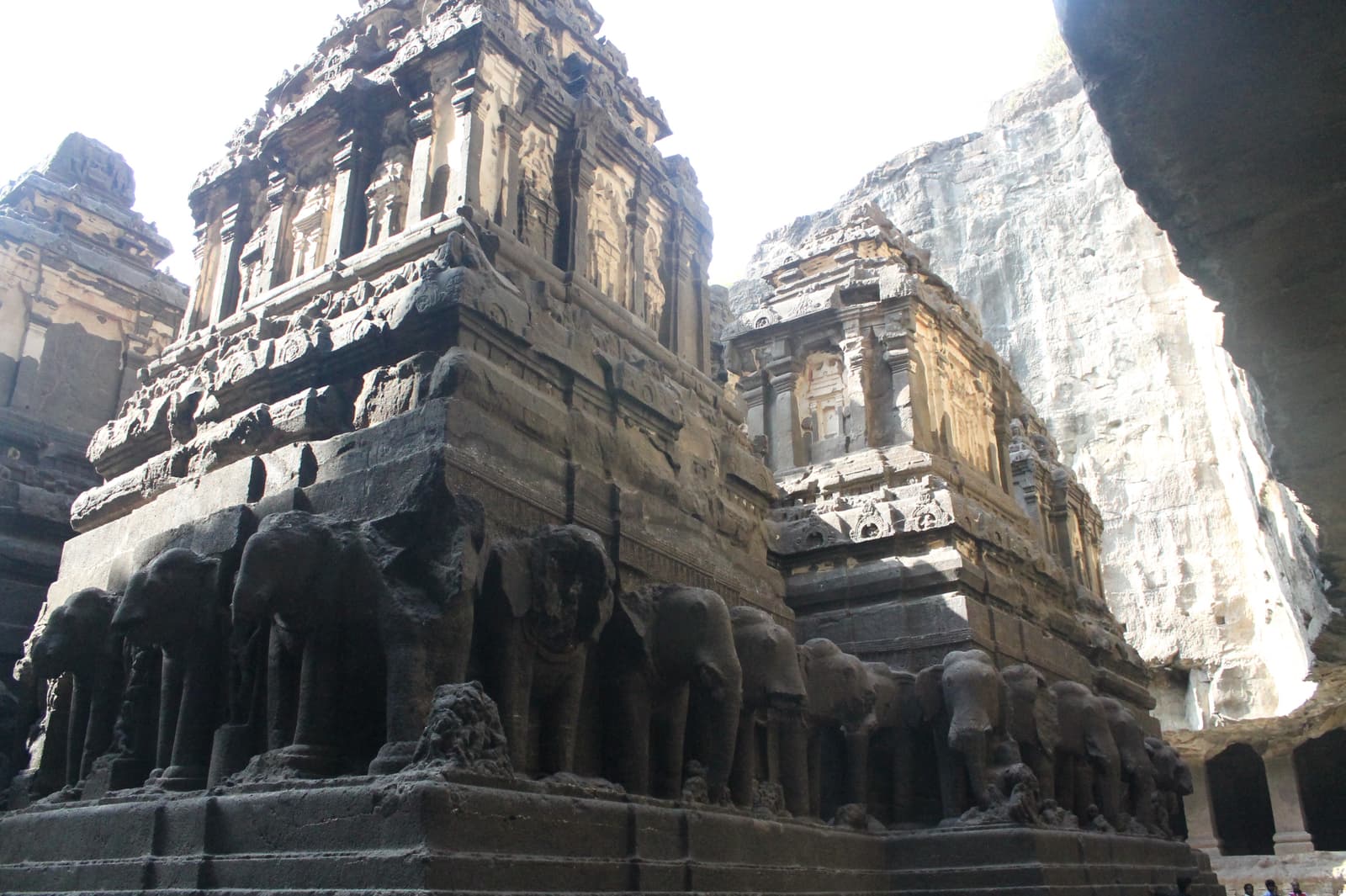
Kailasa Temple, Ellora
The world's largest monolithic rock-cut structure, carved top-down from a single basalt cliff.
Explore Temple
UNESCO 1983Cultural Heritage
Maharashtra
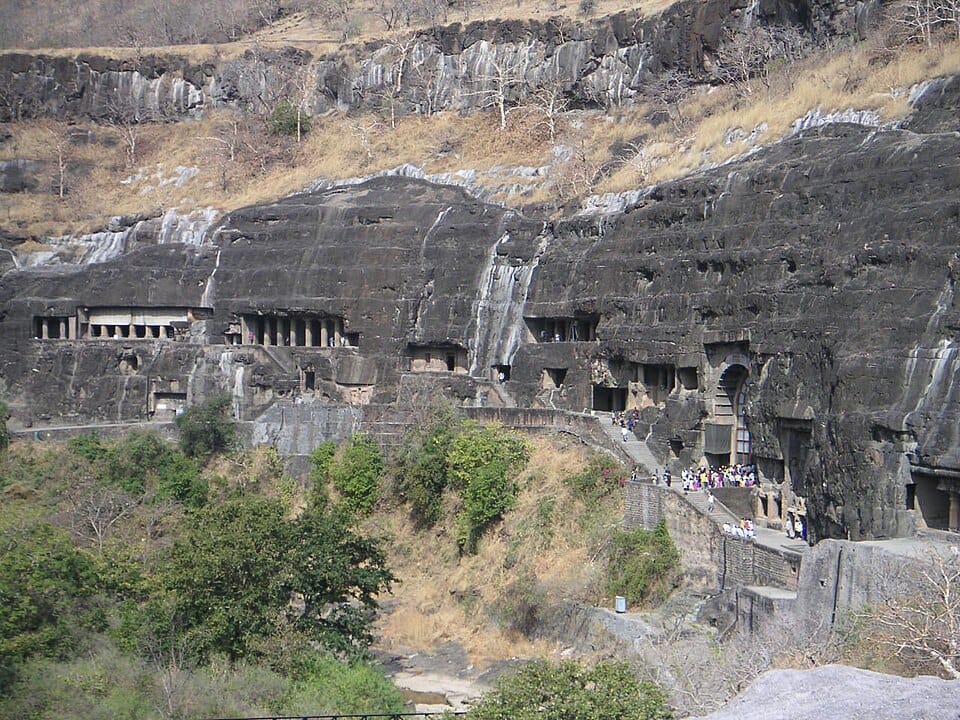
Ajanta Cave Temples
A UNESCO World Heritage site with 30 rock-cut Buddhist caves famous for ancient mural paintings…
Explore Temple
UNESCO 1987Cultural Heritage
Maharashtra
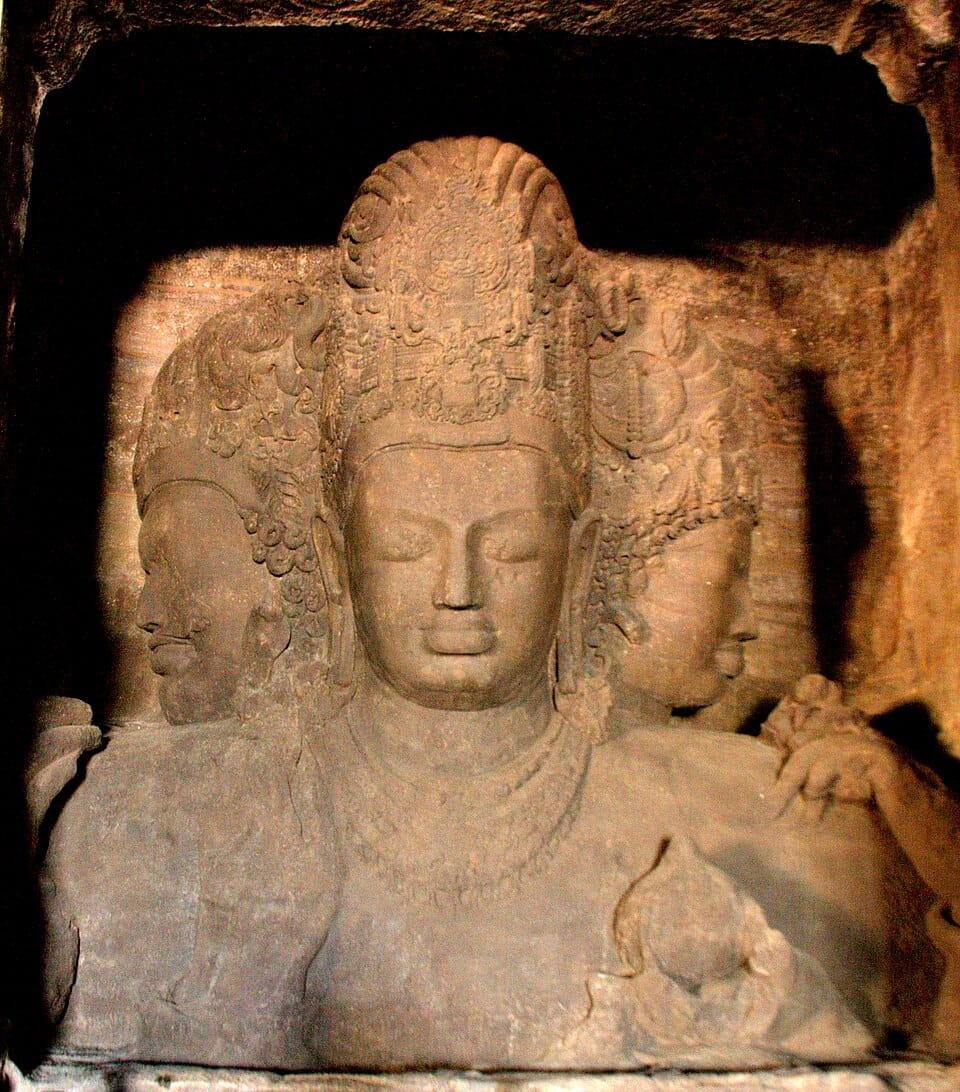
Elephanta Caves
A UNESCO World Heritage site on Elephanta Island, famed for the colossal 20-foot Trimurti sculpture…
Explore Temple
UNESCO 1986Cultural Heritage
Karnataka
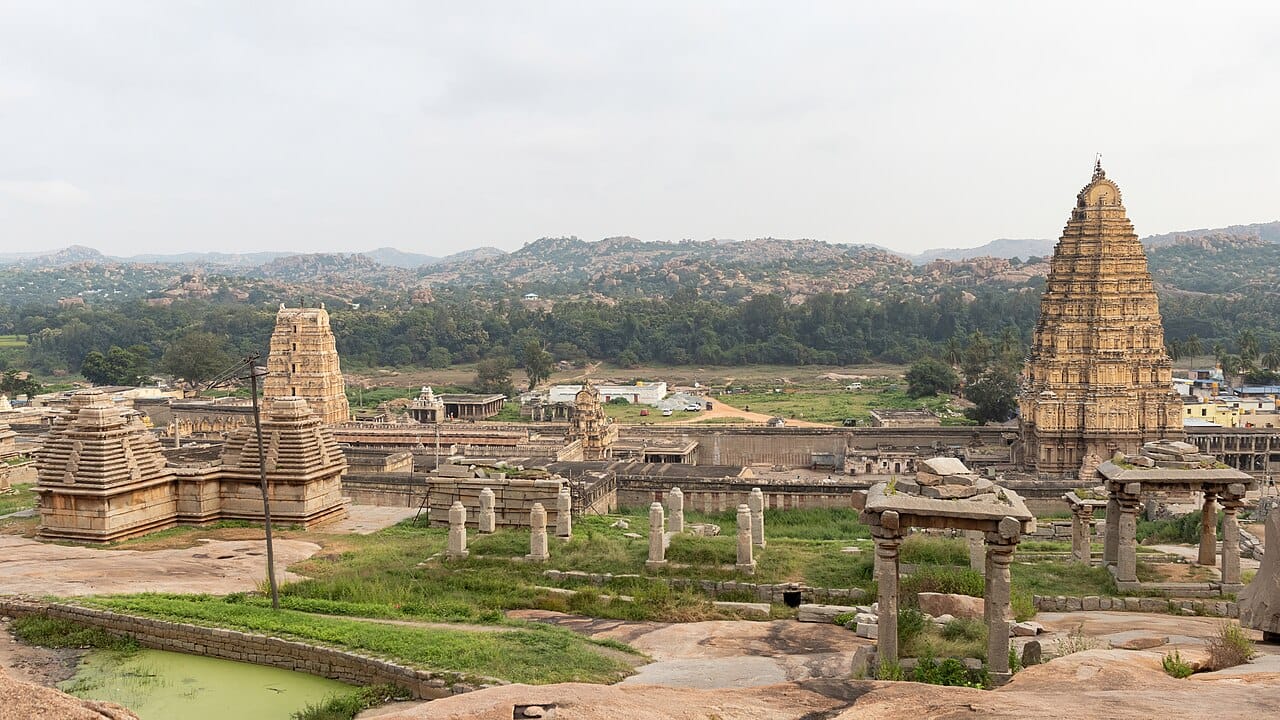
Hampi Group (Virupaksha Temple)
The Virupaksha Temple is the most iconic monument of Hampi, a UNESCO World Heritage site…
Explore Temple
Famous Temples You May Like
Maharashtra
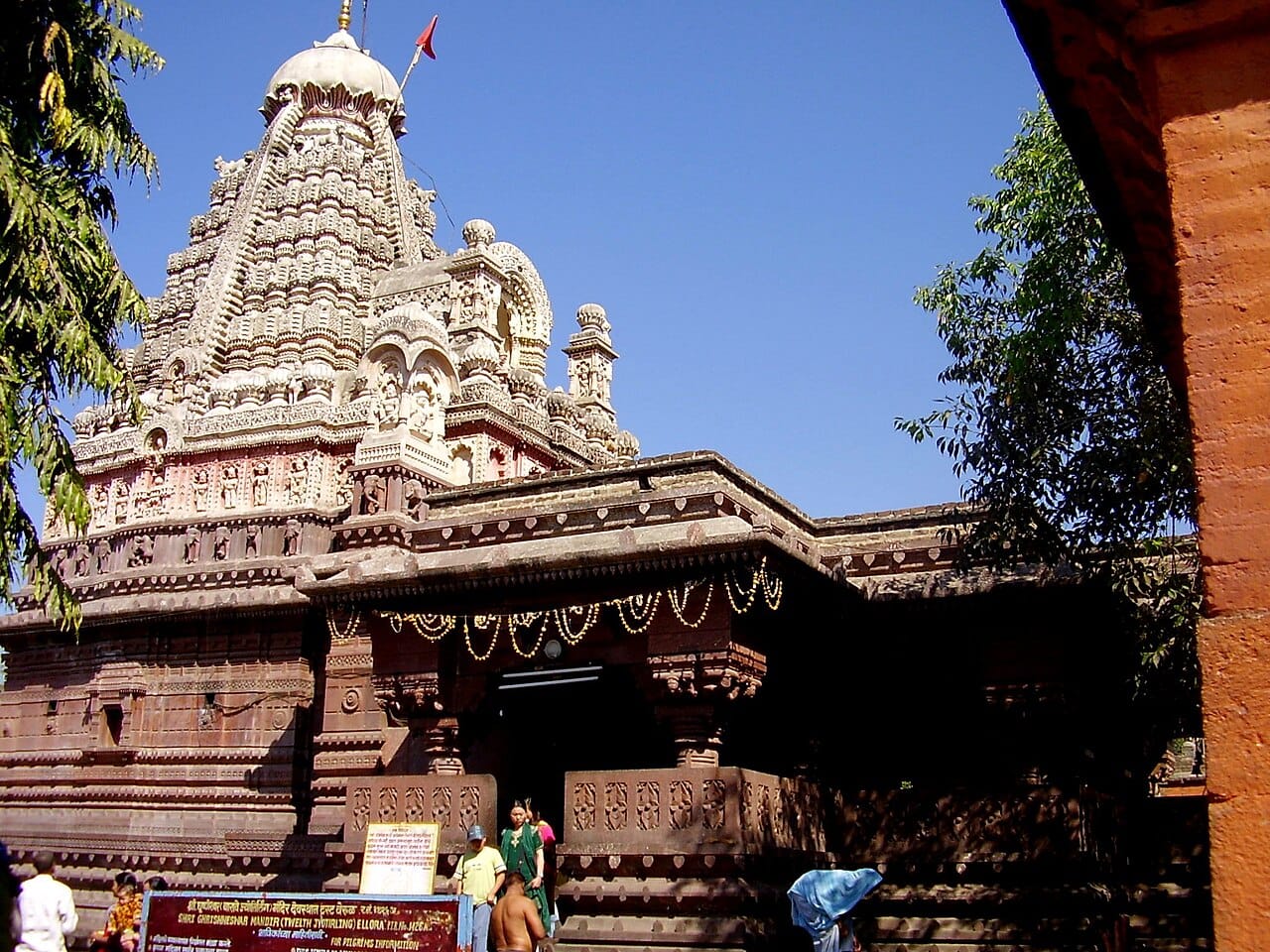
Grishneshwar Temple
The 12th and final Jyotirlinga, located just 1 km from the Ellora Caves.
Explore Temple
Maharashtra
Bhimashankar Jyotirlinga
The source of the Bhima River deep in the Sahyadri hills.
Explore Temple
Maharashtra
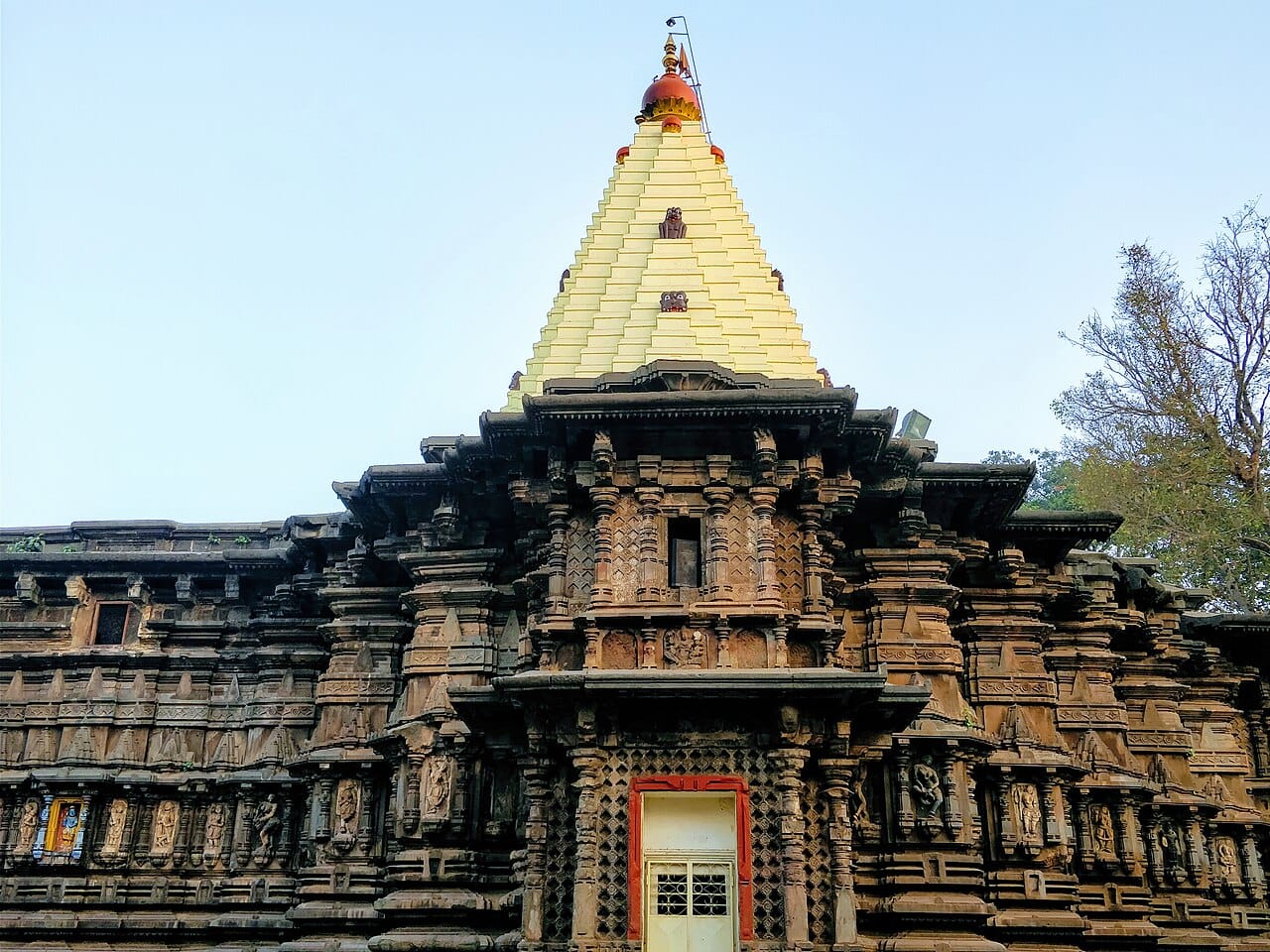
Mahalakshmi Temple
Mahalakshmi Temple in Kolhapur, also known as Ambabai Temple, is one of the 18 Maha…
Explore Temple
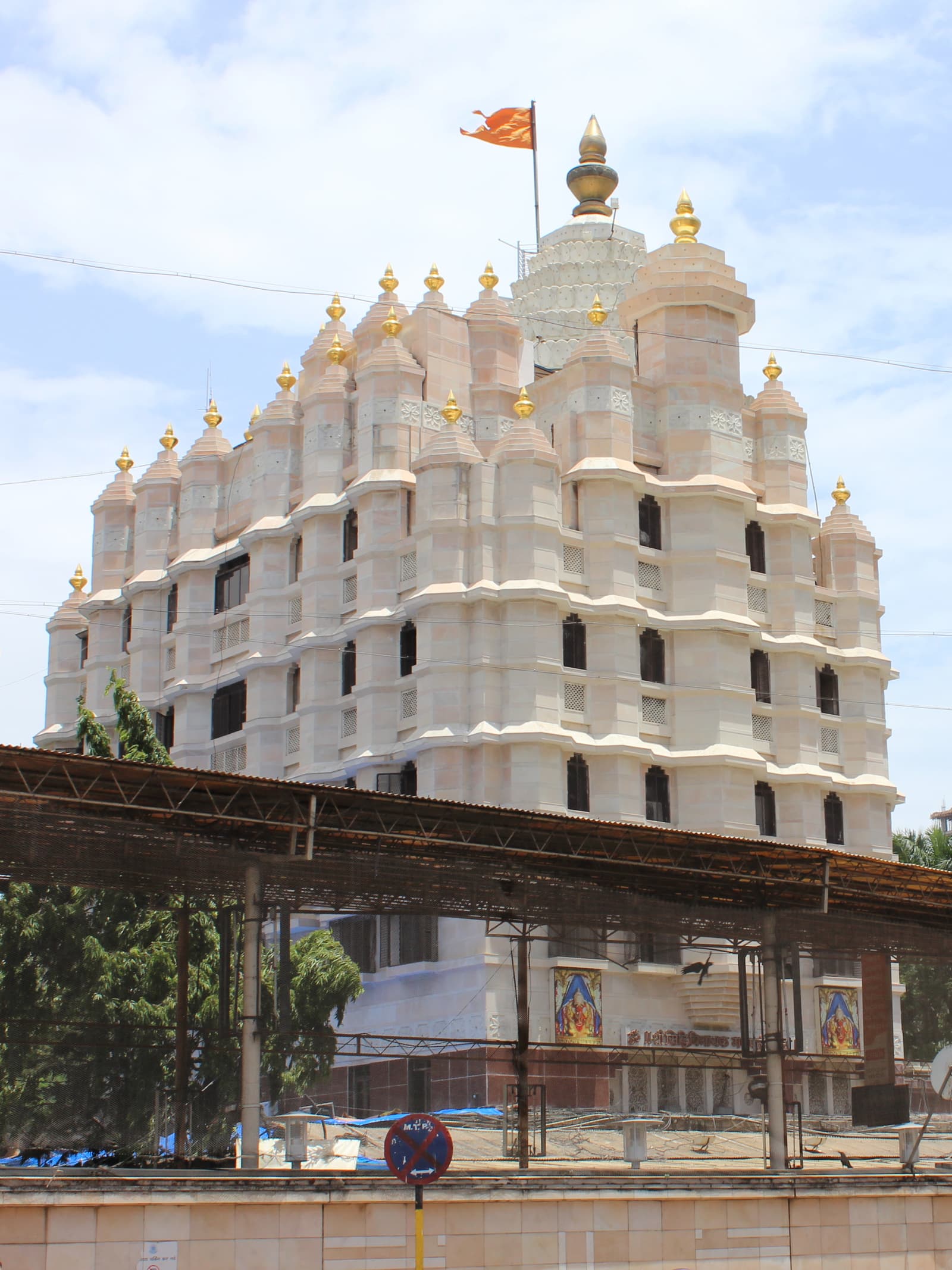
Maharashtra
Shree Siddhivinayak Ganapati Temple, Mumbai
Mumbai's most famous temple and among the richest in India, dedicated to the wish-fulfilling form…
Explore Temple
Explore More in Maharashtra
Heritage Fact
"The Ellora Caves feature 34 monasteries and temples, including the massive monolithic Kailasa Temple."