From ancient rock-cut marvels to towering imperial shrines, discover the architectural soul of Bharat through our verified digital archive.
Explore More Temples
Location
Almora
Presiding Deity
Lord Shiva (Jageshwar)
Architecture
Local Style
Dynasty
Katyuri — Chand
Timings
6:00 AM to 7:00 PM daily. The temples remain open throughout the year, though access during heavy snowfall (January-February) may be temporarily restricted.
Entry Fee
Free
Best Time
May to October offers pleasant weather. The monsoon season (July-August) coincides with the main festival and offers lush green surroundings. The deodar forest is especially beautiful after the rains (August-September). Winters (November-March) can be very cold with occasional snowfall.
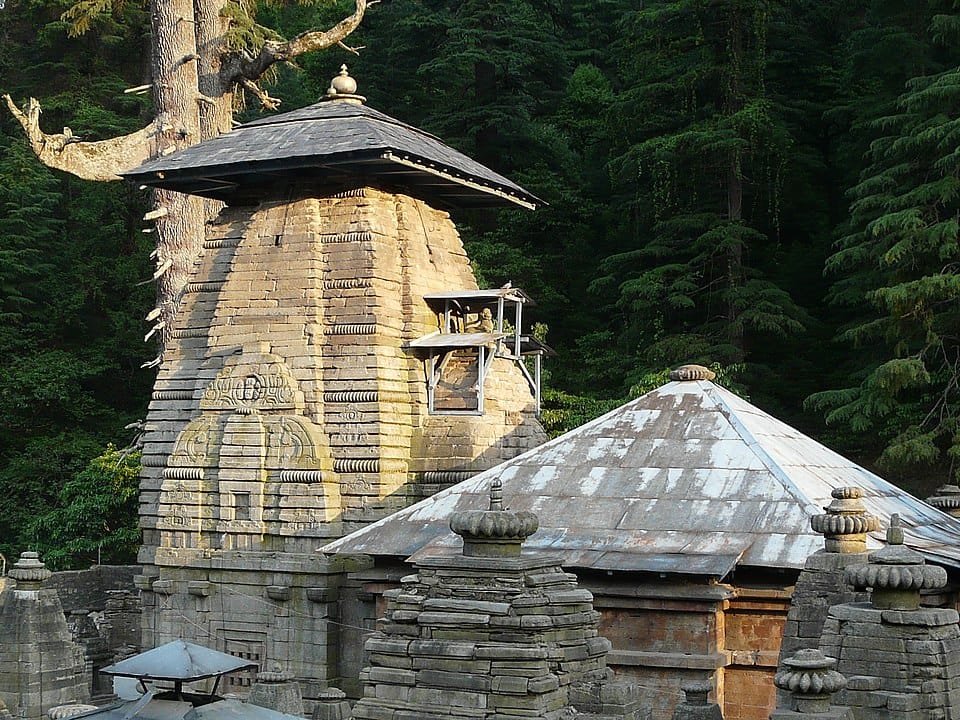
A cluster of 124 ancient stone temples from the 7th-12th centuries, nestled in a dense deodar forest.
The Jageshwar temples were built during the Katyuri dynasty (7th-11th centuries CE) and later expanded under the Chand dynasty (11th-18th centuries). The Katyuri kings, who ruled the Kumaon region from their capital at Kartikeyapur (modern Baijnath), were great patrons of Shaivism and constructed the earliest temples at Jageshwar. The Chand rulers added more shrines and renovated existing ones. The complex was an important center of the Lakula Shaiva sect, an ancient ascetic tradition of Shiva worship. The temples suffered damage during the Gorkha invasions of the late 18th century and subsequent neglect during British rule. The Archaeological Survey of India has protected the site since the early 20th century. The temple complex remains an active pilgrimage site and is part of the 'Sapta Badri' and 'Panch Kedar' spiritual geography of Uttarakhand.
“According to legend, the site is where Lord Shiva resided after the death of Sati, meditating in the deodar forests of Kumaon. The name 'Jageshwar' is derived from 'Jagat' (world) and 'Ishwar' (god) — 'Lord of the World.' Another legend states that the Pandavas visited Jageshwar during their exile and worshipped Shiva here. The Mahamrityunjaya Temple is associated with Sage Shukracharya (the guru of the demons), who meditated here and received the secret of conquering death from Lord Shiva. The deodar trees are believed to be the matted locks of Shiva that fell to earth.”
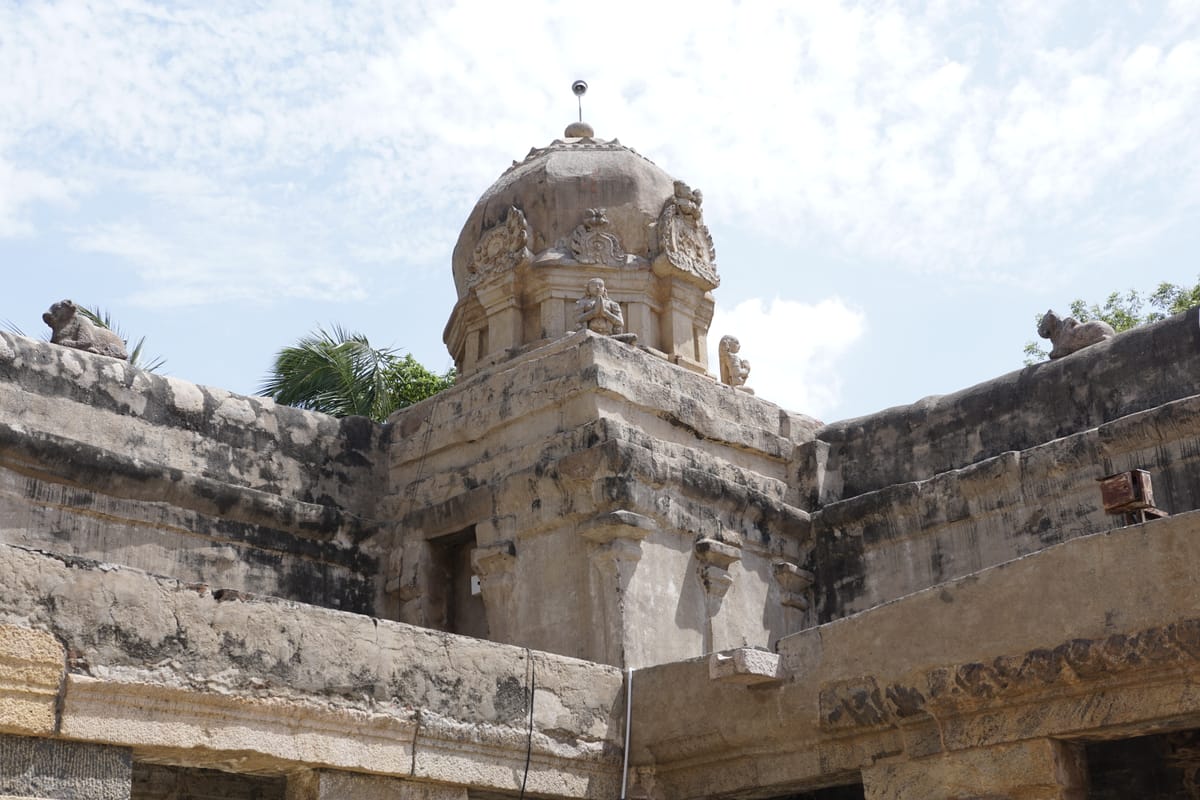
The temples showcase the Nagara style of early medieval North Indian temple architecture. The main Jageshwar Temple features a sanctum (garbha griha), an antarala (vestibule), and a mandapa (hall) with stone pillars. The temple's shikhara (spire) follows the classic curvilinear Nagara form. The Dandeshwar Temple within the complex is the largest, featuring a more elaborate shikhara with intricate carvings. The Mahamrityunjaya Temple has a unique square sanctum. The temples are built with gray sandstone, and many feature exquisite carvings of deities, celestial beings (apsaras), and floral patterns. The complex also includes a stone water tank (Kunda) and several smaller shrines with their own distinct architectural features. The temples lack the elaborate ornamentation of later medieval temples, giving them a stark, meditative quality.
Some traditions count Jageshwar among the 12 Jyotirlingas, though the official list recognizes Kedarnath. The site is revered as the 'Kashi of the Hills' — a cremation site where liberation (moksha) is attainable. The Mahamrityunjaya Temple is believed to be the place where Sage Shukracharya performed penance to receive the Mahamrityunjaya Mantra (the great death-conquering mantra) from Lord Shiva. The deodar forest surrounding the temples is considered sacred, and the trees are believed to be divine guardians of the site. The complex is also significant for its architectural continuity, showing the evolution of North Indian temple architecture from the early medieval to the late medieval period.
Daily rituals include the Mangala Aarti at dawn, Abhishekam (ritual bath of the Shiva lingam), and the Sandhya Aarti at sunset. The temple priests follow the Shaiva Agama tradition. The Mahamrityunjaya Temple has a special 'Rudra Abhishekam' performed as a healing ritual. The site is particularly active during the month of Shravan (July-August), when thousands of pilgrims perform the 'Kanwar Yatra.'
The Jageshwar Monsoon Festival (July-August) is the most important event, coinciding with Shravan Purnima, featuring special pujas and cultural programs. Maha Shivaratri (February-March) is celebrated with night-long vigils and abhishekams. The 'Jageshwar Mela' (July-August) attracts thousands of pilgrims from across Uttarakhand. Holi and Diwali are also observed.
One of the largest temple clusters in the Himalayas (124 temples), the Mahamrityunjaya Mantra's birthplace, the 'Kashi of the Hills,' and the ancient Katyuri-Chand architecture set in a mystical deodar forest
May to October offers pleasant weather. The monsoon season (July-August) coincides with the main festival and offers lush green surroundings. The deodar forest is especially beautiful after the rains (August-September). Winters (November-March) can be very cold with occasional snowfall.
6:00 AM to 7:00 PM daily. The temples remain open throughout the year, though access during heavy snowfall (January-February) may be temporarily restricted.
Jageshwar is 35 km from Almora and 125 km from Kathgodam (nearest railway station). The drive from Almora through deodar forests is scenic. The complex requires walking through uneven stone paths — comfortable walking shoes are recommended. The deodar forest is cool even in summer, so carry light woolens. Photography is allowed throughout the complex. The site is less crowded than other Himalayan pilgrimages, offering a more contemplative experience.
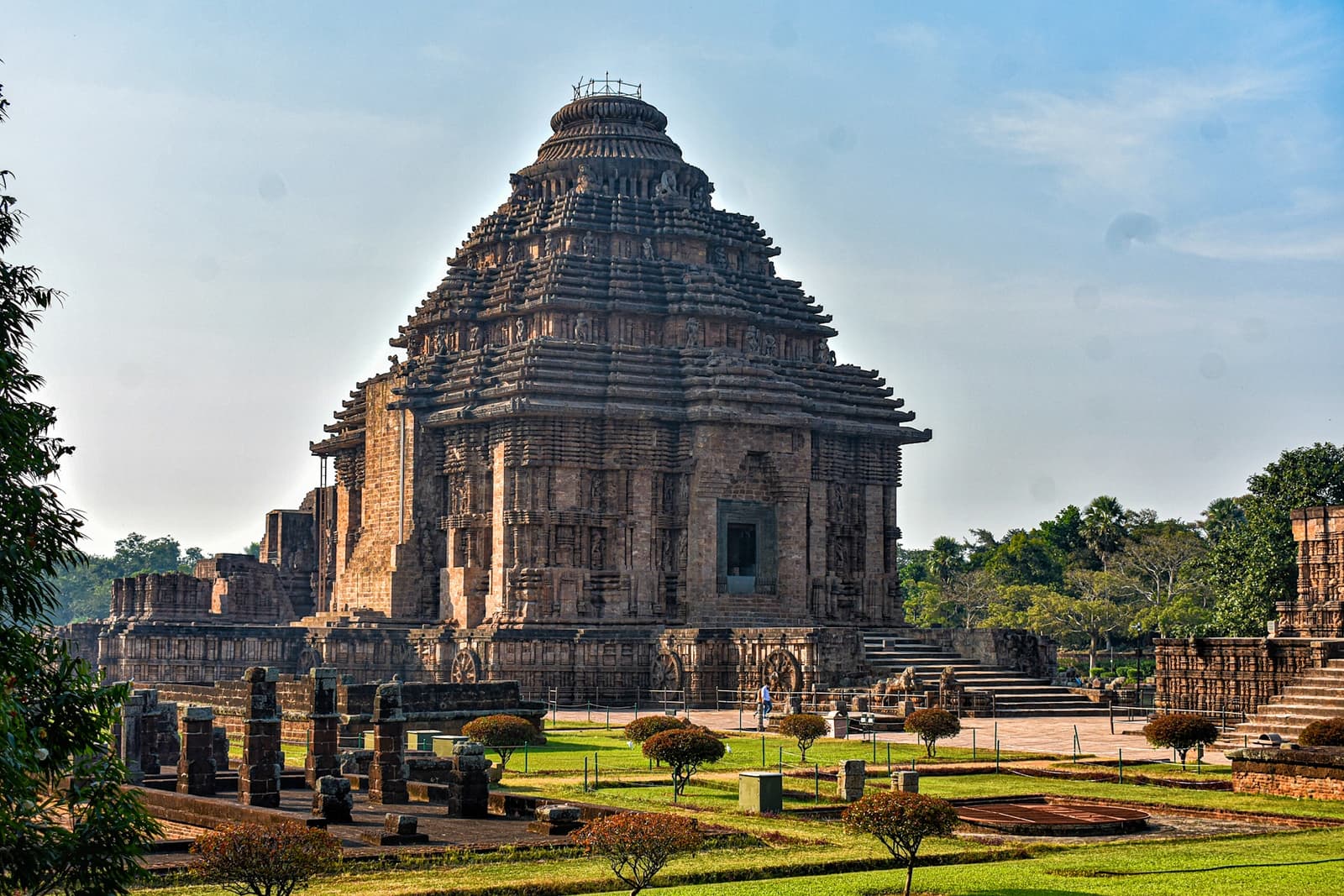
The Katarmal Sun Temple (15 km) is the second most important Sun temple in India after Konark, with intricate stone carvings. The Almora town (25 km) offers the Bright End Corner viewpoint, Kasar Devi Temple (known for its cosmic energy), and the Chitai Golu Devta Temple with thousands of bells. The Binsar Wildlife Sanctuary (30 km) offers Himalayan views. The Kausani (50 km) and Ranikhet (40 km) hill stations are nearby. The Baijnath Temple (40 km) is a Katyuri-era temple complex.
A. The Jageshwar temple complex contains 124 individual stone temples, built between the 7th and 12th centuries CE by the Katyuri and Chand dynasties. They are spread across a narrow valley surrounded by ancient deodar trees.
A. Jageshwar is called the 'Kashi of the Hills' because it is believed that performing last rites here grants liberation (moksha), similar to Kashi (Varanasi). The cremation ghat at Jageshwar is considered equally sacred for attaining salvation.
A. The Mahamrityunjaya Temple is a shrine within the Jageshwar complex dedicated to the 'death-conquering' aspect of Shiva. It is believed to be where Sage Shukracharya received the Mahamrityunjaya Mantra from Lord Shiva. The temple houses a unique mukhalinga (lingam with a face).
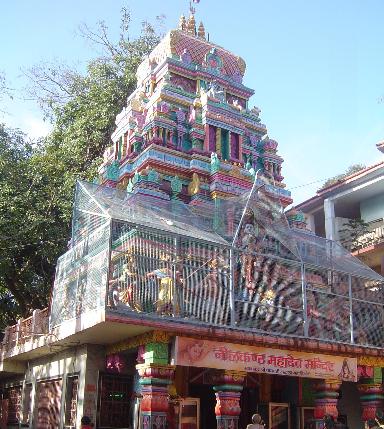
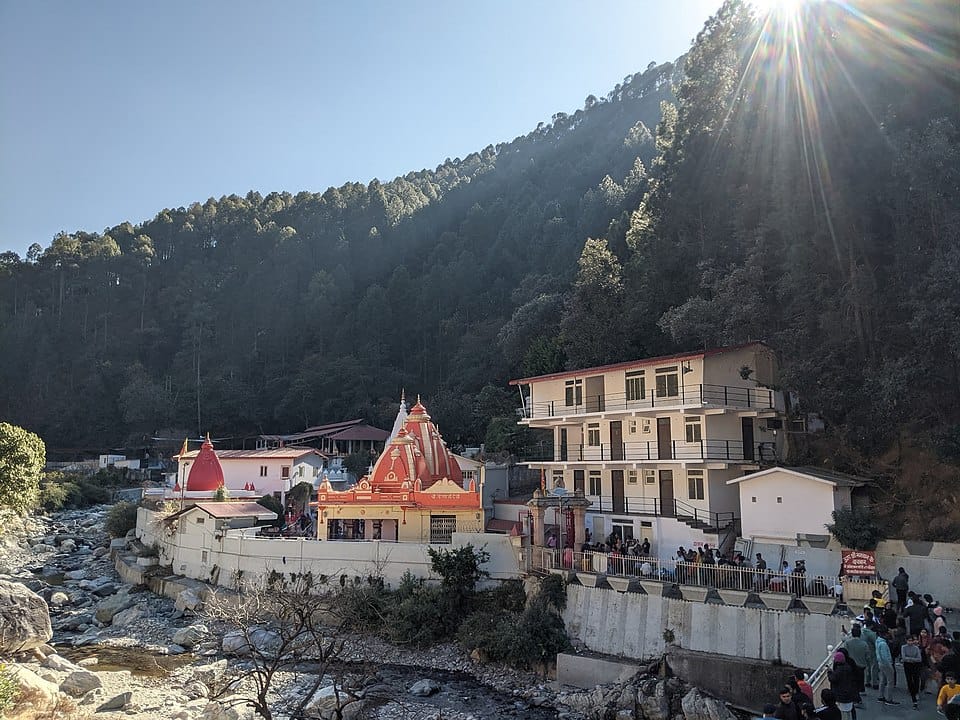
Neelkanth Mahadev Temple
Situated at 1,330 meters, this is where Lord Shiva is believed to have consumed the poison (Halahala) during the Samudra Manthan.
Chhatarpur Temple
A massive marble temple complex dedicated to Goddess Katyayani, featuring both North and South Indian architectural styles.
Kalkaji Temple
An ancient temple dedicated to Kalka Devi, believed to date back to the Satya Yuga, and highly crowded during Navratri.
Laxmi Narayan Temple Agartala
An integral part of Tripura's royal heritage, dedicated to Lord Vishnu and known for its serene and peaceful atmosphere.
Mahadev Bari Udaipur
One of the oldest temples in Udaipur, the former capital, considered the abode of the consort of Tripura Sundari.
Eklingji Temple
A magnificent 108-temple complex dedicated to the patron deity of the Mewar Maharanas, featuring a four-faced black marble Shiva idol.
Yamunotri Temple
The first stop on the Char Dham Yatra at 3,291 meters, where the Yamuna River originates and pilgrims cook offerings in geothermal springs before darshan.
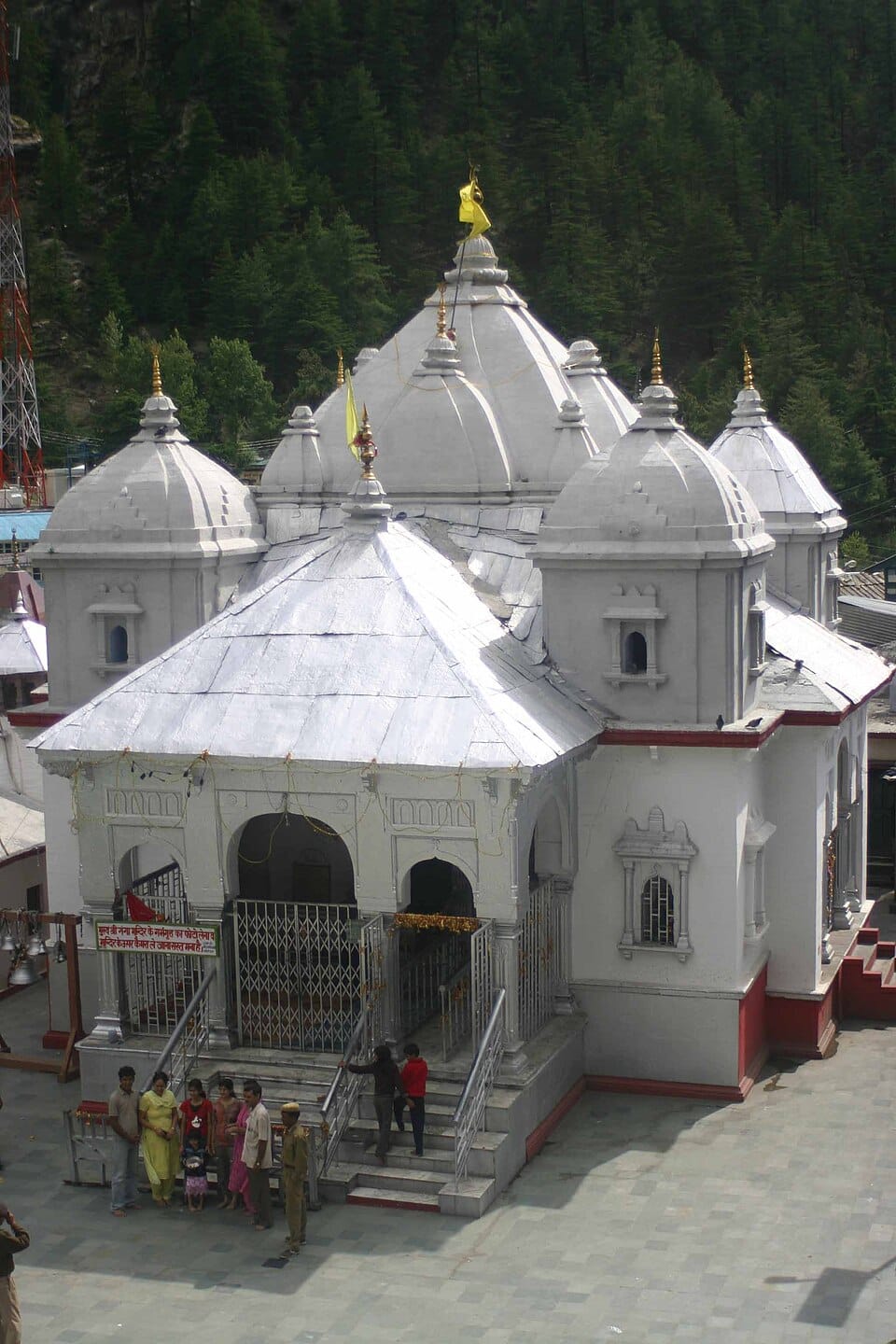
Gangotri Temple
The highest temple dedicated to Goddess Ganga at 3,100 meters, marking where the sacred river descended to earth through Shiva's locks after King Bhagirath's penance.
Neelkanth Mahadev Temple
Situated at 1,330 meters, this is where Lord Shiva is believed to have consumed the poison (Halahala) during the Samudra Manthan.
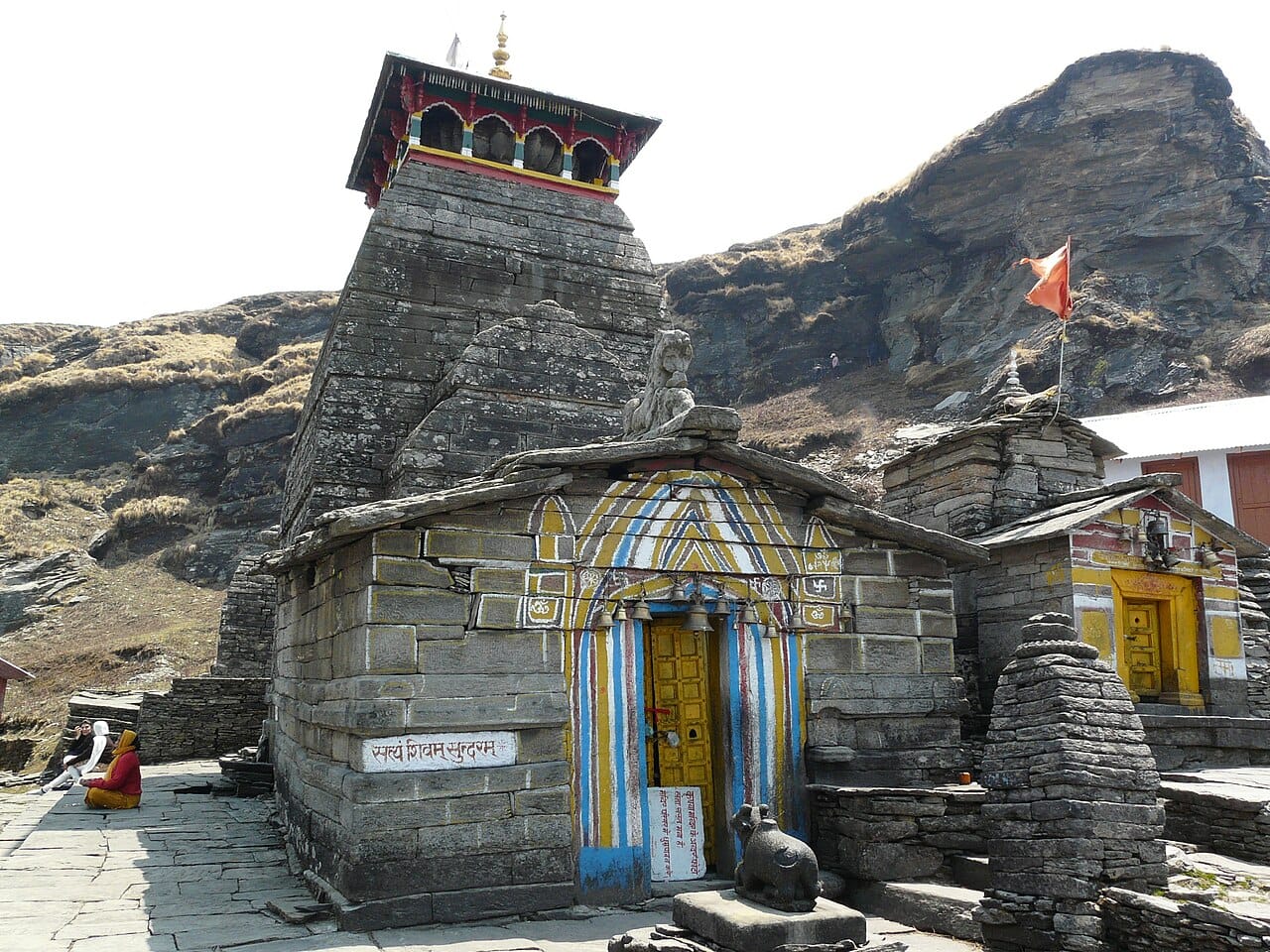
Tungnath Temple
The highest Shiva temple in the world, situated at 3,680 meters on the Chandranath Parbat; it is the 'Tritiya Kedar' in the sacred Panch Kedar pilgrimage circuit.
Adi Badri Uttarakhand
A complex of 16 ancient temples from the Gupta period; it is believed Vishnu resided here before moving to Badrinath.
Katarmal Sun Temple
A 9th-century architectural marvel and India's second most important Sun temple after Konark, featuring intricate carvings.
Tarakeshwar Temple Hooghly
A massive 18th-century pilgrimage site dedicated to Lord Taraknath, especially vibrant during the Gajan festival.
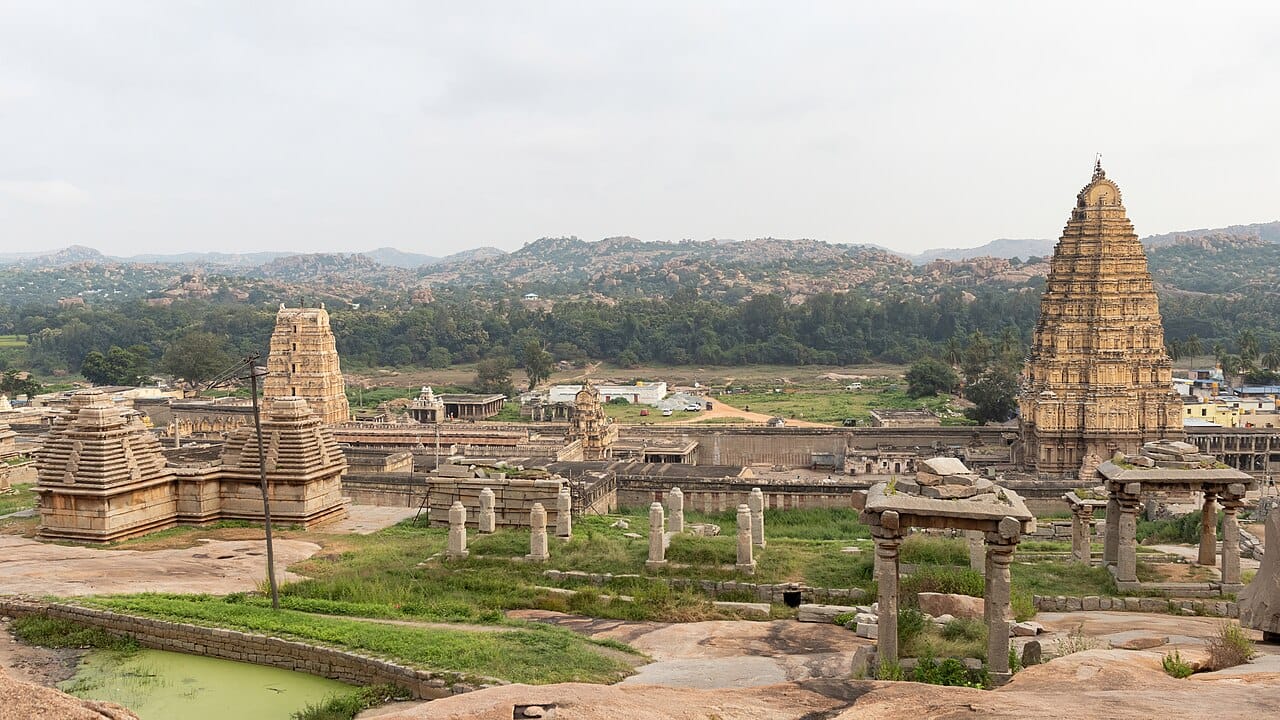
Virupaksha Temple
The Virupaksha Temple in Hampi, Karnataka, is a UNESCO World Heritage Site and the oldest functioning temple in India, dedicated to Lord Shiva as Virupaksha.
Neelkanth Mahadev Temple
Situated at 1,330 meters, this is where Lord Shiva is believed to have consumed the poison (Halahala) during the Samudra Manthan.
Tungnath Temple
The highest Shiva temple in the world, situated at 3,680 meters on the Chandranath Parbat; it is the 'Tritiya Kedar' in the sacred Panch Kedar pilgrimage circuit.
Rudranath Temple
One of the Panch Kedar shrines, representing Lord Shiva's face, situated at an altitude of 2,286 meters amidst meadows and rhododendron forests.
Kalpeshwar Temple
The only Panch Kedar temple accessible year-round, housed in a natural cave and featuring a unique four-faced Shiva linga representing the god's hair.
India's temples are living traditions — not museums. Every temple has its own customs. This guide helps first-time visitors prepare with confidence and respect.
Foreign visitor information is being researched
Please verify with the official temple authority before planning your visit.
Foreign Visitors
Verify Before VisitingVisitor Information
Entry policies vary between temples. Most temples welcome visitors, while some may restrict access to specific areas, rituals, or the inner sanctum. Always verify the latest entry guidelines with the official temple authorities before your visit.
Modest clothing is expected at every Indian temple — a sign of respect, not a restriction. Think of it as dressing for a formal ceremony.
A scarf is always useful — it covers shoulders, works as a head covering, and can double as a makeshift face cover if needed.
Outdoor photography is generally permitted. Indoor photography is often restricted. Always look for signage or ask a priest before taking photos inside.
May to October offers pleasant weather. The monsoon season (July-August) coincides with the main festival and offers lush green surroundings. The deodar forest is especially beautiful after the rains (August-September). Winters (November-March) can be very cold with occasional snowfall.
April — June
July — September
English is widely understood at major tourist temples. In smaller local temples, Hindi and the regional language are more common. A smile and simple hand gestures go a long way. Learning a few words of the local language is always appreciated.
Cash (Indian Rupees) is the most reliable option, especially for temple offerings, small shops, and local transport.
UPI digital payments (Google Pay, PhonePe, Paytm) are widely accepted across India — even at roadside stalls. Download one before you arrive.
International credit/debit cards work at most ATMs, hotels, and larger establishments. Smaller vendors may only accept cash or UPI.
Carry small denominations (₹10, ₹20, ₹50, ₹100 notes) for offerings and temple donations. Large notes (₹500, ₹2000) can be hard to break at smaller counters.
Many historic temples have uneven stone floors, multiple steps, and narrow passages. Wheelchair access is limited at older sites — contact the temple in advance.
Basic restroom facilities and drinking water are available at most major temples. Some charge a small fee (₹5–₹10).
Stay hydrated — carry a reusable water bottle, especially in hot climates.
Keep valuables secure — use hotel lockers for passports and excess cash.
Wear comfortable, sturdy footwear — temple floors can be hot, wet, or uneven.
Beware of unofficial guides or touts near temple entrances. Only use authorised services.
Carry a photocopy of your passport and visa. Leave originals in your hotel safe.
Download offline maps — mobile networks can be unreliable near remote temple sites.
These short explanations help make sense of what you see and experience.
Darshan means 'seeing' — but in a temple it means being seen by the deity. It is a sacred moment of connection, not just a viewing.
Removing footwear is a sign of humility. It also keeps the temple floor clean, since devotees sit and pray on the ground.
Food offered to the deity and then distributed to devotees. It is considered blessed. Accept it with both hands and do not discard it.
The bell creates a focused acoustic atmosphere, wards off distractions, and announces your presence before entering the inner sanctum.
Circumambulation (pradakshina) is done clockwise, keeping the sanctum on your right — an auspicious direction aligned with the sun's path.
Flowers symbolise devotion, coconuts represent the ego being broken, incense purifies the air, and lamps represent the victory of light over darkness.
Sacred viewing of the deity; the central act of temple worship.
Clockwise circumambulation of the sanctum.
Blessed food offered to the deity and distributed to devotees.
The innermost sanctum where the main deity resides.
The towering spire above the sanctum, a defining feature of temple architecture.
A pillared hall or pavilion within the temple complex.
The Indian Rupee (?, INR) is the local currency. ATMs are widely available in cities and towns. For temple offerings, keep small notes (₹10, ₹20, ₹50). Most temples accept donations in cash only — digital payments are uncommon at the offering counter itself.
Offerings (dakshina) are given with the right hand. Place cash in the donation box (hundi) or give it directly to the priest. There is no fixed amount — give what feels appropriate. Some temples have fixed fees for special entry or puja participation.
Shoes and sandals are removed before entering the temple building. Most temples have a designated shoe counter (free or a small fee of ₹5–₹20). Socks are generally allowed. In monsoon, carry a plastic bag for wet shoes.
Darshan queues can take 30 minutes to 3 hours at popular temples. Many offer paid VIP darshan (₹100–₹500) for faster entry. Special queues for women, elderly, and disabled visitors exist at some temples. No line jumping.
Major festivals draw enormous crowds — sometimes hundreds of thousands. Book accommodation months in advance. Expect road closures, restricted vehicle access, and limited phone network. Arrive early (before dawn) to avoid the worst congestion.
Always look for signage before taking photos. When in doubt, ask a priest. Never take photos of devotees in prayer without permission. Selfie sticks are banned at most temples. Silently switch your phone to silent mode.
Police / Ambulance / Fire: 112 (National Emergency Number)
Tourist Helpline: 1800-111-363 (Multi-lingual, Ministry of Tourism)
Women's Helpline: 1091
Temple-specific visitor information is continuously researched and updated from official sources. Where specific data is unavailable, general India travel guidance is provided. Always verify current policies with the temple authority before your visit.
Information last verified July 2026. Temple-specific data coming soon.
Continue your journey through the spiritual and architectural wonders of India.
Situated at 1,330 meters, this is where Lord Shiva is believed to have consumed the poison (Halahala) during the Samudra Manthan.

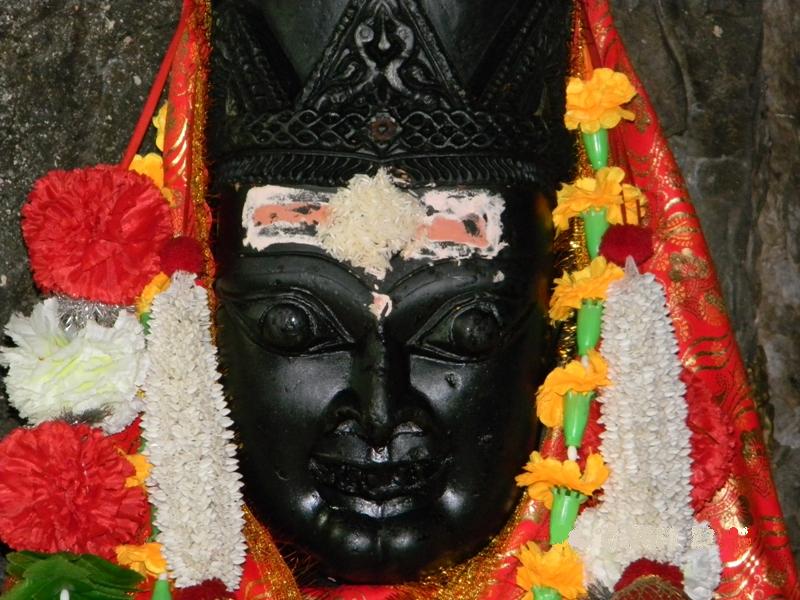
The Himalayan ashram made famous worldwide by Steve Jobs, Mark Zuckerberg, and countless spiritual seekers, known for its powerful Hanuman temple and Neem Karoli Baba's teachings.

A sacred Shakti temple on the banks of the Alaknanda River, considered the guardian deity of the Char Dham Yatra and famous for the idol that changes color three times daily.

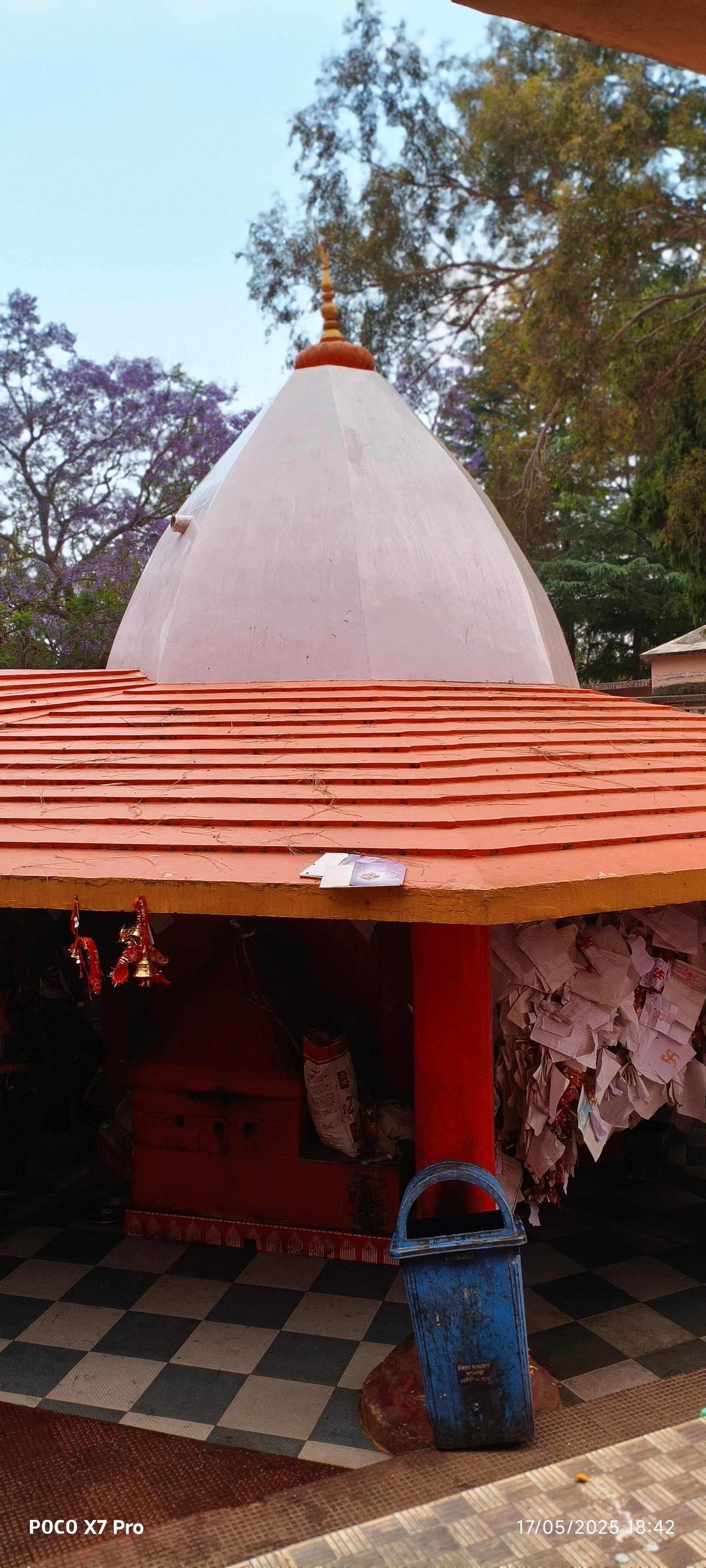
The most famous temple of Kumaon's beloved God of Justice, known for thousands of bells hung by devotees and the unique tradition of filing written petitions to the deity.

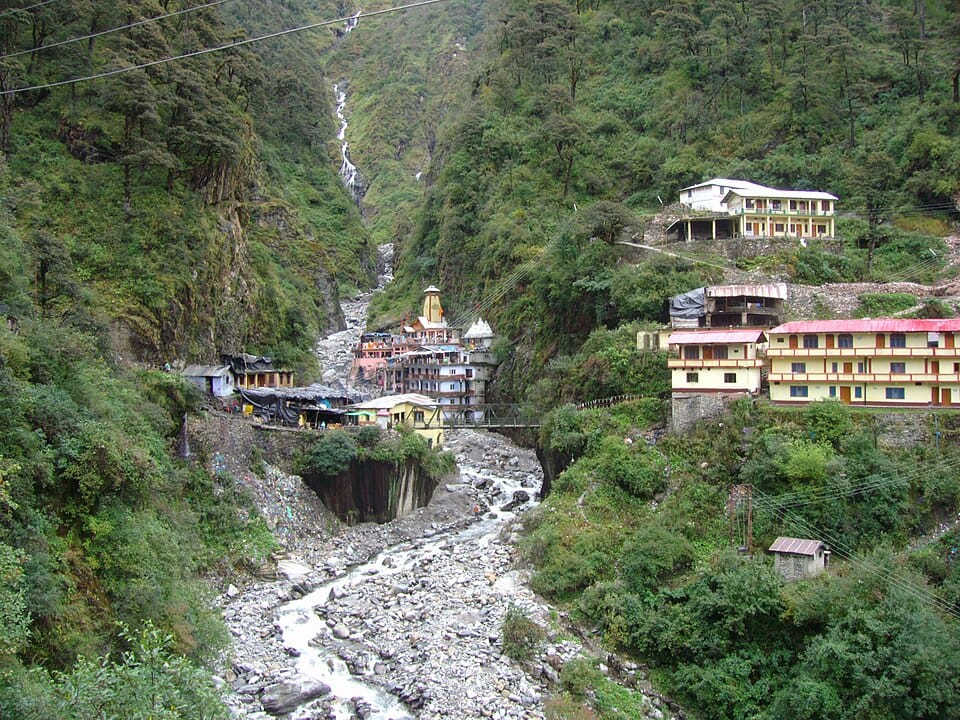
The first stop on the Char Dham Yatra at 3,291 meters, where the Yamuna River originates and pilgrims cook offerings in geothermal springs before darshan.

The highest temple dedicated to Goddess Ganga at 3,100 meters, marking where the sacred river descended to earth through Shiva's locks after King Bhagirath's penance.

The highest Shiva temple in the world, situated at 3,680 meters on the Chandranath Parbat; it is the 'Tritiya Kedar' in the sacred Panch Kedar pilgrimage circuit.

A complex of 16 ancient temples from the Gupta period; it is believed Vishnu resided here before moving to Badrinath.
"UNESCO was founded in 1945 to promote world peace and security through international cooperation."