According to Panch Kedar legend, Lord Shiva's hair (jata) appeared at Kalpeshwar after he took the form of a bull to evade the Pandavas. The temple has been a pilgrimage site for centuries. The unique chaturmukhi (four-faced) linga is a rare iconographic form. The temple is managed by local priests who have served here for generations. The Urgam valley itself is steeped in mythology, associated with the Kalpavriksha (divine wish-fulfilling tree).
Sacred Heritage
Kalpeshwar Temple
Kalpeshwar, Chamoli, Uttarakhand
State:Uttarakhand
District:Kalpeshwar, Chamoli
Why This Temple Matters
One of the five Panch Kedar temples — formed from parts of Lord Shiva
Key Takeaways
- Dedicated to Lord Shiva (Kalpeshwar)
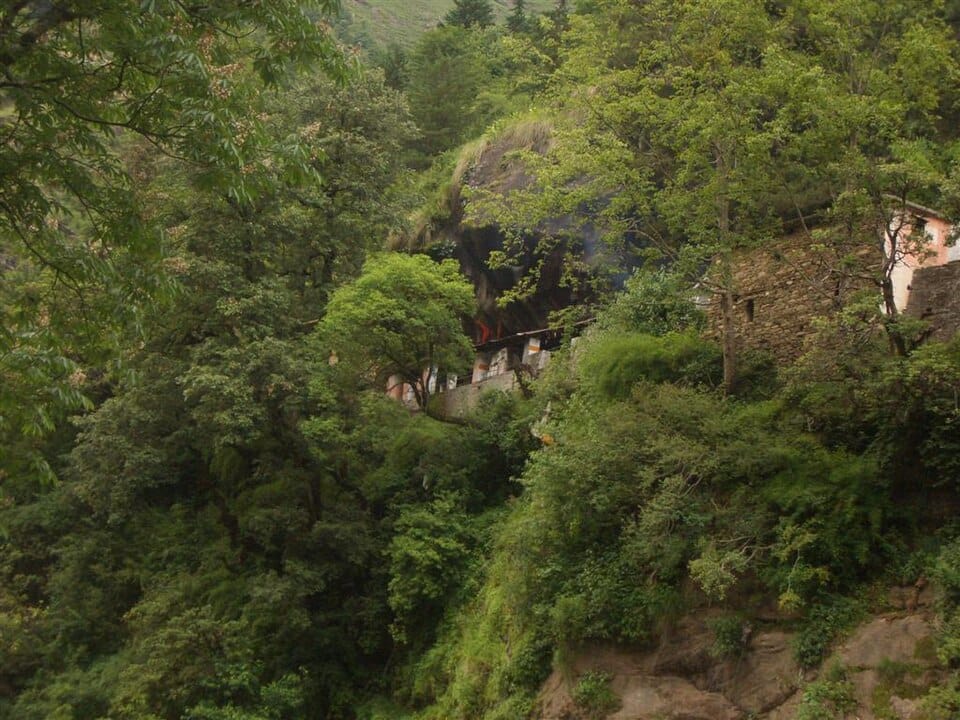
- Cave temple with traditional Himalayan stone and wood construction architecture
- Located in Kalpeshwar, Chamoli, Uttarakhand
- Temple timings: 6:00 AM to 7:00 PM daily (winter: 7:00 AM to 5:00 PM). Aarti at sunrise and sunset.
- Best visited: Any time of year, as the temple is always open. May-June and September-October offer the best weather for the trek. Winter (November-March) is cold but the temple remains accessible and has a special charm.
Quick Facts
- Location
- Kalpeshwar, Chamoli
- Presiding Deity
- Lord Shiva (Kalpeshwar)
- Architecture
- Cave temple with traditional Himalayan stone and wood construction
- Period
- Ancient (Pandava legend)
- Timings
- 6:00 AM to 7:00 PM daily (winter: 7:00 AM to 5:00 PM). Aarti at sunrise and sunset.
- Entry Fee
- Free
- Best Time
- Any time of year, as the temple is always open. May-June and September-October offer the best weather for the trek. Winter (November-March) is cold but the temple remains accessible and has a special charm.
Overview
The only Panch Kedar temple accessible year-round, housed in a natural cave and featuring a unique four-faced Shiva linga representing the god's hair.
History & Legacy
Architecture
Key Features
The temple is unique among the Panch Kedar as it is housed within a natural cave formation. A simple wooden facade marks the cave entrance. Inside, the cave chamber holds the chaturmukhi linga, with each face carved in a different direction. The cave walls are naturally polished by centuries of touch and water. Outside the cave, a small courtyard with a brass bell and a modest shikhara structure complete the complex.
Religious & Cultural Significance
Signature Feature: The only Panch Kedar open year-round due to its cave location. The chaturmukhi (four-faced) Shiva linga is unique among the Panch Kedar and rare in Himalayan temple iconography.
Daily Rituals
Daily Shiva puja is performed inside the cave sanctum. The ritual includes abhishekam of the four-faced linga with milk, water, and honey. Unlike the other Panch Kedar, puja continues through the winter months. The evening aarti inside the dimly lit cave creates a deeply atmospheric spiritual experience.
Festivals & Celebrations
Festival
Maha Shivaratri is the grandest festival, celebrated throughout the night with special pujas and bhajans. The annual Kalpeshwar Fair (July-August) draws pilgrims from across the region. Every full moon (Purnima) attracts additional devotees for special abhishekams.
Interesting Facts
Only year-round Panch Kedar, cave temple, four-faced Shiva linga, scenic Urgam valley trek, apple orchards and terraced fields, Kalpavriksha legend.
How to Reach & Visitor Tips
Kalpeshwar requires a 7 km trek from the road head at Helgu or 12 km from Urgam village. The trek is easier than other Panch Kedar and takes 3-4 hours. Basic guest houses are available at the temple. The Urgam valley has beautiful apple orchards visited during autumn. Carry warm clothing and trekking shoes.
Frequently Asked Questions
Why is Kalpeshwar unique among Panch Kedar?
A.
Kalpeshwar is the only Panch Kedar that remains open throughout the year. It is also unique for its cave location and the four-faced (chaturmukhi) Shiva linga.
What part of the bull is represented here?
A.
According to Panch Kedar legend, Lord Shiva's hair (jata) appeared at Kalpeshwar after he transformed into a bull to avoid the Pandavas.
How to reach Kalpeshwar?
A.
The nearest major town is Joshimath. From there, take a shared jeep to Helgu or Urgam village. A 7 km scenic trek through terraced fields and apple orchards leads to the temple.
Answers are based on verified information. Site rules may change — verify locally before visiting.
Sources & References
Ministry of Tourism, Government of India
"Ministry of Tourism — official destination information"
View SourceLinks Last Checked
30 September 2026
Related Temples
Same Pilgrimage
Tungnath Temple
The highest Shiva temple in the world, situated at 3,680 meters on the Chandranath Parbat…
Rudranath Temple
One of the Panch Kedar shrines, representing Lord Shiva's face, situated at an altitude of…
Madhyamaheshwar Temple
One of the Panch Kedar shrines, representing Shiva's navel, set at 3,497 meters beneath the…
Kedarnath Temple
Kedarnath Temple — one of 12 Jyotirlingas, part of Char Dham and Panch Kedar.
Same State
Yamunotri Temple
The first stop on the Char Dham Yatra at 3,291 meters, where the Yamuna River…
Gangotri Temple
The highest temple dedicated to Goddess Ganga at 3,100 meters, marking where the sacred river…
Jageshwar Temple
A cluster of 124 ancient stone temples from the 7th-12th centuries, situated in a dense…
Neelkanth Mahadev Temple
Situated at 1,330 meters, this is where Lord Shiva is believed to have consumed the…
Tungnath Temple
The highest Shiva temple in the world, situated at 3,680 meters on the Chandranath Parbat…
Adi Badri Uttarakhand
A complex of 16 ancient temples from the Gupta period; it is believed Vishnu resided…
Same Tradition
Tarakeshwar Temple Hooghly
1729 CE Atchala-style Shiva sanctuary founded by Raja Bharamalla in Hooghly district, famous for its…
Virupaksha Temple
The Virupaksha Temple in Hampi, Karnataka, is a UNESCO World Heritage Site and the oldest…
Jageshwar Temple
A cluster of 124 ancient stone temples from the 7th-12th centuries, situated in a dense…
Neelkanth Mahadev Temple
Situated at 1,330 meters, this is where Lord Shiva is believed to have consumed the…
Tungnath Temple
The highest Shiva temple in the world, situated at 3,680 meters on the Chandranath Parbat…
Rudranath Temple
One of the Panch Kedar shrines, representing Lord Shiva's face, situated at an altitude of…
Visiting as an International Traveller
Foreign visitor information is being researched
Please verify with the official authority for this site before planning your visit.
Entry Status
Foreign Visitors
Verify Before VisitingVisitor Information
Entry policies are set by each site — confirm before travelling.
Entry rules for international visitorsWho can enter, permits, and what to expect at the gate.Dress Code
Modest clothing is expected — a sign of respect, not a restriction.
Shoulders covered
Knees covered
Shoes removed before entry
Head covering (women)
Rain gear available
Warm layers (winter)
Photography Guide
Outside
Inside
Flash
Drone
Tripod
Commercial
Best Time to Visit
Any time of year, as the temple is always open. May-June and September-October offer the best weather for the trek. Winter (November-March) is cold but the temple remains accessible and has a special charm.
Language & Communication
Understanding Temple Traditions
These short explanations help make sense of what you see and experience.
Tips for International Visitors
Temple vocabulary and ritualsDarshan, pradakshina, prasadam, aarti, hundi and mandapa.Currency, donations and queuesCash, UPI, donation etiquette and how long entry queues take.Photography etiquetteSignage, flash, selfie sticks and photographing other visitors.Festival crowds and safetyAdvance booking, road closures, belongings and offline maps.
Essential Contacts
Police / Ambulance / Fire: 112 (National Emergency Number)
Tourist Helpline: 1800-111-363 (Multi-lingual, Ministry of Tourism)
Women's Helpline: 1091
Travel Preparation Checklist
Packing Checklist for Kalpeshwar Temple
Continue Reading
Rules change — confirm current policies with the site's authority before you travel.
Site-verified visitor data pending. See our sources and methodology.
By Naveen singh negi
Updated: July 2026
Related:Uttarakhand TemplesLord Shiva (Kalpeshwar)Cave temple with traditional Himalayan stone and wood constructionAncient (Pandava legend)Methodology
Collections:Panch Kedar
Uttarakhand
Ancient (Pandava legend)
Panch Kedar
Explore More Sacred & Heritage Sites
Related heritage monuments, regional traditions, and pilgrimage connections.
UNESCO Temple Heritage Sites
UNESCO 1987Cultural Heritage
Tamil Nadu
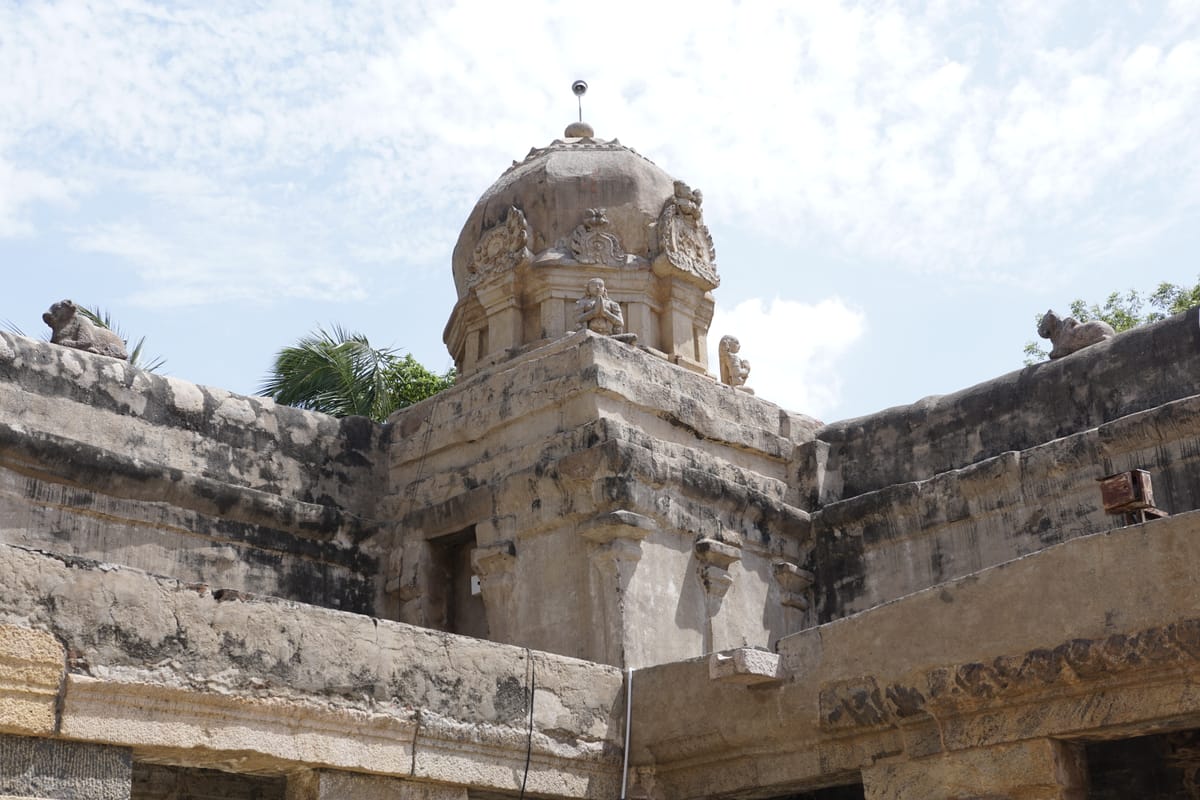
Great Living Chola Temples — Brihadeeswarar Temple
The principal temple of the Great Living Chola Temples UNESCO site, a masterpiece of Dravidian…
Explore Temple
UNESCO 1986Cultural Heritage
Madhya Pradesh
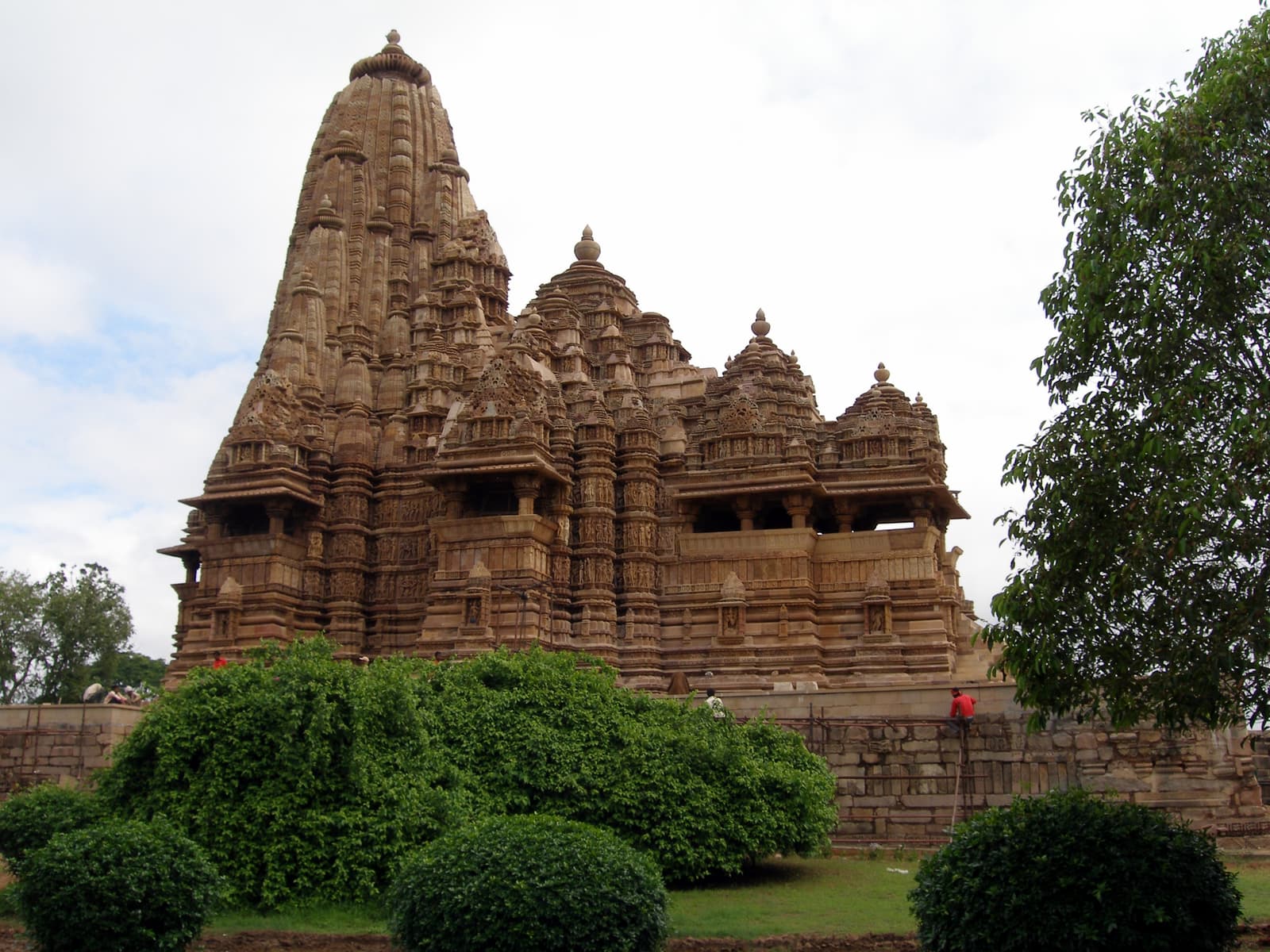
Khajuraho Group of Monuments
The largest and most ornate Hindu temple in the Khajuraho Group of Monuments.
Explore Temple
UNESCO 1984Cultural Heritage
Odisha
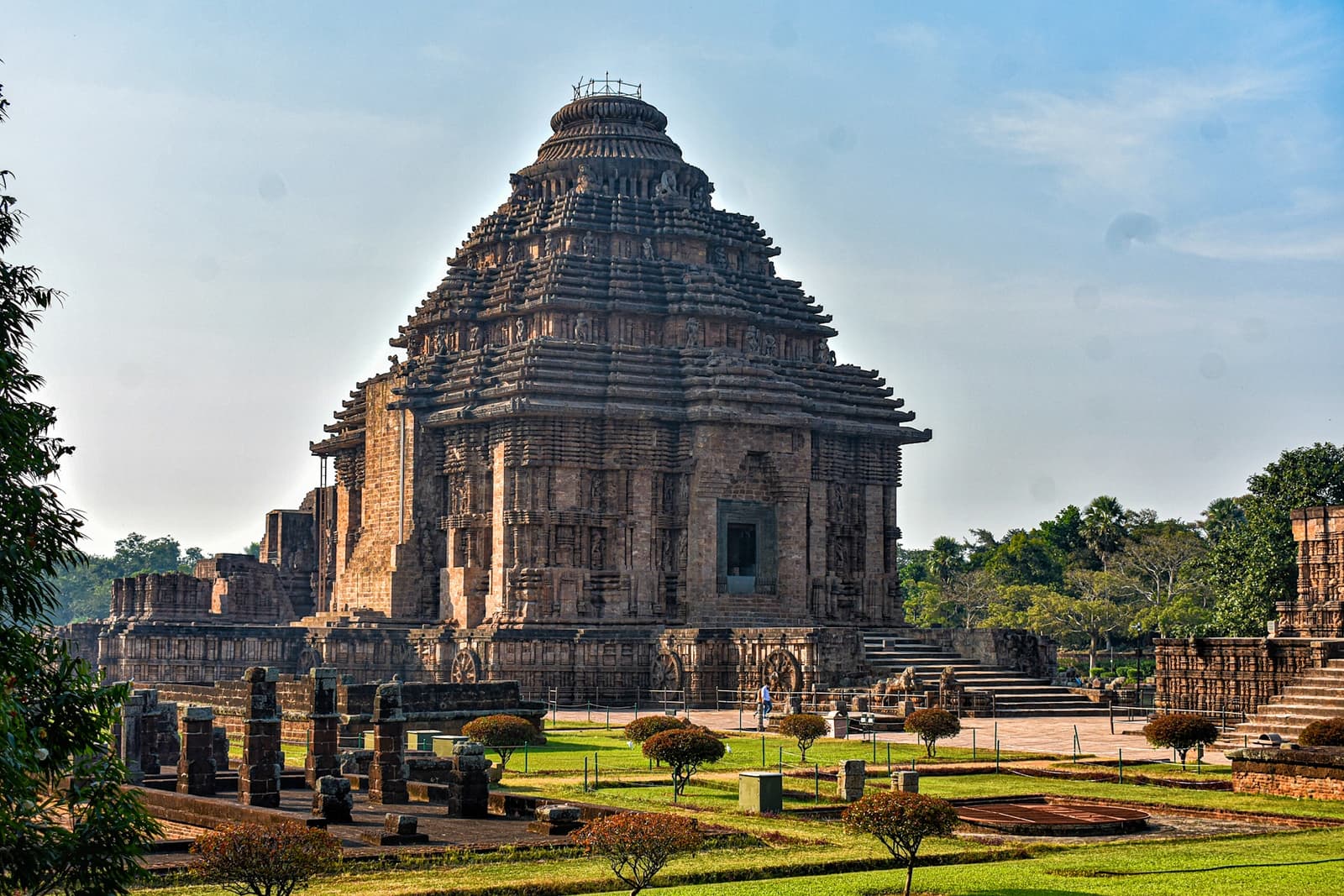
Sun Temple, Konark
A 13th-century Sun Temple built as a giant stone chariot with 24 wheels, drawn by…
Explore Temple
UNESCO 1986Cultural Heritage
Karnataka
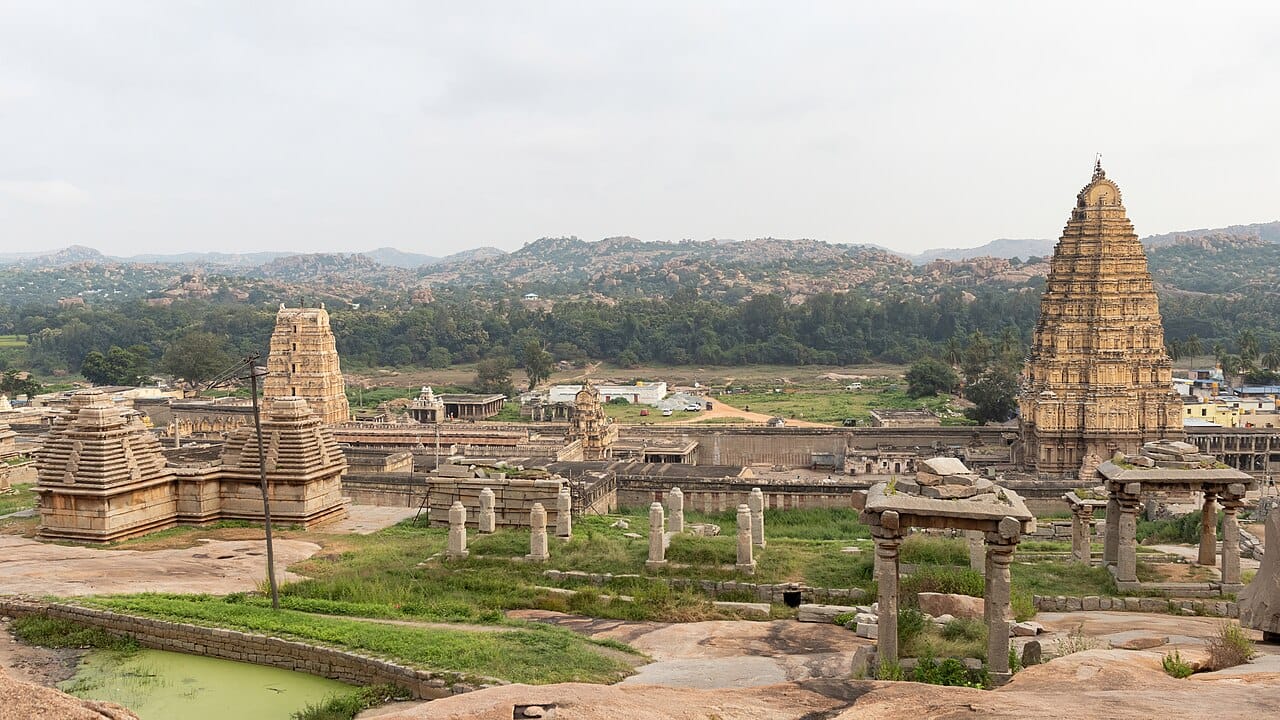
Hampi Group (Virupaksha Temple)
The Virupaksha Temple is the most iconic monument of Hampi, a UNESCO World Heritage site…
Explore Temple
Famous Temples You May Like
Uttarakhand
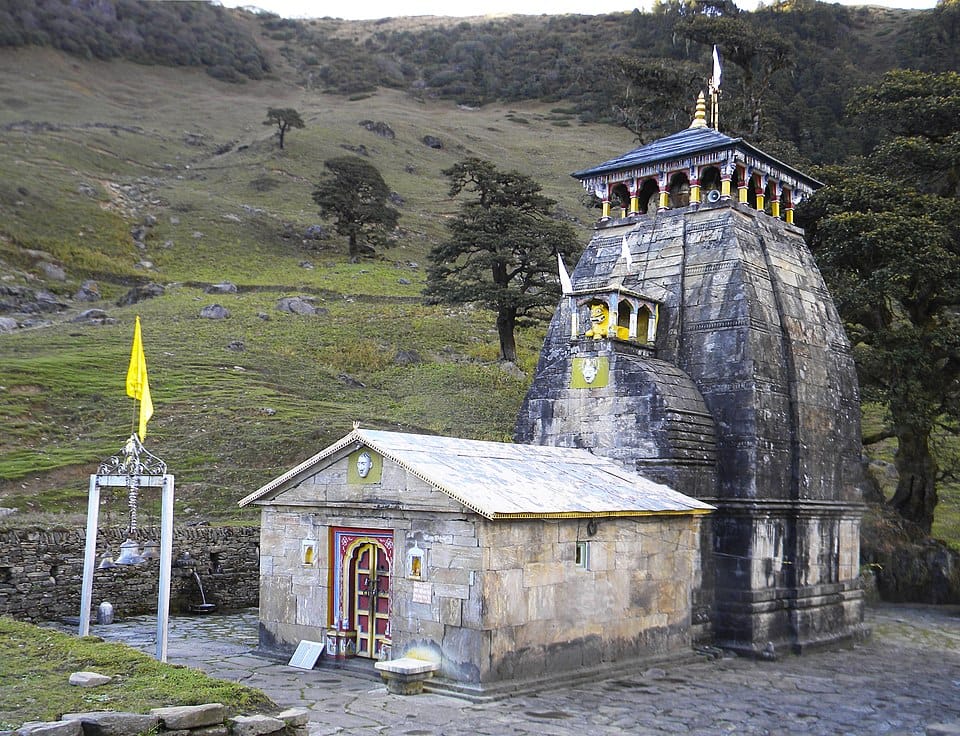
Madhyamaheshwar Temple
One of the Panch Kedar shrines, representing Shiva's navel, set at 3,497 meters beneath the…
Explore Temple
Uttarakhand
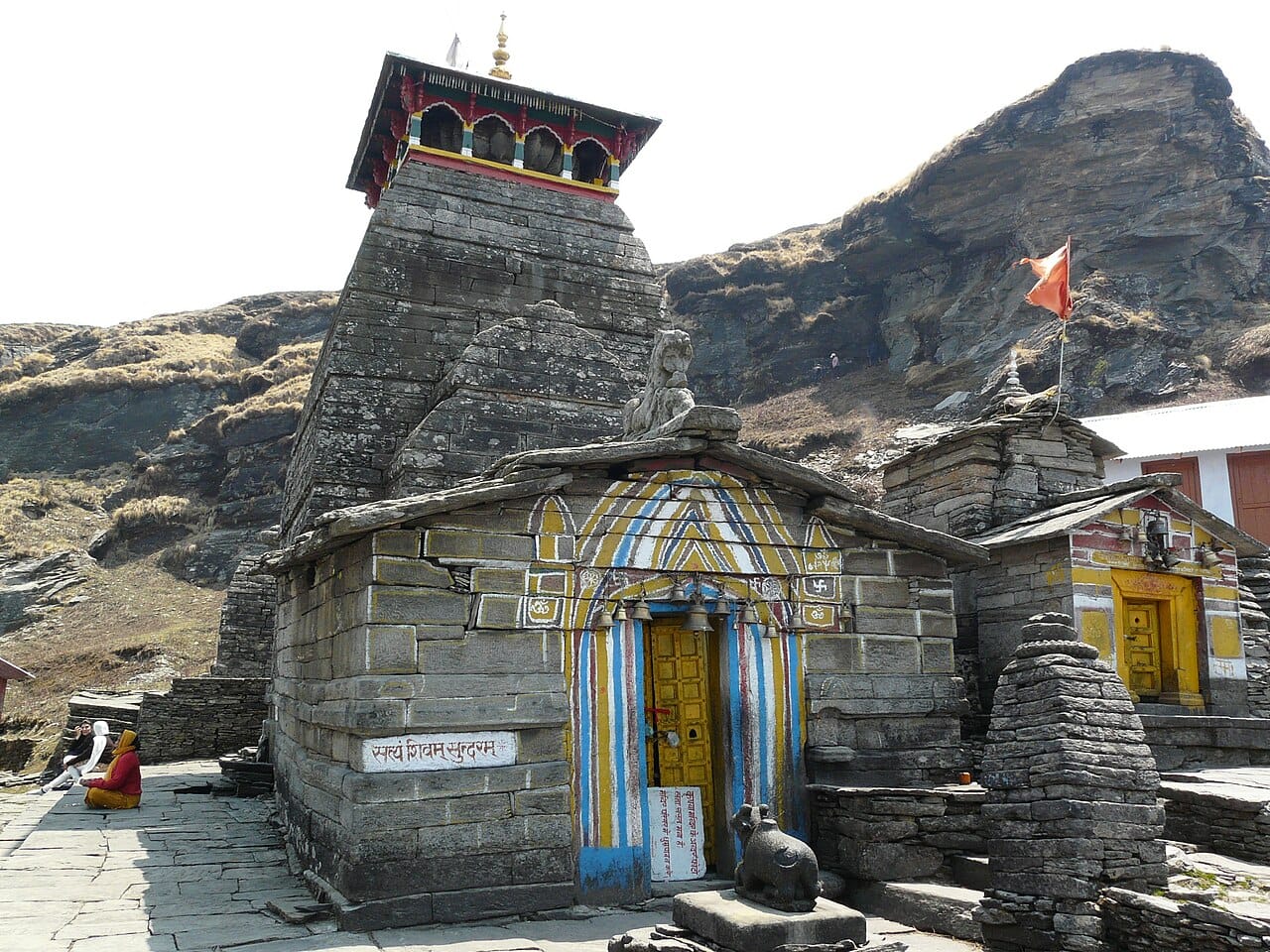
Tungnath Temple
The highest Shiva temple in the world, situated at 3,680 meters on the Chandranath Parbat…
Explore Temple
Uttarakhand
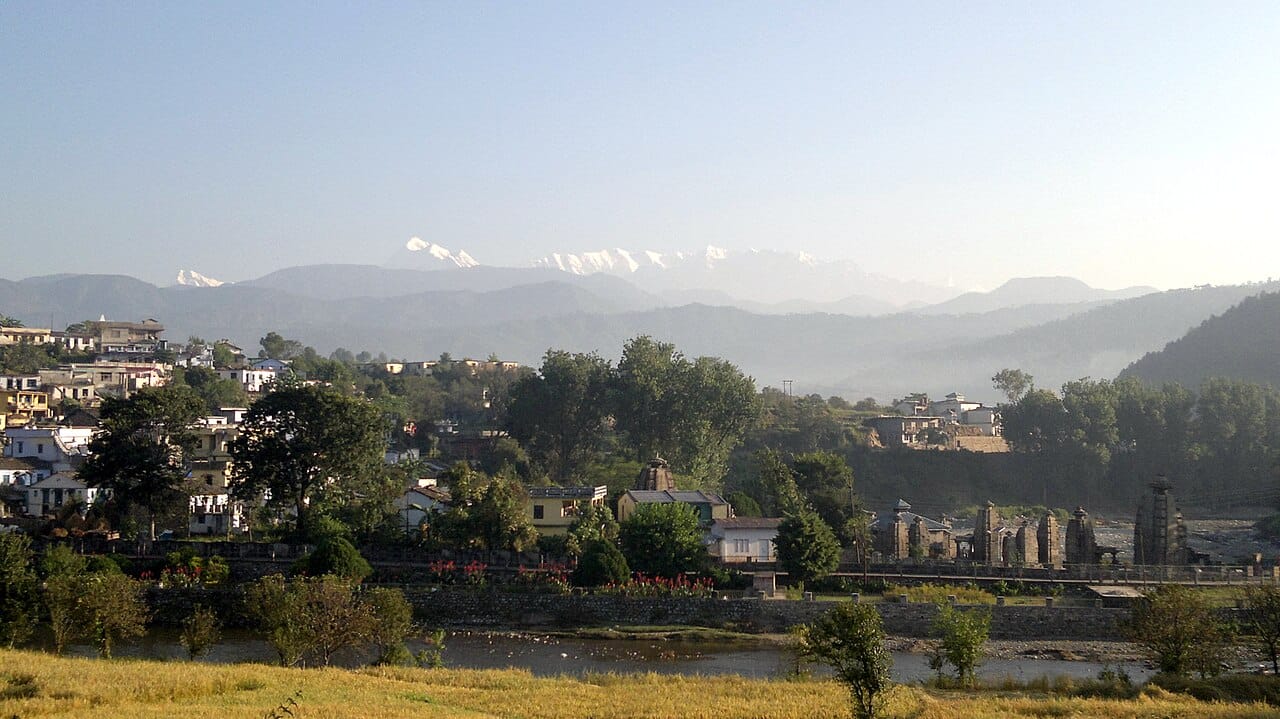
Baijnath Temple Uttarakhand
A 12th-century complex on the Gomti banks, famous for its life-sized black stone idol of…
Explore Temple
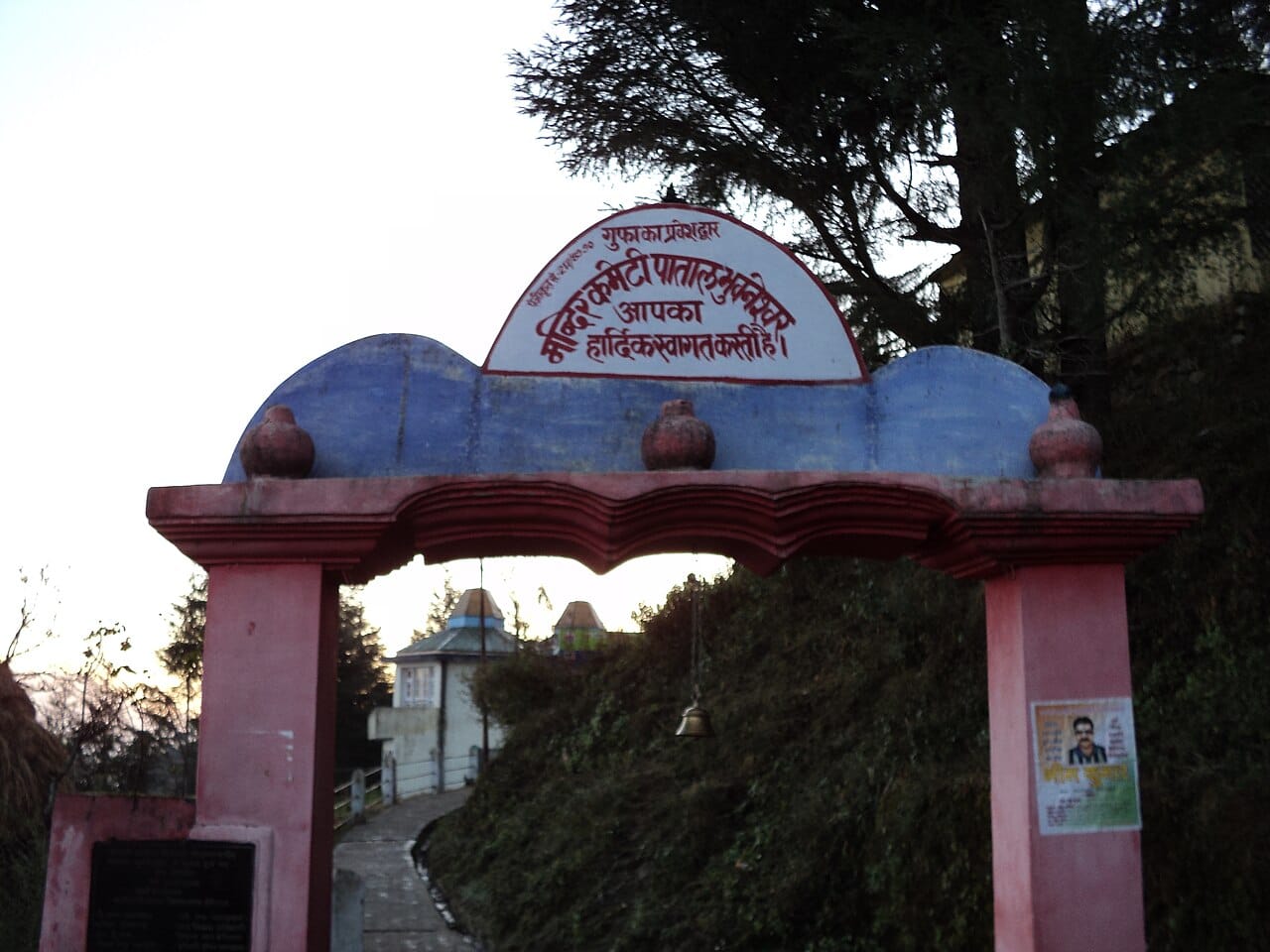
Uttarakhand
Patal Bhuvaneshwar Cave
An underground limestone cave temple where legend says the entire pantheon of Hindu gods reside…
Explore Temple
Explore More in Uttarakhand
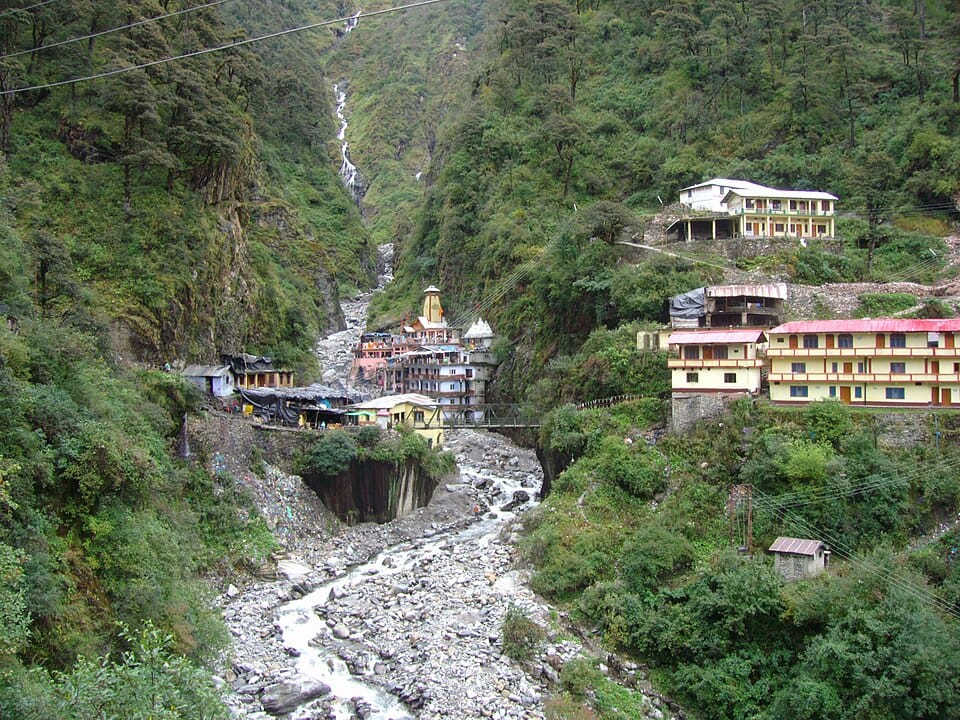
Uttarakhand
Yamunotri Temple
The first stop on the Char Dham Yatra at 3,291 meters, where the Yamuna River…
Explore Temple
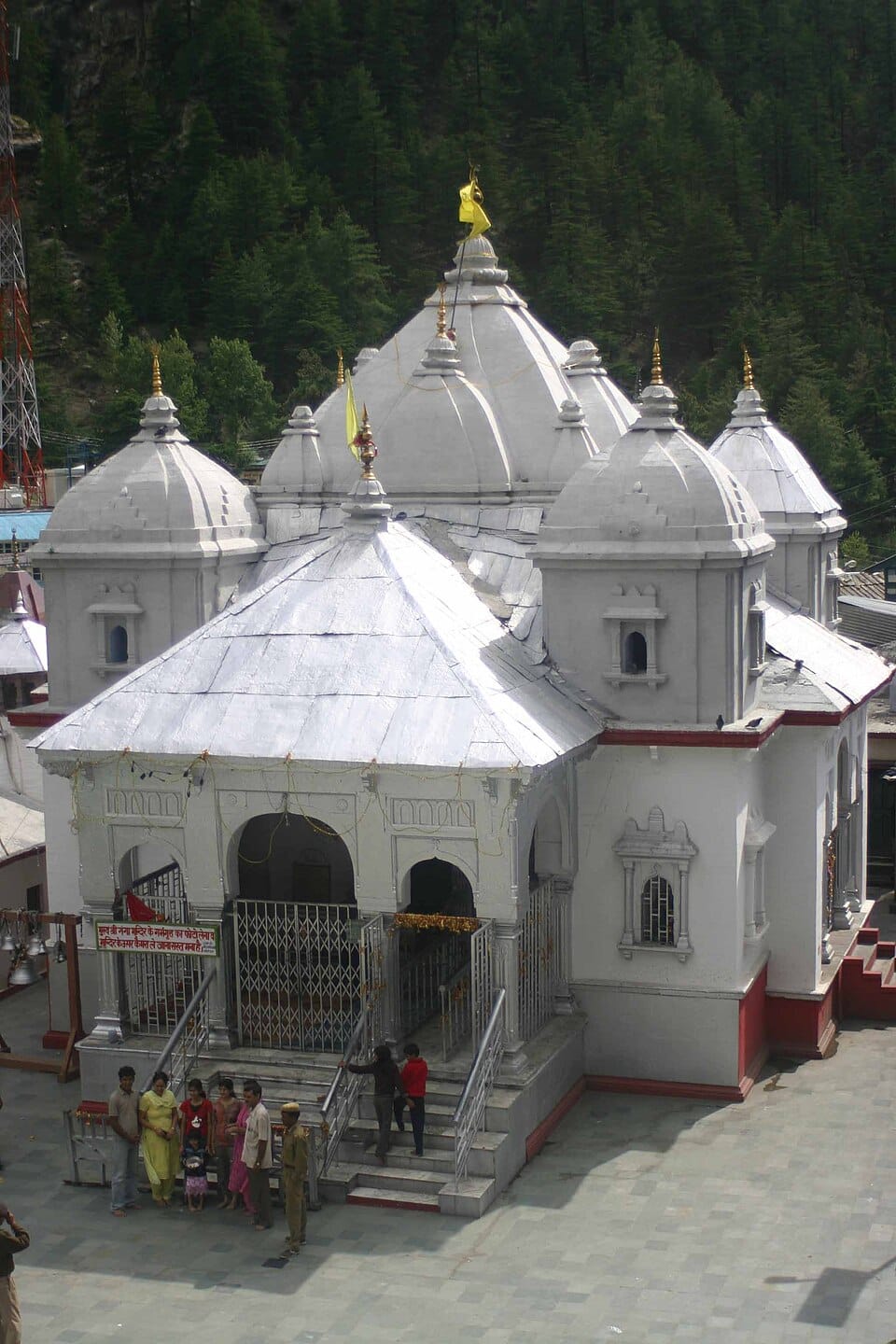
Uttarakhand
Gangotri Temple
The highest temple dedicated to Goddess Ganga at 3,100 meters, marking where the sacred river…
Explore Temple
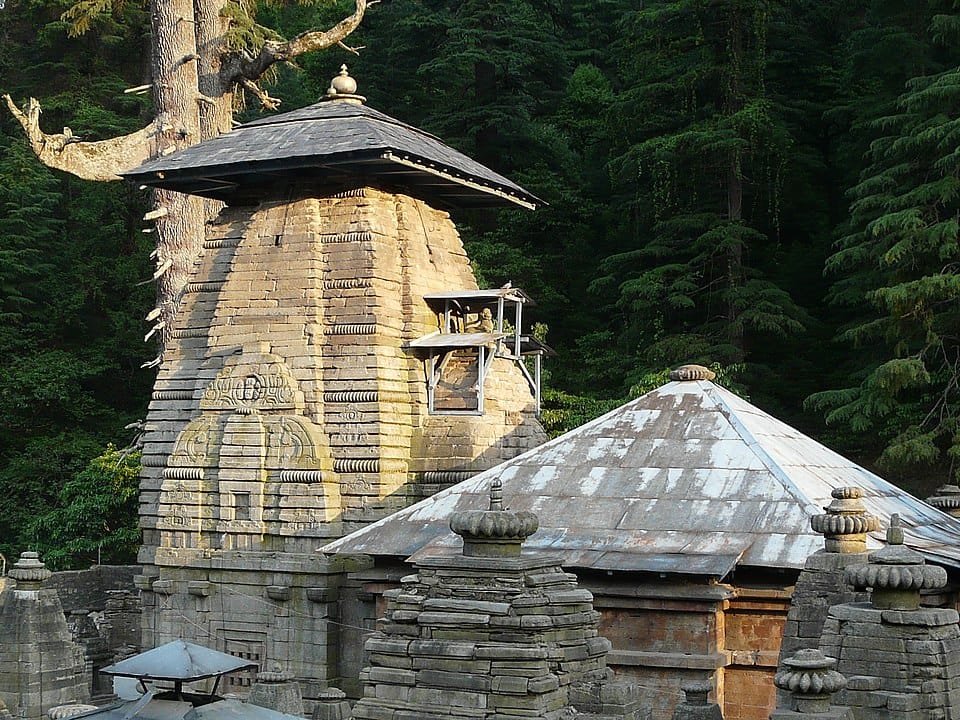
Uttarakhand
Jageshwar Temple
A cluster of 124 ancient stone temples from the 7th-12th centuries, situated in a dense…
Explore Temple
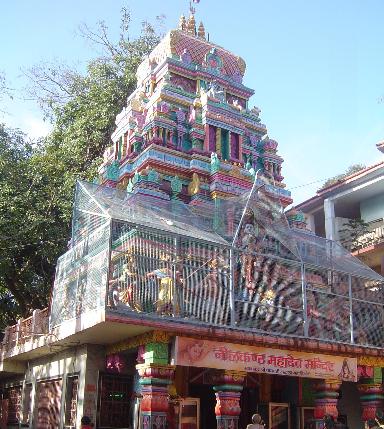
Uttarakhand
Neelkanth Mahadev Temple
Situated at 1,330 meters, this is where Lord Shiva is believed to have consumed the…
Explore Temple
Heritage Fact
"Hampi, the capital of the Vijayanagara Empire, became a UNESCO World Heritage site in 1986."