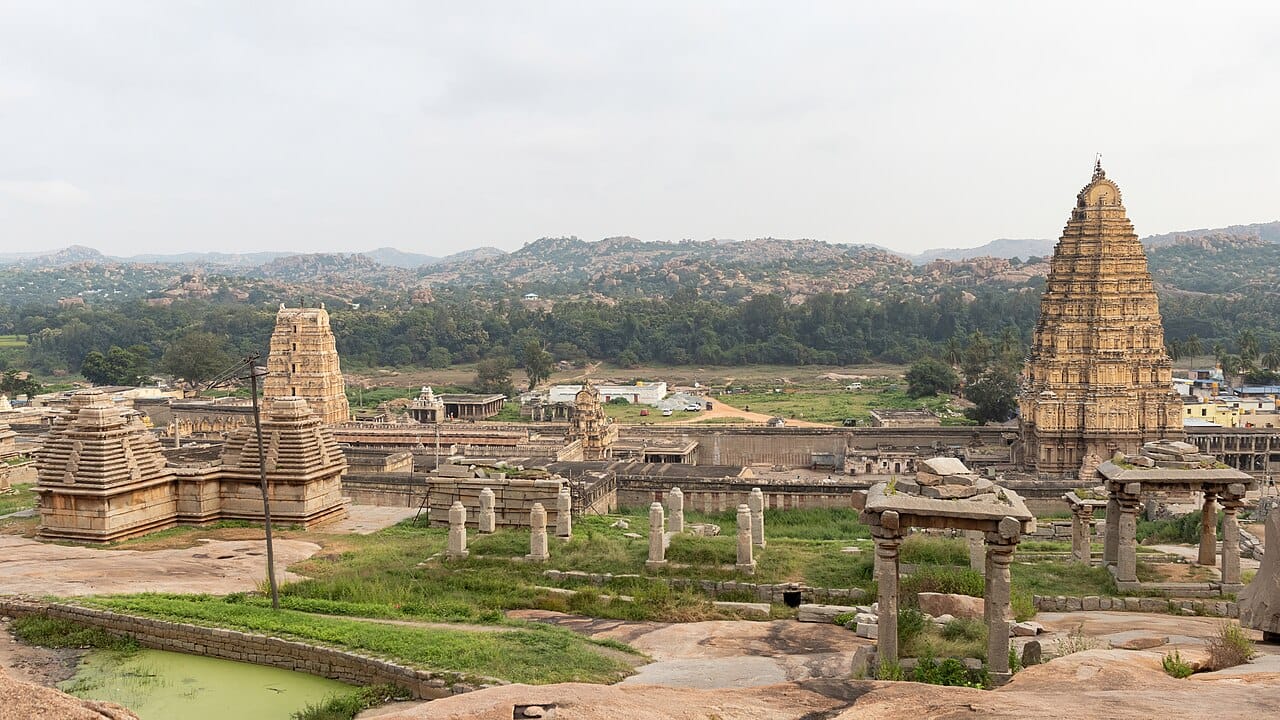
Sacred HeritageUNESCO World Heritage Site
Virupaksha Temple
Hampi, Karnataka
State:Karnataka
District:Hampi
Why This Temple Matters
UNESCO World Heritage Site — recognized for outstanding universal value
Key Takeaways
- Dedicated to Lord Virupaksha (Shiva)
- Vijayanagara Style architecture
- Built by the Vijayanagara Empire dynasty
- UNESCO World Heritage Site since 1986
- Located in Hampi, Karnataka
Quick Facts
- Builder
- Lakkan Dandesha (under Krishnadevaraya)
- Dynasty
- Vijayanagara Empire
- Construction
- 7th century origin, expanded 14th-16th century
- Style
- Vijayanagara
- Main Deity
- Lord Virupaksha (Shiva)
- Location
- Hampi, Karnataka
- UNESCO
- Inscribed 1986
- Material
- Granite
- Gopuram Height
- 50 m (9 stories)
- Unique Feature
- Pinhole camera optics
Overview
The Temple That Outlived an Empire
The Virupaksha Temple is the most iconic monument of Hampi, a UNESCO World Heritage site in Karnataka. It is the only temple in Hampi that has remained an active place of worship without interruption since its founding in the 7th century CE.
Located on the southern bank of the Tungabhadra River, the temple is dedicated to Lord Virupaksha (a form of Shiva) and his consort Goddess Pampa. It sits at the heart of the Group of Monuments at Hampi, a vast archaeological site covering 26 square kilometers that was once the capital of the Vijayanagara Empire.
When the Deccan Sultanate armies sacked Hampi in 1565, every palace was razed and every market was burned. But the Virupaksha Temple survived. While other temples like Vitthala and Hazara Rama were stripped of their treasures and abandoned, the daily pujas at Virupaksha never stopped. Priests maintained the rituals through smoke and chaos, preserving a thread of continuity that has held for over four and a half centuries since.
Today the temple draws millions of visitors each year — pilgrims who come to pray before the Shiva lingam, history enthusiasts who walk through the boulder-strewn ruins, and photographers who chase the famous pinhole camera effect. It remains what it has always been: a living monument, not a dead one.
Why This UNESCO Site Matters
A Cultural Landscape Like No Other
UNESCO inscribed the Group of Monuments at Hampi in 1986 under criteria (i), (iii), and (iv). The site is recognized as a masterpiece of human creative genius, an exceptional testimony to a vanished civilization, and an outstanding example of a type of architectural ensemble that illustrates a significant stage in human history.
Unlike most UNESCO sites that protect individual buildings, Hampi is a cultural landscape — an entire city embedded within a specific geographical setting. The Vijayanagara builders did not clear away the enormous granite boulders that litter the landscape. They built around them, on top of them, and into them. The boulders became gateways, foundations, and natural sculptures within the urban fabric. The effect is that the city appears to grow organically from the earth.
Hampi represents the last great Hindu kingdom in South India. Its sophisticated urban layout, advanced water management systems, and innovative architectural style make it one of the most important archaeological sites in the world. With over 1,600 surviving structures spread across 4,100 hectares, it is also one of the largest protected heritage sites in India.
History & Legacy
From 7th Century Shrine to Imperial Capital
The Virupaksha Temple is older than the empire it is most famous for. The earliest inscriptions referencing a temple at this location date to the 7th century CE, during the rule of the Chalukyas of Badami. This means the site was already sacred for centuries before Vijayanagara existed.
The choice of location was dictated by geography and mythology. Hampi lies within the Pampa Kshetra, the sacred region associated with the goddess Pampa (a form of Parvati), who is said to have performed penance on the banks of the Tungabhadra to win the hand of Shiva. The rocky hill to the south of the temple, Hemakuta Hill, is where Shiva is believed to have appeared as Virupaksha to marry Pampa.
When the Vijayanagara brothers Harihara and Bukka Raya founded their capital at Hampi in the mid-14th century, the Virupaksha Temple was already the region's most important religious center. The new rulers did not build a new temple — they adopted the existing one, expanded it, and made it the official state temple of their empire.
In 1510 CE, the emperor Krishnadevaraya ordered the most ambitious construction project the temple had ever seen. The centerpiece was the eastern gopuram — a nine-story tower rising 50 meters that became the defining landmark of Hampi. It was built to commemorate his coronation and to proclaim that Vijayanagara had arrived as the paramount power of South India.
Historical Timeline
Key Events in the Temple's History
7th Century
Earliest inscriptions confirm a temple site under the Chalukyas of Badami. A small shrine dedicated to Shiva is built on the banks of the Tungabhadra.
11th-12th Century
Late Chalukyas of Kalyani expand the temple, adding a mandapa and subsidiary shrines. The site grows in regional importance.
1336
Harihara and Bukka Raya found the Vijayanagara Empire. They adopt the Virupaksha Temple as the official state temple of their new capital.
1509-1529
Reign of Krishnadevaraya, the greatest Vijayanagara emperor. The empire reaches its territorial and economic peak.
1510
Krishnadevaraya commissions the 50-meter eastern gopuram and the Ranga Mandapa with 38 carved granite pillars and painted ceilings. General Lakkan Dandesha oversees construction.
1565
Battle of Talikota. The Deccan Sultanates defeat Vijayanagara. Hampi is sacked for six months. The Virupaksha Temple is the only structure to survive intact.
1986
UNESCO inscribes the Group of Monuments at Hampi as a World Heritage site under criteria (i), (iii), and (iv).
2012-2016
Hampi placed on the List of World Heritage in Danger due to a proposed bridge. The project is canceled and the site is removed from the danger list.
UNESCO World Heritage
Why Hampi Is a World Heritage Site
Group of Monuments at Hampi — Inscribed 1986
Hampi was recognized under three UNESCO criteria that together capture its unique value as a cultural landscape, an architectural masterpiece, and exceptional historical testimony to the vanished Vijayanagara empire.
Criterion (i)
A masterpiece of human creative genius. The Virupaksha Temple, with its 50-meter gopuram and the Ranga Mandapa's painted ceiling, represents the pinnacle of Vijayanagara art and architecture.
Criterion (iii)
An exceptional testimony to a cultural tradition. Hampi is the most complete surviving record of the Vijayanagara Empire, the last great Hindu kingdom in South India.
Criterion (iv)
An outstanding example of an architectural ensemble. Hampi's urban layout, water management systems, and integration of natural and built environments are globally significant.
Architecture
Vijayanagara Style at Its Finest
The Vijayanagara architectural style, of which Virupaksha is the prime exemplar, represents a distinct phase in South Indian temple architecture. It inherited the Dravidian tradition from the Cholas and the Chalukyan tradition, then added its own innovations: massively scaled gopurams, elaborately carved monolithic pillars, and the integration of secular and sacred spaces within a single complex.
The most visible departure from earlier traditions is the emphasis on the gopuram. In Chola architecture, the main shrine tower was the tallest element. In Vijayanagara, the gopuram overtook the shrine tower in scale and decorative effort. At Virupaksha, the 50-meter eastern gopuram entirely overshadows the relatively modest vimana of the main shrine. This shift reflects a changing conception of the temple: from an inward-focused sanctuary to an outward-facing statement of imperial presence.
The Ranga Mandapa, with its 38 granite pillars and painted ceiling, exemplifies the Vijayanagara approach to interior space. Earlier mandapas were relatively dark and intimate. Vijayanagara mandapas are spacious, well-lit, and designed for large gatherings. The pillars shifted from simple structural supports to elaborate sculptural showcases. The technique of carving composite pillars — a central shaft surrounded by multiple slender colonettes, all carved from a single block of granite — became a Vijayanagara signature.
In a small chamber behind the main sanctum, sunlight passes through a tiny opening in the wall and projects an inverted image of the 50-meter gopuram onto the opposite wall. This is a camera obscura built into a 16th-century temple, whether by design or by happy accident. The phenomenon draws architects, photographers, physicists, and pilgrims alike.
Granite
Main structure, pillars, door frames, foundations
Locally sourced from Hampi's boulder landscape
Brick and Mortar
Upper gopuram stories, superstructure
Brick with lime mortar, stucco finish
Stucco (Lime Plaster)
Decorative figures on gopuram tiers
Molded and painted stucco work
Religious Importance
A Living Temple in a City of Ruins
The Virupaksha Temple follows the Shaiva Agama canon. The daily cycle of worship here has its own rhythm distinct from other Shaiva temples. The day opens before sunrise with the Suprabhatam — priests chant the twenty-four names of Shiva while the deity is woken, the oil lamps are lit, and the sanctum doors are unsealed.
Daily Worship Cycle
Four main pujas structure the day: the morning abhishekam (ritual bathing of the lingam with milk, curd, honey, and sandalwood paste), the midday alankara (adornment with fresh flowers and silks), the evening deeparadhana (a spectacular wave of 108 oil lamps), and the night shayana (putting the deity to rest). Between these, the temple is open for devotees to offer their own prayers.
The annual cycle of festivals gives rhythm to the temple's calendar. The Virupaksha Car Festival (Ratha Yatra) in March or April is the most important event. The deity is taken in procession through the Hampi Bazaar on a massive wooden chariot pulled by hundreds of devotees. In November, the Hampi Utsav (Vijayanagara Utsav) fills the temple and the surrounding ruins with music, dance, and theatre performances.
The temple elephant Lakshmi is a living part of this religious apparatus. Every morning she is bathed in the Tungabhadra River by her mahout, then decorated with ceremonial paints and led to her post near the main entrance. She receives visitors, blesses devotees by placing her trunk on their heads, and participates in the temple's rituals. She is one of the last temple elephants surviving in active service in South India.
Art & Sculptures
Stone Carvings and Painted Ceilings
The Ranga Mandapa contains the most extensive surviving cycle of Vijayanagara mural art. The paintings depict scenes from the Ramayana and the Mahabharata in horizontal narrative bands. The Ramayana cycle begins with Dasaratha's sacrifice and proceeds through the exile, the abduction of Sita, the Kishkindha episode (local to Hampi), and the final war at Lanka.
The style is vivid and energetic. Figures are outlined boldly, colors are flat and pure (red ochre, yellow ochre, lamp black, copper green, lime white), and the compositions prioritize narrative clarity over naturalistic proportion. These paintings have suffered centuries of smoke, humidity, and vandalism, but recent ASI conservation has revealed their original vibrancy.
The temple's granite sculptural program is equally remarkable. The lower three stories of the eastern gopuram are carved with intricate figures of deities, dancers, and floral motifs. The Ranga Mandapa's 38 pillars are not uniform — each is carved with a different design. Some feature clusters of slender colonettes, others are wrapped with sculpted yalis (composite mythical animals combining lion, elephant, and horse features), and some support brackets carved as rolled palm leaves or lotus buds.
Vijayanagara sculptors were masters of granite. Unlike softer stones that can be chiseled like wood, granite must be pounded and abraded using harder stones and steel tools — a process that could take months or years for a single pillar. Every bracket, door frame, and roof beam in the Ranga Mandapa was carved from monolithic granite using these techniques.
Dynasties & Patrons
A Temple Built by Successive Empires
The Virupaksha Temple's longevity is a story of continuous patronage across multiple dynasties. Each ruling power added something, but none replaced or demolished what came before. The temple grew like a living organism, accumulating layers of architectural history over thirteen centuries.
Chalukyas of Badami
7th Century
Earliest recorded shrine at the site. The original garbhagriha probably dates to this period.
Late Chalukyas of Kalyani
11th-12th Century
First major expansion. Added a mandapa and subsidiary shrines to the original structure.
Hoysala Empire
13th Century
Intermediate patrons who maintained and possibly expanded the temple before Vijayanagara's rise.
Vijayanagara Empire
14th-16th Century
The defining patrons. Built the 50-meter gopuram, Ranga Mandapa, and the temple's entire current form. Krishnadevaraya and his general Lakkan Dandesha were the key figures.
Interesting Facts
The Virupaksha Temple is the only structure in Hampi that survived the six-month sack of 1565 — all other temples and palaces were looted and abandoned.
A tiny hole in a wall behind the sanctum creates a natural camera obscura, projecting an inverted image of the 50-meter gopuram onto the opposite wall.
The temple has been in continuous worship since the 7th century CE — a span of over 1,300 years without interruption.
The eastern gopuram stands 50 meters (164 feet) tall with nine stories. The lower three are solid granite, the upper six are brick and stucco.
The Ranga Mandapa contains 38 intricately carved granite pillars, each with a unique design — no two are the same.
The temple elephant Lakshmi eats approximately 200 kilograms of fodder daily and is one of the last active temple elephants in South India.
At its peak, the Vijayanagara capital housed an estimated 500,000 people — larger than contemporary London, Paris, or Rome.
The Hampi Bazaar, a 700-meter processional avenue leading to the temple, was once a global trading floor for diamonds, rubies, pearls, and silk.
The temple's granite construction uses no mortar — stones are held in place by their weight and precision-cut interlocking joints.
The Ranga Mandapa ceiling features the most extensive surviving cycle of Vijayanagara mural art, depicting scenes from the Ramayana and Mahabharata.
How to Reach
Getting to Hampi
By Air
Nearest airport is Hubli Airport (150 km), followed by Bellary Airport (75 km) and Goa International Airport (300 km). Hubli and Bellary have regular flights from Bangalore and other major cities.
By Train
Nearest railway station is Hospet Junction (13 km), connected to Bangalore, Hyderabad, Goa, and Hubli. From Hospet, auto-rickshaws and buses are readily available to Hampi.
By Road
Hampi is 13 km from Hospet, 350 km from Bangalore (6-7 hours), and 380 km from Hyderabad (7 hours). Regular state-run and private buses operate from Hospet to Hampi.
Nearby Sacred Places
Other sacred sites within reach
Vittala Temple
2 km from Virupaksha. The most ornate temple in Hampi, famous for its stone chariot and musical pillars that produce different notes when struck. One of the finest examples of Vijayanagara craftsmanship.
Lotus Mahal & Queen's Bath
1.5 km away. The Lotus Mahal is a unique fusion of Hindu and Islamic architectural styles, while the Queen's Bath is a large stepped tank surrounded by arched corridors. Both are within the Royal Centre precinct.
Anjaneya Hill
2 km across the Tungabhadra River. Believed to be the birthplace of Hanuman, this hill offers panoramic views of the entire Hampi landscape. A temple at the summit is reached by climbing over 500 steps.
Tungabhadra River Coracle Ride
A short walk from the temple. Experience a ride in a circular coracle (basket boat) across the Tungabhadra River, offering unique views of the temple gopuram from the water.
Hazara Rama Temple
Located in the Royal Centre, this temple features exquisite bas-reliefs depicting the Ramayana narrative in stone. It served as the king's private chapel during the Vijayanagara period.
Royal Centre & Mahanavami Platform
The ceremonial core of Vijayanagara, including the king's audience hall, the Mahanavami platform, and the Zenana enclosure. The platform offers elevated views of the Royal Centre ruins.
Travel Tips
Making the Most of Your Visit
Dress Code & Conduct
Modest clothing is expected. Remove footwear before entering the temple. Photography is allowed in most areas but not inside the sanctum. Silence is requested in the inner precincts during puja hours.
Best Time for Photography
Early morning (6:00-8:00 AM) and late afternoon (4:00-6:00 PM) offer the best light. The pinhole camera effect is visible on sunny days between 11:00 AM and 2:00 PM. The gopuram is best photographed from the Hampi Bazaar side at sunrise.
Getting Around
The Hampi site is vast — allow a minimum of 2 full days. Bicycles and scooters are available for rent in Hampi Bazaar. Auto-rickshaws offer guided tours of the major monuments. Walking is the best way to explore the Sacred Centre.
What to Bring
Carry water, sunscreen, a hat, and comfortable walking shoes. The site has minimal shade. A flashlight helps in the darker chambers. Cash is essential — ATMs are limited in Hampi town.
Conservation
Preserving a Living Heritage
The Group of Monuments at Hampi covers approximately 4,100 hectares — making it one of the largest protected heritage sites in India. The Archaeological Survey of India is responsible for the conservation of the structural remains, while the temple's religious administration manages active worship within Virupaksha. This dual management structure requires constant negotiation between preservation and religious practice.
The sheer scale of the site presents a major challenge. Unlike a walled monument that can be secured and controlled, Hampi is an open landscape with multiple access points and a resident population. Encroachment by illegal construction and commercial development have been persistent problems. In 2012, UNESCO placed Hampi on the List of World Heritage in Danger due to a proposed bridge that would have altered the visual integrity of the setting. The project was canceled and the site was removed from the danger list in 2016.
Tourism brings both benefits and risks. Hampi receives over 1.5 million visitors annually. Foot traffic erodes stone steps and floors. The oils from human touch damage the surface of sculptures. In sensitive areas like the painted ceiling of the Ranga Mandapa, humidity from crowds accelerates pigment deterioration. The most insidious threat comes from quarrying in the surrounding region — dust and vibrations affect the archaeological remains. Illegal quarrying continues despite court interventions, and balancing economic interests against cultural heritage remains Hampi's defining conservation challenge.
Sources & References
Where This Information Comes From
This page draws on information from the following authoritative sources:
1
2
3
Hampi: A Story in Stone
John M. Fritz & George Michell (Academic Publication)
4
Vijayanagara Architecture: The Temple Complex at Hampi
D. Devakunjari (Academic Publication)
5
The Architectural Heritage of Hampi
A. Sundara (Academic Publication)
6
Frequently Asked Questions
Why did the sultans destroy Hampi but spare this temple?
A.
No single explanation is universally accepted. Some historians suggest the Deccan Sultanate forces respected the sanctity of an active Hindu temple. Others note that the temple's treasure had already been removed, removing the motive for plunder. A practical theory holds that the massive granite construction was too difficult to demolish quickly. What is undisputed is that worship never ceased, even during the six-month sack.
Is the pinhole effect accidental or intentional?
A.
Scholars remain divided. Ancient Indian texts like the Shilpa Shastras discuss light and shadow in architecture, and the Nyaya Sutra describes the camera obscura principle. This suggests the architects could have designed it deliberately as a symbolic device. However, the chamber may have been modified over the centuries, and the aperture could be a later addition that coincidentally created the effect.
How big was Vijayanagara at its peak?
A.
The capital city covered 26 square kilometers and housed an estimated 500,000 people, making it one of the largest cities in the world during the early 16th century. It had sophisticated water systems, planned residential and ceremonial zones, and international trading bazaars.
What is the Hampi Bazaar?
A.
The Hampi Bazaar is the 700-meter processional avenue leading from the Virupaksha Temple to the Tungabhadra River. During the Vijayanagara period, it was lined with two-story pillared pavilions where merchants traded diamonds, rubies, pearls, silk, spices, and horses. Today it serves as the path for the annual chariot festival.
How old is this temple really?
A.
The earliest inscriptions confirming a temple on this site date to the 7th century CE, during the Chalukya period. However, the current structure predominantly reflects 14th-16th century Vijayanagara construction, with the major gopuram and mandapa added around 1510 CE under Krishnadevaraya.
Is the elephant Lakshmi the only temple elephant?
A.
No, but she is one of the very few remaining temple elephants in South India that still actively participates in daily rituals. Temple elephants were once common across major Shaiva and Vaishnava temples. Their decline is due to high maintenance costs (200 kg of fodder daily) and stricter wildlife protection laws.
Can you climb the gopuram?
A.
No, the main eastern gopuram is not open to the public. The upper stories are accessible only to temple staff and ASI conservation teams. However, you can climb the smaller gopurams within the complex and the nearby Hemakuta Hill for panoramic views.
What happened to all the gold and diamonds?
A.
The treasures of Vijayanagara were looted during the six-month sack of 1565. The Sultanate armies systematically stripped the city of precious metals, gems, and valuables. The temple's own treasury was reportedly removed before the attack, which may be one reason the temple survived.
Showing 8 of 20 questions
Answers are based on verified information. Site rules may change — verify locally before visiting.
Did You Know?
- Virupaksha Temple is the only structure in Hampi that survived the 1565 sack of the Vijayanagara Empire by the Deccan Sultanates — continuous worship has occurred here since the 7th century CE.
- The temple's 50-meter-high gopuram (gateway tower) is one of the tallest in Karnataka and was built by the Vijayanagara king Krishnadevaraya in the early 16th century.
- The temple features a unique inverted shadow projection — a small hole in the wall of the main hall projects an inverted image of the gopuram onto the wall inside, a feat of optical engineering.
- The temple tank, known as the Manmatha Tirtha, was part of Vijayanagara's sophisticated water supply system — a masonry aqueduct over a kilometer long carried water from the Tungabhadra River.
- The temple complex covers 5 hectares within the Hampi ruins, a UNESCO World Heritage site (1986) that was briefly placed on the List of World Heritage in Danger from 2012 to 2016.
Related Temples
Same Deity
Trimbakeshwar Temple
The Trimbakeshwar Temple in Maharashtra is one of the twelve Jyotirlingas, unique for its three-faced…
Airavatesvara Temple
The Airavatesvara Temple at Darasuram, built by Rajaraja Chola II between 1146 and 1172 CE…
Gangaikonda Cholapuram Temple
The Gangaikonda Cholapuram Temple, built by Rajendra Chola I in 1035 CE, is a UNESCO…
Kampaheswarar Temple
Kampaheswarar Temple in Tribhuvanam, built by Kulothunga Chola III in 1202 CE, is one of…
Koranganatha Temple
Koranganatha Temple, built during the reign of the Chola king Parantaka I (907-955 CE) at…
Pancha Rathas
The Pancha Rathas (Five Chariots) are a set of five monolithic temple structures carved from…
Same Architecture
Vishalakshi Temple
The Vishalakshi Temple, located in the narrow lanes of Mir Ghat near the Ganges in…
Gnana Saraswati Temple Basar
One of the only two prominent Saraswati temples in India, it is a primary center…
Bhadrakali Temple Warangal
Historic lakeside Shakti shrine in Warangal featuring a massive 2.7-meter black stone Bhadrakali idol, traditionally…
Arunachaleswarar Temple
Arunachaleswarar Temple at the foot of Arunachala Hill in Tiruvannamalai is one of the largest…
Ekambareswarar Temple
Ekambareswarar Temple in Kanchipuram represents the earth element (Prithvi) of the Pancha Bhoota Sthalas.
Jambukeswarar Temple
Jambukeswarar Temple in Thiruvanaikaval represents the water element (Apas) of the Pancha Bhoota Sthalas.
Same State
Chamundeshwari Temple
Perched atop Chamundi Hills at 3,489 feet, the Chamundeshwari Temple is the tutelary shrine of…
Badami Cave Temples
The Badami Cave Temples are a complex of four rock-cut cave temples carved into the…
Durga Temple
The Durga Temple at Aihole, built in the 7th-8th century CE, is a distinctive architectural…
Lad Khan Temple
The Lad Khan Temple at Aihole is a pivotal monument in Early Chalukya architecture.
Meguti Temple
The Meguti Temple atop the Aihole hill is a Jain temple built in 634 CE…
Hoysaleswara Temple
The Hoysaleswara Temple in Halebidu, built circa 1121-1160 CE, is the largest Shiva temple built…
UNESCO Sites
Airavatesvara Temple
The Airavatesvara Temple at Darasuram, built by Rajaraja Chola II between 1146 and 1172 CE…
Gangaikonda Cholapuram Temple
The Gangaikonda Cholapuram Temple, built by Rajendra Chola I in 1035 CE, is a UNESCO…
Konark Sun Temple
A 13th-century colossal stone chariot of the Sun God Surya, the Konark Sun Temple is…
Brihadeeswarar Temple
The Brihadeeswarar Temple in Thanjavur, built by Raja Raja Chola I in the 11th century…
Kailasa Temple, Ellora
The world's largest monolithic rock-cut structure, carved top-down from a single basalt cliff.
Ajanta Cave Temples
A UNESCO World Heritage site with 30 rock-cut Buddhist caves famous for ancient mural paintings…
Same Tradition
Tarakeshwar Temple Hooghly
1729 CE Atchala-style Shiva sanctuary founded by Raja Bharamalla in Hooghly district, famous for its…
Jageshwar Temple
A cluster of 124 ancient stone temples from the 7th-12th centuries, situated in a dense…
Neelkanth Mahadev Temple
Situated at 1,330 meters, this is where Lord Shiva is believed to have consumed the…
Tungnath Temple
The highest Shiva temple in the world, situated at 3,680 meters on the Chandranath Parbat…
Rudranath Temple
One of the Panch Kedar shrines, representing Lord Shiva's face, situated at an altitude of…
Kalpeshwar Temple
The only Panch Kedar temple accessible year-round, housed in a natural cave and featuring a…
Visiting as an International Traveller
Fact CheckedEditorial ReviewVerified 2026-07-03
Entry Status
Foreign Visitors
AllowedAll visitors welcome. The Virupaksha Temple is part of the UNESCO Group of Monuments at Hampi, open to all nationalities.
Visitor Information
Entry policies are set by each site — confirm before travelling.
Entry rules for international visitorsWho can enter, permits, and what to expect at the gate.Dress Code
Modest clothing is expected — a sign of respect, not a restriction.
Shoulders covered
Knees covered
Shoes removed before entry
Head covering (women)
Rain gear available
Warm layers (winter)
Photography Guide
Outside
Inside
Flash
Drone
Tripod
Commercial
Best Time to Visit
The best time to visit Hampi is from November to February, when the weather is pleasant with temperatures between 15°C and 30°C. The Hampi Utsav in November is a major cultural event featuring dance, music, and a grand procession. Summer (April to June) is extremely hot with temperatures reaching 35-42°C. The monsoon season (July to September) brings moderate rainfall but high humidity.
Language & Communication
Common local languages: Kannada, Hindi, English
English spokenGovernment-approved guides available at Hampi. ASI audio guides available.
Accessibility
Wheelchair: Partial. The main temple courtyard is accessible. Some areas of the Hampi ruins have uneven terrain.
Understanding Temple Traditions
These short explanations help make sense of what you see and experience.
Tips for International Visitors
Temple vocabulary and ritualsDarshan, pradakshina, prasadam, aarti, hundi and mandapa.Currency, donations and queuesCash, UPI, donation etiquette and how long entry queues take.Photography etiquetteSignage, flash, selfie sticks and photographing other visitors.Festival crowds and safetyAdvance booking, road closures, belongings and offline maps.
Essential Contacts
Police / Ambulance / Fire: 112 (National Emergency Number)
Tourist Helpline: 1800-111-363 (Multi-lingual, Ministry of Tourism)
Women's Helpline: 1091
Official Temple WebsiteState Tourism WebsiteTravel Preparation Checklist
Packing Checklist for Virupaksha Temple
Continue Reading
Verified 2026-07-03Sources: UNESCO World Heritage Centre, Archaeological Survey of India, Karnataka Tourism Department, Hampi: The Vijayanagara Empire by John M. Fritz (2015), Vijayanagara Architecture by George Michell (1995)
Rules change — confirm current policies with the site's authority before you travel.
By Naveen singh negi
Updated: 2026-07-03
Last reviewed: 2026-07-03
Fact-checked
Editorial review
Sources: UNESCO World Heritage Centre, Archaeological Survey of India, Karnataka Tourism Department, Hampi: The Vijayanagara Empire by John M. Fritz (2015), Vijayanagara Architecture by George Michell (1995)
Related:Karnataka TemplesLord Virupaksha (Shiva)Vijayanagara Style StyleVijayanagara EmpireUNESCO HeritageMethodology
UNESCO Site 1986
Karnataka
Vijayanagara Empire
UNESCO Site
Explore More Sacred & Heritage Sites
Related heritage monuments, regional traditions, and pilgrimage connections.
UNESCO Temple Heritage Sites
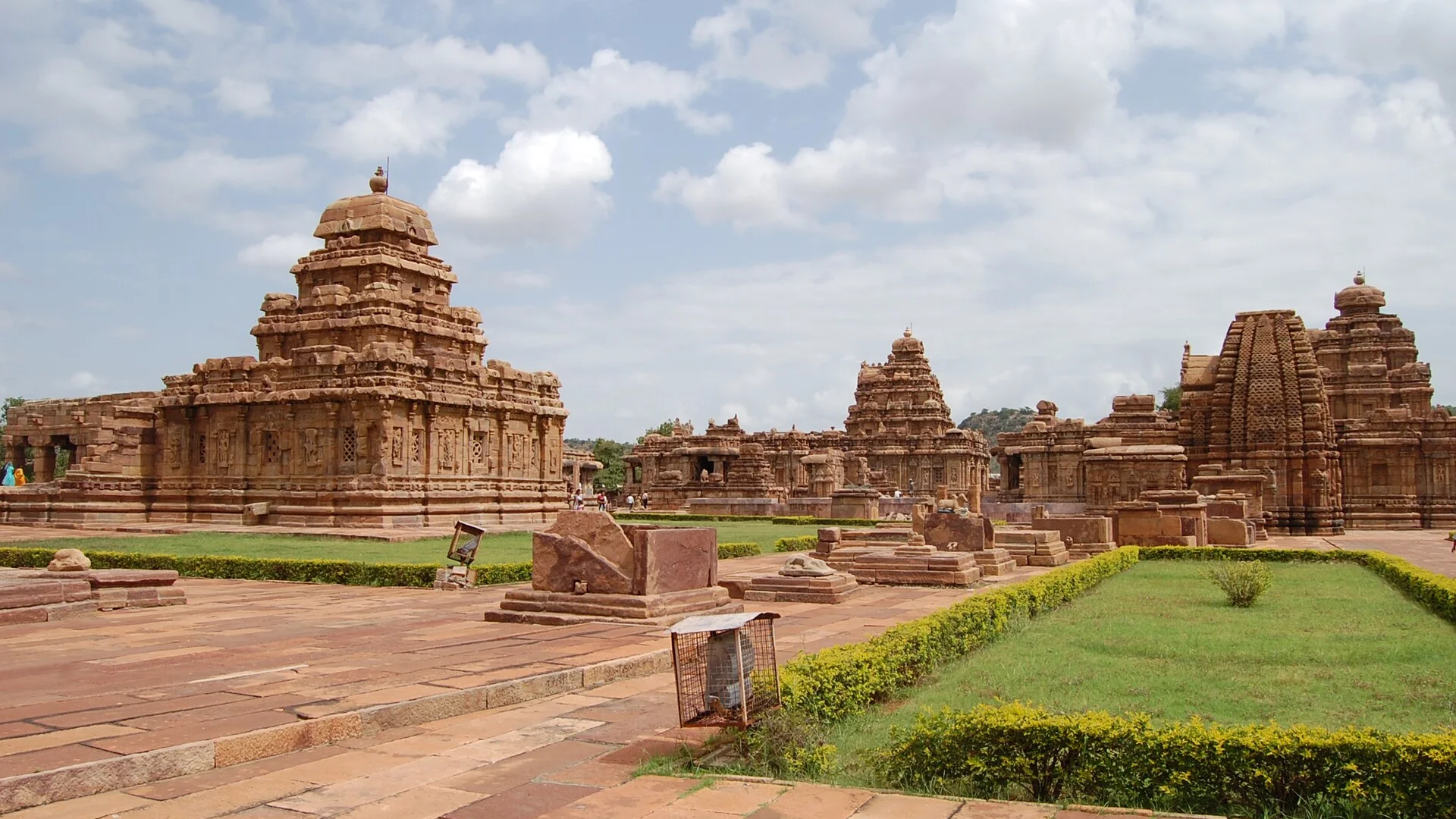
UNESCO 1987Cultural Heritage
Karnataka
Monuments at Pattadakal
A UNESCO World Heritage site showcasing the unique blend of Nagara and Dravidian temple architecture…
Explore Temple
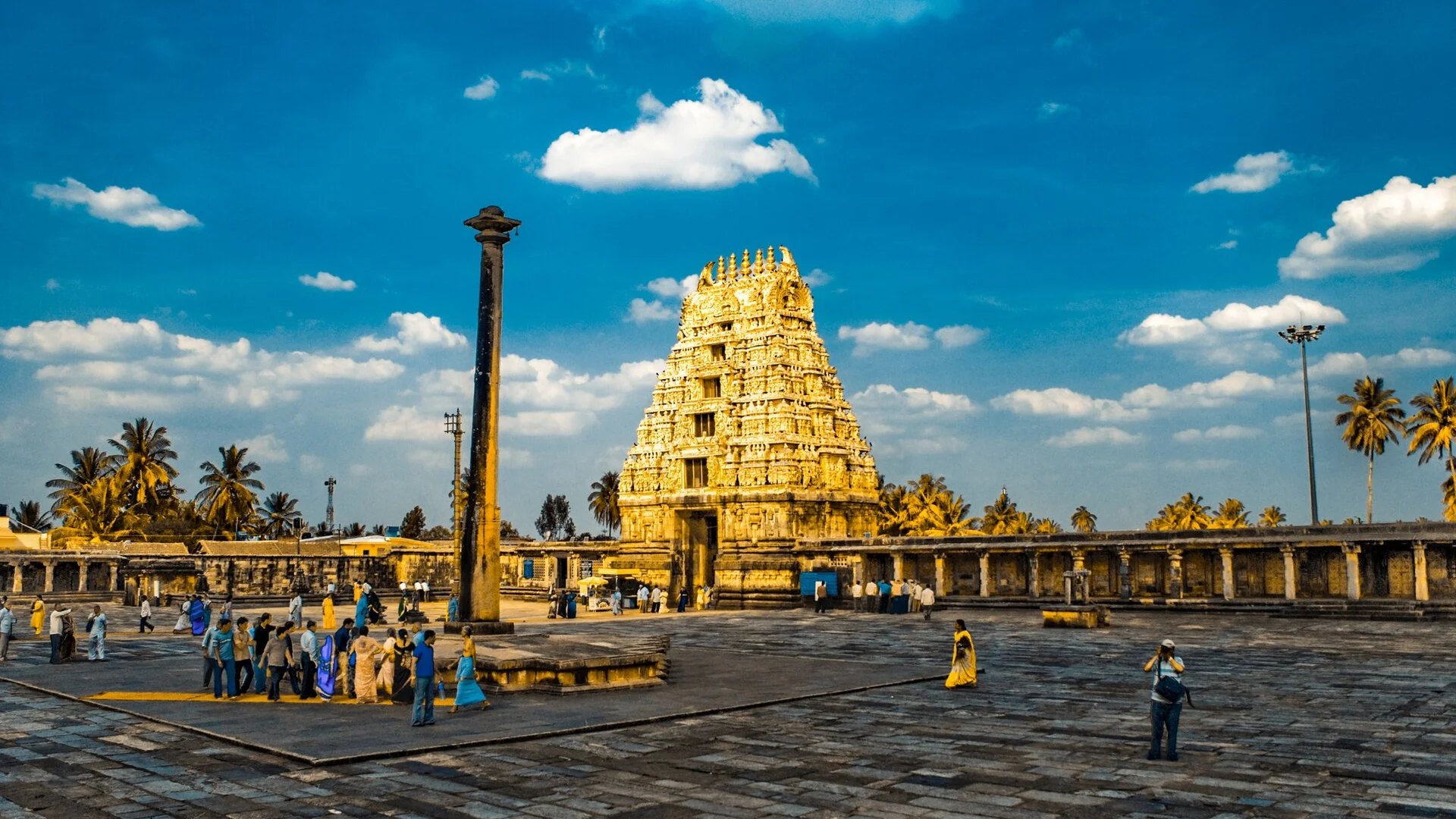
UNESCO 2023Cultural Heritage
Karnataka
Sacred Ensembles of the Hoysalas — Chennakeshava Temple
A UNESCO World Heritage ensemble of three Hoysala temples known for their star-shaped platforms and…
Explore Temple
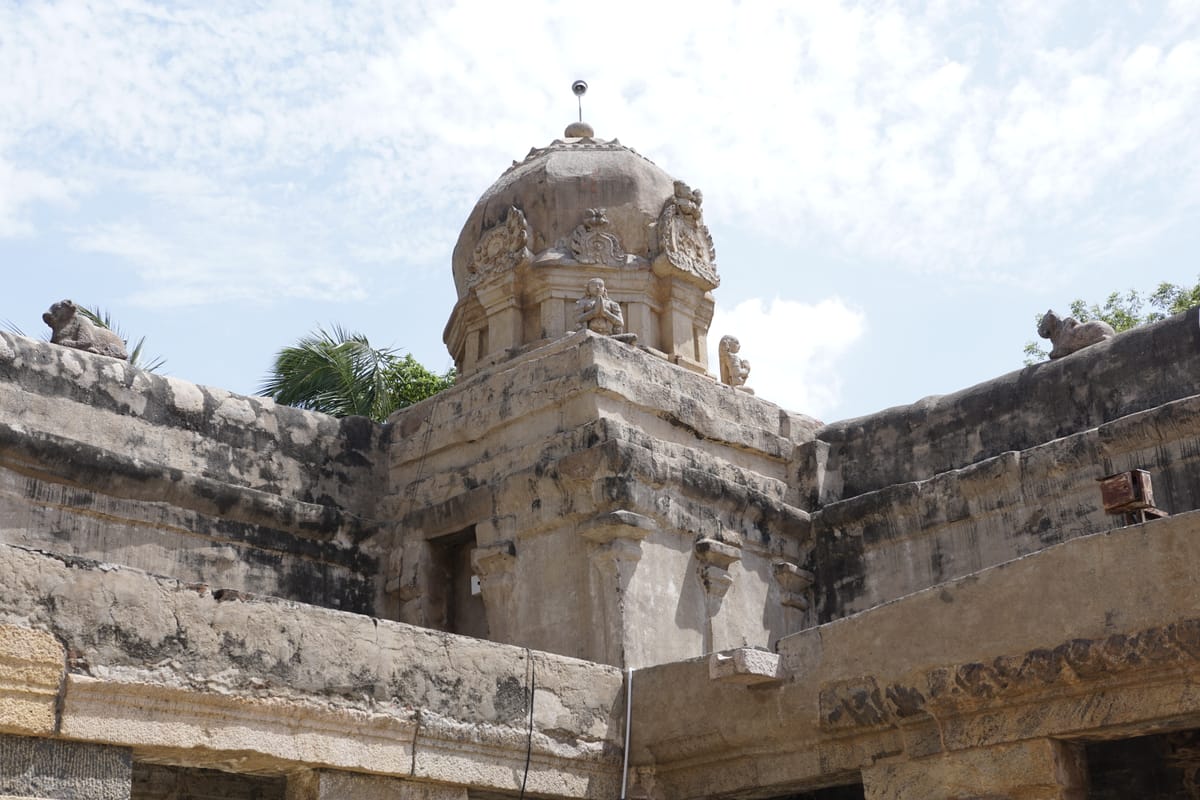
UNESCO 1987Cultural Heritage
Tamil Nadu
Great Living Chola Temples — Brihadeeswarar Temple
The principal temple of the Great Living Chola Temples UNESCO site, a masterpiece of Dravidian…
Explore Temple
UNESCO 1986Cultural Heritage
Madhya Pradesh
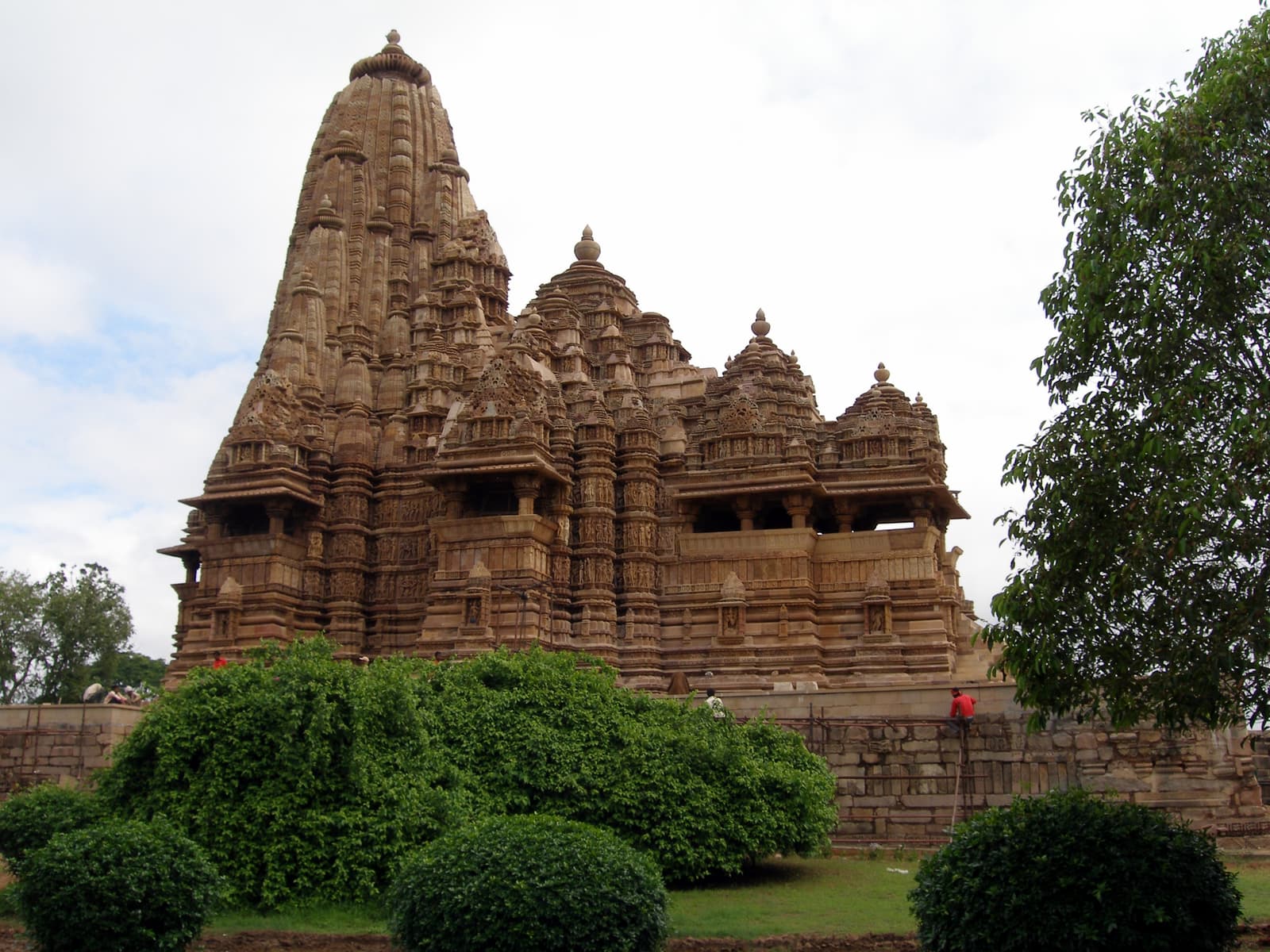
Khajuraho Group of Monuments
The largest and most ornate Hindu temple in the Khajuraho Group of Monuments.
Explore Temple
Famous Temples You May Like
UNESCO 1987Cultural Heritage
Karnataka
Monuments at Pattadakal
A UNESCO World Heritage site showcasing the unique blend of Nagara and Dravidian temple architecture…
Explore Temple
UNESCO 2023Cultural Heritage
Karnataka
Sacred Ensembles of the Hoysalas — Chennakeshava Temple
A UNESCO World Heritage ensemble of three Hoysala temples known for their star-shaped platforms and…
Explore Temple
Karnataka
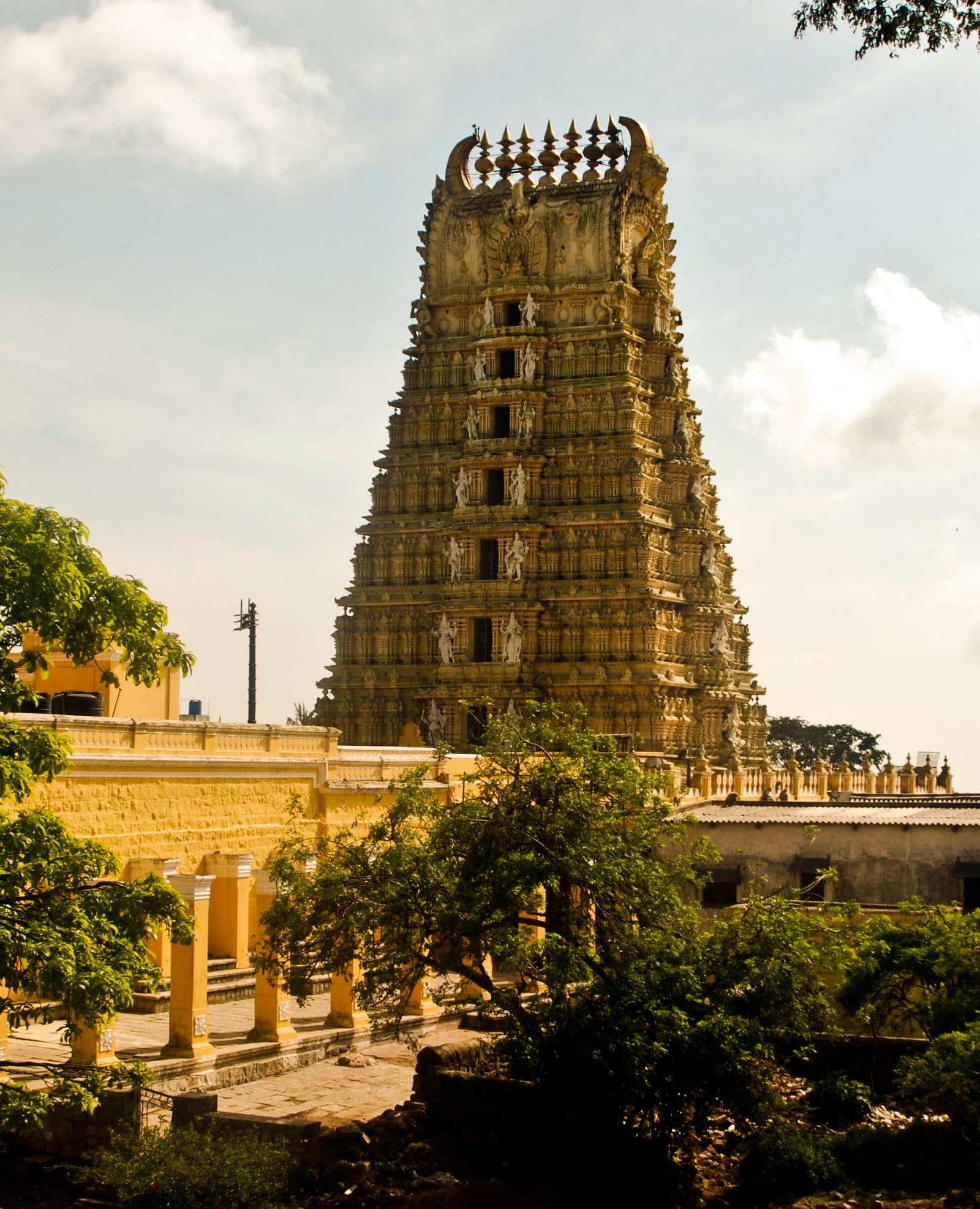
Chamundeshwari Temple
Perched atop Chamundi Hills at 3,489 feet, the Chamundeshwari Temple is the tutelary shrine of…
Explore Temple
Karnataka
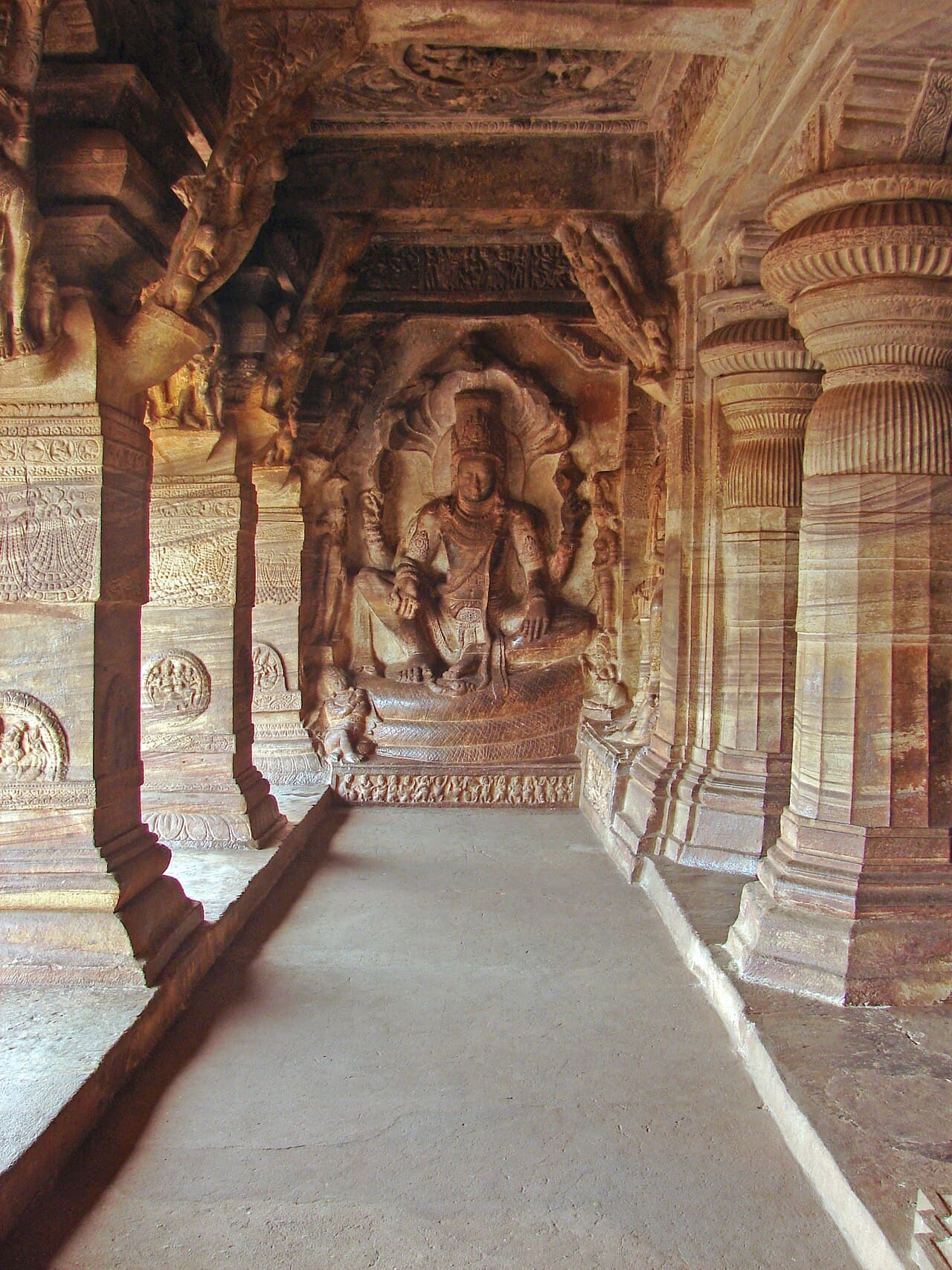
Badami Cave Temples
The Badami Cave Temples are a complex of four rock-cut cave temples carved into the…
Explore Temple
Explore More in Karnataka

Karnataka
Durga Temple
The Durga Temple at Aihole, built in the 7th-8th century CE, is a distinctive architectural…
Explore Temple
Karnataka
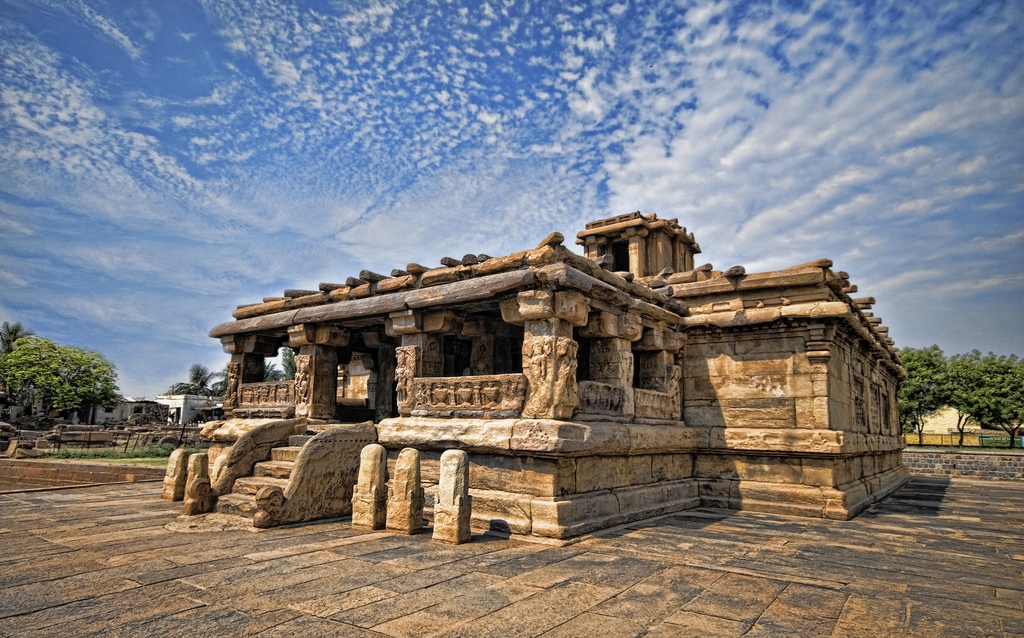
Lad Khan Temple
The Lad Khan Temple at Aihole is a pivotal monument in Early Chalukya architecture.
Explore Temple

Karnataka
Meguti Temple
The Meguti Temple atop the Aihole hill is a Jain temple built in 634 CE…
Explore Temple

Karnataka
Hoysaleswara Temple
The Hoysaleswara Temple in Halebidu, built circa 1121-1160 CE, is the largest Shiva temple built…
Explore Temple
Heritage Fact
"The Hoysala temples of Belur and Halebidu are known for their star-shaped plans and extremely detailed soapstone carvings."