Panch Kedar: The Five Sacred Shiva Temples
The Panch Kedar are five ancient Shiva temples in the Garhwal Himalayas of Uttarakhand. According to legend, these shrines mark where different body parts of Shiva's bull, Nandi, fell to earth — making them among the most sacred Shaivite pilgrimage destinations in India.
Overview
The Panch Kedar (Sanskrit: पंचकेदार) tradition dates to the Mahabharata era. According to the legend, after the Kurukshetra war, the Pandavas sought forgiveness from Lord Shiva for their sins of killing their kin. Shiva, avoiding them, transformed into a bull and disappeared into the ground at Kedarnath, with his body parts reappearing at five locations across the Garhwal region.
Each temple in the Panch Kedar circuit is associated with a specific body part of the divine bull: Kedarnath (hump), Tungnath (arms), Rudranath (face), Madhyamaheshwar (navel), and Kalpeshwar (hair). The yatra typically begins from Kedarnath and proceeds to the other four shrines in a prescribed sequence.
All five temples are located within the Kedarnath Wildlife Sanctuary, surrounded by alpine meadows, rhododendron forests, and snow-capped Himalayan peaks. The trekking routes range from moderate to challenging, offering one of India's most spiritually and scenically rewarding pilgrimage experiences.
The Five Temples
Kedarnath Temple
Shiva as Kedarnath (hump of the bull)
Largest and most prominent Panch Kedar temple. Part of Char Dham and Jyotirlinga circuits.
Tungnath Temple
Shiva as Tungnath (arms of the bull)
Highest Shiva temple in the world. Part of the Tungnath-Chandrashila trek.
Rudranath Temple
Shiva as Rudranath (face of the bull)
Most challenging to reach. Set in a remote alpine meadow surrounded by rhododendron forests.
Madhyamaheshwar Temple
Shiva as Madhyamaheshwar (navel of the bull)
Also known as Madmaheshwar. Features a naturally formed Shiva linga.
Kalpeshwar Temple
Shiva as Kalpeshwar (hair of the bull/jata)
Only Panch Kedar temple accessible by road. Located in a cave-like structure.
Explore Panch Kedar Temples
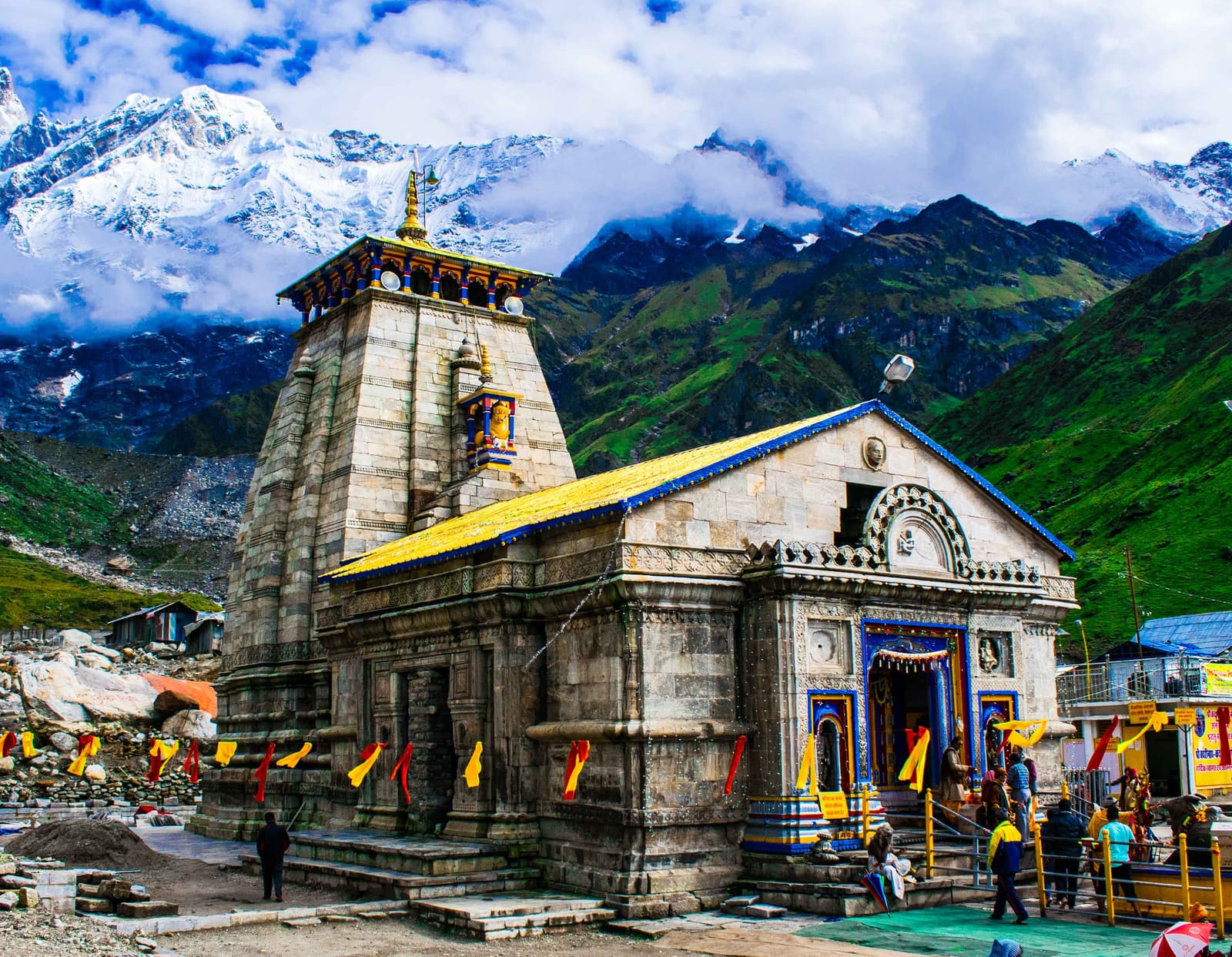
Kedarnath Temple
Kedarnath Temple — one of 12 Jyotirlingas, part of Char Dham and Panch Kedar. Verified visitor guide for pilgrims and international travellers at 3,583 m.
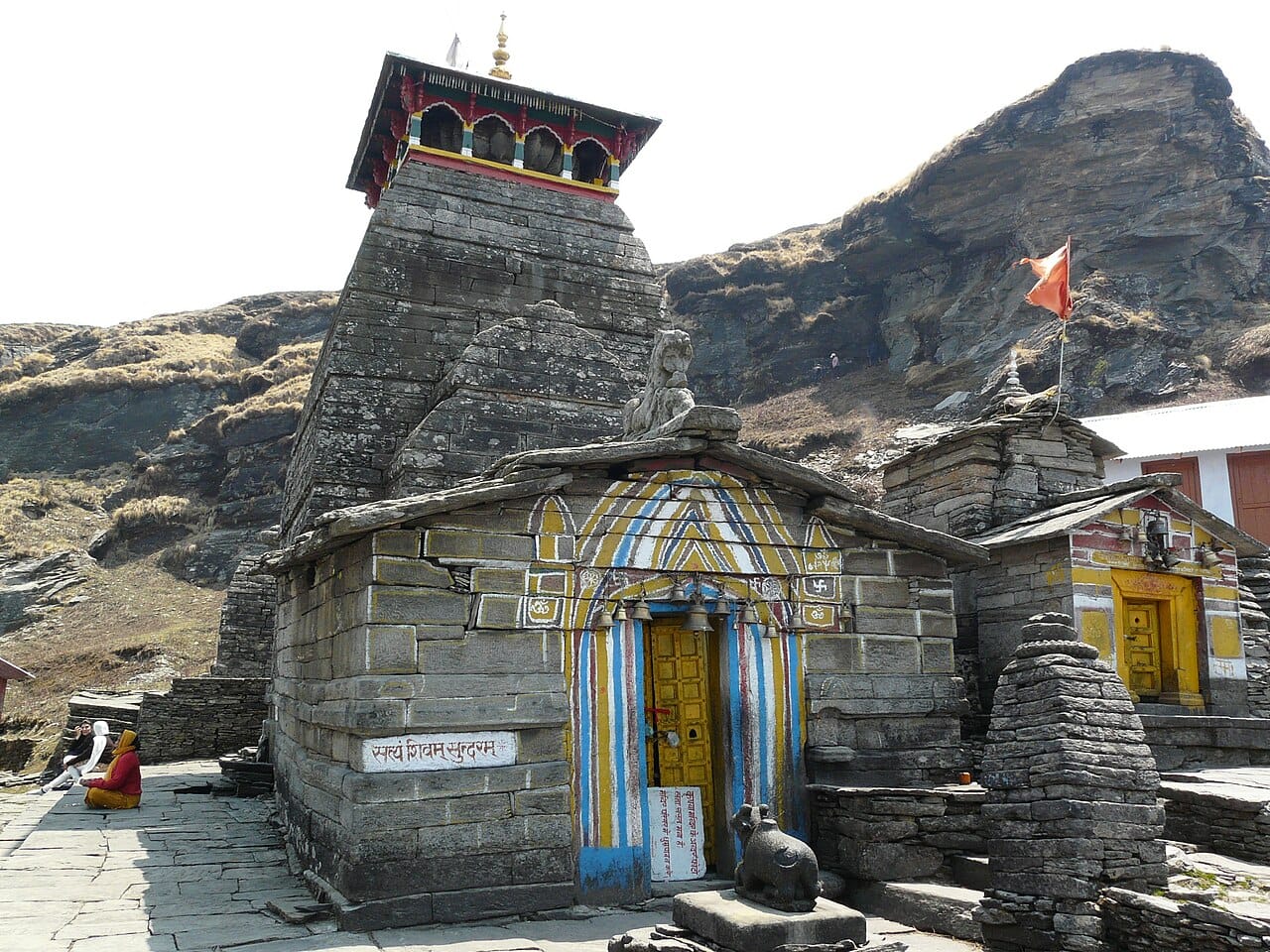
Tungnath Temple
The highest Shiva temple in the world, situated at 3,680 meters on the Chandranath Parbat; it is the 'Tritiya Kedar' in the sacred Panch Kedar pilgrimage circuit.
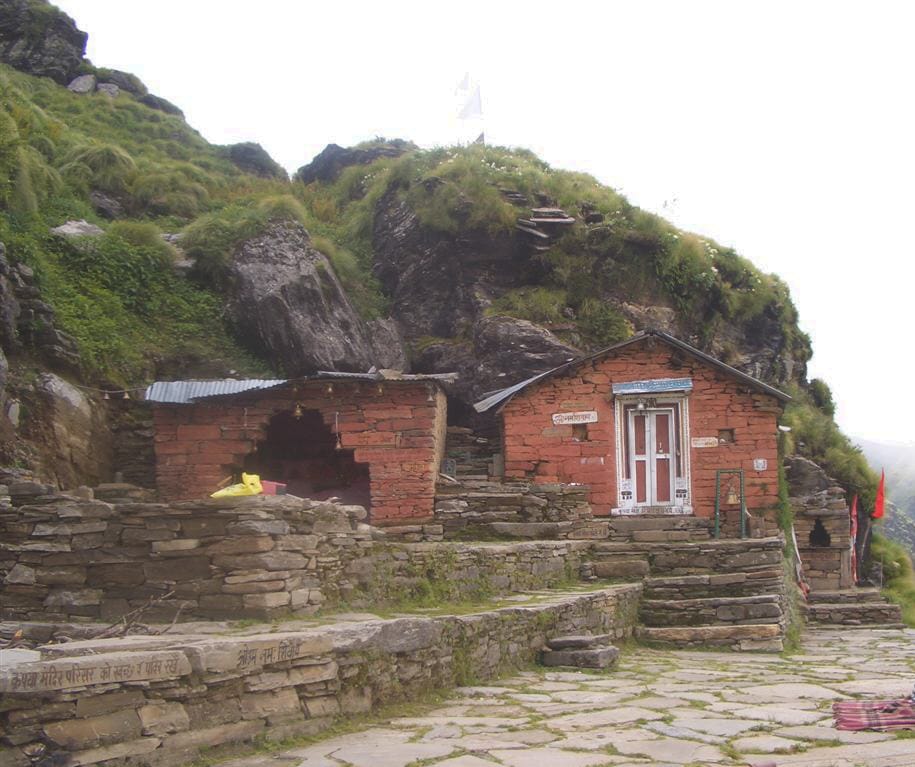
Rudranath Temple
One of the Panch Kedar shrines, representing Lord Shiva's face, situated at an altitude of 2,286 meters amidst meadows and rhododendron forests.
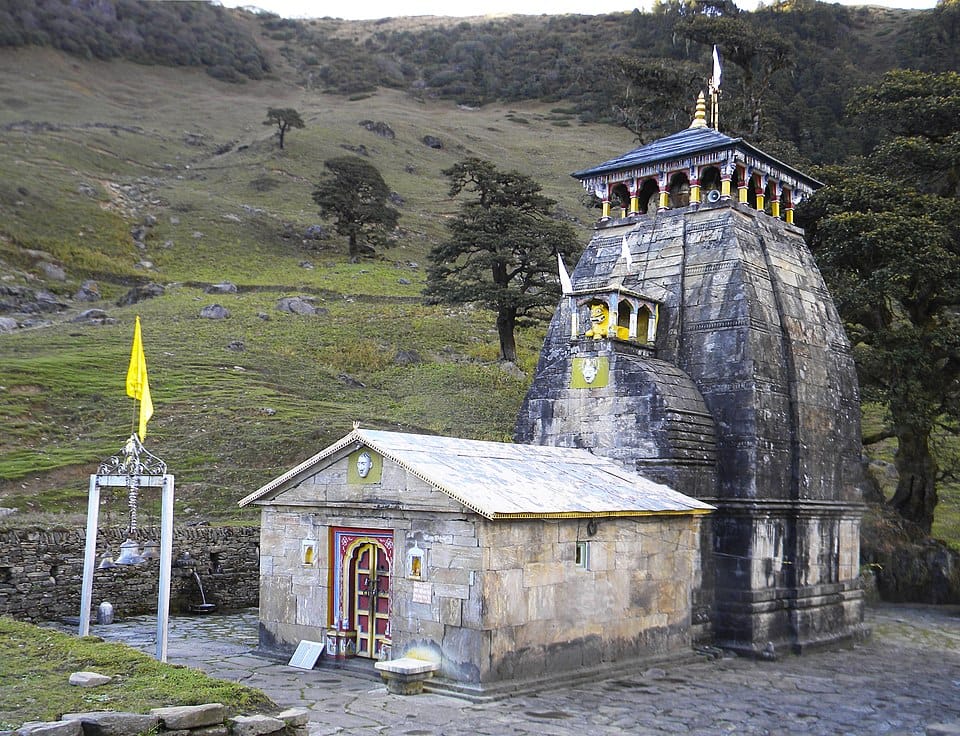
Madhyamaheshwar Temple
One of the Panch Kedar shrines, representing Shiva's navel, set at 3,497 meters beneath the majestic Chaukhamba peak in the Garhwal Himalayas.
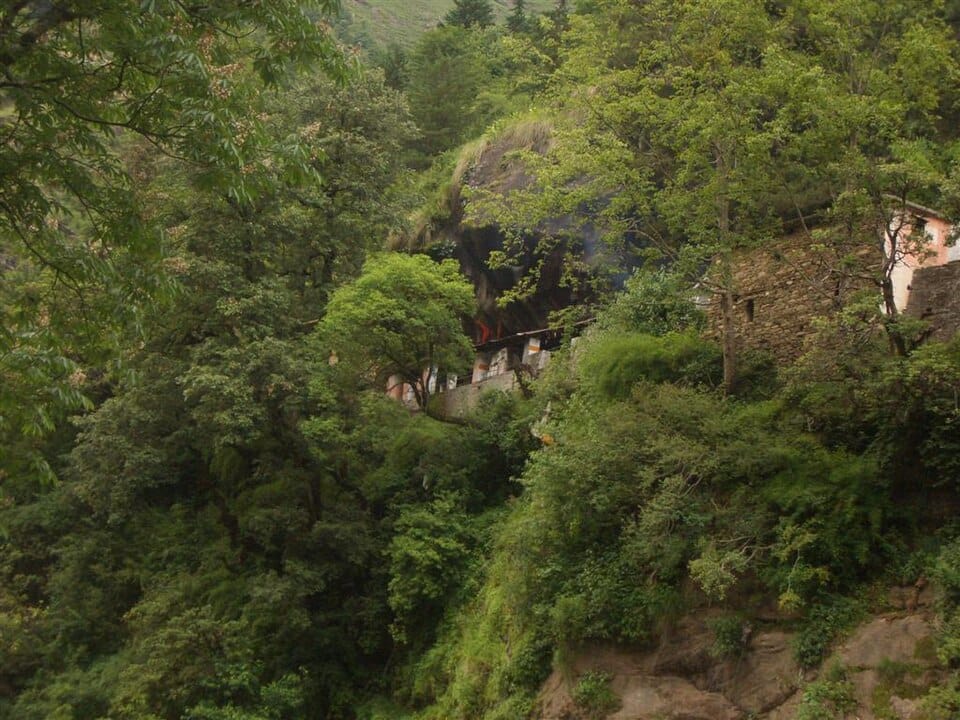
Kalpeshwar Temple
The only Panch Kedar temple accessible year-round, housed in a natural cave and featuring a unique four-faced Shiva linga representing the god's hair.
Related Pilgrimage Circuits
Sources and References
— every record linked above was re-requested for this release, so the link still resolves and the publisher still serves the document. It is a link check, not a re-verification of every sentence on this page.
- • Shri Badrinath-Kedarnath Temple Committee — Official temple records and pilgrimage statistics
- • Uttarakhand Tourism Development Board — Panch Kedar Yatra route maps and guidelines
- • Khanduri, D.C. — "Temples of Uttarakhand: A Historical Survey," Garhwal University Press
- • Aitken, Bill — "The Nanda Devi Affair" and Himalayan pilgrimage writings, Penguin India
- • ASI Dehradun Circle — Tungnath and Rudranath temple conservation reports
- • Naveen singh negi — Compilation and verification, July 2026
Common Questions
What is Panch Kedar?
Panch Kedar refers to five sacred Shiva temples in the Garhwal Himalayas of Uttarakhand: Kedarnath, Tungnath, Rudranath, Madhyamaheshwar, and Kalpeshwar. According to legend, these temples mark the body parts of the bull (Nandi) that Shiva transformed into after the Mahabharata war.
Which is the highest Panch Kedar temple?
Tungnath Temple at 3,680 m (12,073 ft) is the highest Panch Kedar temple and also the highest Shiva temple in the world. Kedarnath Temple follows at 3,583 m.
How long does the Panch Kedar Yatra take?
The complete Panch Kedar Yatra typically takes 10-12 days depending on the route and trekking conditions. The trek covers approximately 80-100 km across challenging Himalayan terrain.
Which Panch Kedar temple is easiest to reach?
Kalpeshwar is the only Panch Kedar temple accessible by road. Kedarnath can be reached by a 16-km trek from Gaurikund or by helicopter. Tungnath requires a 3.5-km trek from Chopta.
What is the best time for Panch Kedar Yatra?
The best time is May to June and September to October. The temples are open from April/May (Akshaya Tritiya) to October/November (Diwali). Winter months see heavy snowfall and the temples close for the season.