Heritage Sites of India
Ancient stupas, rock-cut monasteries, cave temples, and the world's oldest universities — India's Buddhist and Jain heritage spans over two millennia.
India's Buddhist heritage spans from the Mauryan emperor Ashoka's 3rd-century BCE monuments to the Pala-Sena period's 12th-century universities. These sites represent some of the earliest surviving stone architecture in the subcontinent and a continuous tradition of Buddhist art spanning 1,500 years.
Many of these sites are UNESCO World Heritage listed, preserving not only India's Buddhist heritage but the foundations of Asian art and architecture that spread across the continent through the Silk Route.
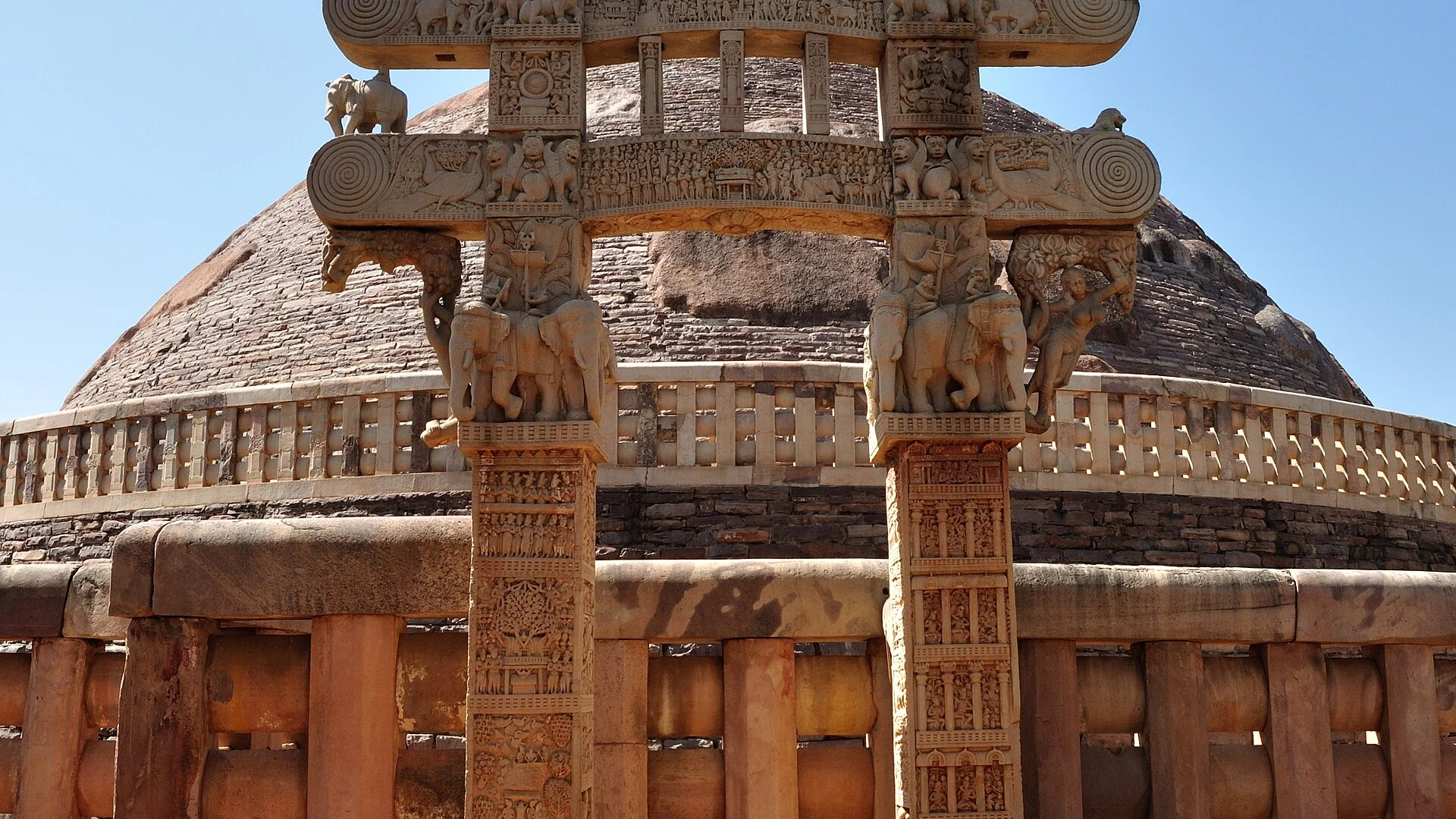
Sanchi Stupa
The oldest stone structure in India and a masterpiece of Buddhist architecture, commissioned by Emperor Ashoka in the 3rd century BCE.
3rd Century BCE - 12th Century CE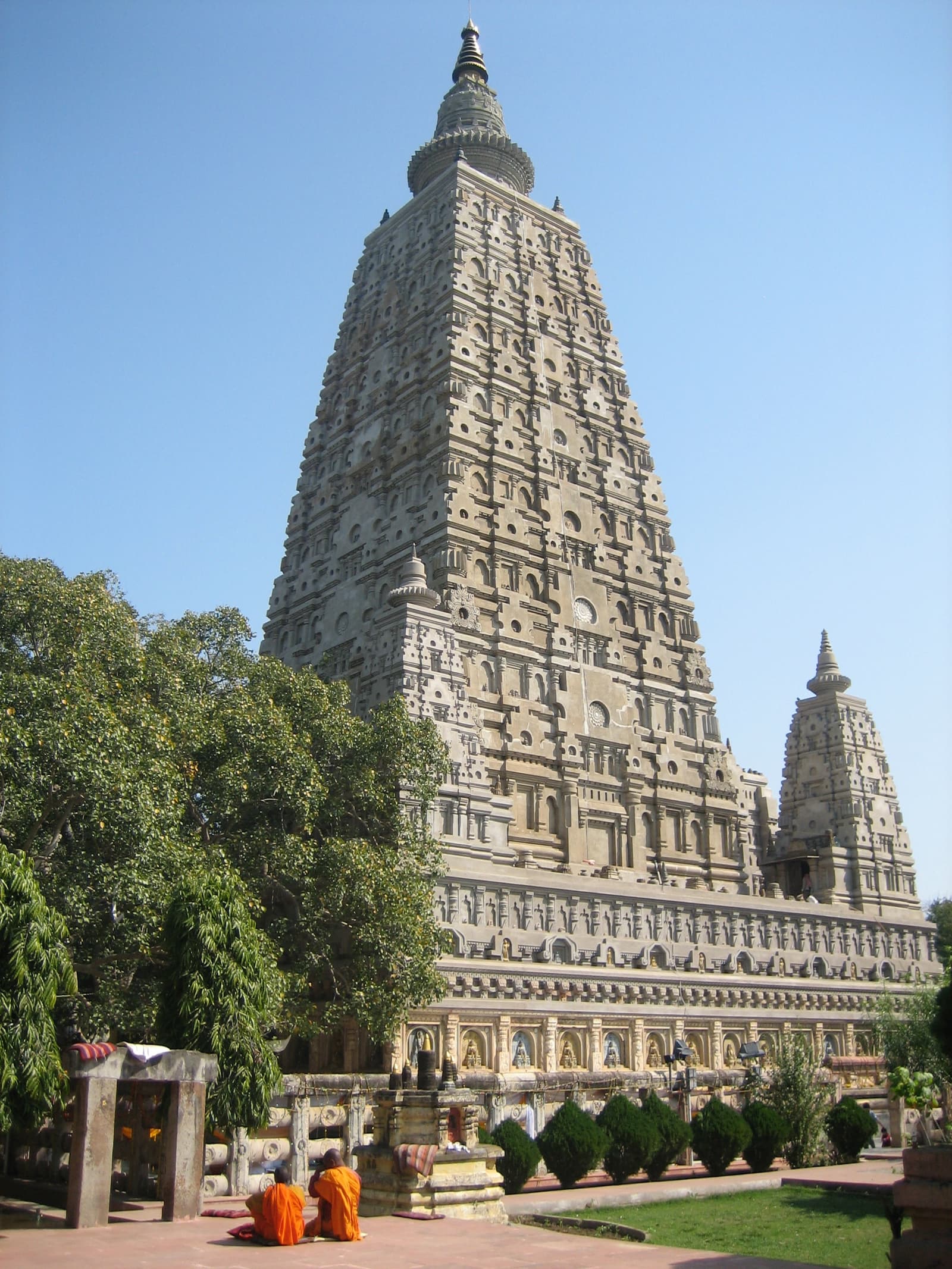
Mahabodhi Temple Complex
The most sacred site in Buddhism, marking the location where Siddhartha Gautama attained enlightenment under the Bodhi Tree.
3rd Century BCE - 5th Century CE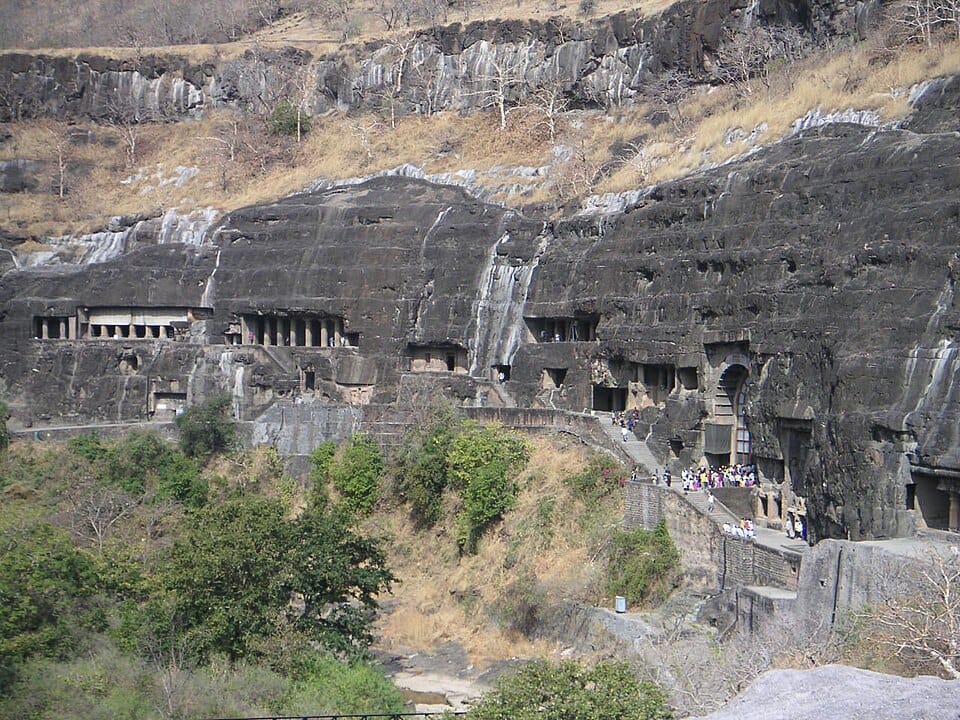
Ajanta Buddhist Caves
A magnificent complex of 30 rock-cut Buddhist cave monuments containing some of the finest surviving examples of ancient Indian painting and sculpture.
2nd Century BCE - 6th Century CE
Ellora Buddhist Caves
The Buddhist group of 12 caves at Ellora represents the finest expression of rock-cut Buddhist architecture in the Deccan.
5th - 8th Century CE.jpg)
Nalanda Mahavihara
The world's most ancient university and a monumental Buddhist monastic institution that attracted scholars from across Asia for over 800 years.
5th - 12th Century CERelated Heritage Content
UNESCO Temples
Hindu temple groups inscribed as UNESCO World Heritage sites
Buddhist Heritage Theme
Curated collection of all Buddhist sites
Ancient Hindu Temples
Dedicated guide to the oldest surviving temples worldwide
Heritage Quiz & Exam Prep
150 verified MCQs with explanations for UPSC, SSC and State PSC
Data Sources
ASI, UNESCO, and academic references used in this archive
Sources & References
These are the published records this page draws on. Each entry names the body that issued it and the specific claims on this page that it backs, so you can check them yourself rather than taking our word for it.
UNESCO World Heritage Centre
UNESCO World Heritage List — India
World Heritage inscription criteria, Outstanding Universal Value statements and the year of listing for the sites named on this page.
World Heritage documentation
Open source (opens in a new tab)Archaeological Survey of India
Archaeological Survey of India — monument records and conservation reports
Protection status, dating, architectural classification and published conservation records for the monuments named on this page.
Primary archaeological record
Open source (opens in a new tab)INTACH
Indian National Trust for Art and Cultural Heritage
Documentation of Indian architectural heritage and conservation practice behind the style descriptions on this page.
Reference source
Open source (opens in a new tab)
— every record linked above was re-requested for this release, so the link still resolves and the publisher still serves the document. It is a link check, not a re-verification of every sentence on this page.
Missing something, or found an error? Send us a correction with the record that supports it, or read how we choose sources.