Sacred HeritageUNESCO World Heritage Site
Ajanta Cave Temples
Ajanta, Maharashtra
State:Maharashtra
District:Ajanta
Why This Temple Matters
UNESCO World Heritage Site — recognized for outstanding universal value
Key Takeaways
- Dedicated to Gautama Buddha
- Buddhist Rock-cut architecture
- Built by the Satavahana / Vakataka dynasty
- UNESCO World Heritage Site since 1983
- Located in Ajanta, Maharashtra
Quick Facts
- Caves
- 30 (5 chaitya, 25 vihara)
- Dynasty
- Satavahana / Vakataka
- Period
- 2nd C. BCE - 6th C. CE
- Style
- Buddhist Rock-cut
- Key Artwork
- Padmapani Fresco (Cave 1)
- Location
- Ajanta, Maharashtra
- UNESCO
- Inscribed 1983
- Rediscovered
- 1819 by John Smith
- Material
- Basalt Rock
- Nearby Site
- Ellora Caves (100 km)
Overview
India's Greatest Gallery of Ancient Art
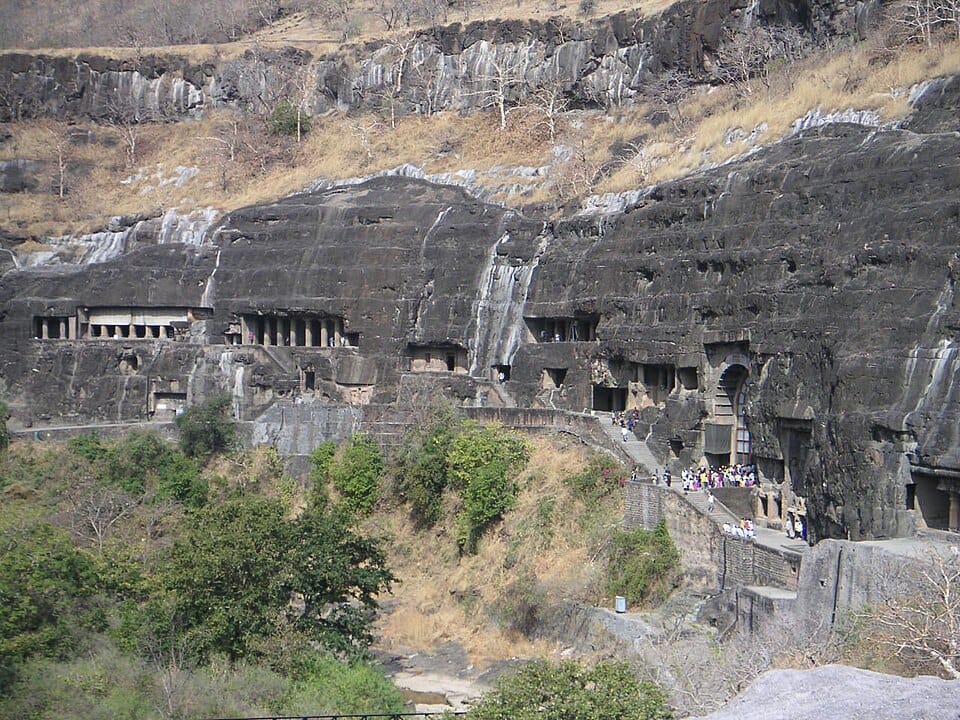
The Ajanta Caves preserve the finest surviving paintings from the ancient world. Across 30 caves carved into a horseshoe-shaped cliff, Buddhist monks and artists worked for over 800 years, creating a visual record of faith that has no equal.
Inscribed as a UNESCO World Heritage site in 1983, the caves date from the 2nd century BCE to the 6th century CE. They cover two distinct phases of Buddhist art — the early Hinayana tradition (aniconic, symbolized through stupas) and the later Mahayana tradition (anthropomorphic, with elaborate Buddha images and bodhisattvas).
What makes Ajanta exceptional is not the architecture alone. It is the paintings. The murals that cover the walls and ceilings of Caves 1, 2, 16, and 17 are the largest surviving corpus of ancient Indian painting. They depict the Jataka tales — stories of the Buddha's previous lives — with a naturalism and emotional depth that was not matched in Indian art for centuries.
The caves were lost to the outside world for over a millennium, reclaimed by forest and wildlife. When a British hunting party stumbled upon them in 1819, they found a time capsule — paintings in mineral pigments, preserved by the dry climate and isolation, that had survived since the Gupta period, India's classical age.
Why This UNESCO Site Matters
A World Heritage of Outstanding Value
The Ajanta Caves were among the first sites in India to be inscribed on the UNESCO World Heritage list. The designation recognizes them as the finest surviving examples of ancient Indian mural painting and Buddhist rock-cut architecture.
UNESCO criteria (i), (iii), and (vi) apply: the caves represent a masterpiece of human creative genius, bear exceptional testimony to a cultural tradition, and are directly associated with the Buddhist faith. No other site in India preserves over 800 years of uninterrupted artistic development within a single complex.
Ajanta's importance extends beyond art history. The paintings document courtly life, clothing, jewelry, musical instruments, and daily activities of the Gupta period — India's golden age. They provide the only visual evidence of a civilization that shaped art across Asia.
History & Legacy
Two Dynasties, Two Phases, One Sacred Site
The Ajanta Caves were excavated in two distinct phases separated by nearly four centuries. The earlier phase (2nd-1st century BCE) belongs to the Satavahana dynasty, who ruled the Deccan from their capital at Pratishthana (modern Paithan). During this period, the Hinayana school of Buddhism prevailed, and the caves were designed as simple worship halls (chaityas) and monasteries (viharas) without iconic images of the Buddha.
The later and more artistically significant phase occurred during the 5th-6th century CE under the Vakataka dynasty, contemporary with the Gupta empire in the north. The Vakataka king Harishena (c. 475-500 CE) was a major patron. This period produced the most elaborate caves, including Caves 1, 2, 16, 17, 19, and 26, with their extraordinary paintings and sculptural programs.
The Chinese pilgrim Xuanzang, who visited India between 630-645 CE, described the caves in his travel records, noting the splendor of the monasteries. After the fall of the Vakataka dynasty, the site was gradually abandoned. The dense forest of the Sahyadri range reclaimed the cliff face, and the caves remained unknown to the outside world for over a thousand years.
Historical Note
The 1819 rediscovery is one of the most dramatic moments in Indian archaeology. A British officer named John Smith of the 28th Madras Cavalry was on a tiger hunt when he followed the animal into a ravine. The cliff face opened to reveal a horseshoe curve of cave entrances. Smith carved his name and the date on a pillar in Cave 10 — an act of vandalism that inadvertently became a historical marker.
Historical Timeline
800 Years of Buddhist Art
2nd-1st C. BCE
Satavahana dynasty excavates early chaityas (Caves 9, 10) and viharas with Hinayana aniconic tradition
1st-3rd C. CE
Possible intervening activity; limited excavation continues
c. 462 CE
Harishena becomes Vakataka king; major phase of cave excavation begins
c. 475-500 CE
Peak activity under Harishena — Caves 1, 2, 16, 17, 19, 26 created with paintings and sculptures
c. 500 CE
Death of Harishena; Vakataka power declines; excavation ceases
630-645 CE
Xuanzang visits and documents the caves during his Indian pilgrimage
7th-12th C.
Gradual abandonment; caves reclaimed by forest; local memory fades
1819
John Smith rediscovers the caves during a tiger hunt
1843
James Fergusson publishes first scholarly description of the caves
1920s-30s
Conservation and documentation by Hyderabad Archaeological Department and Nizam's government
1983
Inscribed as UNESCO World Heritage site (Criteria i, iii, vi)
2020s
ASI and UNESCO collaborative conservation; visitor management and mural preservation programs
UNESCO World Heritage
World Heritage Significance
UNESCO World Heritage
Outstanding Universal Value
The Ajanta Caves were inscribed on the UNESCO World Heritage List in 1983 under three criteria that recognize their global cultural significance.
Criterion (i)
Masterpiece
The Ajanta murals represent a masterpiece of human creative genius, unmatched in their naturalism and emotional depth.
Criterion (iii)
Cultural Tradition
The caves bear exceptional testimony to Buddhist religious art and architecture spanning over 800 years.
Criterion (vi)
Direct Association
The site is directly associated with the Buddhist faith and the tradition of monastic life in ancient India.
OUV Statement
UNESCO recognizes the Ajanta Caves as an exceptional example of Buddhist rock-cut architecture and the finest surviving ancient Indian mural painting. The site's Outstanding Universal Value lies in its ability to document the evolution of Buddhist art from aniconic to iconic representation across eight centuries, preserved within a single sacred landscape.
Architecture
Rock-cut Wonders of the Deccan
The 30 caves at Ajanta are excavated from a vertical basalt cliff face in a horseshoe curve along the Waghora River. The cliff rises approximately 76 meters above the river. The caves are numbered sequentially from east to west, with Cave 1 being the easternmost.
The caves fall into two architectural types. Chaitya halls (Caves 9, 10, 19, 26, 29) are worship spaces with a stupa at the apsidal end, a vaulted roof carved to simulate wooden ribs, and a central nave flanked by pillars. Viharas are monastery residences consisting of a central hall surrounded by small cells for monks, with a shrine at the rear.
Cave 10
Chaitya
Oldest chaitya hall in India (95 ft long, 41 ft wide); 39 octagonal pillars; wooden-rib simulation in stone
Cave 19
Chaitya
Elaborate facade with carved figures; ornate stupa with Buddha image; Mahayana phase
Cave 26
Chaitya
Contains 23-foot reclining Buddha (Mahaparinirvana); carved reliefs of Mara's temptations
Cave 1
Vihara
Largest and most ornate vihara; famous Padmapani and Vajrapani frescoes; elaborate facade carvings
Art & Paintings
The Ajanta Murals — Ancient India's Greatest Art
The Ajanta paintings are the most significant surviving body of ancient Indian art. They were executed using a sophisticated tempera technique: a rough plaster of clay, cow dung, and rice husks was applied to the rock surface, followed by a fine lime plaster. The artists drew outlines in red ochre and filled the colors using mineral and vegetable pigments.
The paintings depict the Jataka tales — stories of the Buddha's previous births as a bodhisattva. Each tale is rendered as a continuous narrative, with the same figure appearing multiple times within a single composition. The artists used a technique called 'drip-line' perspective, where figures in the foreground are larger and darker, creating depth without geometric perspective.
The Padmapani Fresco (Cave 1)
The most celebrated image at Ajanta. The Bodhisattva Padmapani (Avalokiteshvara) holds a lotus, his body in a graceful tribhanga (three-bend) posture. His expression is serene yet compassionate. A crown, elaborate jewelry, and a dhoti with patterned folds complete the figure. The surrounding composition includes apsaras, musicians, monkeys, and a dark-skinned princess. The mural is admired for its naturalism, emotional depth, and masterful handling of line — qualities that place it among the greatest paintings of the ancient world.
The Vajrapani (Bodhisattva holding a thunderbolt) image in the same cave provides a counterpoint — intense, powerful, with bulging eyes and a dark complexion that contrasts with Padmapani's gentle grace. Together, they represent the twin aspects of Mahayana Buddhism: compassion and power.
Religious Importance
Sacred Spaces of the Buddhist Sangha
Ajanta was not merely an artistic project. It was a living monastic complex where hundreds of Buddhist monks lived, studied, and worshipped for over 800 years. The chaitya halls with their stupas served as the focal point for congregational worship. The viharas provided cells for meditation and study.
The transition from Hinayana to Mahayana Buddhism is visibly documented at Ajanta. The early caves (9 and 10) contain simple stupas without Buddha images, representing the aniconic tradition where the Buddha was symbolized through footprints, thrones, and the Bodhi Tree. The later caves (19 and 26) show fully developed Mahayana iconography with Buddha images seated in meditation or teaching, surrounded by bodhisattvas and celestial beings.
Today, the site remains a sacred destination for Buddhist pilgrims from around the world. Buddha Purnima sees monks from Sri Lanka, Thailand, Myanmar, Tibet, and Japan gathering to meditate in the caves where their tradition was preserved.
Sculptures
Masterpieces in Stone
While the murals dominate Ajanta's fame, the sculptural program is equally significant. The later Mahayana caves contain elaborate Buddha images, bodhisattvas, and narrative reliefs. The sculpture of Ajanta is characterized by a softness of modeling and a sensitivity to human form that distinguishes it from the more angular traditions of Gandhara and Mathura.
Cave 26 contains the most important sculptural work at Ajanta — a 23-foot-long reclining Buddha representing the Mahaparinirvana (the Buddha's final passing). The figure lies on his right side, his head supported by his hand, in the traditional lion posture. The face carries an expression of serene detachment. Surrounding figures show mourning disciples, including the grief-stricken Ananda. This is the largest and most emotionally powerful sculptural composition at the site.
The facade of Cave 19 is adorned with carved figures of the Buddha in various mudras, flanked by flying apsaras and guardians. The stupa inside is elaborately carved with a seated Buddha image, marking the Mahayana innovation of placing the Buddha figure on the previously aniconic stupa. The narrative reliefs on the walls of Cave 26 depict the temptations of Mara and the miracles of the Buddha.
Dynasties & Patrons
The Royal Houses Behind the Caves
The Ajanta Caves were created under the patronage of two major dynasties and several individual donors. The earliest caves (9, 10, 12, 13, 15A) were sponsored by the Satavahana dynasty, which ruled the Deccan from the 2nd century BCE to the 2nd century CE. The Satavahanas were known for their maritime trade with the Roman empire and their patronage of Buddhism.
The later and more elaborate caves were sponsored by the Vakataka dynasty, contemporaries of the Guptas. The Vakataka king Harishena (r. c. 475-500 CE) is the primary patron. His minister Varahadeva sponsored Cave 16, as recorded in an inscription that describes the cave as 'a mountain of the gods.' Cave 17 was the gift of a prince from the Vakataka feudatory family. Cave 1 may have been sponsored by Harishena himself or a close associate.
Individual donors — merchants, guilds, and monks — contributed funds for specific caves and cells. Inscriptions in the caves record the names of these donors, providing a social cross-section of Buddhist patronage that extended from kings to commoners.
Interesting Facts
The caves were abandoned for over 1,000 years and rediscovered in 1819 by a British officer hunting a tiger.
The paintings were made using natural mineral pigments — red ochre, yellow ochre, lapis lazuli, malachite, and lamp black.
Cave 10 is the oldest surviving chaitya hall in India, measuring 95 feet long and 41 feet wide.
The Padmapani fresco is considered India's Mona Lisa for its enigmatic expression and artistic mastery.
Ajanta and Ellora are only 100 km apart and are UNESCO's twin rock-cut sites in Maharashtra.
Over 800 years of continuous artistic development is documented within the Ajanta complex.
The Vakataka paintings at Ajanta are contemporary with the Gupta age, India's classical period.
Japanese, Thai, and Sri Lankan Buddhist monks regularly make pilgrimages to Ajanta today.
The Waghora River waterfall near the caves was the water source for the monks who lived here.
No two caves at Ajanta share the same floor plan — each was individually designed.
How to Reach
Getting to the Caves
By Air: The nearest airport is Aurangabad Airport (98 km), with direct flights from Delhi, Mumbai, Bengaluru, Hyderabad, and Jaipur. From the airport, taxis and buses connect to Ajanta.
By Rail: Jalgaon Junction (60 km) is the nearest major railway station on the Mumbai-Delhi main line. Aurangabad Railway Station (100 km) also connects to major cities. From either station, local buses and taxis are available.
By Road: MSRTC (Maharashtra State Road Transport) runs regular buses from Aurangabad, Jalgaon, and Mumbai to Ajanta. The site is well connected by state highways. Driving from Aurangabad takes about 2 hours.
The climb from the parking area to the cave entrance involves about 300 steps. Battery-operated vehicles are available for elderly visitors. Comfortable walking shoes are recommended.
Nearby Sacred Places
Other sacred sites within reach
Ellora Caves
UNESCO site with Kailasa Temple, 34 Buddhist-Hindu-Jain caves, 100 km from Ajanta
Aurangabad Caves
12 Buddhist caves (6th-7th C.) located within Aurangabad city
Daulatabad Fort
14th-century hill fortress, one of the best-preserved medieval forts in India
Bibi Ka Maqbara
17th-century Mughal mausoleum, 'Mini Taj' of Aurangabad
Pitalkhora Caves
14 Buddhist rock-cut caves (3rd C. BCE-5th C. CE) in Satmala Range
Travel Tips
Making the Most of Your Visit
- Visit on weekdays to avoid crowds. Weekends and Indian holidays see heavy footfall.
- Arrive early (by 9 AM) to see the caves in the best morning light for photography.
- Carry a flashlight — the painted interiors are dark and some caves have no natural light.
- Hire an ASI-approved guide for 1-2 hours to understand the iconography and history.
- Combine Ajanta with Ellora Caves for a complete UNESCO rock-cut experience (2-day trip).
- Accommodation is limited at the site; stay in Aurangabad for better options.
- Visit during November-March for pleasant weather; avoid monsoon (heavy rain limits access).
- Photography is allowed in most caves but without flash or tripod inside painted areas.
- No food is available inside the cave complex; carry water and snacks.
Conservation
Preserving Ancient Paintings for Future Generations
The Ajanta murals face an existential threat: they are being loved to death. The very factors that preserved them for centuries — isolation, darkness, stable humidity — are being disrupted by mass tourism. Each visitor brings body heat, moisture, exhaled carbon dioxide, and dust. Over 400,000 people visit annually, and the microclimate inside the painted caves is changing.
The ASI has implemented conservation measures including protective glass screens in front of the most vulnerable murals, controlled lighting with UV filters, restricted visitor numbers in Caves 1, 2, 16, and 17, and mandatory shoe covers to reduce dust. A climate monitoring system tracks temperature and humidity fluctuations in real time.
In 2020-21, the ASI completed a major conservation project in Cave 1, cleaning the Padmapani and Vajrapani frescoes using a Japanese-developed conservation technique that removes surface grime without damaging the mineral pigments. International collaborations with UNESCO, the Getty Conservation Institute, and Japanese universities continue to develop new conservation methods.
The paradox is real: the more famous Ajanta becomes, the harder it is to preserve. UNESCO and the ASI face the challenge of balancing accessibility with protection — a challenge that will only intensify as Indian domestic tourism continues to grow.
Sources & References
Research and Citations
UNESCO World Heritage Centre. "Ajanta Caves." whc.unesco.org/en/list/242.
Archaeological Survey of India. "Ajanta Caves." asi.nic.in.
Spink, Walter M. "Ajanta: History and Development." Brill, 2005-2009 (6 volumes).
Behl, Benoy K. "The Ajanta Caves." Thames & Hudson, 1998.
Singh, Upinder. "A History of Ancient and Early Medieval India." Pearson, 2008.
Xuanzang. "Great Tang Records on the Western Regions" (7th century CE).
Maharashtra Tourism Development Corporation. "Ajanta Ellora." maharashtratourism.gov.in.
Frequently Asked Questions
How many caves are there at Ajanta?
A.
There are 30 caves numbered sequentially from east to west. Caves 1-28 are numbered, plus two unfinished caves. The most significant are Caves 1, 2, 16, 17, 19, and 26. Five caves are chaityas (worship halls) and the rest are viharas (monasteries).
What is the Padmapani painting?
A.
The Padmapani painting in Cave 1 depicts the Bodhisattva Avalokiteshvara holding a blue lotus. It is celebrated for its naturalistic rendering, graceful tribhanga posture, and serene expression. Art historians consider it the finest surviving Indian painting from the Gupta period.
Who built the Ajanta Caves?
A.
The earlier caves (2nd-1st century BCE) were built under the Satavahana dynasty. The later and more elaborate caves (5th-6th century CE) were created under the Vakataka dynasty during the reign of Emperor Harishena, with individual patronage from ministers, princes, and merchants.
When were the Ajanta Caves rediscovered?
A.
The caves were rediscovered in 1819 by British officer John Smith of the 28th Madras Cavalry. He was hunting a tiger when he followed it into a ravine and saw the cave entrances. He carved his name on a pillar in Cave 10, which remains visible.
Why were the caves abandoned?
A.
After the decline of the Vakataka dynasty in the 6th century CE, the caves were gradually abandoned. The dense forest reclaimed the cliff face, and the site became overgrown and inaccessible. Local people likely knew of its existence, but it was lost to recorded history until 1819.
What is the difference between Ajanta and Ellora?
A.
Ajanta (30 caves, 2nd C. BCE-6th C. CE) is exclusively Buddhist and famous for its painted murals. Ellora (34 caves, 6th-10th C. CE) spans Buddhism, Hinduism, and Jainism, with the Kailasa Temple as its centerpiece. They are 100 km apart and both are UNESCO World Heritage sites.
Can I take photographs inside the caves?
A.
Photography is permitted in most caves without flash or tripod. In Caves 1, 2, 16, and 17 — which contain the most sensitive paintings — photography may be restricted or prohibited to protect the murals from light damage.
What are the Ajanta Caves timings?
A.
The caves are open from 9:00 AM to 5:00 PM daily except Mondays (closed for maintenance). Last entry is at 4:30 PM. The site is closed on national holidays including Republic Day (Jan 26), Independence Day (Aug 15), and Gandhi Jayanti (Oct 2).
Showing 8 of 18 questions
Answers are based on verified information. Site rules may change — verify locally before visiting.
Did You Know?
- The Ajanta Caves were rediscovered in 1819 by a British tiger-hunting party — John Smith of the 28th Madras Cavalry carved his name on a pillar in Cave 10, which remains visible today.
- The paintings at Ajanta were executed using a tempera technique on lime plaster, with mineral pigments including lapis lazuli (blue) sourced from as far as Central Asia.
- Cave 26 contains a remarkable 7-meter-long reclining Buddha image representing the Mahaparinirvana — the Buddha's final passing — carved directly from the living rock.
- The caves were excavated in two distinct phases separated by nearly 400 years: the Hinayana phase (2nd-1st century BCE) and the Mahayana phase (5th-6th century CE), with no work done in the intervening centuries.
- The Padmapani painting in Cave 1 is considered the single finest surviving example of ancient Indian painting, depicting the bodhisattva in a graceful tribhanga (three-bent) pose with a blue lotus.
Related Temples
Same State
Trimbakeshwar Temple
The Trimbakeshwar Temple in Maharashtra is one of the twelve Jyotirlingas, unique for its three-faced…
Mahalakshmi Temple
Mahalakshmi Temple in Kolhapur, also known as Ambabai Temple, is one of the 18 Maha…
Shree Siddhivinayak Ganapati Temple, Mumbai
Mumbai's most famous temple and among the richest in India, dedicated to the wish-fulfilling form…
Shirdi Sai Baba Temple (Samadhi Mandir)
The holiest Sai Baba shrine where the saint lived and taught, with his Samadhi (tomb)…
Grishneshwar Temple
The 12th and final Jyotirlinga, located just 1 km from the Ellora Caves.
Bhimashankar Jyotirlinga
The source of the Bhima River deep in the Sahyadri hills.
UNESCO Sites
Virupaksha Temple
The Virupaksha Temple in Hampi, Karnataka, is a UNESCO World Heritage Site and the oldest…
Airavatesvara Temple
The Airavatesvara Temple at Darasuram, built by Rajaraja Chola II between 1146 and 1172 CE…
Gangaikonda Cholapuram Temple
The Gangaikonda Cholapuram Temple, built by Rajendra Chola I in 1035 CE, is a UNESCO…
Konark Sun Temple
A 13th-century colossal stone chariot of the Sun God Surya, the Konark Sun Temple is…
Brihadeeswarar Temple
The Brihadeeswarar Temple in Thanjavur, built by Raja Raja Chola I in the 11th century…
Kailasa Temple, Ellora
The world's largest monolithic rock-cut structure, carved top-down from a single basalt cliff.
Visiting as an International Traveller
Fact CheckedEditorial ReviewVerified 2026-07-03
Entry Status
Foreign Visitors
AllowedAll visitors welcome. Ajanta Caves is a UNESCO World Heritage site open to all nationalities.
Visitor Information
Entry policies are set by each site — confirm before travelling.
Entry rules for international visitorsWho can enter, permits, and what to expect at the gate.Dress Code
Modest clothing is expected — a sign of respect, not a restriction.
Shoulders covered
Knees covered
Shoes removed before entry
Head covering (women)
Rain gear available
Warm layers (winter)
Photography Guide
Outside
Inside
Flash
Drone
Tripod
Commercial
Best Time to Visit
November to March (15-30°C) for pleasant weather and best light. Avoid monsoon (July-September) as heavy rain can make the path slippery. Visit on weekdays to avoid crowds. Early morning (9 AM) offers the best natural light for viewing the paintings.
Language & Communication
Common local languages: Marathi, Hindi, English
English spokenASI-approved guides available at the entrance. Audio guides in English, Hindi, Japanese, French.
Accessibility
Wheelchair: Partial. Battery-operated vehicles from parking to cave entrance. Caves involve steps and uneven surfaces.
Understanding Temple Traditions
These short explanations help make sense of what you see and experience.
Tips for International Visitors
Temple vocabulary and ritualsDarshan, pradakshina, prasadam, aarti, hundi and mandapa.Currency, donations and queuesCash, UPI, donation etiquette and how long entry queues take.Photography etiquetteSignage, flash, selfie sticks and photographing other visitors.Festival crowds and safetyAdvance booking, road closures, belongings and offline maps.
Essential Contacts
Police / Ambulance / Fire: 112 (National Emergency Number)
Tourist Helpline: 1800-111-363 (Multi-lingual, Ministry of Tourism)
Women's Helpline: 1091
Official Temple WebsiteState Tourism WebsiteTravel Preparation Checklist
Packing Checklist for Ajanta Cave Temples
Continue Reading
Verified 2026-07-03Sources: UNESCO World Heritage Centre, Archaeological Survey of India, Maharashtra Tourism Development Corporation, Ajanta: A Brief History by Walter Spink (2005), The Ajanta Caves by Benoy K. Behl (1998)
Rules change — confirm current policies with the site's authority before you travel.
By Naveen singh negi
Updated: 2026-07-03
Last reviewed: 2026-07-03
Fact-checked
Editorial review
Sources: UNESCO World Heritage Centre, Archaeological Survey of India, Maharashtra Tourism Development Corporation, Ajanta: A Brief History by Walter Spink (2005), The Ajanta Caves by Benoy K. Behl (1998)
Related:Maharashtra TemplesGautama BuddhaBuddhist Rock-cutSatavahana / VakatakaUNESCO HeritageMethodology
UNESCO Site 1983
Maharashtra
Satavahana / Vakataka
UNESCO Site
Explore More Sacred & Heritage Sites
Related heritage monuments, regional traditions, and pilgrimage connections.
UNESCO Temple Heritage Sites
UNESCO 1983Cultural Heritage
Maharashtra
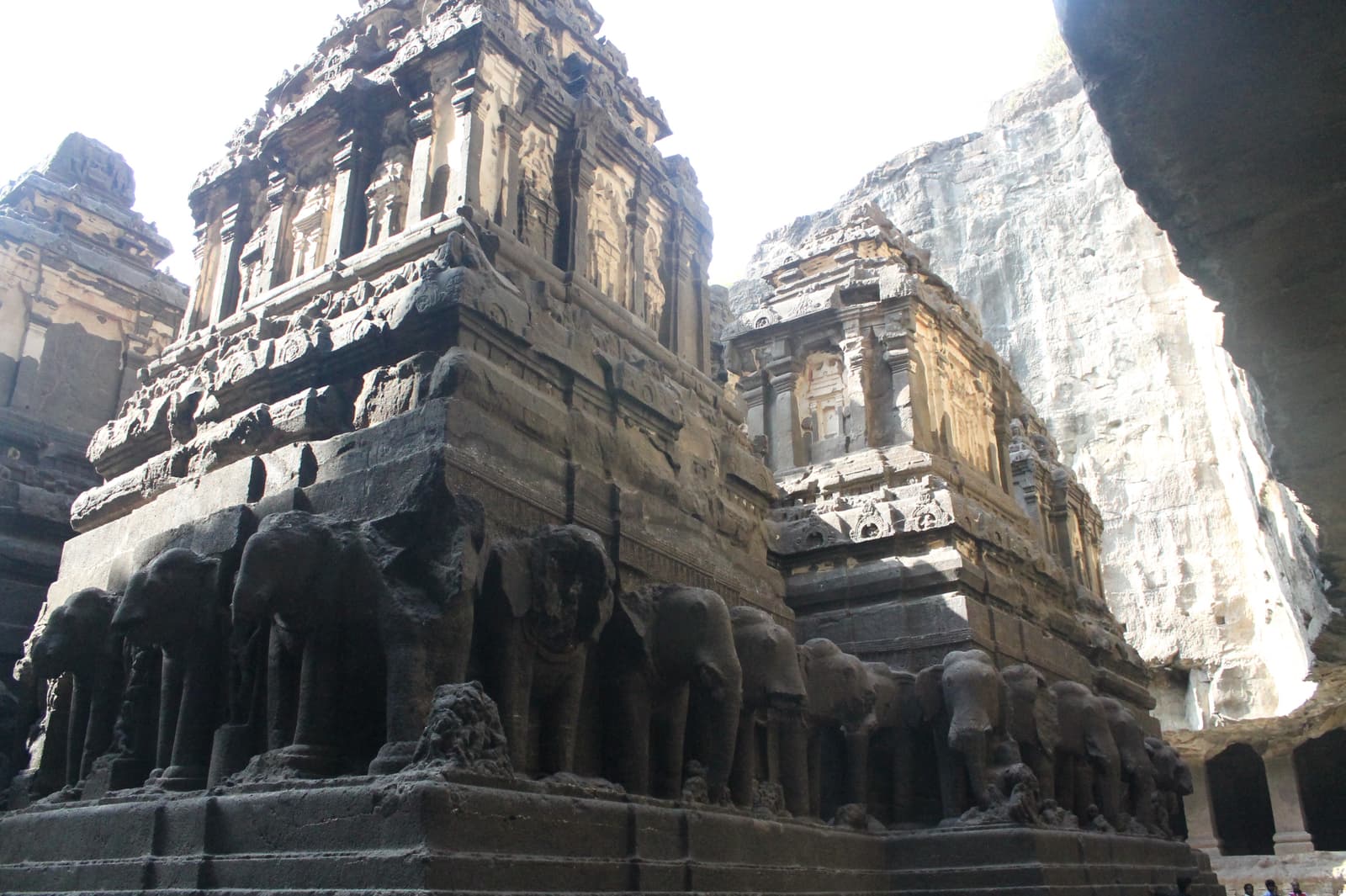
Kailasa Temple, Ellora
The world's largest monolithic rock-cut structure, carved top-down from a single basalt cliff.
Explore Temple
UNESCO 1987Cultural Heritage
Maharashtra
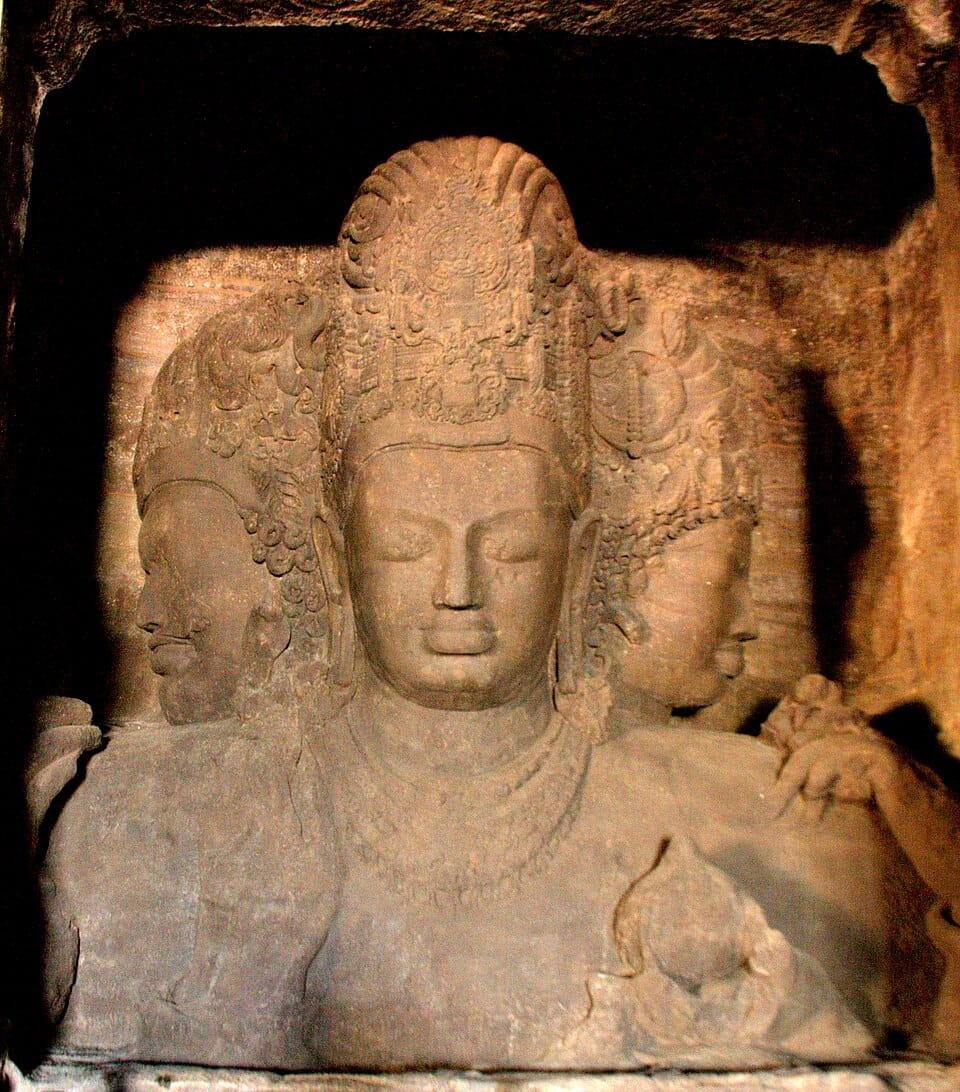
Elephanta Caves
A UNESCO World Heritage site on Elephanta Island, famed for the colossal 20-foot Trimurti sculpture…
Explore Temple
UNESCO 1986Cultural Heritage
Karnataka
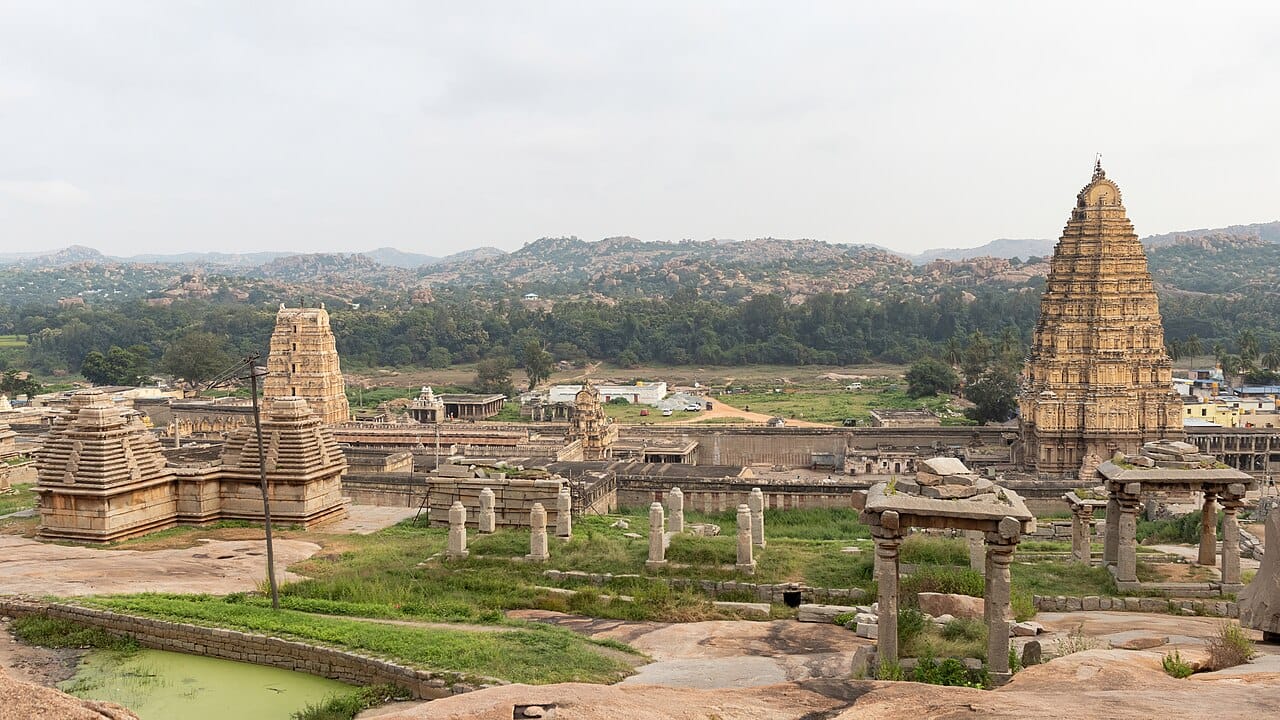
Hampi Group (Virupaksha Temple)
The Virupaksha Temple is the most iconic monument of Hampi, a UNESCO World Heritage site…
Explore Temple
UNESCO 1987Cultural Heritage
Karnataka
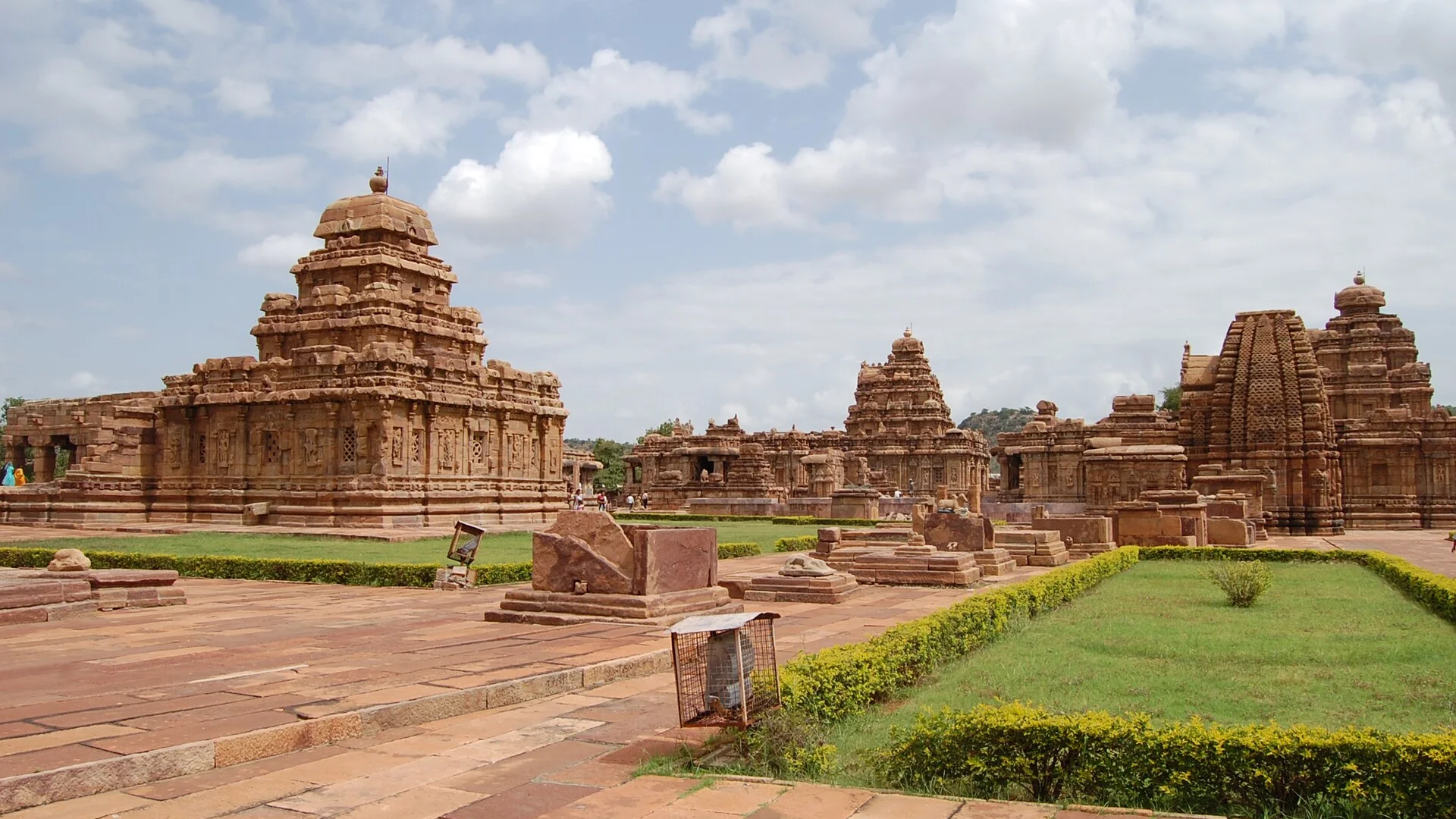
Monuments at Pattadakal
A UNESCO World Heritage site showcasing the unique blend of Nagara and Dravidian temple architecture…
Explore Temple
Famous Temples You May Like
UNESCO 1983Cultural Heritage
Maharashtra
Kailasa Temple, Ellora
The world's largest monolithic rock-cut structure, carved top-down from a single basalt cliff.
Explore Temple
UNESCO 1987Cultural Heritage
Maharashtra
Elephanta Caves
A UNESCO World Heritage site on Elephanta Island, famed for the colossal 20-foot Trimurti sculpture…
Explore Temple
Maharashtra
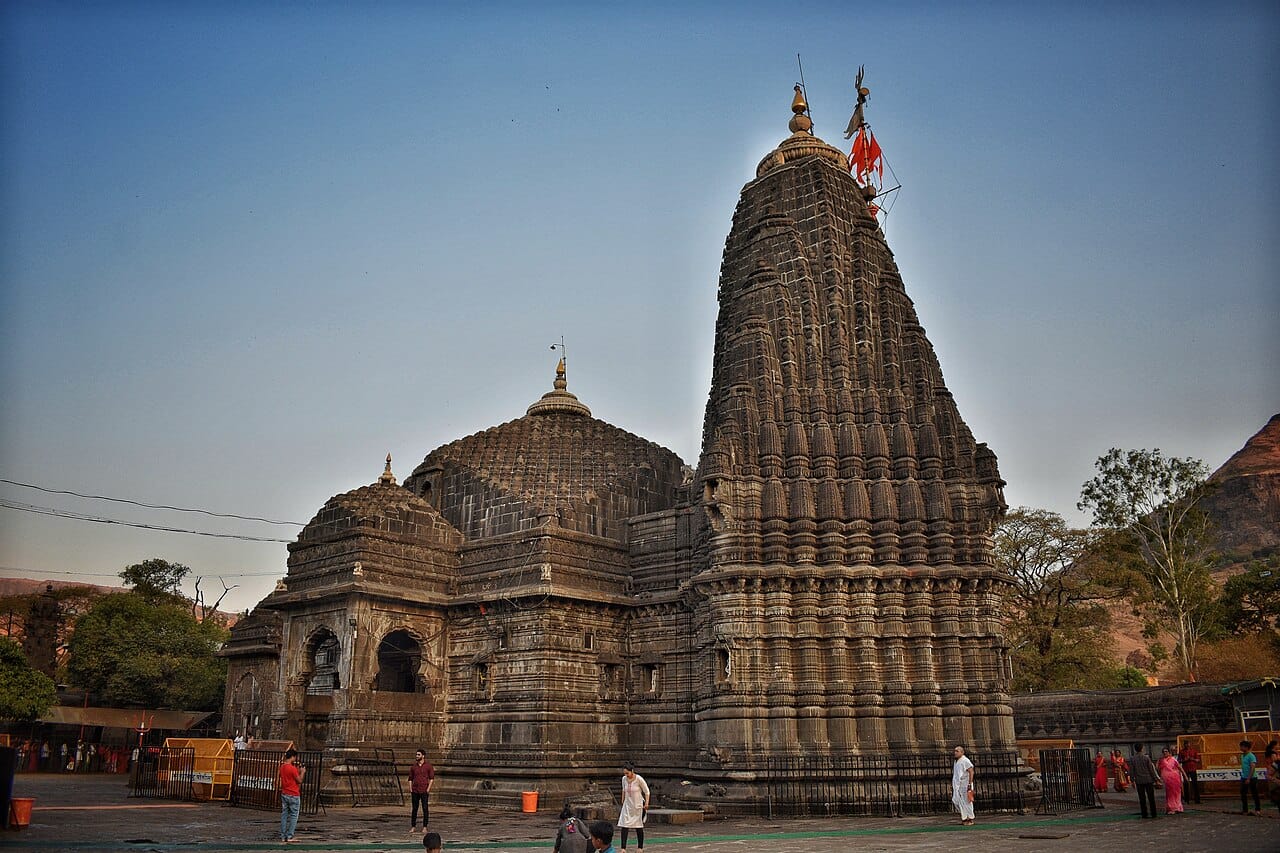
Trimbakeshwar Temple
The Trimbakeshwar Temple in Maharashtra is one of the twelve Jyotirlingas, unique for its three-faced…
Explore Temple
Maharashtra
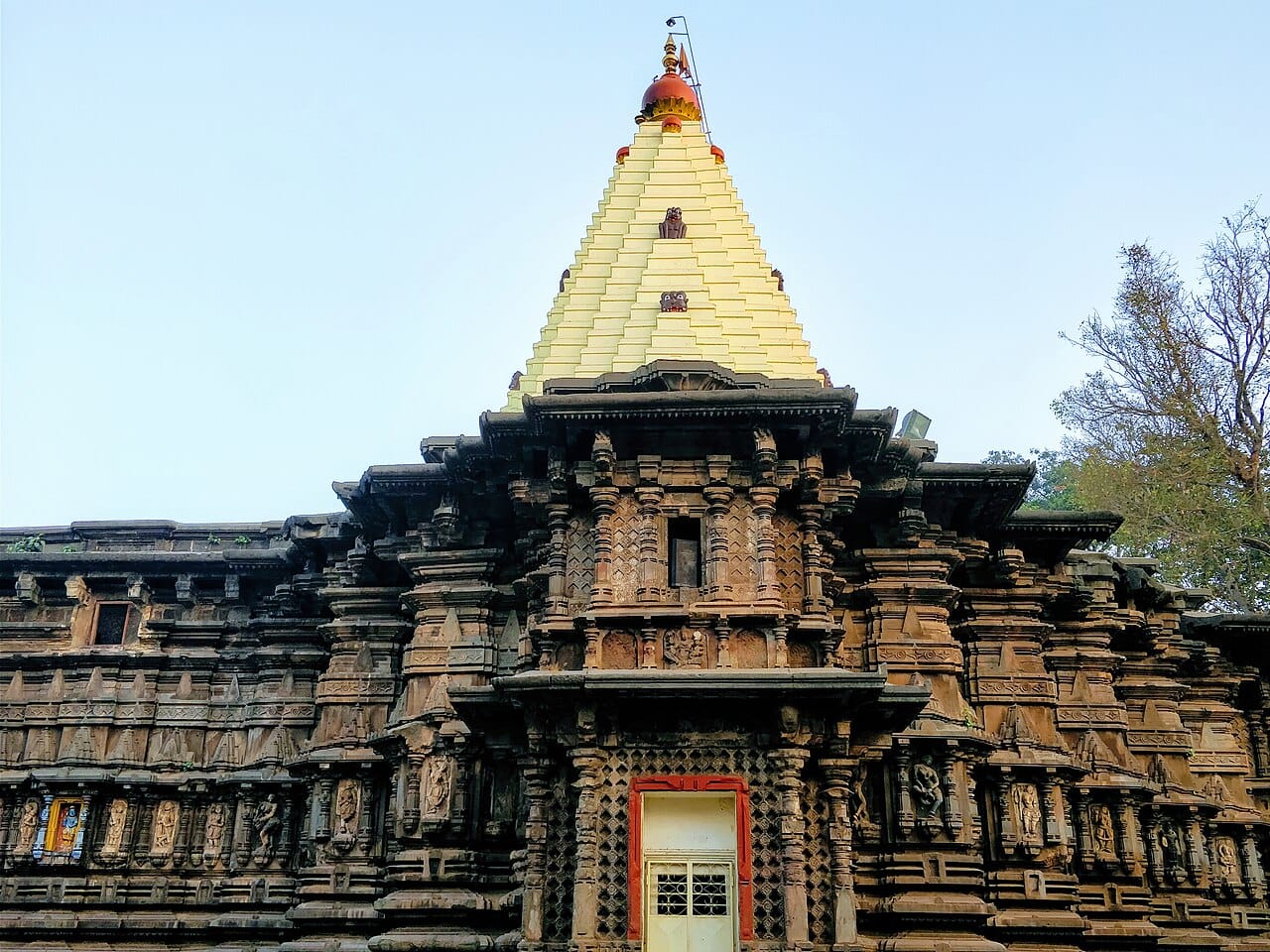
Mahalakshmi Temple
Mahalakshmi Temple in Kolhapur, also known as Ambabai Temple, is one of the 18 Maha…
Explore Temple
Explore More in Maharashtra
Maharashtra
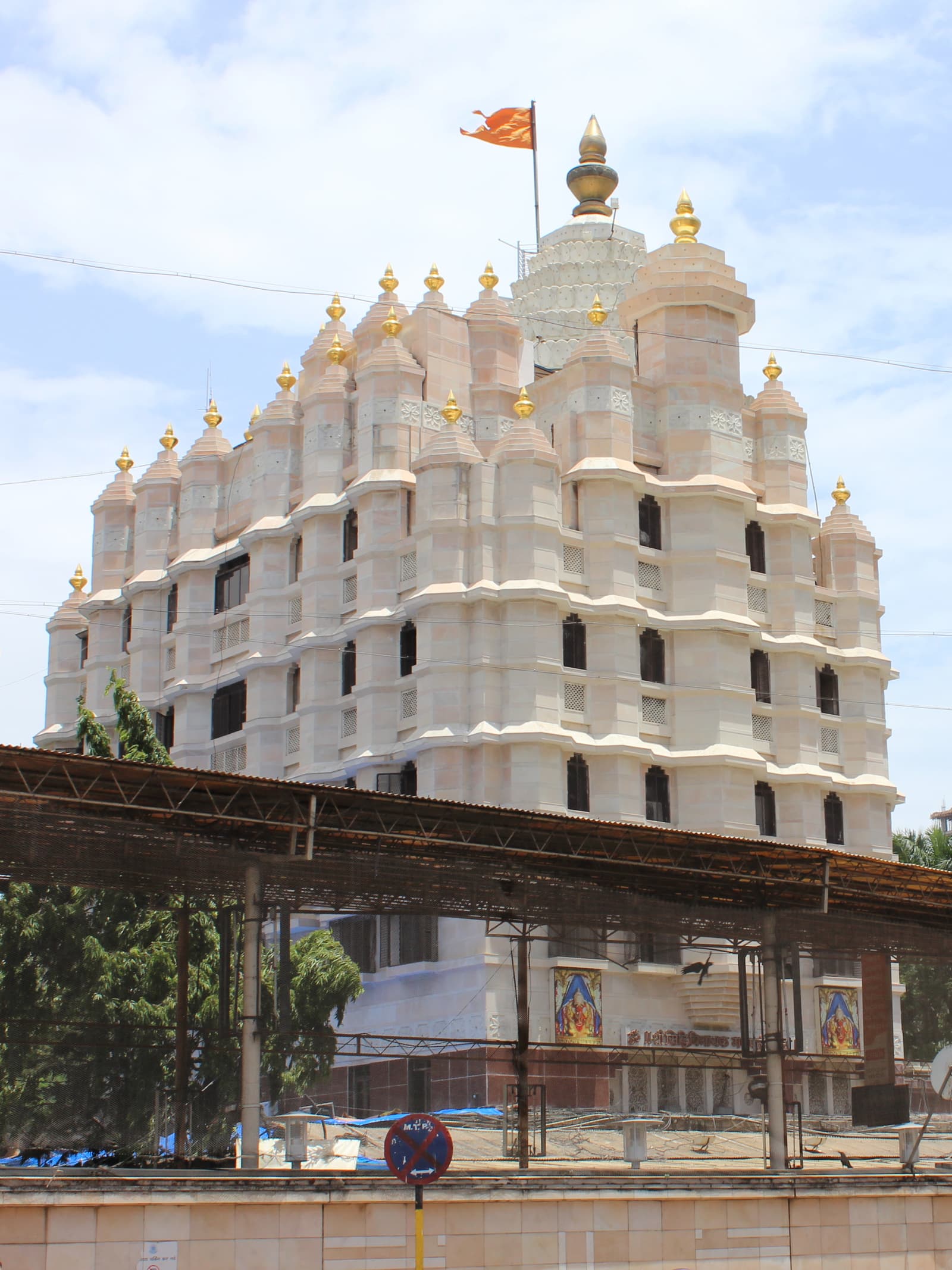
Shree Siddhivinayak Ganapati Temple, Mumbai
Mumbai's most famous temple and among the richest in India, dedicated to the wish-fulfilling form…
Explore Temple
Maharashtra
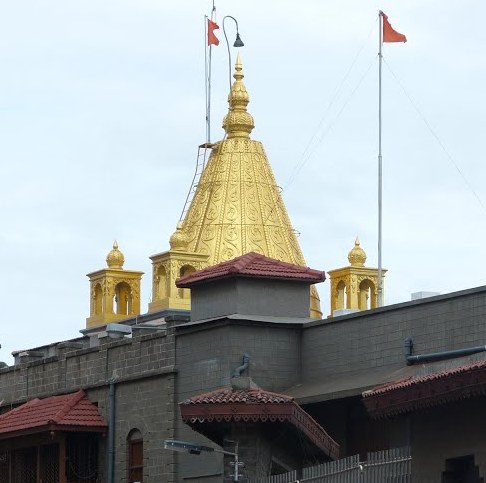
Shirdi Sai Baba Temple (Samadhi Mandir)
The holiest Sai Baba shrine where the saint lived and taught, with his Samadhi (tomb)…
Explore Temple
Maharashtra
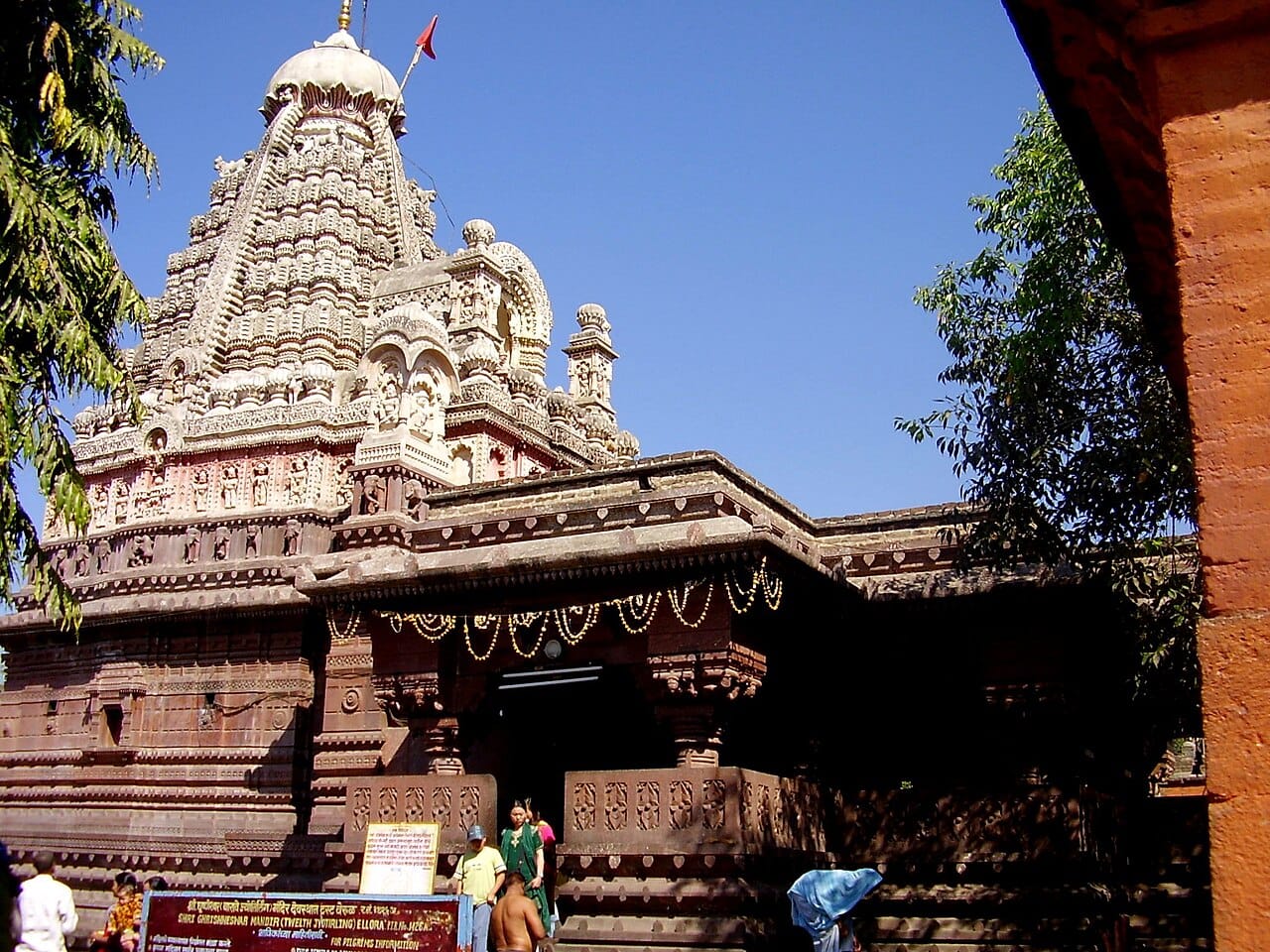
Grishneshwar Temple
The 12th and final Jyotirlinga, located just 1 km from the Ellora Caves.
Explore Temple
Maharashtra
Bhimashankar Jyotirlinga
The source of the Bhima River deep in the Sahyadri hills.
Explore Temple
Heritage Fact
"The Ellora Caves feature 34 monasteries and temples, including the massive monolithic Kailasa Temple."