Sacred HeritageUNESCO World Heritage Site
Elephanta Caves
Elephanta Island, Maharashtra
State:Maharashtra
District:Elephanta Island
Why This Temple Matters
UNESCO World Heritage Site — recognized for outstanding universal value
Key Takeaways
- Dedicated to Lord Shiva
- Rock-cut (Hindu) architecture
- Built by the Kalachuri / Rashtrakuta dynasty
- UNESCO World Heritage Site since 1987
- Located in Elephanta Island, Maharashtra
Quick Facts
- Deity
- Shiva
- Architecture
- Rock-cut (Hindu)
- Dynasty
- Kalachuri / Rashtrakuta
- Location
- Elephanta Island, Mumbai
- UNESCO Year
- Inscribed 1987
Overview
Rock-cut Temple in Mumbai Harbour
Elephanta Caves is a group of rock-cut monuments located on Elephanta Island in Mumbai Harbour. The site dates to approximately the 6th–7th century CE and contains some of the most important surviving examples of Shaivite sculpture in India.
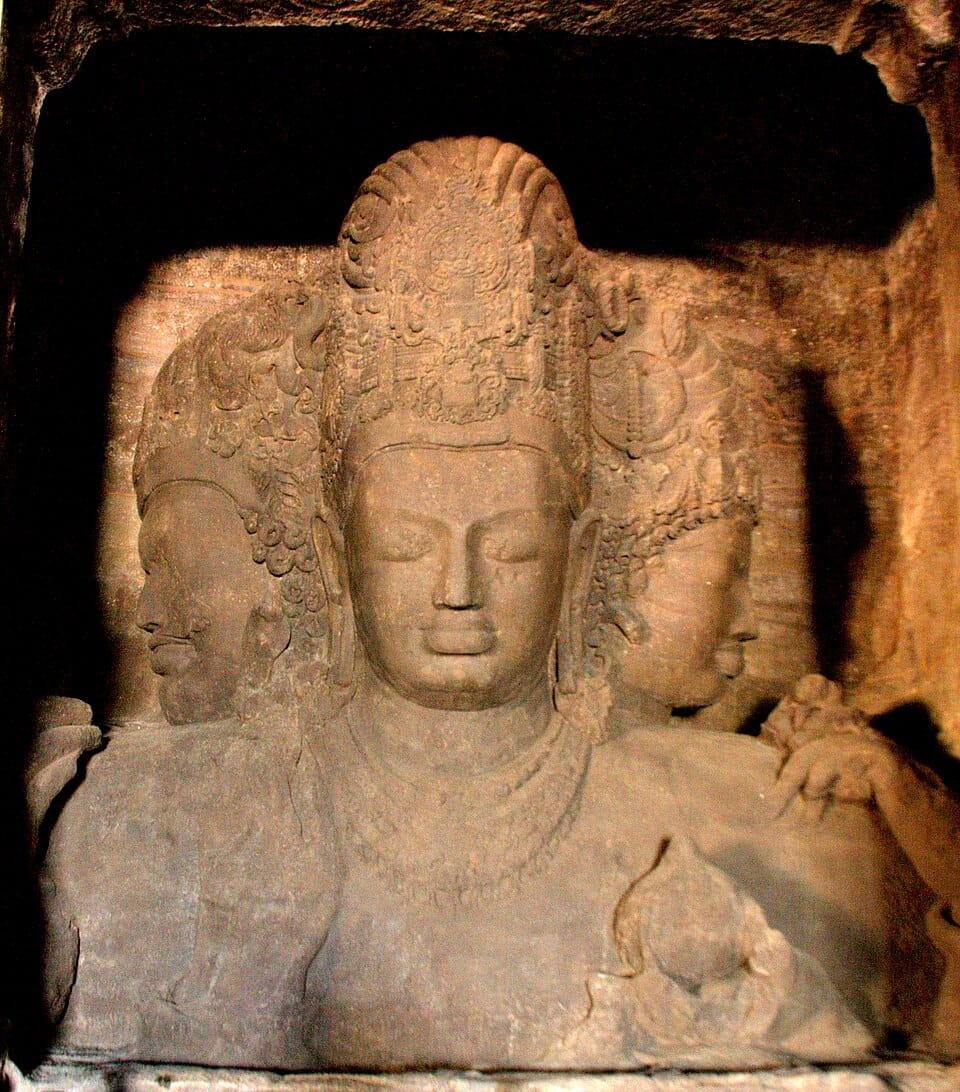
The complex consists of seven cave excavations, with the main cave (Cave 1) functioning as a Hindu temple dedicated to Shiva. The cave follows a hypostyle plan with 26 massive pillars cut from living basalt rock. The walls contain seven monumental relief panels depicting scenes from Shaiva mythology, the most celebrated being the 20-foot (6-metre) Trimurti — a three-headed bust of Shiva.
The site was inscribed as a UNESCO World Heritage site in 1987 under criteria (i) and (iii). It is protected by the Archaeological Survey of India and receives approximately 1,000 visitors daily during peak season. Access is exclusively by ferry from the Gateway of India, a journey of approximately one hour across Mumbai Harbour.
7 Caves
Main complex contains seven rock-cut caves. Cave 1 is the primary temple.
26 Pillars
Hypostyle plan with 26 basalt pillars supporting the cave roof.
7 Relief Panels
Monumental Shaiva panels including Trimurti, Nataraja, and Andhaka.
History
Kalachuri Origins and Colonial Damage
The Elephanta Caves were excavated between approximately 550 and 700 CE, during the rule of the Kalachuri dynasty of Maharashtra. Some scholars attribute portions of the work to early Rashtrakuta patronage. The exact chronology remains debated because the site contains no dedicatory inscriptions — unlike most major Indian cave temples.
The Portuguese named the island Ilha do Elefante (Elephant Island) in the 16th century after discovering a large stone elephant carved from basalt near the landing point. The statue was later moved to Mumbai and now stands in the Jijamata Udyaan (formerly Victoria Gardens) in Byculla.
During the Portuguese colonial period, the caves suffered significant damage. Soldiers used the sculptures for target practice, and several panels — including portions of the Trimurti — were deliberately defaced. The main cave was used for storage and as a makeshift stable. In 1909, the site was declared a protected monument under the Ancient Monuments Preservation Act, and systematic conservation by the Archaeological Survey of India began in the 1970s.
Timeline
550–700 CE
Caves excavated under Kalachuri dynasty
1534
Portuguese capture the island, rename it Ilha do Elefante
16th–17th c.
Portuguese soldiers damage sculptures using them for target practice
1909
Declared a protected monument under the Ancient Monuments Preservation Act
1970s
ASI begins systematic conservation and restoration
1987
Inscribed as a UNESCO World Heritage site
Architecture
Hypostyle Hall and Natural Lighting
The main cave (Cave 1) measures approximately 130 feet (40 metres) square. The interior is divided into a series of halls and courtyards by 26 massive pillars arranged in a grid. These pillars are cut from the living basalt rock, left in place as the surrounding stone was excavated. Each pillar is square at the base, rising to an octagonal shaft, and capped with a lotus-and-cushion capital.
The east-facing entrance opens into a pillared courtyard with six dvarapalas (door guardian figures) flanking the entrance. Beyond this lies a hypostyle hall with side chapels containing subsidiary shrines. The sanctum, containing a freestanding Shiva linga, is located at the rear centre of the cave and is open on all four sides, allowing circumambulation.
The architects incorporated a sophisticated natural lighting system. Openings in the cave walls allow sunlight to enter at specific angles, illuminating the Trimurti sculpture during certain times of the day. This use of directional light to enhance sculptural effect demonstrates advanced knowledge of the relationship between architecture and natural illumination.
Hypostyle Plan
26 pillars divide the interior into a grid of halls and courtyards, creating distinct ritual spaces within a single excavation.
Freestanding Sanctum
The Shiva linga sanctum is cut as a free-standing block open on all four sides, allowing pradakshina (circumambulation).
Natural Lighting
Directional openings channel sunlight onto key sculptures, with the Trimurti illuminated at specific times of day.
Monolithic Excavation
The entire cave was carved from top to bottom out of a single basalt hill, with no external stone added.
Trimurti Sculpture
The 20-Foot Three-Headed Shiva
The Trimurti is a 20-foot-high (6-metre) bust of Shiva carved from the living rock of the cave wall. The sculpture depicts three faces emerging from a single neck and shoulders, each representing a different aspect of the deity. The central face is serene and meditative (Tatpurusha — the preserver). The right face is fierce and masculine with a moustache and tusks (Aghora/Bhairava — the destroyer). The left face is gentle and feminine with full lips and a subtle smile (Vamadeva/Uma — the creative, feminine aspect).
The heads wear elaborate matted hair crowns (jatamukuta), each rendered with distinct ornamentation. The central crown features a human skull and crescent moon — attributes of Shiva as Chandrashekhara (moon-crested lord). The shoulders are draped with a sacred thread (yajnopavita) and adorned with snake ornaments.
The Trimurti is not a depiction of the Hindu trinity (Brahma, Vishnu, Shiva) as is sometimes misrepresented. It is a specifically Shaiva icon representing the threefold manifestation of Shiva as creator, preserver, and destroyer — a concept articulated in the Shaiva Agamas. The sculpture is considered the finest surviving example of Indian rock-cut sculpture and has been compared favourably with the Buddha statues of Bamiyan in terms of artistic achievement.
Three Faces of Shiva
Right Face
Aghora / Bhairava
Destroyer
Fierce expression, tusks, moustache, wrathful eyes
Centre Face
Tatpurusha / Maheshamurti
Preserver
Serene, meditative, closed eyes, peaceful
Left Face
Vamadeva / Uma
Creator (Feminine)
Gentle lips, subtle smile, full cheek, graceful
Other Shaiva Panels
The Seven Relief Panels
Beyond the Trimurti, the cave contains six other major relief panels (for a total of seven) that form a narrative cycle of Shaiva mythology. These are carved into recesses on the north, east, and south walls of the cave.
The panels include: Nataraja (Shiva as the cosmic dancer), Andhaka (Shiva slaying the demon Andhaka), Kalyanasundara (Shiva's marriage to Parvati), Gangadhara (Shiva receiving the descent of the Ganges), Ardhanarishvara (the androgynous form of Shiva-Parvati), and Ravana (Ravana shaking Mount Kailash). Each panel measures approximately 3–4 metres in height and is executed in the same monumental, dynamic style.
The Nataraja panel is particularly significant as one of the earliest known depictions of Shiva as the cosmic dancer, predating the Chola bronze Natarajas by several centuries. The Kalyanasundara panel shows Parvati's hand being offered to Shiva by Brahma, with Vishnu holding the water pot — a rare complete representation of the wedding ceremony.
UNESCO World Heritage
Why Elephanta Is a World Heritage Site
The Elephanta Caves were inscribed as a UNESCO World Heritage site in 1987 under cultural criteria (i) and (iii). Criterion (i) recognises the caves as "a masterpiece of human creative genius" — specifically citing the Trimurti as "one of the most impressive works of art in Asia." Criterion (iii) recognises the caves as "a unique testimony to a cultural tradition" — the tradition of Shaiva cave-temple architecture in western India.
The UNESCO designation highlights three aspects of the site's significance: the technical achievement of excavating a large cave temple from solid basalt; the artistic quality of the sculptures; and the site's role in the development of Hindu rock-cut architecture. The Elephanta Caves belong to a group of western Indian rock-cut sites that includes Ajanta, Ellora, and the Kanheri Caves — together representing the most extensive concentration of rock-cut architecture in the world.
The site is protected under Indian law through the Ancient Monuments and Archaeological Sites and Remains Act (1958). The Archaeological Survey of India manages conservation, visitor access, and site maintenance. A buffer zone around the island regulates development to preserve the visual integrity of the site.
Visitor Guide
Planning Your Visit
Timings
Caves open 9:00 AM to 5:30 PM. Closed on Mondays. Ferry services from Gateway of India operate from 9:00 AM to 2:00 PM. Last return ferry at 5:00 PM.
Best Time
November to March offers calm seas and pleasant temperatures. Avoid monsoon (June to September) when ferry services are suspended. Weekdays are less crowded than weekends.
How to Reach
By Ferry
Ferries depart from Gateway of India, Mumbai. Journey takes approximately 1 hour. Return ferries run until 5:00 PM. Government and private operators available.
By Train
The nearest railway station is Chhatrapati Shivaji Maharaj Terminus (CSMT) in Mumbai. From CSMT, local trains or taxis reach the Gateway of India ferry point.
By Air
Chhatrapati Shivaji Maharaj International Airport (BOM) in Mumbai is 20 km from the Gateway of India. Taxis and ride-sharing services are available from the airport.
Frequently Asked Questions
What is the Trimurti at Elephanta?
A.
A 20-foot-high, three-headed bust of Shiva carved from living rock. The three faces represent the preserving (centre), destroying (right), and creating (left) aspects of Shiva. It is not a depiction of Brahma, Vishnu, and Shiva.
How do I reach Elephanta Caves?
A.
Ferries operate daily from the Gateway of India in Mumbai from 9:00 AM to 2:00 PM. The journey takes approximately one hour. Last return ferry from the island is at 5:00 PM. The caves are closed on Mondays.
Who built the Elephanta Caves?
A.
Attributed to the Kalachuri dynasty (6th–7th century CE), with some scholars suggesting early Rashtrakuta contributions. No dedicatory inscription survives, so the exact patronage remains uncertain.
Why is it called Elephanta?
A.
Portuguese explorers named the island Ilha do Elefante in the 16th century after discovering a large basalt elephant statue near the landing point. The statue now stands in Jijamata Udyaan in Mumbai.
How many caves are there?
A.
Seven caves in total. The main cave (Cave 1) is the largest and most significant. The others are smaller, incomplete, or damaged. Only Cave 1 is open to the public.
Is the Trimurti damaged?
A.
Yes. Portuguese soldiers used the sculptures for target practice in the 16th century, damaging the right face and chest of the Trimurti. The face also suffered from iconoclastic damage during earlier periods.
What other sculptures are in the cave?
A.
Six other major relief panels depict Shaiva themes: Nataraja (cosmic dancer), Andhaka (slaying the demon), Kalyanasundara (wedding to Parvati), Gangadhara (Ganges descent), Ardhanarishvara (androgynous form), and Ravana (shaking Mount Kailash).
Can I take photographs inside?
A.
Photography is permitted but without flash or tripods. Video cameras are not allowed inside the main cave without prior permission from the Archaeological Survey of India.
Answers are based on verified information. Site rules may change — verify locally before visiting.
Did You Know?
- The Elephanta caves are named after a large stone elephant sculpture that originally stood at the landing point — the island was called Gharapuri before the Portuguese renamed it Elephanta in the 16th century.
- The 20-foot Trimurti sculpture is not Brahma-Vishnu-Shiva as commonly believed — all three faces represent different aspects of the same deity, Shiva: the creator (left), preserver (center), and destroyer (right).
- The entire cave complex was carved from solid basalt rock using only iron chisels and hammers — an estimated 15,000 man-hours of labor over several decades.
- The main cave (Cave 1) measures 39 meters square and is supported by 36 massive pillars, each carved from the living rock without any masonry.
- Portuguese cannon fire in the 17th century damaged several sculptures, including the original elephant statue that gave the island its name.
Sources & References
Ministry of Tourism, Government of India
"Ministry of Tourism — official destination information"
View SourceLinks Last Checked
2026-07-03
Related Temples
Same Deity
Bateshwar Temples Agra
A complex of 101 Shiva temples built on the banks of Yamuna, representing a significant…
Shiv Mandir
A popular local shrine dedicated to Lord Shiva, serving as a peaceful sanctuary for residents…
Peer Kho Cave Temple
A cave temple on the Tawi banks where legend says Jamvant meditated; it is one…
Bhoramdeo Temple
Commonly known as the 'Khajuraho of Chhattisgarh,' this 11th-century architectural masterpiece is famous for its…
Kailasa Temple, Ellora
The world's largest monolithic rock-cut structure, carved top-down from a single basalt cliff.
Khajuraho Group of Monuments
The largest and most ornate Hindu temple in the Khajuraho Group of Monuments.
Same State
Trimbakeshwar Temple
The Trimbakeshwar Temple in Maharashtra is one of the twelve Jyotirlingas, unique for its three-faced…
Mahalakshmi Temple
Mahalakshmi Temple in Kolhapur, also known as Ambabai Temple, is one of the 18 Maha…
Shree Siddhivinayak Ganapati Temple, Mumbai
Mumbai's most famous temple and among the richest in India, dedicated to the wish-fulfilling form…
Shirdi Sai Baba Temple (Samadhi Mandir)
The holiest Sai Baba shrine where the saint lived and taught, with his Samadhi (tomb)…
Grishneshwar Temple
The 12th and final Jyotirlinga, located just 1 km from the Ellora Caves.
Bhimashankar Jyotirlinga
The source of the Bhima River deep in the Sahyadri hills.
UNESCO Sites
Virupaksha Temple
The Virupaksha Temple in Hampi, Karnataka, is a UNESCO World Heritage Site and the oldest…
Airavatesvara Temple
The Airavatesvara Temple at Darasuram, built by Rajaraja Chola II between 1146 and 1172 CE…
Gangaikonda Cholapuram Temple
The Gangaikonda Cholapuram Temple, built by Rajendra Chola I in 1035 CE, is a UNESCO…
Konark Sun Temple
A 13th-century colossal stone chariot of the Sun God Surya, the Konark Sun Temple is…
Brihadeeswarar Temple
The Brihadeeswarar Temple in Thanjavur, built by Raja Raja Chola I in the 11th century…
Kailasa Temple, Ellora
The world's largest monolithic rock-cut structure, carved top-down from a single basalt cliff.
Same Tradition
Tarakeshwar Temple Hooghly
1729 CE Atchala-style Shiva sanctuary founded by Raja Bharamalla in Hooghly district, famous for its…
Virupaksha Temple
The Virupaksha Temple in Hampi, Karnataka, is a UNESCO World Heritage Site and the oldest…
Jageshwar Temple
A cluster of 124 ancient stone temples from the 7th-12th centuries, situated in a dense…
Neelkanth Mahadev Temple
Situated at 1,330 meters, this is where Lord Shiva is believed to have consumed the…
Tungnath Temple
The highest Shiva temple in the world, situated at 3,680 meters on the Chandranath Parbat…
Rudranath Temple
One of the Panch Kedar shrines, representing Lord Shiva's face, situated at an altitude of…
Visiting as an International Traveller
Fact CheckedEditorial ReviewVerified 2026-07-03
Entry Status
Foreign Visitors
AllowedAll visitors welcome. Elephanta Caves is a UNESCO World Heritage site open to all nationalities.
Visitor Information
Entry policies are set by each site — confirm before travelling.
Entry rules for international visitorsWho can enter, permits, and what to expect at the gate.Dress Code
Modest clothing is expected — a sign of respect, not a restriction.
Shoulders covered
Knees covered
Shoes removed before entry
Head covering (women)
Rain gear available
Warm layers (winter)
Photography Guide
Outside
Inside
Flash
Drone
Tripod
Commercial
Best Time to Visit
November to March offers calm seas and pleasant temperatures. Avoid monsoon (June to September) when ferry services are suspended. Weekdays are less crowded than weekends.
Language & Communication
Common local languages: Marathi, Hindi, English
English spokenGovernment-approved guides available at the ferry terminal on the island
Accessibility
Wheelchair: Limited. The cave involves a steep climb of approximately 120 steps.
Understanding Temple Traditions
These short explanations help make sense of what you see and experience.
Tips for International Visitors
Temple vocabulary and ritualsDarshan, pradakshina, prasadam, aarti, hundi and mandapa.Currency, donations and queuesCash, UPI, donation etiquette and how long entry queues take.Photography etiquetteSignage, flash, selfie sticks and photographing other visitors.Festival crowds and safetyAdvance booking, road closures, belongings and offline maps.
Essential Contacts
Police / Ambulance / Fire: 112 (National Emergency Number)
Tourist Helpline: 1800-111-363 (Multi-lingual, Ministry of Tourism)
Women's Helpline: 1091
Official Temple WebsiteState Tourism WebsiteTravel Preparation Checklist
Packing Checklist for Elephanta Caves
Continue Reading
Verified 2026-07-03Sources: UNESCO World Heritage Centre, Archaeological Survey of India, Maharashtra Tourism Development Corporation, Elephanta: The Cave Temple by S. Settar (1991), Mumbai City Museum Archives
Rules change — confirm current policies with the site's authority before you travel.
By Naveen singh negi
Updated: 2026-07-03
Last reviewed: 2026-07-03
Fact-checked
Editorial review
Sources: UNESCO World Heritage Centre, Archaeological Survey of India, Maharashtra Tourism Development Corporation, Elephanta: The Cave Temple by S. Settar (1991), Mumbai City Museum Archives
Related:Maharashtra TemplesLord ShivaRock-cut (Hindu)Kalachuri / RashtrakutaUNESCO HeritageMethodology
UNESCO Site 1987
Maharashtra
Kalachuri / Rashtrakuta
UNESCO Site
Explore More Sacred & Heritage Sites
Related heritage monuments, regional traditions, and pilgrimage connections.
UNESCO Temple Heritage Sites
UNESCO 1983Cultural Heritage
Maharashtra
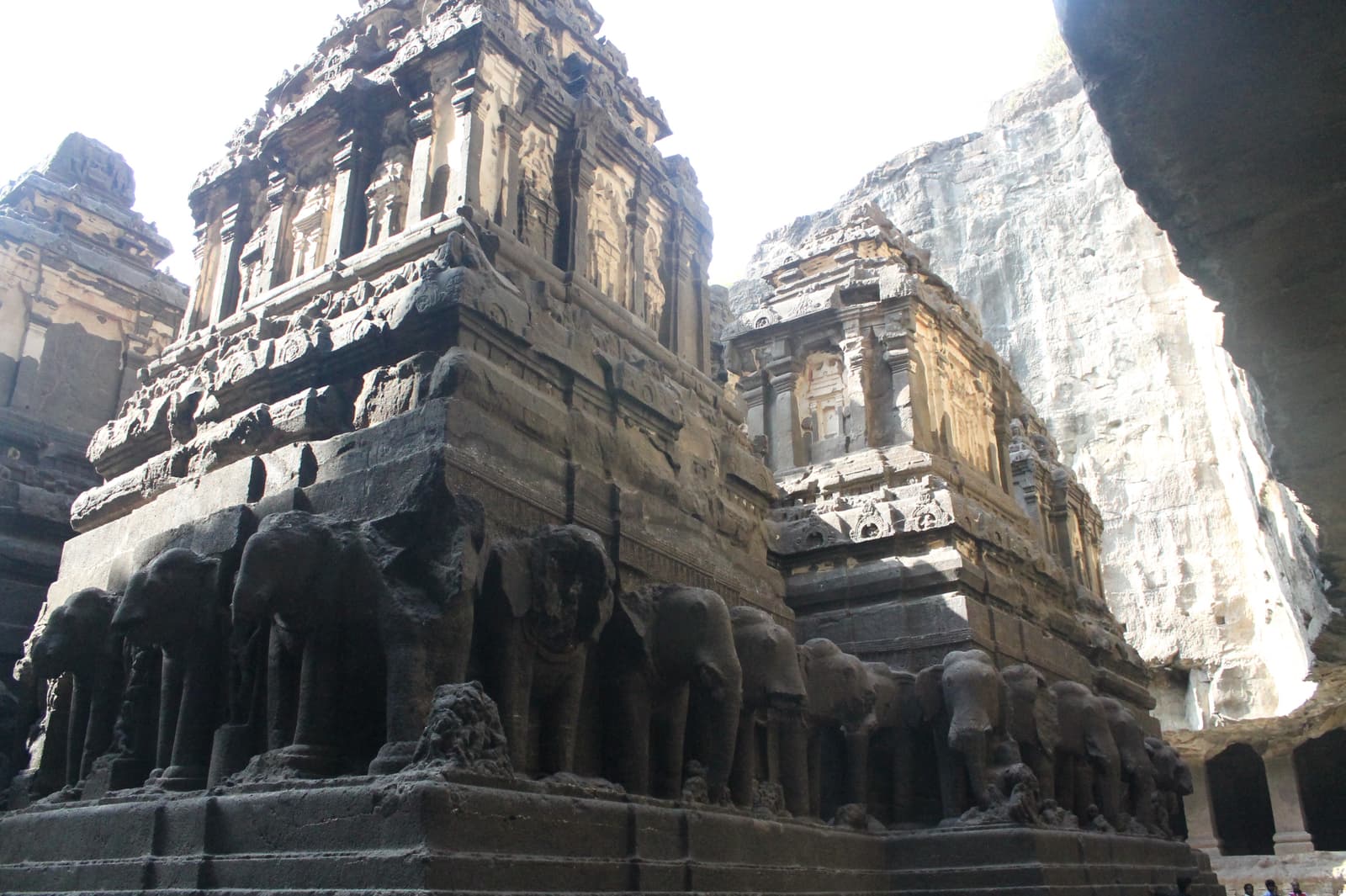
Kailasa Temple, Ellora
The world's largest monolithic rock-cut structure, carved top-down from a single basalt cliff.
Explore Temple
UNESCO 1983Cultural Heritage
Maharashtra
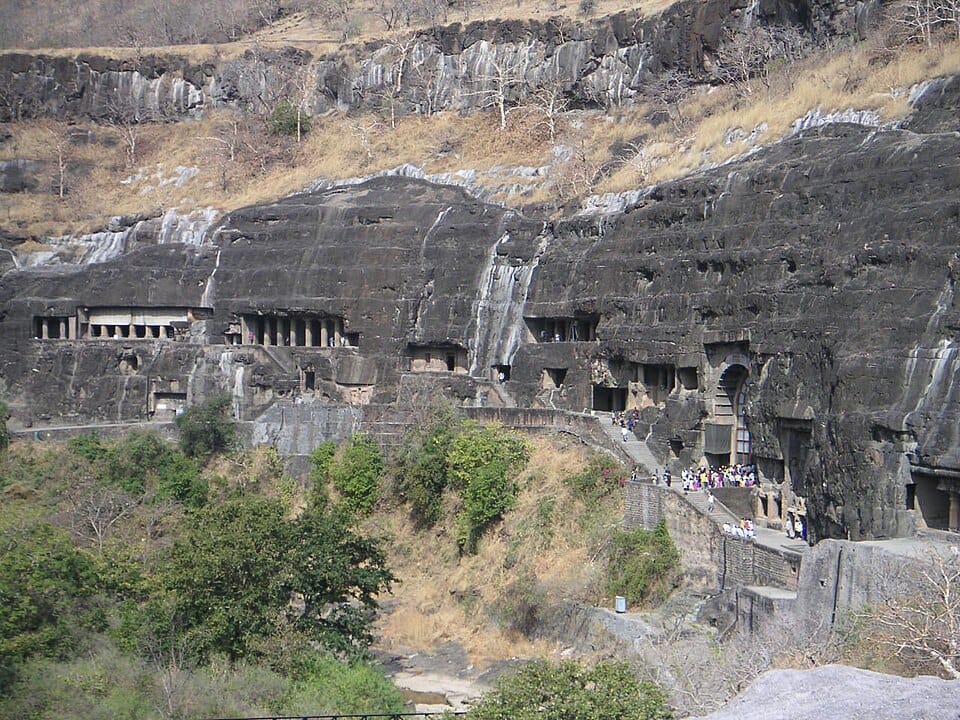
Ajanta Cave Temples
A UNESCO World Heritage site with 30 rock-cut Buddhist caves famous for ancient mural paintings…
Explore Temple
UNESCO 1986Cultural Heritage
Karnataka
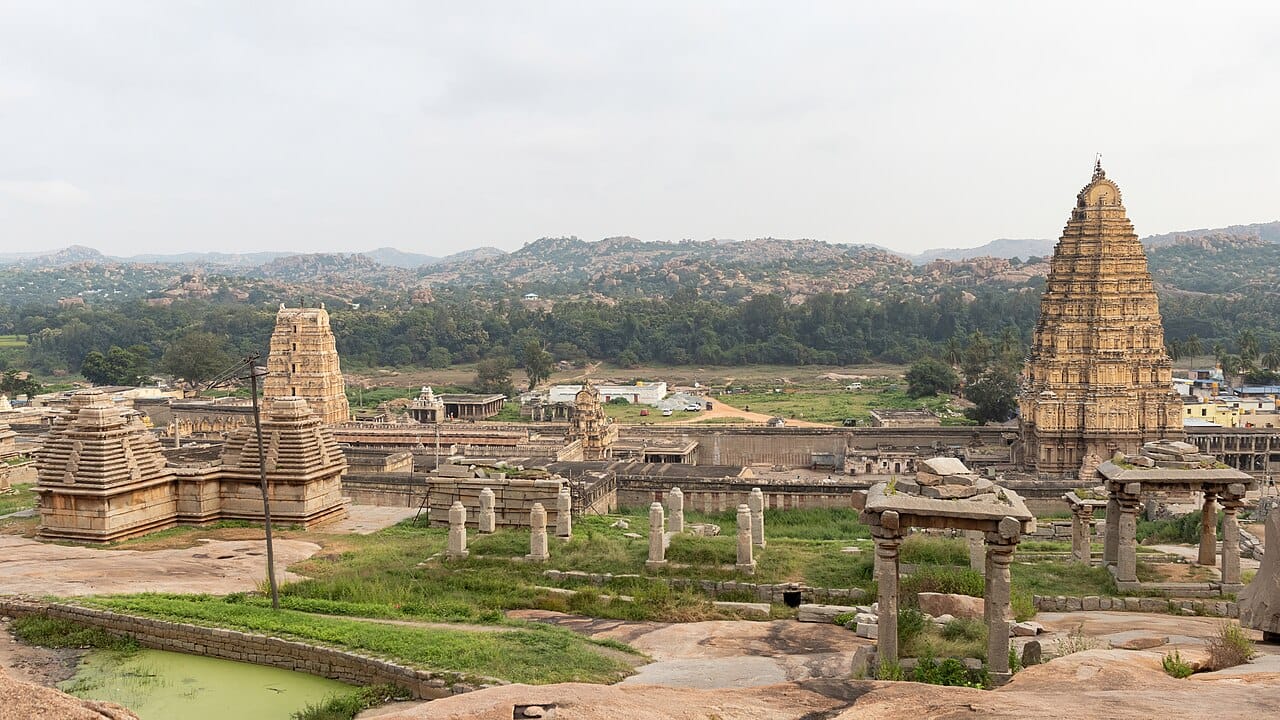
Hampi Group (Virupaksha Temple)
The Virupaksha Temple is the most iconic monument of Hampi, a UNESCO World Heritage site…
Explore Temple
UNESCO 1987Cultural Heritage
Karnataka
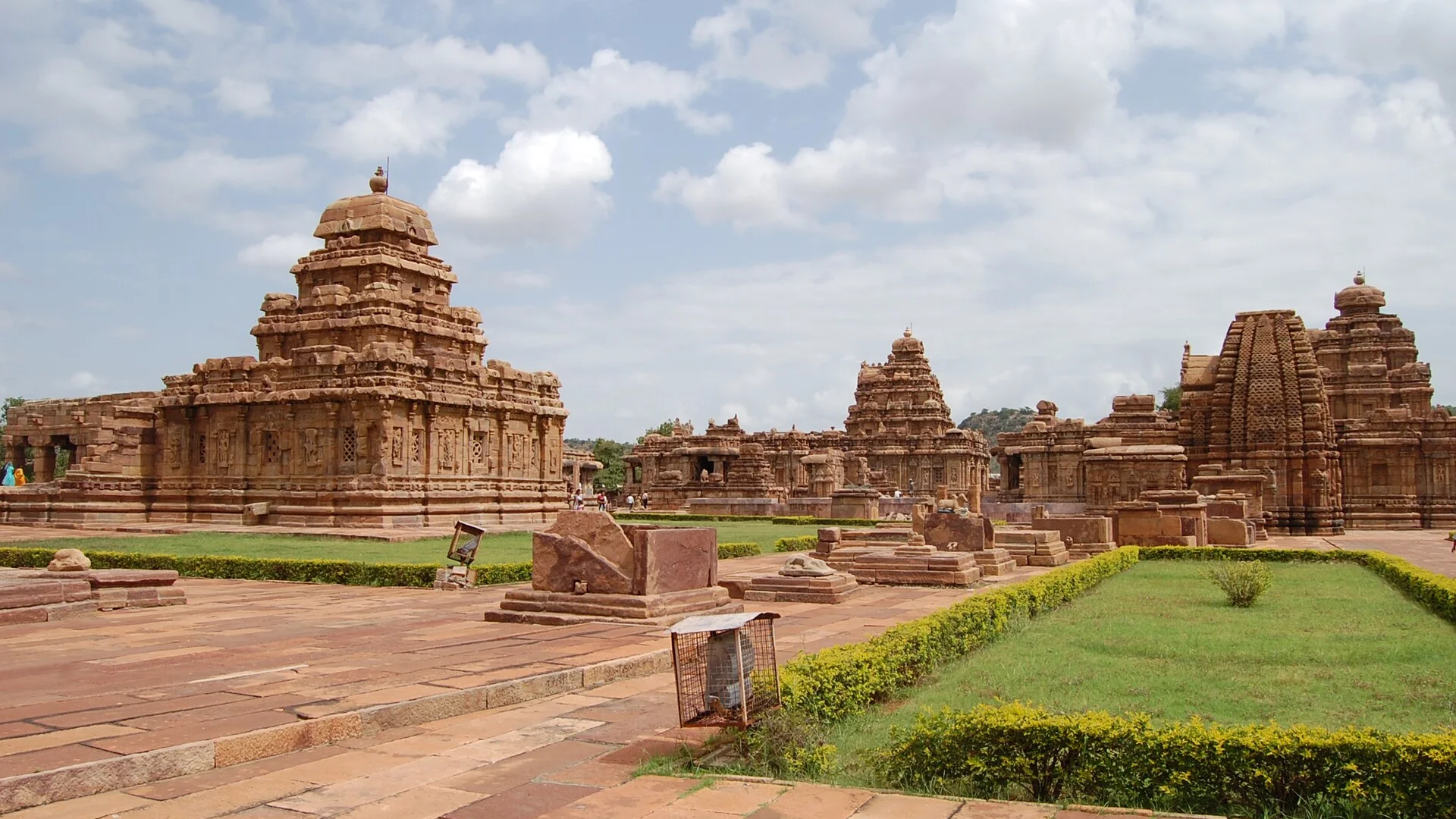
Monuments at Pattadakal
A UNESCO World Heritage site showcasing the unique blend of Nagara and Dravidian temple architecture…
Explore Temple
Famous Temples You May Like
UNESCO 1983Cultural Heritage
Maharashtra
Kailasa Temple, Ellora
The world's largest monolithic rock-cut structure, carved top-down from a single basalt cliff.
Explore Temple
UNESCO 1983Cultural Heritage
Maharashtra
Ajanta Cave Temples
A UNESCO World Heritage site with 30 rock-cut Buddhist caves famous for ancient mural paintings…
Explore Temple
Maharashtra
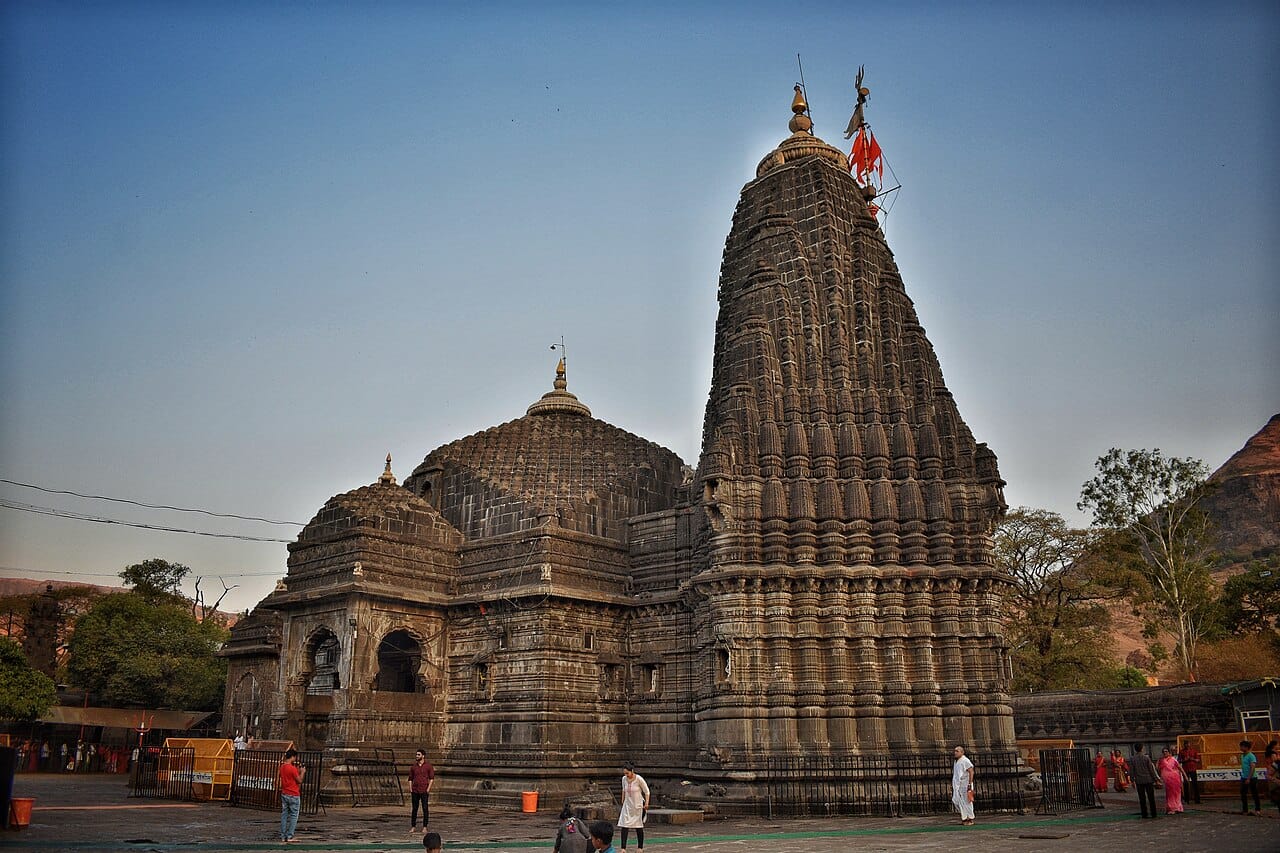
Trimbakeshwar Temple
The Trimbakeshwar Temple in Maharashtra is one of the twelve Jyotirlingas, unique for its three-faced…
Explore Temple
Maharashtra
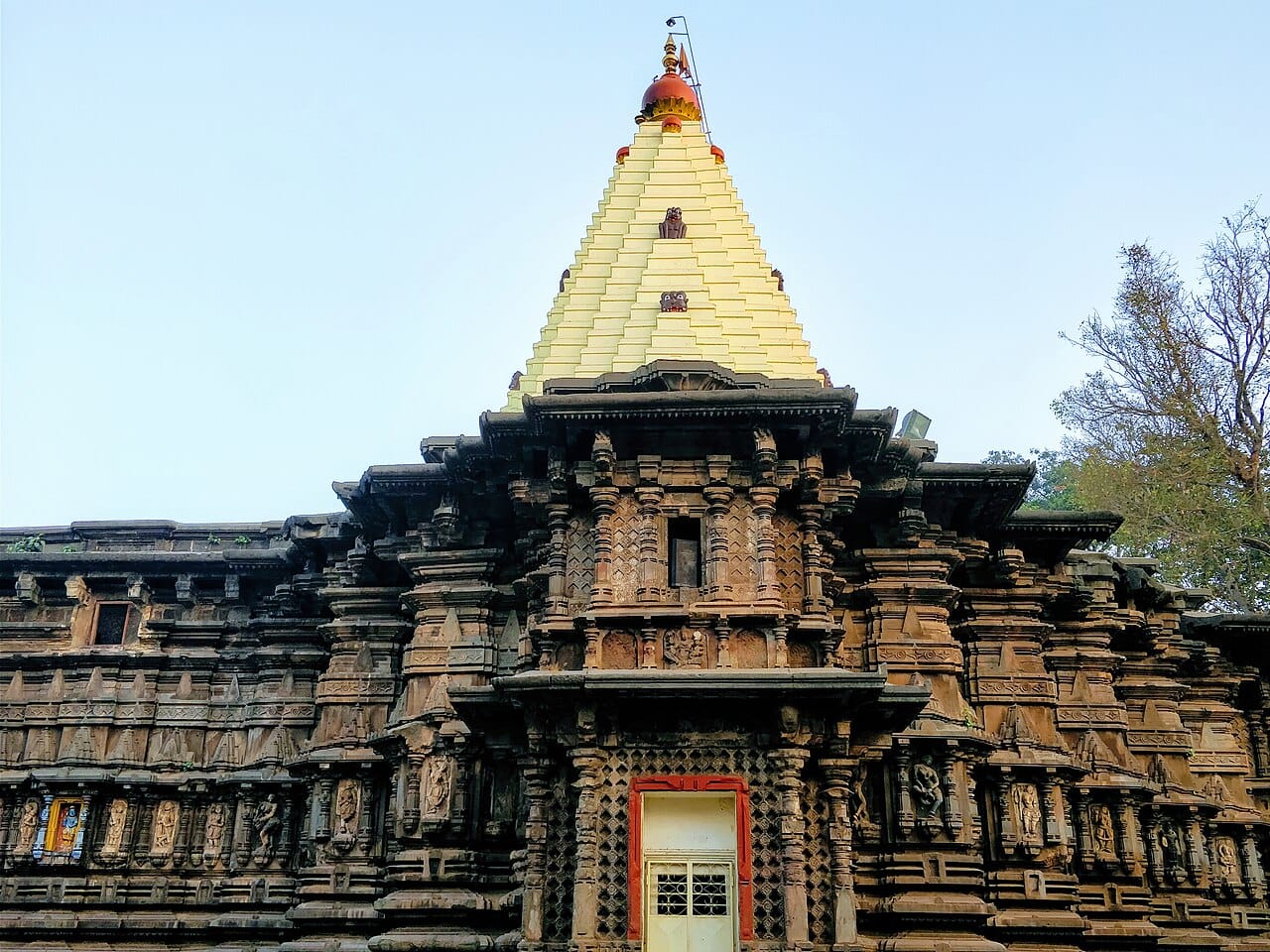
Mahalakshmi Temple
Mahalakshmi Temple in Kolhapur, also known as Ambabai Temple, is one of the 18 Maha…
Explore Temple
Explore More in Maharashtra
Maharashtra
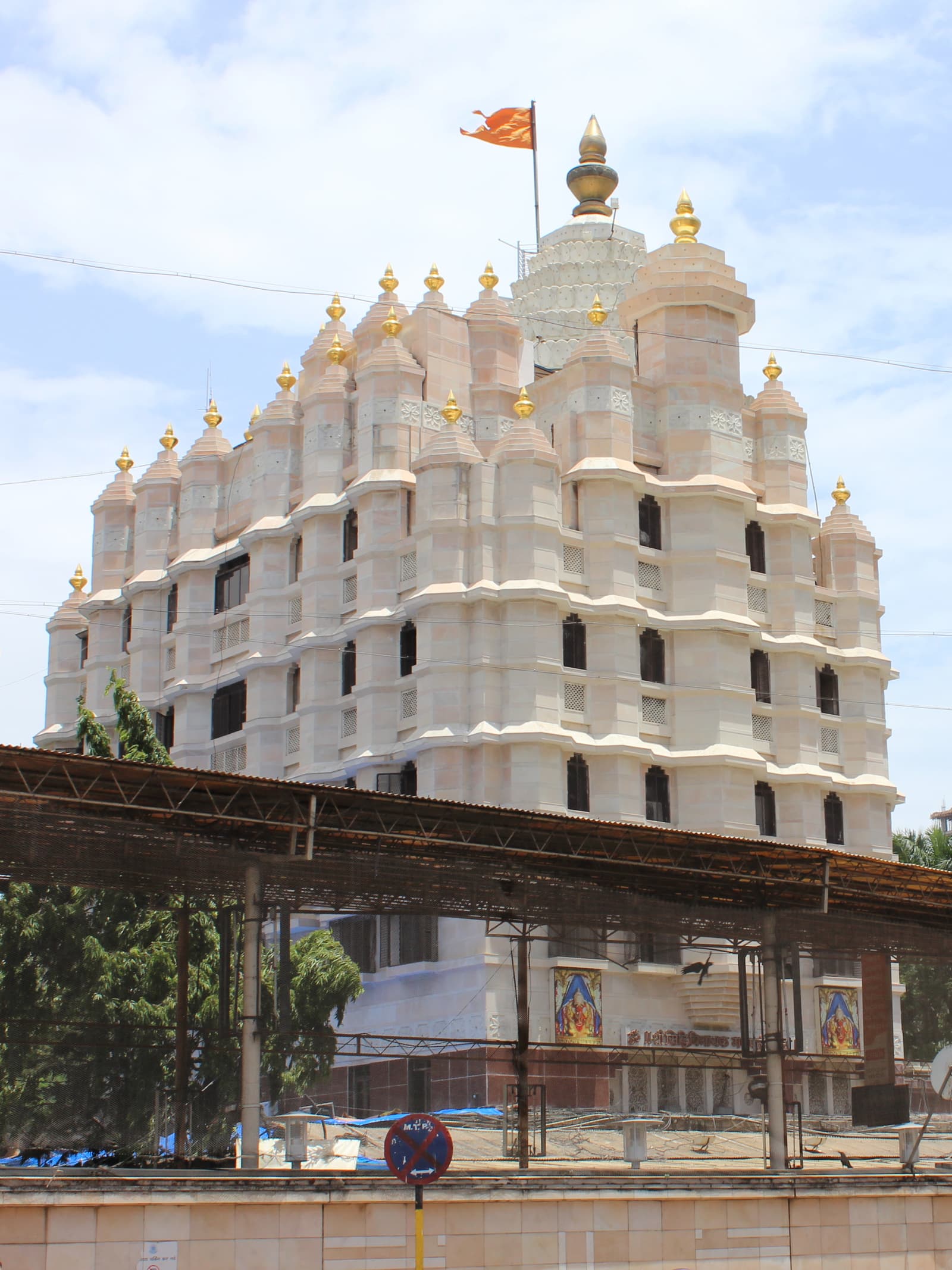
Shree Siddhivinayak Ganapati Temple, Mumbai
Mumbai's most famous temple and among the richest in India, dedicated to the wish-fulfilling form…
Explore Temple
Maharashtra
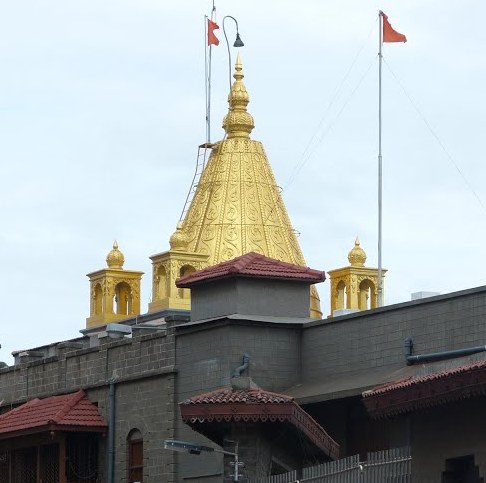
Shirdi Sai Baba Temple (Samadhi Mandir)
The holiest Sai Baba shrine where the saint lived and taught, with his Samadhi (tomb)…
Explore Temple
Maharashtra
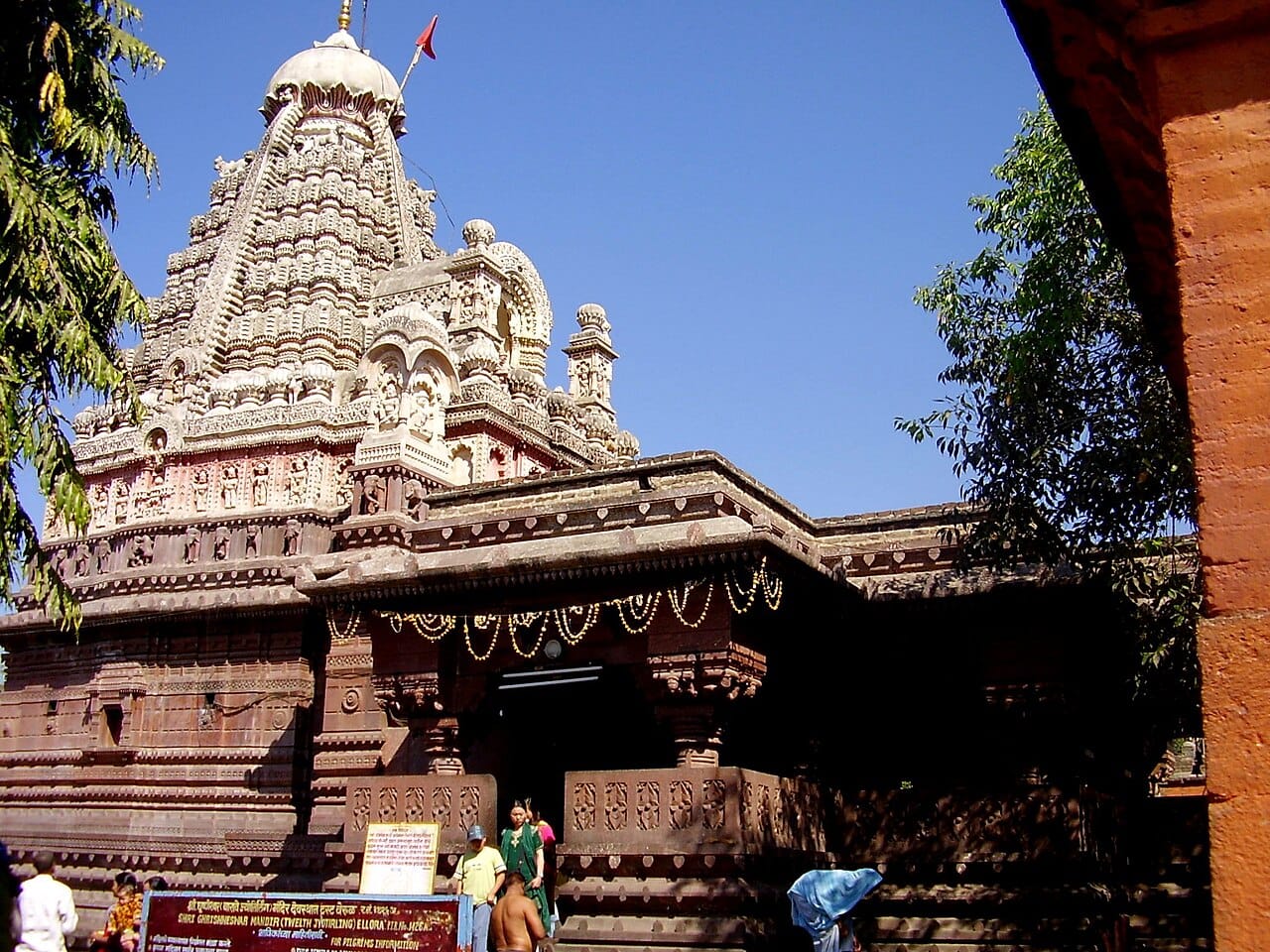
Grishneshwar Temple
The 12th and final Jyotirlinga, located just 1 km from the Ellora Caves.
Explore Temple
Maharashtra
Bhimashankar Jyotirlinga
The source of the Bhima River deep in the Sahyadri hills.
Explore Temple
Heritage Fact
"The Ellora Caves feature 34 monasteries and temples, including the massive monolithic Kailasa Temple."