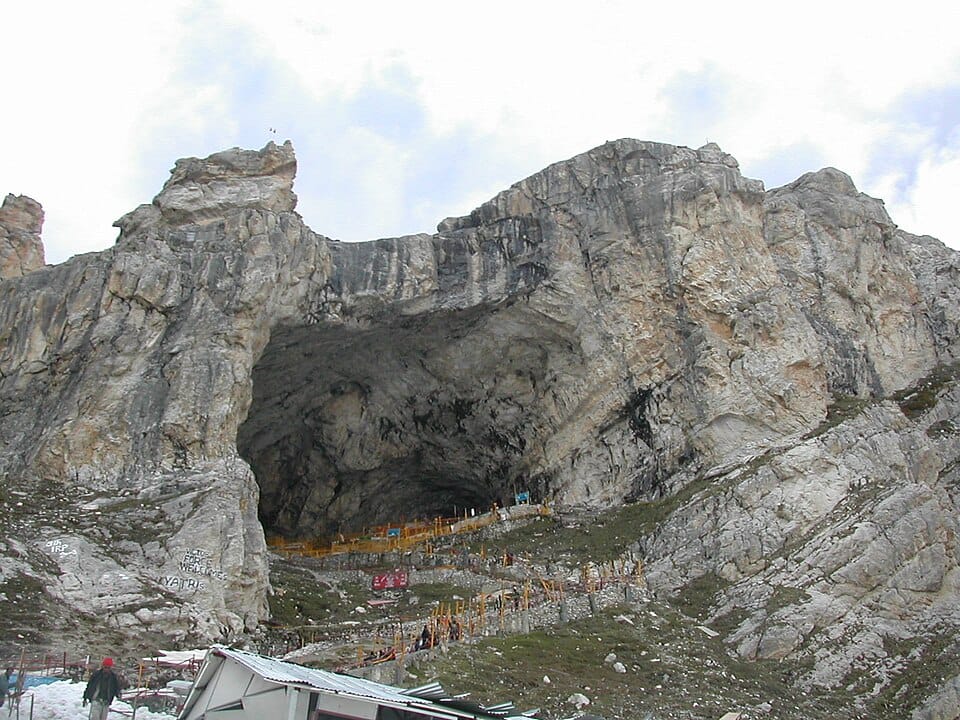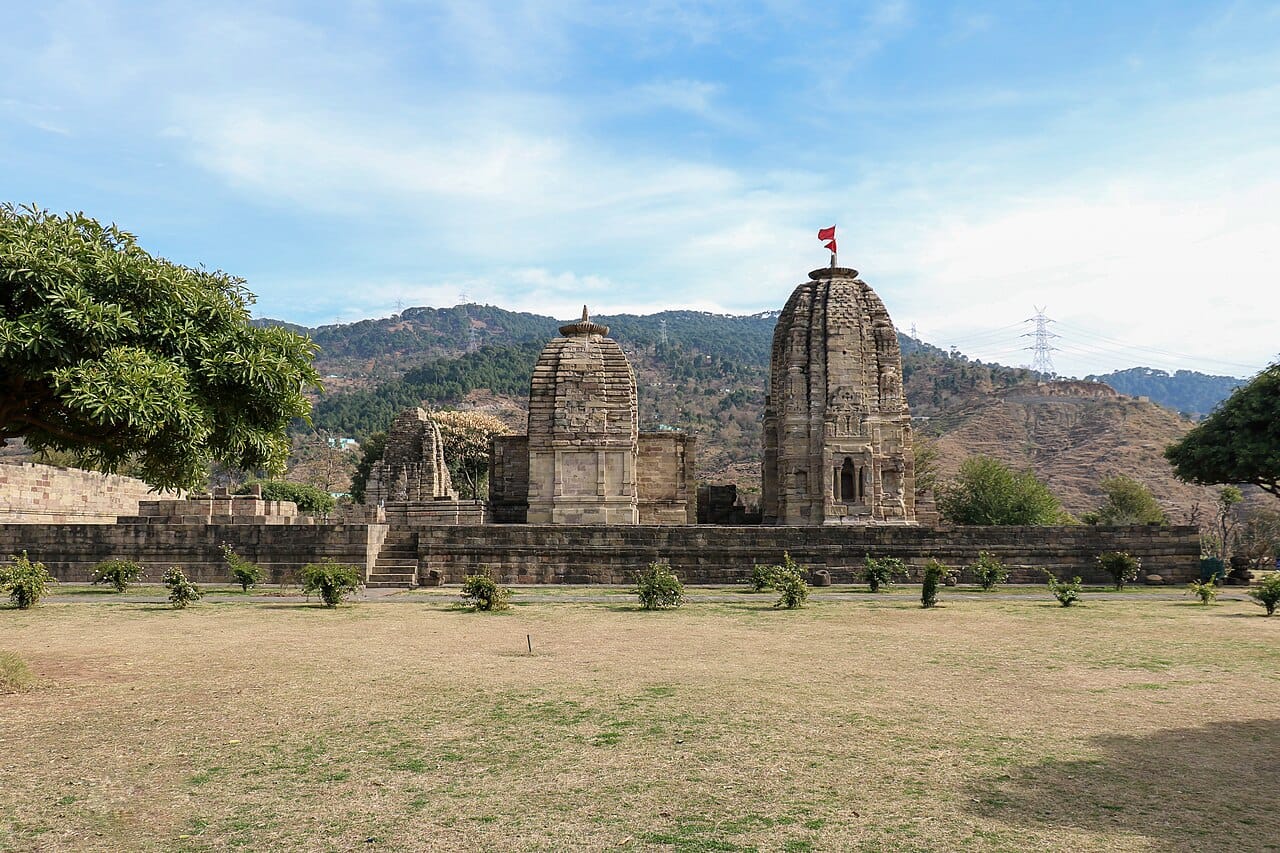
According to the Ramayana, Jamvant (Jamvanta), the wise bear-king who served Lord Rama during the battle against Ravana, meditated at this cave after the war. The cave has been a place of worship for centuries. The word 'Peer Kho' derives from the local language — 'Peer' meaning saint and 'Kho' meaning cave. Local Muslim communities also revere the site, adding to its syncretic significance.
The present shrine is traced to the fifteenth century, when Raja Ajaib Dev, who ruled Jammu from 1423 to 1454, began the work here. Raja Biram Dev, who followed him on the throne between 1454 and 1495, worked with the yogi Garib Nath of the Gorakhnath order to develop the cave. The cave sits in a wooded slope of acacia above the Tawi, and the rock around it is igneous, part of the Shivalik foothills that border the Jammu plains.