According to legend, the demon Sudheet (Sudhant) was terrorizing the region, and Lord Shiva killed him with his trident. The trident broke during the battle and fell at this spot. The temple's name 'Sudh Mahadev' derives from this legend (Sudh = Sudheet, Mahadev = Shiva). The iron trident bears ancient Brahmi inscriptions that date to around 800 BC, making the temple over 2,800 years old according to local tradition.
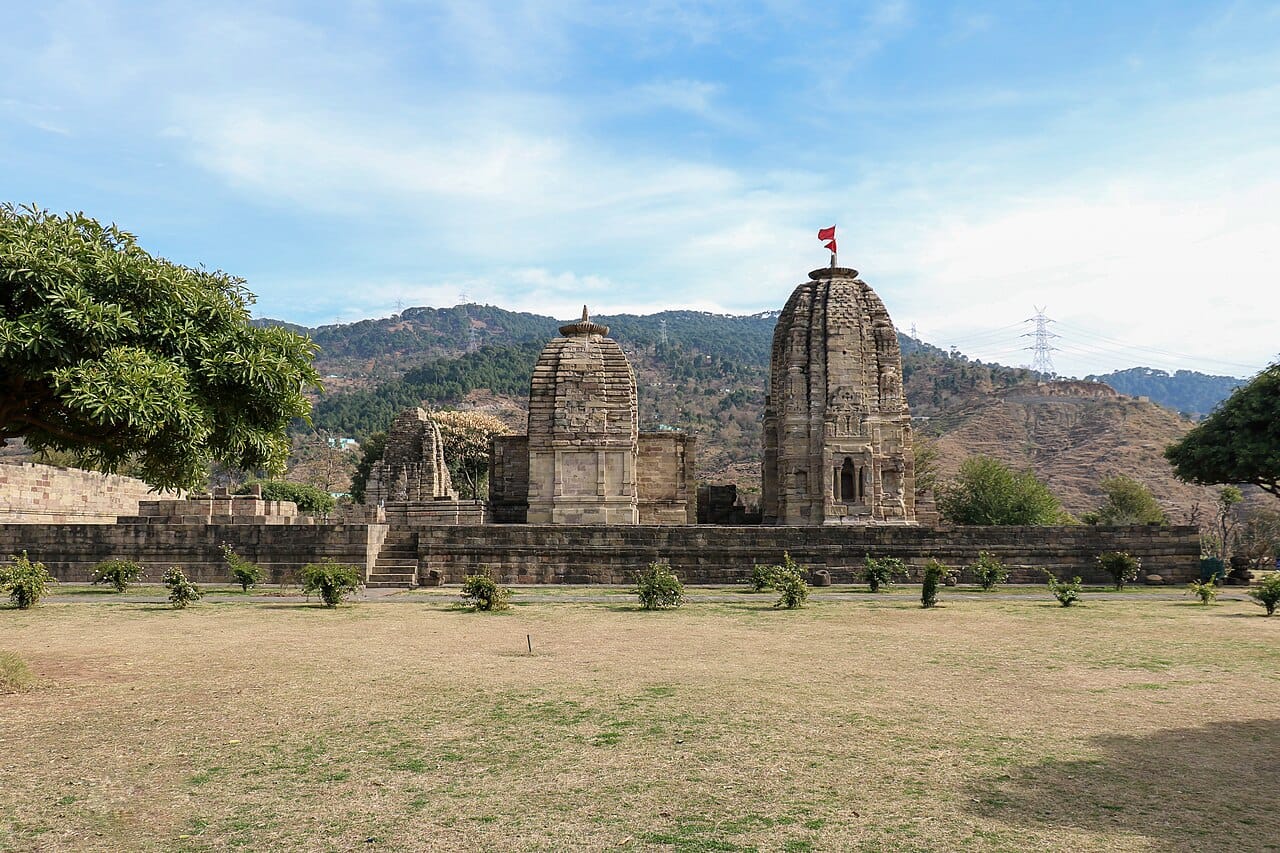
Sacred Heritage
Sudh Mahadev Temple
Chanhani, Jammu & Kashmir
State:Jammu & Kashmir
District:Chanhani
Why This Temple Matters
Key Takeaways
- Dedicated to Lord Shiva (Sudh Mahadev)
- North Indian (Pahari) Style architecture
- Located in Chanhani, Jammu & Kashmir
- Temple timings: 6:00 AM to 7:00 PM daily.
- Best visited: March to November offers pleasant weather. The annual mela provides the most festive atmosphere. The full moon of the Sawan month brings the year's biggest gathering of devotees to the temple from across the Jammu region.
Quick Facts
- Location
- Chanhani
- Presiding Deity
- Lord Shiva (Sudh Mahadev)
- Architecture
- North Indian (Pahari) Style
- Period
- Ancient (Legendary, 2800+ years)
- Timings
- 6:00 AM to 7:00 PM daily.
- Entry Fee
- Free
- Best Time
- March to November offers pleasant weather. The annual mela provides the most festive atmosphere. The full moon of the Sawan month brings the year's biggest gathering of devotees to the temple from across the Jammu region.
Overview
Believed to be over 2,800 years old, it houses a sacred broken iron trident that legend says belonged to Lord Shiva.
History & Legacy
Architecture
Key Features
The temple is built in the North Indian Pahari style with a traditional shikhara. The main sanctum houses the famous broken iron trident alongside a Shiva Lingam. The temple complex includes a sacred pond and several smaller shrines. The walls feature traditional carvings and murals.
A spring called Gauri Kund runs just short of the temple, and tradition holds that Parvati bathed in it before her daily prayers. The broken mace preserved inside the shrine is traditionally ascribed to Bhima, one of the five Pandava brothers of the Mahabharata. Black marble statues of Shiva and Parvati stand together in the complex, accompanied by smaller wooden carvings made by local craftsmen.
Religious & Cultural Significance
The broken iron trident with Brahmi inscriptions is the temple's most significant feature — it is believed to be the actual weapon used by Lord Shiva. The temple is one of the oldest actively worshipped sites in the Jammu region and is considered a powerful place for offering tarpan (ancestral rites). The temple is part of the 'Pandava Circuit' of temples in Jammu.
Daily Rituals
Daily abhishekam of the trident and lingam is performed. Special pujas are conducted during Navratri. Devotees offer milk, flowers, and bilva leaves.
Festivals & Celebrations
Festival
Maha Shivaratri is the grandest celebration. The annual Sudh Mahadev Mela (August-September) draws thousands of devotees from across Jammu.
Interesting Facts
Ancient broken iron trident of Shiva, Brahmi inscriptions (2800+ years old), Sudh Mahadev Mela, legendary demon-slaying association
How to Reach & Visitor Tips
Chanhani is 60 km from Jammu city and 40 km from Reasi. Taxis and local buses are available from Jammu. The temple is on the Jammu-Srinagar highway and can be combined with a visit to Kheer Bhawani. The temple stands at an altitude of about 1,225 metres, which keeps the hill air cool even when the Jammu plains are hot.
Patnitop lies 42 km away, and Udhampur railway station is about 52 km from the temple, with taxis available at both.
Nearby Attractions
Mata Kheer Bhawani Temple (15 km). Shankaracharya Temple (25 km) in Srinagar. Mughal Gardens (30 km). Mansar Lake (40 km) is a sacred lake.
Vaishno Devi Temple (50 km). Chenab River view points. Bhaderwah Valley (80 km) offers scenic landscapes. The Devak stream passes the temple and is held locally to have waters as holy as those of the Ganges.
Mantalai, a few kilometres ahead of the temple, is set in deodar forest and is associated with the marriage of Shiva and Parvati.
Frequently Asked Questions
How old is the iron trident?
A.
The iron trident bears Brahmi inscriptions that are estimated to be over 2,800 years old, making it one of the oldest religious artifacts in Jammu.
What is the legend of Sudh Mahadev?
A.
According to local tradition, Lord Shiva killed the demon Sudheet with his trident at this spot. The trident broke during the battle and remained here as a sacred relic.
Which spring near Sudh Mahadev Temple is associated with Parvati before she began her daily worship?
A.
Gauri Kund, a spring that runs just short of the shrine, is where tradition says Parvati bathed each day before her prayers.
Answers are based on verified information. Site rules may change — verify locally before visiting.
Sources & References
Ministry of Tourism, Government of India
"Ministry of Tourism — official destination information"
View SourceLinks Last Checked
30 September 2026
Related Temples
Same State
Vaishno Devi Temple
The Vaishno Devi Temple, a sacred cave shrine situated in the Trikuta Mountains of Jammu…
Shankaracharya Temple
Perched on a hilltop at 1,000 feet, this ancient Shiva temple offers panoramic views of…
Raghunath Temple
One of the largest temple complexes in North India, featuring seven gold-plated shikharas and thousands…
Martand Sun Temple
A magnificent 8th-century ruin of a solar temple, representing the peak of Kashmiri Hindu architecture.
Kheer Bhawani Temple
The most important shrine for Kashmiri Pandits, famous for a sacred spring that is said…
Amarnath Cave Temple
One of the holiest shrines at 3,888m altitude, famous for its naturally occurring ice stalagmite…
Same Tradition
Tarakeshwar Temple Hooghly
1729 CE Atchala-style Shiva sanctuary founded by Raja Bharamalla in Hooghly district, famous for its…
Virupaksha Temple
The Virupaksha Temple in Hampi, Karnataka, is a UNESCO World Heritage Site and the oldest…
Jageshwar Temple
A cluster of 124 ancient stone temples from the 7th-12th centuries, situated in a dense…
Neelkanth Mahadev Temple
Situated at 1,330 meters, this is where Lord Shiva is believed to have consumed the…
Tungnath Temple
The highest Shiva temple in the world, situated at 3,680 meters on the Chandranath Parbat…
Rudranath Temple
One of the Panch Kedar shrines, representing Lord Shiva's face, situated at an altitude of…
Visiting as an International Traveller
Foreign visitor information is being researched
Please verify with the official authority for this site before planning your visit.
Entry Status
Foreign Visitors
Verify Before VisitingVisitor Information
Entry policies are set by each site — confirm before travelling.
Entry rules for international visitorsWho can enter, permits, and what to expect at the gate.Dress Code
Modest clothing is expected — a sign of respect, not a restriction.
Shoulders covered
Knees covered
Shoes removed before entry
Head covering (women)
Rain gear available
Warm layers (winter)
Photography Guide
Outside
Inside
Flash
Drone
Tripod
Commercial
Best Time to Visit
March to November offers pleasant weather. The annual mela provides the most festive atmosphere. The full moon of the Sawan month brings the year's biggest gathering of devotees to the temple from across the Jammu region.
Language & Communication
Understanding Temple Traditions
These short explanations help make sense of what you see and experience.
Tips for International Visitors
Temple vocabulary and ritualsDarshan, pradakshina, prasadam, aarti, hundi and mandapa.Currency, donations and queuesCash, UPI, donation etiquette and how long entry queues take.Photography etiquetteSignage, flash, selfie sticks and photographing other visitors.Festival crowds and safetyAdvance booking, road closures, belongings and offline maps.
Essential Contacts
Police / Ambulance / Fire: 112 (National Emergency Number)
Tourist Helpline: 1800-111-363 (Multi-lingual, Ministry of Tourism)
Women's Helpline: 1091
Travel Preparation Checklist
Packing Checklist for Sudh Mahadev Temple
Continue Reading
Rules change — confirm current policies with the site's authority before you travel.
Site-verified visitor data pending. See our sources and methodology.
By Naveen singh negi
Updated: July 2026
Related:Jammu & Kashmir TemplesLord Shiva (Sudh Mahadev)North Indian (Pahari) StyleAncient (Legendary, 2800+ years)Methodology
Jammu & Kashmir
Ancient (Legendary, 2800+ years)
Shaivite
Explore More Sacred & Heritage Sites
Related heritage monuments, regional traditions, and pilgrimage connections.
UNESCO Temple Heritage Sites
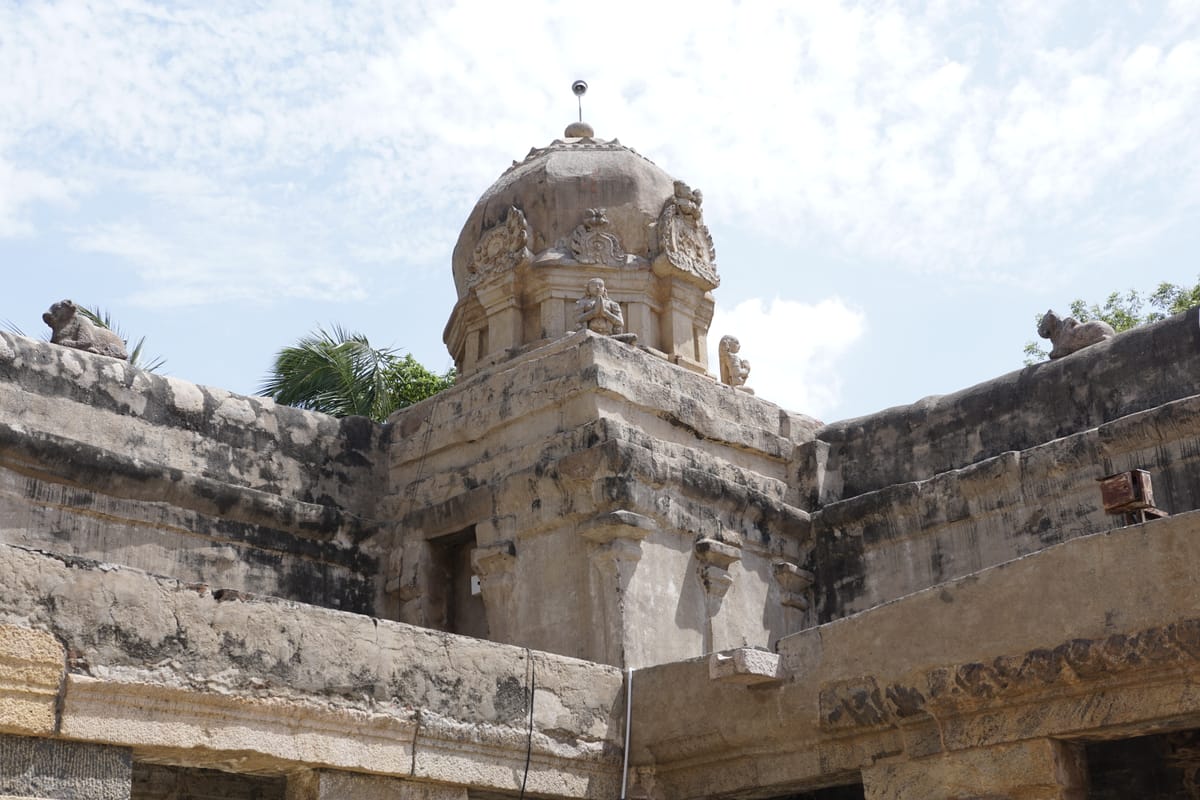
UNESCO 1987Cultural Heritage
Tamil Nadu
Great Living Chola Temples — Brihadeeswarar Temple
The principal temple of the Great Living Chola Temples UNESCO site, a masterpiece of Dravidian…
Explore Temple
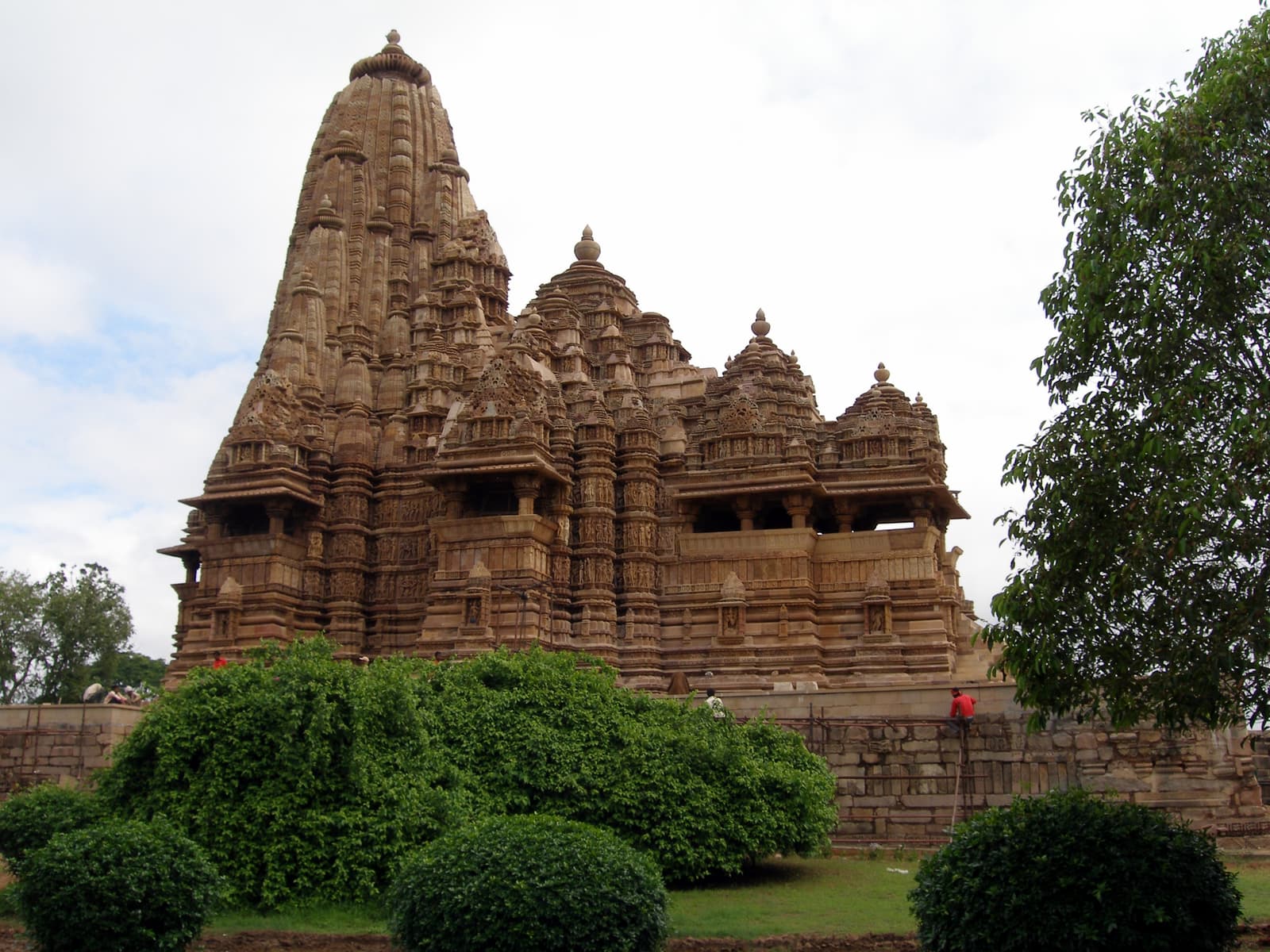
UNESCO 1986Cultural Heritage
Madhya Pradesh
Khajuraho Group of Monuments
The largest and most ornate Hindu temple in the Khajuraho Group of Monuments.
Explore Temple
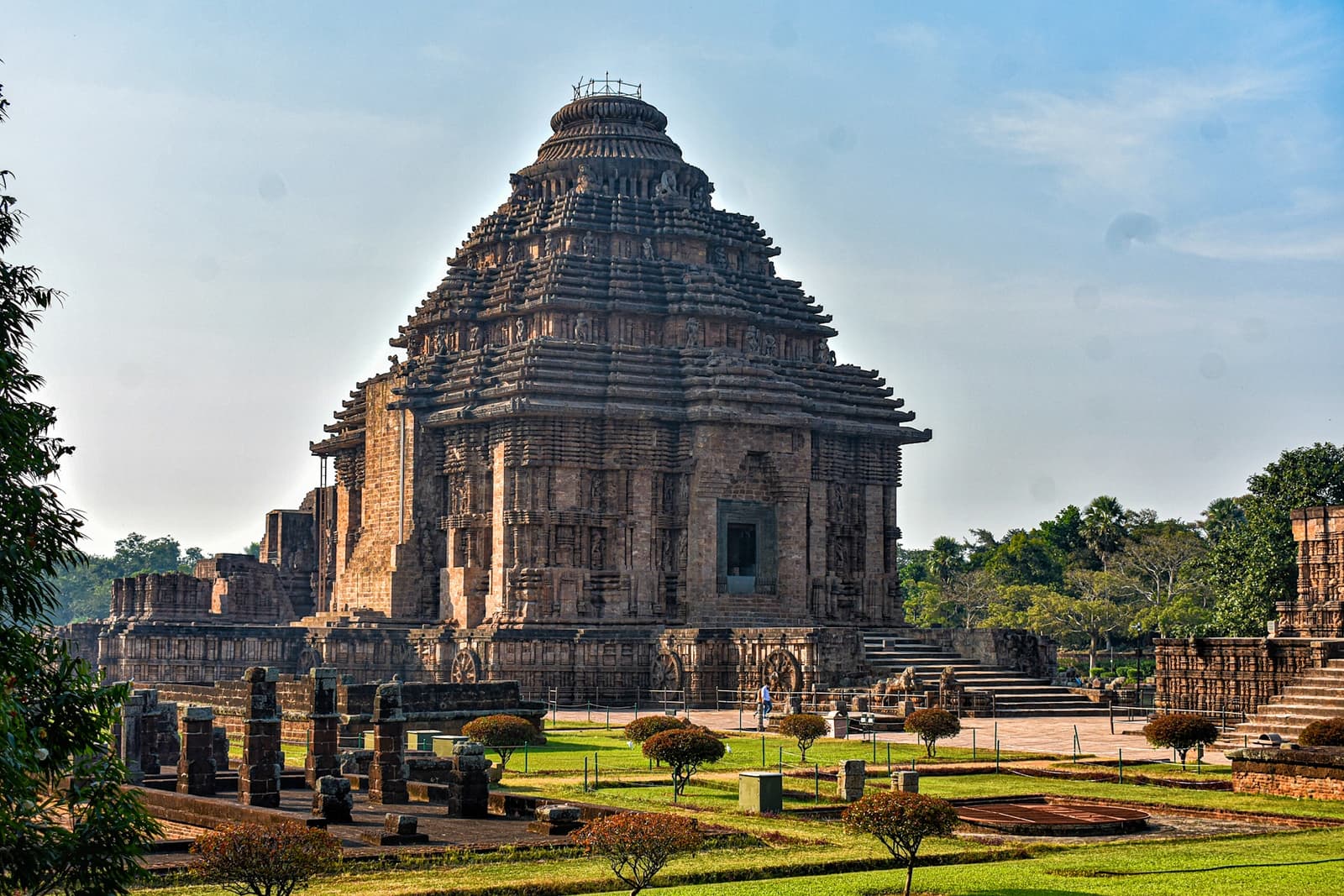
UNESCO 1984Cultural Heritage
Odisha
Sun Temple, Konark
A 13th-century Sun Temple built as a giant stone chariot with 24 wheels, drawn by…
Explore Temple
UNESCO 1986Cultural Heritage
Karnataka
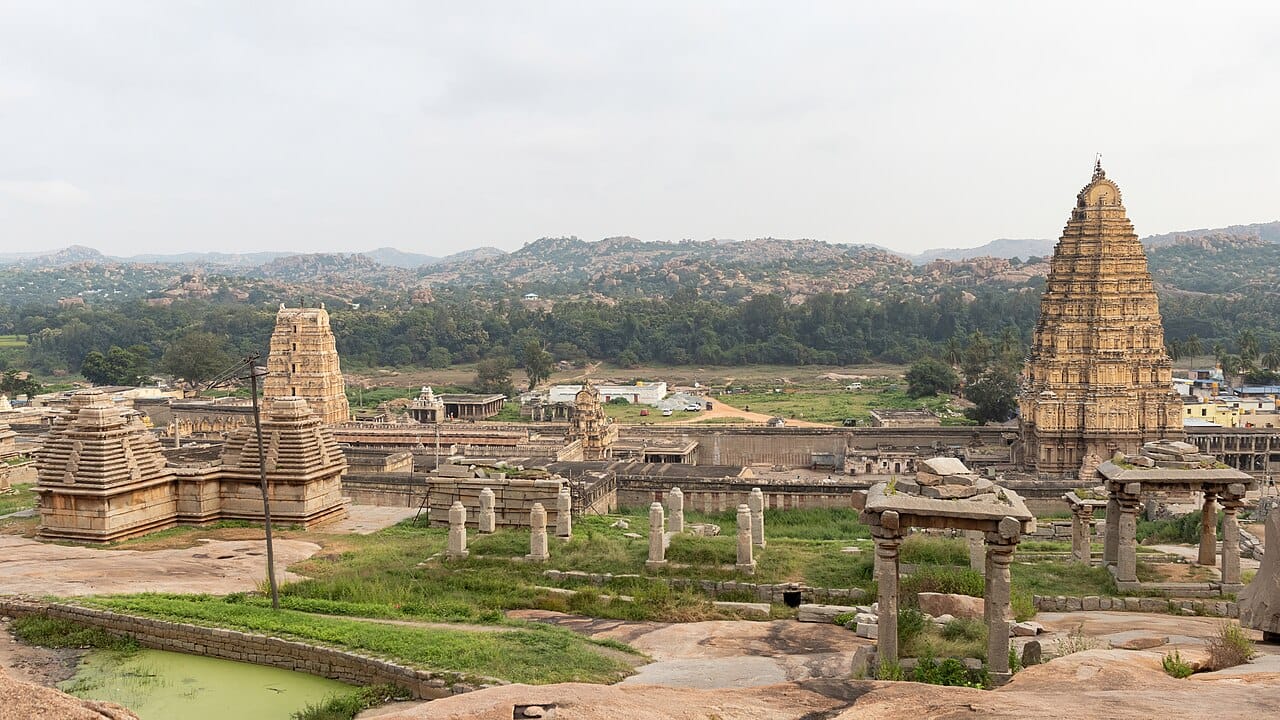
Hampi Group (Virupaksha Temple)
The Virupaksha Temple is the most iconic monument of Hampi, a UNESCO World Heritage site…
Explore Temple
Famous Temples You May Like
Jammu & Kashmir
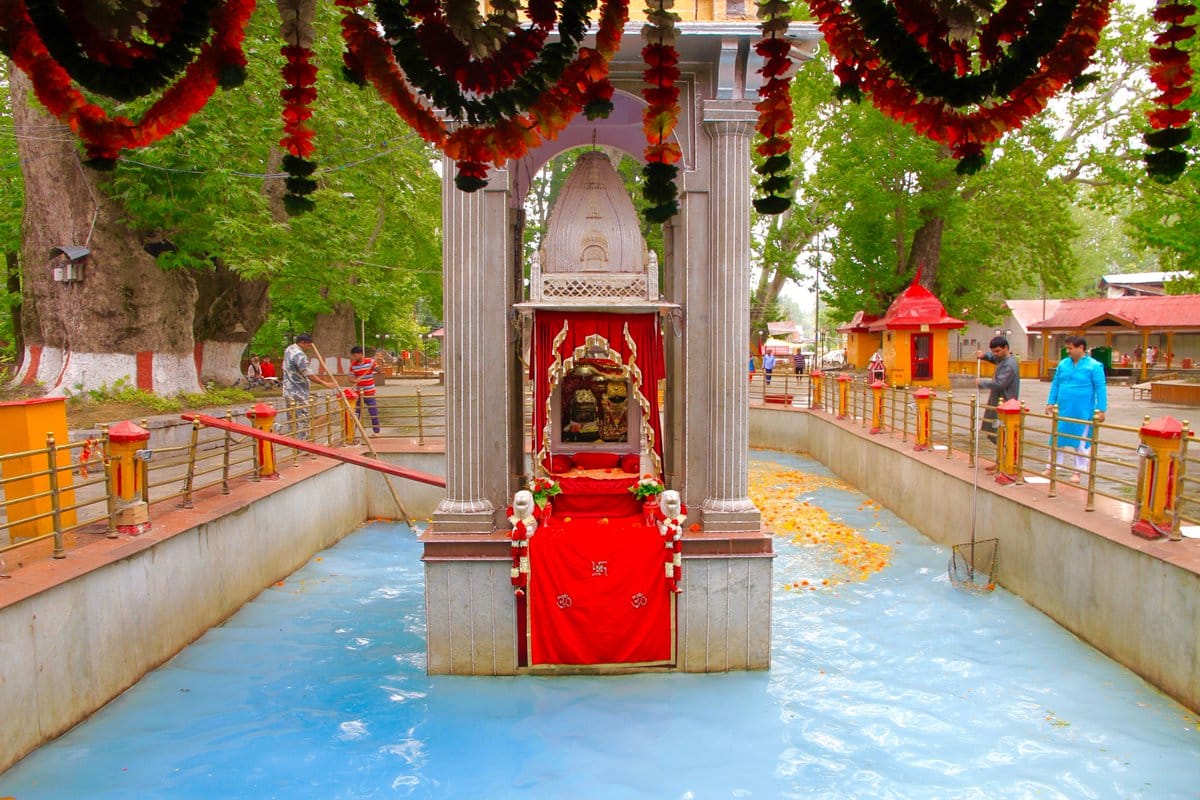
Kheer Bhawani Temple
The most important shrine for Kashmiri Pandits, famous for a sacred spring that is said…
Explore Temple
Jammu & Kashmir
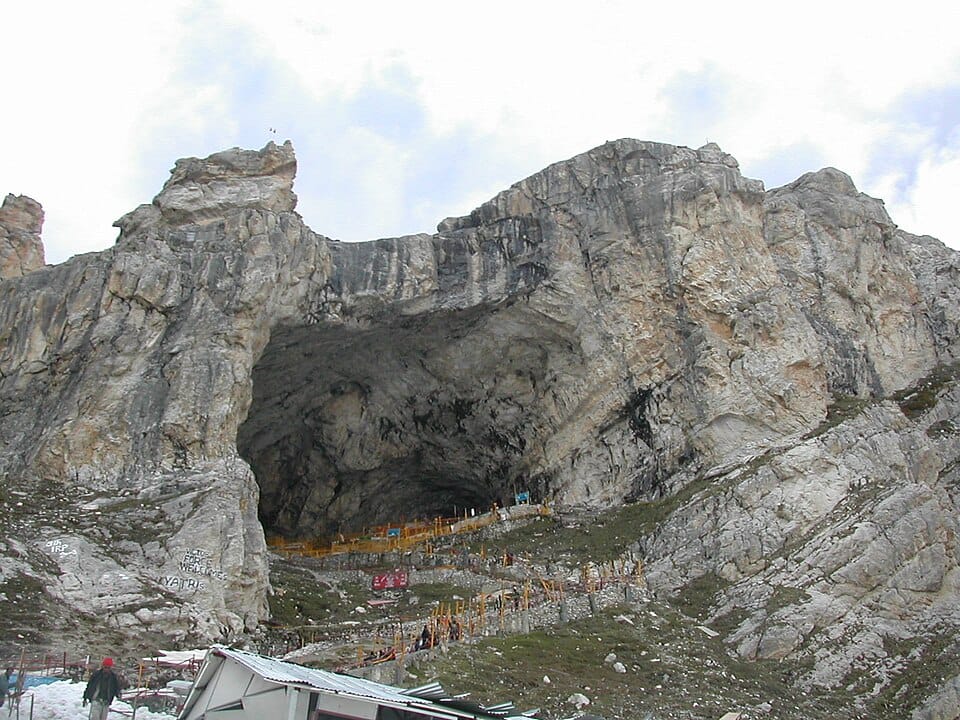
Amarnath Cave Temple
One of the holiest shrines at 3,888m altitude, famous for its naturally occurring ice stalagmite…
Explore Temple
Jammu & Kashmir
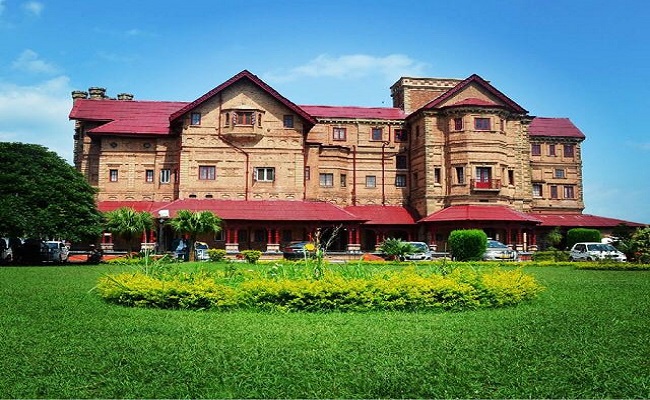
Ranbireshwar Temple Jammu
Built in 1883, it is North India's largest Shiva temple, housing a massive 8-foot central…
Explore Temple
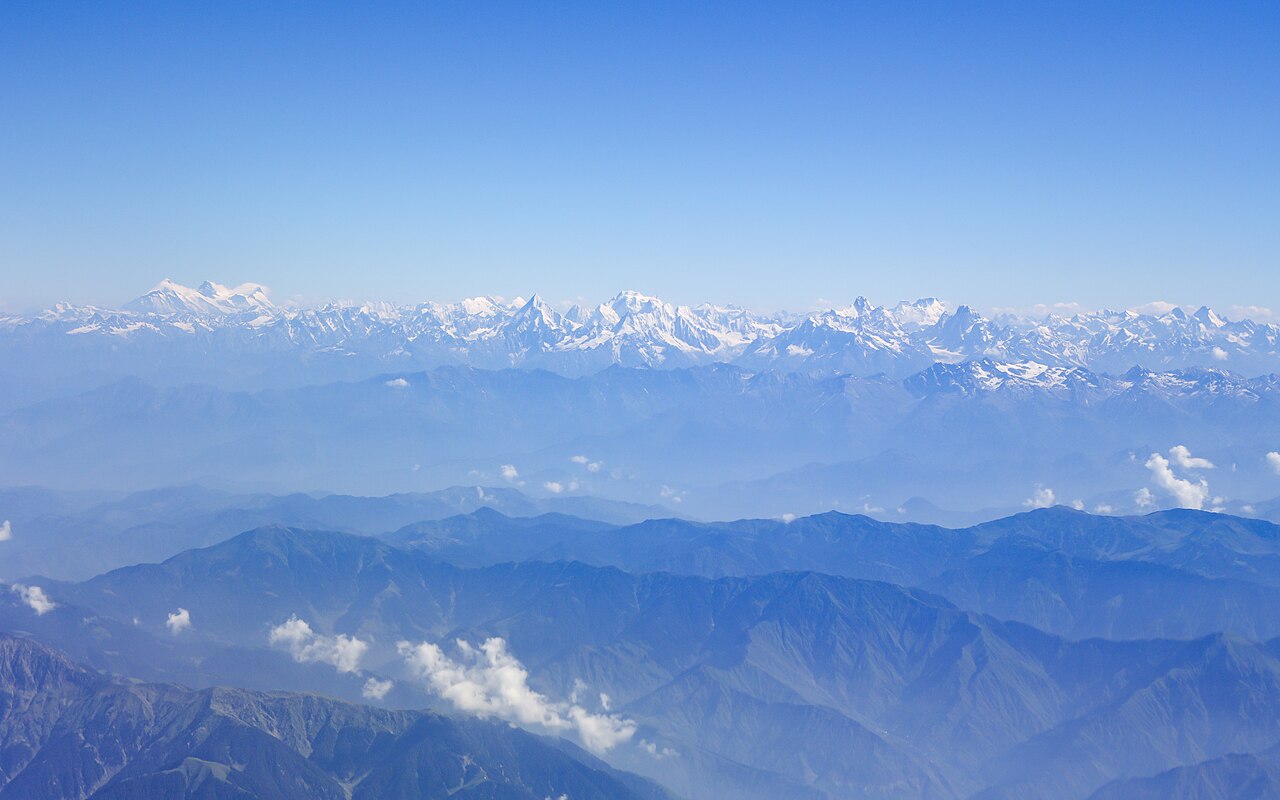
Jammu & Kashmir
Peer Kho Cave Temple
A cave temple on the Tawi banks where legend says Jamvant meditated; it is one…
Explore Temple
Explore More in Jammu & Kashmir
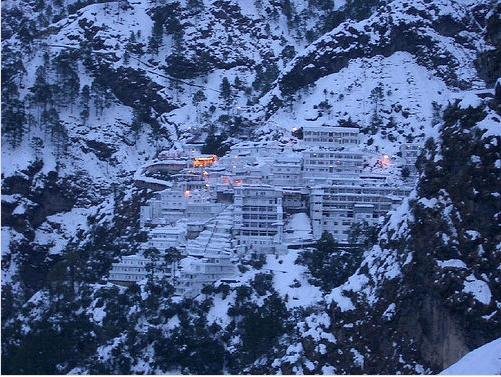
Jammu & Kashmir
Vaishno Devi Temple
The Vaishno Devi Temple, a sacred cave shrine situated in the Trikuta Mountains of Jammu…
Explore Temple
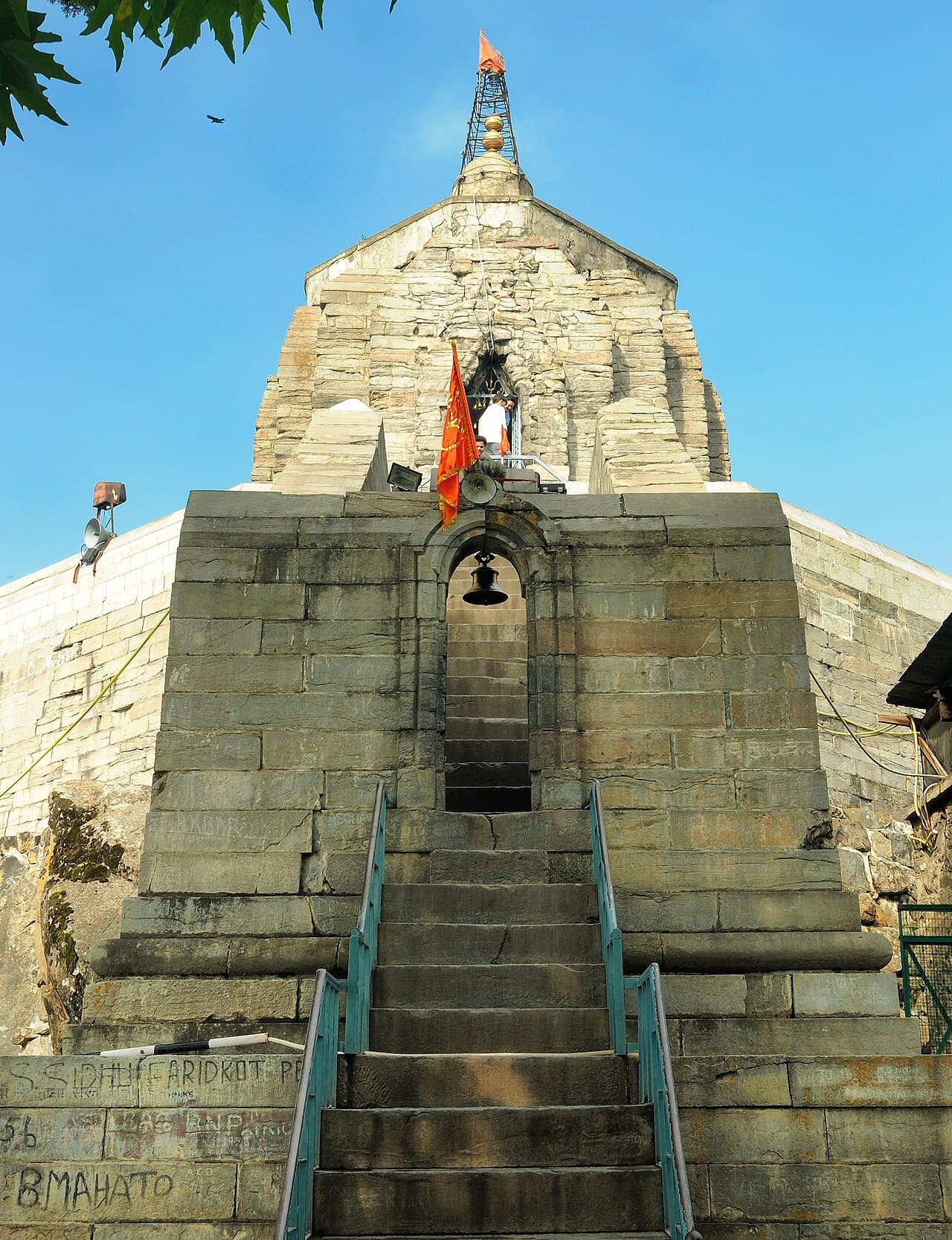
Jammu & Kashmir
Shankaracharya Temple
Perched on a hilltop at 1,000 feet, this ancient Shiva temple offers panoramic views of…
Explore Temple
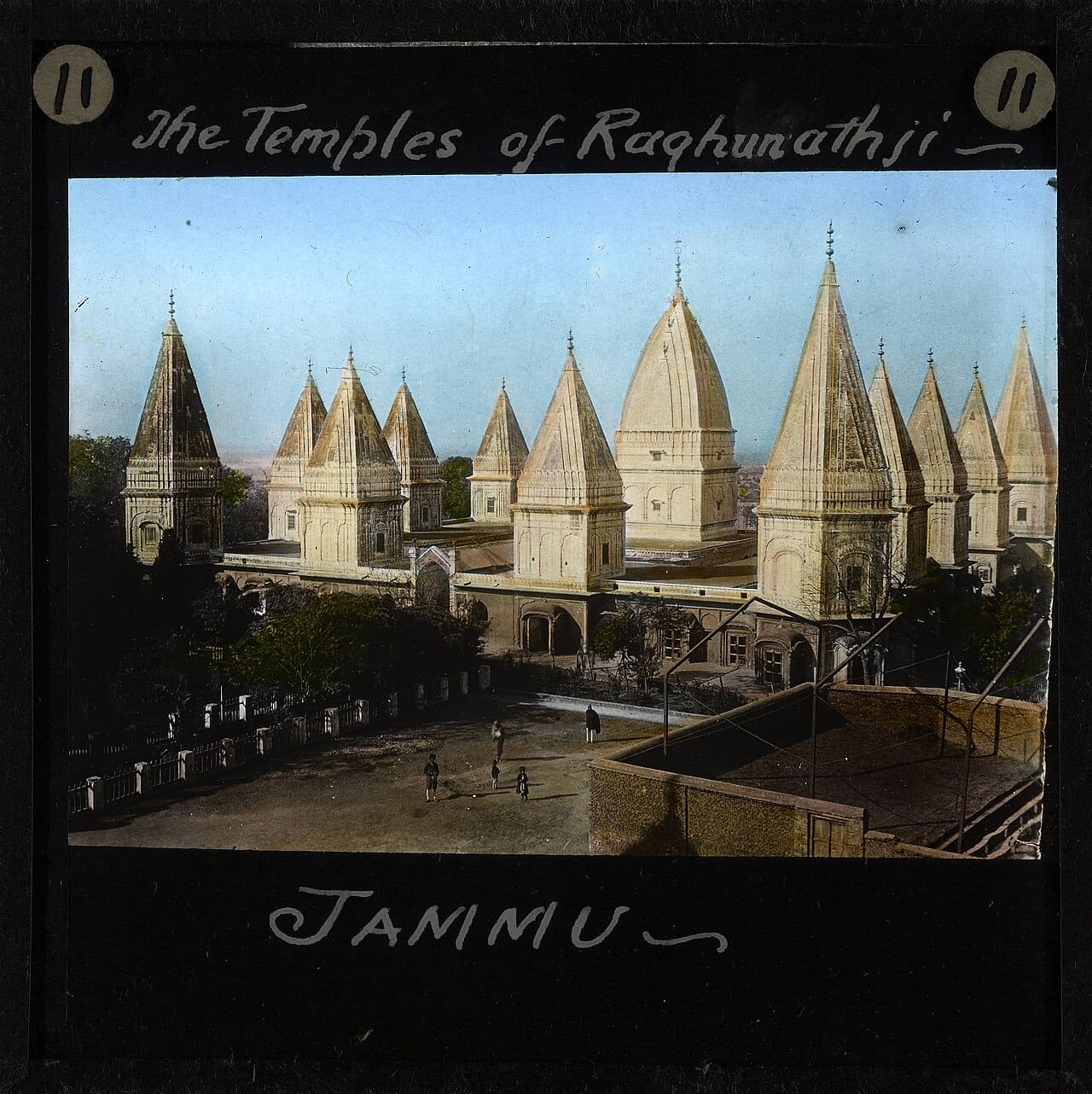
Jammu & Kashmir
Raghunath Temple
One of the largest temple complexes in North India, featuring seven gold-plated shikharas and thousands…
Explore Temple
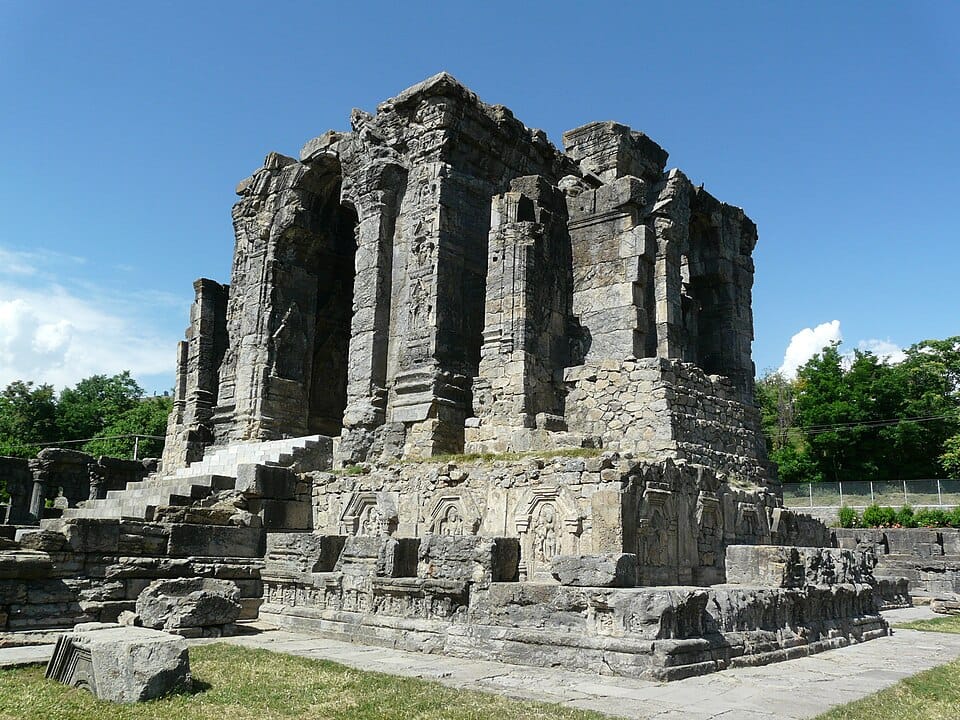
Jammu & Kashmir
Martand Sun Temple
A magnificent 8th-century ruin of a solar temple, representing the peak of Kashmiri Hindu architecture.
Explore Temple
Heritage Fact
"The Sun Temple at Konark is designed as a colossal chariot of the Sun God, with 24 intricately carved wheels."