From ancient rock-cut marvels to towering imperial shrines, discover the architectural soul of Bharat through our verified digital archive.
Explore More Temples
Location
Srinagar
Presiding Deity
Lord Shiva (Shankaracharya / Jyoteshwara)
Architecture
Kashmiri style with Central Asian influences
Dynasty
Lalitaditya Muktapida (8th century); original attributed to Ashoka
Timings
6:00 AM to 8:00 PM daily (April-November). The temple is sometimes closed during winter (December-March) depending on snow conditions. The last entry is 30 minutes before sunset.
Entry Fee
Free
Best Time
May to October offers the best weather in Srinagar. The summer months (June-August) provide clear views of the Himalayan range. Maha Shivaratri (February-March) is the most significant festival but the weather can be cold. The view from the top is best in the early morning (6-8 AM) when the morning light illuminates Dal Lake. The temple is closed or difficult to access during heavy snowfall (December-February).
Perched on a hilltop at 1,000 feet, this ancient Shiva temple offers panoramic views of the Dal Lake and Srinagar city.
The temple is believed to have originally been built by Emperor Ashoka (3rd century BCE) as a Buddhist shrine, later converted to a Hindu temple. The current structure dates to the 8th century CE, built during the reign of the Karkota ruler Lalitaditya Muktapida (724-760 CE), the greatest king of Kashmir. The temple is named after Adi Shankara (c. 788-820 CE), the great Hindu philosopher and reformer, who is believed to have visited this site during his Digvijaya (conquest of the four quarters) and composed the Nirvana Shatakam — a six-verse hymn on the nature of the Self. The temple was also known as 'Takht-e-Sulaiman' (Throne of Solomon) during the Muslim period, reflecting a local legend that connected the hill to the biblical prophet Solomon. The temple was restored by the Dogra rulers of Jammu & Kashmir in the 19th century. During the 1990s insurgency in Kashmir, the temple remained open under the protection of the Indian Army, becoming a symbol of Kashmir's pluralistic heritage.
“According to local tradition, the hill on which the temple stands was originally a Buddhist site known as 'Gopadri Hill.' A legend recorded in the Kashmiri chronicle Rajatarangini (written by Kalhana in the 12th century) states that the hill was created by Kashyapa Rishi to provide a meditation site for Shiva. The association with Adi Shankara is the most significant legend: the philosopher is said to have meditated at this spot and received a vision of Shiva as a column of light (Jyotirlinga), leading to his composition of the Nirvana Shatakam. The Islamic-era name 'Takht-e-Sulaiman' derives from a folk belief that the biblical king Solomon (Sulaiman) visited this hill and left his throne (takht) here. The temple is also linked to the legend of King Muchukunda, a Chandravanshi king mentioned in the Bhagavata Purana.”
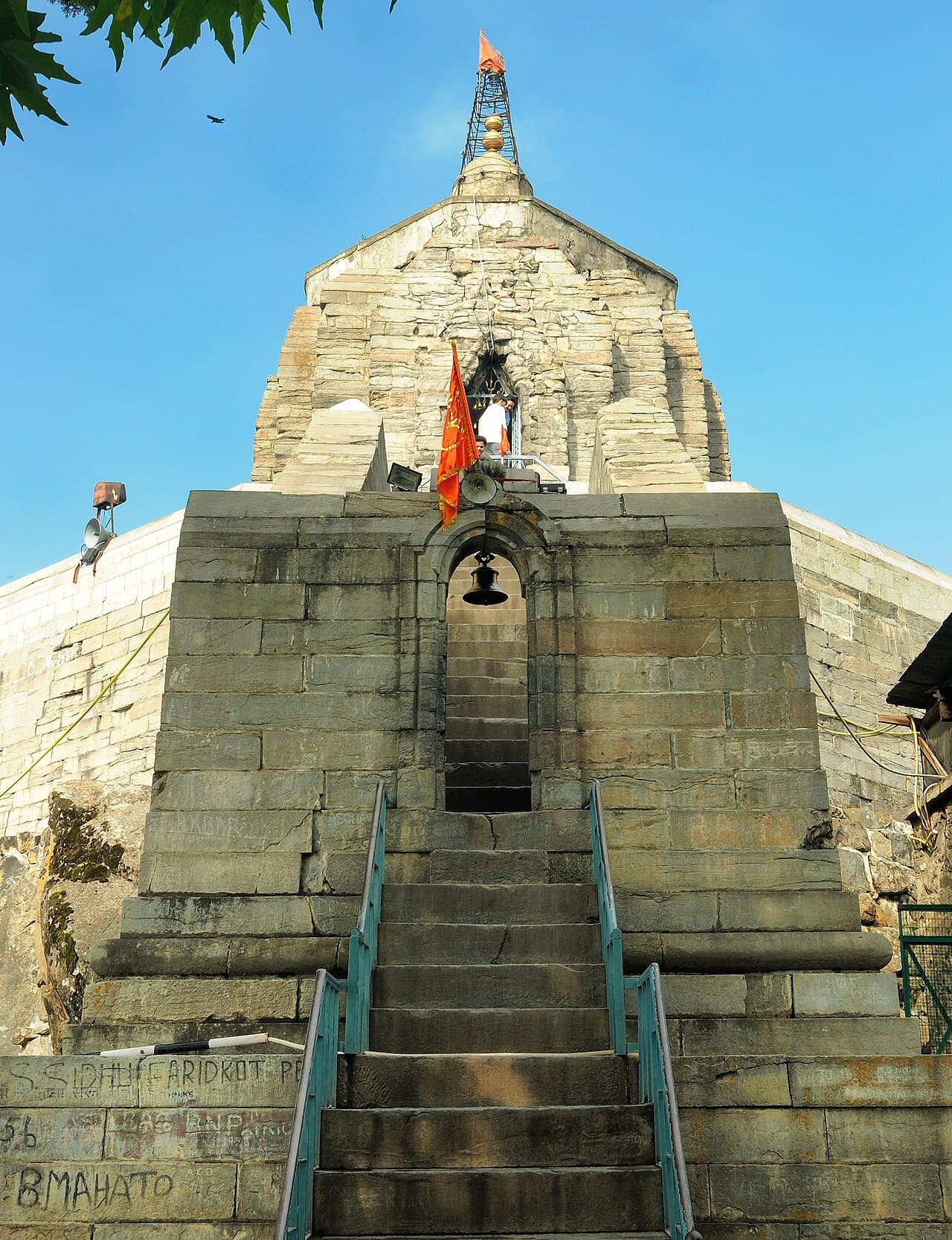
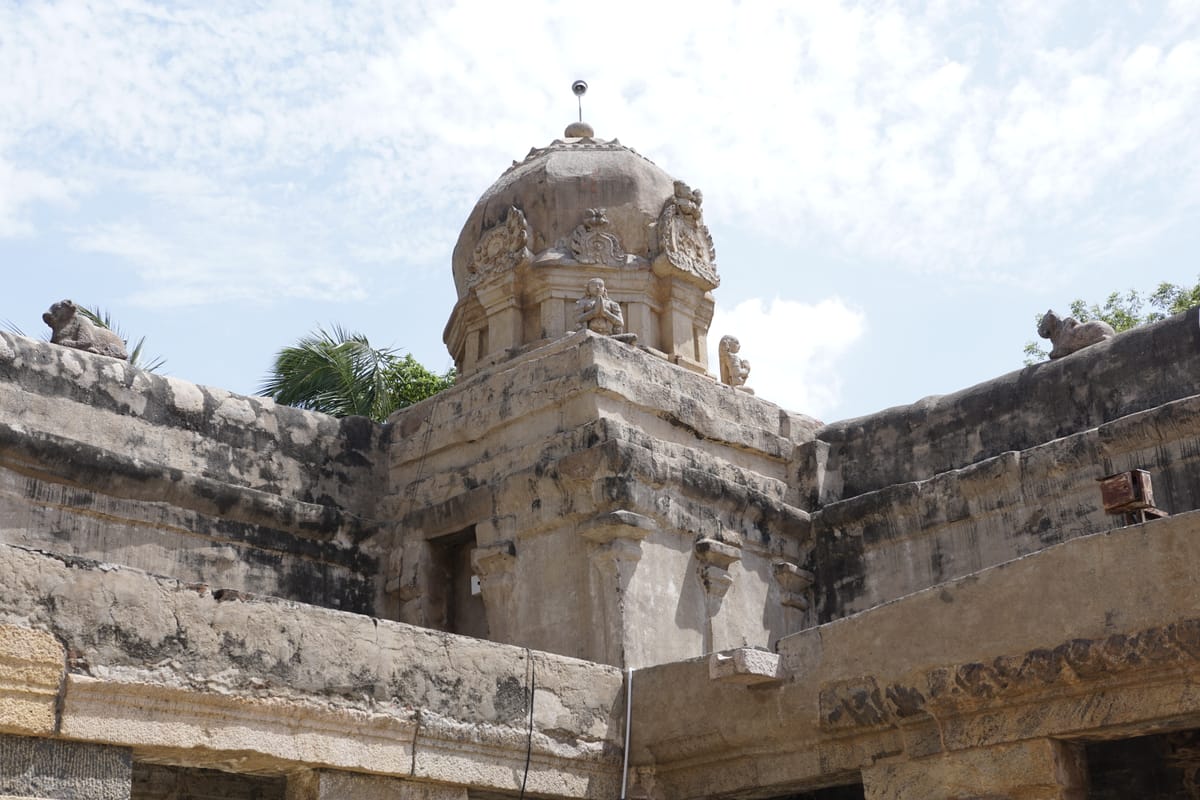
The temple is built of thick grey limestone blocks in a distinctive octagonal plan, a design unique to Kashmiri temple architecture. The structure stands on a raised base with a flight of 243 stone steps leading up from the base of the hill to the temple entrance. The temple features a square inner sanctum surrounded by an octagonal outer wall with arched openings on each of the eight sides, allowing light and air to enter. The roof is a circular stone dome with a lotus finial, typical of Kashmiri architecture. The sanctum houses a Shiva lingam, and the inner walls were once covered with murals, of which only faint traces remain. The temple lacks the elaborate carvings of South Indian temples, reflecting the more austere Kashmiri architectural aesthetic that prioritized solidity and geometric purity over surface ornamentation. The staircase and the hill are now maintained by the Indian Army, and a small guard post stands near the temple entrance.
Shankaracharya Temple is the most important surviving Hindu temple in the Srinagar valley, representing the continuity of Kashmiri Shaivism, a sophisticated philosophical tradition distinct from mainstream Indian Shaivism. The site is believed to be where Adi Shankara attained a vision of Shiva and composed the Nirvana Shatakam, a landmark composition in Advaita Vedanta. The temple's location on the hilltop provides a commanding view of the entire Kashmir valley, symbolizing the all-seeing nature of Shiva as Jyoteshwara (lord of light). The temple is one of the few ancient structures in the Kashmir valley that has survived multiple invasions, natural calamities, and centuries of political change, making it a powerful symbol of resilience. The temple is also significant for the annual Hindu pilgrimage to nearby Amarnath, as the Shankaracharya Hill is the first point from which pilgrims glimpse the Himalayan route.
Daily rituals follow the Kashmiri Pandit Shaiva tradition. The temple opens at 6:00 AM with the Mangala Aarti. Abhishekam is performed with water, milk, and bel leaves. The temple observes special pujas on Mondays and during the month of Shravan (July-August). The temple's ritual schedule is more restrained than in other parts of India, reflecting the Kashmiri Pandit tradition which places greater emphasis on meditation and personal devotion (dhyana) than on elaborate external rituals.
Maha Shivaratri (February-March) is the most important festival, known locally as 'Herath' in the Kashmiri Pandit tradition. It is celebrated with night-long vigils, special abhishekams, and the offering of walnuts (akharot) — a unique Kashmiri tradition. The Shravan month (July-August) draws devotees to the temple on Mondays. The temple also observes the Kashmiri New Year (Navreh) in March-April.
The stunning 360-degree panoramic view of Srinagar and Dal Lake from 1,000 feet, its association with Adi Shankara's Nirvana Shatakam composition, the unique octagonal Kashmiri architecture, and being the oldest surviving Hindu temple in the Srinagar valley.
May to October offers the best weather in Srinagar. The summer months (June-August) provide clear views of the Himalayan range. Maha Shivaratri (February-March) is the most significant festival but the weather can be cold. The view from the top is best in the early morning (6-8 AM) when the morning light illuminates Dal Lake. The temple is closed or difficult to access during heavy snowfall (December-February).
6:00 AM to 8:00 PM daily (April-November). The temple is sometimes closed during winter (December-March) depending on snow conditions. The last entry is 30 minutes before sunset.
Shankaracharya Temple is 2 km from the center of Srinagar. Taxis and auto-rickshaws are available from anywhere in Srinagar. The climb involves 243 steps — comfortable walking shoes are recommended. The temple area is protected by the Indian Army, and visitors must pass through a security check. Carry a valid ID. Modest attire is required. Photography from the hilltop is permitted and highly recommended. The best views are during sunrise or sunset. Winter visits require warm clothing. The temple can be combined with a Dal Lake shikara ride for a complete Srinagar experience.
Dal Lake (1 km from hill base) offers shikara rides and houseboat stays. The Mughal Gardens of Shalimar Bagh (5 km), Nishat Bagh (4 km), and Chashme Shahi (3 km) are nearby. The Nigeen Lake (4 km) is a quieter alternative to Dal Lake. The Pari Mahal (6 km) is a historic terraced garden. The Hazratbal Shrine (7 km) is the most important Muslim shrine in Kashmir. The Srinagar city center (2 km) offers markets and traditional Kashmiri handicrafts. The Botanical Garden (3 km) is a peaceful retreat.
A. The original structure is attributed to Emperor Ashoka (3rd century BCE), with the current structure built during the Karkota dynasty under King Lalitaditya Muktapida (8th century CE). The temple is named after the philosopher Adi Shankara who is believed to have visited and meditated here.
A. 'Takht-e-Sulaiman' means 'Throne of Solomon' in Persian. This name was given during the Islamic period based on a local legend that the biblical king Solomon (Sulaiman) visited this hill and left his throne here. The original Hindu name is 'Shankaracharya Hill'.
A. There are 243 stone steps leading from the base of the hill to the temple entrance. The climb takes about 15-20 minutes at a moderate pace. The steps are well-maintained but can be slippery during rain or snow.
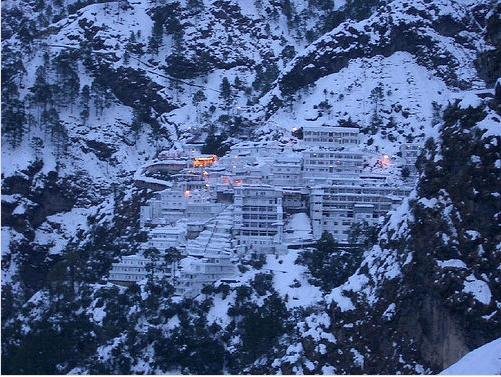
Vaishno Devi Temple
The Vaishno Devi Temple, a sacred cave shrine nestled in the Trikuta Mountains of Jammu and Kashmir, is one of India's most visited pilgrimage sites, where millions trek 12 km each year to seek blessings of Mata Vaishno Devi at the holy cave complex.
Raghunath Temple
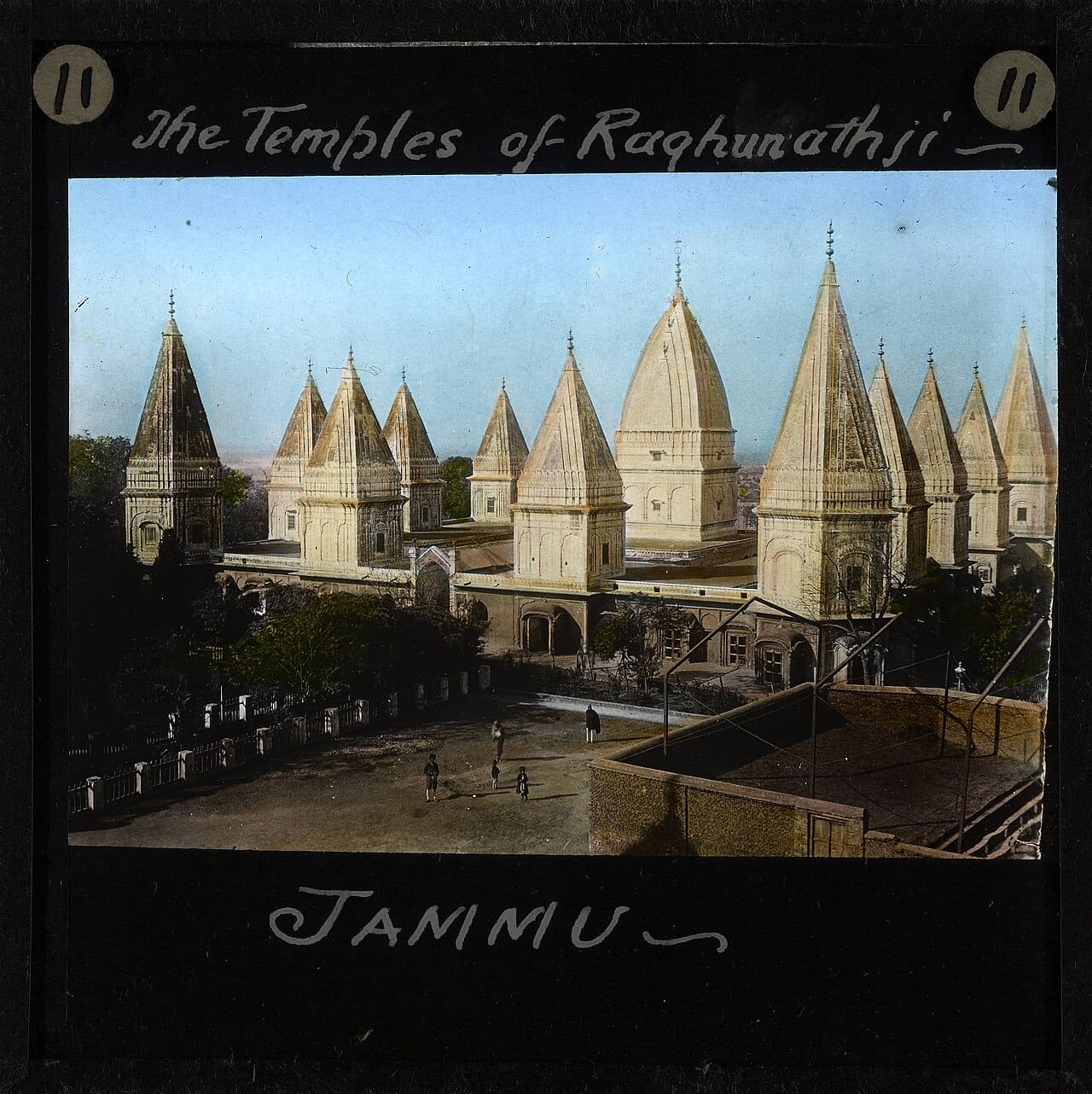
One of the largest temple complexes in North India, featuring seven gold-plated shikharas and thousands of Saligramas.
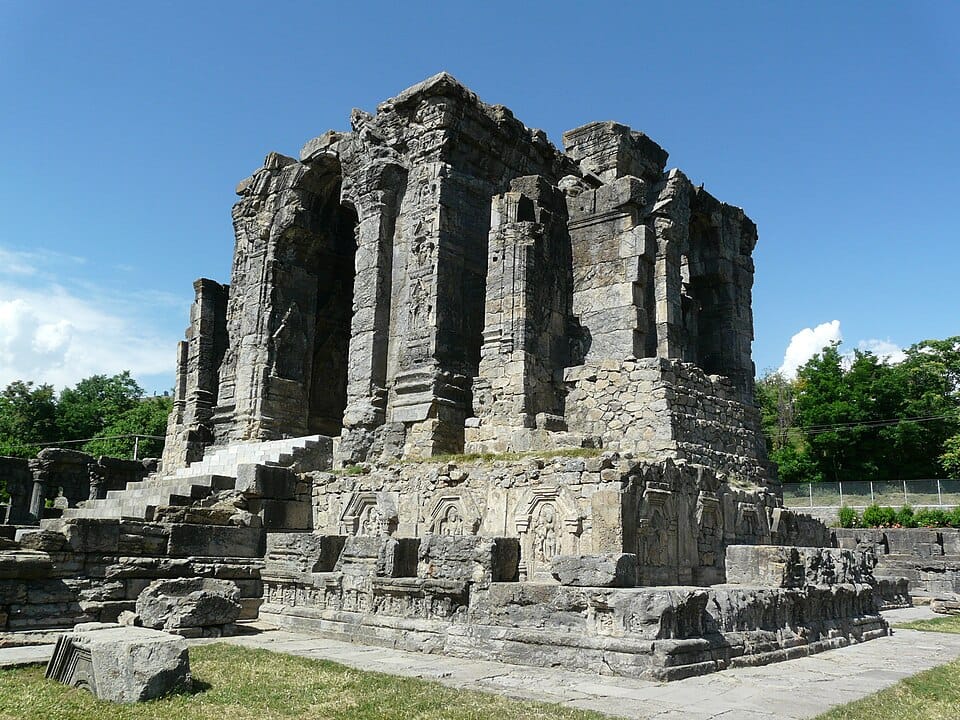
Martand Sun Temple
A magnificent 8th-century ruin of a solar temple, representing the peak of Kashmiri Hindu architecture.
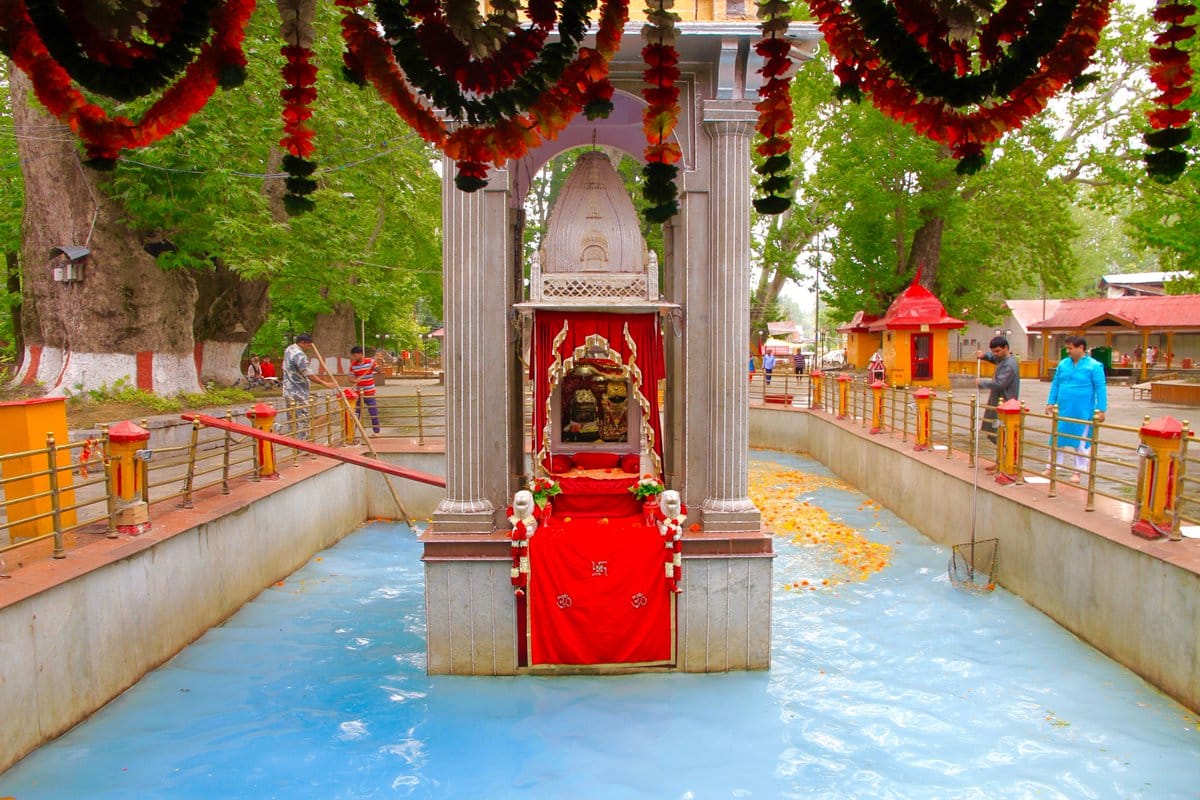
Kheer Bhawani Temple
The most important shrine for Kashmiri Pandits, famous for a sacred spring that is said to change color as a divine omen.
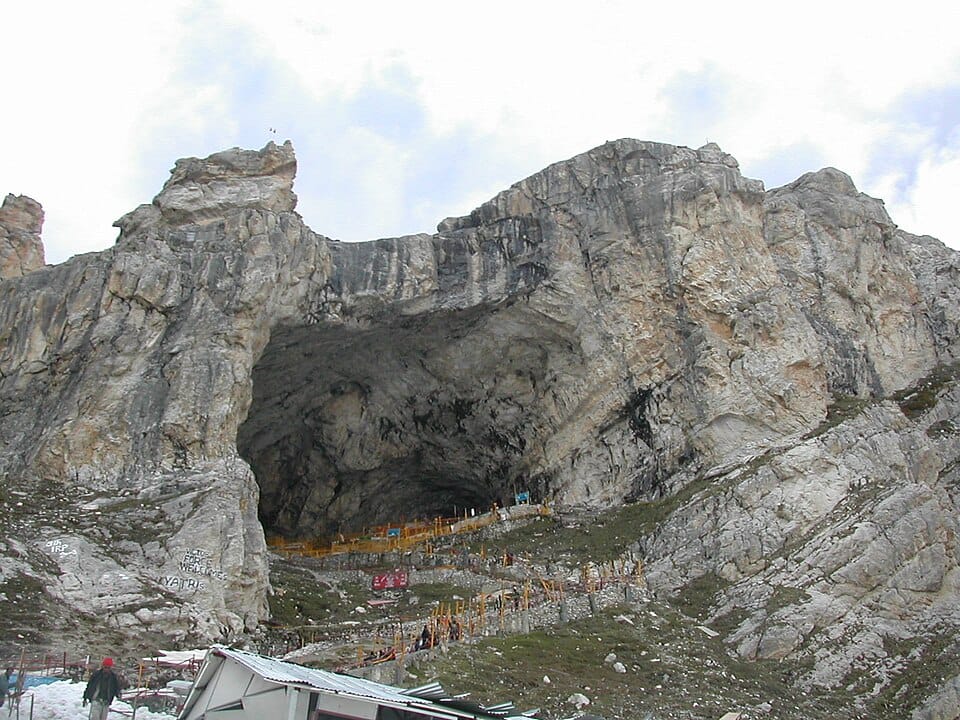
Amarnath Cave Temple
One of the holiest shrines at 3,888m altitude, famous for its naturally occurring ice stalagmite Shiva Lingam.
Avantiswami Temple Ruins
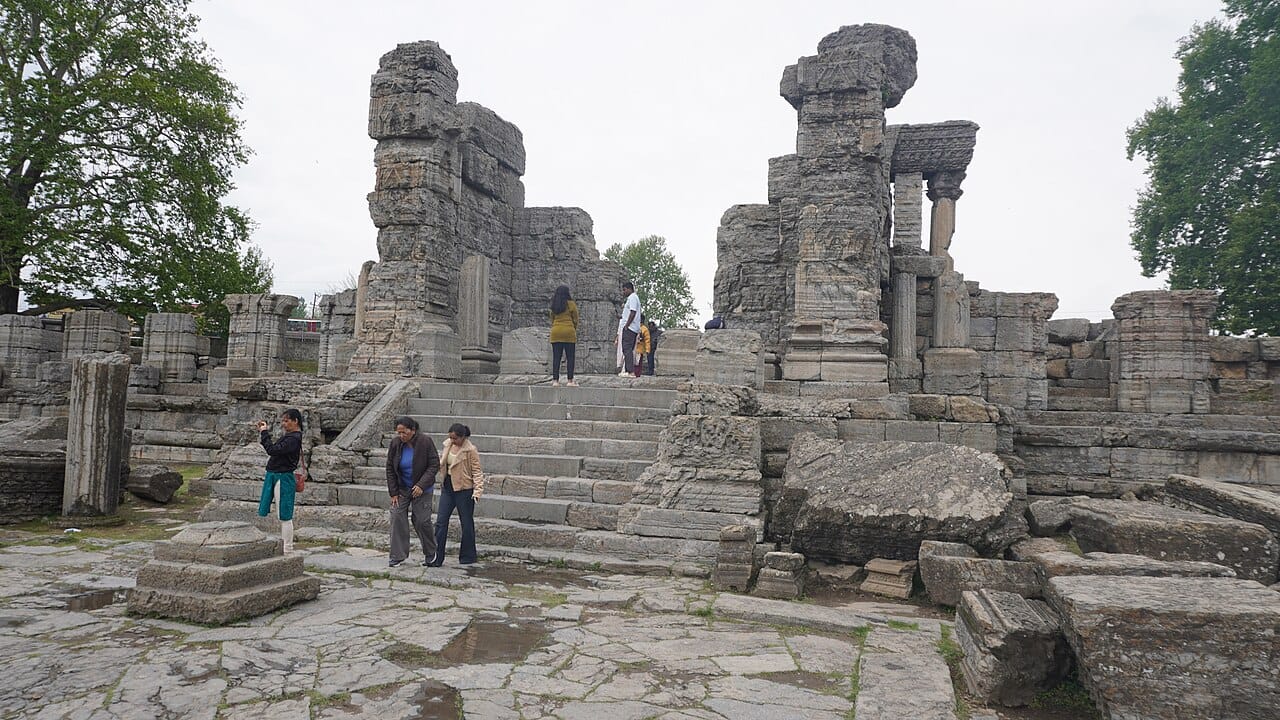
Stunning 9th-century ruins built by King Avantivarman, noted for Greek-influenced architecture and intricate stone carvings.
Tarakeshwar Temple Hooghly
A massive 18th-century pilgrimage site dedicated to Lord Taraknath, especially vibrant during the Gajan festival.
Virupaksha Temple
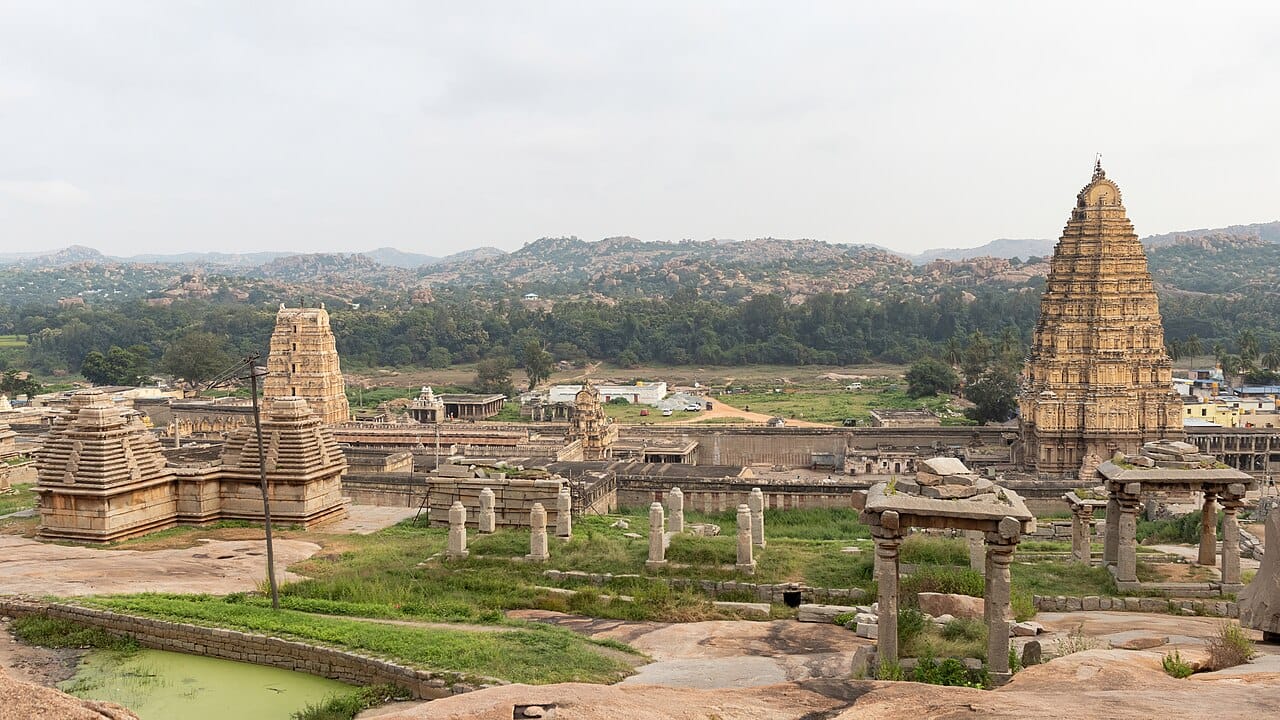
The Virupaksha Temple in Hampi, Karnataka, is a UNESCO World Heritage Site and the oldest functioning temple in India, dedicated to Lord Shiva as Virupaksha.
Jageshwar Temple
A cluster of 124 ancient stone temples from the 7th-12th centuries, nestled in a dense deodar forest.
Neelkanth Mahadev Temple
Situated at 1,330 meters, this is where Lord Shiva is believed to have consumed the poison (Halahala) during the Samudra Manthan.
Tungnath Temple
The highest Shiva temple in the world, situated at 3,680 meters on the Chandranath Parbat; it is the 'Tritiya Kedar' in the sacred Panch Kedar pilgrimage circuit.
Rudranath Temple
One of the Panch Kedar shrines, representing Lord Shiva's face, situated at an altitude of 2,286 meters amidst meadows and rhododendron forests.
India's temples are living traditions — not museums. Every temple has its own customs. This guide helps first-time visitors prepare with confidence and respect.
Foreign visitor information is being researched
Please verify with the official temple authority before planning your visit.
Foreign Visitors
Verify Before VisitingVisitor Information
Entry policies vary between temples. Most temples welcome visitors, while some may restrict access to specific areas, rituals, or the inner sanctum. Always verify the latest entry guidelines with the official temple authorities before your visit.
Modest clothing is expected at every Indian temple — a sign of respect, not a restriction. Think of it as dressing for a formal ceremony.
A scarf is always useful — it covers shoulders, works as a head covering, and can double as a makeshift face cover if needed.
Outdoor photography is generally permitted. Indoor photography is often restricted. Always look for signage or ask a priest before taking photos inside.
May to October offers the best weather in Srinagar. The summer months (June-August) provide clear views of the Himalayan range. Maha Shivaratri (February-March) is the most significant festival but the weather can be cold. The view from the top is best in the early morning (6-8 AM) when the morning light illuminates Dal Lake. The temple is closed or difficult to access during heavy snowfall (December-February).
April — June
July — September
English is widely understood at major tourist temples. In smaller local temples, Hindi and the regional language are more common. A smile and simple hand gestures go a long way. Learning a few words of the local language is always appreciated.
Cash (Indian Rupees) is the most reliable option, especially for temple offerings, small shops, and local transport.
UPI digital payments (Google Pay, PhonePe, Paytm) are widely accepted across India — even at roadside stalls. Download one before you arrive.
International credit/debit cards work at most ATMs, hotels, and larger establishments. Smaller vendors may only accept cash or UPI.
Carry small denominations (₹10, ₹20, ₹50, ₹100 notes) for offerings and temple donations. Large notes (₹500, ₹2000) can be hard to break at smaller counters.
Many historic temples have uneven stone floors, multiple steps, and narrow passages. Wheelchair access is limited at older sites — contact the temple in advance.
Basic restroom facilities and drinking water are available at most major temples. Some charge a small fee (₹5–₹10).
Stay hydrated — carry a reusable water bottle, especially in hot climates.
Keep valuables secure — use hotel lockers for passports and excess cash.
Wear comfortable, sturdy footwear — temple floors can be hot, wet, or uneven.
Beware of unofficial guides or touts near temple entrances. Only use authorised services.
Carry a photocopy of your passport and visa. Leave originals in your hotel safe.
Download offline maps — mobile networks can be unreliable near remote temple sites.
These short explanations help make sense of what you see and experience.
Darshan means 'seeing' — but in a temple it means being seen by the deity. It is a sacred moment of connection, not just a viewing.
Removing footwear is a sign of humility. It also keeps the temple floor clean, since devotees sit and pray on the ground.
Food offered to the deity and then distributed to devotees. It is considered blessed. Accept it with both hands and do not discard it.
The bell creates a focused acoustic atmosphere, wards off distractions, and announces your presence before entering the inner sanctum.
Circumambulation (pradakshina) is done clockwise, keeping the sanctum on your right — an auspicious direction aligned with the sun's path.
Flowers symbolise devotion, coconuts represent the ego being broken, incense purifies the air, and lamps represent the victory of light over darkness.
Sacred viewing of the deity; the central act of temple worship.
Clockwise circumambulation of the sanctum.
Blessed food offered to the deity and distributed to devotees.
The innermost sanctum where the main deity resides.
The towering spire above the sanctum, a defining feature of temple architecture.
A pillared hall or pavilion within the temple complex.
The Indian Rupee (?, INR) is the local currency. ATMs are widely available in cities and towns. For temple offerings, keep small notes (₹10, ₹20, ₹50). Most temples accept donations in cash only — digital payments are uncommon at the offering counter itself.
Offerings (dakshina) are given with the right hand. Place cash in the donation box (hundi) or give it directly to the priest. There is no fixed amount — give what feels appropriate. Some temples have fixed fees for special entry or puja participation.
Shoes and sandals are removed before entering the temple building. Most temples have a designated shoe counter (free or a small fee of ₹5–₹20). Socks are generally allowed. In monsoon, carry a plastic bag for wet shoes.
Darshan queues can take 30 minutes to 3 hours at popular temples. Many offer paid VIP darshan (₹100–₹500) for faster entry. Special queues for women, elderly, and disabled visitors exist at some temples. No line jumping.
Major festivals draw enormous crowds — sometimes hundreds of thousands. Book accommodation months in advance. Expect road closures, restricted vehicle access, and limited phone network. Arrive early (before dawn) to avoid the worst congestion.
Always look for signage before taking photos. When in doubt, ask a priest. Never take photos of devotees in prayer without permission. Selfie sticks are banned at most temples. Silently switch your phone to silent mode.
Police / Ambulance / Fire: 112 (National Emergency Number)
Tourist Helpline: 1800-111-363 (Multi-lingual, Ministry of Tourism)
Women's Helpline: 1091
Temple-specific visitor information is continuously researched and updated from official sources. Where specific data is unavailable, general India travel guidance is provided. Always verify current policies with the temple authority before your visit.
Information last verified July 2026. Temple-specific data coming soon.
Continue your journey through the spiritual and architectural wonders of India.

One of the largest temple complexes in North India, featuring seven gold-plated shikharas and thousands of Saligramas.

A magnificent 8th-century ruin of a solar temple, representing the peak of Kashmiri Hindu architecture.

The most important shrine for Kashmiri Pandits, famous for a sacred spring that is said to change color as a divine omen.

The Vaishno Devi Temple, a sacred cave shrine nestled in the Trikuta Mountains of Jammu and Kashmir, is one of India's most visited pilgrimage sites, where millions trek 12 km each year to seek blessings of Mata Vaishno Devi at the holy cave complex.

One of the holiest shrines at 3,888m altitude, famous for its naturally occurring ice stalagmite Shiva Lingam.

Stunning 9th-century ruins built by King Avantivarman, noted for Greek-influenced architecture and intricate stone carvings.

Built in 1883, it is North India's largest Shiva temple, housing a massive 8-foot central Lingam and twelve crystal lingams.

Believed to be over 2,800 years old, it houses a sacred broken iron trident that legend says belonged to Lord Shiva.
"India has over 40 UNESCO World Heritage Sites, ranging from ancient temples to natural wonders."