Sacred Destinations
Jammu & Kashmir
10Sacred Sites
10Major Temples
Jammu and Kashmir, the northernmost union territory of India, presents a sacred landscape shaped by Hindu, Buddhist, and Islamic traditions spanning over 3,000 years. The region houses the Mata Vaishno Devi cave shrine, one of the most visited pilgrimage destinations in the world, alongside the Amarnath cave shrine (a Jyotirlinga), the ancient Sun Temple at Martand, and the Shankaracharya Temple overlooking Srinagar. The Kashmir Valley was the center of Kashmiri Shaivism, a sophisticated theological tradition that flourished between the 8th and 12th centuries CE, producing philosophers like Abhinavagupta.
Quick Facts
Capital
Srinagar (summer), Jammu (winter)
Population
13.6 million
Area
55,538 km² (excluding Ladakh)
Languages
Kashmiri, Dogri, Hindi, Urdu
Best Time to Visit
March-June, September-December
Major Pilgrimage
Vaishno Devi, Amarnath, Martand, Shankaracharya
Temple Style
Kashmiri (pyramidal), cave temples
UNESCO Count
0 (temples; 3 Mughal gardens tentative)
Major River
Jhelum, Chenab, Indus
Highest Peak
Nun Kun (7,135 m)
Why Visit Jammu & Kashmir
The religious geography of Jammu and Kashmir spans two main zones: the Jammu region (Hindu pilgrimage corridor) and the Kashmir Valley (ancient Hindu and Buddhist centers with Islamic influence). The Mata Vaishno Devi cave temple at 1,585 meters in the Trikuta Hills receives over 8 million pilgrims annually, second only to Tirumala. The Amarnath cave at 3,888 meters houses a naturally forming ice lingam. The Martand Sun Temple (8th century), built by Lalitaditya Muktapida, is the largest Sun temple in India. The Shankaracharya Temple sits atop a hill overlooking Dal Lake.
Vaishno Devi is one of the 108 Shakti Peethas, worshipped as the collective form of Mahakali, Mahalakshmi, and Mahasaraswati. The Amarnath cave is one of the twelve Jyotirlingas, where Shiva revealed the secret of immortality to Parvati. The Martand Sun Temple is the largest Sun temple in the subcontinent, a masterpiece of Kashmiri architecture. Kashmiri Shaivism, with its core text the Shiva Sutras (revealed to Vasugupta in the 8th-9th century), is a unique non-dual tantric philosophical tradition.
Temple Categories
Shakti Peethas
3Vaishno Devi (one of 108), Kheer Bhawani, Mahamaya.
Jyotirlingas
1Amarnath cave — naturally forming ice lingam at 3,888 m.
Kashmiri Temple Ruins
4Martand Sun Temple, Avantiswamin, Parihaspura — 7th-10th century Kashmiri style.
Cave Temples
2Vaishno Devi and Amarnath — natural cave shrines in the Himalayas.
Featured Sacred Places
Jammu & Kashmir
Vaishno Devi Temple
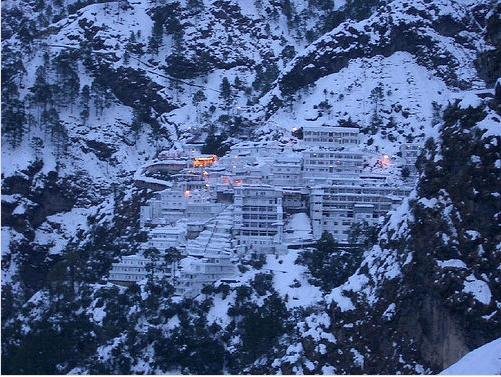
The Vaishno Devi Temple, a sacred cave shrine situated in the Trikuta Mountains of Jammu and Kashmir, is one of India's most visited pilgrimage sites, where millions trek 12 km…
Explore Temple
Jammu & Kashmir
Shankaracharya Temple
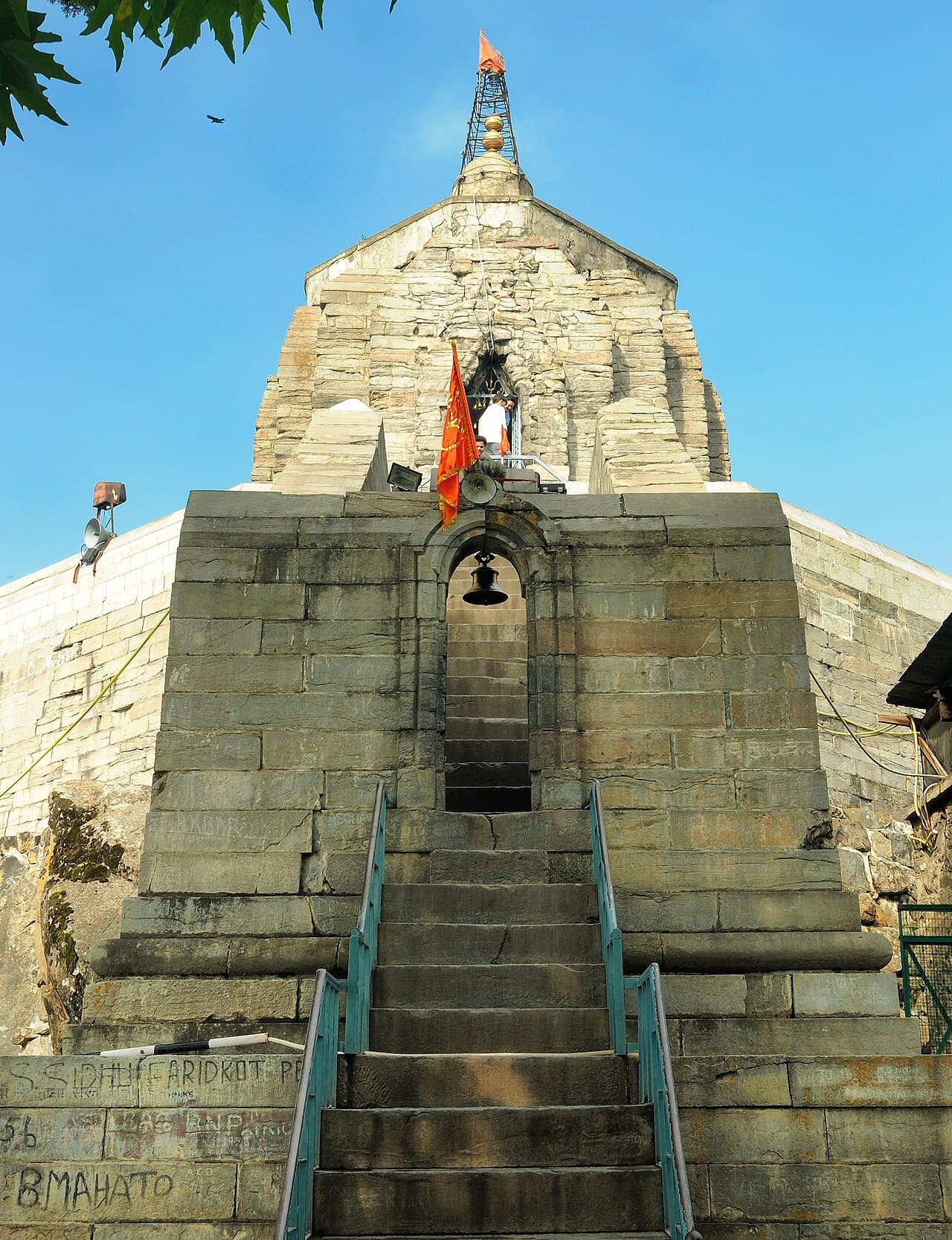
Perched on a hilltop at 1,000 feet, this ancient Shiva temple offers panoramic views of the Dal Lake and Srinagar city.
Explore Temple
Jammu & Kashmir
Raghunath Temple
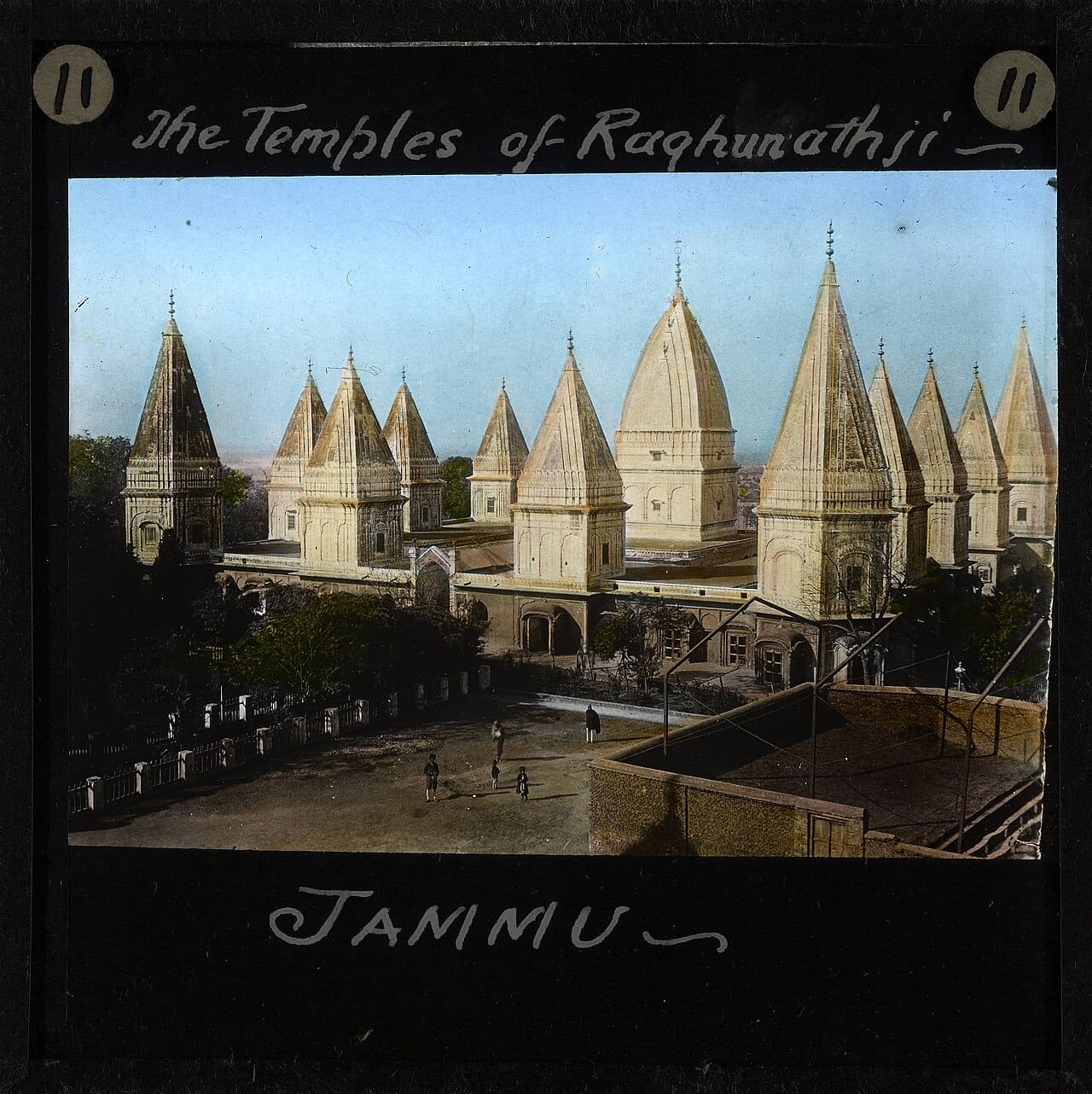
One of the largest temple complexes in North India, featuring seven gold-plated shikharas and thousands of Saligramas.
Explore Temple
Jammu & Kashmir
Martand Sun Temple
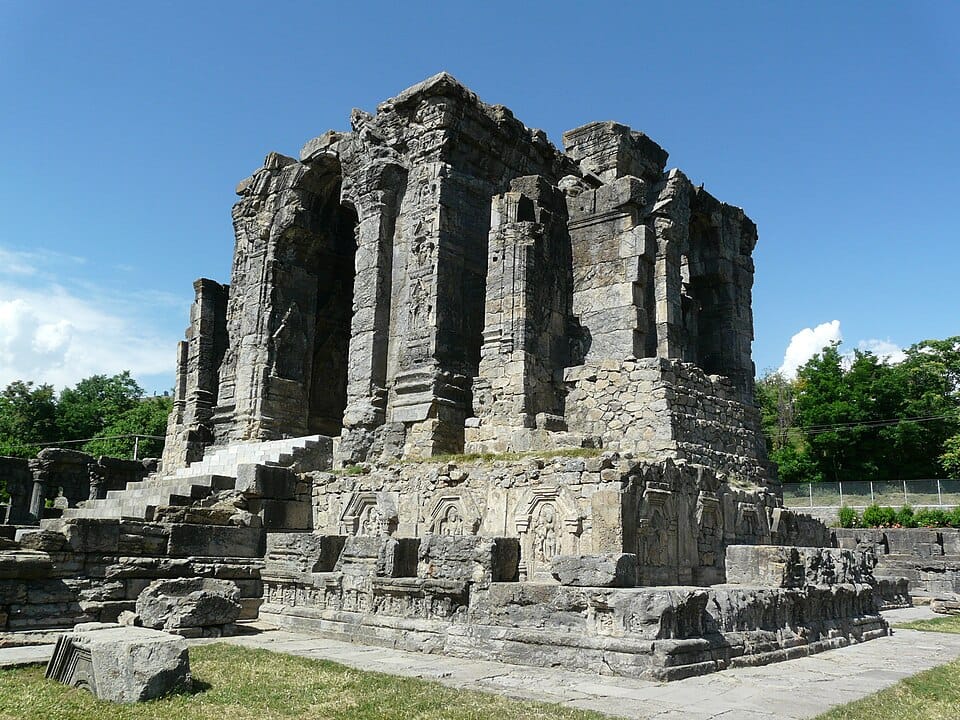
A magnificent 8th-century ruin of a solar temple, representing the peak of Kashmiri Hindu architecture.
Explore Temple
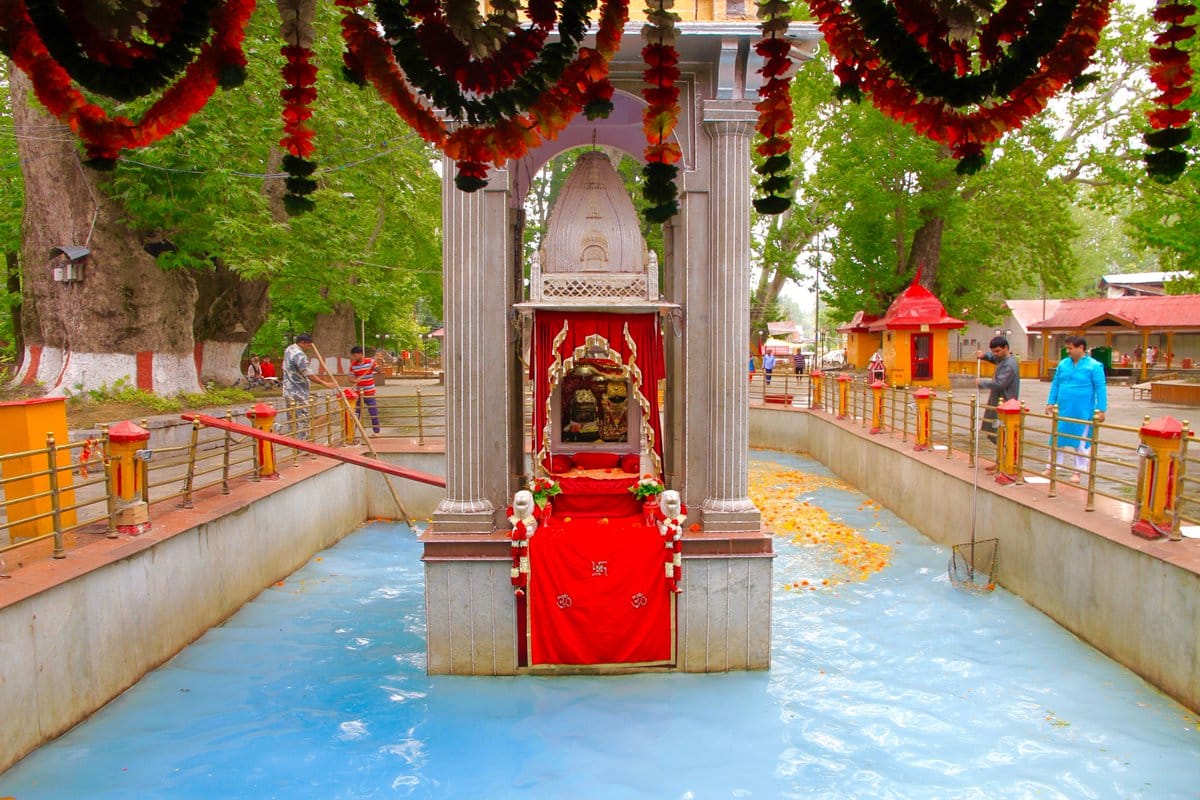
Jammu & Kashmir
Kheer Bhawani Temple
The most important shrine for Kashmiri Pandits, famous for a sacred spring that is said to change color as a divine omen.
Explore Temple
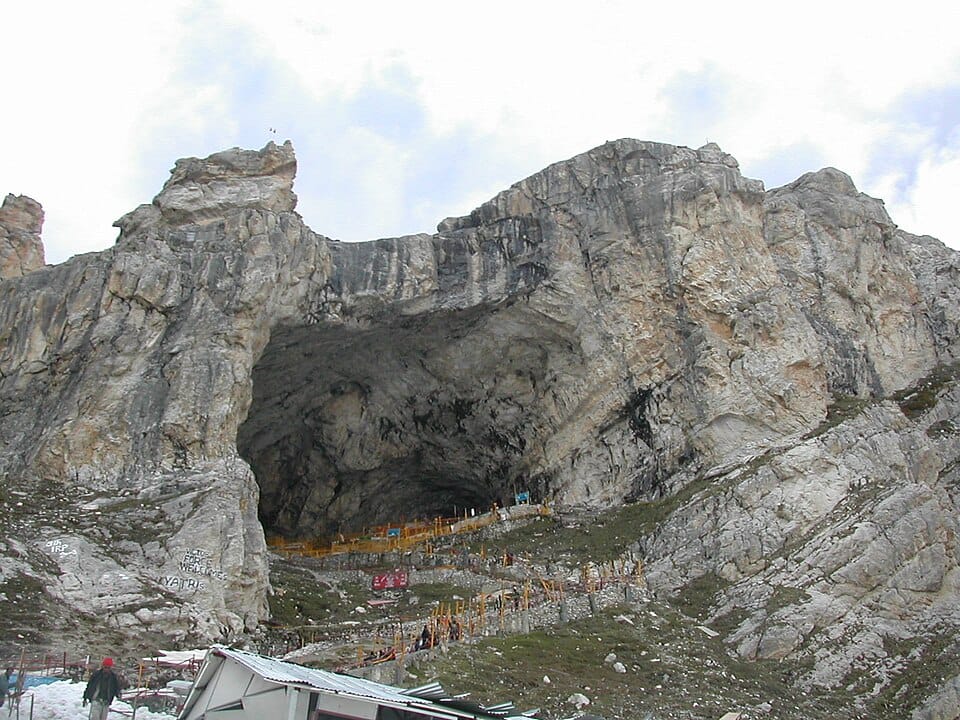
Jammu & Kashmir
Amarnath Cave Temple
One of the holiest shrines at 3,888m altitude, famous for its naturally occurring ice stalagmite Shiva Lingam.
Explore Temple
Pilgrimage Circuits
Vaishno Devi-Amarnath Circuit
2 templesThe two major Himalayan pilgrimages, often combined as a single 10-day yatra.
Mata Vaishno DeviAmarnath Cave Temple
Kashmir Valley Panch Tirthi
5 templesShankaracharya Temple, Kheer Bhawani, Martand Sun Temple, Anantnag springs, Khir Bhavani.
The Vaishno Devi Yatra involves a 12-km trek from Katra. The Amarnath Yatra offers two routes: the 46-km Pahalgam route (5-6 days) and the 14-km Baltal route (2 days). Helicopter services operate for both. The Panch Tirthi of Kashmir includes the Shankaracharya Temple, Kheer Bhawani, Martand Sun Temple, Anantnag springs, and Khir Bhavani shrine.
Temple Architecture
The Kashmiri temple style (7th-10th centuries) is characterized by a squat pyramidal roof with trefoil arches and a peristyle courtyard. Martand, the largest example, measures 220 feet by 142 feet with 84 fluted columns. The Shankaracharya Temple is an octagonal structure on a hilltop, built on a 9th-century stone base. Vaishno Devi is a natural cave temple approximately 30 meters long, with three pindis representing the goddesses. The Amarnath cave is entirely natural, with the ice lingam forming from frozen stalactite drips.
Historical Timeline
3rd c. BCEMaurya
Emperor Ashoka founds Srinagar and builds Buddhist stupas and monasteries.
724-760Karkota
Lalitaditya Muktapida builds Martand Sun Temple, the largest Sun temple in India.
8th-9th c.Karkota
Shiva Sutras revealed to Vasugupta; Kashmiri Shaivism tradition begins.
14th-15th c.Shah Mir
Sultan Sikandar (Butshikan) destroys most Hindu temples in the Kashmir Valley.
1846-1947Dogra
Dogra dynasty restores Vaishno Devi shrine and develops pilgrimage infrastructure.
Temple Statistics
3
Shakti Peethas
Vaishno Devi, Kheer Bhawani, Mahamaya
1
Jyotirlingas
Amarnath cave shrine
8+ million
Annual Pilgrims
Vaishno Devi alone
3,888 m
Highest Shrine
Amarnath cave
Festivals
Amarnath Yatra
June-AugustAmarnath Cave
45 days
Over 500,000 pilgrims trek to 3,888 m for darshan of the naturally forming ice lingam.
Navratri at Vaishno Devi
April, OctoberMata Vaishno Devi
9 days
Over 2 million pilgrims during each Navratri; the shrine feeds up to 200,000 pilgrims daily.
Bahu Mela
March-AprilBahu Fort Temple, Jammu
3 days
Annual fair at the Kali temple inside Bahu Fort with traditional Dogra folk performances.
The Amarnath Yatra (June-August, 45 days) is one of the most challenging Hindu pilgrimages, with over 500,000 registered pilgrims in 2023. Navratri at Vaishno Devi sees over 2 million pilgrims during the nine-day period. The Bahu Mela (Jammu, March-April) and Purmandal Mela on the Devika River maintain Hindu traditions. The Urs at Hazratbal Shrine and at Charar-e-Sharief are important Muslim festivals.
Travel Guide
Best Time
March-June, September-December
Climate
Alpine to subtropical; heavy snow winter
Nearest Airport
Jammu (IXJ), Srinagar (SXR)
Railway
Katra, Jammu Tawi
Road
NH-44 (Jammu-Srinagar)
Local Transport
Taxis, buses, auto-rickshaws
Temple Etiquette
Remove footwear; modest dress
Suggested Duration
5-10 days for key yatras
Nearby Attractions
Lake
Dal Lake
Famous lake in Srinagar with houseboats, shikaras, and floating gardens surrounded by the Zabarwan range.
Heritage
Mughal Gardens
Shalimar Bagh, Nishat Bagh, and Chashme Shahi — 17th-century terraced gardens on Dal Lake.
Hill Station
Gulmarg
Ski resort at 2,650 meters with Asia's highest gondola lift.
Valley
Pahalgam
Base camp for the Amarnath Yatra in the Lidder Valley with scenic meadows and rivers.
Interesting Facts
01
The Amarnath ice lingam naturally waxes and wanes with the lunar cycle, reaching its full 2-3 meter size during the Shravani Purnima full moon.
02
Vaishno Devi receives over 8 million pilgrims annually, yet the cave shrine itself is only 30 meters long — making it one of the most space-efficient religious sites in the world.
03
The Martand Sun Temple was the largest Sun temple in India upon completion in 760 CE, but its construction was entirely within the 36-year reign of a single king, Lalitaditya Muktapida.
Frequently Asked Questions
The Amarnath cave is one of the 12 Jyotirlingas, at 3,888 meters. A naturally forming ice lingam waxes and wanes with the moon, reaching full size during the 45-day yatra season. The cave is revered as the site where Shiva revealed the secret of immortality to Parvati.
One of the 108 Shakti Peethas, the cave features three natural rock formations (pindis) representing Mahakali, Mahalakshmi, and Mahasaraswati. The 12-km trek from Katra attracts over 8 million registered pilgrims annually, second only to Tirumala.
Built 724-760 CE by Lalitaditya Muktapida, it is the largest Sun temple in India at 220 feet by 142 feet with 84 fluted columns. Its architecture represents the peak of Kashmiri temple construction, incorporating Gandharan, Gupta, and classical Greek influences.
A non-dual tantric philosophical tradition that flourished in the Kashmir Valley between the 8th and 12th centuries CE. Its foundational text, the Shiva Sutras, was revealed to Vasugupta around 850 CE. Its most famous philosopher, Abhinavagupta (975-1025 CE), wrote the 37-chapter Tantraloka.
Sources & References
These records back the history, architecture, temple listings and visitor guidance published on this Jammu & Kashmir page.
Archaeological Survey of India
Archaeological Survey of India — monument records and conservation reports
Protected-monument status, dating, architectural classification and conservation records for the temples and monuments named across this Jammu & Kashmir guide.
Primary archaeological record
Open source (opens in a new tab)Ministry of Tourism, Government of India
Ministry of Tourism — official destination information
Official Government of India visitor information, access routes and pilgrimage circuits for Jammu & Kashmir.
Government record
Open source (opens in a new tab)Jammu & Kashmir Tourism
Jammu & Kashmir Tourism — official destination portal
State visitor information — temple timings, access routes and pilgrimage circuit details cited on this page.
Government record
Open source (opens in a new tab)
— every record linked above was re-requested for this release, so the link still resolves and the publisher still serves the document. It is a link check, not a re-verification of every sentence on this page.
Missing something, or found an error? Send us a correction with the record that supports it, or read how we choose sources.