Sacred Destinations
Himachal Pradesh
4Sacred Sites
5Major Temples
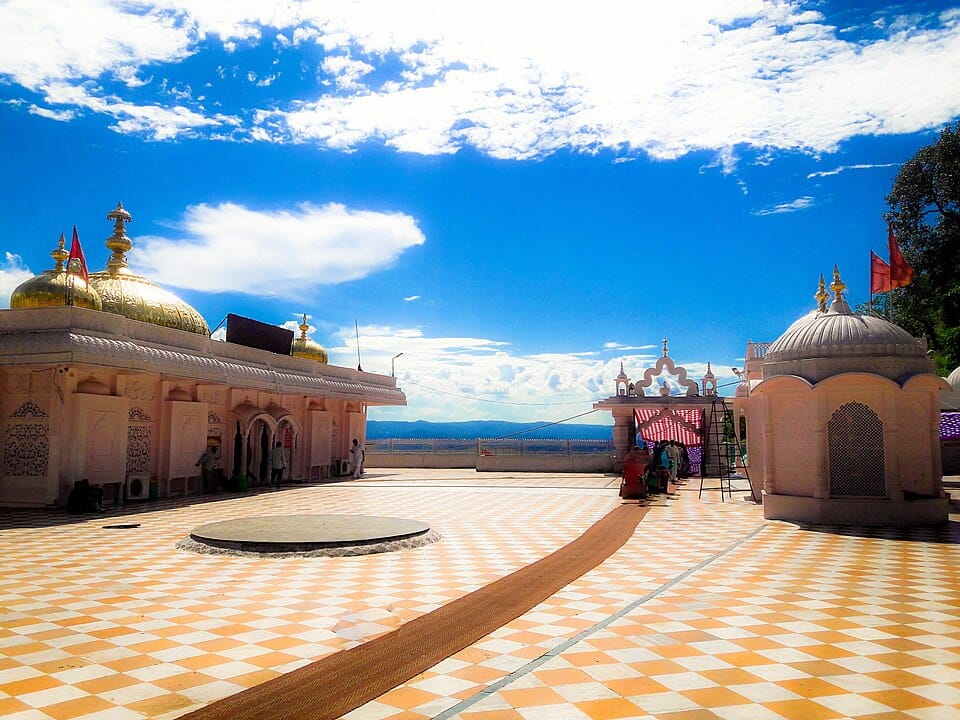
Himachal Pradesh, spanning the western Himalayas from the Shivalik foothills to the Great Himalayan Range, preserves a distinctive hill temple architecture tradition that evolved in relative isolation from the plains. The state's temples, built primarily between the 8th and 17th centuries under local Rajput dynasties, feature a unique combination of wooden and stone construction adapted to mountainous terrain and heavy snowfall. The sacred landscape includes Jwala Ji with its eternal flame, Baijnath Temple (a Jyotirlinga), and the 2,500-year-old Hadimba Devi Temple in Manali.
Quick Facts
Capital
Shimla (summer), Dharamshala (winter)
Population
7.37 million
Area
55,673 km²
Languages
Pahari, Hindi, Kinnauri, Tibetan
Best Time to Visit
March-June, September-November
Major Pilgrimage
Jwala Ji, Baijnath, Hadimba, Tabo, Chamunda
Temple Style
Pagoda (wooden), Nagara (stone)
UNESCO Count
1 (Great Himalayan NP)
Major River
Beas, Sutlej, Ravi, Chenab
Highest Peak
Reo Purgyil (6,816 m)
Why Visit Himachal Pradesh
Himachal's religious traditions blend mainstream Hinduism with indigenous folk deities and Buddhist influences. Jwala Ji in Kangra district is one of the 51 Shakti Peethas, where the goddess Sati's tongue is believed to have fallen, manifested as an eternal flame. Baijnath (Vaidyanath) is a Jyotirlinga where Shiva is worshipped as the Lord of Physicians. Dharamshala, the seat of the Dalai Lama, contains the Namgyal Monastery, making it a global center of Tibetan Buddhism. Tabo Monastery in Spiti, founded in 996 CE, is the oldest continuously operating Buddhist monastery in the Himalayas.
Jwala Ji is the only Shakti Peetha where the goddess is worshipped as an eternal flame rather than an idol. Baijnath Temple is the Jyotirlinga Vaidyanath, built by Katyuri kings in 804 CE per temple inscriptions. The Hadimba Temple is built around a 2,500-year-old cave associated with Bhima's wife from the Mahabharata. Tabo Monastery is known as the 'Ajanta of the Himalayas' for its 1,000-year-old frescoes. The Namgyal Monastery is the personal monastery of the Dalai Lama.
Temple Categories
Featured Sacred Places
Himachal Pradesh
Jwala Ji Temple
A highly venerated Shakti Peetha where the Goddess manifests as nine eternal natural flames, famous for the legend of Emperor Akbar's failed attempt to extinguish them.
Explore Temple
Himachal Pradesh
Chintpurni Temple
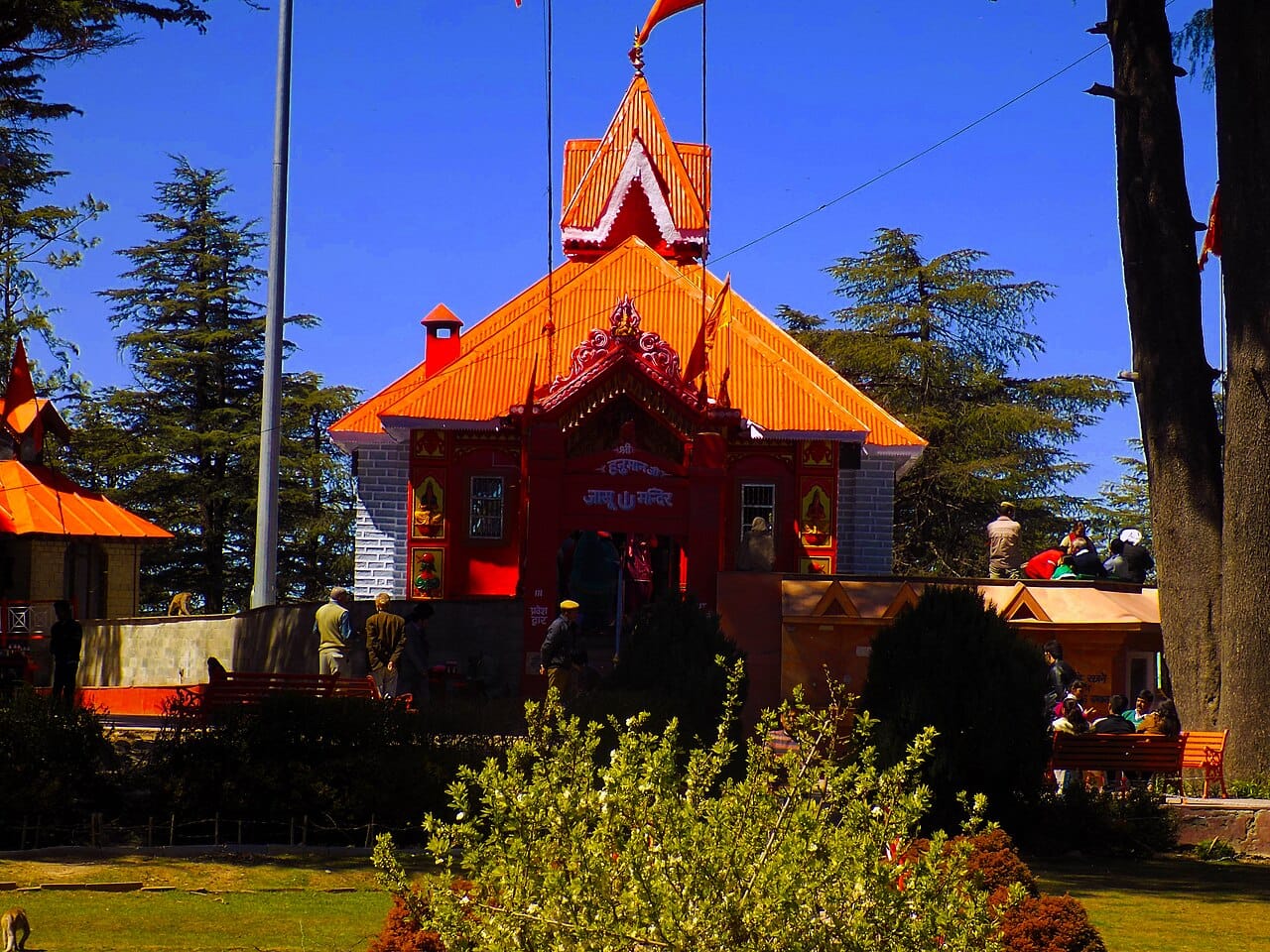
A major Shakti Peetha dedicated to Maa Chhinnamastika, the 'Headless Goddess', believed to remove all worries and fulfill the sincere prayers of devotees.
Explore Temple
Himachal Pradesh
Naina Devi Temple
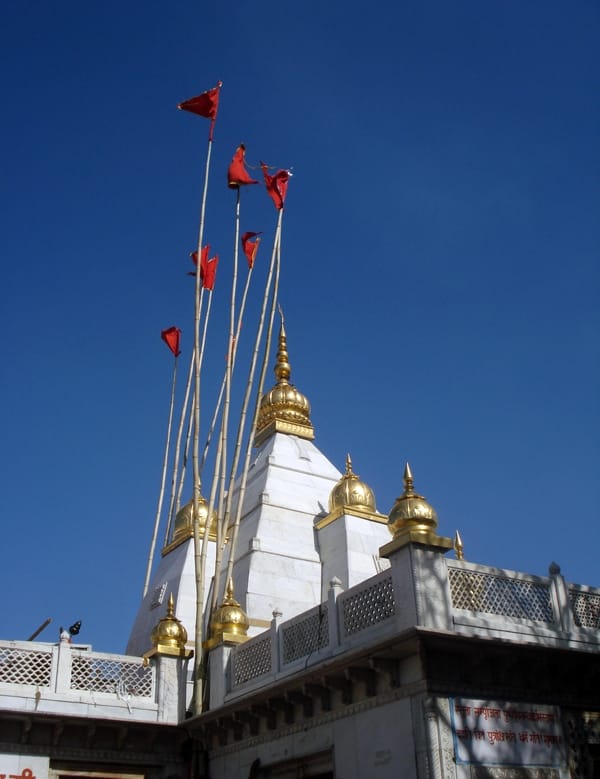
A highly revered Shakti Peetha situated on a triangular hilltop where the eyes of Sati are believed to have fallen, offering panoramic views of the Shivalik range and Gobind Sagar…
Explore Temple
Himachal Pradesh
Bajreshwari Devi Temple
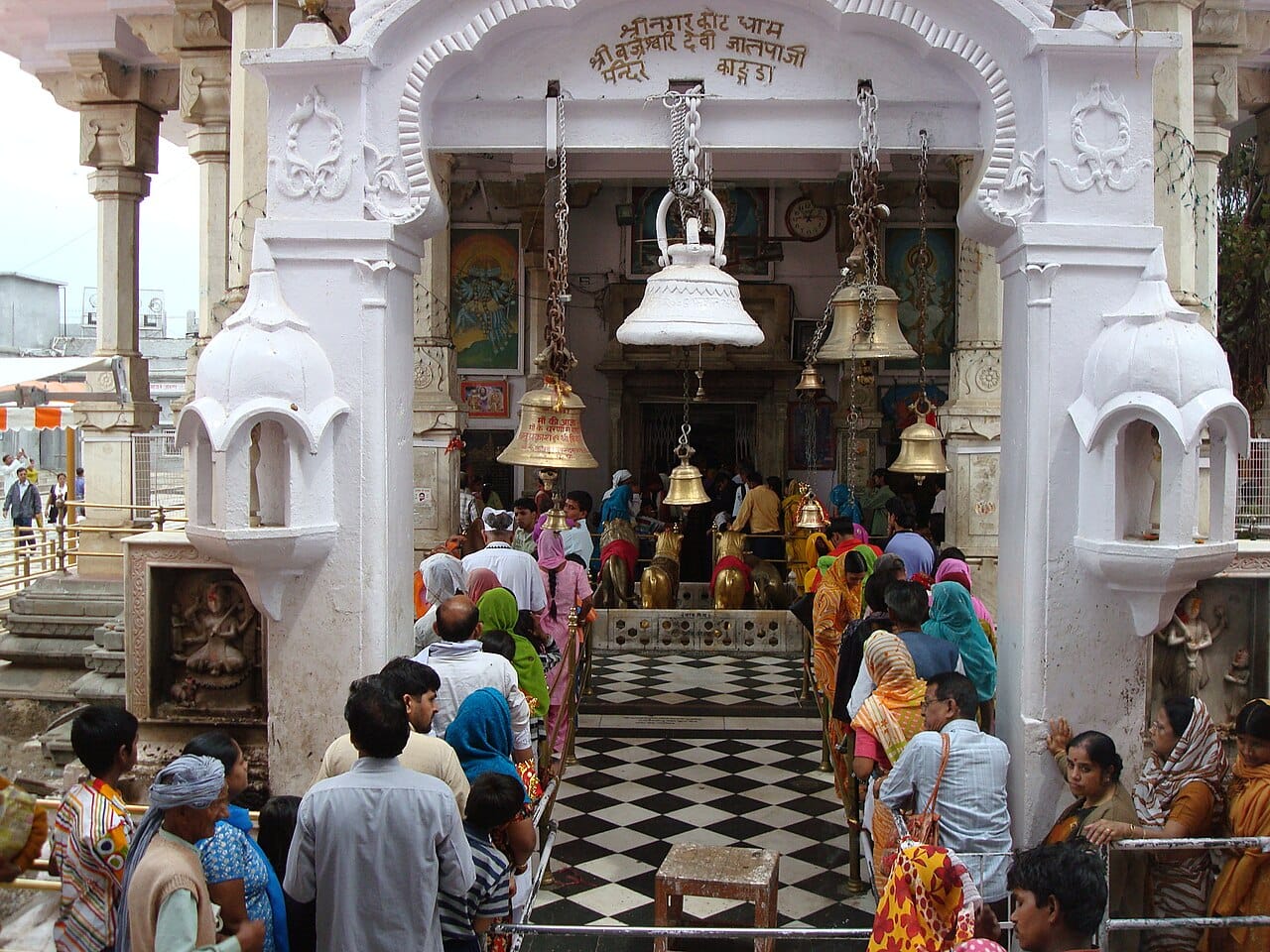
One of the 51 Shakti Peethas, this ancient temple is famous for its legendary wealth and the unique 'Makhan ka Lep' ritual on Makar Sankranti.
Explore Temple
Pilgrimage Circuits
Kangra Shakti Circuit
3 templesJwala Ji, Chamunda Devi, Brajeshwari Devi — the three Shakti Peethas of the Kangra valley.
Spiti Buddhist Circuit
4 templesTabo, Dhankar, Key, and Lhalung monasteries in the Spiti Valley.
Tabo MonasteryDhankar MonasteryKey MonasteryLhalung Monastery
Kullu Valley Circuit
3 templesHadimba Devi, Bijli Mahadev, Manikaran — the key temples of the Kullu Valley.
Hadimba Devi TempleBijli Mahadev TempleManikaran Sahib
The Shakti Peetha circuit in Kangra connects Jwala Ji, Chamunda Devi, Brajeshwari Devi, and Chintpurni. The Shaiva circuit connects Baijnath, Mahakal Mandi, and Manikaran hot springs. The Buddhist circuit connects Dharamshala (Namgyal Monastery), Rewalsar, and the Spiti monasteries of Tabo, Dhankar, and Key.
Temple Architecture
Himachali temple architecture is characterized by the pagoda-style shikhara, a multi-tiered wooden roof with broad eaves designed to withstand heavy snowfall. Jwala Ji is a small shrine built over a natural rock fissure with no idol — only the eternal flame is worshipped. Baijnath is a Nagara-style stone temple with a 21-meter shikhara built by Katyuri kings. Hadimba Temple is a four-tiered wooden pagoda with intricately carved doors. The Lakshmi Narayan complex in Chamba features six stone shikharas with carved panels from the Puranas. Tabo Monastery is a mud-brick and timber complex with a 9.5-meter clay Buddha statue.
Historical Timeline
7th-11th c.Katyuri
Katyuri dynasty builds early stone temples at Baijnath and surrounding areas.
804Katyuri
Baijnath Temple inscription confirms construction; one of the oldest dated temples in the region.
996Tibetan Buddhist
Tabo Monastery founded by Rinpoche Rinchen Zangpo.
1553Kullu
Hadimba Devi Temple built in Manali as a four-tiered wooden pagoda.
1556Mughal
Mughal emperor Akbar invades Kangra; original Jwala Ji temple destroyed.
Temple Statistics
3
Shakti Peethas
Jwala Ji, Chamunda, Brajeshwari
1
Jyotirlingas
Baijnath (Vaidyanath)
996 CE
Oldest Monastery
Tabo Monastery, known as 'Ajanta of the Himalayas'
804 CE
Oldest Temple
Baijnath Temple
Festivals
Kullu Dussehra
OctoberLord Raghunath Temple, Kullu
7 days
Largest Dussehra in the Himalayas; chariot procession of Lord Raghunath dating to 1660 CE.
Jwala Ji Navratri Mela
April, OctoberJwala Ji Temple
9 days each
Pilgrims from across North India gather for the aarti of the eternal flame during both Navratri seasons.
Minjar Mela
July-AugustLakshmi Narayan Temple, Chamba
5 days
Celebrates the maize ear festival with processions, folk dances, and temple visits.
Losar
February-MarchTabo, Dhankar, Key Monasteries
3 days
Tibetan New Year celebrated with cham dances by masked monks and offerings.
The Jwala Ji Mela during Navratri (April and October) draws pilgrims from across North India. The Kullu Dussehra (October) is a seven-day festival with the chariot procession of Lord Raghunath, the largest Dussehra in the Himalayas, dating to 1660 CE. Losar (Tibetan New Year, February-March) at the Spiti monasteries features cham dances. The Minjar Mela in Chamba (July-August) celebrates the maize ear festival. The Doongri Fair in Manali honors Hadimba Devi.
Travel Guide
Best Time
March-June, September-November
Climate
Alpine to subtropical; heavy snow Dec-Feb
Nearest Airport
Kangra (DHM), Kullu-Bhuntar (KUU), Shimla (SLV)
Railway
Pathankot, Una, Kalka-Shimla (toy train)
Road
NH-3 (Kullu-Manali), NH-154 (Kangra)
Local Transport
HRTC buses, taxis, jeep rentals
Temple Etiquette
Remove footwear; modest dress
Suggested Duration
7-10 days for key circuits
Nearby Attractions
UNESCO site
Great Himalayan National Park
Alpine meadows, wildlife, and trekking routes in the Kullu district.
UNESCO site
Shimla-Kalka Toy Train
Narrow-gauge railway built in 1903, a UNESCO World Heritage Site.
Hill Station
Khajjiar
Known as 'Mini Switzerland,' features a 4.5-hectare lake surrounded by meadows.
Valley
Parvati Valley
Hot springs at Manikaran and trekking through Kasol to Kheerganga.
Interesting Facts
01
Jwala Ji is the only temple in India where the deity is worshipped as a natural gas flame emerging from a rock fissure — the blue flame has been burning continuously for millennia.
02
The Hadimba Temple is built around a cave that archaeological evidence dates to the epic Mahabharata period, making it one of the oldest continuously used sacred sites in the Himalayas.
03
Tabo Monastery's 1,000-year-old frescoes were painted using the same tempera technique as the Ajanta caves, but at 3,050 meters elevation in the cold desert of Spiti.
Frequently Asked Questions
It is the only Shakti Peetha where the goddess is manifested as an eternal flame emerging from a natural rock fissure, rather than an idol. The nine flames are each named after a goddess and have been burning continuously for thousands of years.
Baijnath (Vaidyanath) is one of the twelve Jyotirlingas, built by the Katyuri kings in 804 CE. Shiva is worshipped as the Lord of Physicians, and it is believed that prayer here cures diseases.
The pagoda-style multi-tiered wooden roof with broad descending eaves is designed to shed heavy snowfall. Temples combine local stone, deodar cedar wood, and slate tiles. Hadimba Temple's four-tiered pagoda (1553) is the finest example.
Founded in 996 CE, Tabo is the oldest continuously operating Buddhist monastery in India and the Himalayas. Known as the 'Ajanta of the Himalayas,' it contains 1,000-year-old frescoes and a 9.5-meter clay Buddha statue.
Sources & References
These records back the history, architecture, temple listings and visitor guidance published on this Himachal Pradesh page.
Archaeological Survey of India
Archaeological Survey of India — monument records and conservation reports
Protected-monument status, dating, architectural classification and conservation records for the temples and monuments named across this Himachal Pradesh guide.
Primary archaeological record
Open source (opens in a new tab)Ministry of Tourism, Government of India
Ministry of Tourism — official destination information
Official Government of India visitor information, access routes and pilgrimage circuits for Himachal Pradesh.
Government record
Open source (opens in a new tab)
— every record linked above was re-requested for this release, so the link still resolves and the publisher still serves the document. It is a link check, not a re-verification of every sentence on this page.
Missing something, or found an error? Send us a correction with the record that supports it, or read how we choose sources.