Sacred Destinations
Haryana
4Sacred Sites
5Major Temples
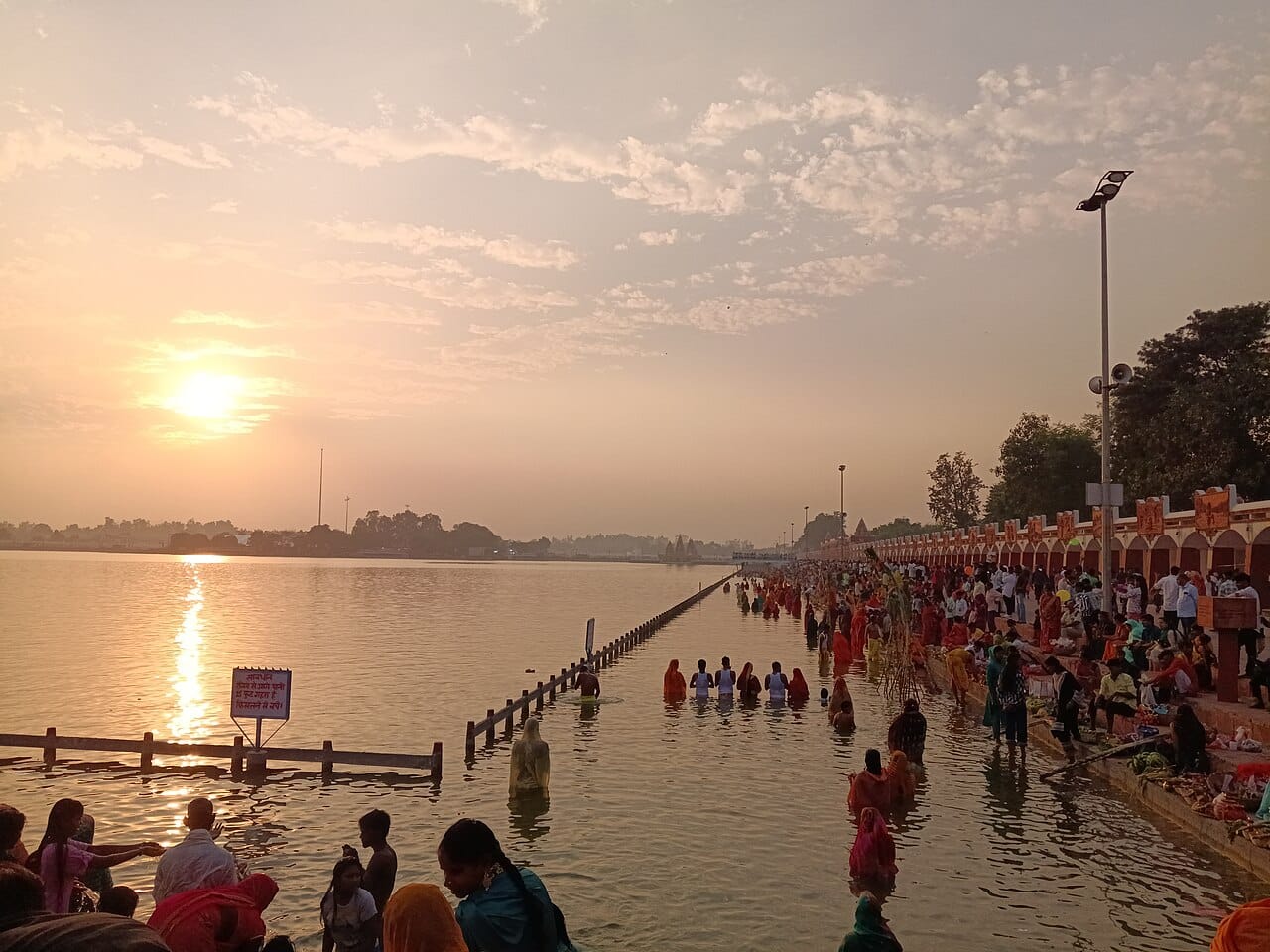
Haryana, in northern India's fertile Saraswati-Ganga doab, is a region deeply embedded in the epic narratives of the Mahabharata and the ancient Vedic civilization. The state's sacred geography is centered on Kurukshetra, the legendary battlefield of the Mahabharata war, and the Sthaneshwar Mahadev Temple, where the Pandavas worshipped Shiva before battle. The region is associated with the Saraswati River, the most frequently mentioned river in the Rigveda, and contains numerous tirthas forming one of the largest concentrations of pilgrimage tanks in India.
Quick Facts
Capital
Chandigarh
Population
28.2 million
Area
44,212 km²
Languages
Hindi, Haryanvi, Punjabi
Best Time to Visit
October to March
Major Pilgrimage
Kurukshetra, Sthaneshwar Mahadev, Brahma Sarovar, Pehowa
Temple Style
Nagara, tank architecture
UNESCO Count
0 (temples)
Major River
Ghaggar (ancient Saraswati), Yamuna
Highest Point
Morni Hills (1,194 m)
Why Visit Haryana
Haryana's religious character is defined by its connection to the Mahabharata and the Vedic age. Kurukshetra district alone contains over 360 pilgrimage sites including tanks, temples, and sacred groves. The Sthaneshwar Mahadev Temple in Thanesar is one of the oldest Shiva temples in North India, continuously worshipped for over 2,000 years. The Brahma Sarovar tank is believed to be where Brahma created the universe. The Bhadrakali Temple, one of the 51 Shakti Peethas, is located in Kurukshetra. The Agroha Dham complex in Hisar is a modern Jain temple of white marble.
Kurukshetra is the dharmakshetra from the Bhagavad Gita, where Krishna delivered the Gita sermon to Arjuna. The Sthaneshwar Mahadev Temple houses a swayambhu (self-manifested) Shiva linga. Brahma Sarovar is the most sacred of the Kurukshetra tanks, where a single bath equals the merit of the Ashwamedha yagna. Jyotisar marks the exact location where Krishna delivered the Bhagavad Gita, with a 400-year-old banyan tree marking the spot. Pehowa is a major site for performing pind daan rituals.
Temple Categories
Mahabharata Sites
10Kurukshetra battlefield, Jyotisar (Gita delivery site), and associated tirthas.
Shakti Peethas
2Bhadrakali Temple and Mata Mansa Devi.
Sacred Tanks (Tirthas)
360360+ pilgrimage tanks including Brahma Sarovar and Sannihit Sarovar.
Jain Temples
2Agroha Dham, a modern white marble complex near Hisar.
Featured Sacred Places
Haryana
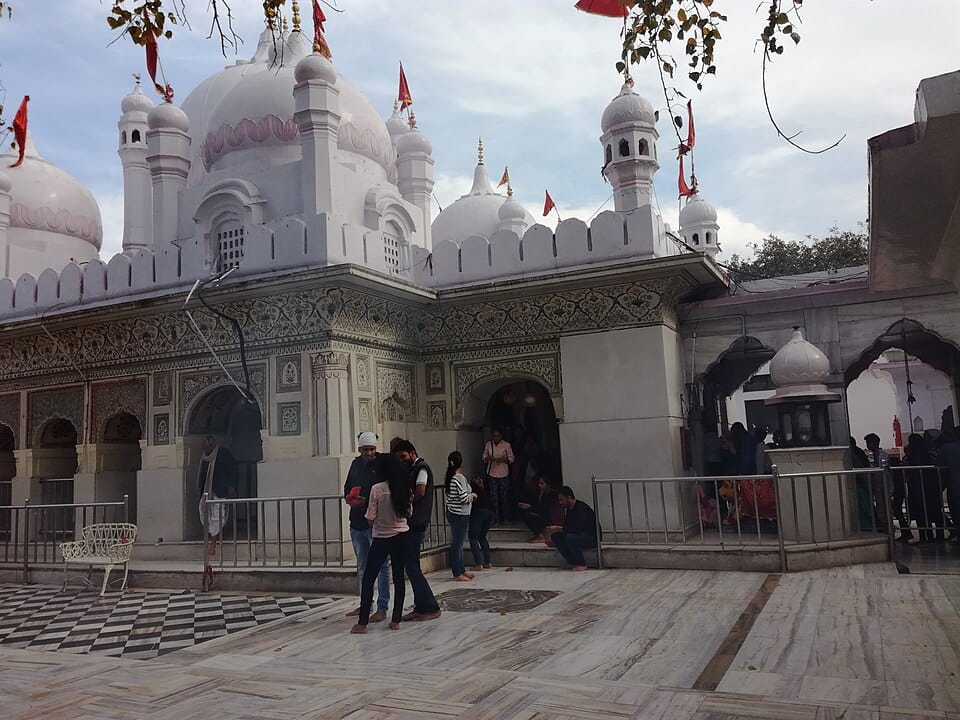
Mata Mansa Devi Temple
A premier Shakti Peetha where the head of Sati is believed to have fallen, famous for its 19th-century wall paintings and the twin Navratri melas.
Explore Temple
Haryana
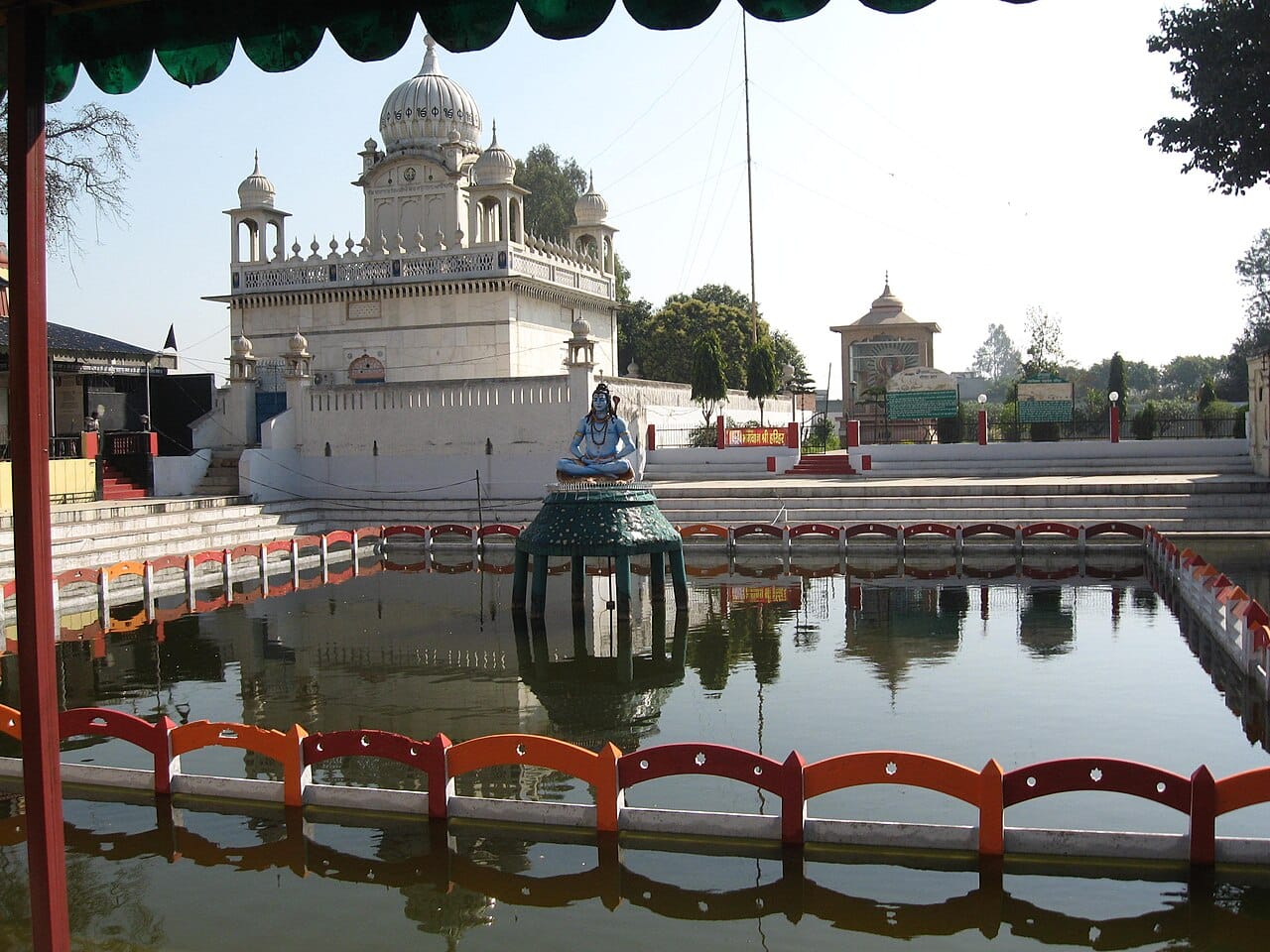
Sthaneshwar Mahadev Temple
An ancient and highly revered shrine dedicated to Lord Shiva, intimately connected to the Mahabharata epic and the mighty Pushyabhuti dynasty of Emperor Harshavardhana.
Explore Temple
Haryana
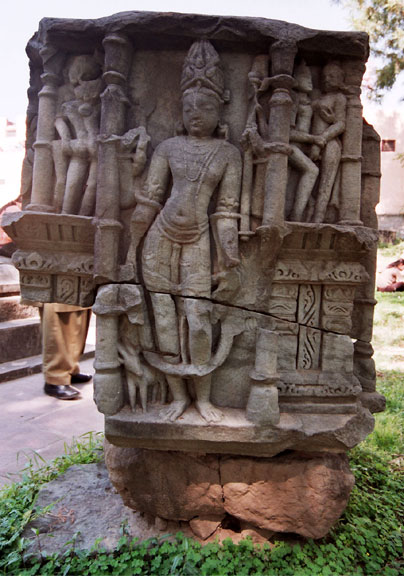
Bhima Devi Temple
Often hailed as the 'Khajuraho of North India', this 8th-to-11th-century architectural marvel features magnificent Gurjara-Pratihara ruins and an open-air museum.
Explore Temple
Haryana
Brahma Sarovar
A magnificent ancient water tank in Kurukshetra, deeply tied to the Mahabharata and the creation of the universe by Lord Brahma.
Explore Temple
Pilgrimage Circuits
Kurukshetra Parikrama
10 temples48-km circumambulation of 360 tirthas around Kurukshetra.
Saraswati Circuit
4 templesFollowing the ancient Saraswati riverbed through Pehowa, Kurukshetra, and Adi Badri.
The Kurukshetra Parikrama is a 48-kilometer clockwise circumambulation of 360 tirthas including Brahma Sarovar, Sannihit Sarovar, Jyotisar, and Sthaneshwar Mahadev. The Saraswati circuit follows the ancient river through Pehowa, Kurukshetra, and Adi Badri. The Shakti Peetha circuit connects Bhadrakali with Mata Mansa Devi in Panchkula.
Temple Architecture
The Sthaneshwar Mahadev Temple is built in the Nagara style with a 20-meter pyramidal shikhara decorated with amalaka and kalasha finials. The complex includes a large pillared mandapa with carved columns depicting the Ramayana and Mahabharata. Brahma Sarovar is a square tank with a 1,400-meter perimeter, surrounded by ghats and small shrines with a central island reached by a causeway. Agroha Dham is a modern marble Jain complex with a 31-meter-high shrine housing a 5.5-meter Mahavir statue.
Historical Timeline
c. 1500-500 BCEVedic
Vedic civilization flourishes in Brahmavarta between the Saraswati and Drisadvati rivers.
c. 3100 BCEKuru
Kurukshetra War fought; Bhagavad Gita delivered by Krishna at Jyotisar.
4th-6th c.Gupta
Sthaneshwar Mahadev Temple built in Gupta period on a Mauryan-era site.
1014Ghaznavid
Sthaneshwar Mahadev Temple damaged by Mahmud of Ghazni; later rebuilt.
16th c.Mughal
Emperor Akbar donates land for Brahma Sarovar restoration.
Temple Statistics
360+
Pilgrimage Tanks
Concentrated in Kurukshetra district
4th-6th c.
Oldest Temple
Sthaneshwar Mahadev Temple
2
Shakti Peethas
Bhadrakali, Mansa Devi
1,800 m²
Largest Tank
Brahma Sarovar
Festivals
Kurukshetra Deepotsav
November-DecemberBrahma Sarovar
2 days
Over 200,000 earthen lamps lit around Brahma Sarovar on Karthik Purnima, creating a spectacular reflection.
International Gita Festival
DecemberKurukshetra
6 days
Commemorates the Bhagavad Gita with discourses, cultural programs, and exhibitions.
Solar Eclipse Fair
VariableBrahma Sarovar
1-3 days
Over 1 million pilgrims take a ritual bath in Brahma Sarovar during solar eclipses.
The Kurukshetra Deepotsav (November-December) during Karthik Purnima features over 200,000 earthen lamps lit around Brahma Sarovar. The Solar Eclipse fair attracts over a million pilgrims for ritual bathing. The International Gita Festival (December) commemorates the Bhagavad Gita. Maha Shivaratri at Sthaneshwar Mahadev involves overnight vigils and processions.
Travel Guide
Best Time
October to March (10-25°C)
Climate
Summer up to 47°C; winter low 2°C
Nearest Airport
Chandigarh (IXC), Delhi (DEL)
Railway
Kurukshetra Junction, Ambala
Road
NH-44 (Delhi-Ambala)
Local Transport
HR buses, taxis, auto-rickshaws
Temple Etiquette
Remove footwear; modest dress
Suggested Duration
2-4 days for Kurukshetra circuit
Nearby Attractions
Heritage
Pinjore Gardens
17th-century Mughal terraced gardens designed by Fidai Khan, 30 km from Kurukshetra.
National Park
Sultanpur National Park
Major bird sanctuary in Gurugram district with over 200 bird species.
Museum
Panipat Museum
Preserves artifacts from the three historic battles of Panipat (1526, 1556, 1761).
Interesting Facts
01
Kurukshetra has 360+ pilgrimage tanks — the highest concentration of sacred water bodies anywhere in India, all within a 48-kilometer radius.
02
The Sannihit Sarovar is believed to be the meeting point of seven sacred rivers, including the mythical Saraswati.
03
The Brahma Sarovar tank is so large that a single circumambulation of its ghats covers 1.4 kilometers.
Frequently Asked Questions
Kurukshetra is the dharmakshetra where the Mahabharata war was fought and Krishna delivered the Bhagavad Gita to Arjuna. The land is considered so sacred that, according to the epic, warriors who died here attained heaven regardless of their actions.
It houses a swayambhu (self-manifested) Shiva linga continuously worshipped for over 2,000 years. The Pandavas worshipped here before battle, and the current structure dates to the Gupta period.
The most sacred tank of Kurukshetra, covering 1,800 square meters. It is believed Lord Brahma created the universe from this spot. A bath here during Karthik Purnima is considered equivalent to the Ashwamedha yagna.
Haryana is the heartland of the ancient Saraswati, the most frequently mentioned river in the Rigveda. The river now flows only as the seasonal Ghaggar, traced through satellite imagery from the Siwalik Hills through Ambala, Kurukshetra, and Fatehabad.
Sources & References
These records back the history, architecture, temple listings and visitor guidance published on this Haryana page.
Archaeological Survey of India
Archaeological Survey of India — monument records and conservation reports
Protected-monument status, dating, architectural classification and conservation records for the temples and monuments named across this Haryana guide.
Primary archaeological record
Open source (opens in a new tab)Ministry of Tourism, Government of India
Ministry of Tourism — official destination information
Official Government of India visitor information, access routes and pilgrimage circuits for Haryana.
Government record
Open source (opens in a new tab)
— every record linked above was re-requested for this release, so the link still resolves and the publisher still serves the document. It is a link check, not a re-verification of every sentence on this page.
Missing something, or found an error? Send us a correction with the record that supports it, or read how we choose sources.