Sacred Destinations
Uttar Pradesh
13Sacred Sites
10Major Temples
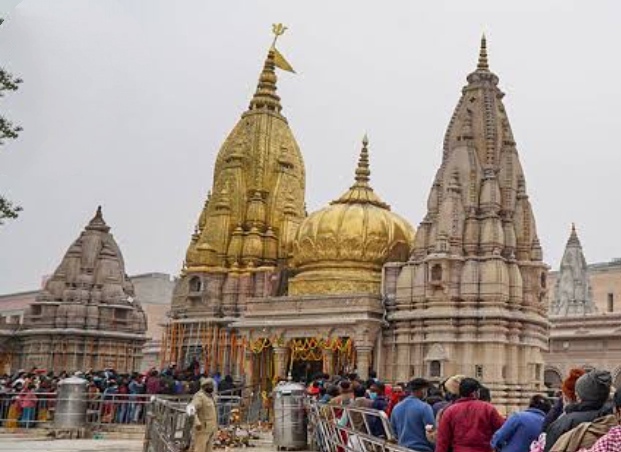
Uttar Pradesh, the most populous state in India, is the spiritual heartland of Hinduism, containing three of the most sacred pilgrimage cities: Varanasi (Kashi), Ayodhya, and Mathura-Vrindavan. The state's sacred geography encompasses the entire range of Hindu traditions, from ancient Shiva worship at Kashi Vishwanath to Krishna devotion in Braj and Ram bhakti in Ayodhya. It also contains the Buddhist site of Sarnath and the Triveni Sangam at Prayagraj.
Quick Facts
Capital
Lucknow
Population
241 million
Area
243,286 km²
Languages
Hindi, Urdu, Bhojpuri, Awadhi
Best Time to Visit
October to March
Major Pilgrimage
Varanasi, Ayodhya, Mathura-Vrindavan, Prayagraj
Temple Style
Nagara (Gupta), Maratha, modern
UNESCO Count
0 (temples; Taj Mahal, Agra Fort are UNESCO)
Major River
Ganges, Yamuna, Sarayu, Gomti
Highest Point
Samsher (800 m approx.)
Why Visit Uttar Pradesh
Uttar Pradesh's religious significance is rooted in its location along the Ganges and its association with key Hindu mythological events. Varanasi, said to be founded by Shiva himself, is the most important Shaivite pilgrimage site. The Braj region (Mathura, Vrindavan, Govardhan) is Krishna's childhood land. Ayodhya is the birthplace of Rama. The Triveni Sangam at Prayagraj hosts the Kumbh Mela, the largest religious gathering in the world. Sarnath is where Buddha gave his first sermon.
Kashi Vishwanath is one of the twelve Jyotirlingas and the most visited Shiva shrine in North India. The Shri Ram Janmabhoomi Mandir at Ayodhya, consecrated in 2024, is the most significant new temple in modern India. The Banke Bihari Temple in Vrindavan draws millions of Krishna devotees. The Kumbh Mela at Prayagraj is the largest religious gathering on Earth, with over 150 million participants in 2019. The Bhitargaon Temple (5th century) is the oldest surviving brick temple with a terracotta facade.
Temple Categories
Jyotirlingas
1Kashi Vishwanath (Varanasi) — one of the twelve.
Char Dham Sites
1Varanasi (Kashi) — one of the Sapta Puri.
Braj Temples
1000Banke Bihari, Prem Mandir, ISKCON Vrindavan, Shri Krishna Janmabhoomi Mathura — 1,000+ Krishna temples.
Ramayana Sites
5Ayodhya Ram Temple, Hanuman Garhi, Chitrakoot.
Buddhist Sites
2Sarnath Deer Park, Kaushambi.
Featured Sacred Places
Uttar Pradesh
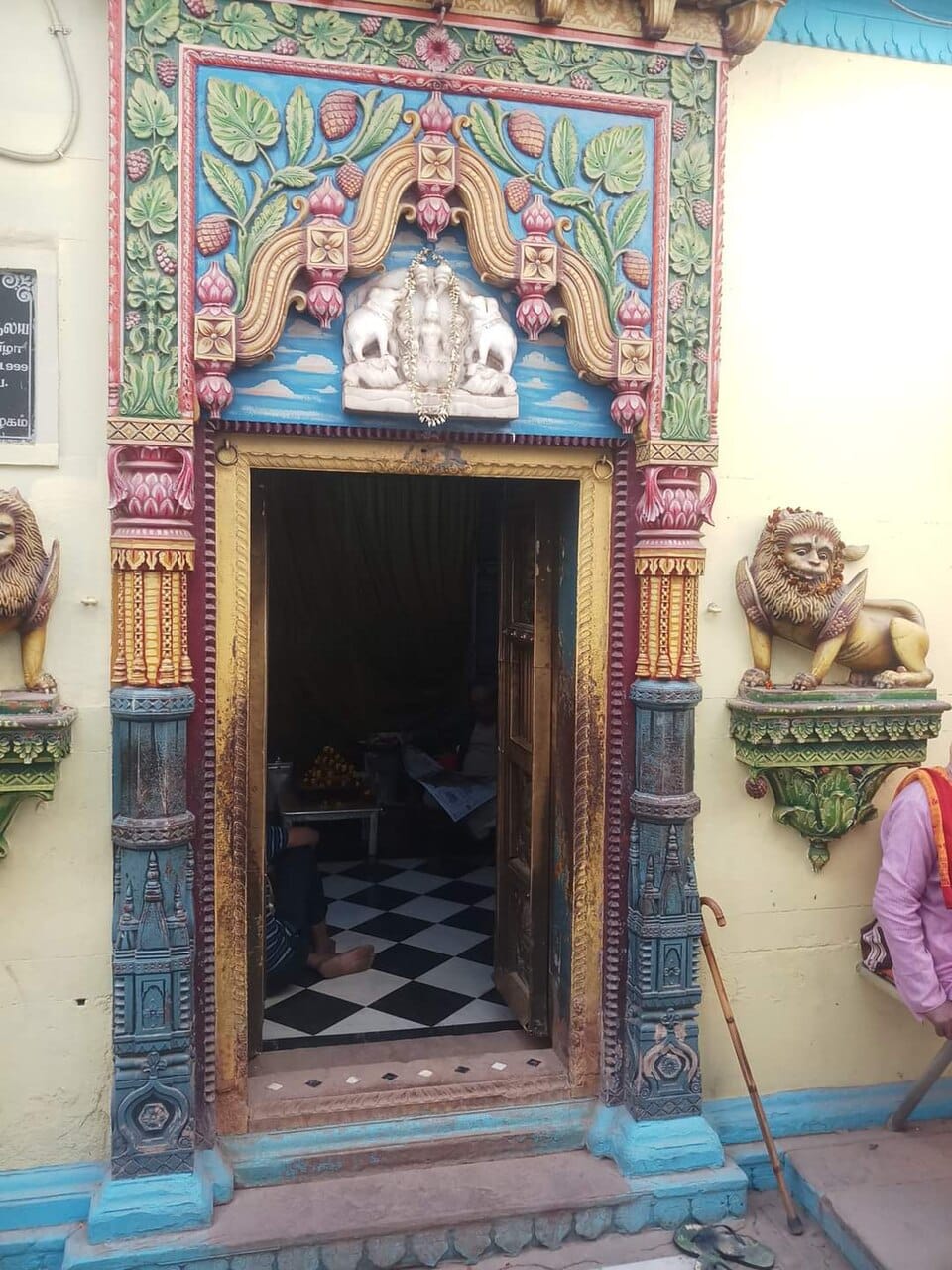
Vishalakshi Temple
The Vishalakshi Temple, located in the narrow lanes of Mir Ghat near the Ganges in Varanasi, is one of the 51 Shakti Peethas where the earrings of Goddess Sati are…
Explore Temple
Uttar Pradesh
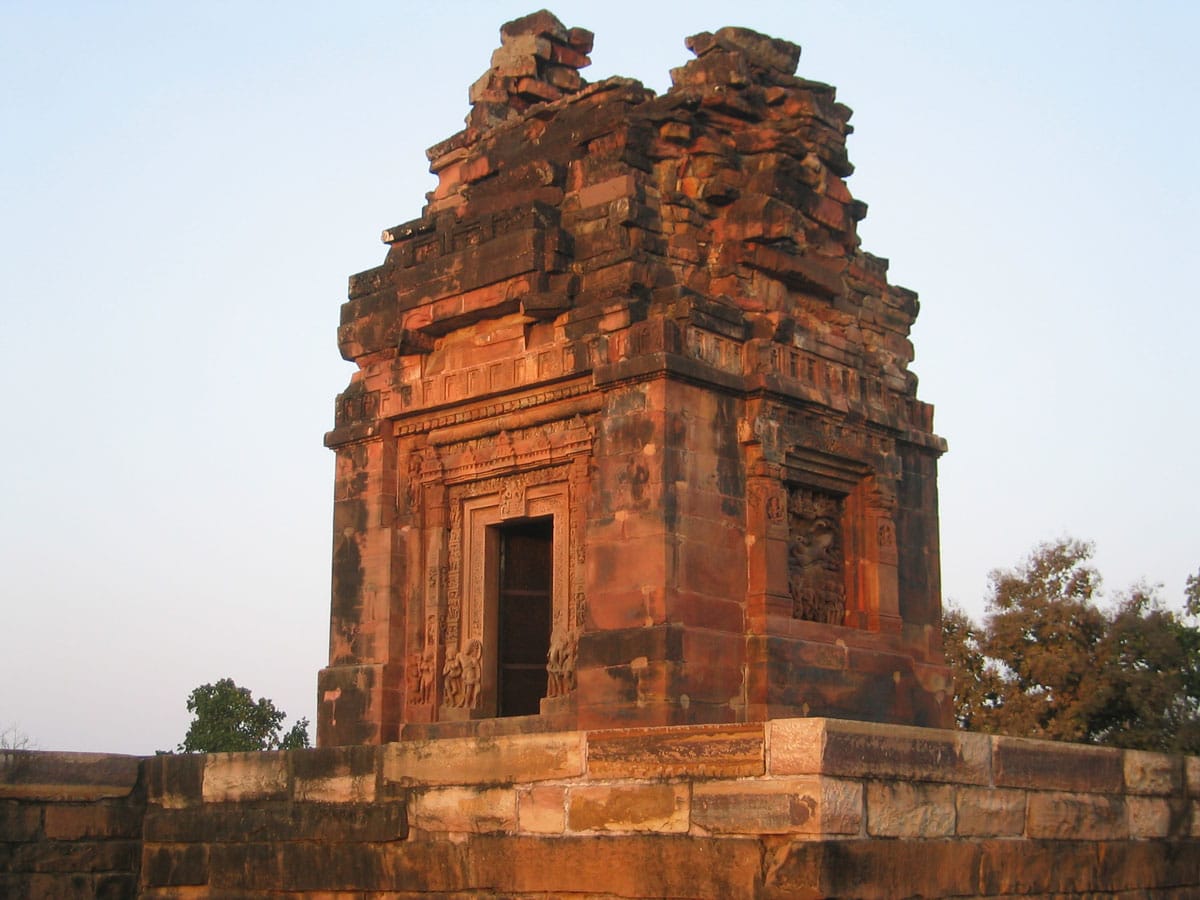
Dashavatara Temple
Dating to around 500 CE, this is the earliest known North Indian temple with a shikhara (curvilinear tower).
Explore Temple
Uttar Pradesh
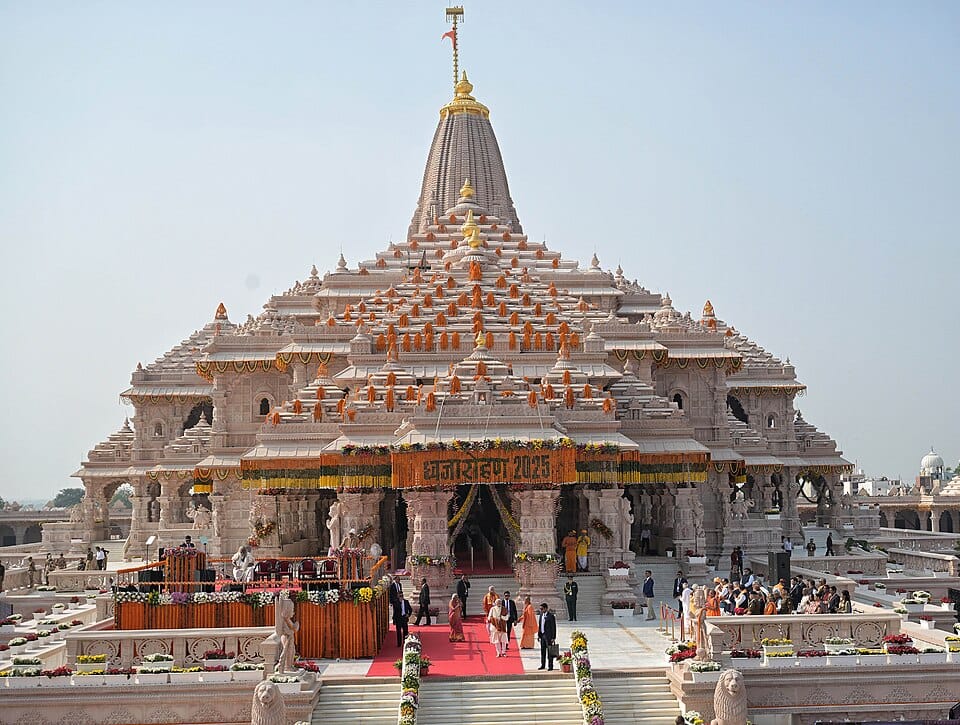
Shri Ram Janmabhoomi Mandir
A grand and historic temple marking the birthplace of Lord Rama, the seventh avatar of Vishnu, representing the pinnacle of Nagara architecture.
Explore Temple
Uttar Pradesh
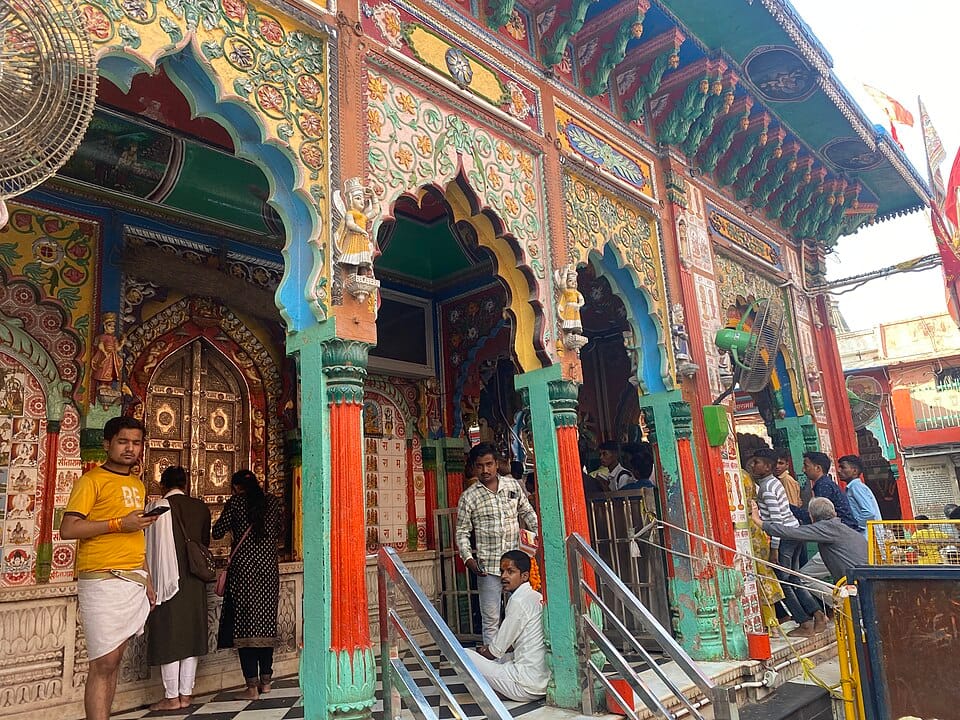
Hanuman Garhi
A hilltop temple dedicated to Lord Hanuman, the guardian deity of Ayodhya, reached by climbing 76 sacred steps.
Explore Temple
Uttar Pradesh
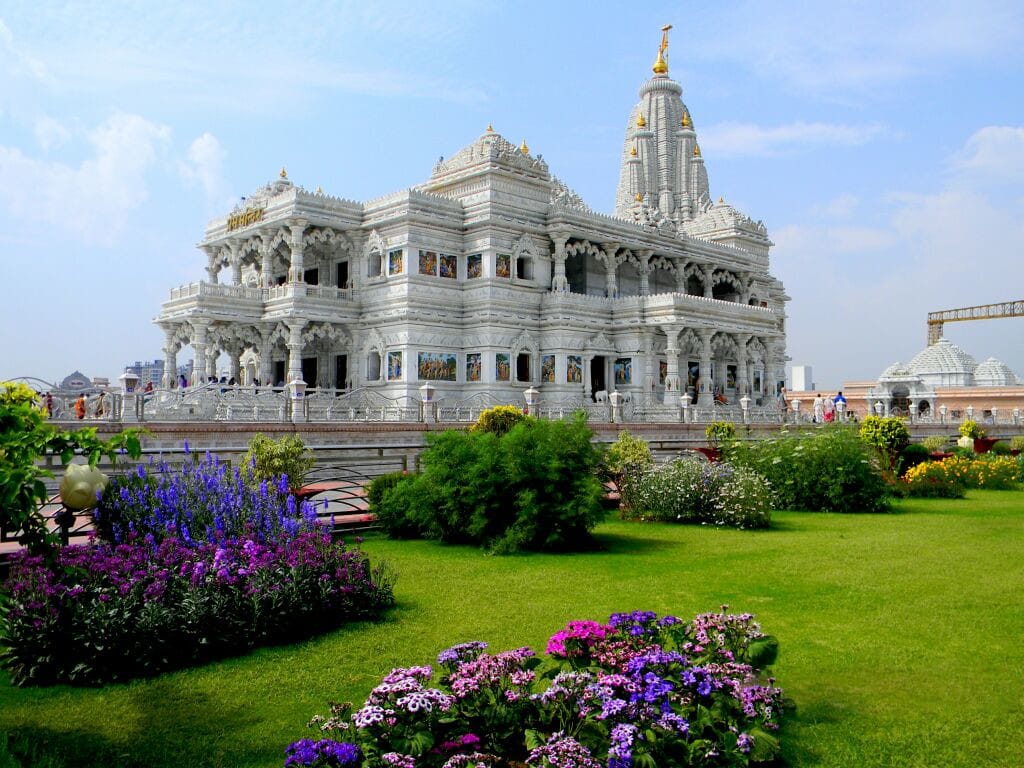
Prem Mandir
A stunning modern white-marbled complex in Vrindavan dedicated to Divine Love, known for its life-like tableaus of Krishna's pastimes.
Explore Temple
Uttar Pradesh
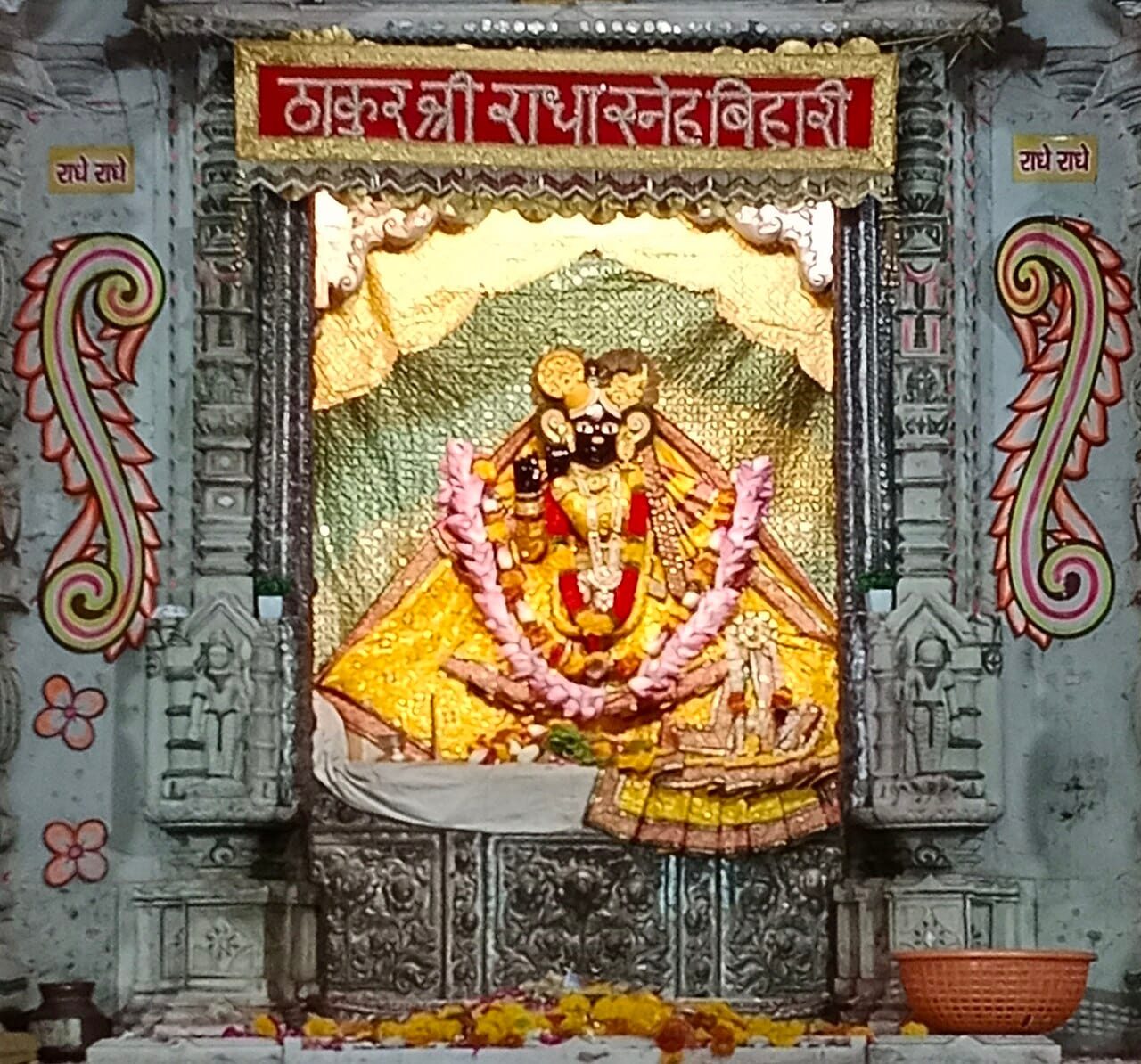
Banke Bihari Temple
Among the most famous Krishna temples in India, where the deity is worshipped as a child and curtains are drawn frequently.
Explore Temple
Pilgrimage Circuits
Braj Yatra
10 templesMathura-Vrindavan-Govardhan-Gokul-Barsana, 84 kos (252 km) visiting Krishna-related sites.
Ramayana Circuit
4 templesAyodhya-Chitrakoot-Shringaverpur-Prayagraj, linking key Ramayana sites.
Panch Kosi Yatra
5 temples80-km circumambulation of Varanasi visiting all sacred sites around the city.
Kashi VishwanathKal Bhairav TempleDundi Temple
The Panch Kosi Yatra in Varanasi covers 80 km around the sacred city. The Braj Yatra covers 252 km visiting Krishna-related sites. The Ramayana circuit links Ayodhya, Chitrakoot, Shringaverpur, and Prayagraj. The Muktidham circuit includes Kashi (liberation), Prayagraj (purification), Ayodhya (birthplace), and Chitrakoot (forest exile).
Temple Architecture
Ancient Gupta-period temples follow the Nagara style with square sanctums and curvilinear shikharas at Deogarh and Bhitargaon. Kashi Vishwanath features a gold-plated spire and Maratha architectural influences. The Ayodhya Ram Temple (2024) has three stories, 360 pillars, and five mandapas in traditional Nagara style. Braj temples like Banke Bihari follow the Rajasthani-Mughal fusion style. Modern temples like Prem Mandir combine traditional elements with contemporary engineering.
Architectural Styles
Historical Timeline
5th c.Gupta
Bhitargaon Temple (brick, terracotta) and Dashavatara Temple Deogarh built in Gupta period.
1780Maratha
Kashi Vishwanath Temple rebuilt by Ahilyabai Holkar.
1864British
Banke Bihari Temple established in Vrindavan.
2024Independent India
Shri Ram Janmabhoomi Mandir consecrated in Ayodhya.
Temple Statistics
1
Jyotirlingas
Kashi Vishwanath
1,000+
Krishna Temples (Braj)
Mathura-Vrindavan region
5th c.
Oldest Temple
Bhitargaon brick temple
150 M+
Kumbh Mela (2019)
Largest gathering on Earth
Festivals
Kumbh Mela
Every 12 yearsTriveni Sangam, Prayagraj
1 month
Largest religious gathering on Earth; 150+ million in 2019; ritual bathing at the Ganges-Yamuna-Saraswati confluence.
Deepotsav
October-NovemberAyodhya
1 day
Over 1.5 million oil lamps lit along the Sarayu River; Guinness World Record.
Ganga Aarti
DailyDashashwamedh Ghat, Varanasi
45 min
Evening ritual with fire lamps, chanting, and bells performed continuously for centuries.
Maha Shivaratri
February-MarchKashi Vishwanath, Varanasi
1 night
Over 1 million devotees; night-long vigils and abhishekam at the Jyotirlinga.
The Kumbh Mela at Prayagraj (every 12 years) is the largest religious gathering on Earth. Maha Shivaratri at Kashi Vishwanath draws over a million devotees. The Ganga Aarti at Varanasi's Dashashwamedh Ghat is performed continuously for centuries. Holi in Braj is celebrated for over a week with Lathmar Holi at Barsana. Diwali in Ayodhya features over 1.5 million oil lamps (Guinness World Record).
Travel Guide
Best Time
October to March (10-30°C)
Climate
Summer up to 45°C; mild winters
Nearest Airport
Lucknow (LKO), Varanasi (VNS), Prayagraj (IXD)
Railway
Varanasi, Lucknow, Prayagraj, Mathura
Road
NH-19, NH-27, NH-28
Local Transport
UPSRTC buses, taxis, auto-rickshaws
Temple Etiquette
Remove footwear; modest dress
Suggested Duration
7-14 days for major circuits
Nearby Attractions
UNESCO site
Taj Mahal
17th-century marble mausoleum in Agra, one of the Seven Wonders of the World.
Buddhist site
Sarnath
Deer Park where Buddha gave his first sermon; Dhamek Stupa and Ashokan Pillar.
UNESCO site
Fatehpur Sikri
16th-century Mughal city built by Akbar, abandoned due to water scarcity.
Interesting Facts
01
Varanasi's Manikarnika Ghat is the most sacred cremation ground in Hinduism — 24 hours a day, 365 days a year, funeral pyres burn continuously, processing over 100 bodies daily.
02
The Braj region's Lathmar Holi involves women playfully beating men with wooden sticks (lathis) while men try to protect themselves, a tradition dramatizing Krishna's visit to Radha's village.
03
The Ayodhya Ram Temple's foundation uses 40-meter-long engineered bamboo-reinforced concrete piles to stabilize the structure on the riverbed soil of the Sarayu.
Frequently Asked Questions
Kashi Vishwanath (Varanasi, Jyotirlinga), Shri Ram Janmabhoomi Mandir (Ayodhya), Banke Bihari Temple (Vrindavan), Prem Mandir (Vrindavan), and Hanuman Garhi (Ayodhya).
Believed to be the abode of Shiva, founded by him 5,000 years ago. Hindus believe dying in Varanasi grants moksha. The Manikarnika Ghat is the most sacred cremation ground.
A Hindu pilgrimage where devotees bathe in sacred rivers. It rotates every 12 years between Prayagraj, Haridwar, Ujjain, and Nashik. The Prayagraj Kumbh is the largest, held at the Triveni Sangam.
Believed to be the birthplace of Rama. The Ram Janmabhoomi temple, consecrated in 2024, marks the exact birthplace. Ayodhya is one of the seven most sacred cities (Sapta Puri).
Sources & References
These records back the history, architecture, temple listings and visitor guidance published on this Uttar Pradesh page.
Archaeological Survey of India
Archaeological Survey of India — monument records and conservation reports
Protected-monument status, dating, architectural classification and conservation records for the temples and monuments named across this Uttar Pradesh guide.
Primary archaeological record
Open source (opens in a new tab)Ministry of Tourism, Government of India
Ministry of Tourism — official destination information
Official Government of India visitor information, access routes and pilgrimage circuits for Uttar Pradesh.
Government record
Open source (opens in a new tab)Uttar Pradesh Tourism
Uttar Pradesh Tourism — official destination portal
State visitor information — temple timings, access routes and pilgrimage circuit details cited on this page.
Government record
Open source (opens in a new tab)
— every record linked above was re-requested for this release, so the link still resolves and the publisher still serves the document. It is a link check, not a re-verification of every sentence on this page.
Missing something, or found an error? Send us a correction with the record that supports it, or read how we choose sources.