Sacred Destinations
Jharkhand
4Sacred Sites
5Major Temples
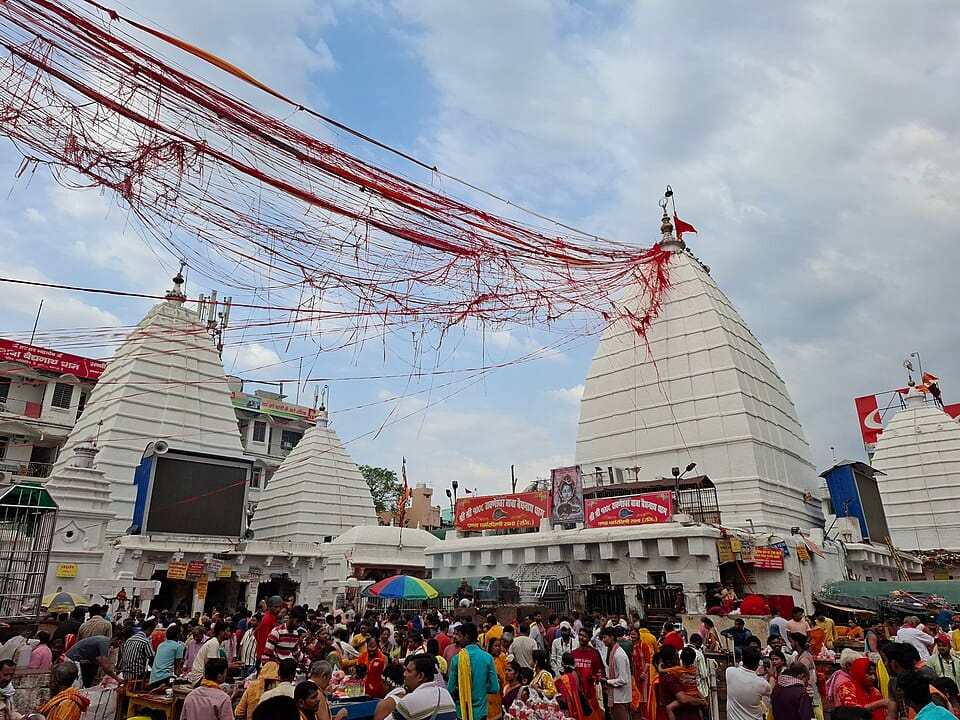
Jharkhand, located in eastern India on the Chota Nagpur Plateau, contains the important Jyotirlinga complex of Baidyanath Dham at Deoghar and a network of Shakti Peethas and tribal sacred groves across its forested landscape. The region's spiritual geography is defined by the convergence of Brahmanical temple traditions with indigenous Sarna and Munda tribal religious practices. Major sites include the Baidyanath temple complex with 22 shrines, the Rajrappa temple at the confluence of the Damodar and Bhairavi rivers, and the ancient Jain pilgrimage center at Parasnath.
Quick Facts
Capital
Ranchi
Population
38.4 million
Area
79,714 km²
Languages
Hindi, Santhali, Mundari, Ho
Best Time to Visit
October to March
Major Pilgrimage
Baidyanath Dham, Parasnath, Rajrappa
Temple Style
Bengali chala, Jain marble, cave
UNESCO Count
0
Major River
Damodar, Subarnarekha, Barakar
Highest Peak
Parasnath (1,365 m)
Why Visit Jharkhand
The religious landscape of Jharkhand encompasses three distinct traditions. Baidyanath Dham is unique as the only site that is simultaneously a Jyotirlinga and a Shakti Peetha (where Sati's heart is believed to have fallen). Munda and Santhal tribal communities maintain sacred groves (Sarna) dedicated to Singbonga and Marang Buru. Jain pilgrimage at Parasnath hill contains 20 tirthankara shrines on an 8.4-kilometer summit ridge. The site is one of the most important Jain pilgrimage destinations in eastern India.
Baidyanath Dham is one of the twelve Jyotirlingas and one of the 51 Shakti Peethas within the same complex, a status shared only with Srisailam. The Shravani Mela sees over 7 million pilgrims carry Ganges water from Sultanganj, 108 kilometers barefoot. Parasnath hill (1,365 meters) is the highest peak in Jharkhand and the most important Jain site in eastern India; 20 of the 24 Tirthankaras attained nirvana here per the Kalpa Sutra.
Temple Categories
Featured Sacred Places
Jharkhand
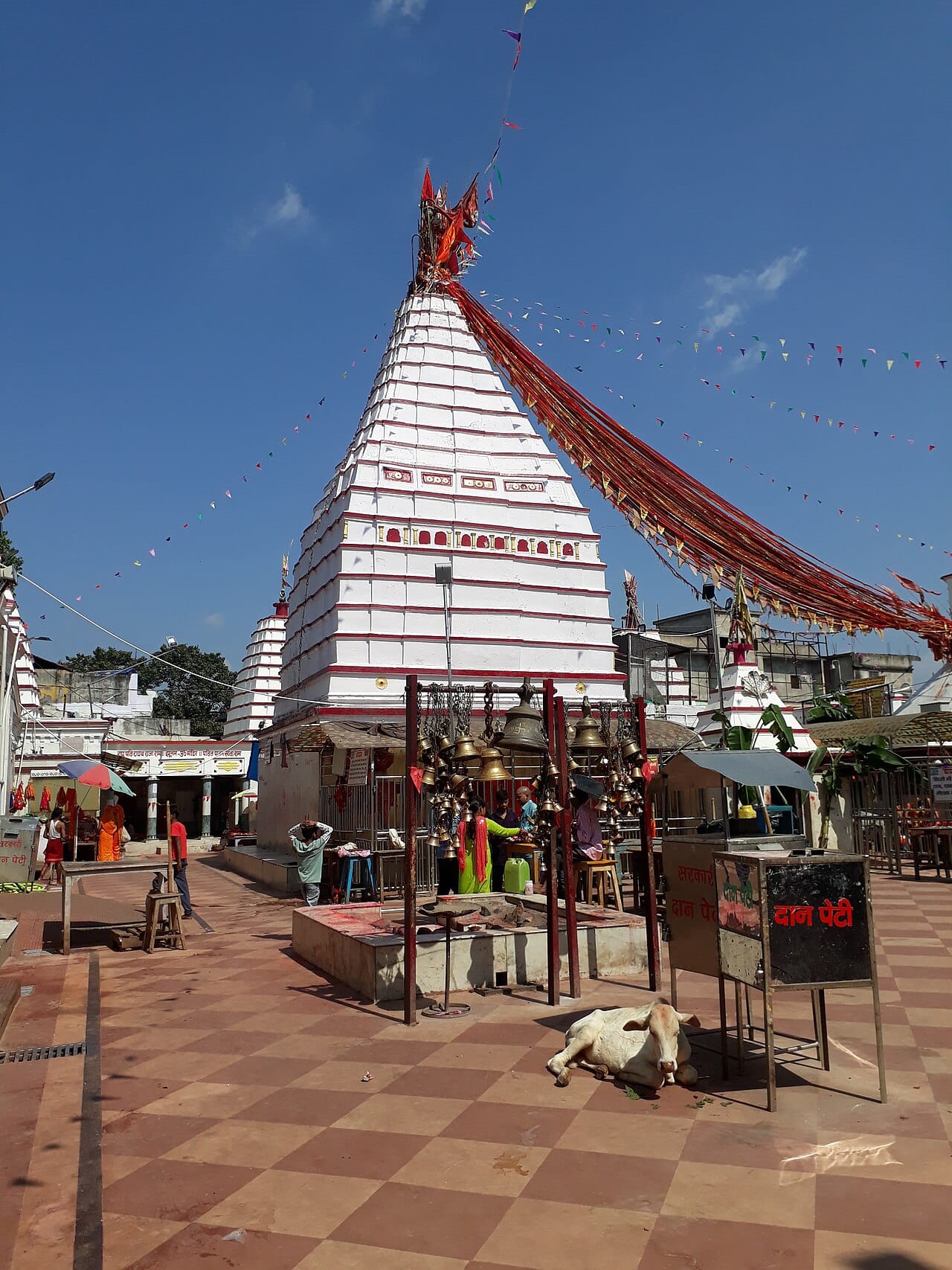
Basukinath Temple
The spiritual 'Criminal Court' of Lord Shiva, where the final verdict of a pilgrim's journey is believed to be delivered after visiting Baidyanath Dham.
Explore Temple
Jharkhand
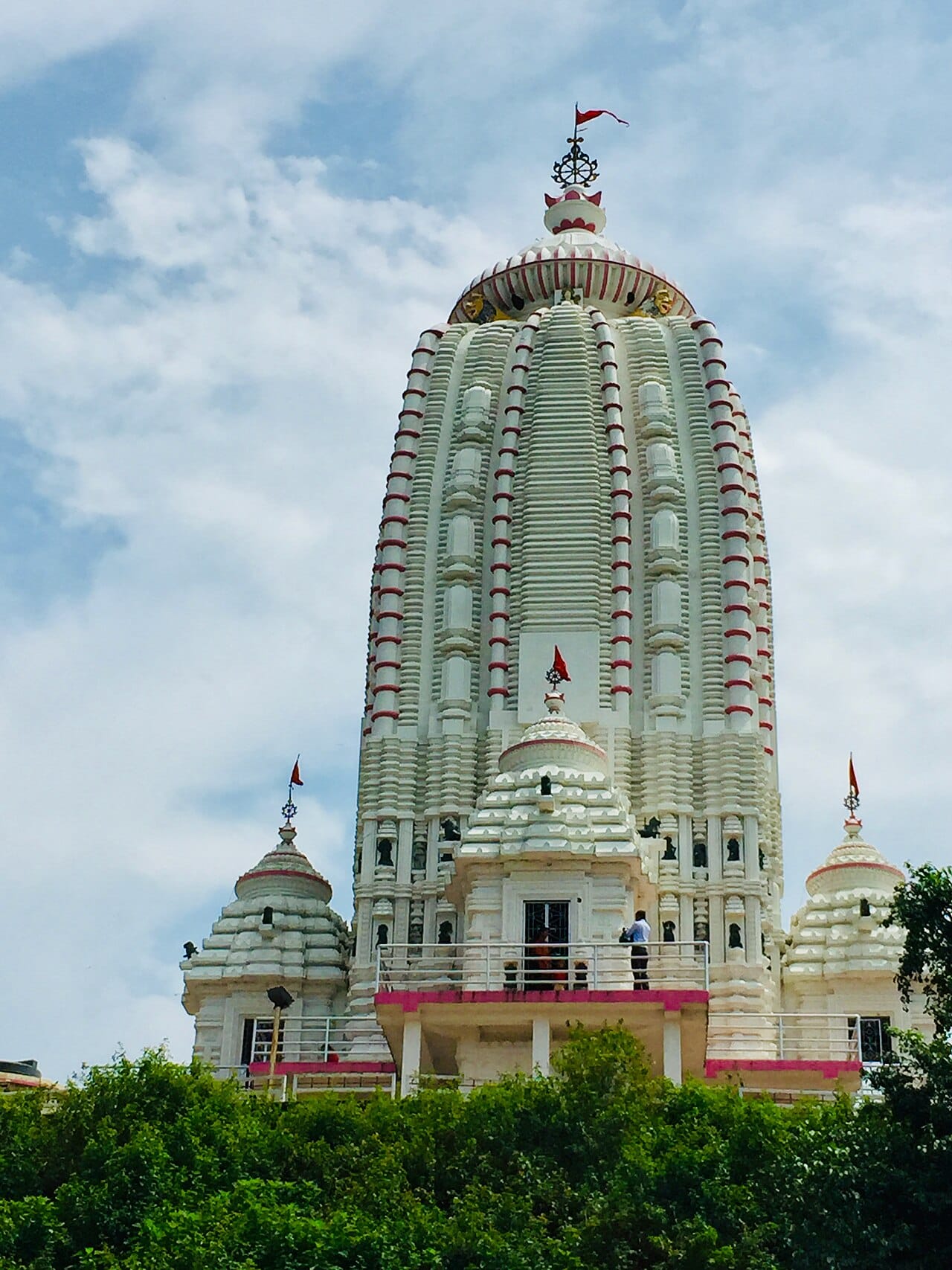
Jagannath Temple
A prominent 17th-century hilltop temple in Ranchi, echoing the spiritual grandeur and Rath Yatra traditions of Puri.
Explore Temple
Jharkhand
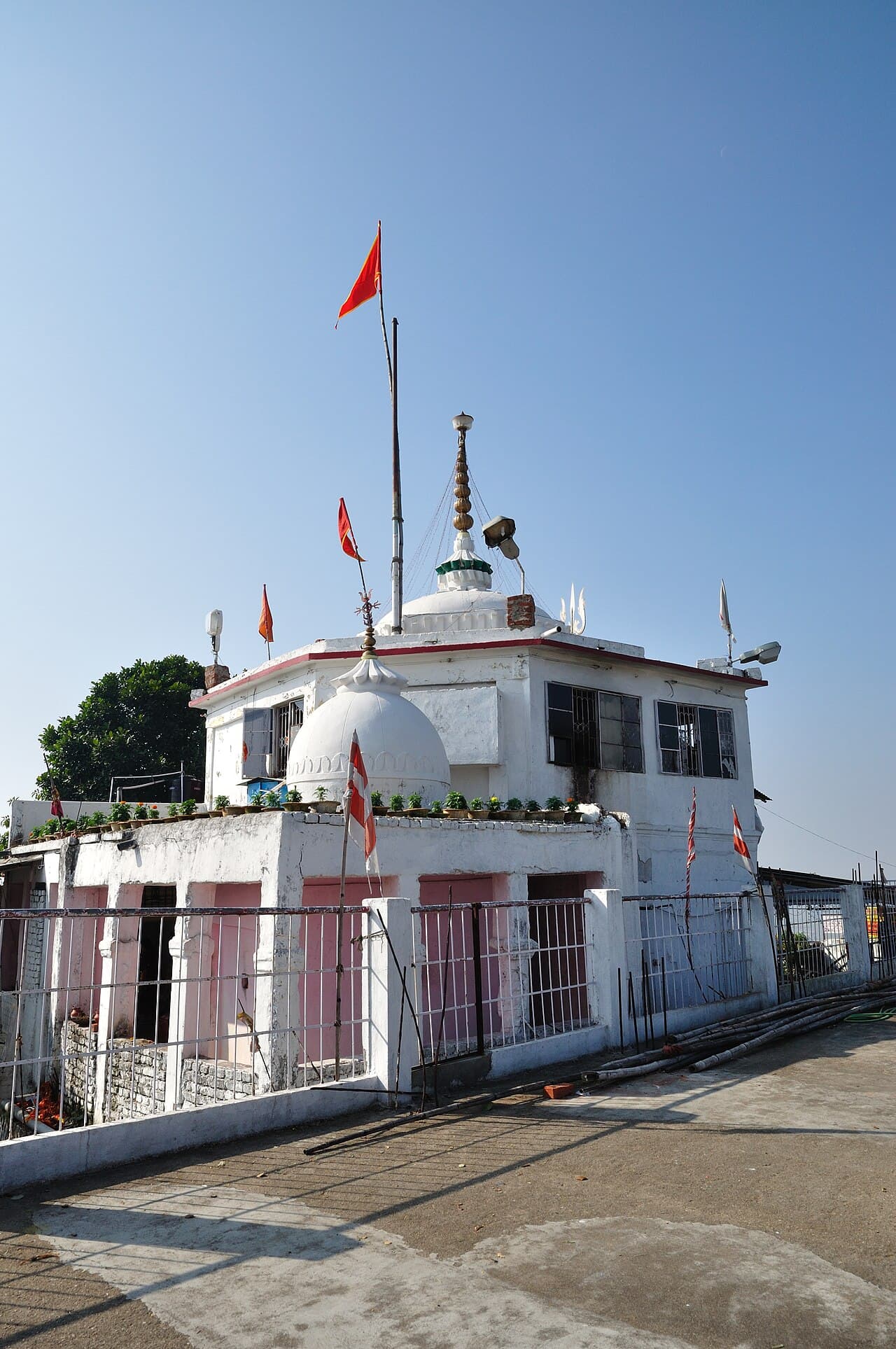
Pahari Mandir
A highly revered Shiva temple situated atop Ranchi Hill, unique for its tradition of hoisting the National Flag alongside religious flags.
Explore Temple
Jharkhand
Baidyanath Jyotirlinga Temple
Where Shiva is worshipped not as destroyer but as physician. Baidyanath — the Lord of Healing — draws millions who carry Ganga water 108 km barefoot in the Kaanwar Yatra.
Explore Temple
Pilgrimage Circuits
Deoghar Pilgrimage Circuit
3 templesBaidyanath Dham, Basukinath Temple, Sita Kund hot springs — the traditional Deoghar circuit.
Parasnath Jain Circuit
20 templesThe 8.4-km ridge walk covering all 20 tirthankara shrines on Parasnath hill.
The 108-kilometer Kanwar pilgrimage route from Sultanganj to Deoghar follows historic Grand Trunk Road segments. Baidyanath is visited as part of a wider circuit including Basukinath temple and the Deoghar hot springs. Jain pilgrims undertake the Parasnath Shikhar Yatra, an 8.4-km ridge walk visiting 20 tirthankara temples. Rajrappa is included in local circuits connecting Maa Dewri and Pahari Mandir.
Temple Architecture
The Baidyanath temple complex is enclosed within a high stone wall containing the main temple and 21 subsidiary shrines. The main shikhara is in the Bengali chala style with a curved cornice, rising to 26 meters with a copper kalasha. The Parasnath Jain temples are built in white marble with intricately carved doorways and multiple domed mandapas. The Rajrappa temple is a small stone structure in the hill-fort style with a pyramid-shaped roof.
Historical Timeline
8th c.Pala
Baidyanath linga referenced in the Vayu Purana and Shiva Purana.
16th c.Pal
Baidyanath temple complex constructed under the Pal dynasty of Bengal.
1765British
Oldest surviving Parasnath Jain temple built by Seth Lakhmi Chand.
18th c.Maratha
Maratha ruler Ranoji Scindia renovates Baidyanath Dham.
2022Independent India
Deoghar Airport begins commercial operations with flights to Delhi and Kolkata.
Temple Statistics
1
Jyotirlingas
Baidyanath Dham
1
Shakti Peethas
Baidyanath (heart of Sati)
20
Jain Tirtha Sites
Parasnath hill summit ridge
7+ million
Annual Pilgrims
Shravani Mela alone
Festivals
Shravani Mela
July-AugustBaidyanath Dham, Deoghar
1 month
Over 7 million Kanwariyas carry Ganges water 108 km barefoot; one of the largest religious congregations in eastern India.
Kali Puja
October-NovemberRajrappa Temple
3 days
Animal sacrifice rituals drawing from Santal and Munda tribal traditions; over 100,000 attendees.
Mahavir Jayanti
March-AprilParasnath Jain Temples
1 day
Procession of the Tirthankara's idol on Parasnath hill with Jain pilgrims from across India.
The Shravani Mela at Baidyanath Dham is one of the largest religious congregations in eastern India, with over 7 million Kanwariyas walking barefoot carrying Ganges water. Kali Puja at Rajrappa temple in October-November involves animal sacrifice rituals specific to Santal and Munda traditions, with over 100,000 attendees. Mahavir Jayanti at Parasnath includes a procession of the Tirthankara's idol.
Travel Guide
Best Time
October to March (15-25°C)
Climate
Summer up to 40°C; monsoon July-September
Nearest Airport
Deoghar (DGH), Ranchi (IXR)
Railway
Deoghar Junction, Parasnath, Ranchi
Road
NH-19, NH-133, NH-20
Local Transport
State buses, taxis, auto-rickshaws
Temple Etiquette
Remove footwear; modest dress
Suggested Duration
3-5 days for key sites
Nearby Attractions
Natural
Trikut Hills
Rock climbing destination near Deoghar with a ropeway offering panoramic plateau views.
Hot Springs
Sita Kund
Natural hot springs 6 km from Baidyanath Dham at a constant 60°C, considered medicinal.
National Park
Betla National Park
Contains the 16th-century Palamu Fort, a Chero dynasty fortification with a small temple.
Interesting Facts
01
Baidyanath Dham is the only site in India that is simultaneously a Jyotirlinga and a Shakti Peetha — devotees offer both water (Shaivite) and red pigment (Shakta) to the same linga.
02
The Shravani Mela Kanwar pilgrimage of 108 km is one of the longest barefoot ritual walks in the world, undertaken by over 7 million people in a single month.
03
Parasnath hill is named after Parshvanatha, the 23rd Jain Tirthankara, yet 20 of the 24 Tirthankaras attained nirvana here — making it the single most important Jain nirvana site.
Frequently Asked Questions
The Shiva Purana lists it as one of the twelve Jyotirlingas, while the Devi Bhagavatam identifies it as where Sati's heart fell. The linga is worshipped as Baidyanath (Shiva) and the stone image of Parvati as Jaya Durga within the same sanctum.
Each subsidiary temple is dedicated to a different form of Shiva: Mrityunjaya, Ardhanarishwara, Nandi, Chandeshwara, and others. Pilgrims perform parikrama of all 22 temples before completing worship at the main shrine.
The Kalpa Sutra records that 20 Tirthankaras, from Rishabhanatha to Mahavira, attained nirvana here. Only Rishabhanatha and Mahavira have permanent temples; the other 18 are commemorated by stone footprints.
Sarna groves are unfenced forest patches with no built structures or idols. Worship is conducted by a village priest (Pahan) at the base of a Sal or Mahua tree using rice, flowers, and liquor offerings.
Sources & References
These records back the history, architecture, temple listings and visitor guidance published on this Jharkhand page.
Archaeological Survey of India
Archaeological Survey of India — monument records and conservation reports
Protected-monument status, dating, architectural classification and conservation records for the temples and monuments named across this Jharkhand guide.
Primary archaeological record
Open source (opens in a new tab)Ministry of Tourism, Government of India
Ministry of Tourism — official destination information
Official Government of India visitor information, access routes and pilgrimage circuits for Jharkhand.
Government record
Open source (opens in a new tab)Jharkhand Tourism
Jharkhand Tourism — official destination portal
State visitor information — temple timings, access routes and pilgrimage circuit details cited on this page.
Government record
Open source (opens in a new tab)
— every record linked above was re-requested for this release, so the link still resolves and the publisher still serves the document. It is a link check, not a re-verification of every sentence on this page.
Missing something, or found an error? Send us a correction with the record that supports it, or read how we choose sources.