From ancient rock-cut marvels to towering imperial shrines, discover the architectural soul of Bharat through our verified digital archive.
Explore More Temples
Location
Ranchi
Presiding Deity
The presiding deities of the temple are Lord Jagannath (a form of Lord Krishna/Vishnu), his elder brother Lord Balabhadra, and their sister Goddess Subhadra. Similar to the tradition in Puri, the idols here are made of sacred wood and are characterized by their unique, highly stylized, and abstract forms. Lord Jagannath is depicted with a dark complexion and large, round, compassionate eyes, symbolizing his all-seeing nature. Lord Balabhadra is painted white, representing strength and purity, while Goddess Subhadra is painted yellow. The deities are seated on a raised platform within the sanctum, radiating a warm, approachable divine presence. Unlike many Hindu temples where the idols are made of stone or metal, the wooden deities emphasize the cycle of life, death, and renewal, as they are periodically replaced in a secret and sacred ritual known as 'Nabakalebara'. The daily 'Shringar' (decoration) of the deities involves dressing them in vibrant silk garments and adorning them with floral garlands, making their 'Darshan' a visually and spiritually uplifting experience for the devotees.
Architecture
Kalinga Style (Pancha-ratha)
Dynasty
Nagvanshi Dynasty
Timings
The temple is open for darshan from 6:00 AM to 12:00 PM (noon) and reopens in the evening from 3:00 PM to 9:00 PM. The timings may vary slightly during special festivals and the Rath Yatra period. The morning Aarti is a particularly serene time to visit.
Entry Fee
Free
Best Time
The ideal time to visit the Jagannath Temple in Ranchi is during the winter months, from October to March. The weather is cool and pleasant, making the climb up the hillock enjoyable and offering clear, crisp views of the surrounding city. However, for a culturally immersive experience, visiting during the Rath Yatra festival (June or July) offers the most immersive experience. The energy, devotion, and sheer scale of the chariot procession provide an unforgettable glimpse into the region's spiritual fervor, despite the likely monsoon rains.
A prominent 17th-century hilltop temple in Ranchi, echoing the spiritual grandeur and Rath Yatra traditions of Puri.
The historical foundation of the Jagannath Temple in Ranchi dates back to the year 1691. It was commissioned by King Ani Nath Shahdeo of the Barkagarh estate, who belonged to the illustrious Nagvanshi dynasty that ruled the Chota Nagpur region for centuries. According to historical records and local lore, King Ani Nath Shahdeo was a devout follower of Lord Jagannath and was deeply inspired by the spiritual magnificence of the Puri shrine. To bring the blessings of the Lord closer to his subjects, he decided to construct a replica of the temple on a hillock within his territory. The construction involved skilled artisans and materials sourced locally, resulting in a structure that adapted the classic Kalinga architectural style to the rugged terrain of Jharkhand. Over the centuries, the temple has witnessed numerous historical events and natural weathering. In 1990, the temple suffered significant structural damage, leading to a temporary halt in its traditional activities. However, recognizing its immense cultural and religious value, the temple underwent a massive and meticulous restoration process that was completed in 1992. The restoration successfully preserved the ancient aura of the shrine while ensuring its structural stability, allowing the legacy of King Ani Nath Shahdeo to endure for future generations.
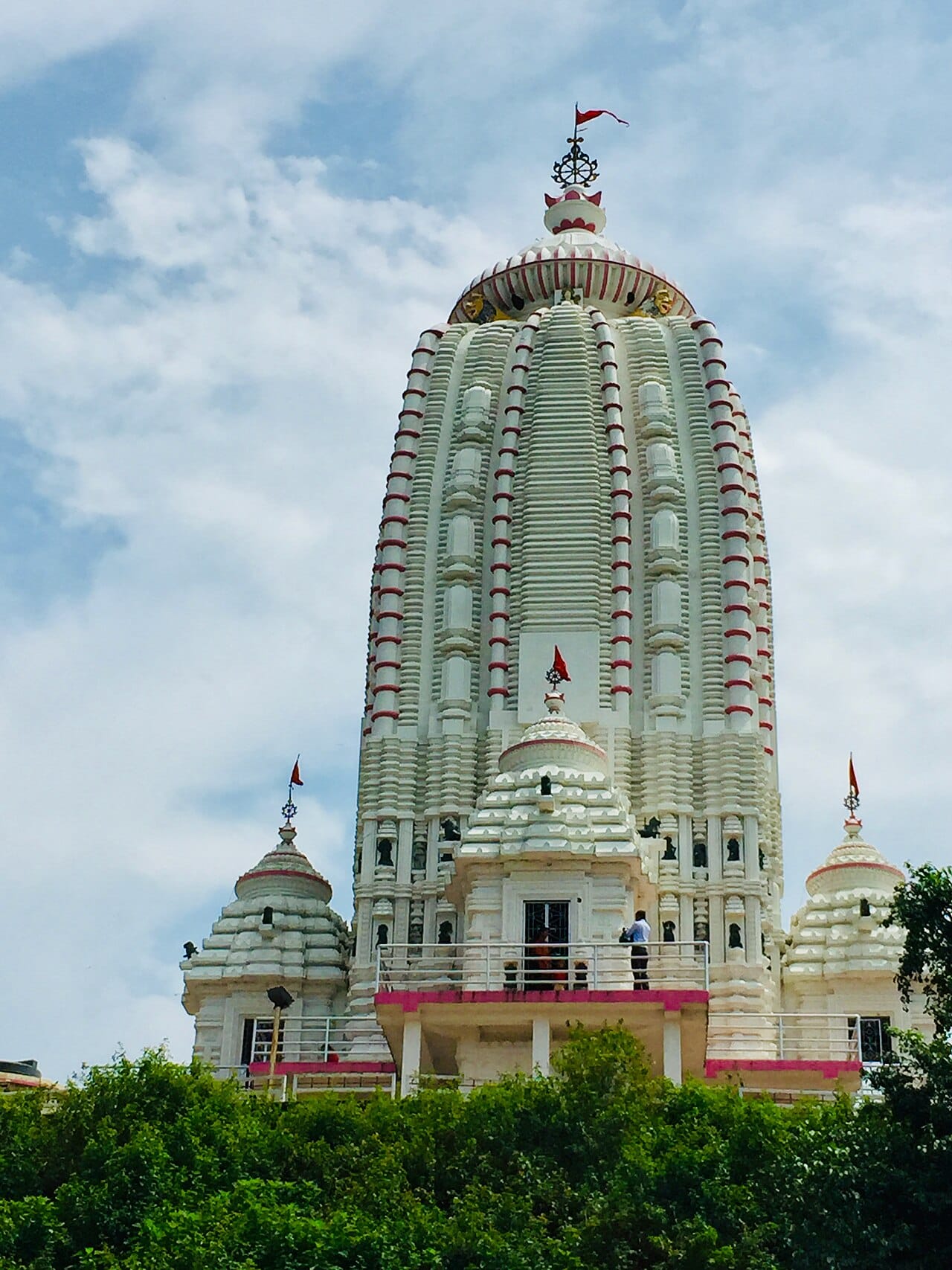
The architecture of the Jagannath Temple in Ranchi is a fascinating regional adaptation of the traditional Kalinga style, prominently seen in Odisha. The temple is constructed atop a hillock, accessible via a long flight of stone steps, which acts as a physical and spiritual ascent for the pilgrims. The main structure features a tall, curvilinear 'Shikhara' (spire) that dominates the skyline, adorned with simple yet elegant carvings and topped with a 'Chakra' and a flag that flutters in the hilltop breeze. The temple complex is enclosed by sturdy fortified walls, giving it a fortress-like appearance, which is characteristic of many ancient temples in the Chota Nagpur region built during turbulent times. The exterior walls are relatively austere compared to the ornate temples of Puri or Khajuraho, reflecting the rugged simplicity of the local stone and the functional priorities of the Nagvanshi builders. The inner sanctum (Garbhagriha) is spacious enough to accommodate the large wooden idols of the deities. A prominent feature of the complex is the large courtyard that surrounds the main shrine, providing ample space for devotees to congregate during major festivals. In addition to the main temple, there is a smaller replica temple located a short distance away, known as the 'Mausi Bari' (Aunt's House), which plays a crucial role during the annual chariot festival.
Signature Feature: Nilachakra and the wind-defying Patitapavana Flag. Architecture is specifically Kalinga style, with the main sanctum being a 'Rekha Deula'.
The daily rituals at the Jagannath Temple in Ranchi are conducted with deep devotion and adherence to the Vaishnavite Agamas, closely mirroring the practices of its parent temple in Puri, albeit on a somewhat simpler scale. The day begins early with the 'Mangala Aarti,' where the deities are awakened with the singing of hymns and the lighting of lamps. This is followed by the 'Abhishekam' (ritual bathing) and the dressing of the idols. Throughout the day, various 'Bhogs' (food offerings) are presented to the Lord, including rice, dal, and local sweets, prepared in the temple kitchen with strict purity. The 'Sandhya Aarti' in the evening is a particularly mesmerizing ritual, drawing a large number of local residents who gather to chant bhajans and experience the tranquil hilltop atmosphere. The priests, who have served the temple for generations, ensure that the sanctity of the rituals is maintained, providing a continuous link to the 17th-century traditions established by the Nagvanshi kings.
The crown jewel of the temple's festival calendar is the grand **Rath Yatra** (Chariot Festival), held in the Hindu month of Ashadha (June-July). This festival mirrors the world-famous Rath Yatra of Puri and is the largest religious gathering in Ranchi. During this event, the idols of Lord Jagannath, Lord Balabhadra, and Goddess Subhadra are brought out of the sanctum and placed on a massive, elaborately decorated wooden chariot. Thousands of enthusiastic devotees pull the chariot through the streets, pulling the Lord from the main temple to the 'Mausi Bari' (Aunt's house). The deities reside there for nine days before returning to the main temple in a procession known as 'Bahuda Yatra' (Return Journey). The pulling of the chariot is considered an act of immense spiritual merit. During these nine days, a massive fair (Mela) is organized around the hillock, featuring local crafts, traditional food, and cultural performances, drawing tribal and non-tribal populations from across Jharkhand. Other significant festivals celebrated with fervor include **Janmashtami** (the birth of Lord Krishna), **Kartik Purnima**, and **Basant Panchami**, each bringing a unique vibrancy to the historic shrine.
Grand Annual Rath Yatra (Chariot Festival), 17th-century Nagvanshi Royal Heritage, Hilltop Location with panoramic city views, The 'Puri of Jharkhand' identity.
The ideal time to visit the Jagannath Temple in Ranchi is during the winter months, from October to March. The weather is cool and pleasant, making the climb up the hillock enjoyable and offering clear, crisp views of the surrounding city. However, for a culturally immersive experience, visiting during the Rath Yatra festival (June or July) offers the most immersive experience. The energy, devotion, and sheer scale of the chariot procession provide an unforgettable glimpse into the region's spiritual fervor, despite the likely monsoon rains.
The temple is open for darshan from 6:00 AM to 12:00 PM (noon) and reopens in the evening from 3:00 PM to 9:00 PM. The timings may vary slightly during special festivals and the Rath Yatra period. The morning Aarti is a particularly serene time to visit.
A. The temple was built in 1691 by King Ani Nath Shahdeo of the Barkagarh estate, a prominent ruler of the Nagvanshi dynasty.
A. The Ranchi temple was built as a regional replica of the famous Jagannath Temple in Puri. It follows similar architectural inspirations, deity forms (wooden idols), and core traditions, most notably the grand Rath Yatra.
A. The temple is located on a hillock and traditionally requires climbing a flight of stone steps. However, there is also a motorable road that goes quite close to the top, making it relatively accessible for elderly or differently-abled devotees.
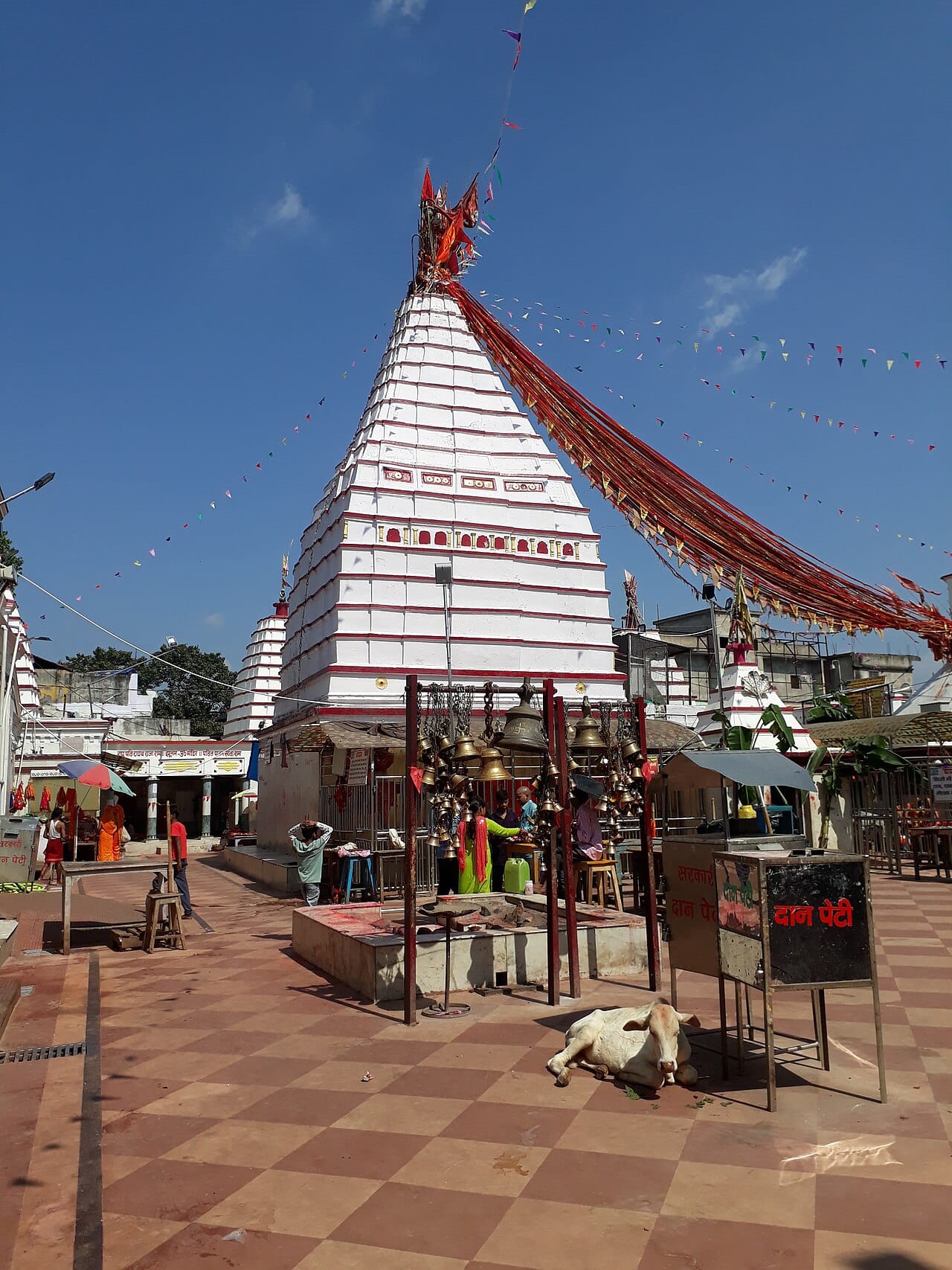
Basukinath Temple
The spiritual 'Criminal Court' of Lord Shiva, where the final verdict of a pilgrim's journey is believed to be delivered after visiting Baidyanath Dham.
Pahari Mandir
A highly revered Shiva temple situated atop Ranchi Hill, unique for its tradition of hoisting the National Flag alongside religious flags.
Baidyanath Jyotirlinga Temple
Where Shiva is worshipped not as destroyer but as physician. Baidyanath — the Lord of Healing — draws millions who carry Ganga water 108 km barefoot in the Kaanwar Yatra. The heart of Sati rests beside the lingam that Ravana once carried.
Tarakeshwar Temple Hooghly
A massive 18th-century pilgrimage site dedicated to Lord Taraknath, especially vibrant during the Gajan festival.
Virupaksha Temple
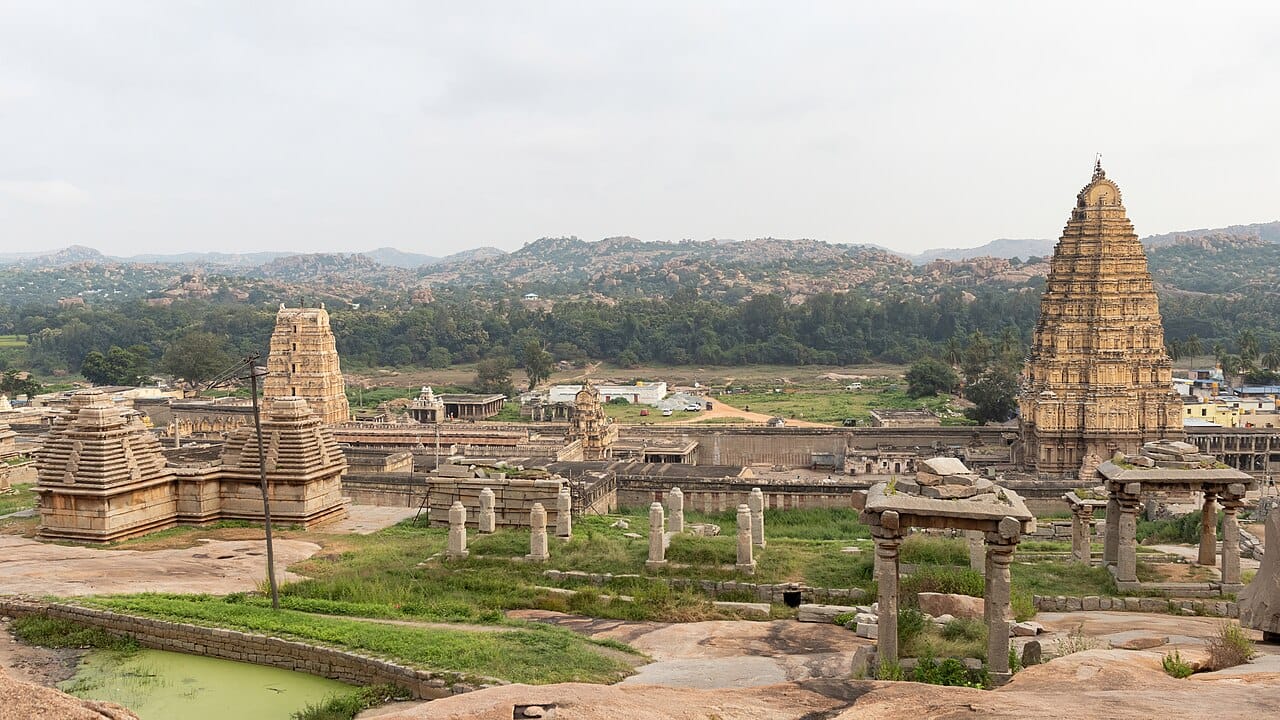
The Virupaksha Temple in Hampi, Karnataka, is a UNESCO World Heritage Site and the oldest functioning temple in India, dedicated to Lord Shiva as Virupaksha.
Jageshwar Temple
A cluster of 124 ancient stone temples from the 7th-12th centuries, nestled in a dense deodar forest.
Neelkanth Mahadev Temple
Situated at 1,330 meters, this is where Lord Shiva is believed to have consumed the poison (Halahala) during the Samudra Manthan.
Tungnath Temple
The highest Shiva temple in the world, situated at 3,680 meters on the Chandranath Parbat; it is the 'Tritiya Kedar' in the sacred Panch Kedar pilgrimage circuit.
Rudranath Temple
One of the Panch Kedar shrines, representing Lord Shiva's face, situated at an altitude of 2,286 meters amidst meadows and rhododendron forests.
India's temples are living traditions — not museums. Every temple has its own customs. This guide helps first-time visitors prepare with confidence and respect.
Foreign visitor information is being researched
Please verify with the official temple authority before planning your visit.
Foreign Visitors
Verify Before VisitingVisitor Information
Entry policies vary between temples. Most temples welcome visitors, while some may restrict access to specific areas, rituals, or the inner sanctum. Always verify the latest entry guidelines with the official temple authorities before your visit.
Modest clothing is expected at every Indian temple — a sign of respect, not a restriction. Think of it as dressing for a formal ceremony.
A scarf is always useful — it covers shoulders, works as a head covering, and can double as a makeshift face cover if needed.
Outdoor photography is generally permitted. Indoor photography is often restricted. Always look for signage or ask a priest before taking photos inside.
The ideal time to visit the Jagannath Temple in Ranchi is during the winter months, from October to March. The weather is cool and pleasant, making the climb up the hillock enjoyable and offering clear, crisp views of the surrounding city. However, for a culturally immersive experience, visiting during the Rath Yatra festival (June or July) offers the most immersive experience. The energy, devotion, and sheer scale of the chariot procession provide an unforgettable glimpse into the region's spiritual fervor, despite the likely monsoon rains.
April — June
July — September
English is widely understood at major tourist temples. In smaller local temples, Hindi and the regional language are more common. A smile and simple hand gestures go a long way. Learning a few words of the local language is always appreciated.
Cash (Indian Rupees) is the most reliable option, especially for temple offerings, small shops, and local transport.
UPI digital payments (Google Pay, PhonePe, Paytm) are widely accepted across India — even at roadside stalls. Download one before you arrive.
International credit/debit cards work at most ATMs, hotels, and larger establishments. Smaller vendors may only accept cash or UPI.
Carry small denominations (₹10, ₹20, ₹50, ₹100 notes) for offerings and temple donations. Large notes (₹500, ₹2000) can be hard to break at smaller counters.
Many historic temples have uneven stone floors, multiple steps, and narrow passages. Wheelchair access is limited at older sites — contact the temple in advance.
Basic restroom facilities and drinking water are available at most major temples. Some charge a small fee (₹5–₹10).
Stay hydrated — carry a reusable water bottle, especially in hot climates.
Keep valuables secure — use hotel lockers for passports and excess cash.
Wear comfortable, sturdy footwear — temple floors can be hot, wet, or uneven.
Beware of unofficial guides or touts near temple entrances. Only use authorised services.
Carry a photocopy of your passport and visa. Leave originals in your hotel safe.
Download offline maps — mobile networks can be unreliable near remote temple sites.
These short explanations help make sense of what you see and experience.
Darshan means 'seeing' — but in a temple it means being seen by the deity. It is a sacred moment of connection, not just a viewing.
Removing footwear is a sign of humility. It also keeps the temple floor clean, since devotees sit and pray on the ground.
Food offered to the deity and then distributed to devotees. It is considered blessed. Accept it with both hands and do not discard it.
The bell creates a focused acoustic atmosphere, wards off distractions, and announces your presence before entering the inner sanctum.
Circumambulation (pradakshina) is done clockwise, keeping the sanctum on your right — an auspicious direction aligned with the sun's path.
Flowers symbolise devotion, coconuts represent the ego being broken, incense purifies the air, and lamps represent the victory of light over darkness.
Sacred viewing of the deity; the central act of temple worship.
Clockwise circumambulation of the sanctum.
Blessed food offered to the deity and distributed to devotees.
The innermost sanctum where the main deity resides.
The towering spire above the sanctum, a defining feature of temple architecture.
A pillared hall or pavilion within the temple complex.
The Indian Rupee (?, INR) is the local currency. ATMs are widely available in cities and towns. For temple offerings, keep small notes (₹10, ₹20, ₹50). Most temples accept donations in cash only — digital payments are uncommon at the offering counter itself.
Offerings (dakshina) are given with the right hand. Place cash in the donation box (hundi) or give it directly to the priest. There is no fixed amount — give what feels appropriate. Some temples have fixed fees for special entry or puja participation.
Shoes and sandals are removed before entering the temple building. Most temples have a designated shoe counter (free or a small fee of ₹5–₹20). Socks are generally allowed. In monsoon, carry a plastic bag for wet shoes.
Darshan queues can take 30 minutes to 3 hours at popular temples. Many offer paid VIP darshan (₹100–₹500) for faster entry. Special queues for women, elderly, and disabled visitors exist at some temples. No line jumping.
Major festivals draw enormous crowds — sometimes hundreds of thousands. Book accommodation months in advance. Expect road closures, restricted vehicle access, and limited phone network. Arrive early (before dawn) to avoid the worst congestion.
Always look for signage before taking photos. When in doubt, ask a priest. Never take photos of devotees in prayer without permission. Selfie sticks are banned at most temples. Silently switch your phone to silent mode.
Police / Ambulance / Fire: 112 (National Emergency Number)
Tourist Helpline: 1800-111-363 (Multi-lingual, Ministry of Tourism)
Women's Helpline: 1091
Temple-specific visitor information is continuously researched and updated from official sources. Where specific data is unavailable, general India travel guidance is provided. Always verify current policies with the temple authority before your visit.
Information last verified July 2026. Temple-specific data coming soon.
Continue your journey through the spiritual and architectural wonders of India.

The spiritual 'Criminal Court' of Lord Shiva, where the final verdict of a pilgrim's journey is believed to be delivered after visiting Baidyanath Dham.
A serene temple in the heart of Shillong, serving as a spiritual center for the local community with traditional rituals.

A highly revered Shiva temple situated atop Ranchi Hill, unique for its tradition of hoisting the National Flag alongside religious flags.

Where Shiva is worshipped not as destroyer but as physician. Baidyanath — the Lord of Healing — draws millions who carry Ganga water 108 km barefoot in the Kaanwar Yatra. The heart of Sati rests beside the lingam that Ravana once carried.
"The Jagannath Temple in Puri is famous for its annual Ratha Yatra, where three massive wooden chariots are pulled by thousands of devotees."