Architecture Style
Kalinga Architecture
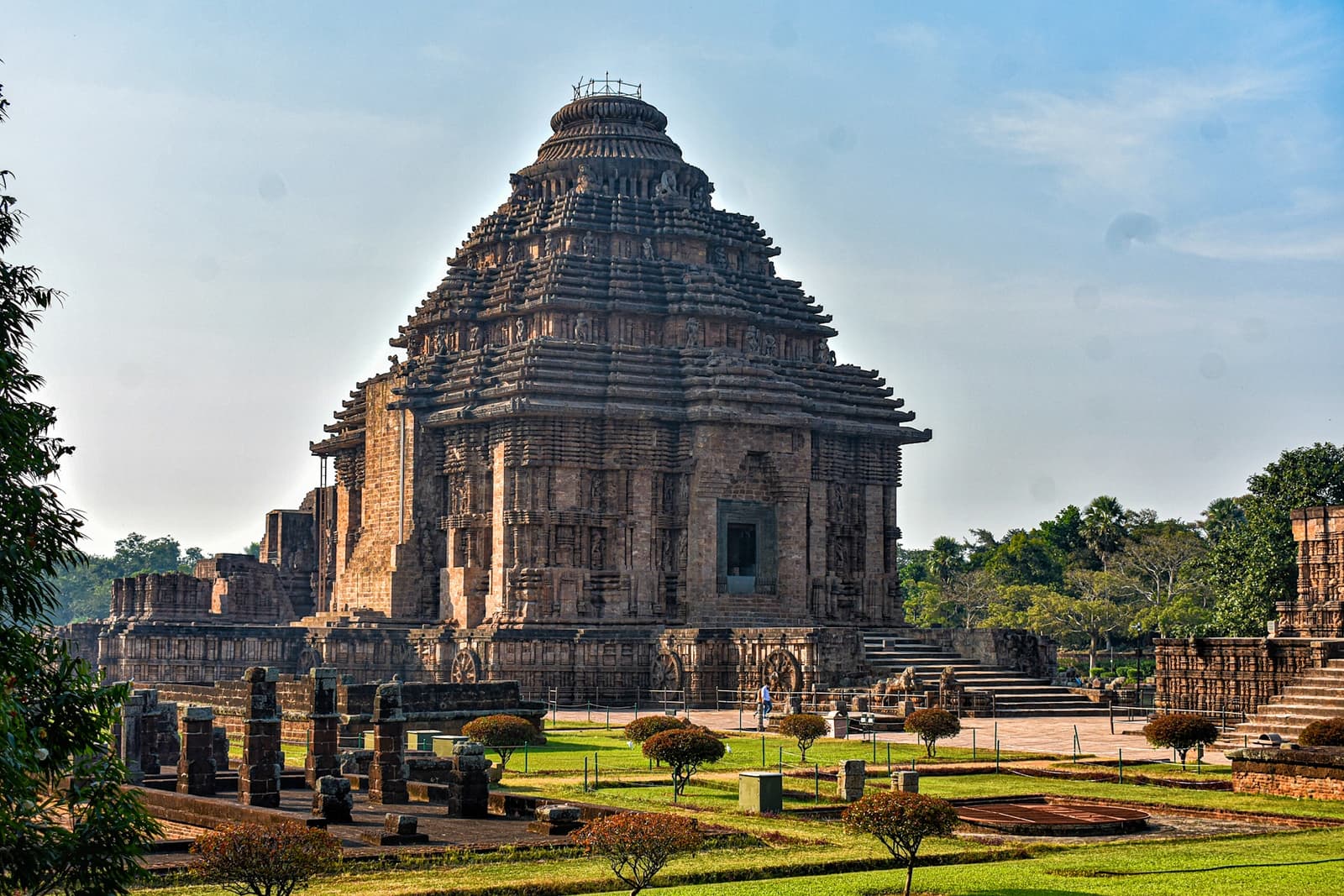
The Kalinga style of temple architecture, indigenous to the Odisha region, is distinguished by its unique shikhara form — a curvilinear spire (rekha deula) topped by an amalaka and kalasha, with a separate pyramidal-roofed assembly hall (jagamohana) and a distinct dance hall (nata mandira).
4 Regions
11 Temples
3 Dynasties
History & Origins
The Kalinga style developed from the 7th to 13th centuries under the Somavamsi and Eastern Ganga dynasties. Early temples at Bhubaneswar — Parasurameswara (7th cent.) and Mukteswara (10th cent.) — show the evolving style.
The Lingaraja Temple (11th cent.) at Bhubaneswar represents the mature Kalinga idiom, while the Sun Temple at Konark (13th cent.) is its crowning achievement, designed as a massive stone chariot dedicated to Surya. The Jagannath Temple at Puri, with its distinctive neela chakra, is the living heart of Kalinga tradition.
Timeline
7th cent.: Early Kalinga (Parasurameswara Temple). 10th cent.: Transitional period (Mukteswara Temple). 11th cent.: Mature Kalinga (Lingaraja Temple). 12th cent.: Jagannath Temple, Puri. 13th cent.: Konark Sun Temple. 12th–15th cent.: Later additions at Puri and Bhubaneswar.
Key Characteristics
Kalinga temples consist of four components: the garbhagriha (vimana/deula) with rekha (curvilinear) spire, the jagamohana (assembly hall) with a pyramidal roof, the nata mandira (dance hall), and the bhoga mandapa (offering hall). The rekha deula rises in a pronounced curve, ribbed with vertical projections. The jagamohana roof is stepped and pyramidal (pida deula). Temples are built from khondalite sandstone, which weathers to a warm golden hue. The sculptural program is rich with divine figures, celestial dancers, and elaborate floral patterns.
Visual & Stylistic Features
Rekha deula (curvilinear shrine tower) with vertical ribs and pronounced curve. Pida deula (pyramidal assembly hall roof) with stepped tiers. Rich sculptural ornamentation including divine figures and dancers. Use of khondalite sandstone with warm golden color. Distinct standalone dance hall. Massive wheels and horses at Konark Sun Temple. Pillars with serpentine brackets. Door guardians (dwarapala) at entrance.
Regional Distribution
Associated Dynasties
Eastern Ganga DynastySomavamsi DynastyKsharavela Dynasty
Famous Examples
Notable Kalinga Temples
Masterpieces of the Kalinga tradition.
West Bengal
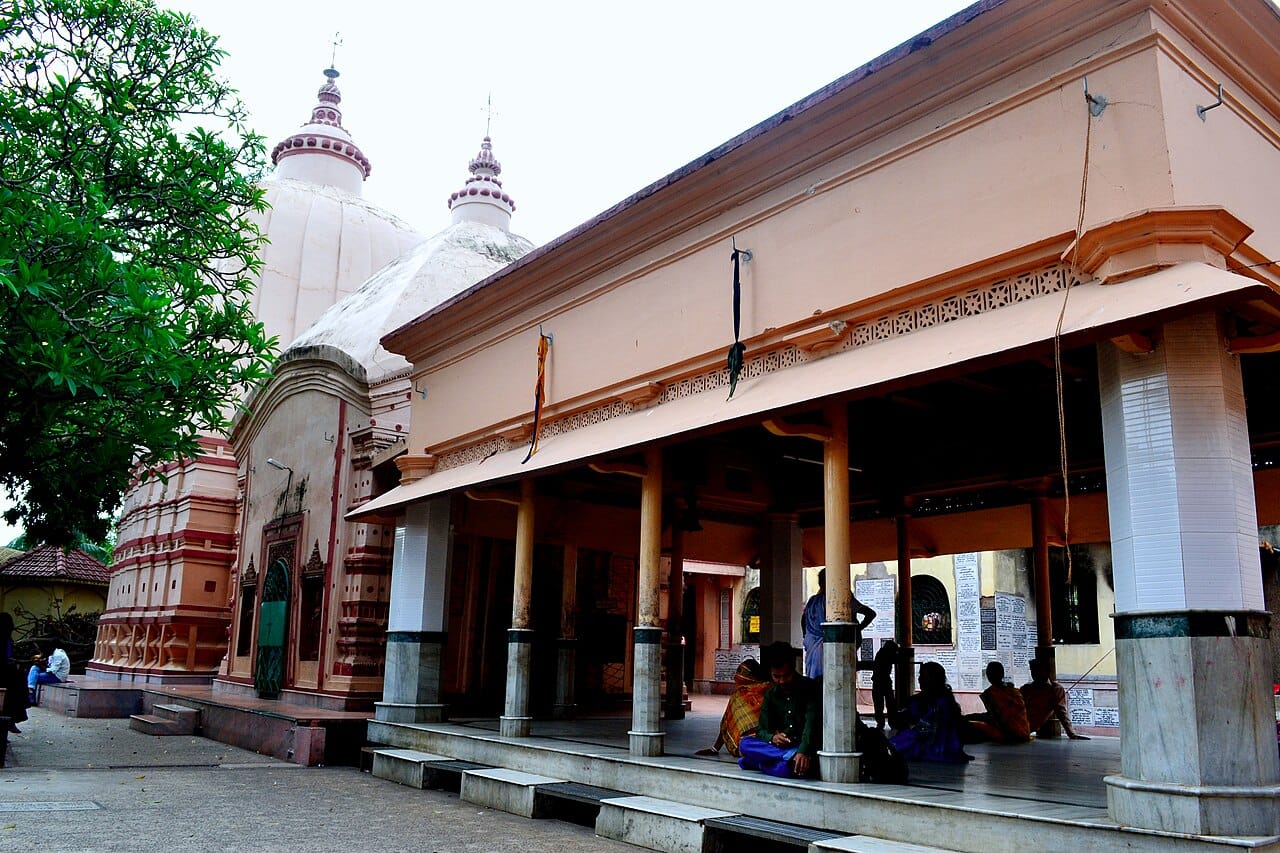
Bargabhima Temple Tamluk
An ancient 1,150-year-old temple where Sati's left ankle fell, blending Bengali 'at-chala' and Odia 'Kalinga' styles.
Discover Temple
Odisha
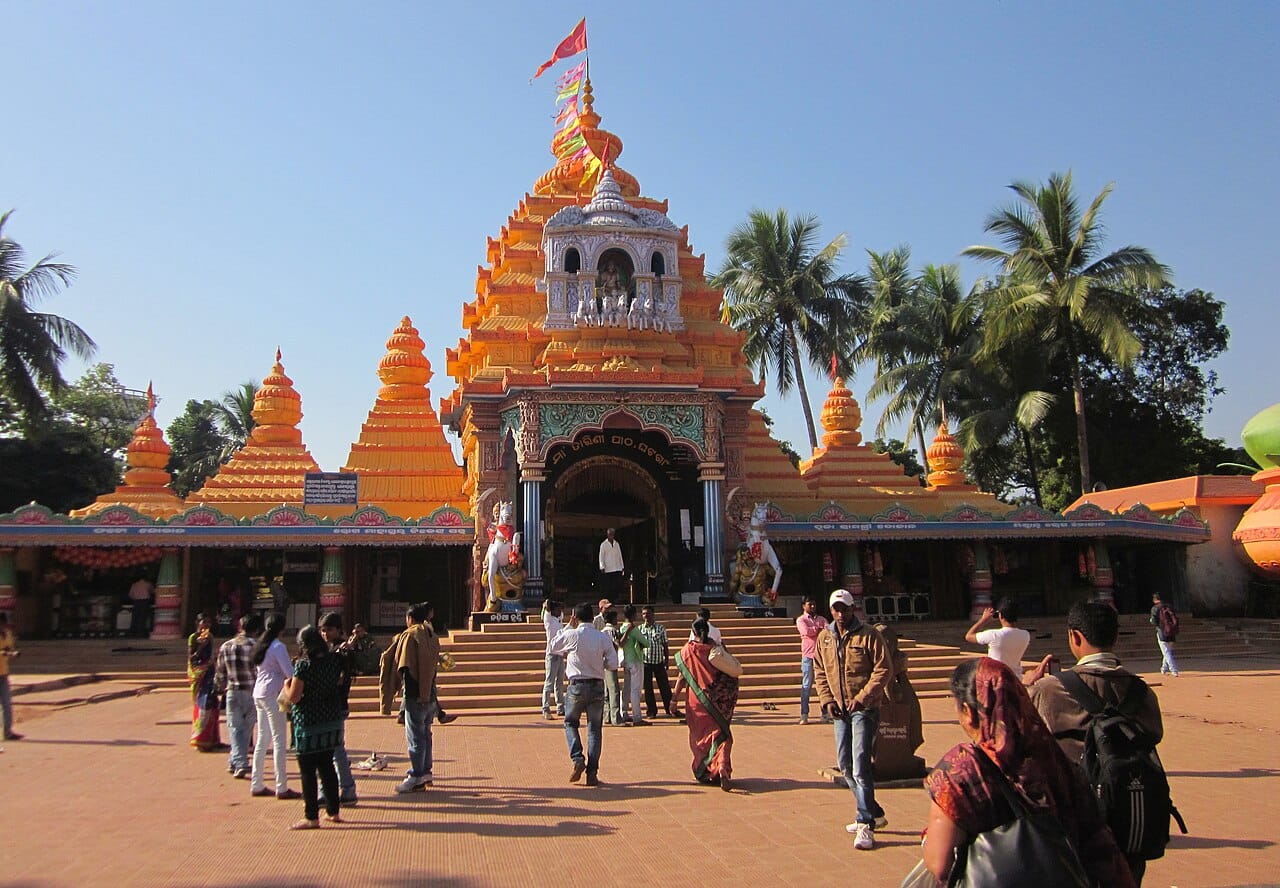
Tara Tarini Temple
The Tara Tarini Temple on Kumari Hills overlooking the Rushikulya River in Ganjam district, Odisha, is the Sthana Peetha — one of the four major ancient Shakti Peethas of India.
Discover Temple
Odisha
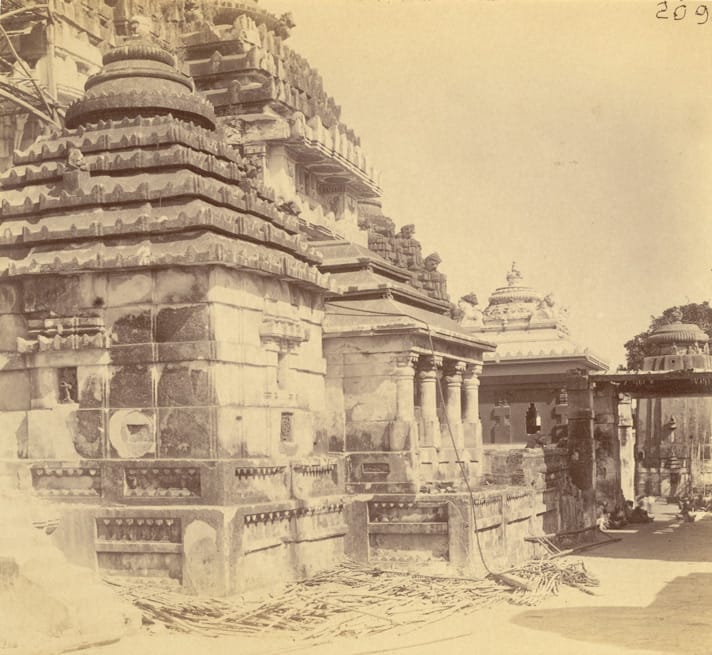
Bimala Temple
The Bimala Temple, located within the Jagannath Temple complex in Puri, Odisha, is one of the 51 Shakti Peethas where the feet of Goddess Sati are believed to have fallen.
Discover Temple
Odisha
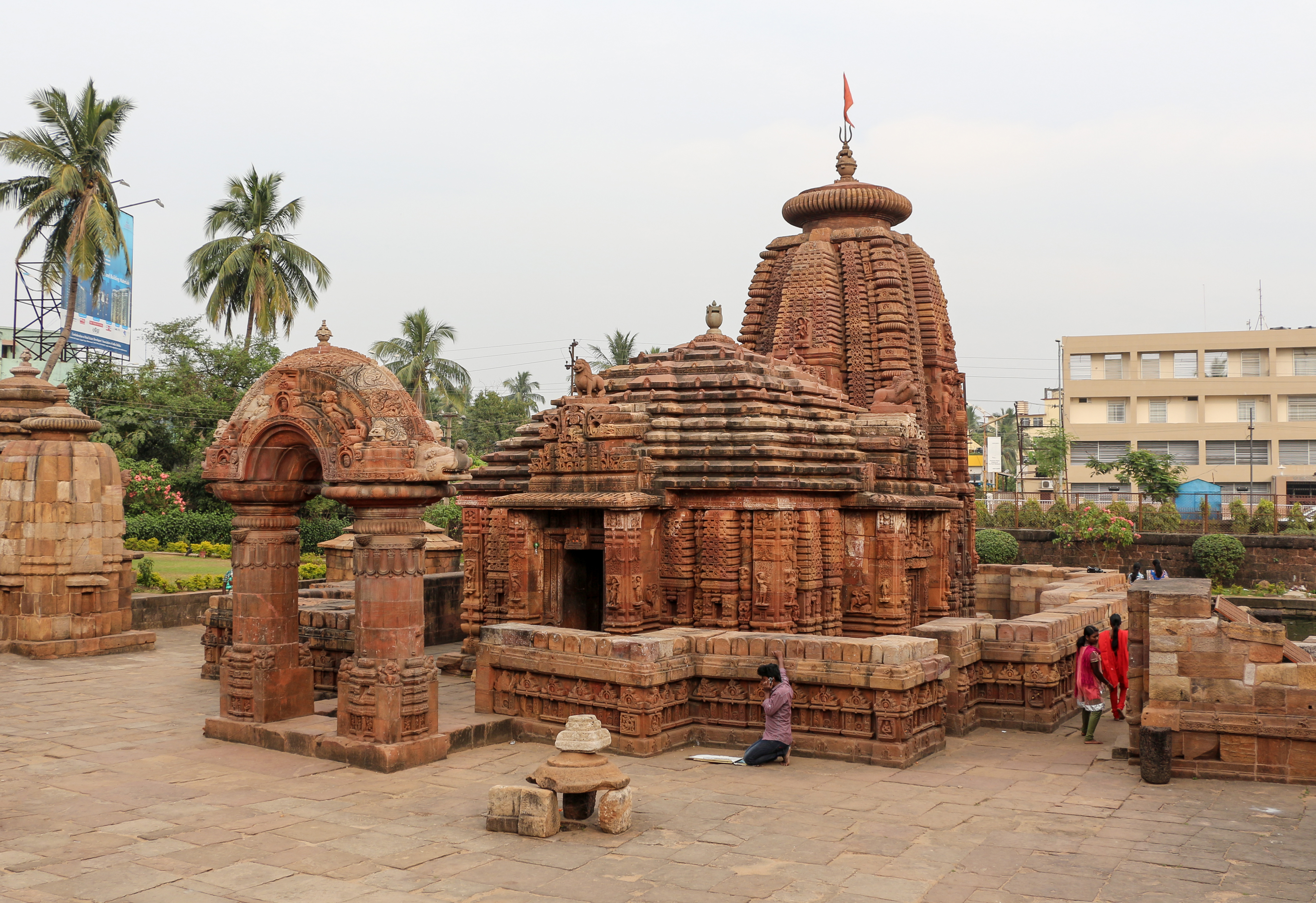
Mukteswara Temple
Known as the 'Gem of Odisha Architecture' for its exquisite carvings and its famous stone archway (Torana).
Discover Temple
Meghalaya
Jagannath Temple
A serene temple in the heart of Shillong, serving as a spiritual center for the local community with traditional rituals.
Discover Temple
Odisha
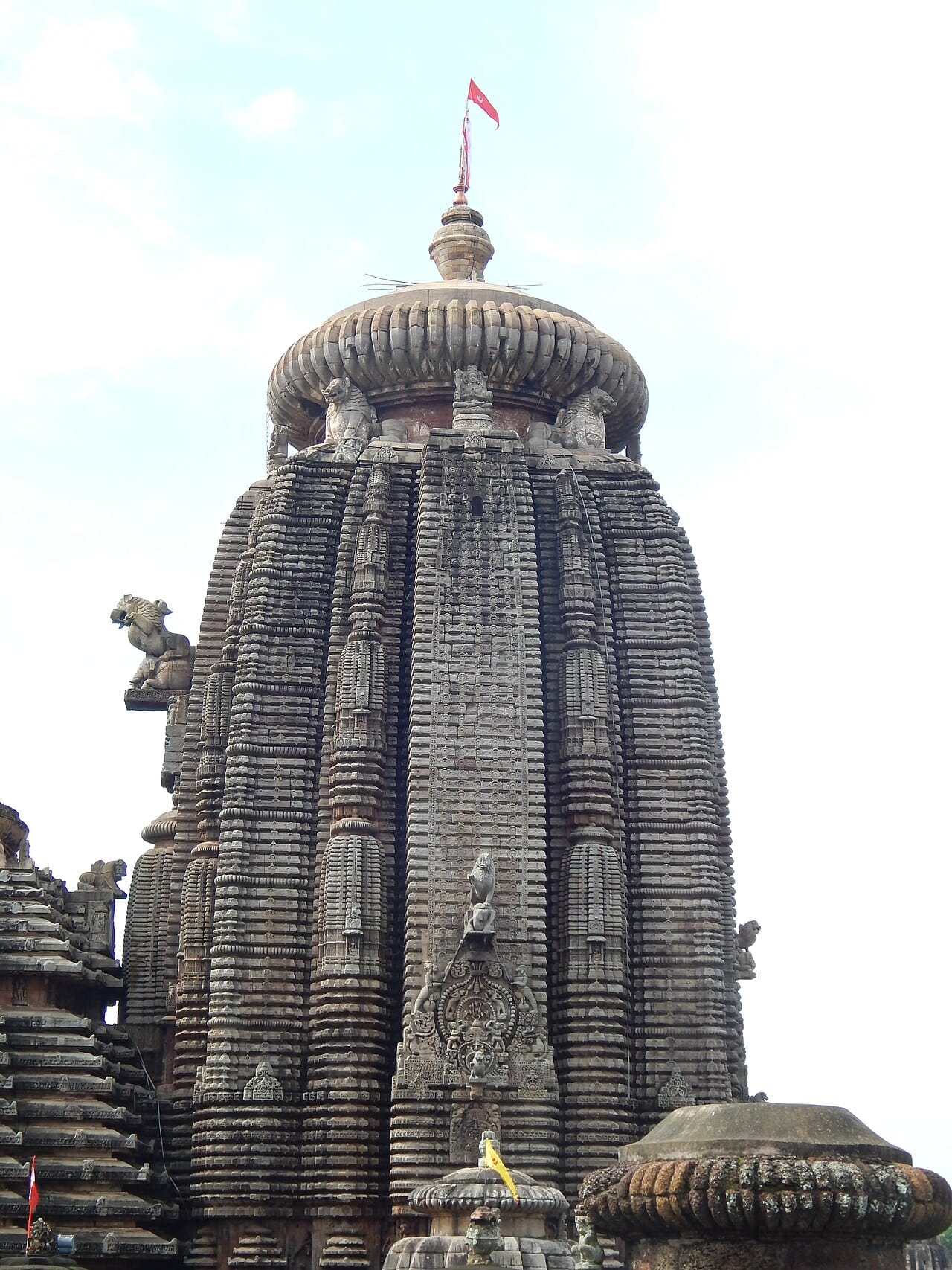
Lingaraja Temple
The Lingaraja Temple in Bhubaneswar, Odisha, is the largest and most magnificent temple of the Kalinga architectural tradition, dedicated to Lord Shiva as Tribhuvaneshwara.
Discover Temple
UNESCO 1984Cultural Heritage
Odisha
Konark Sun Temple
A 13th-century colossal stone chariot of the Sun God Surya, the Konark Sun Temple is a UNESCO World Heritage Site and the most architecturally ambitious solar temple in India, with…
Discover Temple
Jharkhand
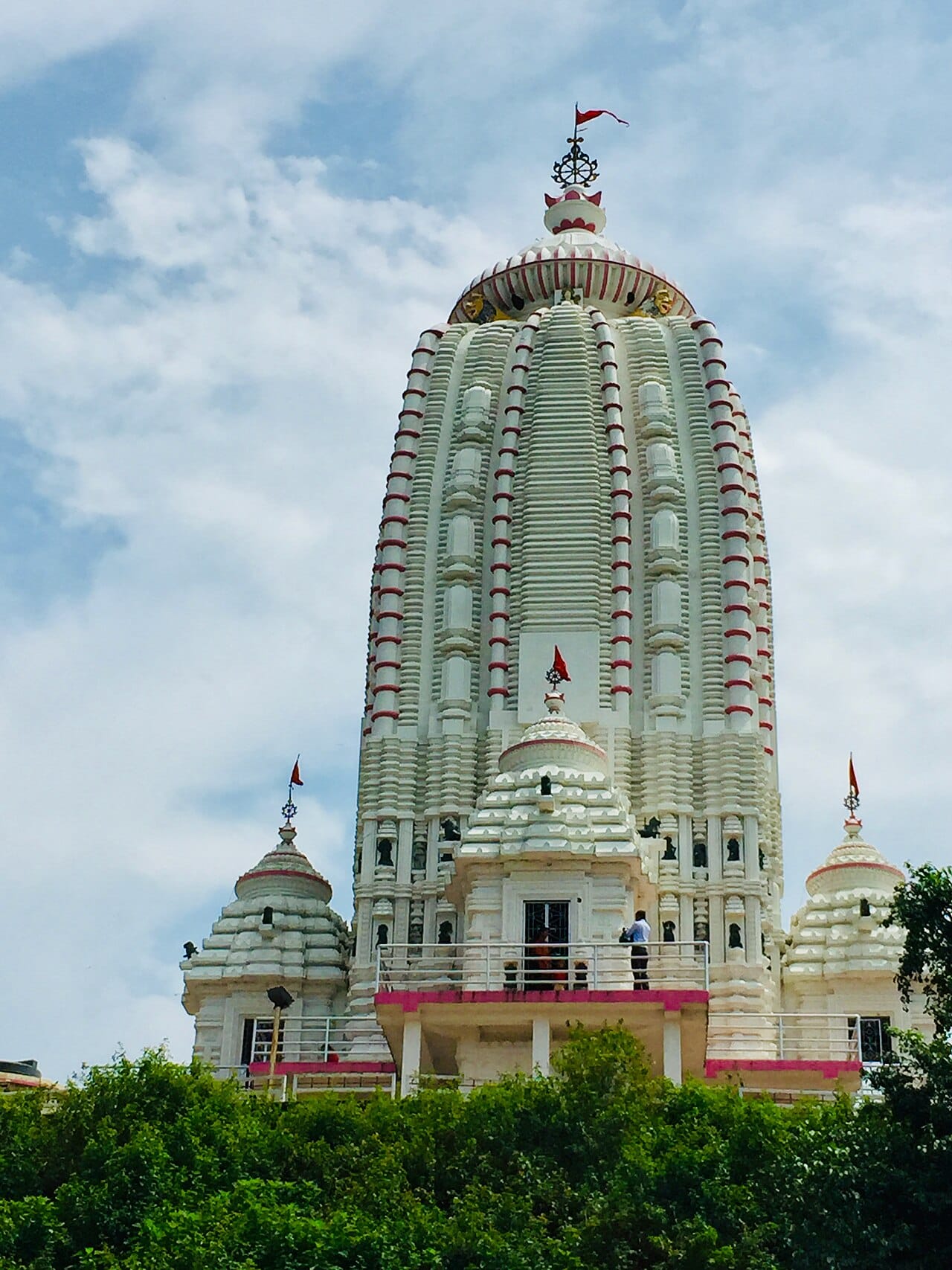
Jagannath Temple
A prominent 17th-century hilltop temple in Ranchi, echoing the spiritual grandeur and Rath Yatra traditions of Puri.
Discover Temple
Odisha
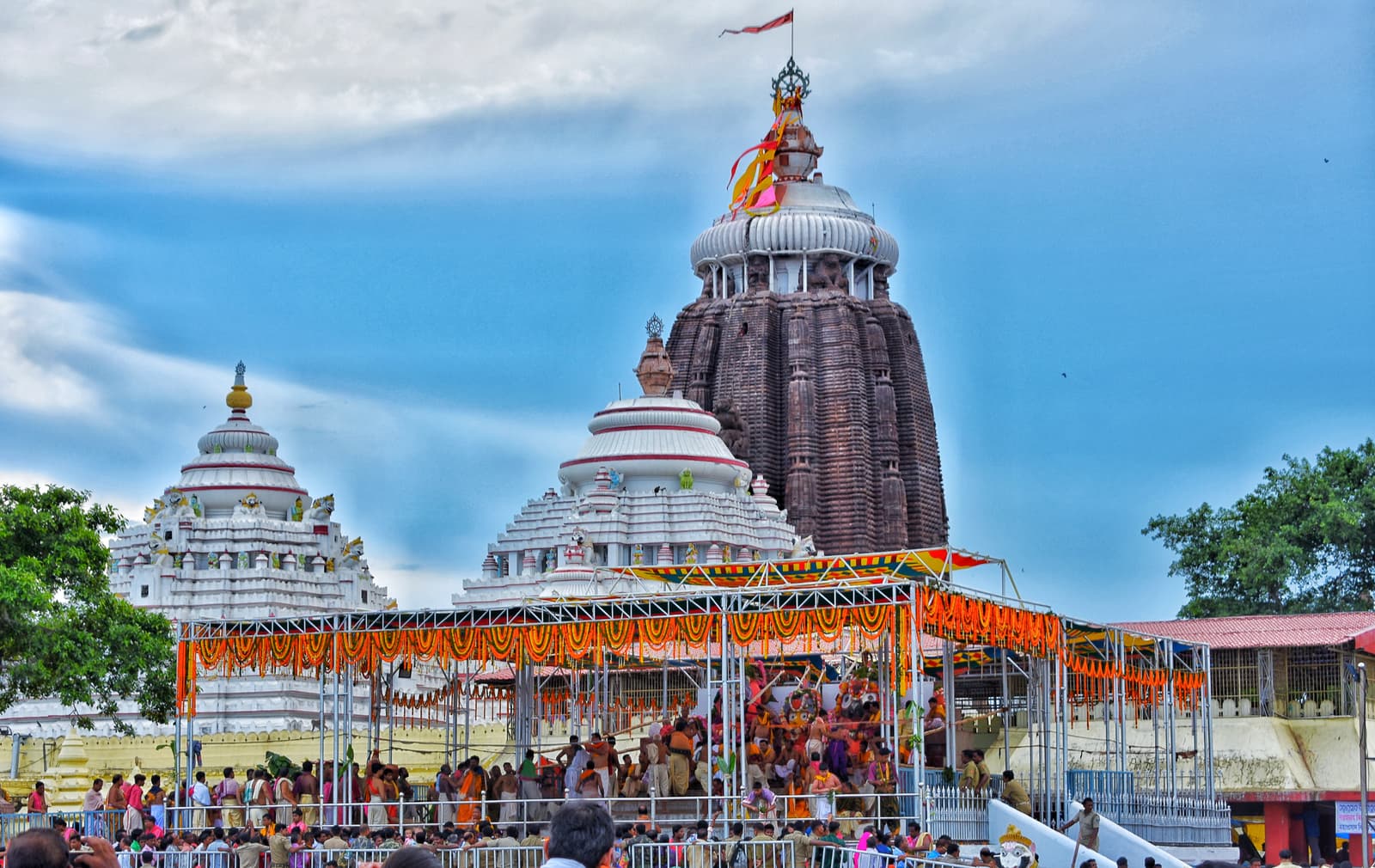
Jagannath Temple
Jagannath Temple in Puri, Odisha, is one of the four Char Dham sites, famous for the annual Rath Yatra (Chariot Festival) and its unique deities made of neem wood.
Discover Temple
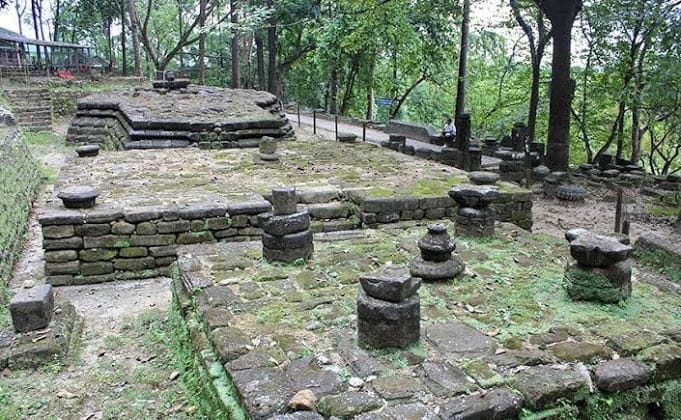
Arunachal Pradesh
Malinithan Temple
An ancient 14th-century archaeological site housing exquisite granite sculptures that bridge the cultures of the plains and the Himalayas.
Discover Temple
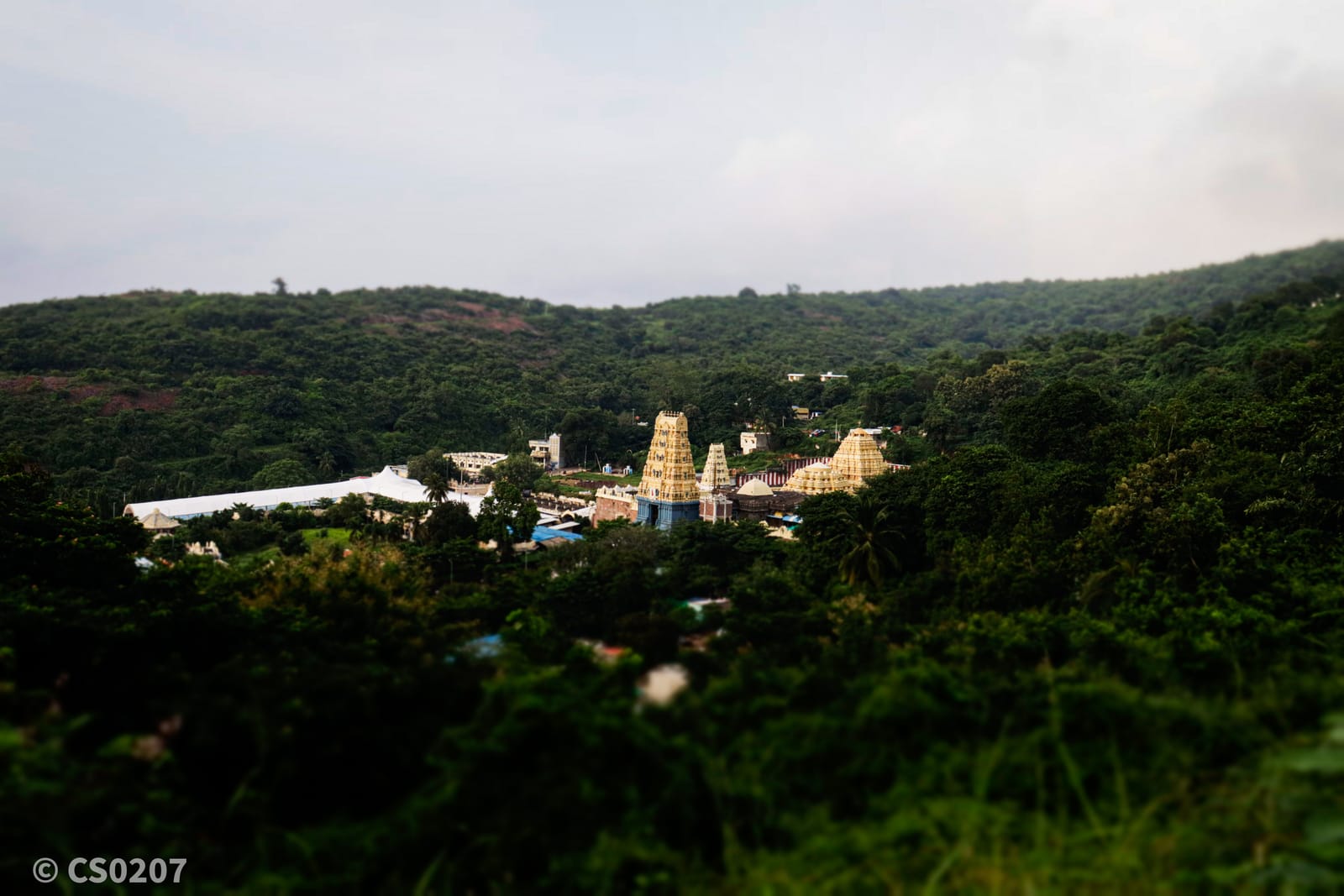
Andhra Pradesh
Simhachalam Temple
Simhachalam Temple, also known as Sri Varaha Lakshmi Narasimha Temple, is a historic Hindu temple dedicated to Lord Narasimha, the half-man half-lion avatar of Vishnu.
Discover Temple
Continue Exploring
Sources & References
Archaeological Survey of India (ASI)
Verified monument data and architectural records.
UNESCO World Heritage Centre
International heritage documentation.
— every record linked above was re-requested for this release, so the link still resolves and the publisher still serves the document. It is a link check, not a re-verification of every sentence on this page.