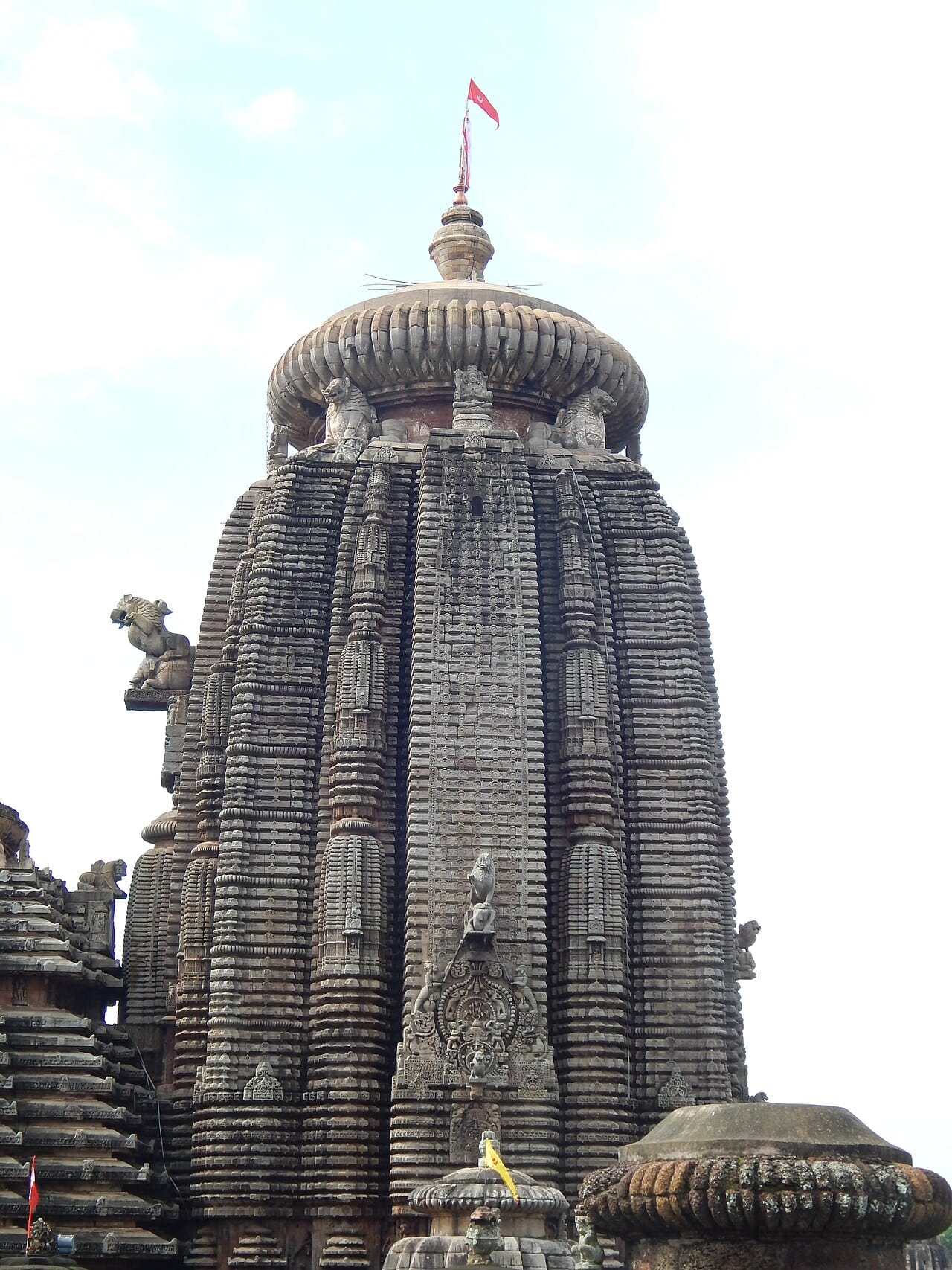
Sacred Heritage
Lingaraja Temple
Bhubaneswar, Odisha
State:Odisha
District:Bhubaneswar
Why This Temple Matters
Key Takeaways
- Dedicated to Lord Shiva
- Kalinga architecture
- Built by the Ganga (Eastern), Somavamsi, 11th century dynasty
- Located in Bhubaneswar, Odisha
- Best visited: October to March
Quick Facts
- Also Known As
- Tribhuvaneshwara Temple
- State
- Odisha
- Location
- Bhubaneswar
- Main Deity
- Lingaraja (Shiva)
- Architecture
- Kalinga
- Dynasty
- Somavamsi / Eastern Ganga
- Construction
- 11th Century CE
- Temple Height
- 55 m (180 ft)
- Unique Feature
- Swayambhu Linga, Rukuna Rath Yatra
- Best Time
- October to March
- Tank
- Bindusagar
- Festival
- Maha Shivaratri, Rukuna Rath Yatra
Overview
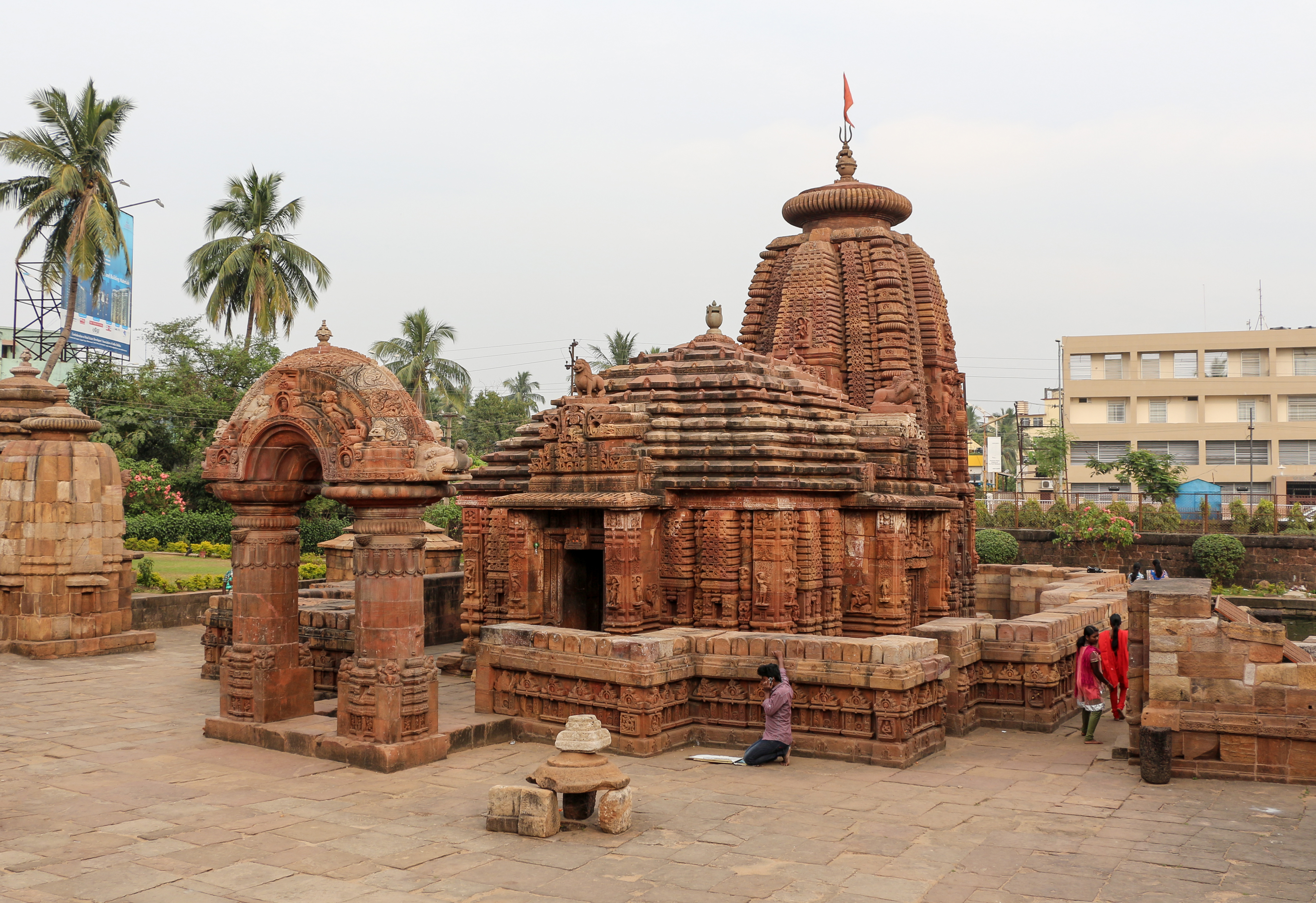
The Lingaraja Temple stands as the crowning achievement of Kalinga temple architecture and the most important religious monument in Bhubaneswar, the 'Temple City of India.' Built in the 11th century CE and dedicated to Lord Shiva as Tribhuvaneshwara — 'Lord of the Three Worlds' — the temple dominates the city's skyline with its 180-foot-high shikhara, visible for miles across the Odisha plains.
The temple is part of the Ekamra Kshetra, an ancient sacred complex that once contained over 7,000 temples, of which approximately 700 survive today within the old city area. The Lingaraja Temple, however, is the undisputed masterpiece among them, representing the mature phase of Kalinga architecture when the tradition had fully evolved from its early experiments in the 6th-9th centuries at sites like Mukteswara and Parasurameswara to this grand synthesis.
5 hectares and includes the main temple, a Bhoga Mandapa (hall of offerings), a Nata Mandira (dance hall), and numerous subsidiary shrines, all enclosed within a massive stone wall. The temple faces east, and its design follows the Kalinga pancharatha (five-chariot) plan with a rhythmic progression of vertical and horizontal elements that create a deeply harmonious visual effect.
The Lingaraja Temple is not merely an architectural monument but a living temple that has witnessed a thousand years of continuous worship, making it one of the oldest functioning temples in India. Its daily rituals, annual festivals, and the unique syncretic tradition where Shaiva and Vaishnava elements coexist peacefully reflect the inclusive religious culture of medieval Odisha.
History
History of Lingaraja Temple
The Lingaraja Temple's construction is attributed to the Somavamsi (Somavamshi) king Yayati II and the early Ganga (Eastern Ganga) rulers, with the main temple built between the 11th and 12th centuries CE. However, the site's sacred associations date back much further — Bhubaneswar was known as Ekamra Kana (the mango forest) and was mentioned in the Puranas as a major Shaiva pilgrimage center.
The earliest surviving temple in Bhubaneswar, the Parasurameswara Temple, dates to the 6th century CE, demonstrating that the site had been continuously developing for at least 500 years before the Lingaraja was built. The Somavamsi dynasty, which ruled Odisha from the 9th to the 12th centuries, were great patrons of Shaivism. King Yayati II (c.
1025–1040 CE) is credited with initiating the construction of the Lingaraja Temple as part of a program to establish Bhubaneswar as the premier Shaiva center of eastern India. The temple's construction continued under the early Eastern Ganga kings, who succeeded the Somavamsis. The Gangas, who would later build the Sun Temple at Konark, completed the Lingaraja Temple's upper shikhara and the Bhoga Mandapa.
Inscriptions on the temple walls record grants by both Somavamsi and Ganga monarchs, documenting endowments of villages, lands, and revenues to support the temple's daily operations and festivals. The temple survived the invasions of the Delhi Sultanate in the 13th and 14th centuries, when many other temples in Odisha were damaged.
According to historical accounts, the temple was spared because of its enormous size and the strategic decision of the local Maratha administrators, who took control of Odisha in the 18th century, to protect it. The Marathas, themselves devout Hindus, performed significant renovations and added the Bhoga Mandapa. The temple came under the administration of the Puri Jagannath Temple Trust during the British period and was later managed by the Bhubaneswar municipal authorities.
In the 20th century, the Archaeological Survey of India undertook extensive conservation work, including the reinforcement of the shikhara and the restoration of the subsidiary shrines. The temple remains the spiritual center of Bhubaneswar and is the focal point of the city's identity as the 'Temple City of India.' Its uninterrupted history of worship spanning nearly a millennium makes it one of the most historically significant living temples in the subcontinent.
Mythology
Mythology & Legends
The Lingaraja Temple is deeply embedded in the mythological landscape of Odisha. The temple is associated with the legend of Ekamra, the mango forest that once covered this region. According to the Ekamra Purana, a local Puranic text, Lord Shiva disguised himself as a hunter and resided in the Ekamra forest to test the devotion of his devotees.
One day, a milkmaid named Neela offered milk to a Shiva linga she discovered under a mango tree, and the linga miraculously drank the milk. When the king heard of this miracle, he searched for the linga and built a grand temple around it, marking the origin of the Lingaraja Temple. Another prominent myth links the temple to the goddess Parvati. The story narrates that Parvati, after a quarrel with Shiva, came to the Ekamra forest to perform penance.
Shiva, searching for her, took the form of Ardhanarishvara (half-male, half-female) and revealed himself to her, reconciling them. This legend is commemorated in the temple's unique syncretic tradition where both Shiva and Parvati are worshipped together. The name 'Lingaraja' itself means 'King of Lingas,' signifying that the swayambhu (self-manifested) linga installed here is the preeminent Shivalinga in the region. The linga is considered to have emerged spontaneously from the earth, not carved by human hands.
The temple is also associated with the legend of Chandrashekhara — Shiva as the moon-crested one. According to local tradition, the Chandrasekhara linga at the temple was installed by the moon god Chandra to free himself from a curse. Chandra had been cursed by Daksha to wane perpetually, and after performing penance at Ekamra Kshetra, Shiva granted him the blessing of waxing and waning cyclically, hence the moon's phases.
This association makes the Lingaraja Temple particularly significant on Somavara (Mondays) and during lunar eclipses, when special rituals are performed.
Significance
Religious & Cultural Significance
The Lingaraja Temple holds supreme significance in the religious and cultural landscape of Odisha. Religiously, it is the most important Shaiva temple in the state and one of the most prominent Shiva shrines in eastern India. The temple is the heart of the Ekamra Kshetra pilgrimage circuit, which encompasses hundreds of temples within Bhubaneswar's old city.
A pilgrimage to the Lingaraja is considered equal in merit to visiting all the twelve Jyotirlingas, and many devotees undertake the 'Lingaraja Parikrama' — a circumambulation of the entire temple complex. Architecturally, the temple represents the zenith of the Kalinga style of temple architecture, which evolved in Odisha between the 6th and 13th centuries.
The Kalinga style is distinct from both the Nagara of North India and the Dravida of the South, characterized by a vertical emphasis, a distinctive curvilinear shikhara, and an extraordinary level of sculptural ornamentation. The Lingaraja Temple is the definitive example of this tradition's mature phase, with its perfect proportions, rhythmic articulation of towers, and exquisite stone carvings.
Historically, the temple is a crucial document of Odishan history, with inscriptions that shed light on the administrative, economic, and social systems of the Somavamsi and early Ganga periods. The temple's uninterrupted worship tradition provides a living link to the religious practices of 11th-century Odisha. Culturally, the Lingaraja Temple has inspired Odishan art, literature, and music for a millennium.
The Odissi dance tradition, one of India's classical dance forms, was performed in the Nata Mandira as an offering to the deity, and the temple's sculptural panels preserve the dance postures that continue to be part of the Odissi repertoire.
The temple also represents the syncretic Shaiva-Vaishnava tradition of Odisha, where Shiva and Vishnu are worshipped as one deity — the temple's presiding deity is addressed as Lingaraja (Shiva) but also worshipped as Harihara (a composite of Vishnu and Shiva), reflecting the fluid theological boundaries that characterized medieval Odishan Hinduism.
Architecture
Kalinga Architectural Masterpiece
The Lingaraja Temple is the supreme achievement of Kalinga architecture, a distinct temple-building tradition that flourished in Odisha between the 6th and 13th centuries CE. Unlike the Nagara style of North India or the Dravida style of the South, the Kalinga style emphasizes verticality through a soaring, curvilinear shikhara that rises in a sweeping parabola to a crowning finial.
The Lingaraja Temple's main structure consists of four interconnected chambers aligned on an east-west axis: the garbhagriha (sanctum sanctorum), the jagamohana (assembly hall), the nata mandira (dance hall), and the bhoga mandapa (hall of offerings). The garbhagriha is a square chamber approximately 20 feet per side, with walls 8 feet thick designed to support the immense weight of the shikhara above.
The shikhara itself rises to 180 feet (55 meters) and is divided into three distinct vertical sections: the bada (lower wall), the gandi (the main trunk of the tower), and the mastaka (the crowning cap). The gandi is covered with hundreds of miniature shikharas and gavaksha (dormer window) motifs, creating a rich sculptural surface that breaks up the mass of the tower into a rhythmic sequence of vertical lines.
The mastaka is the most complex element, consisting of a series of layered horizontal discs called amlaka (mythical fruit), surmounted by a kalasha (urn) that holds the temple's spiritual energy. The exterior walls are divided into horizontal registers (paga) and adorned with an extraordinary wealth of sculpture: figures of deities (Shiva, Parvati, Ganesha, Kartikeya, the Saptamatrikas), celestial dancers (apsaras) in Odissi dance poses, musicians, flying vidyadharas, and elaborate floral and geometric patterns.
The laterite stone used for the bulk of construction is covered with a fine lime plaster that was originally painted, though most of the color has weathered away. The internal pillars of the jagamohana are massive monoliths carved with intricate lotus motifs, and the ceiling is constructed in the characteristic Kalinga corbelled style, with overlapping stone slabs that create a pyramidal interior space.
The temple complex is enclosed by a massive stone wall (curzon wall) with four gates, though the main entrance is on the eastern side. Within the complex are over 50 subsidiary shrines, some dating to earlier periods, dedicated to various deities including Parvati, Ganesha, Kartikeya, and the Saptamatrikas.
Rituals
Daily Rituals & Traditions
The Lingaraja Temple follows a complex daily ritual schedule rooted in the Shaiva Agama tradition. The day begins at 5:00 AM with the Dwara Puja (door worship), followed by the Mangala Aarti at 5:30 AM. The Abakasha (bathing ceremony) commences at 6:00 AM, where the linga is bathed with water from the Bindusagar tank, milk, curd, honey, ghee, and panchamrita, while priests chant the Rudram from the Yajur Veda.
The first food offering (Sakala Dhupa) is made at 8:00 AM, consisting of rice, dal, vegetables, and Odishan sweets prepared in the temple kitchen. The Madhyahna Bhoga (midday offering) at 12:00 PM is the main meal of the day, featuring over 50 dishes including the temple's famous 'Dalma' (a lentil and vegetable preparation) and 'Kheer' (sweet rice pudding).
The evening rituals begin at 5:00 PM with the Sandhya Aarti, the most visually stunning ceremony when hundreds of lamps are waved before the deity in synchronised patterns while conch shells are blown and cymbals clash. The final ritual, the Bada Simhara or the 'great bedtime ceremony,' takes place at 9:00 PM, when the processional deity is placed on a bed in the Jagamohana with offerings of sandalwood paste and flower garlands.
Unique to the Lingaraja Temple is the 'Chandrasekhara Besha' — the decoration of the linga with a silver mask depicting the face of Shiva, performed every Monday. The temple also conducts the 'Rudrabhisheka' on the first Monday of each month and special rituals during solar and lunar eclipses.
Festivals
Festivals & Celebrations
The most important festival at the Lingaraja Temple is the Rukuna Rath Yatra, a unique 11-day chariot festival held in March-April (Chaitra month). Unlike the Puri Rath Yatra where three deities travel in chariots, at Lingaraja only one deity — the processional form of Chandrasekhara — is taken in a grand chariot procession from the temple to the nearby Rameswara Temple. The chariot, built anew each year, is 30 feet high and pulled by thousands of devotees.
During this period, the temple celebrates 'Ashokastami,' when the deity is taken in a palanquin procession around the city. Maha Shivaratri is celebrated with extraordinary fervor, drawing over 200,000 pilgrims who maintain an all-night vigil. The entire temple complex is illuminated, and the linga receives special abhishekams every hour throughout the night. The 'Bada Ekadasi' in November-December is a major harvest festival when the temple offers the first produce of the season to the deity.
During the 'Kumar Purnima' in September-October, the goddess Parvati is decorated as a young bride and devotees offer new clothes to the deity. The 'Pana Sankranti' (Odia New Year) in April features the unique tradition of offering 'Pana' (a sweet drink) to the linga, and a clay pot filled with pana is suspended over the linga during the festival, with the dripping pana symbolizing the monsoon rains.
The 'Dola Purnima' in March sees the deities being placed on a swing and rocked gently while musicians sing devotional songs in the traditional Odissi style.
Nearby
Nearby Attractions
The Lingaraja Temple is surrounded by the sacred geography of Ekamra Kshetra in Bhubaneswar. Within a 2-kilometer radius, visitors can explore the Mukteswara Temple (10th century, known as the 'Gem of Odisha' architecture), the Parasurameswara Temple (6th century, the oldest in Bhubaneswar), the Rajarani Temple (11th century, famous for its ornamentation without a presiding deity), and the Brahmeswara Temple (9th century).
The Odisha State Museum (3 km) houses one of India's finest collections of palm-leaf manuscripts, ancient sculptures, and tribal artifacts. The Udayagiri and Khandagiri Caves (6 km), dating to the 2nd century BCE, are the oldest Jain monastic complex in Odisha with elaborate cave carvings. The Nandankanan Zoological Park (10 km) is a premier zoo and botanical garden famous for its white tiger breeding program.
The Dhauli Shanti Stupa (8 km), marking the site where Emperor Ashoka embraced Buddhism after the Kalinga War, offers panoramic views and a serene atmosphere. For pilgrims, the 64 Yogini Temple at Hirapur (20 km), a rare circular temple dedicated to the sixty-four yoginis, and the Chausathi Jogini Temple at Ranipur-Jharial (120 km) are significant detours.
The Konark Sun Temple (65 km) and the Jagannath Temple in Puri (60 km) form a UNESCO-listed triad with Bhubaneswar known as the 'Golden Triangle of Odisha.'
Frequently Asked Questions
What is the history of the Lingaraja Temple?
A.
The Lingaraja Temple was built in the 11th century CE by the Somavamsi king Yayati II and completed by the early Eastern Ganga rulers. The temple took over 100 years to complete and represents the mature phase of Kalinga architecture. The site itself has been a place of worship for over 1,500 years, with the earliest temple in the area — the Parasurameswara Temple — dating to the 6th century CE.
The temple has been in continuous use since its construction, making it one of the oldest functioning temples in India.
What are the Lingaraja Temple timings?
A.
The temple opens at 5:00 AM and closes at 10:00 PM daily. Darshan is available from 5:30 AM to 12:00 PM and 4:00 PM to 10:00 PM. The temple remains closed for darshan from 12:00 PM to 4:00 PM for midday rituals. The Mangala Aarti at 5:30 AM and the Sandhya Aarti at 6:00 PM are the best times to experience the temple's ritual atmosphere.
Who built the Lingaraja Temple?
A.
The Lingaraja Temple was built by the Somavamsi (Somavamshi) dynasty, particularly King Yayati II (c. 1025-1040 CE), with later additions by the Eastern Ganga rulers. The Somavamsis were great patrons of Shaivism and established Bhubaneswar as the preeminent Shiva center in eastern India. The Eastern Gangas, who later built the Konark Sun Temple, completed the temple's upper shikhara and the Bhoga Mandapa (hall of offerings).
What is the architectural style of Lingaraja Temple?
A.
The Lingaraja Temple is the definitive example of Kalinga architecture, the distinct temple-building tradition of Odisha. The Kalinga style features a vertical emphasis with a curvilinear shikhara (tower) divided into four parts: the bada (base), gandi (trunk), mastaka (head), and kalasha (finial). The temple follows the pancharatha (five-chariot) plan and is built of laterite and sandstone. The main tower rises 180 feet (55 meters) and is crowned with a massive kalasha weighing several tons.
What is the difference between the Lingaraja Temple and the Jagannath Temple in Puri?
A.
While both temples follow Kalinga architecture, the Lingaraja Temple is dedicated to Shiva (worshipped as Lingaraja or Tribhuvaneshwara), while the Jagannath Temple in Puri is dedicated to Vishnu in the form of Jagannath. The Lingaraja Temple's shikhara is taller (180 feet vs. 214 feet of Jagannath), and Lingaraja predates Jagannath by about a century. The rituals at Lingaraja follow the Shaiva Agama, while Jagannath follows the Vaishnava tradition.
Both temples, however, share the unique Odishan tradition of the Rath Yatra (chariot festival).
What is the special significance of the Lingaraja Temple linga?
A.
The linga at Lingaraja Temple is believed to be swayambhu (self-manifested), meaning it was not carved by human hands but emerged naturally from the earth. It is considered one of the most powerful Shiva lingas in eastern India. Unlike most Shiva temples where the linga is in the center of the sanctum, the Lingaraja linga is situated slightly off-center, which is considered an architectural peculiarity.
The linga is unique in that it is never fully visible — it is always covered with a silver mask (Chandrasekhara Besha) on Mondays and with sandalwood paste on other days.
Why is the Lingaraja Temple also associated with Vishnu?
A.
The Lingaraja Temple represents the syncretic Shaiva-Vaishnava tradition of medieval Odisha. The presiding deity is addressed as Lingaraja (Shiva) but is also worshipped as Harihara (a composite of Vishnu and Shiva). The temple complex includes shrines dedicated to Vishnu, and the main deity is offered Vaishnava naivedya (offerings) alongside Shaiva offerings. This syncretism reflects the theological milieu of 11th-12th century Odisha where the boundaries between Shaivism and Vaishnavism were fluid.
What is the Rukuna Rath Yatra at Lingaraja Temple?
A.
The Rukuna Rath Yatra is the annual chariot festival of the Lingaraja Temple, held in March-April (Chaitra month). Unlike the Puri Rath Yatra, which features three chariots, Lingaraja's festival features a single chariot carrying the processional deity Chandrasekhara from the Lingaraja Temple to the Rameswara Temple, a distance of about 1 kilometer. The chariot, built anew each year from neem wood, stands 30 feet high and is elaborately decorated.
The festival lasts 11 days and culminates with the deity's return to the main temple.
Showing 8 of 14 questions
Answers are based on verified information. Site rules may change — verify locally before visiting.
Did You Know?
- Lingaraja Temple's 180-foot shikhara is the tallest in Bhubaneswar and the defining landmark of the 'Temple City of India' which once contained over 7,000 temples.
- The temple enshrines a swayambhu (self-manifested) linga, a rough unhewn stone rising from the earth, which is perpetually covered with sandalwood and vermilion paste.
- The temple is part of the Ekamra Kshetra sacred complex, and a pilgrimage to Lingaraja is considered equal in merit to visiting all twelve Jyotirlingas according to local tradition.
- The Lingaraja Temple uniquely fuses Shaiva and Vaishnava traditions — the deity is worshipped both as Lingaraja (Shiva) and as Vishnu, with the annual Rukuna Rath Yatra procession honoring Harihara (half-Shiva, half-Vishnu).
- The temple was built by the Somavamsi king Yayati II (c. 1025-1040 CE) and later completed by the Eastern Gangas, with the Bindusagar tank covering an area of 5 hectares.
Sources & References
Links Last Checked
2026-07-03
Related Temples
Same Deity
Virupaksha Temple
The Virupaksha Temple in Hampi, Karnataka, is a UNESCO World Heritage Site and the oldest…
Trimbakeshwar Temple
The Trimbakeshwar Temple in Maharashtra is one of the twelve Jyotirlingas, unique for its three-faced…
Airavatesvara Temple
The Airavatesvara Temple at Darasuram, built by Rajaraja Chola II between 1146 and 1172 CE…
Gangaikonda Cholapuram Temple
The Gangaikonda Cholapuram Temple, built by Rajendra Chola I in 1035 CE, is a UNESCO…
Kampaheswarar Temple
Kampaheswarar Temple in Tribhuvanam, built by Kulothunga Chola III in 1202 CE, is one of…
Koranganatha Temple
Koranganatha Temple, built during the reign of the Chola king Parantaka I (907-955 CE) at…
Same Architecture
Konark Sun Temple
A 13th-century colossal stone chariot of the Sun God Surya, the Konark Sun Temple is…
Jagannath Temple
Jagannath Temple in Puri, Odisha, is one of the four Char Dham sites, famous for…
Simhachalam Temple
Simhachalam Temple, also known as Sri Varaha Lakshmi Narasimha Temple, is a historic Hindu temple…
Same State
Tara Tarini Temple
The Tara Tarini Temple on Kumari Hills overlooking the Rushikulya River in Ganjam district, Odisha…
Bimala Temple
The Bimala Temple, located within the Jagannath Temple complex in Puri, Odisha, is one of…
Mukteswara Temple
Known as the 'Gem of Odisha Architecture' for its exquisite carvings and its famous stone…
Konark Sun Temple
A 13th-century colossal stone chariot of the Sun God Surya, the Konark Sun Temple is…
Jagannath Temple
Jagannath Temple in Puri, Odisha, is one of the four Char Dham sites, famous for…
Same Tradition
Tarakeshwar Temple Hooghly
1729 CE Atchala-style Shiva sanctuary founded by Raja Bharamalla in Hooghly district, famous for its…
Virupaksha Temple
The Virupaksha Temple in Hampi, Karnataka, is a UNESCO World Heritage Site and the oldest…
Jageshwar Temple
A cluster of 124 ancient stone temples from the 7th-12th centuries, situated in a dense…
Neelkanth Mahadev Temple
Situated at 1,330 meters, this is where Lord Shiva is believed to have consumed the…
Tungnath Temple
The highest Shiva temple in the world, situated at 3,680 meters on the Chandranath Parbat…
Rudranath Temple
One of the Panch Kedar shrines, representing Lord Shiva's face, situated at an altitude of…
Visiting as an International Traveller
Fact CheckedEditorial ReviewVerified 2026-07-03
Entry Status
Foreign Visitors
AllowedAll visitors welcome. Non-Hindus can enter the temple complex but not the inner sanctum.
Visitor Information
Entry policies are set by each site — confirm before travelling.
Entry rules for international visitorsWho can enter, permits, and what to expect at the gate.Dress Code
Modest clothing is expected — a sign of respect, not a restriction.
Shoulders covered
Knees covered
Shoes removed before entry
Head covering (women)
Rain gear available
Warm layers (winter)
Photography Guide
Outside
Inside
Flash
Drone
Tripod
Commercial
Best Time to Visit
The best time to visit Lingaraja Temple is from October to March when the Odisha weather is pleasant with temperatures between 15 and 30 degrees Celsius. This period also coincides with the major festival season, including Kumar Purnima, Bada Ekadasi, and Dola Purnima. The winter months of December and January are particularly comfortable for exploring the temple complex and the surrounding Bhubaneswar temples.
The summer months of April to June are hot and humid with temperatures reaching 40 degrees Celsius, though the early morning hours remain manageable. The monsoon months of July to September bring heavy rainfall and high humidity, which can make the temple precincts slippery and crowded. If visiting during the rainy season, be prepared for sudden downpours and plan your visit during the morning hours.
Language & Communication
Common local languages: Odia, Hindi, English
English spokenLicensed guides available at the temple entrance
Accessibility
Wheelchair: Limited. The temple complex has uneven stone surfaces and steps.
Understanding Temple Traditions
These short explanations help make sense of what you see and experience.
Tips for International Visitors
Temple vocabulary and ritualsDarshan, pradakshina, prasadam, aarti, hundi and mandapa.Currency, donations and queuesCash, UPI, donation etiquette and how long entry queues take.Photography etiquetteSignage, flash, selfie sticks and photographing other visitors.Festival crowds and safetyAdvance booking, road closures, belongings and offline maps.
Essential Contacts
Police / Ambulance / Fire: 112 (National Emergency Number)
Tourist Helpline: 1800-111-363 (Multi-lingual, Ministry of Tourism)
Women's Helpline: 1091
Official Temple WebsiteState Tourism WebsiteTravel Preparation Checklist
Packing Checklist for Lingaraja Temple
Continue Reading
Verified 2026-07-03Sources: Lingaraja Temple Trust, Bhubaneswar, Odisha Tourism Department, Archaeological Survey of India, Ekamra Purana (local Puranic text), Kalinga Temple Architecture by N.K. Bose (1993)
Rules change — confirm current policies with the site's authority before you travel.
By Naveen singh negi
Updated: 2026-07-03
Last reviewed: 2026-07-03
Fact-checked
Editorial review
Sources: Lingaraja Temple Trust, Bhubaneswar, Odisha Tourism Department, Archaeological Survey of India, Ekamra Purana (local Puranic text), Kalinga Temple Architecture by N.K. Bose (1993)
Odisha
Ganga (Eastern), Somavamsi, 11th century
Ancient
Explore More Sacred & Heritage Sites
Related heritage monuments, regional traditions, and pilgrimage connections.
UNESCO Temple Heritage Sites
UNESCO 1984Cultural Heritage
Odisha
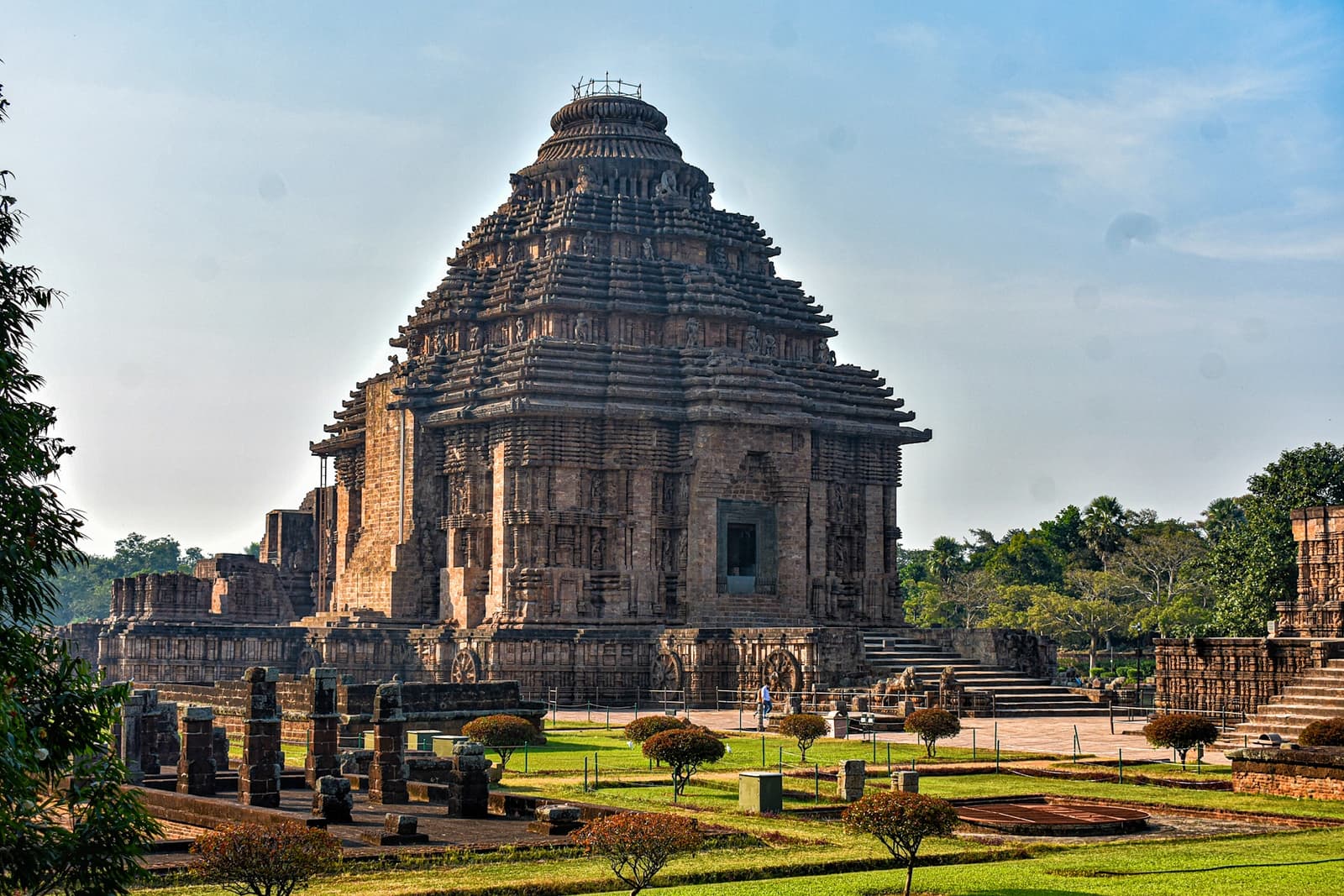
Sun Temple, Konark
A 13th-century Sun Temple built as a giant stone chariot with 24 wheels, drawn by…
Explore Temple
UNESCO 2002Cultural Heritage
Bihar
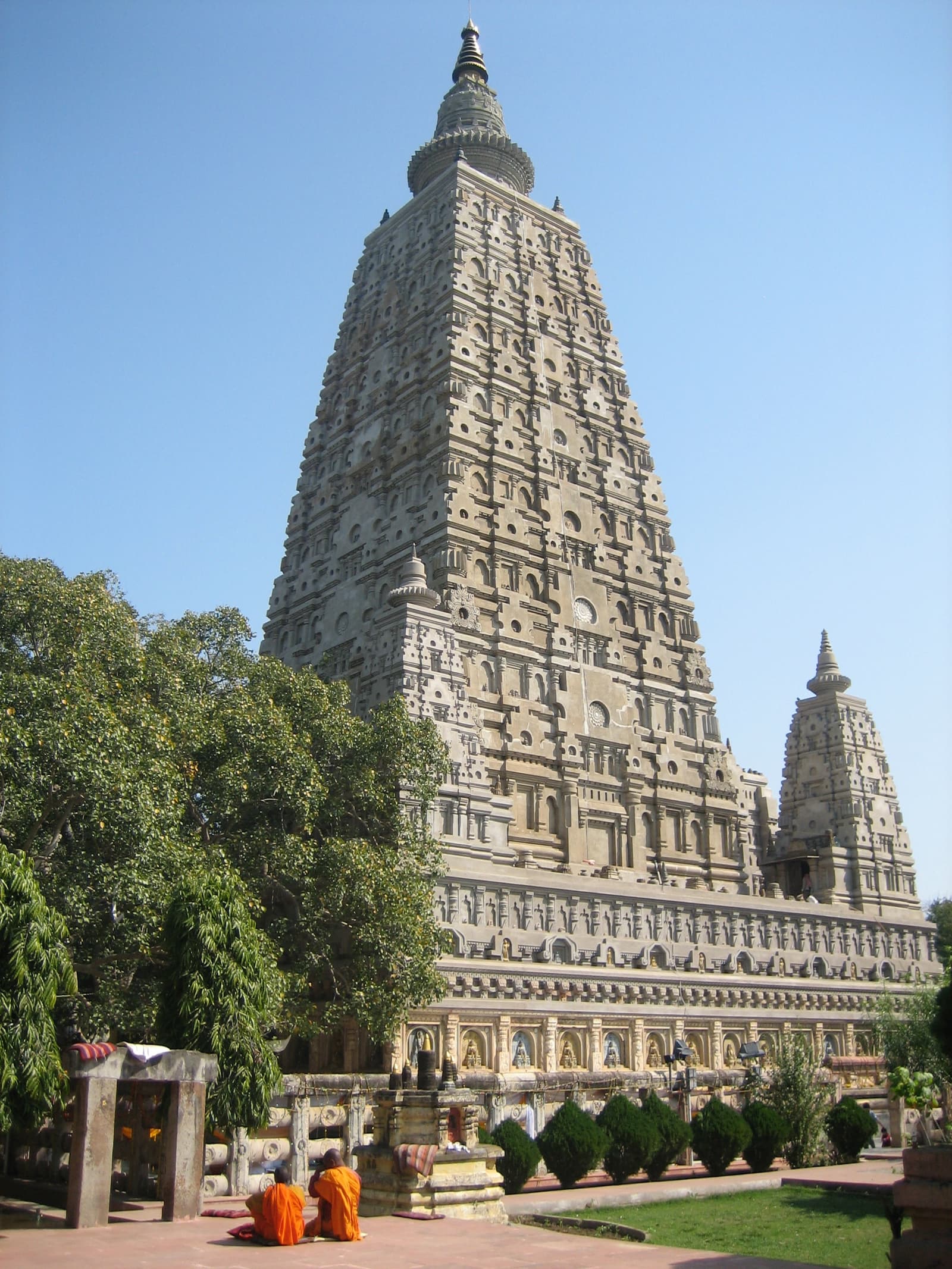
Mahabodhi Temple Complex
A UNESCO World Heritage site marking the location where Siddhartha Gautama attained enlightenment and became…
Explore Temple
UNESCO 1987Cultural Heritage
Tamil Nadu
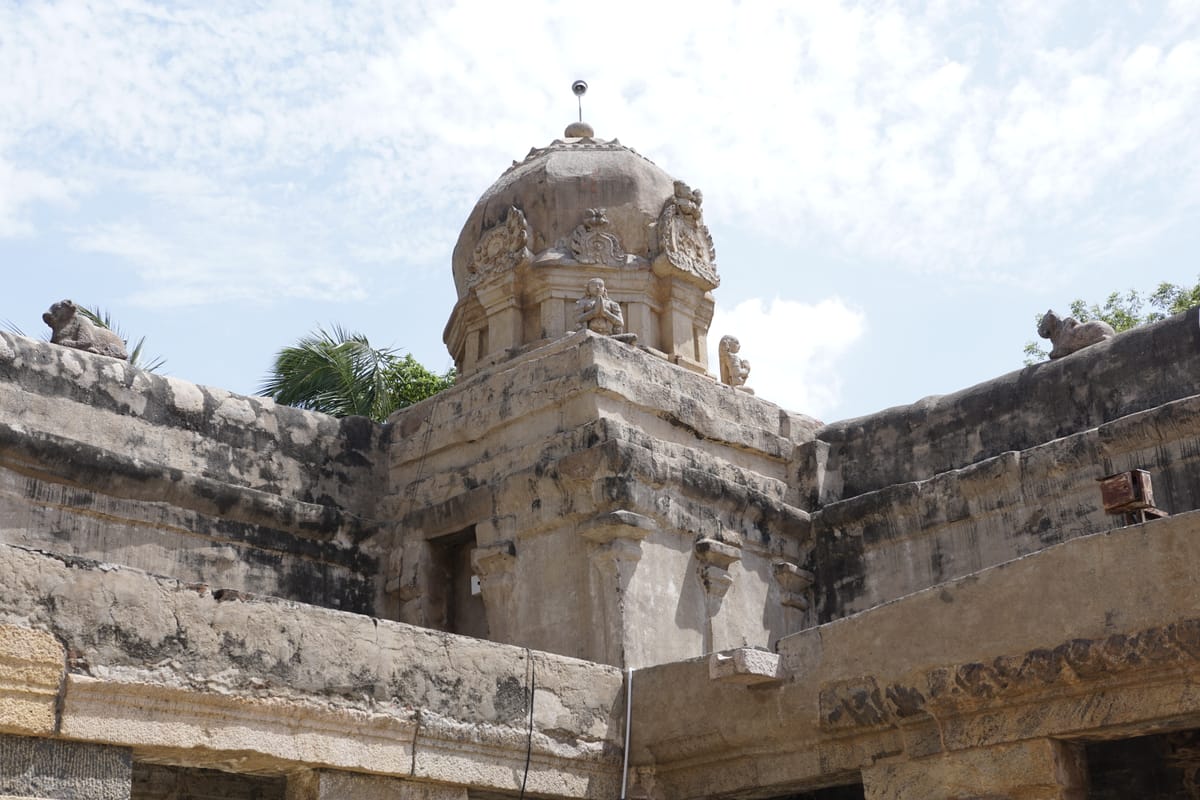
Great Living Chola Temples — Brihadeeswarar Temple
The principal temple of the Great Living Chola Temples UNESCO site, a masterpiece of Dravidian…
Explore Temple
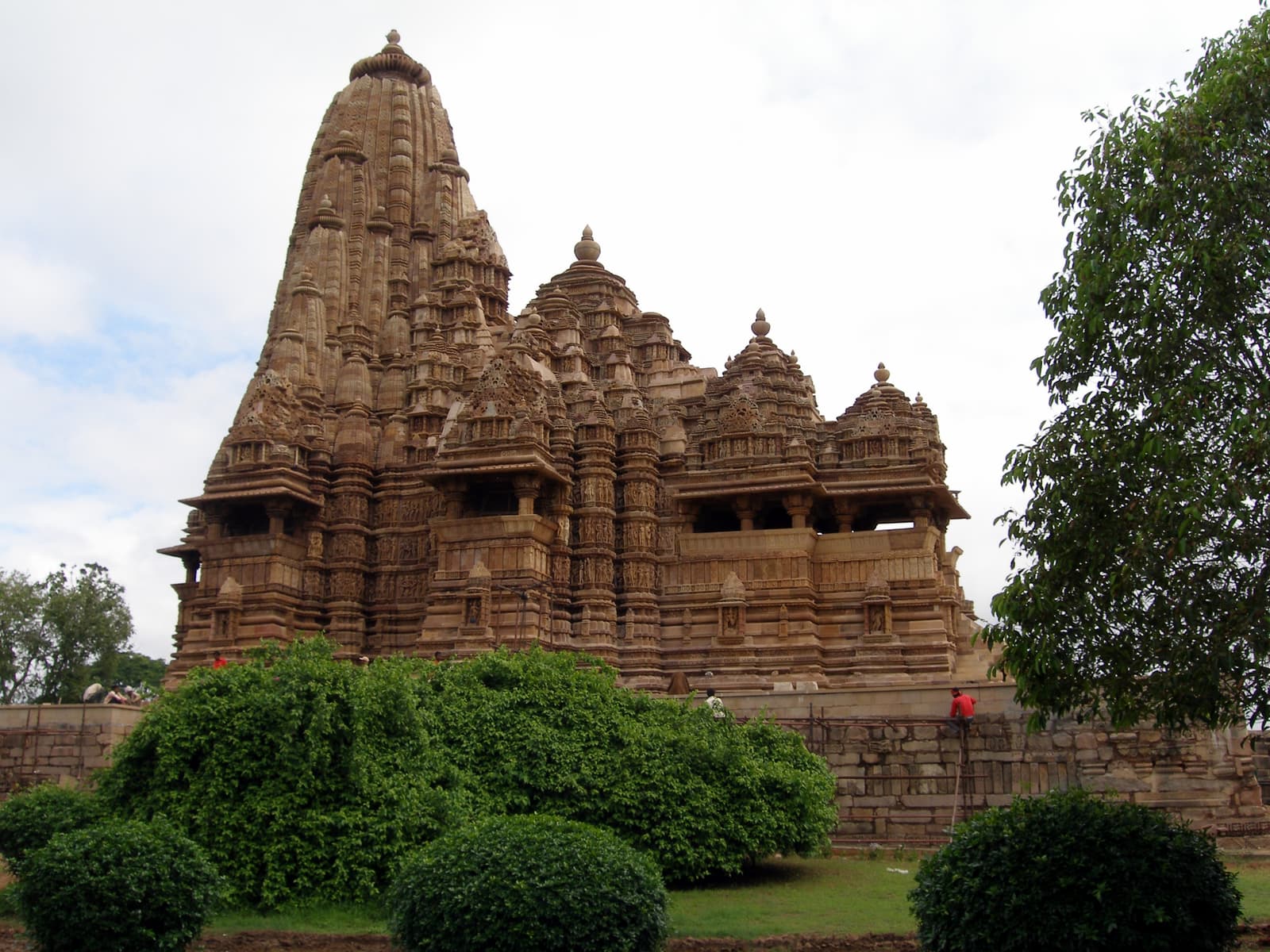
UNESCO 1986Cultural Heritage
Madhya Pradesh
Khajuraho Group of Monuments
The largest and most ornate Hindu temple in the Khajuraho Group of Monuments.
Explore Temple
Famous Temples You May Like
UNESCO 1984Cultural Heritage
Odisha
Konark Sun Temple
A 13th-century colossal stone chariot of the Sun God Surya, the Konark Sun Temple is…
Explore Temple
Odisha
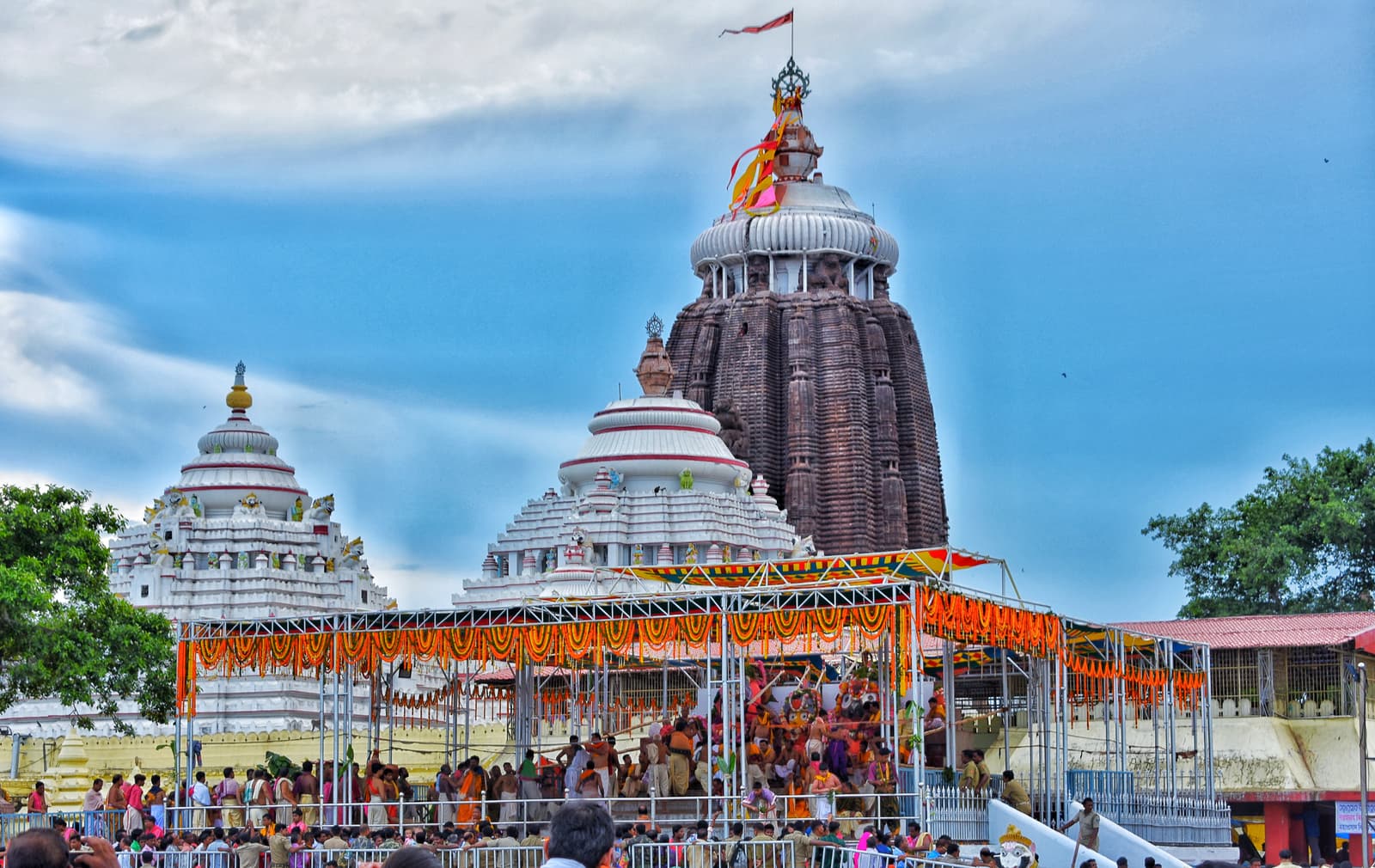
Jagannath Temple
Jagannath Temple in Puri, Odisha, is one of the four Char Dham sites, famous for…
Explore Temple
Odisha
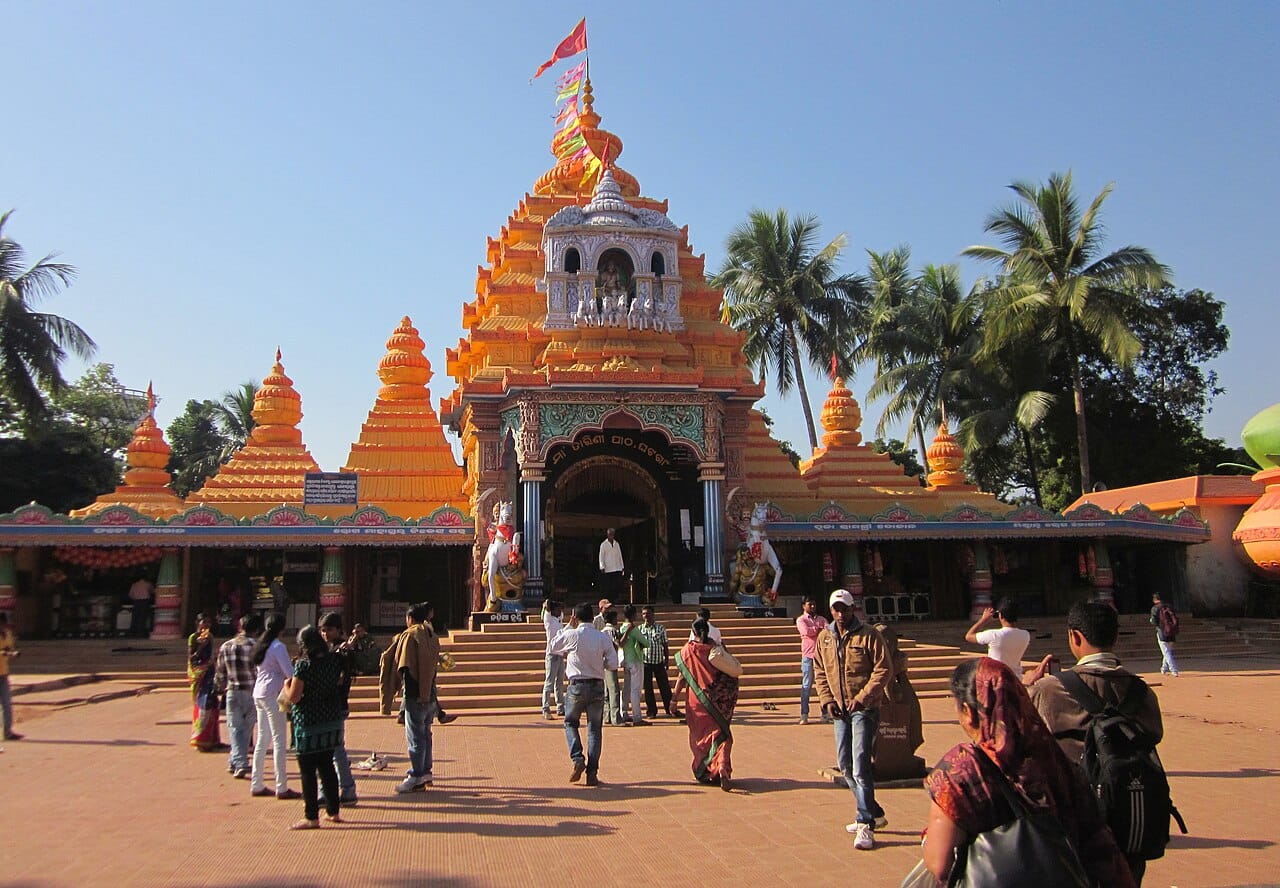
Tara Tarini Temple
The Tara Tarini Temple on Kumari Hills overlooking the Rushikulya River in Ganjam district, Odisha…
Explore Temple
Odisha
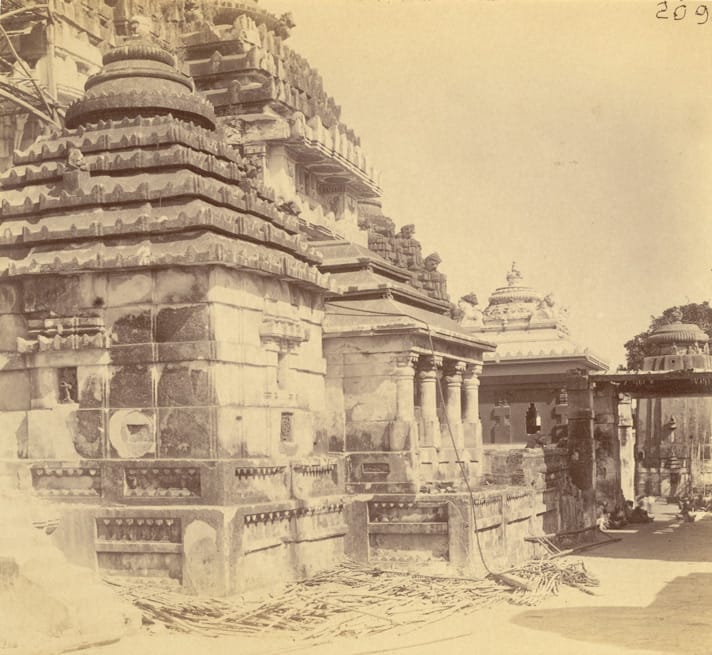
Bimala Temple
The Bimala Temple, located within the Jagannath Temple complex in Puri, Odisha, is one of…
Explore Temple
Explore More in Odisha
Heritage Fact
"The Jagannath Temple in Puri is famous for its annual Ratha Yatra, where three massive wooden chariots are pulled by thousands of devotees."