Sacred Destinations
Odisha
6Sacred Sites
2UNESCO Heritage
7Major Temples
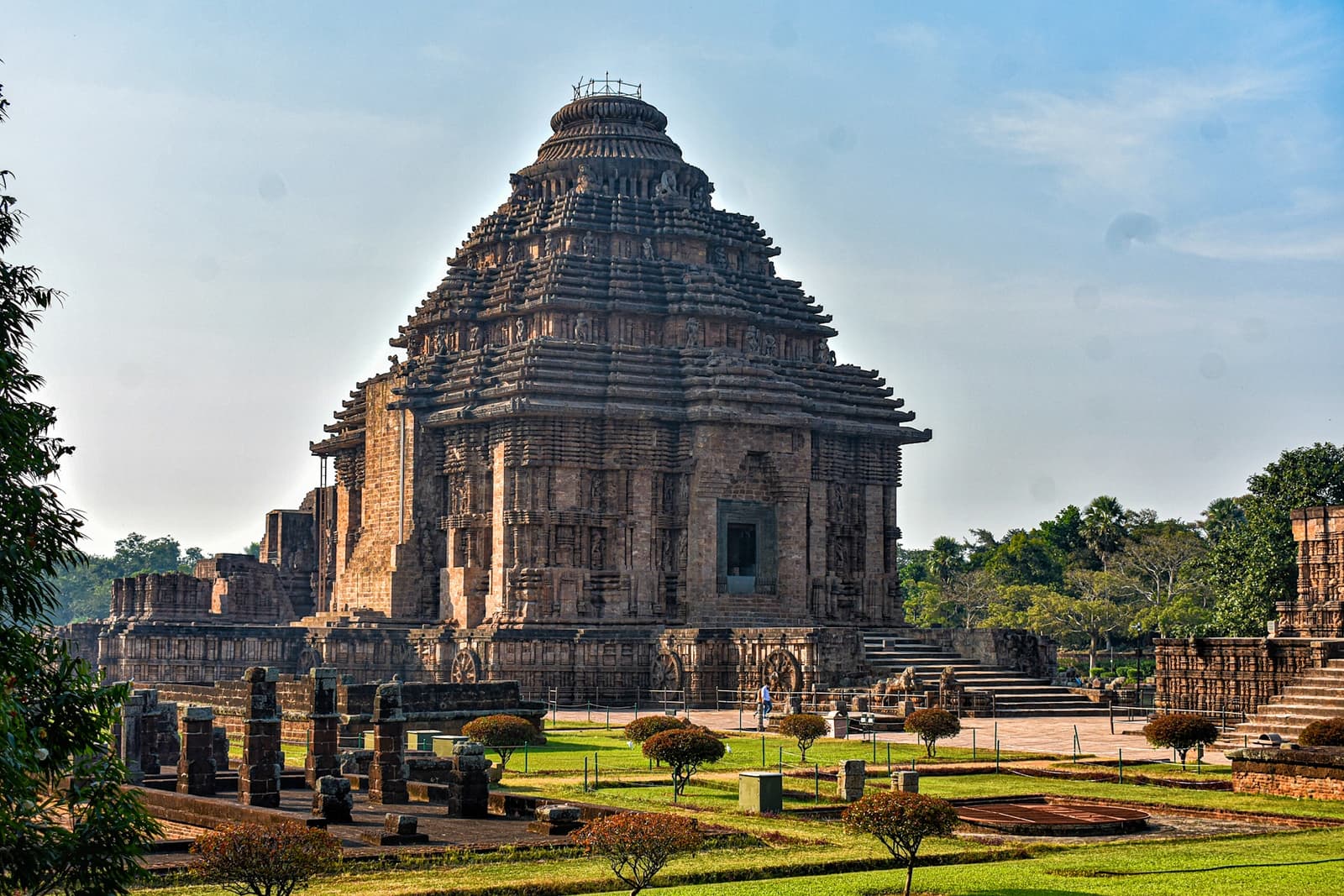
Odisha, the land of Jagannath, preserves a millennium of uninterrupted temple construction in the distinctive Kalinga architectural style, from the 7th-century Mukteswara to the 13th-century Sun Temple at Konark. The state's sacred geography centers on Puri, one of the four Char Dham sites, and Bhubaneswar, the Cathedral City of India which once contained over 1,000 temples.
Quick Facts
Capital
Bhubaneswar
Population
45.6 million
Area
155,707 km²
Languages
Odia, English, Hindi
Best Time to Visit
November to February
Major Pilgrimage
Puri, Konark, Bhubaneswar
Temple Style
Kalinga (deul, jagamohana)
UNESCO Count
1 (Konark)
Major River
Mahanadi, Brahmani, Baitarani
Highest Peak
Deomali (1,672 m)
Why Visit Odisha
Odisha's temple heritage is defined by the Kalinga school of architecture, one of India's distinct regional styles. The Jagannath Temple at Puri has been the focus of Vaishnava worship since the 12th century. Bhubaneswar, once containing over 1,000 temples, houses survivors from every century of the Kalinga style. The Konark Sun Temple, built as a giant stone chariot of Surya, is a UNESCO World Heritage Site.
The Jagannath Temple is one of the Char Dham sites and hosts the annual Rath Yatra, one of the world's largest religious processions. The Konark Sun Temple, with 24 massive stone wheels and seven horses, is the most elaborate solar temple in India. The Lingaraj Temple complex covers over 200 acres and is the largest temple in Odisha. The Mukteswara Temple (10th century) is celebrated as the 'gem of Kalinga architecture.'
Temple Categories
Featured Sacred Places
Odisha
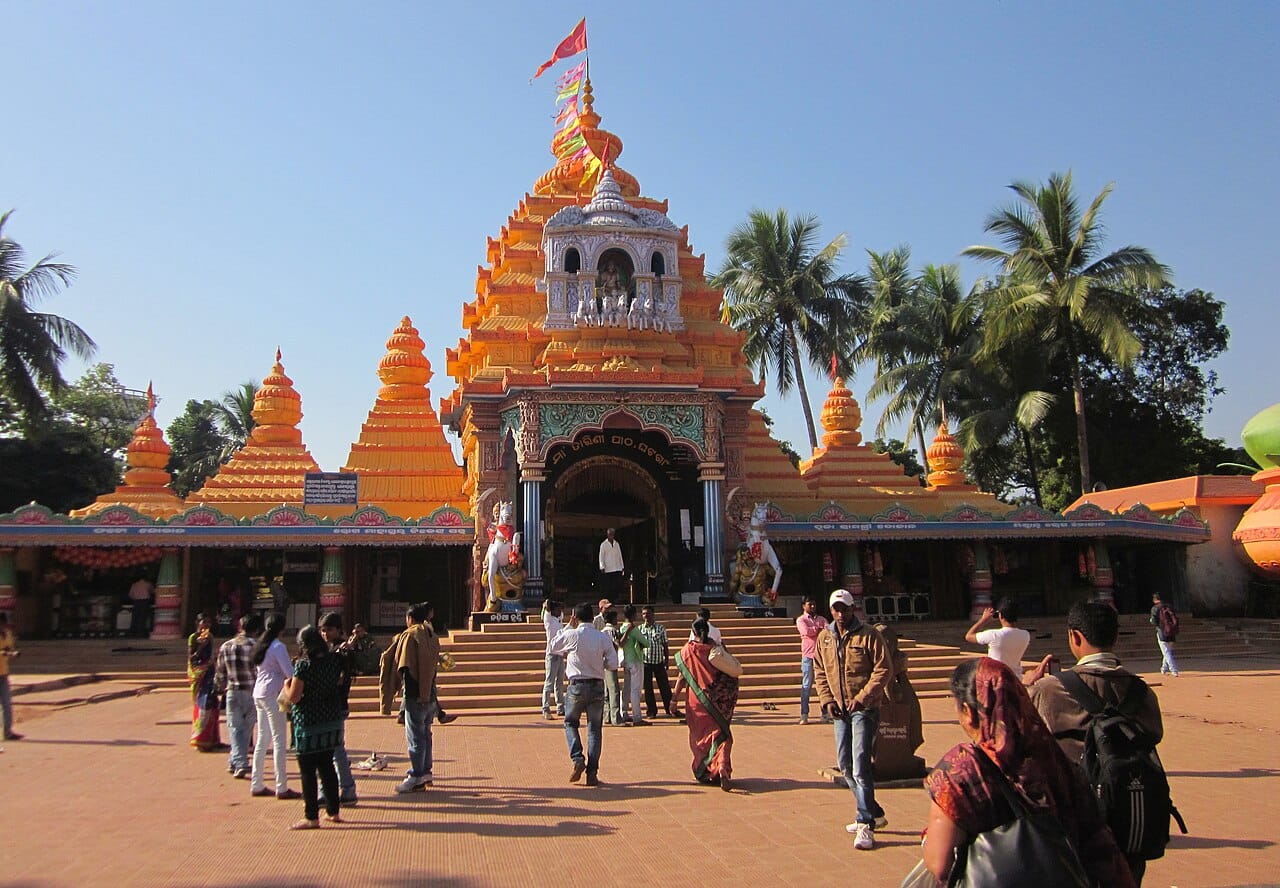
Tara Tarini Temple
The Tara Tarini Temple on Kumari Hills overlooking the Rushikulya River in Ganjam district, Odisha, is the Sthana Peetha — one of the four major ancient Shakti Peethas of India.
Explore Temple
Odisha
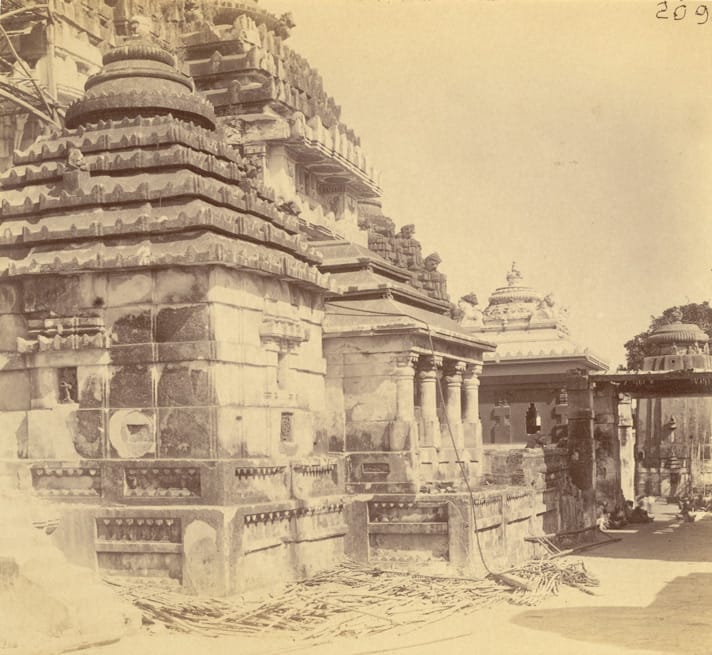
Bimala Temple
The Bimala Temple, located within the Jagannath Temple complex in Puri, Odisha, is one of the 51 Shakti Peethas where the feet of Goddess Sati are believed to have fallen.
Explore Temple
Odisha
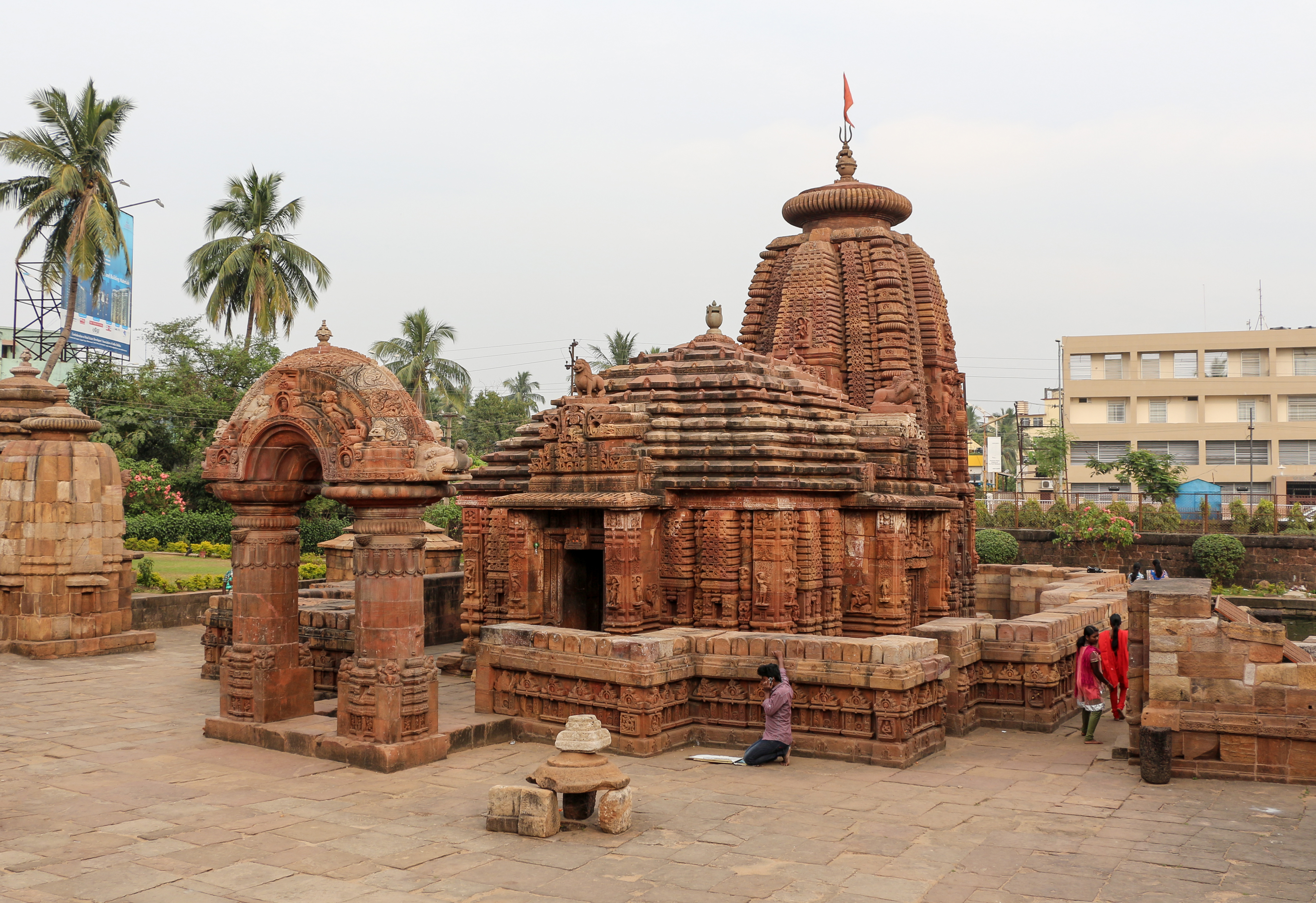
Mukteswara Temple
Known as the 'Gem of Odisha Architecture' for its exquisite carvings and its famous stone archway (Torana).
Explore Temple
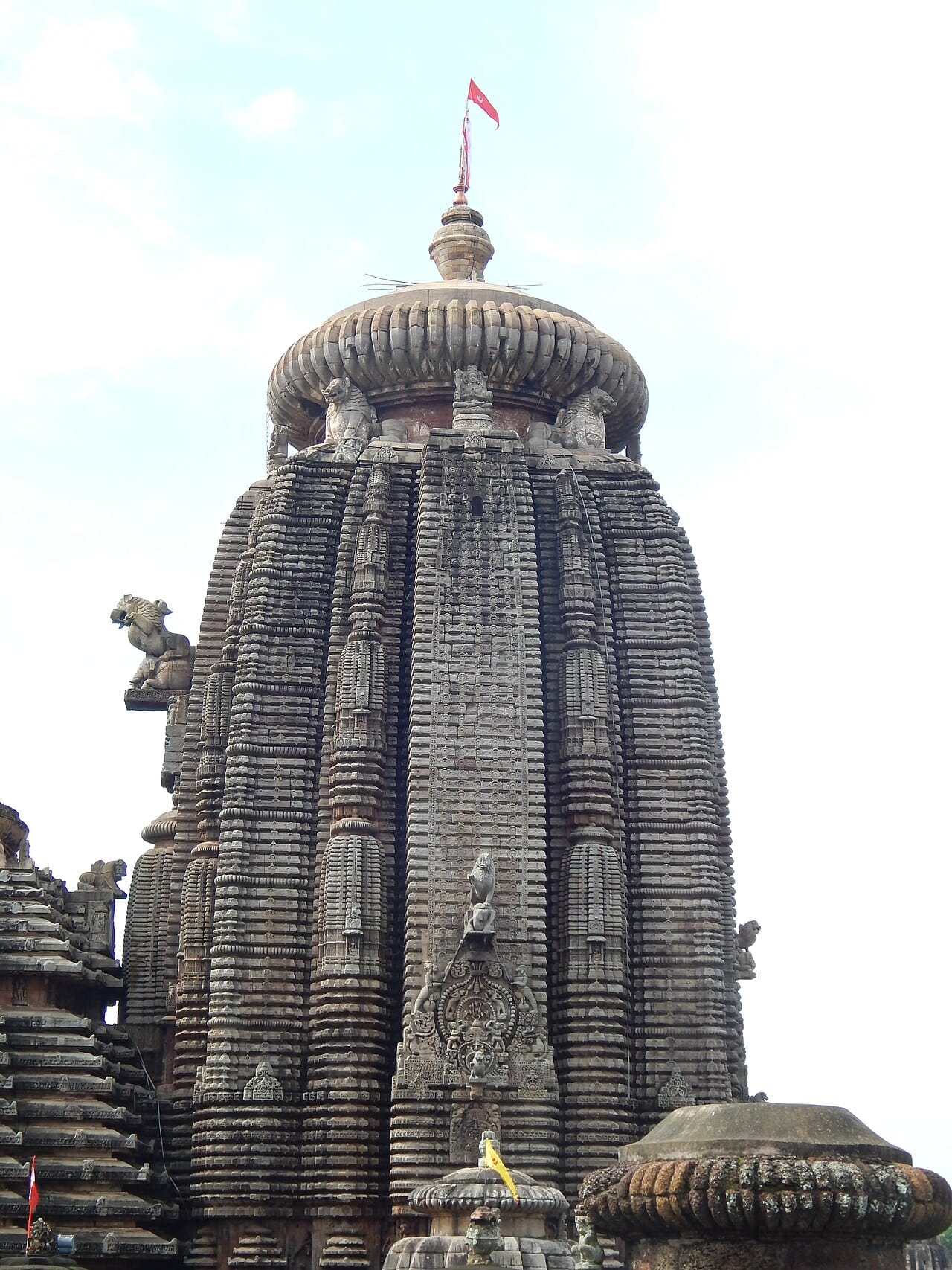
Odisha
Lingaraja Temple
The Lingaraja Temple in Bhubaneswar, Odisha, is the largest and most magnificent temple of the Kalinga architectural tradition, dedicated to Lord Shiva as Tribhuvaneshwara.
Explore Temple
UNESCO 1984Cultural Heritage
Odisha
Konark Sun Temple
A 13th-century colossal stone chariot of the Sun God Surya, the Konark Sun Temple is a UNESCO World Heritage Site and the most architecturally ambitious solar temple in India, with…
Explore Temple
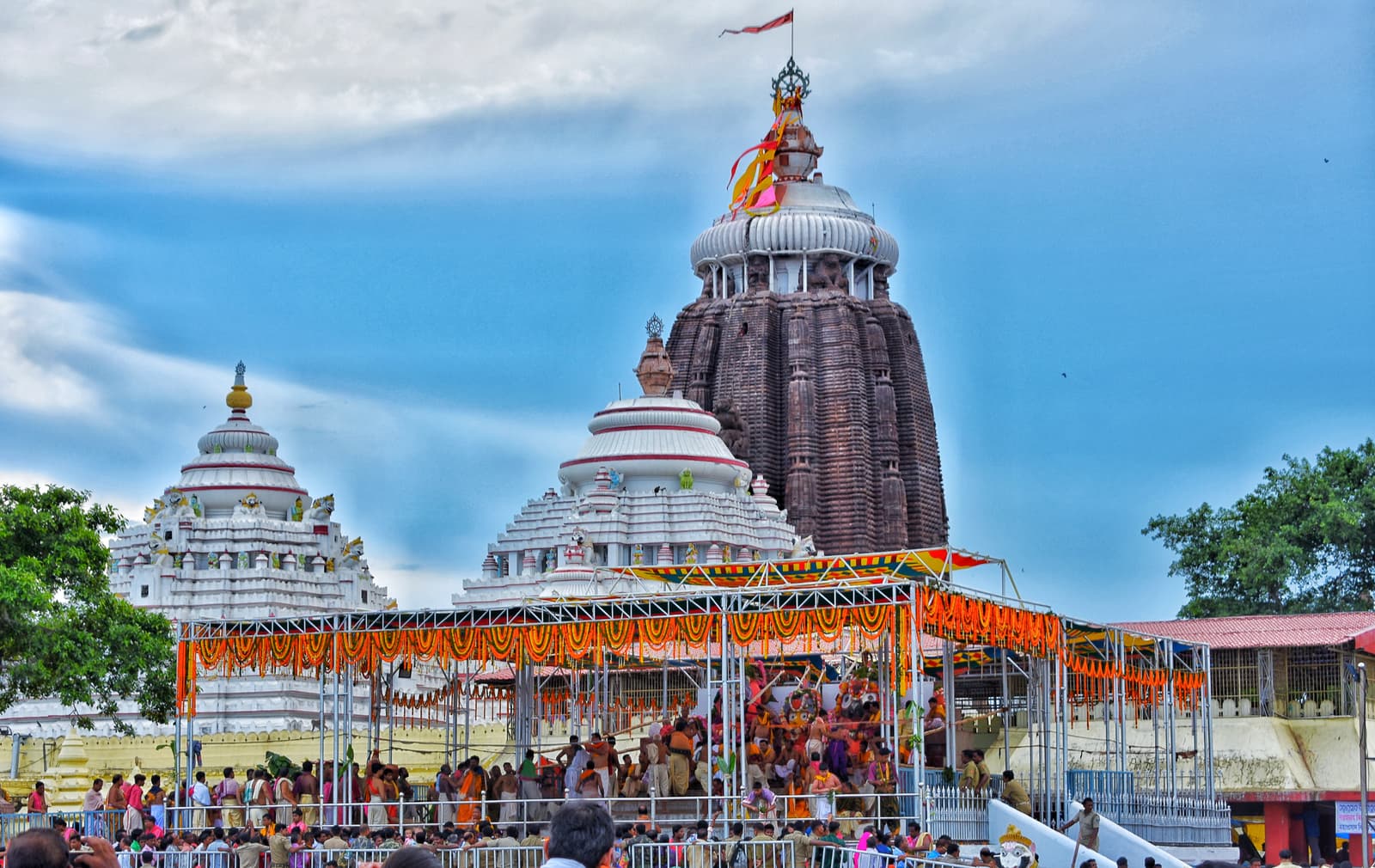
Odisha
Jagannath Temple
Jagannath Temple in Puri, Odisha, is one of the four Char Dham sites, famous for the annual Rath Yatra (Chariot Festival) and its unique deities made of neem wood.
Explore Temple
Pilgrimage Circuits
Golden Triangle
3 templesBhubaneswar-Puri-Konark, the core Odisha temple circuit.
Buddhist Diamond Triangle
3 templesRatnagiri, Lalitagiri, and Udayagiri — ancient Buddhist monasteries.
Ratnagiri MahaviharaLalitagiri MonasteryUdayagiri Monastery
The Bhubaneswar-Puri-Konark triangle forms the core circuit. The Buddhist circuit covers Dhauli, Lalitagiri, Udayagiri, and Ratnagiri — ancient monasteries from the 1st-12th centuries. The Shakti Peetha circuit includes Bimala Temple (Puri), Tara Tarini (Ganjam), and Bargabhima (Tamluk).
Temple Architecture
Kalinga architecture has three components: the deul (sanctum tower with pronounced curved spire), the jagamohana (assembly hall), and optional natamandira (dance hall) and bhogamandapa. The Lingaraj Temple's deul rises 55 meters, the tallest in Odisha. Kalinga temples use khondalite sandstone or laterite with intricate external carvings of deities, dancers, and floral motifs.
Architectural Styles
Historical Timeline
6th c.Sailodbhava
Earliest Odisha temples built under the Sailodbhava dynasty.
10th c.Somavamsi
Somavamsi dynasty builds Mukteswara and Rajarani temples.
11th c.Somavamsi/Ganga
Lingaraj Temple completed, the largest temple in Bhubaneswar at 55 meters.
12th c.Eastern Ganga
Jagannath Temple at Puri built by King Anantavarman Chodaganga Deva.
13th c.Eastern Ganga
Konark Sun Temple built by King Narasimhadeva I.
UNESCO Heritage Sites
Odisha has 1 UNESCO World Heritage temple.
View All UNESCO TemplesTemple Statistics
1
UNESCO Sites
Konark Sun Temple
1
Char Dham
Jagannath Temple Puri
7th c.
Oldest Temple
Parashurameswara Temple
55 m
Tallest Deul
Lingaraj Temple
Festivals
Rath Yatra
June-JulyJagannath Temple, Puri
9 days
Three deities travel in massive wooden chariots to Gundicha Temple; one of the world's largest religious processions.
Konark Dance Festival
DecemberKonark Sun Temple
5 days
Classical Indian dance performances against the illuminated Sun Temple backdrop.
Chandan Yatra
April-MayJagannath Temple, Puri
42 days
Marking the onset of summer; deities enjoy boat rides in the Narendra Tank.
The Jagannath Rath Yatra (June-July) sees three deities travel in massive wooden chariots to the Gundicha Temple. The Chandan Yatra (April-May) is a 42-day festival. The Konark Dance Festival (December) features classical dancers against the Sun Temple backdrop. The Lingaraj Temple hosts Shivaratri and Rukuna Rath Yatra.
Travel Guide
Best Time
November to February (15-28°C)
Climate
Tropical; monsoon June-September
Nearest Airport
Bhubaneswar (BBI)
Railway
Bhubaneswar, Puri, Cuttack
Road
NH-16, NH-316
Local Transport
OSRTC buses, taxis, auto-rickshaws
Temple Etiquette
Remove footwear; modest dress
Suggested Duration
5-7 days for golden triangle
Nearby Attractions
National Park
Chilika Lake
Asia's largest brackish water lagoon; migratory bird sanctuary and Irrawaddy dolphin habitat.
Archaeological
Ratnagiri Monastery
One of the most important Buddhist monastic universities in ancient India (5th-12th centuries).
Archaeological
Udayagiri & Khandagiri Caves
1st-century BCE Jain rock-cut caves near Bhubaneswar with intricate carvings.
Interesting Facts
01
The English word 'juggernaut' derives from Jagannath's chariot — British observers described the massive Rath Yatra chariots as unstoppable forces.
02
The Konark Sun Temple was designed as a giant sundial — the 24 wheels serve as hour markers, and the temple's entrance was aligned so the first rays of the sun would illuminate the sanctum doorway.
03
Bhubaneswar once had over 1,000 temples; fewer than 200 survive today, giving it the highest temple density of any Indian city.
Frequently Asked Questions
One of the four Char Dham sites. The annual Rath Yatra is one of the world's largest religious processions. The temple kitchen is said to be the largest in the world, feeding up to 100,000 devotees daily.
Built as a giant stone chariot with 24 massive stone wheels (each 3 meters in diameter) representing the hours of the day, pulled by seven horses representing the days of the week.
The distinctive Odishan temple style characterized by the deul (sanctum tower with pronounced curved spire), jagamohana (assembly hall), and extensive sculptural decoration on khondalite sandstone.
The three deities Jagannath, Balabhadra, and Subhadra leave the temple for 9 days to visit their aunt at Gundicha Temple. Pulling the chariot ropes is considered highly meritorious.
Sources & References
These records back the history, architecture, temple listings and visitor guidance published on this Odisha page.
Archaeological Survey of India
Archaeological Survey of India — monument records and conservation reports
Protected-monument status, dating, architectural classification and conservation records for the temples and monuments named across this Odisha guide.
Primary archaeological record
Open source (opens in a new tab)Ministry of Tourism, Government of India
Ministry of Tourism — official destination information
Official Government of India visitor information, access routes and pilgrimage circuits for Odisha.
Government record
Open source (opens in a new tab)Odisha Tourism
Odisha Tourism — official destination portal
State visitor information — temple timings, access routes and pilgrimage circuit details cited on this page.
Government record
Open source (opens in a new tab)UNESCO World Heritage Centre
UNESCO World Heritage List — World Heritage Sites in Odisha
Inscription criteria, listing year and Outstanding Universal Value statements for the 1 World Heritage Site in Odisha covered on this page (Sun Temple, Konark).
World Heritage documentation
Open source (opens in a new tab)
— every record linked above was re-requested for this release, so the link still resolves and the publisher still serves the document. It is a link check, not a re-verification of every sentence on this page.
Missing something, or found an error? Send us a correction with the record that supports it, or read how we choose sources.