Sacred Destinations
West Bengal
10Sacred Sites
10Major Temples
West Bengal, the eastern gateway to the Indian subcontinent, is the heartland of Bengali Hindu culture and Shaktism, containing the most important Kali temples in India alongside Vaishnavite centers associated with the Bhakti movement and Gaudiya Vaishnavism. The state's sacred geography spans from the Himalayan foothills to the Sundarbans delta, encompassing the Dakshineshwar Kali Temple, Kalighat Temple, Tarapith Shakti Peetha, Belur Math, and Mayapur ISKCON complex.
Quick Facts
Capital
Kolkata
Population
99 million
Area
88,752 km²
Languages
Bengali, English, Hindi, Urdu
Best Time to Visit
October to March
Major Pilgrimage
Dakshineshwar, Kalighat, Tarapith, Belur Math, Mayapur
Temple Style
Bengali chala (curved roof), navaratna
UNESCO Intangible
1 (Durga Puja)
Major River
Hooghly (Ganges), Dwarka, Jalangi
Highest Point
Sandakphu (3,636 m)
Why Visit West Bengal
West Bengal's religious traditions are characterized by Shaktism (goddess worship) and the Bhakti movement. Dakshineshwar Kali Temple (1855), built by Rani Rashmoni, is one of the most famous Kali shrines, associated with Ramakrishna Paramahamsa. Kalighat in Kolkata is one of the 51 Shakti Peethas, from which the city derives its name. Tarapith in Birbhum is a Tantric Shakti Peetha associated with saint Bamakhepa. The Gaudiya Vaishnavism tradition, founded by Chaitanya Mahaprabhu (1486-1534), is centered in Nabadwip and Mayapur. Belur Math serves as the Ramakrishna Mission headquarters, uniquely blending Hindu, Islamic, Christian, and Buddhist architectural elements.
Kalighat Temple is one of the 51 Shakti Peethas, where the toes of Sati's right foot fell. Dakshineshwar houses the Bhavatarini Kali shrine and twelve Shiva temples; it was the site of Ramakrishna's divine realizations. Tarapith is a powerful Tantric Shakti Peetha where Sati's third eye fell. The Mayapur Chandrodaya Mandir (under construction) will be the largest temple in the world at 113-meter dome height. Nabadwip is Chaitanya Mahaprabhu's birthplace. The Gangasagar Mela at Sagar Island is the second-largest pilgrimage gathering in India after the Kumbh Mela.
Temple Categories
Shakti Peethas
2Kalighat (toes of Sati), Tarapith (third eye of Sati) — 2 of 51 Shakti Peethas in the region.
Kali Temples
3Dakshineshwar Bhavatarini, Kalighat, Tarapith — the three most important Kali shrines in eastern India.
Ramakrishna Sites
3Dakshineshwar, Belur Math, Cossipore Udyanbati — sites associated with Ramakrishna and Vivekananda.
Gaudiya Vaishnava
3Mayapur ISKCON world headquarters, Nabadwip Chaitanya birthplace, Srikhanda Nityananda birthplace.
Terracotta Temples
10Bishnupur group built by Malla dynasty in 17th-18th century with exquisite baked clay work.
Featured Sacred Places
West Bengal
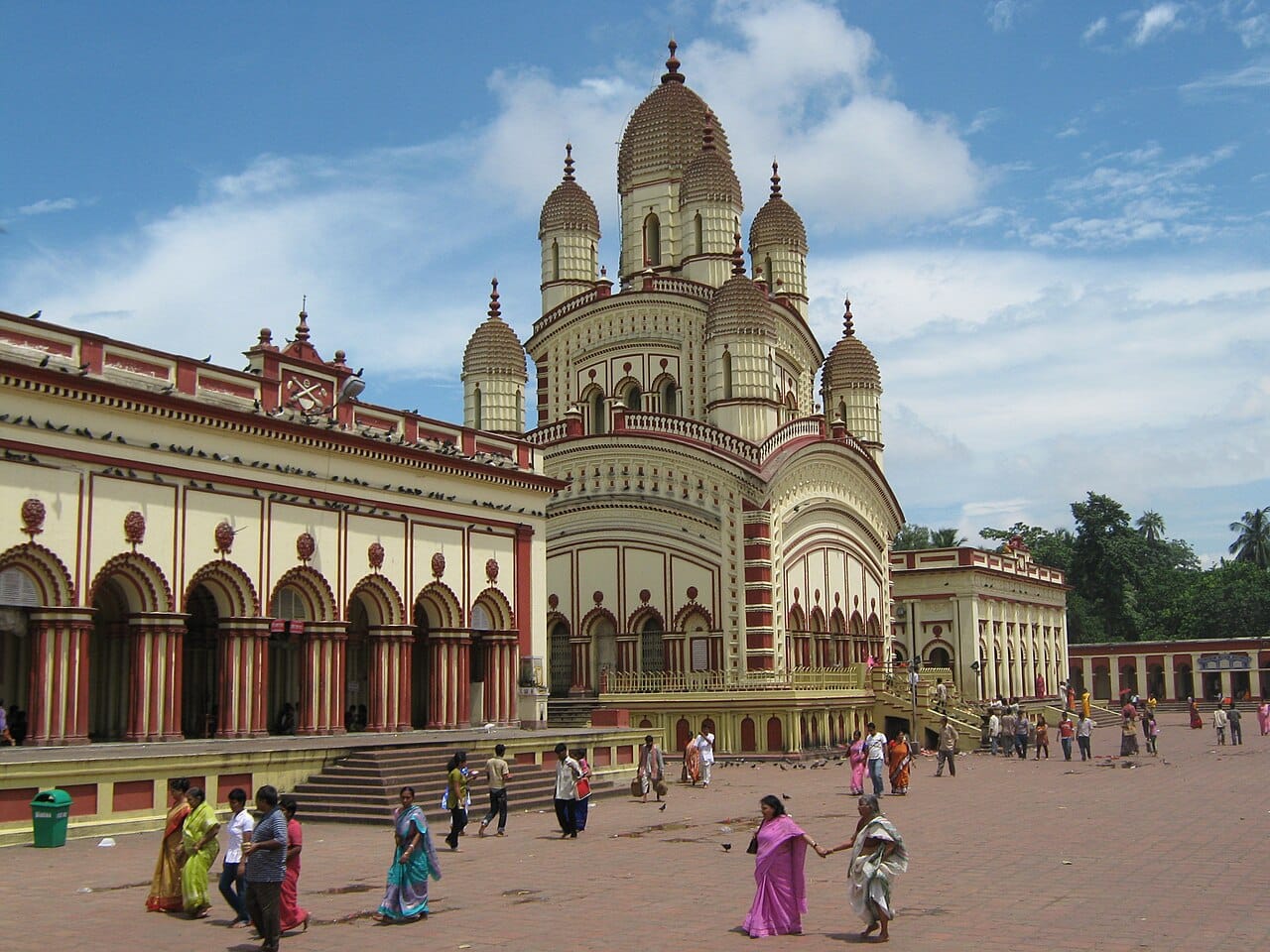
Dakshineshwar Kali Temple
A world-famous 19th-century temple complex on the Hooghly River, immortalized by its association with the saint Sri Ramakrishna Paramahamsa.
Explore Temple
West Bengal
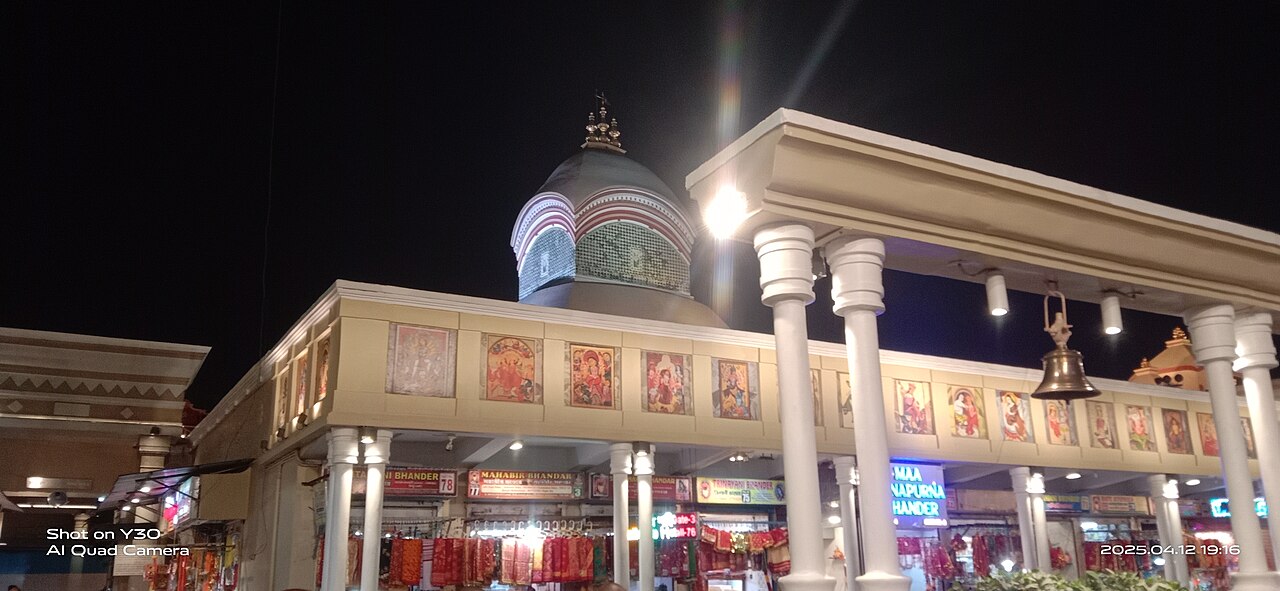
Kalighat Kali Temple
A major Shakti Peetha where the toes of Sati's right foot fell, serving as the spiritual heart of Kolkata.
Explore Temple
West Bengal
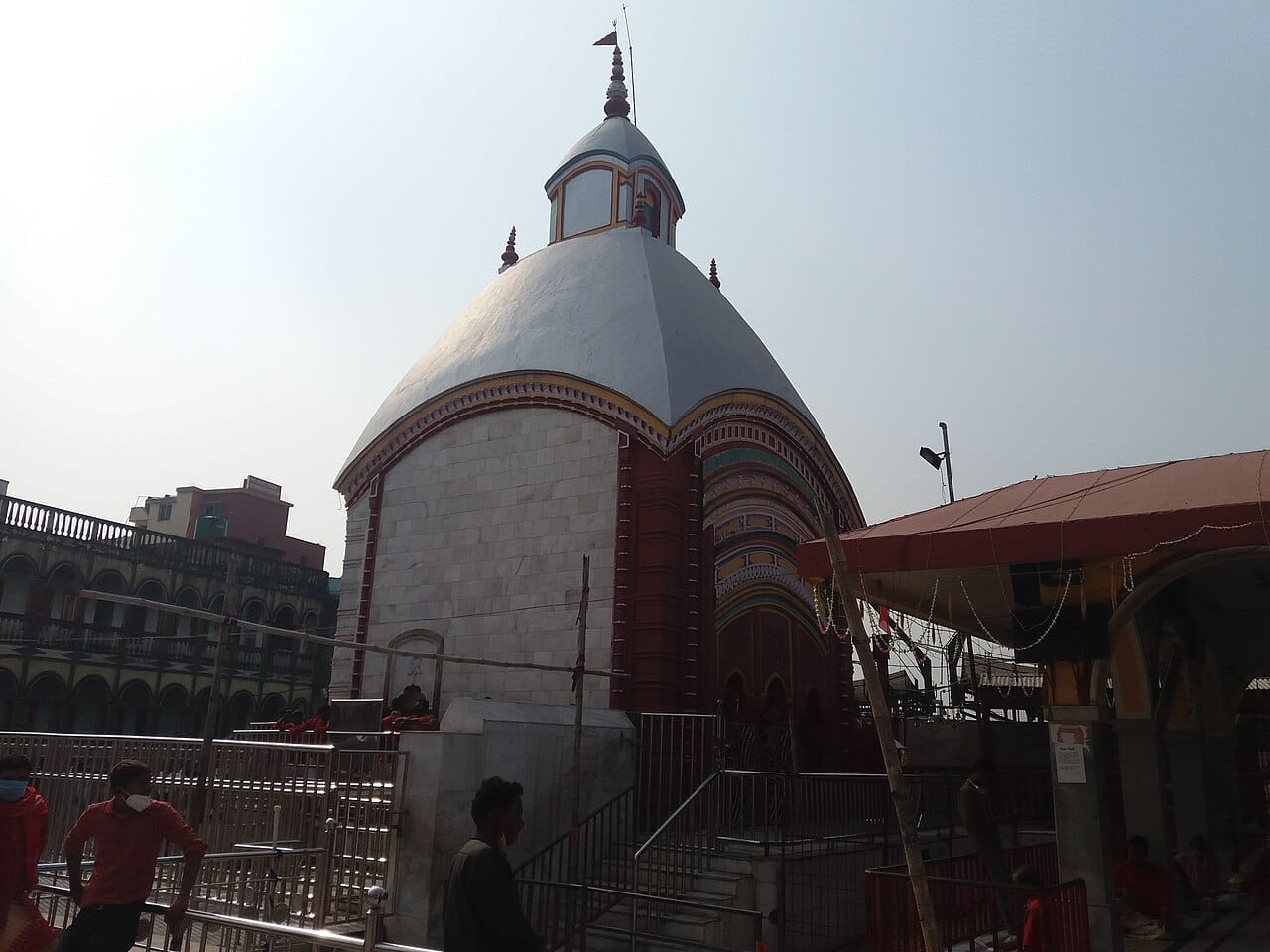
Tarapith Temple Birbhum
A major center for Tantric worship dedicated to Goddess Tara, famous for the saint Bamakhyapa and its sacred cremation ground.
Explore Temple
West Bengal
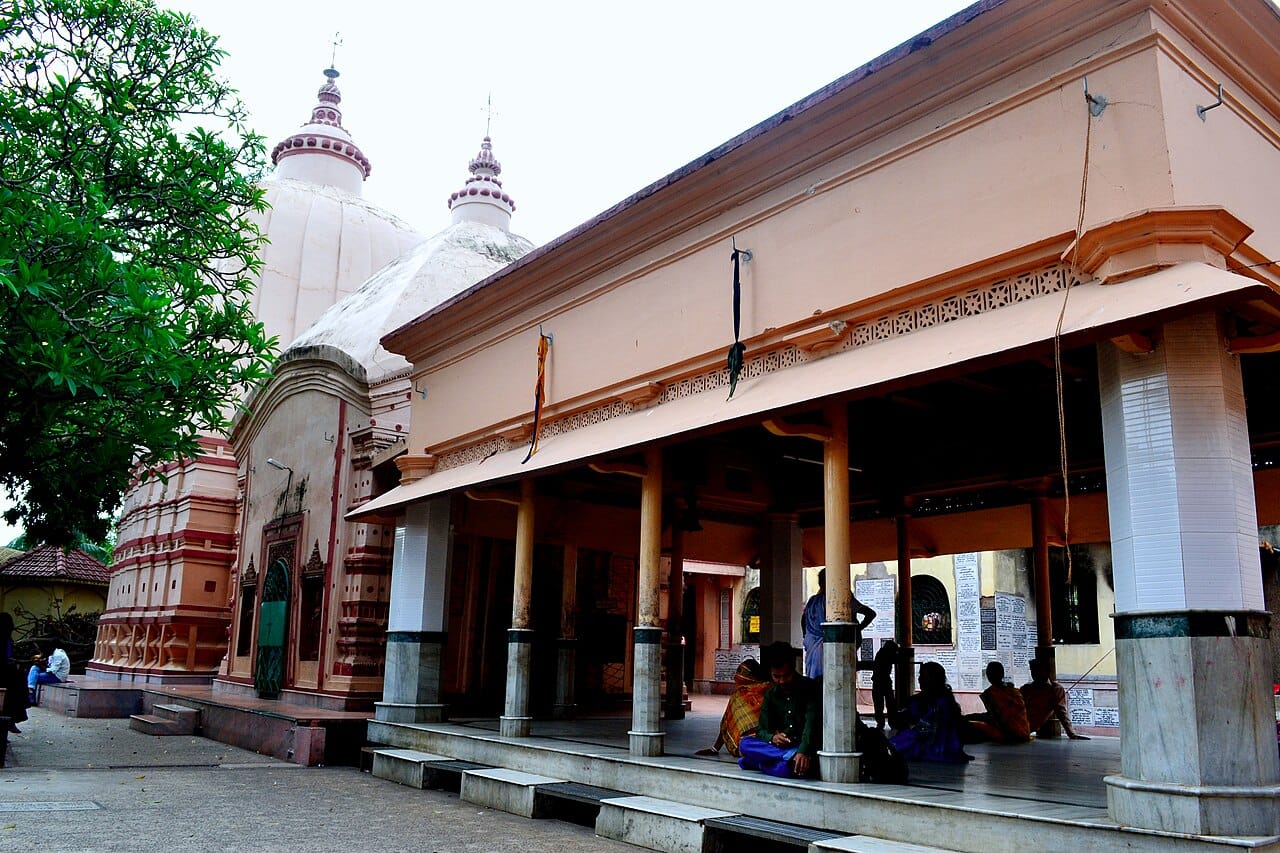
Bargabhima Temple Tamluk
An ancient 1,150-year-old temple where Sati's left ankle fell, blending Bengali 'at-chala' and Odia 'Kalinga' styles.
Explore Temple
West Bengal
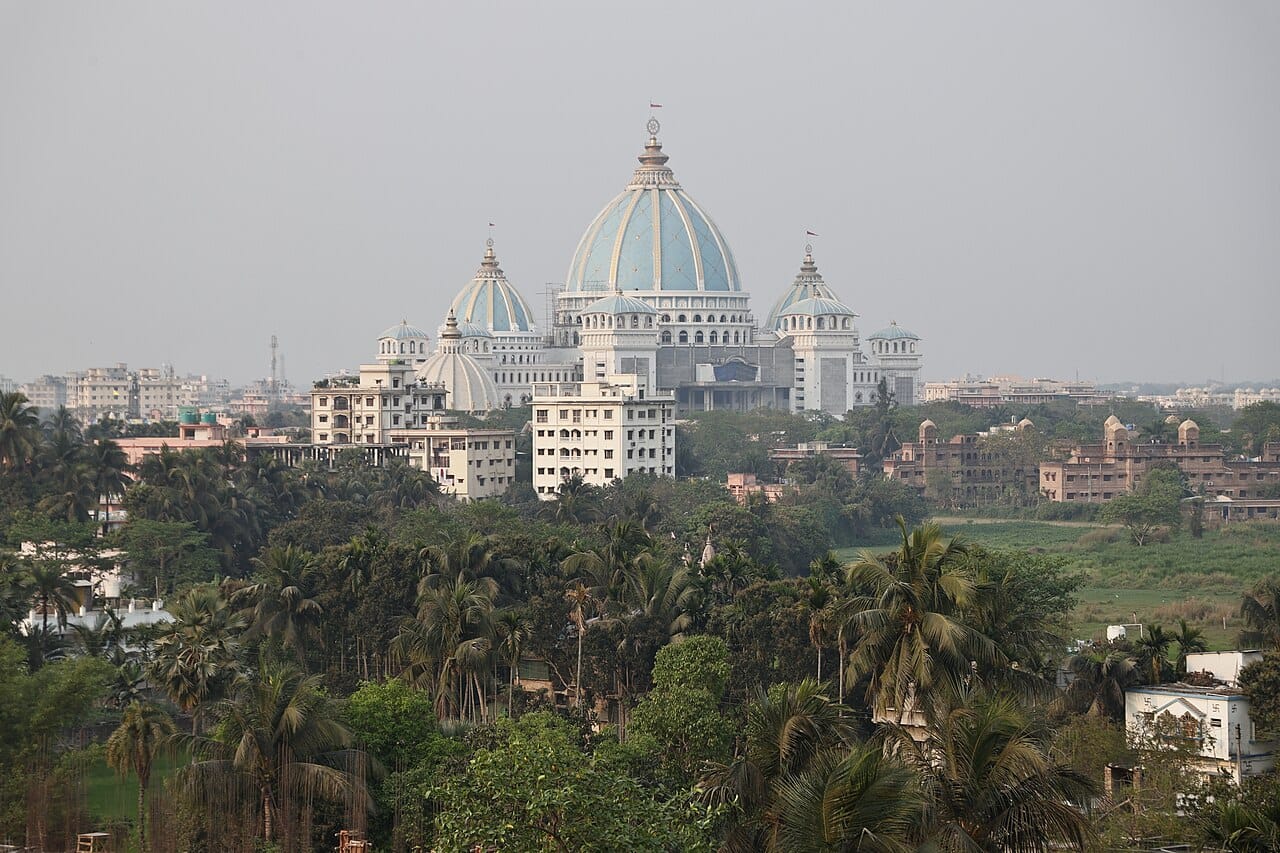
ISKCON Mayapur Nadia
The global spiritual headquarters of ISKCON in Mayapur, Nadia, situated at the confluence of the Jalangi and Bhagirathi rivers.
Explore Temple

West Bengal
Rasmancha Bishnupur
The oldest 17th-century brick structure in Bishnupur, unique for its massive pyramidal roof and arched galleries.
Explore Temple
Pilgrimage Circuits
Shakti Peetha Circuit
3 templesKalighat-Tarapith-Bakreshwar, connecting the major Shakti Peethas of West Bengal.
Kalighat TempleTarapith TempleBakreshwar Temple
Ramakrishna Circuit
4 templesDakshineshwar-Belur Math-Cossipore-Kamarpukur, tracing the life of Ramakrishna.
Gaudiya Vaishnava Circuit
3 templesNabadwip-Mayapur-Srikhanda, birthplace circuit of Chaitanya Mahaprabhu and associates.
ISKCON MayapurChaitanya Math NabadwipSrikhanda Nityananda Temple
The Shakti Peetha circuit connects Kalighat, Tarapith, and Bakreshwar. The Ramakrishna circuit links Dakshineshwar, Belur Math, Cossipore Udyanbati, and the Ramakrishna Temple. The Gaudiya Vaishnava circuit connects Nabadwip, Mayapur, and Srikhanda. The Buddhist circuit covers Gour and Pandua archaeological sites. The Sundarbans circuit includes the Kapil Muni Temple and Bonbibi shrines.
Temple Architecture
West Bengal's temple architecture is dominated by the Bengali chala style with curved roofs evolving from rural thatch. Dakshineshwar features a nine-spired (navaratna) structure with three stories and a 20-meter shikhara, with twelve Shiva temples in Bengali do-chala style. Kalighat has a conical shikhara and small sanctum. Tarapith combines a chala roof with a modern mandapa. Belur Math uniquely blends Hindu, Islamic, Christian, and Buddhist elements into a single 105-foot-domed structure. The Mayapur Chandrodaya Mandir will feature a 113-meter marble dome.
Architectural Styles
Historical Timeline
8th-12th c.Pala/Sena
Pala dynasty patronizes Buddhism; Sena dynasty revives orthodox Hinduism in Bengal.
1486Independent
Chaitanya Mahaprabhu born in Nabadwip; founds Gaudiya Vaishnavism.
1809British
Kalighat Temple rebuilt in its current structure.
1855British
Dakshineshwar Kali Temple built by Rani Rashmoni.
1897British
Ramakrishna Math founded by Swami Vivekananda.
1938British
Belur Math temple complex completed.
2021Independent India
Kolkata Durga Puja inscribed on UNESCO Intangible Cultural Heritage list.
Temple Statistics
2+
Shakti Peethas
Kalighat, Tarapith (and Bakreshwar nearby)
3
Kali Temples Major
Dakshineshwar, Kalighat, Tarapith
1
ISKCON World HQ
Mayapur Chandrodaya Mandir
Mayapur
World's Largest Temple (future)
Planned 113-m dome
1
UNESCO Intangible
Kolkata Durga Puja (2021)
Festivals
Durga Puja
September-OctoberAll Kolkata pandals
5 days
UNESCO Intangible Heritage; 3,000+ temporary pandals citywide; elaborate artistic idols of Durga slaying Mahishasura.
Gangasagar Mela
January 14-15Kapil Muni Temple, Sagar Island
2 days
Second largest pilgrimage in India after Kumbh Mela; over 3 million pilgrims bathe at Ganges-Bay of Bengal confluence.
Kali Puja
October-NovemberDakshineshwar, Kalighat
1 night
Night-long worship with firecrackers; coincides with Diwali in rest of India.
Rath Yatra Mahesh
June-JulyMahesh, Serampore
8 days
Second oldest chariot festival in India, continuous since 1399 CE.
Durga Puja (September-October) is the largest public festival; Kolkata's Durga Puja was inscribed on UNESCO's Intangible Cultural Heritage list in 2021. The Gangasagar Mela (January) at Sagar Island draws over 3 million pilgrims, the second-largest in India. Kali Puja (October-November) features night-long worship and firecrackers. Jagaddhatri Puja (November) is grand in Chandannagar. The Rath Yatra at Mahesh (1399) is the second-oldest chariot festival in India. Gaura Purnima (March) celebrates Chaitanya's birth anniversary.
Travel Guide
Best Time
October to March (12-27°C)
Climate
Hot humid summer; monsoon 1,400-1,800 mm
Nearest Airport
Kolkata (CCU)
Railway
Howrah, Sealdah, Kolkata
Road
NH-16, NH-19, NH-12
Local Transport
Kolkata Metro, buses, taxis, ferries
Temple Etiquette
Remove footwear at temple entrance; cover head in Sikh shrines
Suggested Duration
5-7 days for Kolkata + Birbhum circuit
Nearby Attractions
UNESCO site
Sundarbans National Park
World's largest mangrove forest; Bengal tiger habitat; accessible by boat from Gosaba.
UNESCO site
Darjeeling Himalayan Railway
1881 narrow-gauge 'Toy Train' from Siliguri to Darjeeling through Himalayan foothills.
Heritage site
Bishnupur Terracotta Temples
17th-18th century Malla dynasty temples with intricate baked clay relief panels.
Interesting Facts
01
Kolkata is the only Indian city whose name derives from a temple: Kalighat (Kalikshetra, 'land of Kali').
02
Belur Math's architecture uniquely integrates a Hindu shikhara, Islamic dome, Christian nave, and Buddhist vihara window into one building, symbolizing the harmony of religions.
03
Durga Puja in Kolkata features over 3,000 temporary pandals (elaborate bamboo-and-cloth temples) built across the city annually, some costing over ₹1 crore.
04
The Gangasagar Mela at Sagar Island attracts over 3 million pilgrims despite having no permanent city, temple, or infrastructure — the entire town is assembled and dismantled each year.
Frequently Asked Questions
Built in 1855 by Rani Rashmoni, the nine-spired navaratna temple houses Bhavatarini Kali and twelve Shiva temples. It was the primary spiritual center of Ramakrishna Paramahamsa (1836-1886), whose teachings on the harmony of religions inspired Swami Vivekananda and the Ramakrishna Movement.
Kalighat is one of the 51 Shakti Peethas where the toes of Sati's right foot fell. Kolkata derives its name from Kalighat (Kalikshetra, 'land of Kali'). The current temple dates to 1809, though worship has continued since the 16th century.
Designed by Swami Vijnanananda, a disciple of Ramakrishna and civil engineer, Belur Math uniquely synthesizes Hindu (Nagara shikhara), Islamic (domes), Christian (central nave), and Buddhist (chaitya window) elements into a single structure symbolizing religious harmony.
The Sri Mayapur Chandrodaya Mandir in Nadia district is the ISKCON world headquarters. When completed, the central 113-meter dome will make it the largest temple in the world. The 140-acre project includes a Vedic planetarium and residential facilities for 5,000 devotees.
Sources & References
These records back the history, architecture, temple listings and visitor guidance published on this West Bengal page.
Archaeological Survey of India
Archaeological Survey of India — monument records and conservation reports
Protected-monument status, dating, architectural classification and conservation records for the temples and monuments named across this West Bengal guide.
Primary archaeological record
Open source (opens in a new tab)Ministry of Tourism, Government of India
Ministry of Tourism — official destination information
Official Government of India visitor information, access routes and pilgrimage circuits for West Bengal.
Government record
Open source (opens in a new tab)
— every record linked above was re-requested for this release, so the link still resolves and the publisher still serves the document. It is a link check, not a re-verification of every sentence on this page.
Missing something, or found an error? Send us a correction with the record that supports it, or read how we choose sources.