Sacred Destinations
Assam
4Sacred Sites
5Major Temples
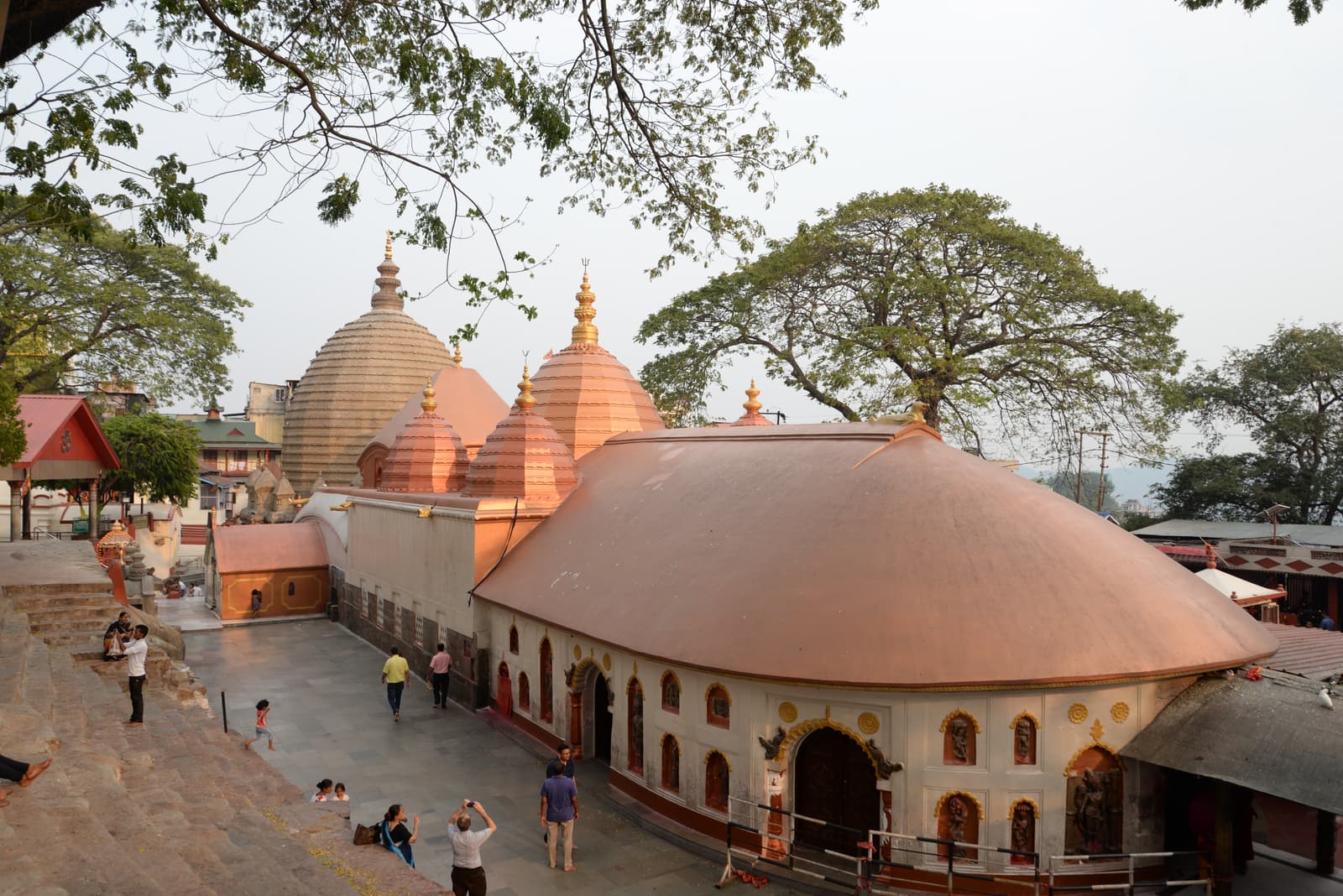
Assam, in the northeastern Brahmaputra River valley, is the heartland of the Shakti tradition and Tantric worship in eastern India. The Kamakhya Temple atop Nilachal Hill in Guwahati is one of the most important Shakti Peethas. The region's temple architecture developed under the Kamarupa kingdom (4th-12th centuries) and Ahom rule (13th-19th centuries), creating the distinct Nilachala style characterized by beehive-shaped shikharas.
Quick Facts
Capital
Dispur
Population
35.6 million
Area
78,438 km²
Languages
Assamese, Bengali, Bodo
Best Time to Visit
October to March
Major Pilgrimage
Kamakhya Temple, Satras of Majuli, Umananda
Temple Style
Nilachala (Beehive Shikhara)
UNESCO Count
0 (temples)
Major River
Brahmaputra, Barak
Highest Peak
Unnamed peak (1,960 m)
Why Visit Assam
Assam's religious character blends Tantric Shaktism, Neo-Vaishnavism, and indigenous tribal traditions. Kamakhya is the primary Shakti Peetha, representing the yoni of the goddess Sati. The 16th-century Neo-Vaishnavite movement led by Srimanta Sankardeva established satras (monasteries) across the Brahmaputra Valley on Majuli island, Barpeta, and Koch Bihar, preserving unique dance-drama (bhaona) and manuscript painting traditions.
Kamakhya is one of the 51 Shakti Peethas where Sati's yoni is believed to have fallen. The sanctum houses a natural spring flowing through a yoni-shaped depression, making it the most important Tantric shrine in India. The Ambubachi Mela, when the goddess is believed to menstruate, draws over 100,000 Tantric devotees. The Umananda Temple on Peacock Island is the smallest inhabited river island temple in the world.
Temple Categories
Featured Sacred Places
Assam
Kamakhya Temple
One of the most revered Shakti Peethas in India, Kamakhya Temple on Nilachal Hill in Guwahati is the center of Tantric worship in the Northeast.
Explore Temple
Assam
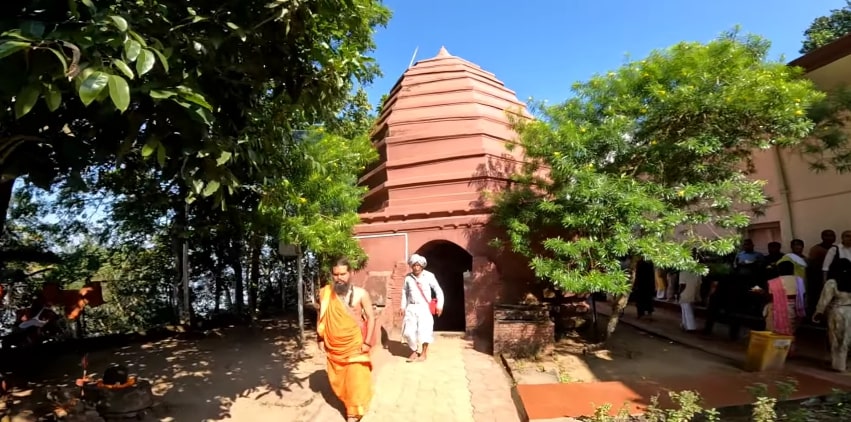
Umananda Temple
A 17th-century Shiva temple located on the Peacock Island in the middle of the Brahmaputra River, the smallest inhabited river island in the world.
Explore Temple
Assam
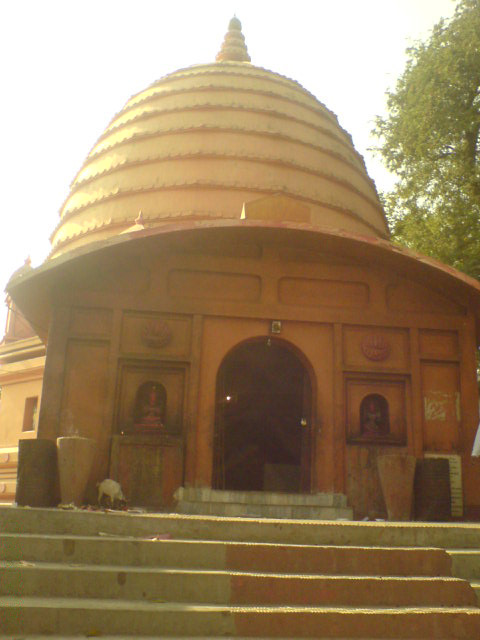
Navagraha Temple
An ancient center of astronomy and astrology, this temple on Chitrasal Hill houses nine Shiva Lingams representing the nine celestial bodies.
Explore Temple
Assam
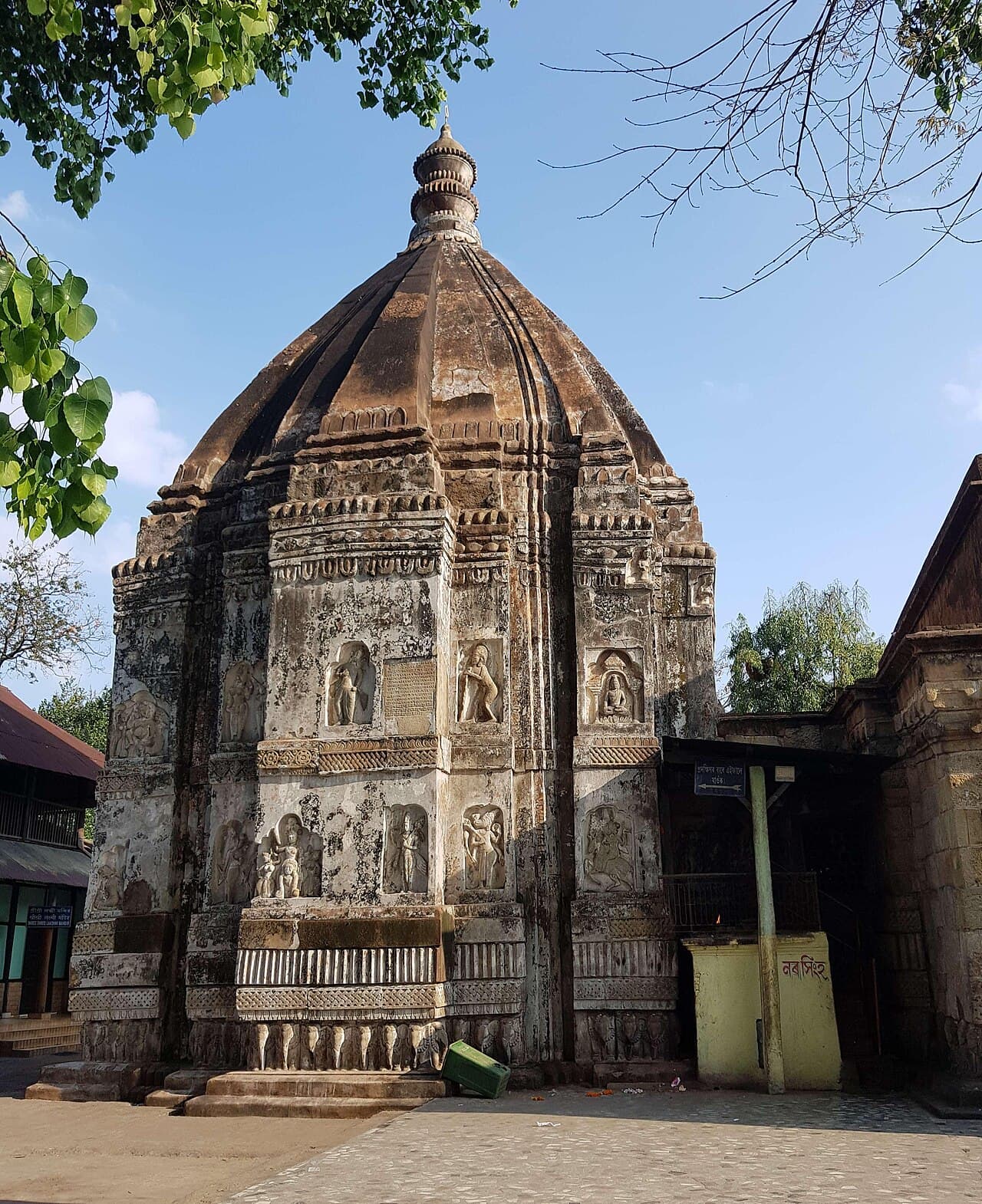
Hayagriva Madhava Temple
A unique 16th-century stone temple on Monikut Hill, sacred to both Hindus and Buddhists, known for its ancient carvings and sacred turtles.
Explore Temple
Pilgrimage Circuits
Shakti Peetha Circuit
11 templesKamakhya and attendant Mahavidya temples on Nilachal Hill.
Majuli Satra Circuit
4 templesThe four principal satras on Majuli island: Dakhinpat, Garamur, Auniati, Kamalabari.
Dakhinpat SatraGaramur SatraAuniati SatraKamalabari Satra
The Shakti Peetha circuit connects Kamakhya with other goddess temples across the Brahmaputra Valley. The Vaishnavite circuit covers the principal satras on Majuli island and the Barpeta Satra. Pilgrims often combine Kamakhya with the Umananda Temple via ferry from Guwahati's Fancy Bazaar ghat.
Temple Architecture
The Nilachala style features a beehive-shaped shikhara with crescent-shaped finials, a large mandapa, and intricate stone carvings of Hindu deities and Tantric symbols. The Kamakhya complex contains ten smaller shrines dedicated to the Mahavidyas. The satras of Majuli are built from bamboo, timber, and thatch, featuring a large kirtan ghar and a central manikut with a carved wooden deity.
Historical Timeline
4th-7th c.Varman
Original Kamakhya Temple built under the Varman dynasty during the Kamarupa kingdom.
1565Koch
Kamakhya Temple rebuilt by Koch king Nara Narayan after destruction during Muslim invasions.
16th c.Sankardeva
Srimanta Sankardeva establishes Neo-Vaishnavism; satras founded across the Brahmaputra Valley.
1696-1714Ahom
Ahom king Rudra Singha patronizes Kamakhya Temple and adds significant structures.
Temple Statistics
10+
Major Temples
Including Kamakhya, Umananda, Sukreswar
22
Active Satras
Vaishnavite monasteries on Majuli island
4th c.
Oldest Temple
Original Kamakhya foundation
1
Shakti Peethas
Kamakhya, the most important Tantric shrine
Festivals
Ambubachi Mela
JuneKamakhya Temple
4 days
Goddess's menstruation observed; temple closed for 3 days; Tantric sadhus perform rituals.
Majuli Festival
DecemberMajuli Satras
3 days
Satriya dance performances, traditional crafts, and cultural programs.
Durga Puja
OctoberVarious, Guwahati
5 days
Grand pandals and processions across the city, particularly in Guwahati.
The Ambubachi Mela at Kamakhya (June) lasts four days during Ashadha, drawing over 100,000 Tantric sadhus. Durga Puja is celebrated with particular fervor in Guwahati. The Majuli Festival (December) showcases satriya dance and traditional crafts. Magh Bihu involves ritual bonfires and community feasts at the satras.
Travel Guide
Best Time
October to March (10-25°C)
Climate
Subtropical monsoon; rainfall 2,500-3,000 mm
Nearest Airport
Guwahati (GAU)
Railway
Guwahati Junction, Northeast Frontier Railway
Road
NH-27, NH-15 connecting to all northeastern states
Local Transport
City buses, auto-rickshaws, ferries on Brahmaputra
Temple Etiquette
Remove footwear; modest dress required
Suggested Duration
4-6 days for key sites
Nearby Attractions
UNESCO site
Kaziranga National Park
UNESCO site housing two-thirds of the world's one-horned rhinoceros population.
UNESCO site
Manas National Park
UNESCO site at the foothills of the Himalayas; tigers, elephants, and golden langurs.
Heritage town
Majuli Island
World's largest river island; center of Neo-Vaishnavite culture and satriya dance.
Heritage town
Sivasagar
Ahom-era palaces, the 70-meter Rang Ghar amphitheater, and historic tanks.
Interesting Facts
01
The Kamakhya Temple does not contain an anthropomorphic deity image; worship focuses on a yoni-shaped natural spring.
02
Majuli Island, the world's largest river island, shrinks annually due to Brahmaputra erosion, losing approximately 1 km² per year.
03
The Ambubachi Mela is the largest Tantric gathering in the world, drawing ascetics from the Naga, Aghori, and Kapalika traditions.
Frequently Asked Questions
It is the foremost Shakti Peetha representing Sati's yoni. The sanctum contains a natural spring flowing through a yoni-shaped depression, with no anthropomorphic deity image.
Vaishnavite monasteries established by Srimanta Sankardeva in the 16th century, preserving satriya dance, nag kirtan, and manuscript illumination traditions.
An annual festival in June when Kamakhya Devi is believed to menstruate. The temple remains closed for three days, reopening with elaborate ceremonies.
Characterized by a beehive-shaped shikhara curving inward at the top, a large rectangular mandapa, and the use of locally quarried granite.
Sources & References
These records back the history, architecture, temple listings and visitor guidance published on this Assam page.
Archaeological Survey of India
Archaeological Survey of India — monument records and conservation reports
Protected-monument status, dating, architectural classification and conservation records for the temples and monuments named across this Assam guide.
Primary archaeological record
Open source (opens in a new tab)Ministry of Tourism, Government of India
Ministry of Tourism — official destination information
Official Government of India visitor information, access routes and pilgrimage circuits for Assam.
Government record
Open source (opens in a new tab)Assam Tourism
Assam Tourism — official destination portal
State visitor information — temple timings, access routes and pilgrimage circuit details cited on this page.
Government record
Open source (opens in a new tab)
— every record linked above was re-requested for this release, so the link still resolves and the publisher still serves the document. It is a link check, not a re-verification of every sentence on this page.
Missing something, or found an error? Send us a correction with the record that supports it, or read how we choose sources.