Sacred Destinations
Arunachal Pradesh
4Sacred Sites
5Major Temples
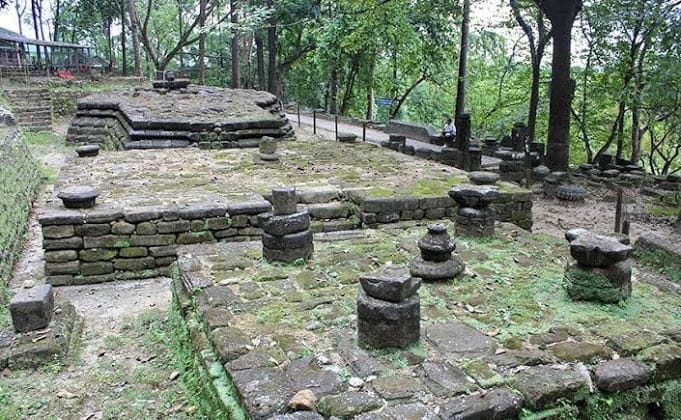
Arunachal Pradesh, India's easternmost state bordering Tibet, Bhutan, and Myanmar, contains a distinct sacred landscape where Hindu, Buddhist, and indigenous animist traditions converge. The state's temple sites, concentrated in the Siang and Lohit river valleys, include the Malinithan complex and the 7th-century Parasuram Kund. These sites demonstrate the historical spread of Hindu and Buddhist religious architecture into the Eastern Himalayan frontier.
Quick Facts
Capital
Itanagar
Population
1.57 million
Area
83,743 km²
Languages
English, Nyishi, Adi, Monpa, Tai Khamti
Best Time to Visit
October to April
Major Pilgrimage
Parasuram Kund, Tawang Monastery, Malinithan
Temple Style
Nilachala, Tibetan Buddhist
Highest Peak
Kangto (7,090 m)
Major River
Siang (Brahmaputra), Lohit, Subansiri
Why Visit Arunachal Pradesh
The religious heritage of Arunachal Pradesh is defined by its position as a crossroads between the Indian subcontinent and the Tibetan Plateau. Hindu sites cluster in the western and central districts, with Malinithan in West Siang being the most significant stone temple. Buddhist sites predominate in Tawang and West Kameng, following Tibetan Vajrayana traditions. Parasuram Kund in Lohit district is a seasonal pilgrimage site where thousands bathe during Makar Sankranti. Indigenous Donyi-Polo worship persists alongside organized religions.
Malinithan is the only surviving Hindu stone temple complex in Arunachal Pradesh, attributed to the early Ahom period. Parasuram Kund is recognized in the Kalika Purana as one of the holiest bathing sites in northeastern India. The Tawang Monastery, founded in 1681, is the largest Buddhist monastery in India and the second-largest in the world after the Potala Palace in Tibet.
Temple Categories
Featured Sacred Places
Arunachal Pradesh
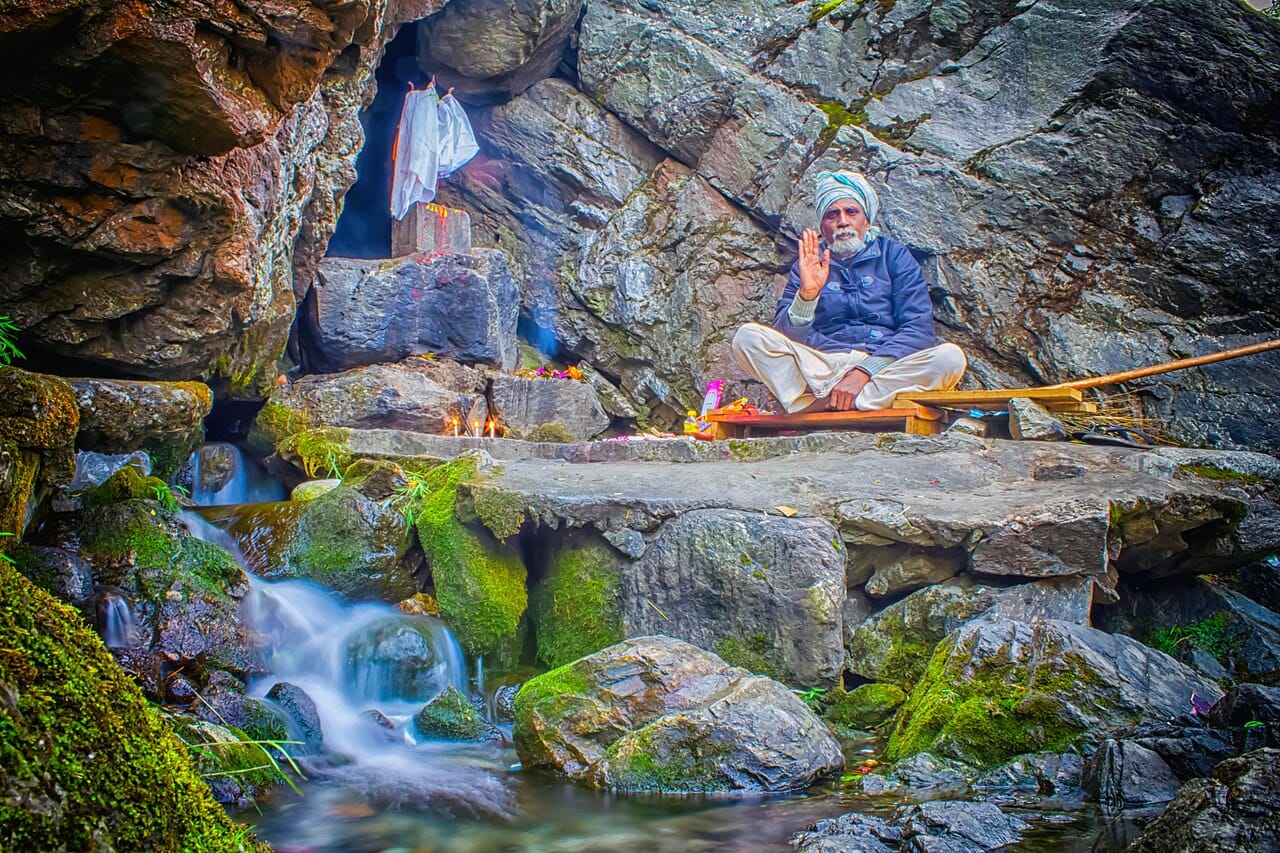
Parshuram Kund
A sacred Hindu pilgrimage site on the Lohit River, where Lord Parshurama is believed to have washed away his sins in the holy waters.
Explore Temple
Arunachal Pradesh
Malinithan Temple
An ancient 14th-century archaeological site housing exquisite granite sculptures that bridge the cultures of the plains and the Himalayas.
Explore Temple
Arunachal Pradesh
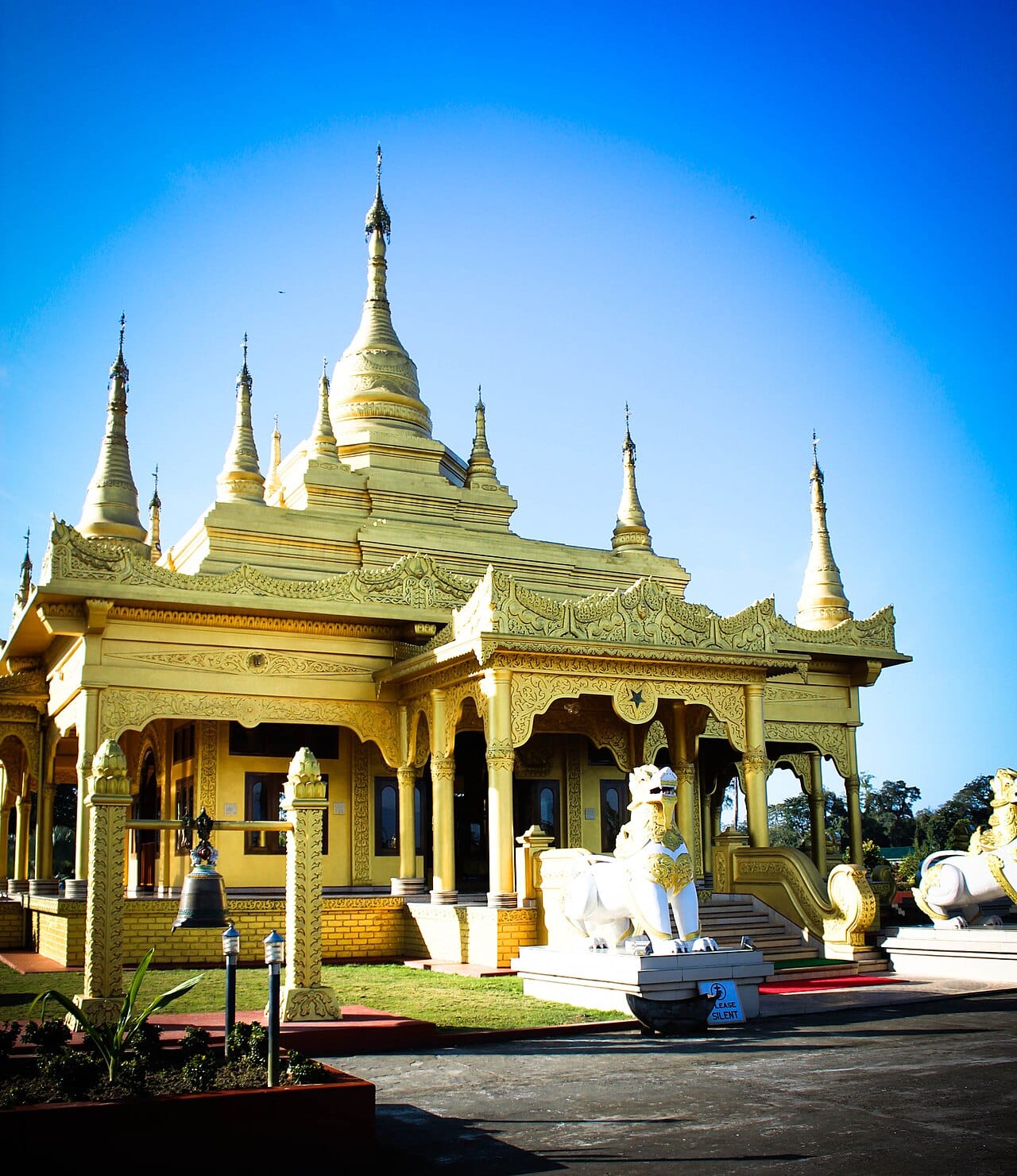
Golden Pagoda
A stunning golden masterpiece of Burmese architecture, serving as a beacon of Theravada Buddhism in the plains of Namsai.
Explore Temple
Arunachal Pradesh
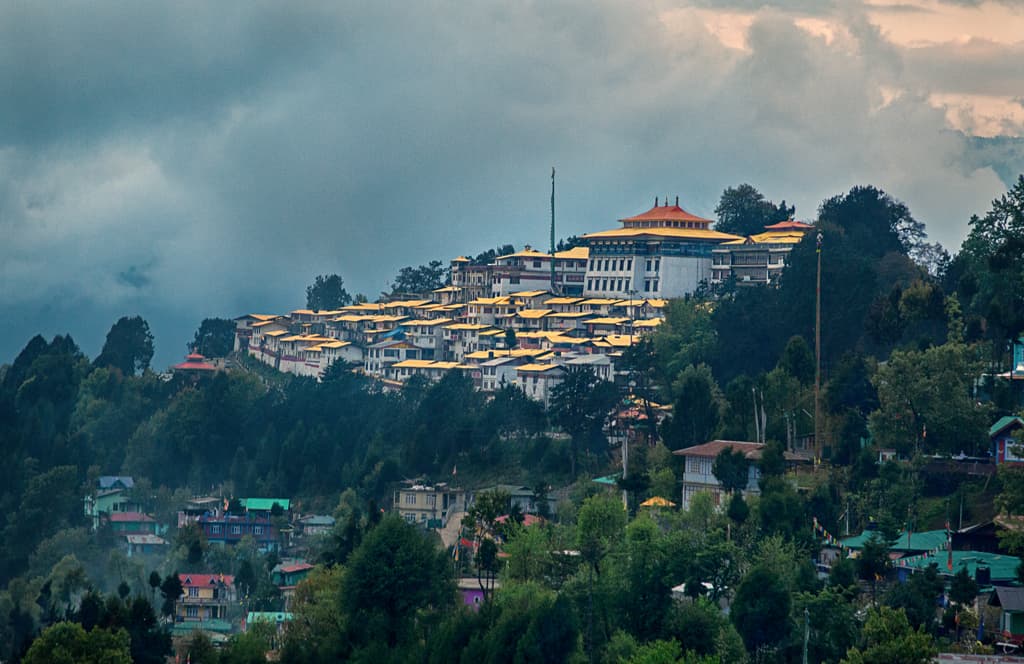
Tawang Monastery
The largest monastery in India and the second largest in the world, a stunning 17th-century fortress of Buddhist culture perched at 10,000 feet.
Explore Temple
Pilgrimage Circuits
Tawang Buddhist Circuit
4 templesTawang Monastery, Bomdila, Dirang, and the Sela Pass route.
The primary circuit connects Malinithan through the Siang valley linking Assam to Tibet. The Buddhist circuit runs from Tawang south through Bomdila and Dirang. The Parasuram Kund pilgrimage peaks during Makar Sankranti in January. The Namsai-Bhalukpong circuit includes the Golden Pagoda.
Temple Architecture
Malinithan follows the Nilachala style common in Assam, with a beehive-shaped shikhara built of dressed granite blocks featuring decorative panels of Shiva, Parvati, and Ganesha. Tawang Monastery exemplifies Tibetan Buddhist architecture with a 65-meter prayer hall, golden rooftop, and a 7-meter Buddha statue. The Golden Pagoda at Namsai is a modern structure in the Burmese-Thai Theravada style with a 50-meter gilded stupa.
Historical Timeline
13th-14th c.Chutia
Malinithan temple built under the Chutia kingdom, the only surviving stone temple in the state.
1681Tibetan Buddhist
Tawang Monastery founded under the 5th Dalai Lama, becoming the largest monastery in India.
2010Modern
Golden Pagoda consecrated in Namsai, reviving Theravada Buddhist traditions of the Tai Khamti community.
Temple Statistics
5+
Major Sites
Hindu and Buddhist sites across the state
Tawang
Largest Monastery
Second-largest in the world after Potala Palace
13th c.
Oldest Temple
Malinithan stone temple complex
Festivals
Parasuram Kund Mela
JanuaryParasuram Kund, Lohit
3 days
Over 100,000 pilgrims bathe at the confluence during Makar Sankranti.
Losar (Tibetan New Year)
February-MarchTawang Monastery
3 days
Masked cham dances by monks, prayer ceremonies, and community feasts.
Torgya Festival
JanuaryTawang Monastery
1 day
Ritual fire ceremonies performed to ward off evil spirits for the coming year.
The Parasuram Kund Mela during Makar Sankranti attracts over 100,000 pilgrims, the largest religious gathering in the state. Losar, Tibetan New Year at Tawang, features masked cham dances. The Torgya festival involves ritual fire ceremonies to ward off evil spirits.
Travel Guide
Best Time
October to April (10-25°C)
Climate
Subtropical to alpine; monsoon up to 5,000 mm
Nearest Airport
Dibrugarh (DIB), Tezpur (TEZ)
Railway
Tinsukia (120 km from border)
Road
NH-13, NH-15 connecting Assam
Local Transport
State buses, shared jeeps
Temple Etiquette
Remove shoes at monasteries; head cover required
Suggested Duration
7-10 days
Nearby Attractions
National Park
Namdapha National Park
1,985 km² of rainforest in Changlang district; tigers, leopards, and red pandas.
Fort
Bhismaknagar Fort
8th-9th century brick ruins in Lower Dibang Valley, attributed to the Chutia kingdom.
Mountain
Sela Pass
High-altitude pass at 4,170 meters connecting Tawang to the rest of India.
Interesting Facts
01
Arunachal Pradesh requires an Inner Line Permit (ILP) for foreign nationals to visit any part of the state.
02
Tawang Monastery houses approximately 450 monks and an extensive collection of Kangyur scriptures.
03
The state has 26 major tribes and over 100 sub-tribes, each with distinct religious and cultural practices.
Frequently Asked Questions
Indian citizens need an ILP for Tawang. Foreign nationals require an ILP for the entire state, obtainable from Indian missions or registered tour operators.
A bathing site on the Lohit River where the sage Parasuram is said to have washed away the sin of killing his mother. Mentioned in the Kalika Purana.
The second-largest Buddhist monastery in the world after the Potala Palace in Tibet, established in 1681, housing 450 monks.
Sources & References
These records back the history, architecture, temple listings and visitor guidance published on this Arunachal Pradesh page.
Archaeological Survey of India
Archaeological Survey of India — monument records and conservation reports
Protected-monument status, dating, architectural classification and conservation records for the temples and monuments named across this Arunachal Pradesh guide.
Primary archaeological record
Open source (opens in a new tab)Ministry of Tourism, Government of India
Ministry of Tourism — official destination information
Official Government of India visitor information, access routes and pilgrimage circuits for Arunachal Pradesh.
Government record
Open source (opens in a new tab)
— every record linked above was re-requested for this release, so the link still resolves and the publisher still serves the document. It is a link check, not a re-verification of every sentence on this page.
Missing something, or found an error? Send us a correction with the record that supports it, or read how we choose sources.