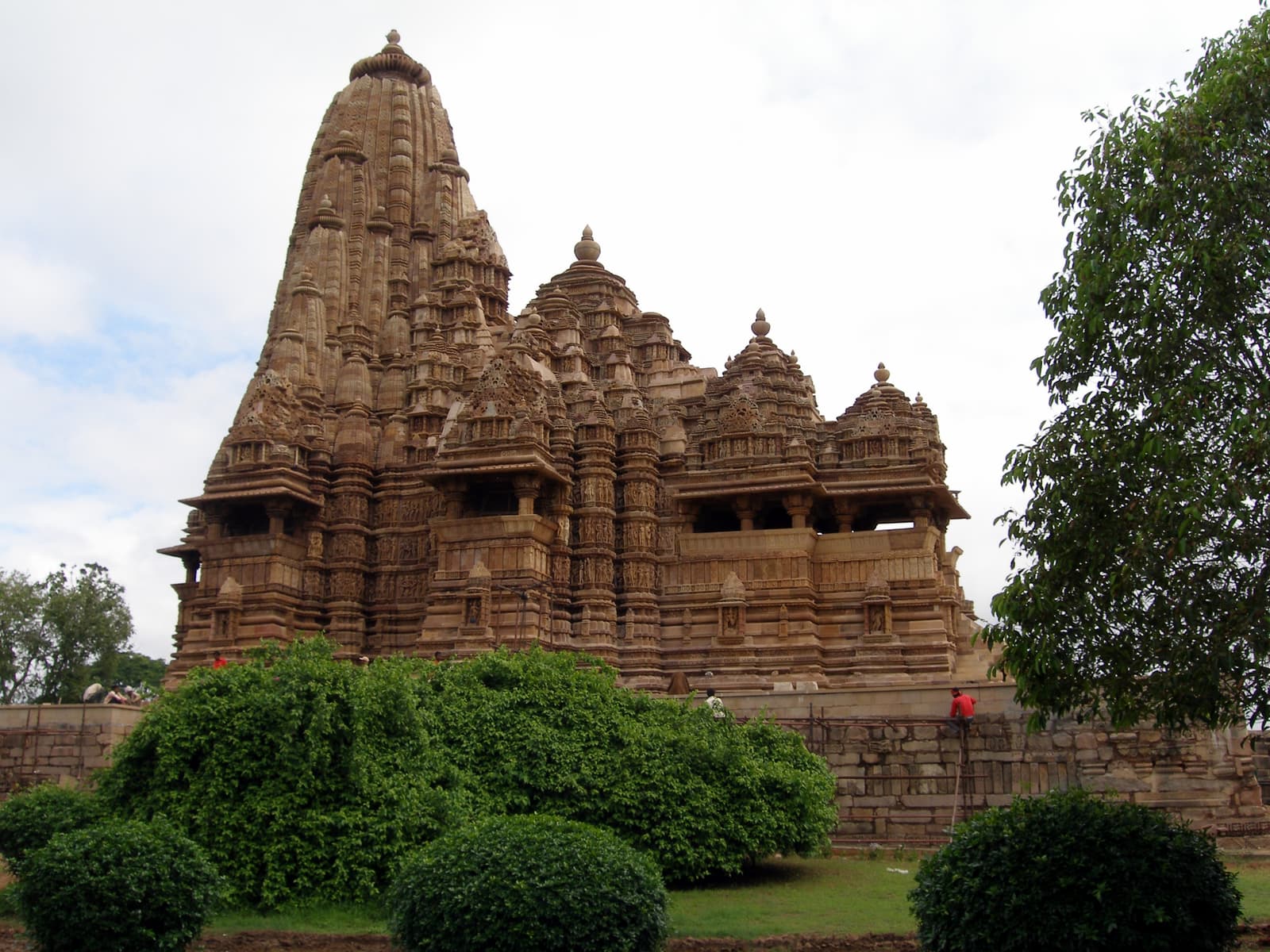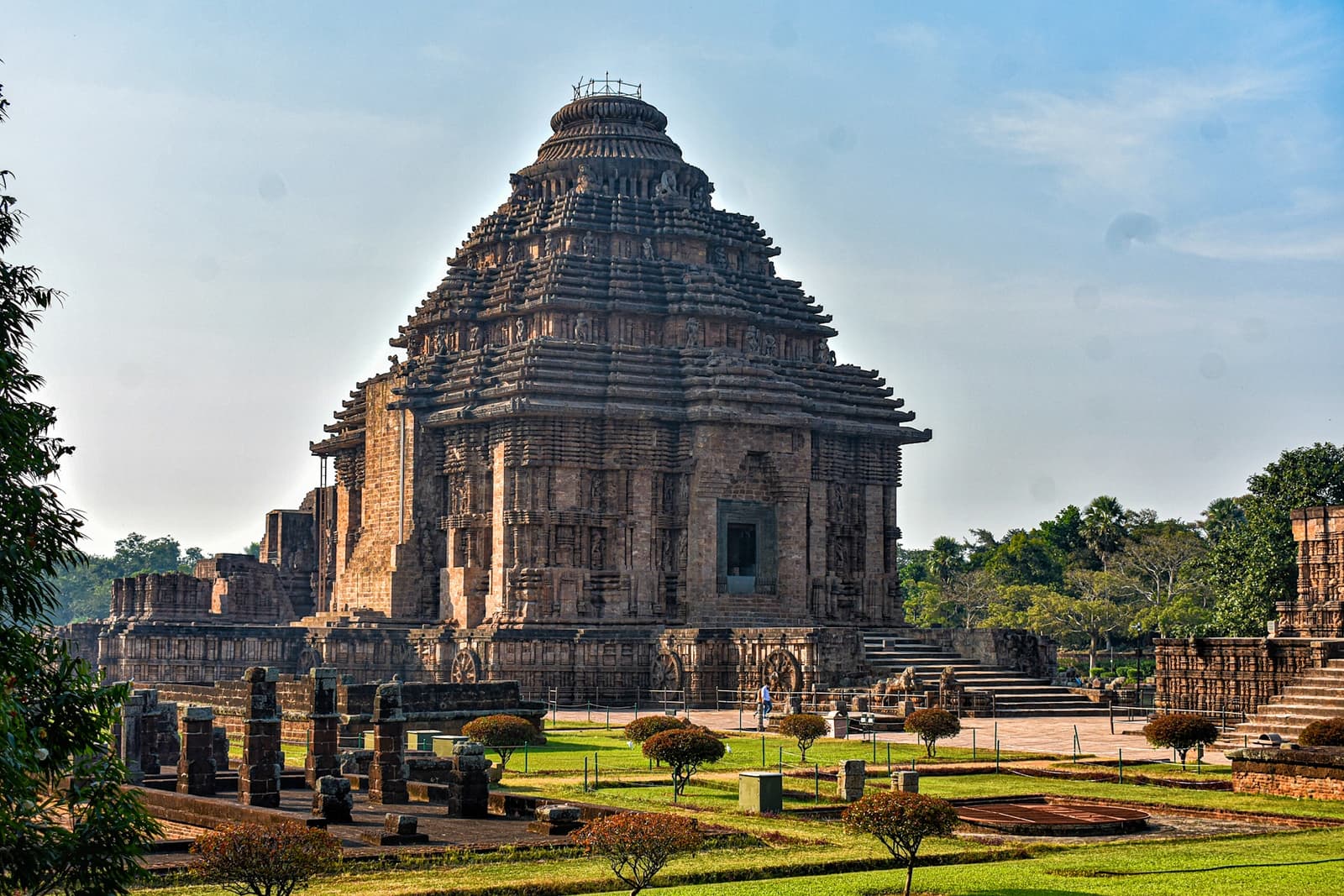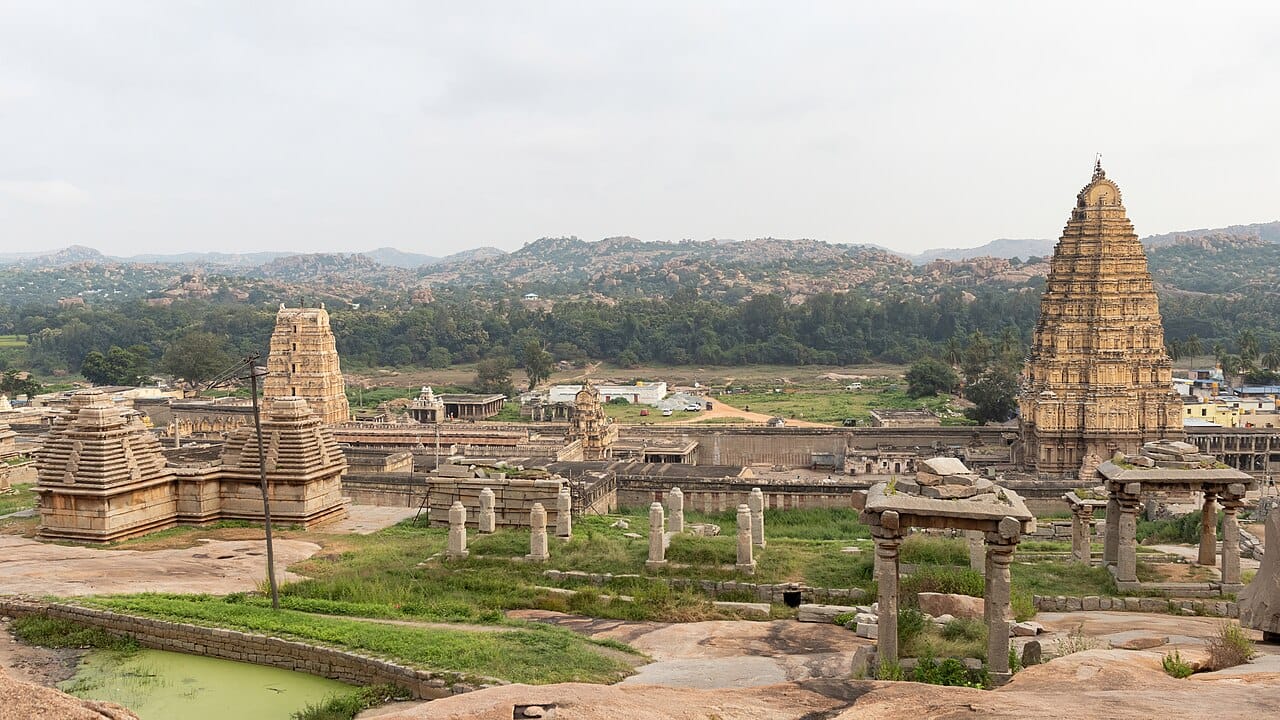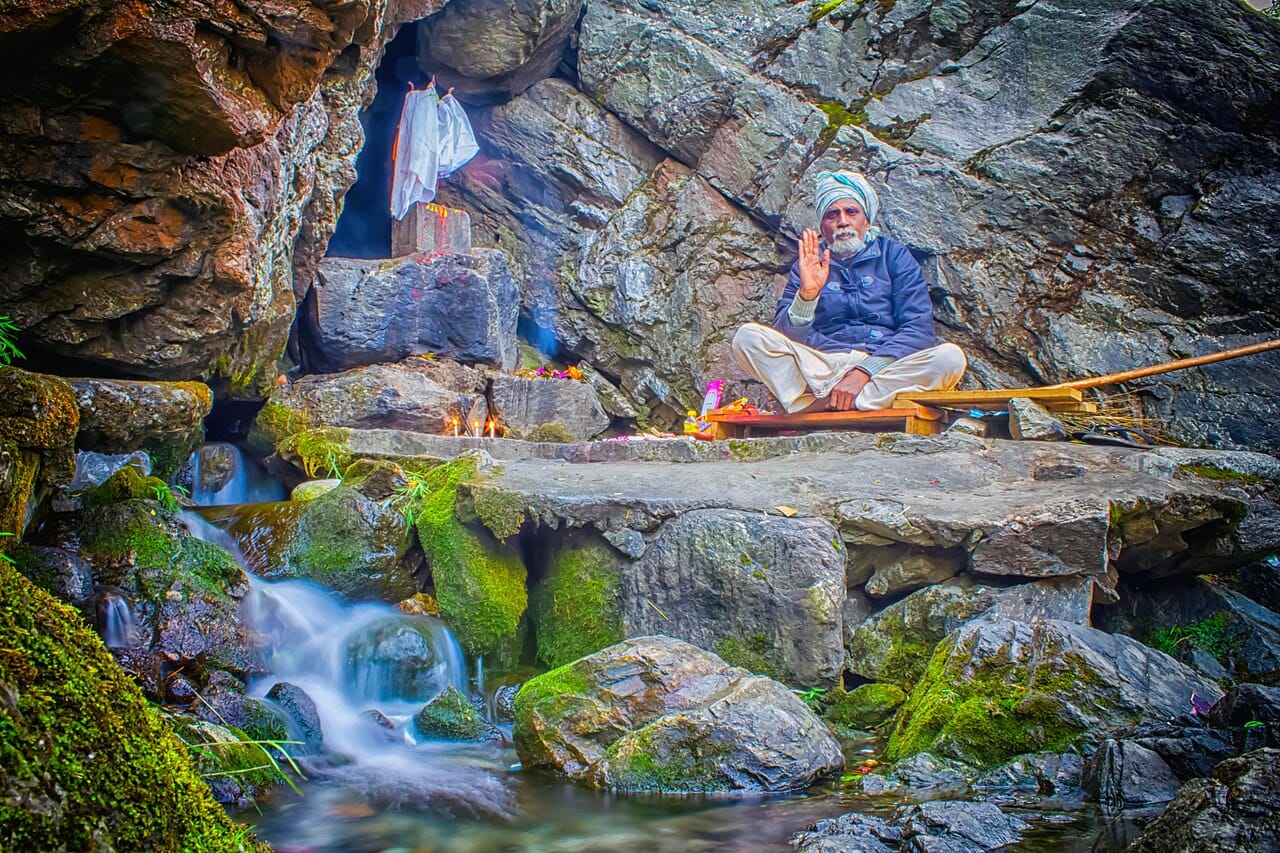
From ancient rock-cut marvels to towering imperial shrines, discover the architectural soul of Bharat through our verified digital archive.
Explore More Temples
Location
Likabali
Presiding Deity
Goddess Durga (as Malini)
Architecture
Asmamayai (Stone) Style / Kalinga Influence
Dynasty
Chutiya — Khen Heritage
Timings
The temple complex and archaeological site are open for darshan from 6:00 AM to 6:00 PM daily. The on-site museum usually operates from 10:00 AM to 4:00 PM. Visit during the morning hours to witness the rituals and have ample time to explore the ruins and the museum.
Entry Fee
Free
Best Time
The best time to visit Malinithan is from November to April. The weather is cool and pleasant, and the surrounding forests are a vibrant green. The peak time is mid-January for the Makar Sankranti festival. During the monsoon (June to September), the region receives very heavy rainfall, and while the site looks lush and misty, the stone steps and paths can be slippery and difficult to navigate.
An ancient 14th-century archaeological site housing exquisite granite sculptures that bridge the cultures of the plains and the Himalayas.
The history of Malinithan is a fascinating blend of divine legend and archaeological evidence. According to the Puranas and local folklore, the site is inextricably linked to the legendary journey of Lord Krishna and his consort Rukmini. It is believed that after Krishna 'kidnapped' Rukmini from her father King Bhismaka's capital in Bhismaknagar, they were traveling back to Dwarka. On their way, they stopped at this scenic spot in the foothills. At that time, Lord Shiva and Goddess Parvati were residing here in meditation. Parvati, assuming the form of a simple gardener's wife, welcomed the divine couple with garlands of exquisitely scented mountain flowers. Lord Krishna, deeply moved by the beauty of the flowers and the grace of the hostess, addressed Parvati as 'Malini' (the Mistress of the Garlands). Since then, the Goddess has been worshipped here as Malini, and the place became known as Malinithan. Historically, archaeological studies and carbon dating of the ruins suggest that the stone temples were constructed between the 13th and 15th centuries AD. The construction is attributed to the Chutiya kings, who ruled over a large part of eastern Assam and Arunachal Pradesh. The architects and sculptors appear to have been deeply influenced by the Kalinga style of Odisha, as evidenced by the structural motifs and the use of hard granite—a material not locally available in large quantities, indicating a sophisticated system of transport and trade. The temple complex was likely destroyed during the regional conflicts of the 16th century and the subsequent expansion of the Ahom kingdom, eventually being reclaimed by the jungle. It was only in the 1920s that local residents began reporting the presence of 'carved stones' in the forest, leading to the formal archaeological excavations that restored Malinithan to India's spiritual map.
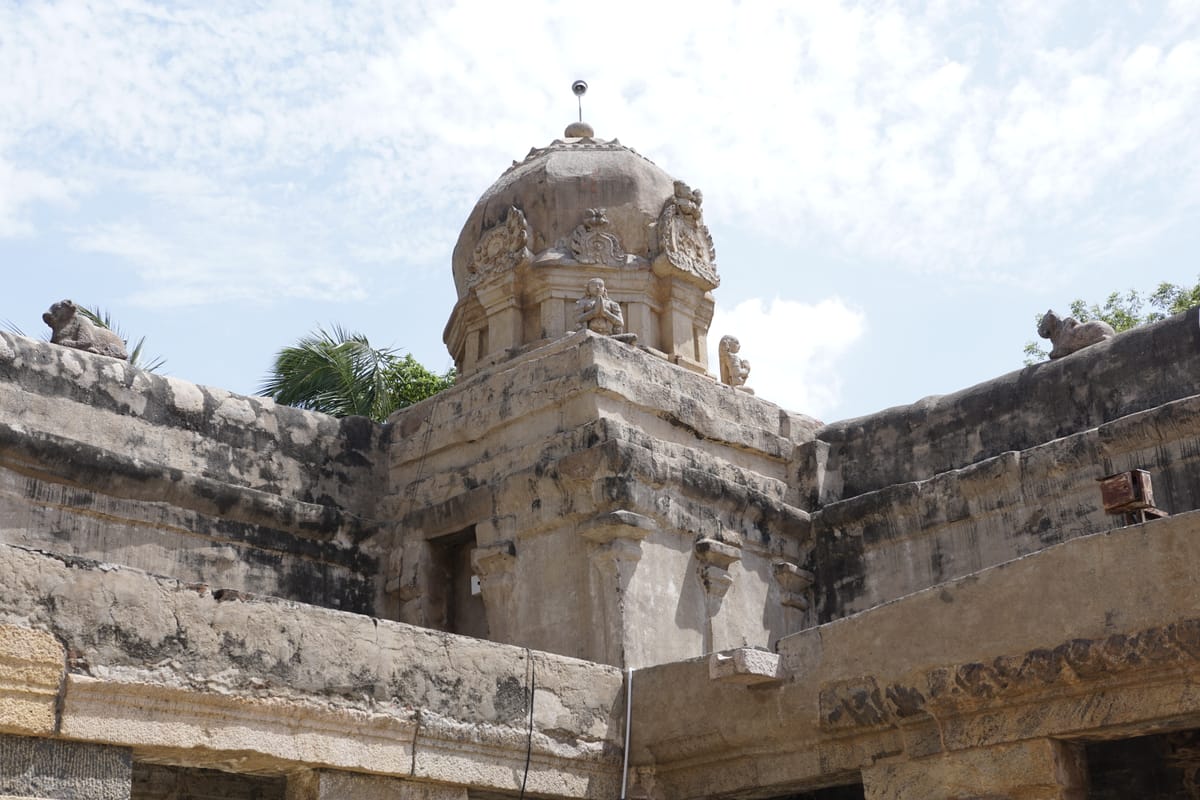
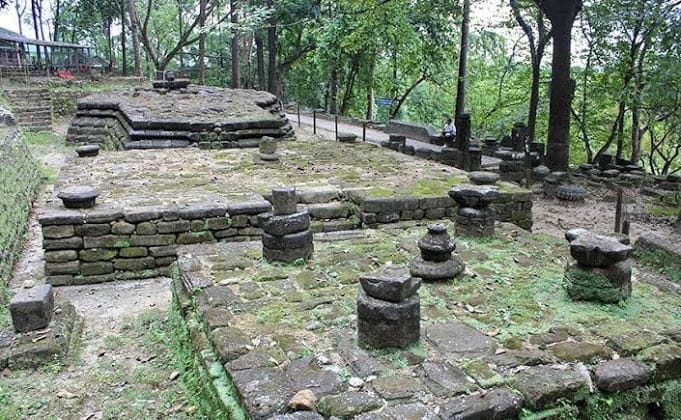
The architecture of Malinithan is its most distinctive and celebrated feature, representing a unique peak of stone masonry in the North-East. The ruins indicate that there were originally five main temples within the complex, constructed entirely of granite and sandstone. The style is a local adaptation of the **Kalinga architecture**, characterized by high platforms, curvilinear towers (shikharas), and elaborate 'Mandapas' (assembly halls). **Key Architectural Features:** - **Granite Sculptures:** Unlike the terracotta work found in the plains of Assam, Malinithan is famous for its hard granite carvings. These include life-sized idols of deities, which are remarkable for their anatomical precision and artistic detail. - **Five Temples:** The excavations revealed foundations of four temples dedicated to Lord Shiva, Lord Surya, Lord Ganesha, and Lord Kartikeya, and a primary central temple dedicated to Goddess Durga (Malini). This 'Panchayatana' style layout signifies a comprehensive spiritual center. - **Decorative Motifs:** The base of the temples and the pillars are decorated with 'Yali' (mythical animal) figures, celestial nymphs (Apsaras), and intricate floral scrolls that are reminiscent of the Sun Temple at Konark. - **The Nandi Statue:** A massive stone Nandi (bull) sits at the entrance of the Shiva shrine ruins, symbolizing strength and steadfastness. - **Archaeological Museum:** Many of the most delicate carvings have been moved to an on-site museum managed by the state, where visitors can see the fine details of the jewelry, fabric, and facial expressions of the 14th-century idols. The integration of these stone ruins with the surrounding hilly terrain, with the Siang River flowing nearby, creates a powerful visual narrative of human effort and divine inspiration.
Signature Feature: Rare Stone Ruins in the Northeast with Kalinga Influence. The temple is unique in the region for being built entirely of granite stone rather than brick.
The rituals at Malinithan are a unique blend of Vedic practices and local Assamese-Arunachali traditions. The day begins at dawn with the **'Prabhat Aarti'**, which is a serene ceremony to awaken the Goddess. The offering of fresh, locally grown flowers is a key daily ritual, commemorating the original legend of Parvati welcoming Krishna. **Key Rituals:** - **Pushpanjali:** Devotees participate in a collective flower-offering ceremony, led by the priests, while chanting the names of the Goddess. - **Bhog Offering:** The Goddess is offered a royal meal of rice, lentils, and seasonal fruits grown in the Siang hills. The distribution of 'Khichdi' as prasadam is a regular feature. - **Sandhya Aarti:** At sunset, the temple courtyard comes alive with the sound of bells, cymbals, and the traditional 'Dhak' (drums). The light of the oil lamps reflecting on the ancient stone ruins creates a deeply mystical atmosphere. - **Shakti Sadhana:** Due to its status as a Siddha Peetha, the temple is a preferred site for the recitation of the 'Devi Mahatmya' and other Tantric hymns during auspicious lunar phases. The priests at Malinithan are from the local Brahmin community of Likabali, who have been guardians of the site's sanctity since its rediscovery, ensuring that the ancient Vedic fire rituals are maintained.
The festival of **Makar Sankranti** is the most significant and grandly celebrated event at Malinithan. Held in mid-January, it marks the time when thousands of pilgrims from across Arunachal and Assam gather at the site. A grand fair (Mela) is organized at the base of the hills, featuring traditional tribal dances, folk music, and stalls showcasing local crafts. **Navratri:** Both the Chaitra (Spring) and Shardiya (Autumn) Navratris are periods of intense spiritual activity. The temple is decorated with colorful flags and lights, and special 'Havans' (fire rituals) are performed for global peace and the well-being of the state. **Ambubachi Mela:** Reflecting the temple's Shakti Peetha connection with [Kamakhya](/temple/kamakhya-temple), the Ambubachi period in June is observed with great reverence, drawing Tantric practitioners and pilgrims who seek the Mother's blessings during the earth's fertility cycle. **Malini Mahotsava:** A unique cultural festival organized by the state government, showcasing the classical and folk heritage of the region against the backdrop of the stone ruins. These festivals serve as a vital platform for the Galo and Mising tribes to express their shared cultural ties with the Hindu traditions of the plains.
14th-century Granite Sculptures, 'Khajuraho of the North-East', Krishna-Rukmini-Parvati Legend, Kalinga-style Ruins, Siddha Peetha status.
The best time to visit Malinithan is from November to April. The weather is cool and pleasant, and the surrounding forests are a vibrant green. The peak time is mid-January for the Makar Sankranti festival. During the monsoon (June to September), the region receives very heavy rainfall, and while the site looks lush and misty, the stone steps and paths can be slippery and difficult to navigate.
The temple complex and archaeological site are open for darshan from 6:00 AM to 6:00 PM daily. The on-site museum usually operates from 10:00 AM to 4:00 PM. Visit during the morning hours to witness the rituals and have ample time to explore the ruins and the museum.
A. The name comes from 'Malini' (the gardener/mistress of garlands) and 'Than' (place/temple). It refers to the spot where Goddess Parvati, in the form of Malini, welcomed Lord Krishna and Rukmini with flower garlands.
A. It is both. While the ancient structures are in ruins and managed as an archaeological site, a modern temple has been built over the original foundation where daily worship and rituals are performed. Many of the original statues are housed in the on-site museum.
A. Malinithan is located near Likabali, about 100 km from Dibrugarh in Assam and approximately 160 km from Itanagar, the capital of Arunachal Pradesh. It is well-connected by road.
Parshuram Kund
A sacred Hindu pilgrimage site on the Lohit River, where Lord Parshurama is believed to have washed away his sins in the holy waters.
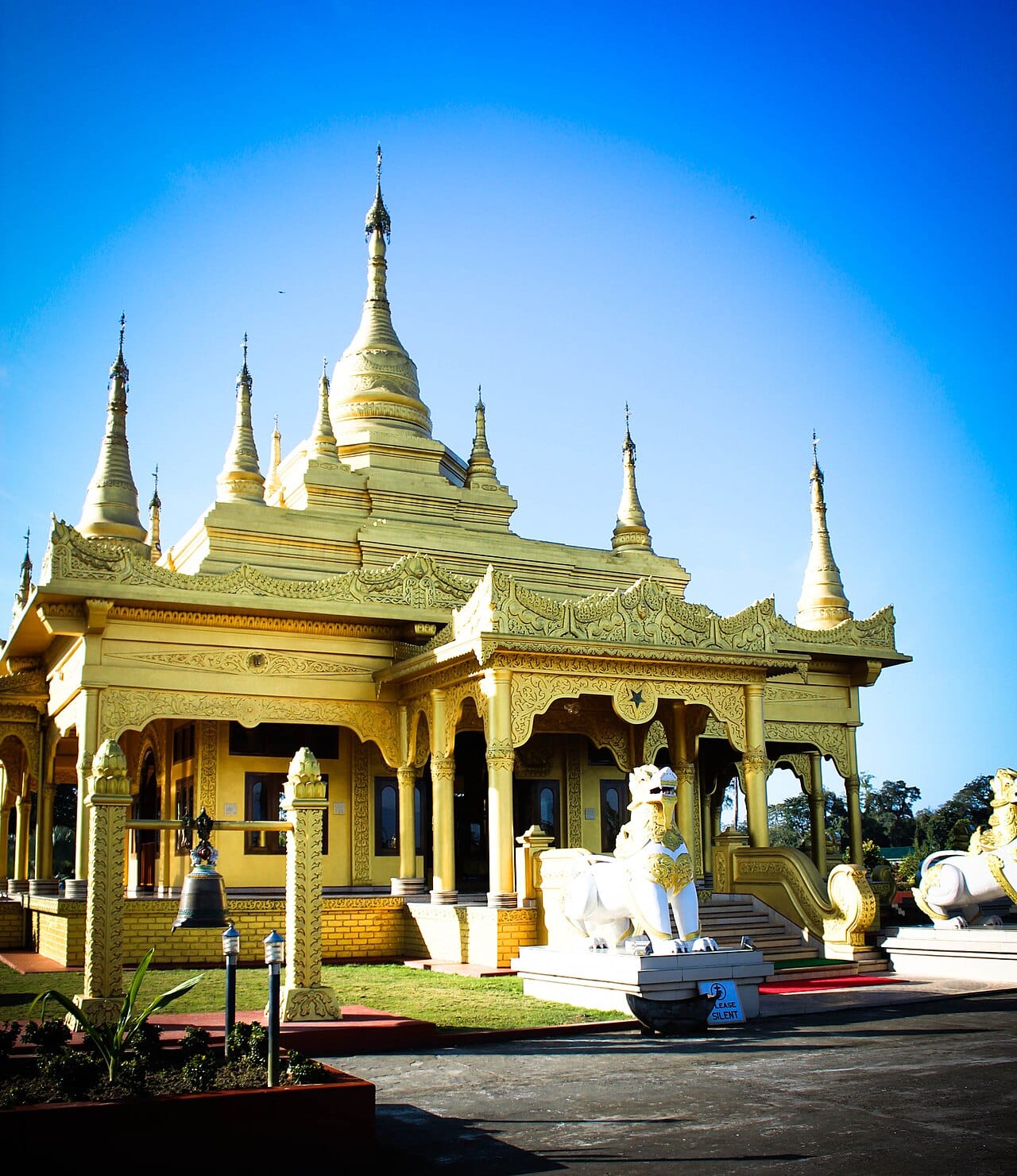
Golden Pagoda
A stunning golden masterpiece of Burmese architecture, serving as a beacon of Theravada Buddhism in the plains of Namsai.
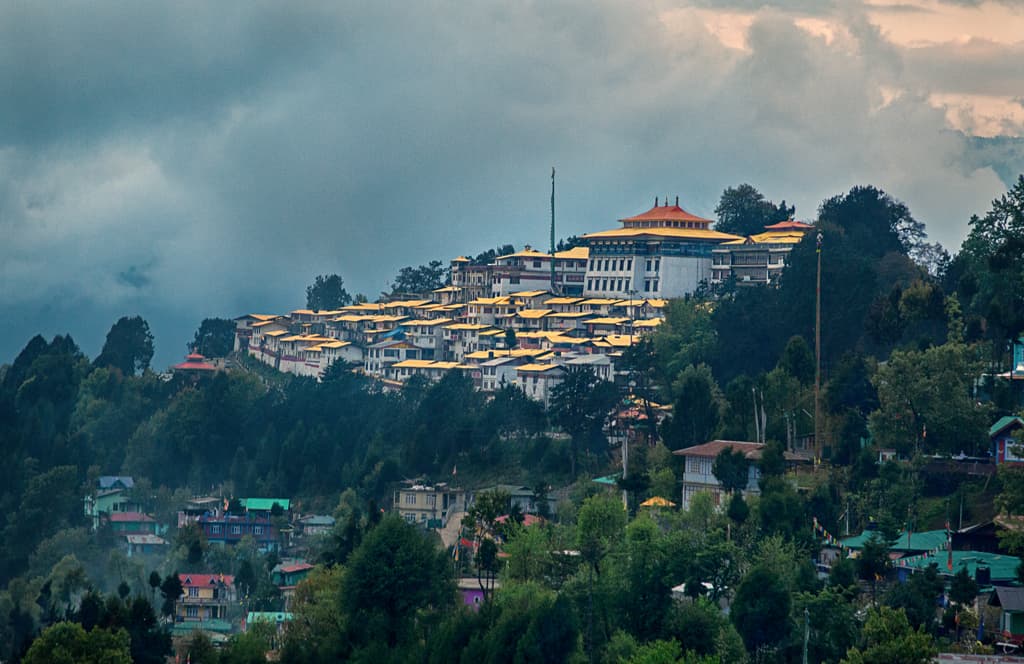
Tawang Monastery
The largest monastery in India and the second largest in the world, a stunning 17th-century fortress of Buddhist culture perched at 10,000 feet.
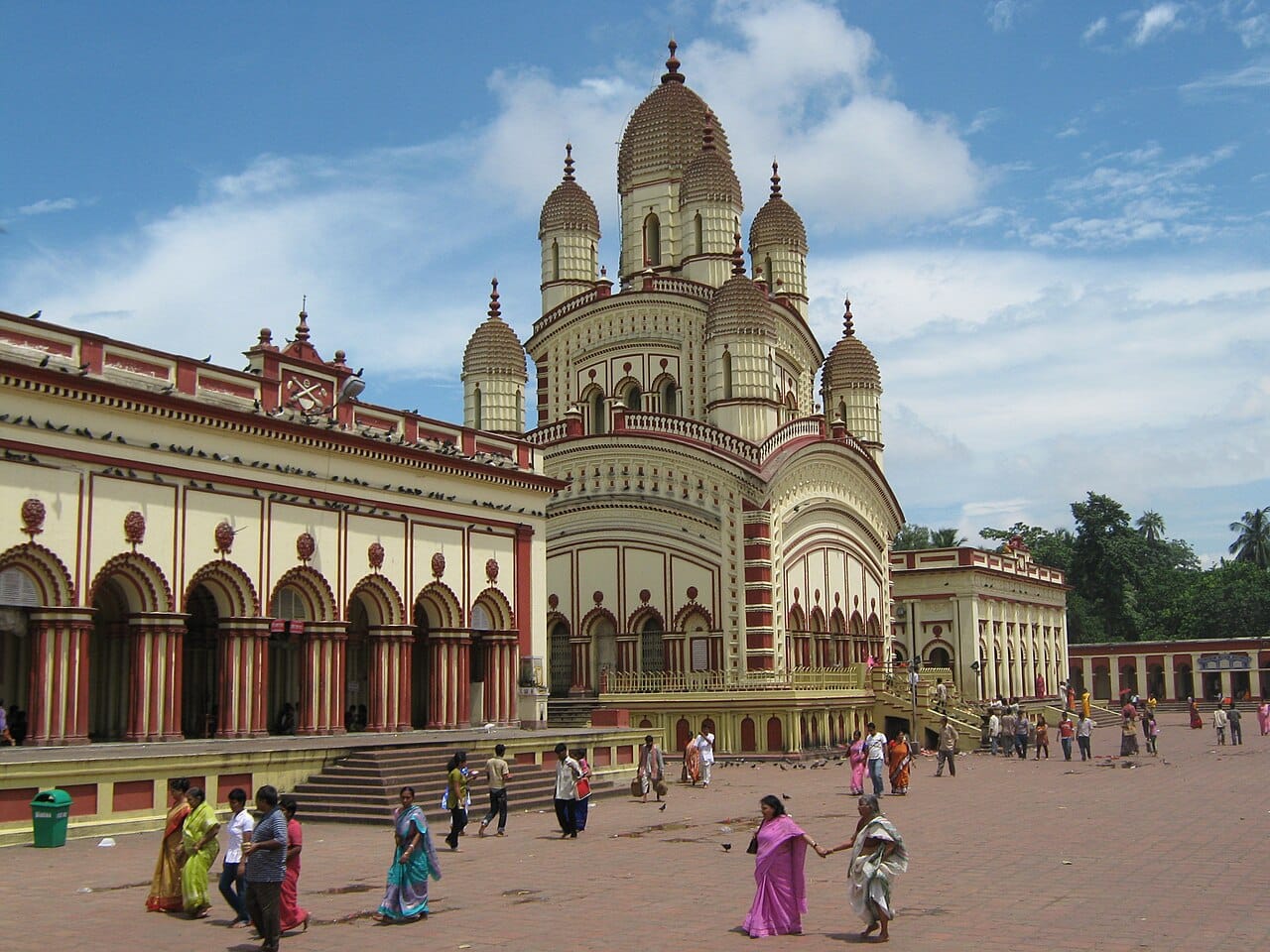
Dakshineshwar Kali Temple
A world-famous 19th-century temple complex on the Hooghly River, immortalized by its association with the saint Sri Ramakrishna Paramahamsa.
Kalighat Kali Temple
A major Shakti Peetha where the toes of Sati's right foot fell, serving as the spiritual heart of Kolkata.
Hangseshwari Temple Bansberia
A unique temple with 13 lotus-bud towers, representing the human body's anatomy according to Yoga and Tantra.
Vaishno Devi Temple
The Vaishno Devi Temple, a sacred cave shrine nestled in the Trikuta Mountains of Jammu and Kashmir, is one of India's most visited pilgrimage sites, where millions trek 12 km each year to seek blessings of Mata Vaishno Devi at the holy cave complex.
Dhari Devi Temple
A sacred Shakti temple on the banks of the Alaknanda River, considered the guardian deity of the Char Dham Yatra and famous for the idol that changes color three times daily.
Kalkaji Temple
An ancient temple dedicated to Kalka Devi, believed to date back to the Satya Yuga, and highly crowded during Navratri.
India's temples are living traditions — not museums. Every temple has its own customs. This guide helps first-time visitors prepare with confidence and respect.
Foreign visitor information is being researched
Please verify with the official temple authority before planning your visit.
Foreign Visitors
Verify Before VisitingVisitor Information
Entry policies vary between temples. Most temples welcome visitors, while some may restrict access to specific areas, rituals, or the inner sanctum. Always verify the latest entry guidelines with the official temple authorities before your visit.
Modest clothing is expected at every Indian temple — a sign of respect, not a restriction. Think of it as dressing for a formal ceremony.
A scarf is always useful — it covers shoulders, works as a head covering, and can double as a makeshift face cover if needed.
Outdoor photography is generally permitted. Indoor photography is often restricted. Always look for signage or ask a priest before taking photos inside.
The best time to visit Malinithan is from November to April. The weather is cool and pleasant, and the surrounding forests are a vibrant green. The peak time is mid-January for the Makar Sankranti festival. During the monsoon (June to September), the region receives very heavy rainfall, and while the site looks lush and misty, the stone steps and paths can be slippery and difficult to navigate.
April — June
July — September
English is widely understood at major tourist temples. In smaller local temples, Hindi and the regional language are more common. A smile and simple hand gestures go a long way. Learning a few words of the local language is always appreciated.
Cash (Indian Rupees) is the most reliable option, especially for temple offerings, small shops, and local transport.
UPI digital payments (Google Pay, PhonePe, Paytm) are widely accepted across India — even at roadside stalls. Download one before you arrive.
International credit/debit cards work at most ATMs, hotels, and larger establishments. Smaller vendors may only accept cash or UPI.
Carry small denominations (₹10, ₹20, ₹50, ₹100 notes) for offerings and temple donations. Large notes (₹500, ₹2000) can be hard to break at smaller counters.
Many historic temples have uneven stone floors, multiple steps, and narrow passages. Wheelchair access is limited at older sites — contact the temple in advance.
Basic restroom facilities and drinking water are available at most major temples. Some charge a small fee (₹5–₹10).
Stay hydrated — carry a reusable water bottle, especially in hot climates.
Keep valuables secure — use hotel lockers for passports and excess cash.
Wear comfortable, sturdy footwear — temple floors can be hot, wet, or uneven.
Beware of unofficial guides or touts near temple entrances. Only use authorised services.
Carry a photocopy of your passport and visa. Leave originals in your hotel safe.
Download offline maps — mobile networks can be unreliable near remote temple sites.
These short explanations help make sense of what you see and experience.
Darshan means 'seeing' — but in a temple it means being seen by the deity. It is a sacred moment of connection, not just a viewing.
Removing footwear is a sign of humility. It also keeps the temple floor clean, since devotees sit and pray on the ground.
Food offered to the deity and then distributed to devotees. It is considered blessed. Accept it with both hands and do not discard it.
The bell creates a focused acoustic atmosphere, wards off distractions, and announces your presence before entering the inner sanctum.
Circumambulation (pradakshina) is done clockwise, keeping the sanctum on your right — an auspicious direction aligned with the sun's path.
Flowers symbolise devotion, coconuts represent the ego being broken, incense purifies the air, and lamps represent the victory of light over darkness.
Sacred viewing of the deity; the central act of temple worship.
Clockwise circumambulation of the sanctum.
Blessed food offered to the deity and distributed to devotees.
The innermost sanctum where the main deity resides.
The towering spire above the sanctum, a defining feature of temple architecture.
A pillared hall or pavilion within the temple complex.
The Indian Rupee (?, INR) is the local currency. ATMs are widely available in cities and towns. For temple offerings, keep small notes (₹10, ₹20, ₹50). Most temples accept donations in cash only — digital payments are uncommon at the offering counter itself.
Offerings (dakshina) are given with the right hand. Place cash in the donation box (hundi) or give it directly to the priest. There is no fixed amount — give what feels appropriate. Some temples have fixed fees for special entry or puja participation.
Shoes and sandals are removed before entering the temple building. Most temples have a designated shoe counter (free or a small fee of ₹5–₹20). Socks are generally allowed. In monsoon, carry a plastic bag for wet shoes.
Darshan queues can take 30 minutes to 3 hours at popular temples. Many offer paid VIP darshan (₹100–₹500) for faster entry. Special queues for women, elderly, and disabled visitors exist at some temples. No line jumping.
Major festivals draw enormous crowds — sometimes hundreds of thousands. Book accommodation months in advance. Expect road closures, restricted vehicle access, and limited phone network. Arrive early (before dawn) to avoid the worst congestion.
Always look for signage before taking photos. When in doubt, ask a priest. Never take photos of devotees in prayer without permission. Selfie sticks are banned at most temples. Silently switch your phone to silent mode.
Police / Ambulance / Fire: 112 (National Emergency Number)
Tourist Helpline: 1800-111-363 (Multi-lingual, Ministry of Tourism)
Women's Helpline: 1091
Temple-specific visitor information is continuously researched and updated from official sources. Where specific data is unavailable, general India travel guidance is provided. Always verify current policies with the temple authority before your visit.
Information last verified July 2026. Temple-specific data coming soon.
Continue your journey through the spiritual and architectural wonders of India.

A sacred Hindu pilgrimage site on the Lohit River, where Lord Parshurama is believed to have washed away his sins in the holy waters.

A stunning golden masterpiece of Burmese architecture, serving as a beacon of Theravada Buddhism in the plains of Namsai.

The largest monastery in India and the second largest in the world, a stunning 17th-century fortress of Buddhist culture perched at 10,000 feet.

A world-famous 19th-century temple complex on the Hooghly River, immortalized by its association with the saint Sri Ramakrishna Paramahamsa.
"India has over 40 UNESCO World Heritage Sites, ranging from ancient temples to natural wonders."