From ancient rock-cut marvels to towering imperial shrines, discover the architectural soul of Bharat through our verified digital archive.
Explore More Temples
Location
Kolkata
Presiding Deity
Goddess Kali
Architecture
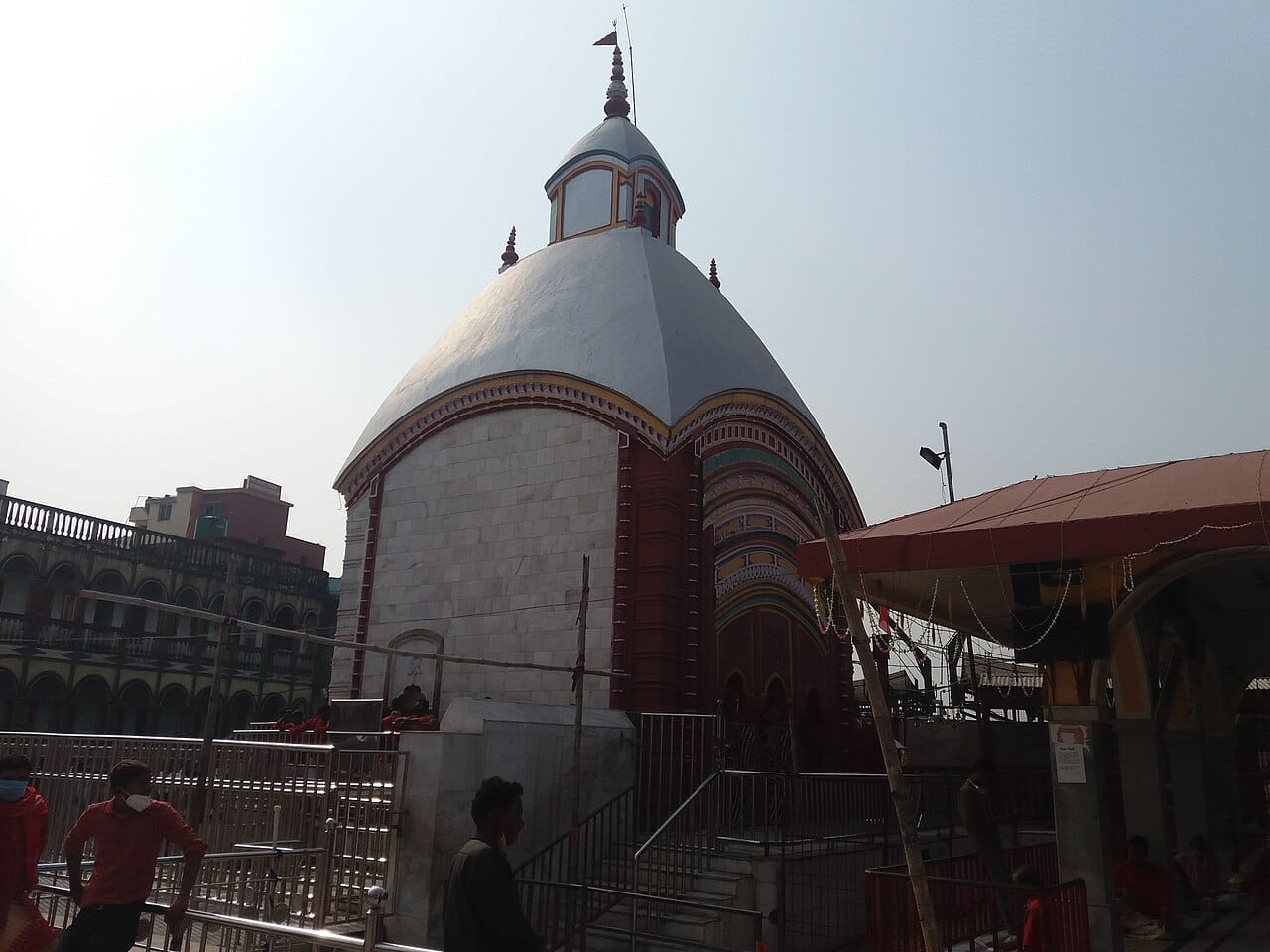
Bengali At-chala
Dynasty
Ancient — Sabarna Roy Choudhury
Timings
The temple follows a split schedule: - **Morning:** 5:00 AM to 2:00 PM - **Evening:** 5:00 PM to 10:30 PM *Note: The inner sanctum (Garbhagriha) may close for brief periods during 'Bhog' offerings. On special festival days, the temple often remains open throughout the night.*
Entry Fee
Free
Best Time
To truly experience the spiritual energy of Kalighat, one must time their visit carefully. The months from **October to March** offer the most pleasant weather in Kolkata, making the long wait in queues manageable. For those seeking peace, **early mornings (before 6:00 AM)** on weekdays are best. However, for those who want to witness the full intensity of Bengali devotion, visiting during **Kali Puja (October/November)** or **Poila Baisakh (April)** is unparalleled. Tuesdays and Saturdays are considered particularly auspicious for Goddess Kali and thus see much higher crowds. Reach the temple at least an hour before opening to avoid the heaviest rush.
A major Shakti Peetha where the toes of Sati's right foot fell, serving as the spiritual heart of Kolkata.
The history of Kalighat is a tapestry of legend, royal patronage, and spiritual discovery. While the current structure is approximately 200 years old, the sanctity of the site is considered ancient, with references found in 15th-century texts like 'Mansha Mangal' and the works of Chandimangal. According to the foundational legend, the temple marks the spot where the four toes of the right foot of Goddess Sati fell during Shiva's Rudra Tandava, following her self-immolation at the Daksha Yagna. The transition from a small, secluded shrine in the jungle to a grand temple is closely linked to the Sabarna Roy Choudhury family, the traditional zamindars of the region. It is said that in the late 18th century, a devotee named Atmaram Brahmachari discovered a human-toe-shaped stone in the Adi Ganga, which shone with a divine light. He was guided by a celestial vision to install this 'touchstone' (Kasti Pathar) in a small hut. Later, Santosh Roy Choudhury, a prominent member of the Sabarna Roy Choudhury family, initiated the construction of the present temple in 1809, which was completed in the following years. The temple also holds a pivotal place in the colonial history of India. It is widely believed that the name 'Kolkata' is a corrupted version of 'Kalighat' or 'Kalikshetra' (the land of Kali). Even during the British Raj, the temple remained a focal point of resistance and cultural identity for the local populace. The history of Kalighat is not merely a record of bricks and mortar but a continuous narrative of faith that has survived the shifting courses of rivers and the rise and fall of empires, maintaining its status as the 'Mahatirtha' (Great Pilgrimage) of the East.
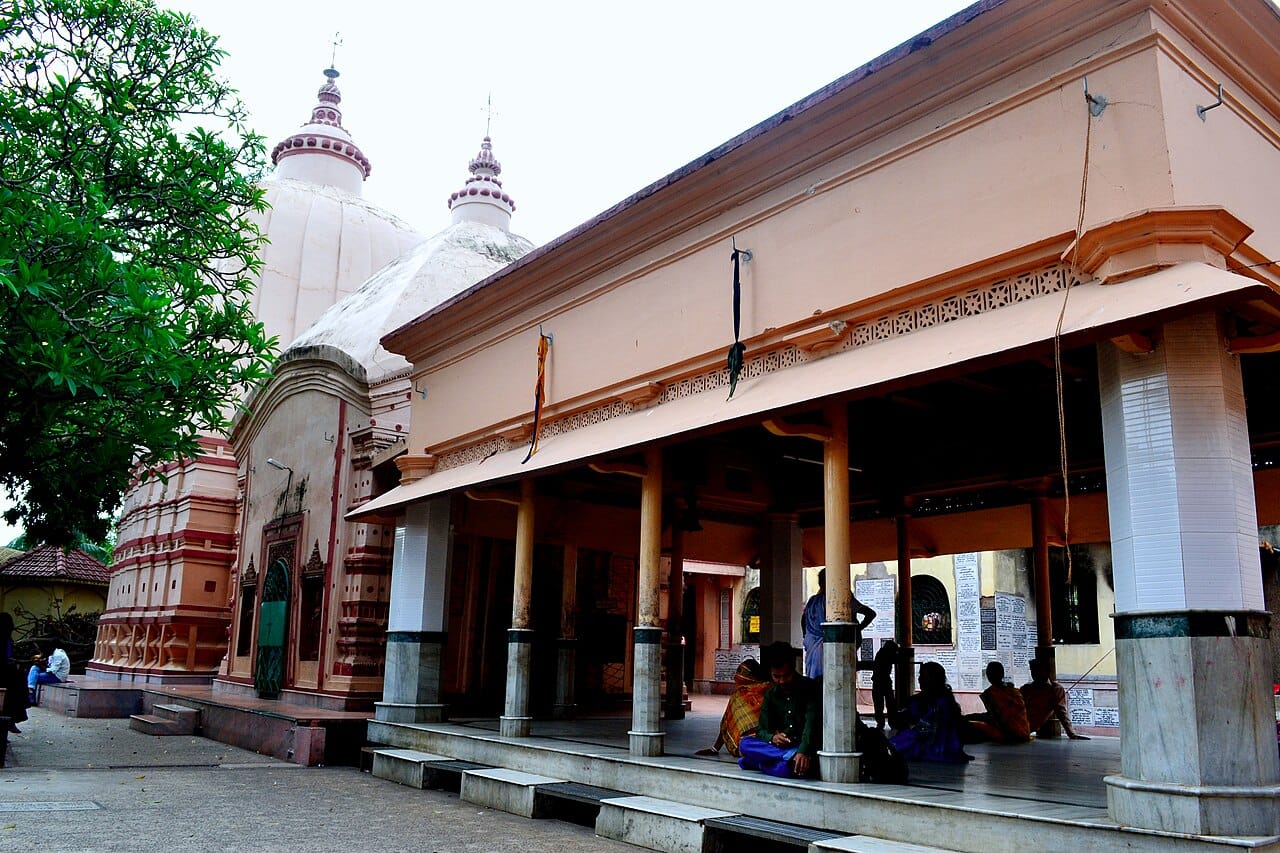
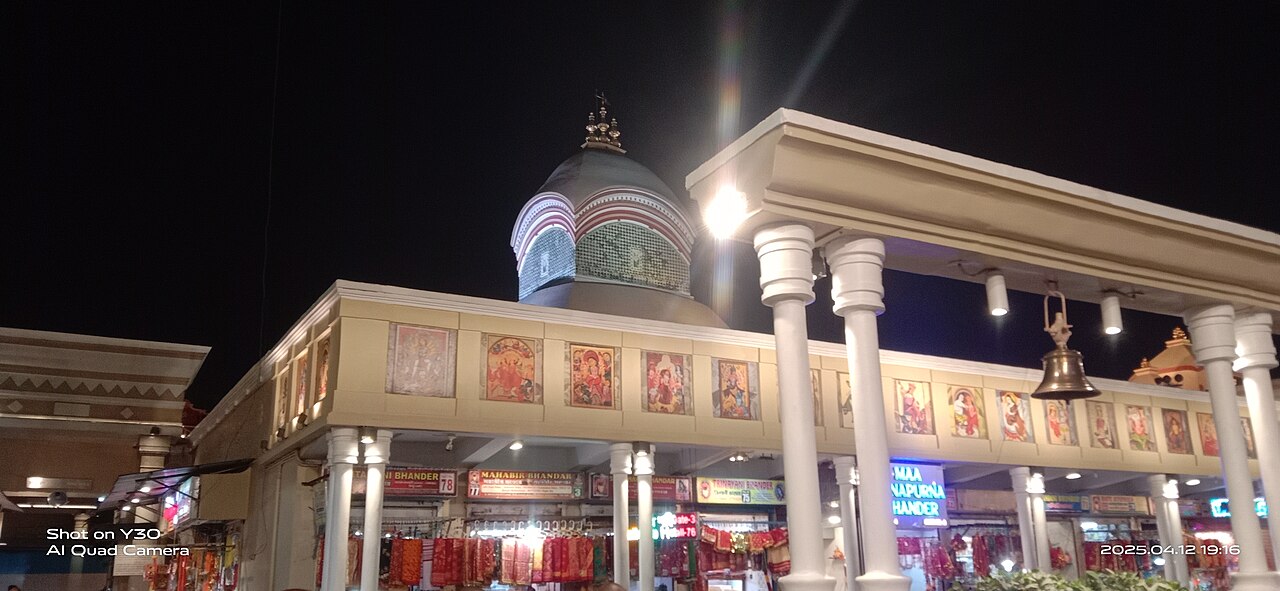
The architecture of the Kalighat Temple is a quintessential example of the 'At-chala' (eight-roofed) style, which is unique to the temple building traditions of Bengal. This style features a rectangular base with two tiers of four-sided sloping roofs, creating a total of eight roof segments. The main temple rises to a height of about 90 feet, its silhouette dominated by these overlapping curves that mimic the traditional thatched huts of the Bengali countryside. The temple complex is divided into several distinct sections, each with its own ritualistic purpose: 1. **Sosthi Tala:** A small rectangular altar about three feet high, housing a stone representing Goddess Sosthi, Goddess Manasa, and Goddess Mangal Chandi. This spot is particularly revered by women seeking blessings for their children. 2. **Natmandir:** A large rectangular covered platform adjacent to the main temple, used for religious discourses and devotional music. 3. **Jor-bangla:** The spacious verandah facing the main sanctum, which serves as the gathering point for devotees to catch a glimpse of the deity. 4. **Harikat Tala:** The sacrificial spot located near the Natmandir, where the traditional ritual of 'Bali' (animal sacrifice) is performed. 5. **Radha-Krishna Temple:** A separate shrine within the complex dedicated to the divine couple, representing the Vaishnava influence within a primarily Shakta site. 6. **Kundupukur:** The sacred tank located to the south-east of the temple, where the 'touchstone' toes of Sati were reportedly found. The water of this tank is considered holy and is used for various rituals. The exterior of the temple, while not as ornately carved as the terracotta temples of Bishnupur, possesses a rugged, monumental grace. The use of local bricks and lime mortar reflects the indigenous building techniques of the 19th century, while the interior is often decorated with silver and gold ornaments gifted by devotees over centuries.
The significance of Kalighat Kali Temple is multi-layered, spanning theological, historical, and cultural dimensions. Primarily, its status as a Shakti Peetha—one of the few where the body parts of Sati are believed to have fallen—makes it a site of 'Siddha,' where prayers are believed to be fulfilled with extraordinary potency. In the Tantric tradition, Kalighat is a premier center for the realization of the 'Maha Vidya' (Great Knowledge). Theologically, the temple represents the 'Dakshina Kali' form, where the Goddess is depicted as the conqueror of time and death, yet compassionate toward her children. The location itself, on the banks of the Adi Ganga, connects it to the ancient riverine civilization of Bengal, where water and mother-worship have been intertwined for millennia. Culturally, Kalighat is the spiritual heart of Kolkata. Every major event in a Bengali family's life—be it a marriage, the purchase of a new home, or the starting of a business—is often preceded by a visit to 'Ma Kali' at Kalighat. It is a place that transcends class and caste barriers, where the millionaire and the mendicant stand in the same queue. The temple's connection to the [Tarapith Temple Birbhum](/temple/tarapith-temple-birbhum) and other Shakti Peethas in the state forms a sacred circuit that defines the religious landscape of West Bengal. It is a symbol of the 'Shakti' that empowers the city, providing resilience and hope to its inhabitants.
The rituals at Kalighat are ancient, complex, and strictly followed by the 'Haldar' family of priests who have served the temple for generations. The day begins long before dawn with the 'Mangala Aarti,' a private ceremony to awaken the Goddess. Key daily and special rituals include: - **Nitya Puja:** The daily worship involves the bathing of the deity, the application of vermillion, and the offering of 'Bhog' (sanctified food). The Bhog consists of rice, dal, fried vegetables, and fish curry—reflecting the local culinary traditions of Bengal where the Goddess is offered what the people eat. - **Snana Yatra:** One of the most important annual rituals, where the priests cover their eyes with cloth and bathe the original stone of the Goddess. This is the only time the 'unseen' form of the deity is handled, and the secrecy surrounding it adds to the temple's mystical aura. - **Bali (Sacrifice):** Kalighat is one of the few temples where the ancient tradition of animal sacrifice is still practiced, involving goats. This ritual, performed at the Harikat Tala, is seen by devotees as the offering of one's animalistic instincts (lust, anger, greed) to the Divine Mother. - **Sandhya Aarti:** As the sun sets, the temple comes alive with the sound of gongs, bells, and conch shells. The evening aarti is a public spectacle of devotion, where the 'deepa' (lamps) are waved before the Goddess in a rhythmic dance. Devotees often bring 'Dala' (offerings) containing hibiscus flowers, incense sticks, sweets (sandesh), and a small bottle of Ganges water. The 'charanamrita' (holy water) distributed after the puja is cherished as a potent blessing.
Kalighat is a theater of festivals, with the lunar calendar dictating a series of grand celebrations throughout the year. - **Kali Puja:** Celebrated on the night of Diwali, this is the most significant festival of the temple. While the rest of India lights lamps for Lakshmi, Bengal worships Kali. The temple is illuminated with thousands of oil lamps and electric lights, and the puja continues throughout the night with special offerings and tantric rituals. - **Poila Baisakh (Bengali New Year):** On the first day of the Bengali calendar (April 15), thousands of businessmen visit Kalighat to initiate their new ledger books (Haal Khata). It is believed that the Goddess's blessing on this day ensures prosperity for the coming year. - **Navratri and Durga Puja:** During the ten days of Dussehra, Kalighat becomes a focal point for 'Shakti' worship. While Durga is worshipped in pandals across the city, the source of that power is believed to reside in Kalighat. - **Vipattarini Vrata:** A special fast observed by women for the protection of their families, where the temple sees massive queues of devotees carrying sacred threads. - **Snana Yatra:** The anniversary of the deity's bathing, which attracts huge crowds who wish to be present during the day the Mother is traditionally cooled from the summer heat.
Shakti Peetha (Right Toes of Sati), Unique Three-Eyed Idol, At-chala Architecture, Spiritual Heart of Kolkata, Animal Sacrifice Tradition, Association with the Sabarna Roy Choudhury family.
To truly experience the spiritual energy of Kalighat, one must time their visit carefully. The months from **October to March** offer the most pleasant weather in Kolkata, making the long wait in queues manageable. For those seeking peace, **early mornings (before 6:00 AM)** on weekdays are best. However, for those who want to witness the full intensity of Bengali devotion, visiting during **Kali Puja (October/November)** or **Poila Baisakh (April)** is unparalleled. Tuesdays and Saturdays are considered particularly auspicious for Goddess Kali and thus see much higher crowds. Reach the temple at least an hour before opening to avoid the heaviest rush.
The temple follows a split schedule: - **Morning:** 5:00 AM to 2:00 PM - **Evening:** 5:00 PM to 10:30 PM *Note: The inner sanctum (Garbhagriha) may close for brief periods during 'Bhog' offerings. On special festival days, the temple often remains open throughout the night.*
A. While there is no strictly enforced uniform, visitors are expected to wear modest and respectful clothing. Traditional attire like Sarees for women and Dhotis or Kurtas for men is highly recommended. Revealing clothes should be avoided to respect the sanctity of the shrine.
A. Yes, Kalighat is open to people of all faiths. However, during peak hours and certain rituals, access to the inner sanctum (Garbhagriha) might be restricted to those performing specific pujas. Everyone is welcome to explore the complex and view the deity from the Jor-bangla.
A. On regular days, it takes about 1 to 2 hours for a general darshan. On auspicious days like Tuesdays, Saturdays, or during festivals, the wait can extend to 4-6 hours. There are 'Special Darshan' tickets available for those who wish to skip the longest queues.
Tarapith Temple Birbhum
A major center for Tantric worship dedicated to Goddess Tara, famous for the saint Bamakhyapa and its sacred cremation ground.
Bargabhima Temple Tamluk
An ancient 1,150-year-old temple where Sati's left ankle fell, blending Bengali 'at-chala' and Odia 'Kalinga' styles.
Vaishno Devi Temple
The Vaishno Devi Temple, a sacred cave shrine nestled in the Trikuta Mountains of Jammu and Kashmir, is one of India's most visited pilgrimage sites, where millions trek 12 km each year to seek blessings of Mata Vaishno Devi at the holy cave complex.
Dhari Devi Temple
A sacred Shakti temple on the banks of the Alaknanda River, considered the guardian deity of the Char Dham Yatra and famous for the idol that changes color three times daily.
Vishalakshi Temple
The Vishalakshi Temple, located in the narrow lanes of Mir Ghat near the Ganges in Varanasi, is one of the 51 Shakti Peethas where the earrings of Goddess Sati are believed to have fallen. Dedicated to the 'wide-eyed' goddess Vishalakshi, the temple is the first stop on the traditional Kashi Yatra pilgrimage circuit and is considered the consort shrine of the neighbouring Kashi Vishwanath Temple.
Vindhyavasini Devi Temple
One of India's most visited Shakti Peethas, where Goddess Durga is believed to have resided after slaying Mahishasura.
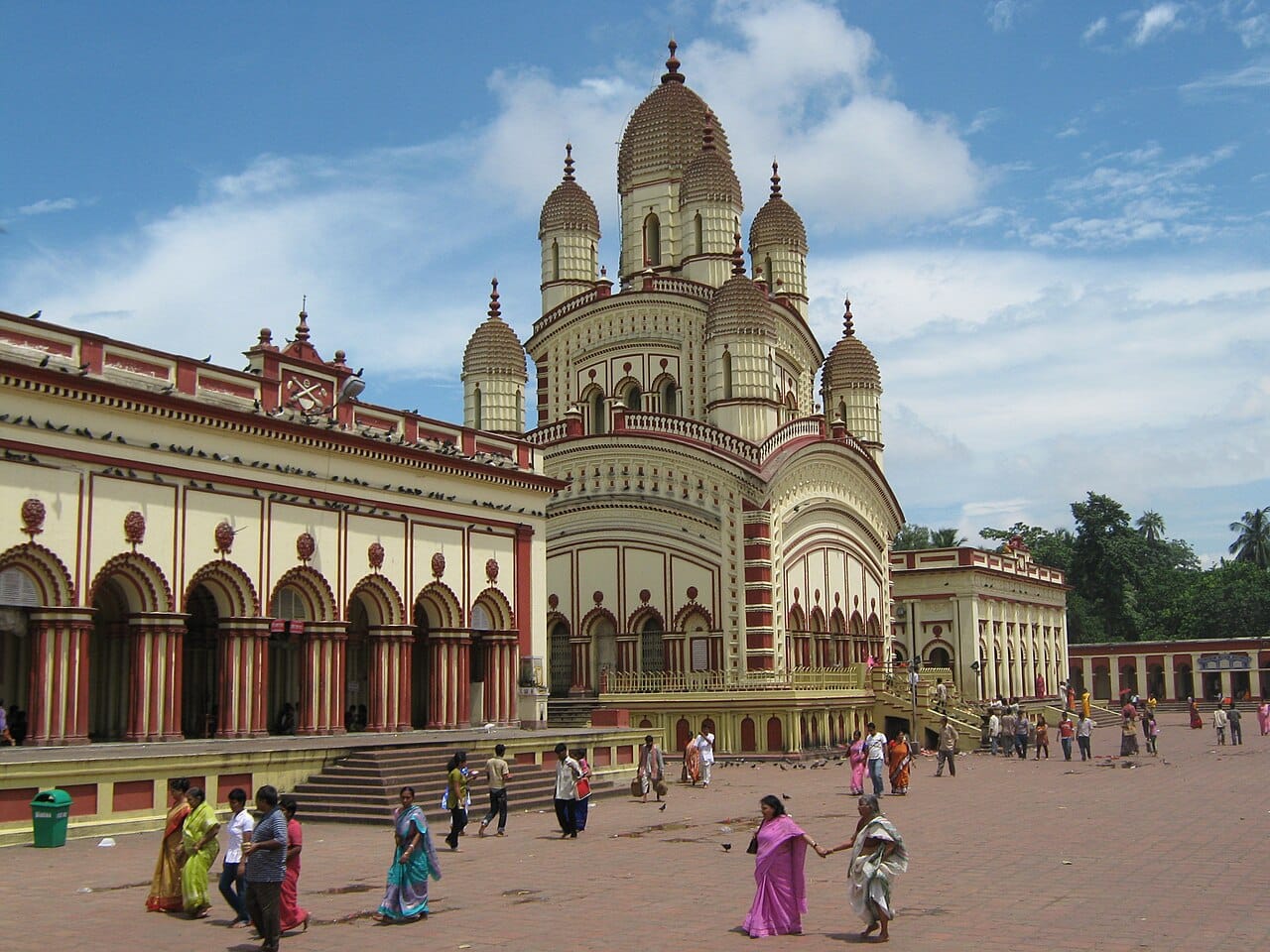
Dakshineshwar Kali Temple
A world-famous 19th-century temple complex on the Hooghly River, immortalized by its association with the saint Sri Ramakrishna Paramahamsa.
Tarapith Temple Birbhum
A major center for Tantric worship dedicated to Goddess Tara, famous for the saint Bamakhyapa and its sacred cremation ground.
Bargabhima Temple Tamluk
An ancient 1,150-year-old temple where Sati's left ankle fell, blending Bengali 'at-chala' and Odia 'Kalinga' styles.
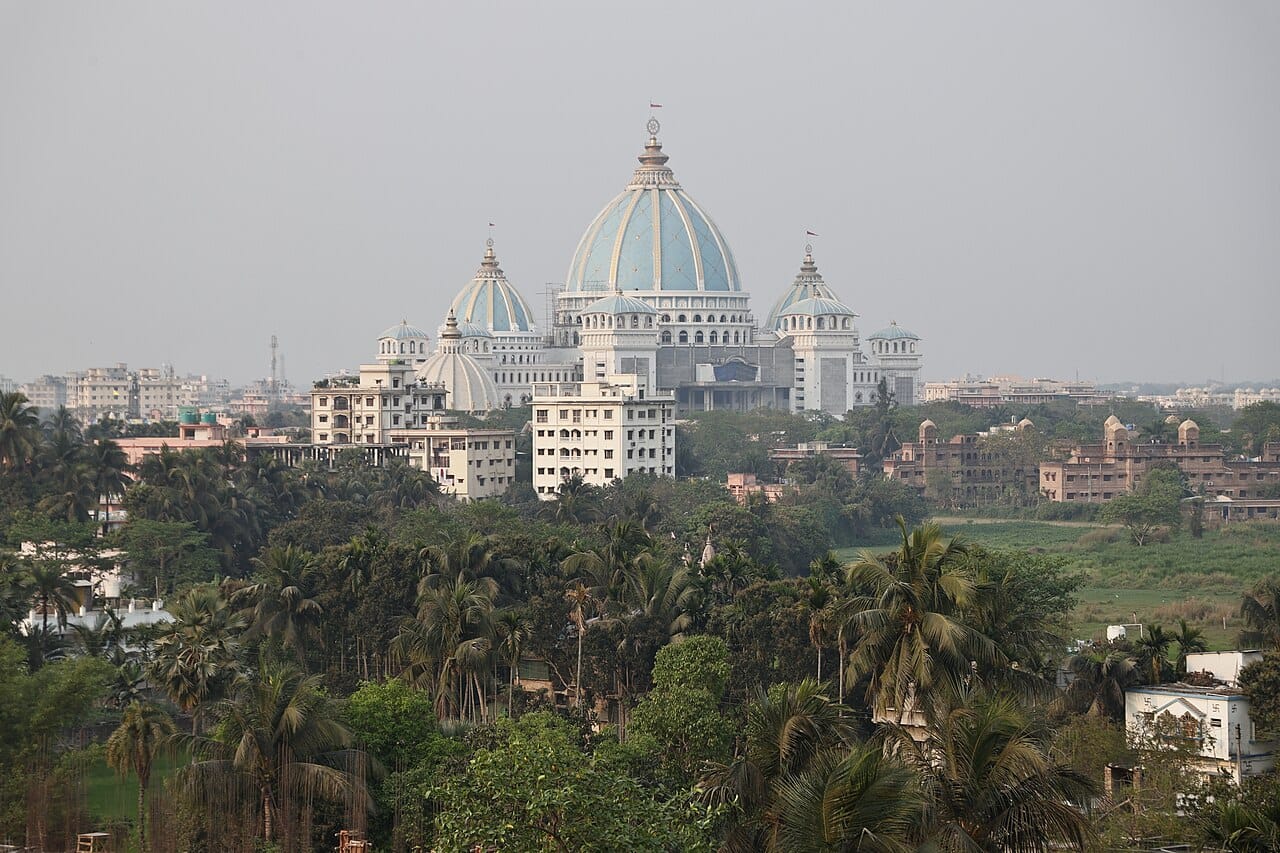
ISKCON Mayapur Nadia
The global headquarters of ISKCON and birthplace of Chaitanya Mahaprabhu, one of the world's most visited Vaishnavite sites.
Rasmancha Bishnupur
The oldest 17th-century brick structure in Bishnupur, unique for its massive pyramidal roof and arched galleries.
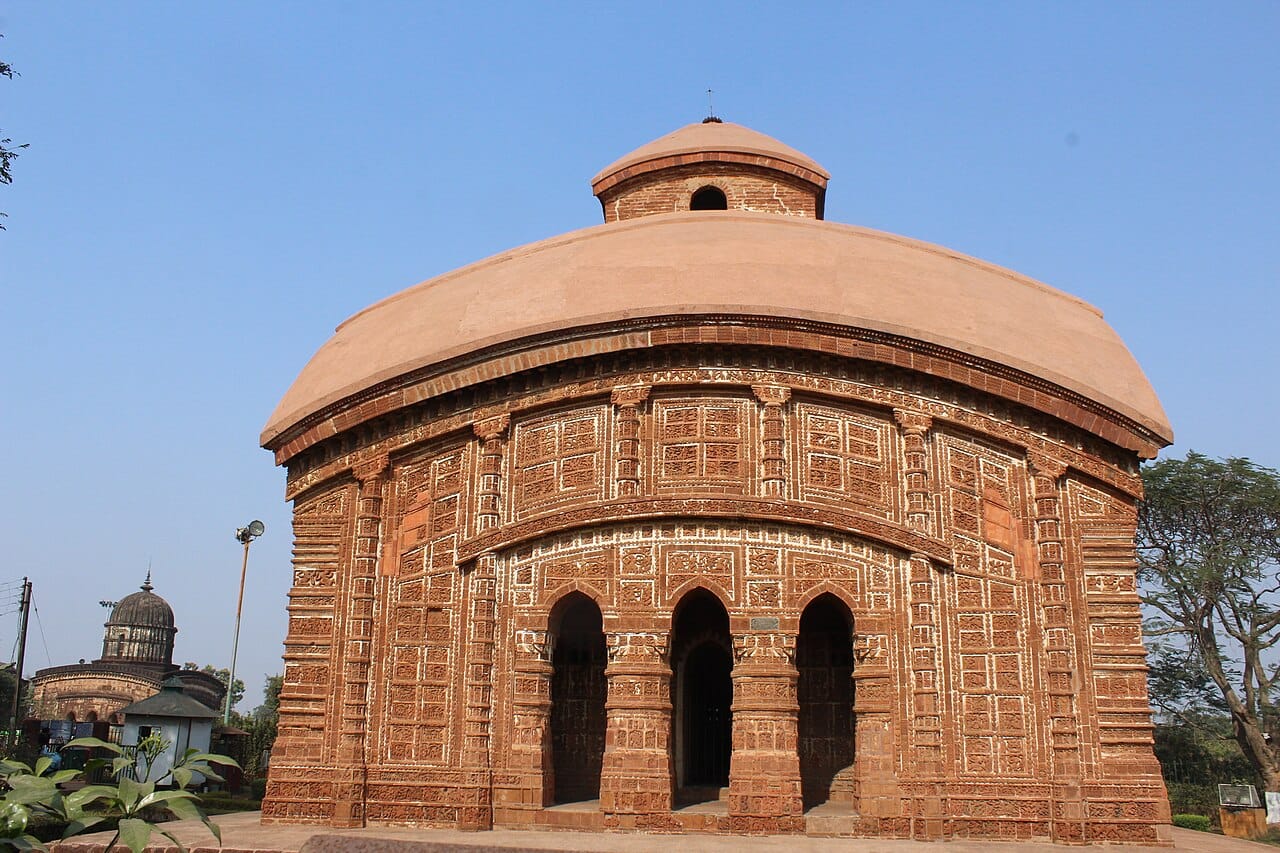
Jor-Bangla Temple Bishnupur
Known for its 'twin hut' design and incredibly detailed terracotta panels depicting the Ramayana and Mahabharata.
Dakshineshwar Kali Temple
A world-famous 19th-century temple complex on the Hooghly River, immortalized by its association with the saint Sri Ramakrishna Paramahamsa.
Hangseshwari Temple Bansberia
A unique temple with 13 lotus-bud towers, representing the human body's anatomy according to Yoga and Tantra.
Vaishno Devi Temple
The Vaishno Devi Temple, a sacred cave shrine nestled in the Trikuta Mountains of Jammu and Kashmir, is one of India's most visited pilgrimage sites, where millions trek 12 km each year to seek blessings of Mata Vaishno Devi at the holy cave complex.
Dhari Devi Temple
A sacred Shakti temple on the banks of the Alaknanda River, considered the guardian deity of the Char Dham Yatra and famous for the idol that changes color three times daily.
Kalkaji Temple
An ancient temple dedicated to Kalka Devi, believed to date back to the Satya Yuga, and highly crowded during Navratri.
Jhandewalan Devi Mandir
One of Delhi's oldest and most revered Shakti shrines, named after the ritual flags (Jhandas) offered by its many devotees.
India's temples are living traditions — not museums. Every temple has its own customs. This guide helps first-time visitors prepare with confidence and respect.
Foreign visitor information is being researched
Please verify with the official temple authority before planning your visit.
Foreign Visitors
Verify Before VisitingVisitor Information
Entry policies vary between temples. Most temples welcome visitors, while some may restrict access to specific areas, rituals, or the inner sanctum. Always verify the latest entry guidelines with the official temple authorities before your visit.
Modest clothing is expected at every Indian temple — a sign of respect, not a restriction. Think of it as dressing for a formal ceremony.
A scarf is always useful — it covers shoulders, works as a head covering, and can double as a makeshift face cover if needed.
Outdoor photography is generally permitted. Indoor photography is often restricted. Always look for signage or ask a priest before taking photos inside.
To truly experience the spiritual energy of Kalighat, one must time their visit carefully. The months from **October to March** offer the most pleasant weather in Kolkata, making the long wait in queues manageable. For those seeking peace, **early mornings (before 6:00 AM)** on weekdays are best. However, for those who want to witness the full intensity of Bengali devotion, visiting during **Kali Puja (October/November)** or **Poila Baisakh (April)** is unparalleled. Tuesdays and Saturdays are considered particularly auspicious for Goddess Kali and thus see much higher crowds. Reach the temple at least an hour before opening to avoid the heaviest rush.
April — June
July — September
English is widely understood at major tourist temples. In smaller local temples, Hindi and the regional language are more common. A smile and simple hand gestures go a long way. Learning a few words of the local language is always appreciated.
Cash (Indian Rupees) is the most reliable option, especially for temple offerings, small shops, and local transport.
UPI digital payments (Google Pay, PhonePe, Paytm) are widely accepted across India — even at roadside stalls. Download one before you arrive.
International credit/debit cards work at most ATMs, hotels, and larger establishments. Smaller vendors may only accept cash or UPI.
Carry small denominations (₹10, ₹20, ₹50, ₹100 notes) for offerings and temple donations. Large notes (₹500, ₹2000) can be hard to break at smaller counters.
Many historic temples have uneven stone floors, multiple steps, and narrow passages. Wheelchair access is limited at older sites — contact the temple in advance.
Basic restroom facilities and drinking water are available at most major temples. Some charge a small fee (₹5–₹10).
Stay hydrated — carry a reusable water bottle, especially in hot climates.
Keep valuables secure — use hotel lockers for passports and excess cash.
Wear comfortable, sturdy footwear — temple floors can be hot, wet, or uneven.
Beware of unofficial guides or touts near temple entrances. Only use authorised services.
Carry a photocopy of your passport and visa. Leave originals in your hotel safe.
Download offline maps — mobile networks can be unreliable near remote temple sites.
These short explanations help make sense of what you see and experience.
Darshan means 'seeing' — but in a temple it means being seen by the deity. It is a sacred moment of connection, not just a viewing.
Removing footwear is a sign of humility. It also keeps the temple floor clean, since devotees sit and pray on the ground.
Food offered to the deity and then distributed to devotees. It is considered blessed. Accept it with both hands and do not discard it.
The bell creates a focused acoustic atmosphere, wards off distractions, and announces your presence before entering the inner sanctum.
Circumambulation (pradakshina) is done clockwise, keeping the sanctum on your right — an auspicious direction aligned with the sun's path.
Flowers symbolise devotion, coconuts represent the ego being broken, incense purifies the air, and lamps represent the victory of light over darkness.
Sacred viewing of the deity; the central act of temple worship.
Clockwise circumambulation of the sanctum.
Blessed food offered to the deity and distributed to devotees.
The innermost sanctum where the main deity resides.
The towering spire above the sanctum, a defining feature of temple architecture.
A pillared hall or pavilion within the temple complex.
The Indian Rupee (?, INR) is the local currency. ATMs are widely available in cities and towns. For temple offerings, keep small notes (₹10, ₹20, ₹50). Most temples accept donations in cash only — digital payments are uncommon at the offering counter itself.
Offerings (dakshina) are given with the right hand. Place cash in the donation box (hundi) or give it directly to the priest. There is no fixed amount — give what feels appropriate. Some temples have fixed fees for special entry or puja participation.
Shoes and sandals are removed before entering the temple building. Most temples have a designated shoe counter (free or a small fee of ₹5–₹20). Socks are generally allowed. In monsoon, carry a plastic bag for wet shoes.
Darshan queues can take 30 minutes to 3 hours at popular temples. Many offer paid VIP darshan (₹100–₹500) for faster entry. Special queues for women, elderly, and disabled visitors exist at some temples. No line jumping.
Major festivals draw enormous crowds — sometimes hundreds of thousands. Book accommodation months in advance. Expect road closures, restricted vehicle access, and limited phone network. Arrive early (before dawn) to avoid the worst congestion.
Always look for signage before taking photos. When in doubt, ask a priest. Never take photos of devotees in prayer without permission. Selfie sticks are banned at most temples. Silently switch your phone to silent mode.
Police / Ambulance / Fire: 112 (National Emergency Number)
Tourist Helpline: 1800-111-363 (Multi-lingual, Ministry of Tourism)
Women's Helpline: 1091
Temple-specific visitor information is continuously researched and updated from official sources. Where specific data is unavailable, general India travel guidance is provided. Always verify current policies with the temple authority before your visit.
Information last verified July 2026. Temple-specific data coming soon.
Continue your journey through the spiritual and architectural wonders of India.

A major center for Tantric worship dedicated to Goddess Tara, famous for the saint Bamakhyapa and its sacred cremation ground.

An ancient 1,150-year-old temple where Sati's left ankle fell, blending Bengali 'at-chala' and Odia 'Kalinga' styles.

A world-famous 19th-century temple complex on the Hooghly River, immortalized by its association with the saint Sri Ramakrishna Paramahamsa.

The global headquarters of ISKCON and birthplace of Chaitanya Mahaprabhu, one of the world's most visited Vaishnavite sites.
The oldest 17th-century brick structure in Bishnupur, unique for its massive pyramidal roof and arched galleries.

Known for its 'twin hut' design and incredibly detailed terracotta panels depicting the Ramayana and Mahabharata.

A five-towered terracotta temple famous for its circular friezes showing the Rasa-lila of Lord Krishna.

A massive 18th-century pilgrimage site dedicated to Lord Taraknath, especially vibrant during the Gajan festival.
"UNESCO was founded in 1945 to promote world peace and security through international cooperation."