From ancient rock-cut marvels to towering imperial shrines, discover the architectural soul of Bharat through our verified digital archive.
Explore More Temples
Location
Vindhyachal
Presiding Deity
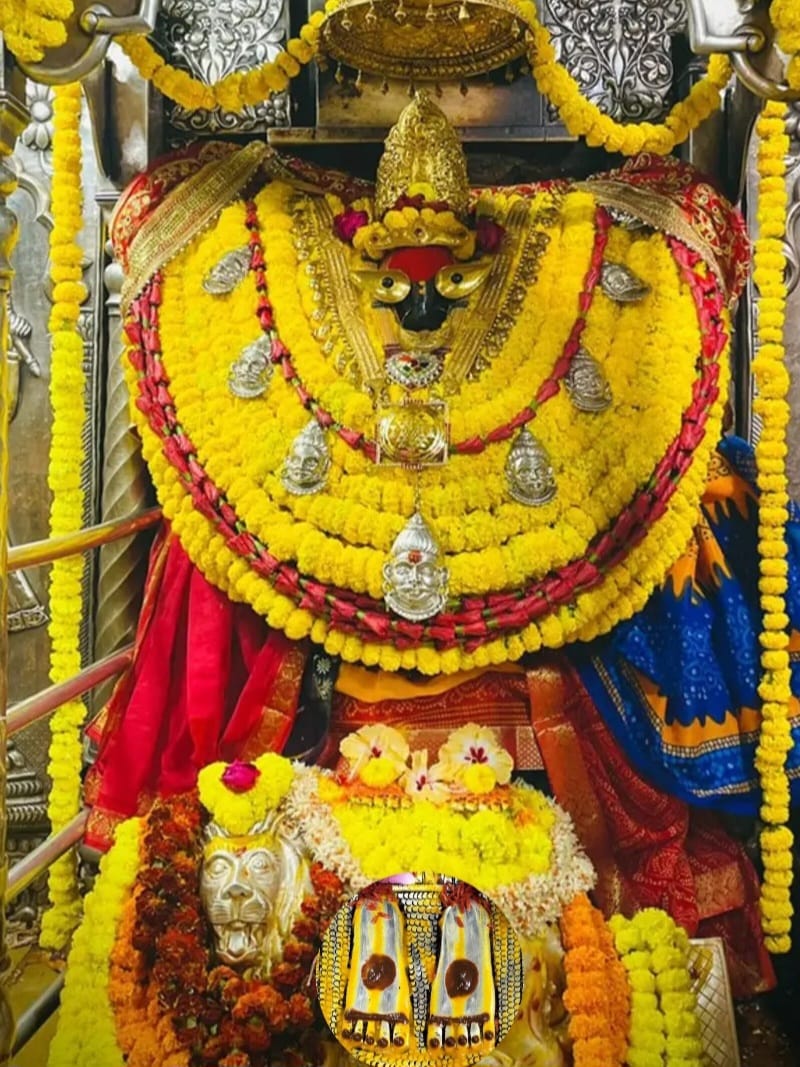
The presiding deity, Maa Vindhyavasini, is worshipped here in the form of Mahalakshmi, the goddess of abundance and spiritual wealth. The idol is a mesmerizing 'Vigraha' carved from a single block of deep black stone, appearing as if emerging directly from the earth. She is depicted with large, wide, and remarkably compassionate eyes that are said to 'pierce the heart' of the seeker, offering a sense of direct communication. The Goddess is adorned with a heavy silver or gold crown, a prominent 'Nath' (nose ring) which is a signature of her iconography, and is perpetually draped in exquisite silk sarees, predominantly in shades of auspicious red and vibrant gold. She is seen in a seated posture, radiating a unique aura that combines maternal warmth with the fierce intensity of a warrior protector. The idol is placed on a silver pedestal, often surrounded by offerings of fresh hibiscus flowers and 'Bel' leaves. For the local 'Pandas' (hereditary priests) and the millions of regular pilgrims, the deity is not a statue but a 'Jagrat Devi'—a living, breathing sovereign who governs the Vindhya region. The feeling of 'Darshan' here is often described as overwhelming, as the small size of the sanctum creates an intense proximity between the devotee and the Divine Mother.
Architecture
Nagara
Dynasty
Ancient
Timings
The temple follows a 24-hour cycle of devotion, though it is officially open for general darshan from 5:00 AM to 10:00 PM. During the peak days of Navratri, the doors remain open around the clock to accommodate the millions of pilgrims. The major Aarti timings are: Mangala Aarti (4:00 AM - 5:00 AM), Madhyaana Bhog Aarti (12:00 PM - 1:30 PM), Sandhya Aarti (7:00 PM - 8:30 PM), and the final Shayan Aarti (9:30 PM - 10:30 PM). Check local schedules, as these can shift slightly based on the lunar calendar and solar positions.
Entry Fee
Free
Best Time
The most ideal time for a spiritual journey to the Vindhyavasini Devi Temple is during the winter months, from October to March. The weather is crisp and pleasant, which is essential for those planning to undertake the 8-km Trikona Parikrama on foot. For seekers who wish to experience the height of Hindu devotion, the 'Sharad Navratri' (October) and the 'Chaitra Navratri' (March/April) are the most significant windows, though one must be prepared for immense crowds and a high-energy environment. The monsoon months (July and August) are perfect for those interested in the 'Kajari' musical traditions and the lush green scenery of the Vindhya hills.
One of India's most visited Shakti Peethas, where Goddess Durga is believed to have resided after slaying Mahishasura.
The history of the Vindhyavasini Temple is as old as the mountains that share its name, echoing through the layers of time from the Vedic age to the present. It finds extensive mention in the 'Markandeya Purana', particularly within the 'Devi Mahatmya' (Durga Saptashati), which chronicles the Goddess's triumphs over demonic forces that threatened the cosmic order. According to local lore and Pauranic texts, after the grueling battle where she slayed the demon king Mahishasura, Goddess Durga did not return immediately to the celestial realms. Instead, she chose the peaceful and strategically located caves of the Vindhya Range to rest and reside, manifesting as 'Vindhyavasini' (the resident of Vindhya). This choice of residence is celebrated as a moment of divine grace for the earthly realm. A profound historical and theological connection exists between this temple and the birth of Lord Krishna, making it a bridge between different sects of Hinduism. In the 'Srimad Bhagavatam', it is described that during the dark night of Krishna's birth in Kansa's prison in Mathura, a divine baby girl was born to Nanda and Yashoda in Gokul. Through divine intervention, Vasudeva exchanged the infant Krishna for this girl child. When the tyrant Kansa attempted to kill her by dashing her against a stone, she slipped from his hands, transformed into her majestic eight-armed form (Yogmaya), and rose into the sky. Before disappearing, she warned Kansa of his impending doom and declared that she would henceforth reside in the Vindhya mountains. This event establishes Vindhyavasini as the elder sister of Lord Krishna, a fact that deepens the temple's significance for both Shaktas and Vaishnavas and links the geography of Braj with the hills of Vindhyachal. Historically, the site has been a center of pilgrimage for millennia, with archaeological evidence in the surrounding Mirzapur district pointing to ancient human settlements and continuous ritual activity. While the current temple structure has been renovated multiple times—most notably during the reign of the Gupta dynasty, who were great patrons of the arts and religion, and later by local chieftains and Maratha rulers—the core idol is considered 'Swayambhu' or self-manifested. The temple faced challenges during the medieval period of invasions, including documented attempts at desecration during the 17th century, yet it remained an unbreakable bastion of the Shakti cult. The resilience of the temple and its priests ensured that the 'Akhand Jyoti' (eternal flame) of the Goddess was never extinguished, consistently drawing devotees from the furthest corners of the Indian subcontinent, from the royalty of Gwalior to the peasants of Bihar.
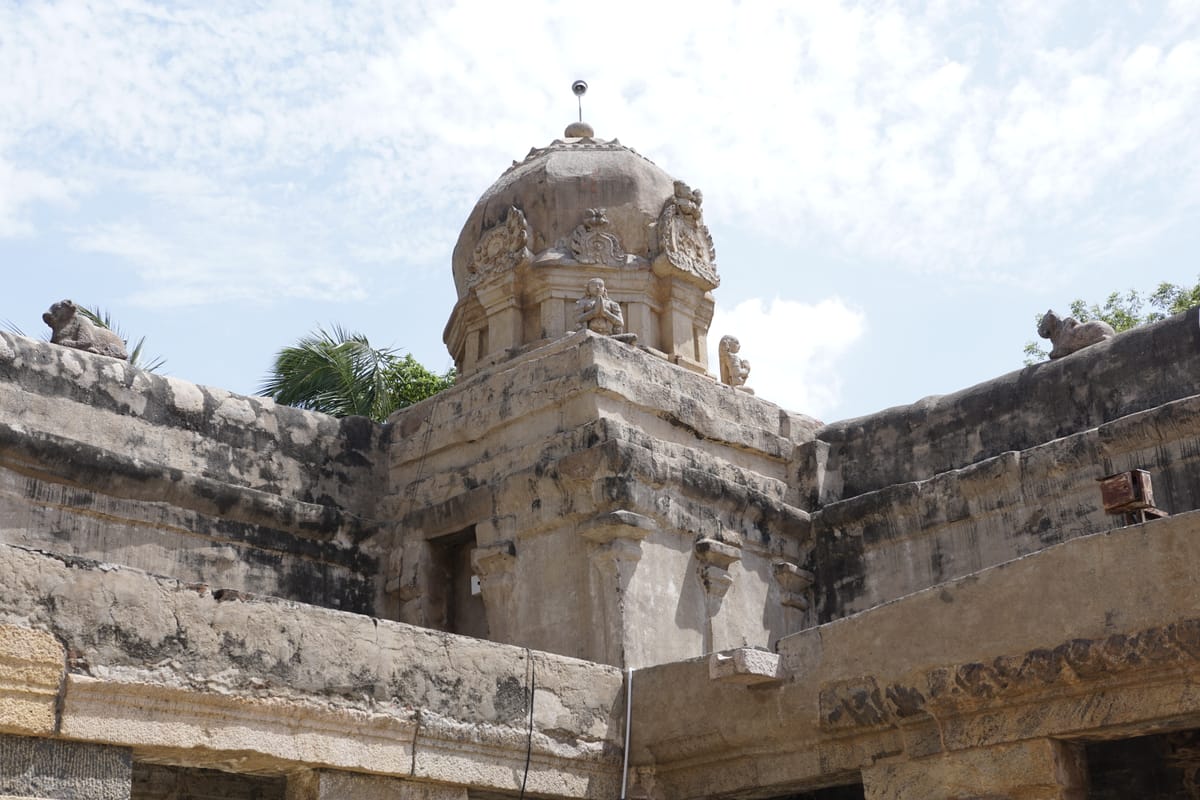
The Vindhyavasini Temple is a classic example of North Indian Nagara architecture, characterized by its emphasis on verticality and symbolic mountain-like forms. Built primarily of local sandstone, the temple features a square plan with a pyramidal shikhara (spire) that rises majestically, topped with a golden 'Kalash' and a fluttering red flag that can be seen from the Ganges. The exterior walls are decorated with intricate carvings of various deities, lions (the Goddess's vahana), and floral motifs that reflect the lush natural environment of the Vindhyas. The 'Garbh Griha' (Sanctum Sanctorum) is small, dark, and intimate, designed to focus the devotee's entire sensory experience on the luminous presence of the Goddess. The floor and walls of the inner sanctum are often covered in silver or brass plates, donated by generations of grateful devotees. Currently, the temple is undergoing a transformative renaissance under the 'Vindhya Dham Corridor' project. Inspired by the grand [Kashi Vishwanath Corridor](/temple/kashi-vishwanath-temple), this ambitious urban-spiritual project is creating a wide, 50-foot parikrama path around the main shrine, removing decades of encroachments to reveal the original majesty of the site. The architecture of the new corridor utilizes the iconic pink Chunar sandstone, known for its durability and warm hue, which has been used in Indian monuments desde the time of Ashoka. This project includes grand entrance gateways (Gopurams) that blend Nagara and regional styles, massive pilgrim facilitation centers, and a direct, aesthetically pleasing walkway from the Ganges ghats to the temple entrance. The silver-plated doors of the sanctum, adorned with relief work depicting the ten Mahavidyas, and the ornate jewelry of the deity are testaments to the continuous patronage and the high level of craftsmanship that the temple has supported over centuries. The integration of modern amenities with ancient stone-carving techniques ensures that the temple remains accessible and grand for future generations.
The theological significance of Vindhyavasini Devi is profoundly multi-layered, making it a unique node in India's sacred geography. Primarily, it is a 'Siddha Peetha', distinguished from the 51 'Shakti Peethas' by the belief that the Goddess resides here in her complete, physical essence rather than through a fallen limb of Sati. This makes the site a supreme powerhouse for 'Sadhana' (spiritual practice), where the veil between the material and divine worlds is believed to be exceptionally thin. The temple is famous for being the only place in the world where the three supreme forms of the Goddess—Mahalakshmi (Vindhyavasini), Mahakali (at the Kali Khoh cave), and Mahasaraswati (at the Ashtabhuja hill)—are worshipped in a single, unified pilgrimage circuit known as the 'Trikona Parikrama' (The Holy Triangle). This triangle represents the three Gunas (qualities) of nature that govern all existence: Sattva (Purity/Knowledge), Rajas (Wealth/Activity), and Tamas (Strength/Destruction). Completing the 8-kilometer pilgrimage, often done barefoot, is believed to harmonize these energies within the devotee, leading to a state of spiritual equilibrium. Furthermore, the temple is a rare and vital site where the 'Vaam Maarg' (Tantric) and 'Dakshina Maarg' (Vedic) traditions of worship coexist and intersect. This synthesis has made Vindhyachal a magnet for both householders seeking worldly blessings and 'Sadhus' seeking occult mastery. The positioning of the temple on the southern bank of the Ganges, which flows towards the north (Uttravahini) at this specific spot, is considered extremely auspicious in Vastu and spiritual geography, symbolizing the reversal of the mundane flow of life toward the heights of consciousness. The temple's proximity to other major spiritual anchors like [Kashi Vishwanath](/temple/kashi-vishwanath-temple) in Varanasi, just 70 km away, and the [Shri Ram Janmabhoomi](/temple/shri-ram-janmabhoomi-mandir) in Ayodhya, further cements its status as a critical destination within the 'Holy Circle' of Uttar Pradesh, forming a spiritual trinity of Shiva, Rama, and Shakti in the heart of India.
Rituals at the Vindhyavasini Temple are a symphony of ancient Vedic traditions and local folk devotion, performed with unwavering precision throughout the day. The spiritual cycle begins with the 'Mangala Aarti' (4:00 AM to 5:00 AM), an exceptionally holy hour where the Goddess is awakened, bathed with Ganges water, and offered fresh garments. Participating in this aarti is believed to grant the 'Siddhi' of one's efforts for the day. This is followed by the 'Madhyaana Aarti' at noon, the 'Sandhya Aarti' at dusk, and the 'Shayan Aarti' late at night, each accompanied by the rhythmic beating of heavy brass bells and the blowing of conch shells. A unique and highly sought-after ritual is the 'Shringar', where the deity is decorated with flowers and jewelry in a ceremony that can last over an hour. Devotees often sponsor these shringars as an act of thanksgiving. The temple is also a major center for 'Kumari Kanya Puja', where young pre-pubescent girls are worshipped as living forms of the Goddess, especially during the Navratri periods. The offering of 'Lapsi' (a sweet preparation) and 'Puri' as Bhog is a local tradition. The atmosphere is further heightened by the 'Akhand Path' (continuous recitation) of the Durga Saptashati in the temple courtyards. Many devotees also perform 'Dhwaj-arohan' (hoisting of a new flag) atop the temple, a ritual that symbolizes the victory of Dharma over ego.
The Navratri festivals, occurring twice a year in the months of Chaitra (spring) and Ashwin (autumn), are the spiritual peaks of the Vindhyachal calendar. During these eighteen days (nine in each season), the entire town of Vindhyachal is transformed into a vibrant, surging sea of faith. It is believed that the Goddess's energy is most potent and accessible during these periods. The 'Trikona Parikrama' path, spanning 8 km, is illuminated with millions of lights, and pilgrims perform the circuit barefoot, often carrying pots of sprouting grain (Hariyali) as a symbol of fertility and growth. A culturally unique festival is 'Kajari Teej', celebrated during the monsoon months of Shravana and Bhadrapada. Vindhyachal is considered the birthplace of 'Kajari' folk songs. Local women and professional folk singers gather in the temple precincts and on the banks of the Ganges to sing these melodic, soul-stirring songs as an offering to the Mother. This tradition has preserved a rich oral heritage that blends spiritual yearning with the rhythms of the agricultural cycle. Additionally, the 'Sharad Purnima' (the full moon night after Navratri) is celebrated with 'Kheer' offerings, and the temple remains open throughout the night. The 'Deepawali' celebrations here are particularly grand, marking the Goddess's aspect as Mahalakshmi, with the new 'Vindhya Corridor' and the Ganga ghats being lit by over five lakh oil lamps, creating a terrestrial reflection of the Milky Way.
Trikona Parikrama (The Holy Triangle), Being a prominent Siddha Peetha, Connection to the birth of Lord Krishna (Yogmaya), The upcoming grand Vindhya Dham Corridor, and Ancient cave and hill shrines.
The most ideal time for a spiritual journey to the Vindhyavasini Devi Temple is during the winter months, from October to March. The weather is crisp and pleasant, which is essential for those planning to undertake the 8-km Trikona Parikrama on foot. For seekers who wish to experience the height of Hindu devotion, the 'Sharad Navratri' (October) and the 'Chaitra Navratri' (March/April) are the most significant windows, though one must be prepared for immense crowds and a high-energy environment. The monsoon months (July and August) are perfect for those interested in the 'Kajari' musical traditions and the lush green scenery of the Vindhya hills.
The temple follows a 24-hour cycle of devotion, though it is officially open for general darshan from 5:00 AM to 10:00 PM. During the peak days of Navratri, the doors remain open around the clock to accommodate the millions of pilgrims. The major Aarti timings are: Mangala Aarti (4:00 AM - 5:00 AM), Madhyaana Bhog Aarti (12:00 PM - 1:30 PM), Sandhya Aarti (7:00 PM - 8:30 PM), and the final Shayan Aarti (9:30 PM - 10:30 PM). Check local schedules, as these can shift slightly based on the lunar calendar and solar positions.
A. The Trikona Parikrama is a sacred 8-km triangular circuit that covers three main shrines: the Vindhyavasini Temple (representing Mahalakshmi), the Kali Khoh temple in a cave (representing Mahakali), and the Ashtabhuja Temple on a hill (representing Mahasaraswati). Traditionally, it is done barefoot and begins after a holy dip in the Ganges. Local autos and a ropeway to the hilltop are available for those with physical limitations.
A. According to the Puranas, she is the divine energy (Yogmaya) born as the daughter of Nanda and Yashoda. She was exchanged with infant Krishna to protect him from Kansa. When Kansa tried to kill her, she manifested in her multi-armed form, announced his death, and flew to the Vindhya mountains to reside there eternally as the protector of the righteous.
A. A Shakti Peetha is associated with a fallen body part of Sati. However, a Siddha Peetha like Vindhyachal is considered a place where the Goddess resides in her 'Sampurna' (complete) and living form. It is a site where she performed penance and continues to manifest her presence directly to her devotees.
Patal Bhuvaneshwar Cave
An underground limestone cave temple where legend says the entire pantheon of Hindu gods reside in rock formations.
Lalita Devi Temple Naimisharanya
Located in the ancient forest of Naimisharanya, it is mentioned in Puranas as the spot where the universe's first Chakra fell.
Amarnath Cave Temple
One of the holiest shrines at 3,888m altitude, famous for its naturally occurring ice stalagmite Shiva Lingam.
Peer Kho Cave Temple
A cave temple on the Tawi banks where legend says Jamvant meditated; it is one of the oldest and most atmospheric in Jammu.
Saketri Temple
An ancient Shiva temple in Saketri village known for its rare four-spire architecture.
Adi Badri Uttarakhand
A complex of 16 ancient temples from the Gupta period; it is believed Vishnu resided here before moving to Badrinath.
Baijnath Temple Uttarakhand
A 12th-century complex on the Gomti banks, famous for its life-sized black stone idol of Goddess Parvati.
Lalita Devi Temple Naimisharanya
Located in the ancient forest of Naimisharanya, it is mentioned in Puranas as the spot where the universe's first Chakra fell.
Bateshwar Temples Agra
A complex of 101 Shiva temples built on the banks of Yamuna, representing a significant pilgrimage and architectural site.
Gauri Shankar Temple Delhi
An 800-year-old temple in Chandni Chowk built by a Maratha soldier, housing a centuries-old brown Shiva Lingam.
Jagatpita Brahma Temple
One of the very few temples in the world dedicated to Lord Brahma, the creator god, located by the sacred Pushkar Lake.
Kalighat Kali Temple
A major Shakti Peetha where the toes of Sati's right foot fell, serving as the spiritual heart of Kolkata.
Tarapith Temple Birbhum
A major center for Tantric worship dedicated to Goddess Tara, famous for the saint Bamakhyapa and its sacred cremation ground.
Bargabhima Temple Tamluk
An ancient 1,150-year-old temple where Sati's left ankle fell, blending Bengali 'at-chala' and Odia 'Kalinga' styles.
Vaishno Devi Temple
The Vaishno Devi Temple, a sacred cave shrine nestled in the Trikuta Mountains of Jammu and Kashmir, is one of India's most visited pilgrimage sites, where millions trek 12 km each year to seek blessings of Mata Vaishno Devi at the holy cave complex.
Dhari Devi Temple
A sacred Shakti temple on the banks of the Alaknanda River, considered the guardian deity of the Char Dham Yatra and famous for the idol that changes color three times daily.
Vishalakshi Temple
The Vishalakshi Temple, located in the narrow lanes of Mir Ghat near the Ganges in Varanasi, is one of the 51 Shakti Peethas where the earrings of Goddess Sati are believed to have fallen. Dedicated to the 'wide-eyed' goddess Vishalakshi, the temple is the first stop on the traditional Kashi Yatra pilgrimage circuit and is considered the consort shrine of the neighbouring Kashi Vishwanath Temple.
Vishalakshi Temple
The Vishalakshi Temple, located in the narrow lanes of Mir Ghat near the Ganges in Varanasi, is one of the 51 Shakti Peethas where the earrings of Goddess Sati are believed to have fallen. Dedicated to the 'wide-eyed' goddess Vishalakshi, the temple is the first stop on the traditional Kashi Yatra pilgrimage circuit and is considered the consort shrine of the neighbouring Kashi Vishwanath Temple.
Dashavatara Temple
Dating to around 500 CE, this is the earliest known North Indian temple with a shikhara (curvilinear tower). The temple is famous for its carved panels depicting the ten incarnations (Dashavatara) of Vishnu on the sanctum walls.
Shri Ram Janmabhoomi Mandir
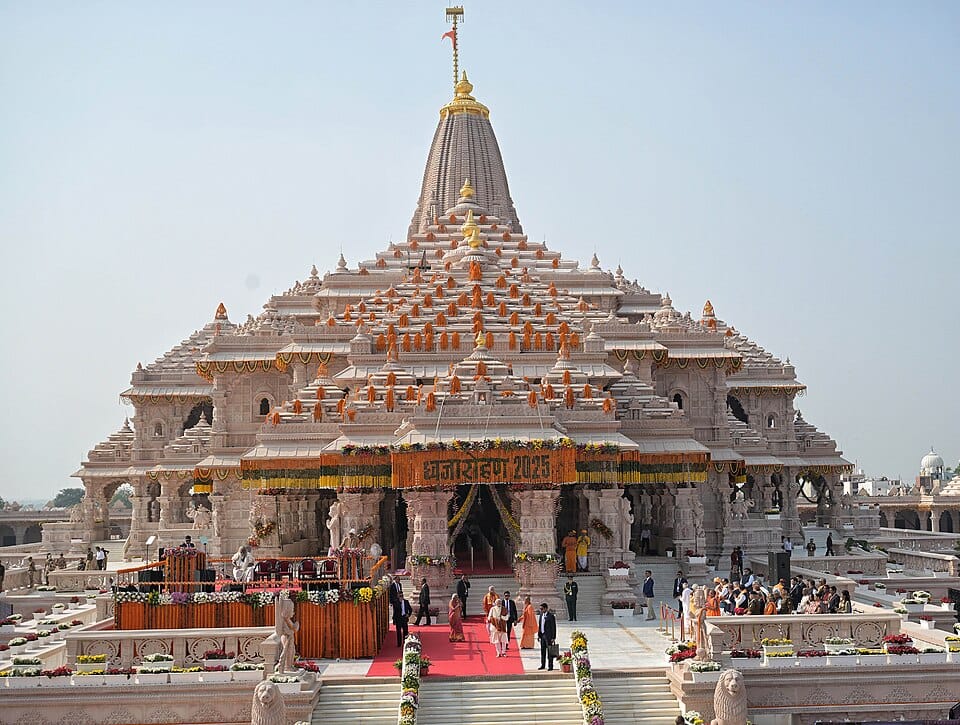
A grand and historic temple marking the birthplace of Lord Rama, the seventh avatar of Vishnu, representing the pinnacle of Nagara architecture.
Hanuman Garhi
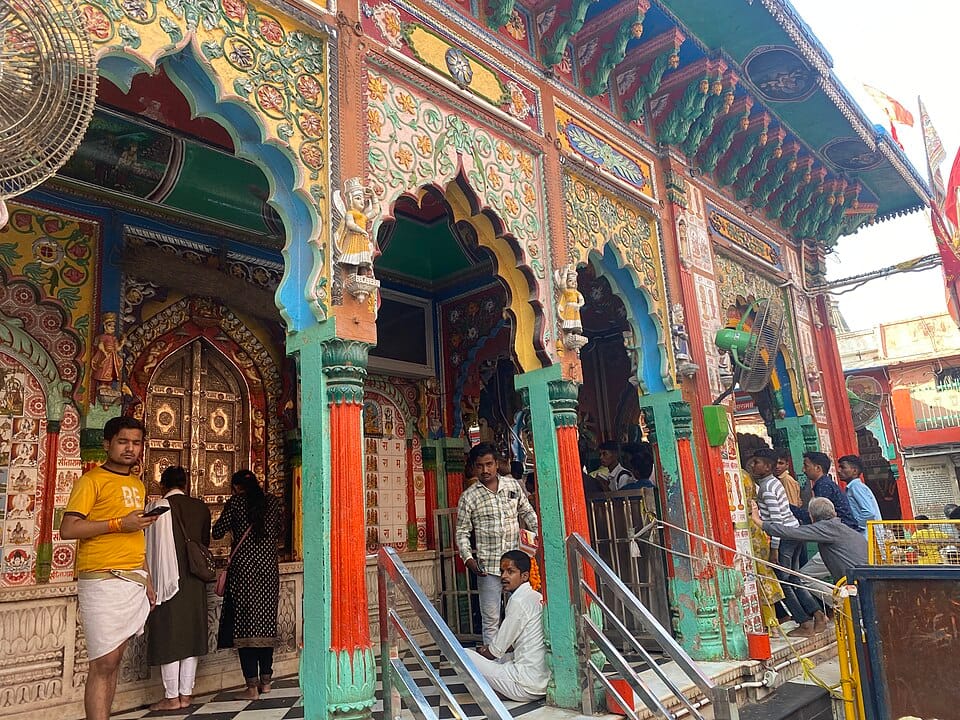
A hilltop temple dedicated to Lord Hanuman, the guardian deity of Ayodhya, reached by climbing 76 sacred steps.
Prem Mandir
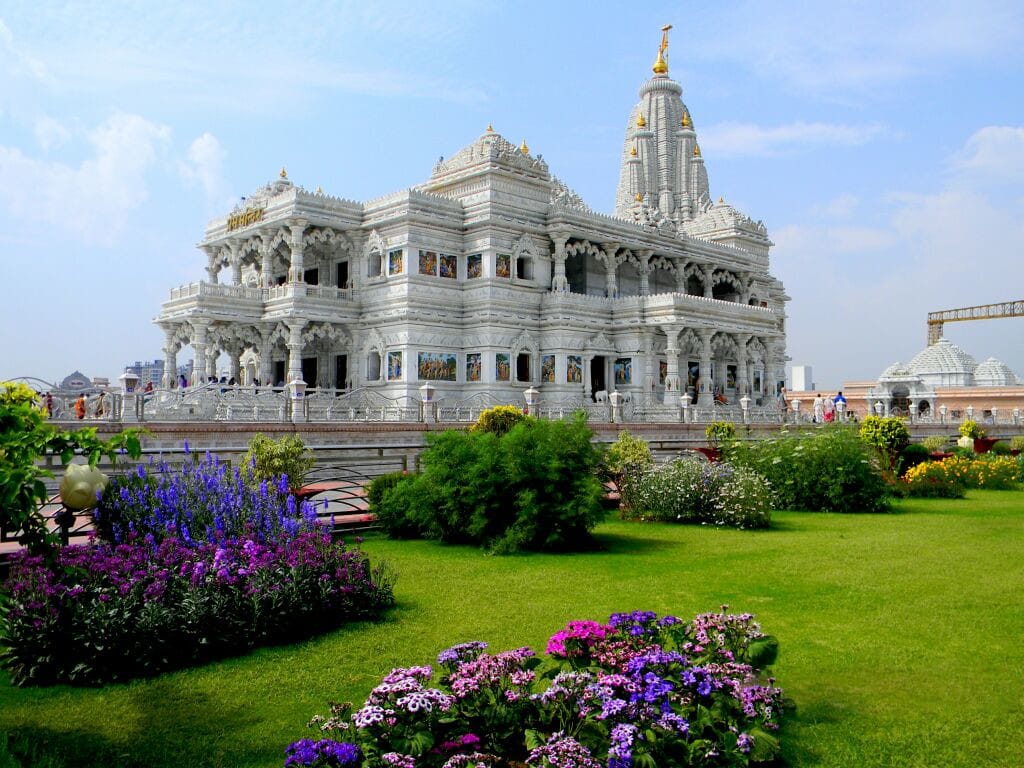
A stunning modern white-marbled complex in Vrindavan dedicated to Divine Love, known for its life-like tableaus of Krishna's pastimes.
Banke Bihari Temple
Among the most famous Krishna temples in India, where the deity is worshipped as a child and curtains are drawn frequently.
Tarakeshwar Temple Hooghly
A massive 18th-century pilgrimage site dedicated to Lord Taraknath, especially vibrant during the Gajan festival.
Virupaksha Temple
The Virupaksha Temple in Hampi, Karnataka, is a UNESCO World Heritage Site and the oldest functioning temple in India, dedicated to Lord Shiva as Virupaksha.
Jageshwar Temple
A cluster of 124 ancient stone temples from the 7th-12th centuries, nestled in a dense deodar forest.
Neelkanth Mahadev Temple
Situated at 1,330 meters, this is where Lord Shiva is believed to have consumed the poison (Halahala) during the Samudra Manthan.
Tungnath Temple
The highest Shiva temple in the world, situated at 3,680 meters on the Chandranath Parbat; it is the 'Tritiya Kedar' in the sacred Panch Kedar pilgrimage circuit.
Rudranath Temple
One of the Panch Kedar shrines, representing Lord Shiva's face, situated at an altitude of 2,286 meters amidst meadows and rhododendron forests.
India's temples are living traditions — not museums. Every temple has its own customs. This guide helps first-time visitors prepare with confidence and respect.
Foreign visitor information is being researched
Please verify with the official temple authority before planning your visit.
Foreign Visitors
Verify Before VisitingVisitor Information
Entry policies vary between temples. Most temples welcome visitors, while some may restrict access to specific areas, rituals, or the inner sanctum. Always verify the latest entry guidelines with the official temple authorities before your visit.
Modest clothing is expected at every Indian temple — a sign of respect, not a restriction. Think of it as dressing for a formal ceremony.
A scarf is always useful — it covers shoulders, works as a head covering, and can double as a makeshift face cover if needed.
Outdoor photography is generally permitted. Indoor photography is often restricted. Always look for signage or ask a priest before taking photos inside.
The most ideal time for a spiritual journey to the Vindhyavasini Devi Temple is during the winter months, from October to March. The weather is crisp and pleasant, which is essential for those planning to undertake the 8-km Trikona Parikrama on foot. For seekers who wish to experience the height of Hindu devotion, the 'Sharad Navratri' (October) and the 'Chaitra Navratri' (March/April) are the most significant windows, though one must be prepared for immense crowds and a high-energy environment. The monsoon months (July and August) are perfect for those interested in the 'Kajari' musical traditions and the lush green scenery of the Vindhya hills.
April — June
July — September
English is widely understood at major tourist temples. In smaller local temples, Hindi and the regional language are more common. A smile and simple hand gestures go a long way. Learning a few words of the local language is always appreciated.
Cash (Indian Rupees) is the most reliable option, especially for temple offerings, small shops, and local transport.
UPI digital payments (Google Pay, PhonePe, Paytm) are widely accepted across India — even at roadside stalls. Download one before you arrive.
International credit/debit cards work at most ATMs, hotels, and larger establishments. Smaller vendors may only accept cash or UPI.
Carry small denominations (₹10, ₹20, ₹50, ₹100 notes) for offerings and temple donations. Large notes (₹500, ₹2000) can be hard to break at smaller counters.
Many historic temples have uneven stone floors, multiple steps, and narrow passages. Wheelchair access is limited at older sites — contact the temple in advance.
Basic restroom facilities and drinking water are available at most major temples. Some charge a small fee (₹5–₹10).
Stay hydrated — carry a reusable water bottle, especially in hot climates.
Keep valuables secure — use hotel lockers for passports and excess cash.
Wear comfortable, sturdy footwear — temple floors can be hot, wet, or uneven.
Beware of unofficial guides or touts near temple entrances. Only use authorised services.
Carry a photocopy of your passport and visa. Leave originals in your hotel safe.
Download offline maps — mobile networks can be unreliable near remote temple sites.
These short explanations help make sense of what you see and experience.
Darshan means 'seeing' — but in a temple it means being seen by the deity. It is a sacred moment of connection, not just a viewing.
Removing footwear is a sign of humility. It also keeps the temple floor clean, since devotees sit and pray on the ground.
Food offered to the deity and then distributed to devotees. It is considered blessed. Accept it with both hands and do not discard it.
The bell creates a focused acoustic atmosphere, wards off distractions, and announces your presence before entering the inner sanctum.
Circumambulation (pradakshina) is done clockwise, keeping the sanctum on your right — an auspicious direction aligned with the sun's path.
Flowers symbolise devotion, coconuts represent the ego being broken, incense purifies the air, and lamps represent the victory of light over darkness.
Sacred viewing of the deity; the central act of temple worship.
Clockwise circumambulation of the sanctum.
Blessed food offered to the deity and distributed to devotees.
The innermost sanctum where the main deity resides.
The towering spire above the sanctum, a defining feature of temple architecture.
A pillared hall or pavilion within the temple complex.
The Indian Rupee (?, INR) is the local currency. ATMs are widely available in cities and towns. For temple offerings, keep small notes (₹10, ₹20, ₹50). Most temples accept donations in cash only — digital payments are uncommon at the offering counter itself.
Offerings (dakshina) are given with the right hand. Place cash in the donation box (hundi) or give it directly to the priest. There is no fixed amount — give what feels appropriate. Some temples have fixed fees for special entry or puja participation.
Shoes and sandals are removed before entering the temple building. Most temples have a designated shoe counter (free or a small fee of ₹5–₹20). Socks are generally allowed. In monsoon, carry a plastic bag for wet shoes.
Darshan queues can take 30 minutes to 3 hours at popular temples. Many offer paid VIP darshan (₹100–₹500) for faster entry. Special queues for women, elderly, and disabled visitors exist at some temples. No line jumping.
Major festivals draw enormous crowds — sometimes hundreds of thousands. Book accommodation months in advance. Expect road closures, restricted vehicle access, and limited phone network. Arrive early (before dawn) to avoid the worst congestion.
Always look for signage before taking photos. When in doubt, ask a priest. Never take photos of devotees in prayer without permission. Selfie sticks are banned at most temples. Silently switch your phone to silent mode.
Police / Ambulance / Fire: 112 (National Emergency Number)
Tourist Helpline: 1800-111-363 (Multi-lingual, Ministry of Tourism)
Women's Helpline: 1091
Temple-specific visitor information is continuously researched and updated from official sources. Where specific data is unavailable, general India travel guidance is provided. Always verify current policies with the temple authority before your visit.
Information last verified July 2026. Temple-specific data coming soon.
Continue your journey through the spiritual and architectural wonders of India.

Located in the ancient forest of Naimisharanya, it is mentioned in Puranas as the spot where the universe's first Chakra fell.

A complex of 101 Shiva temples built on the banks of Yamuna, representing a significant pilgrimage and architectural site.

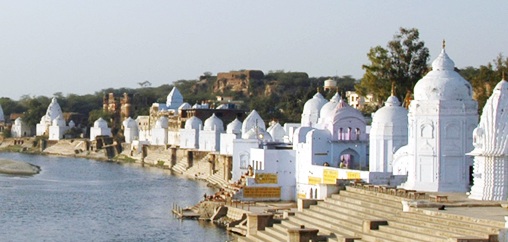
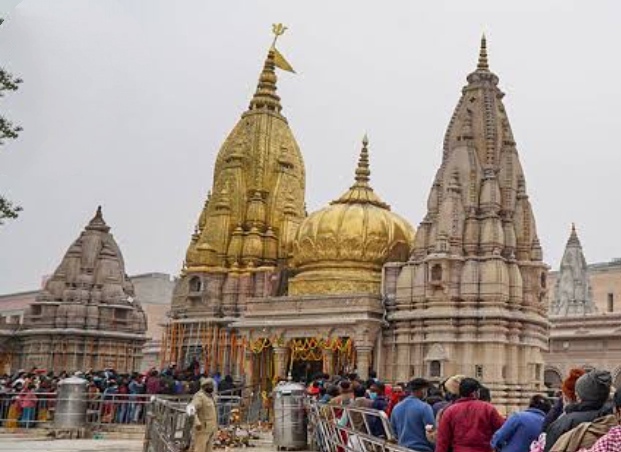
Kashi Vishwanath Temple in Varanasi, one of the twelve Jyotirlingas and the most sacred Shiva temple in Hinduism, stands on the western bank of the holy Ganga.

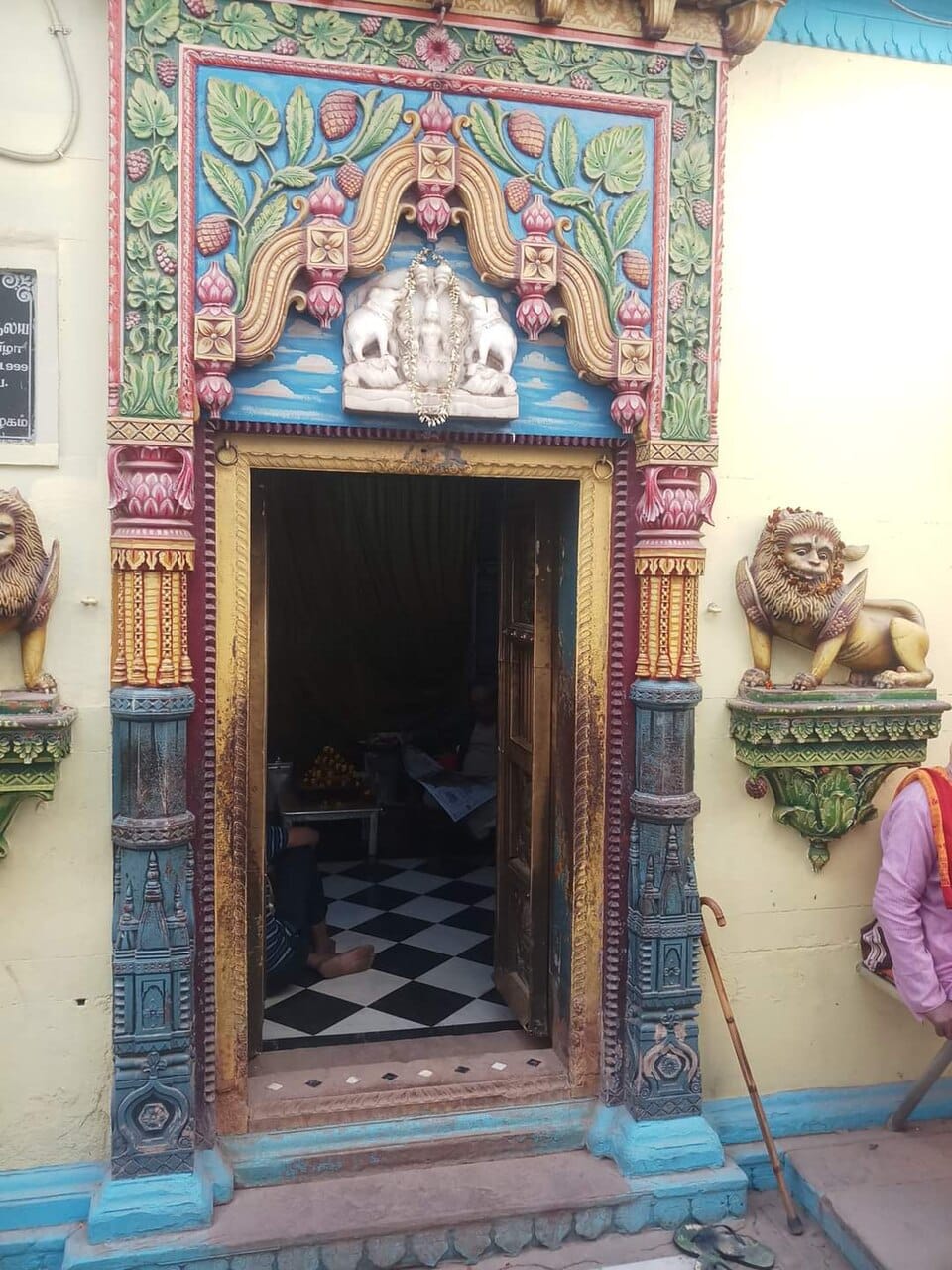
The Vishalakshi Temple, located in the narrow lanes of Mir Ghat near the Ganges in Varanasi, is one of the 51 Shakti Peethas where the earrings of Goddess Sati are believed to have fallen. Dedicated to the 'wide-eyed' goddess Vishalakshi, the temple is the first stop on the traditional Kashi Yatra pilgrimage circuit and is considered the consort shrine of the neighbouring Kashi Vishwanath Temple.
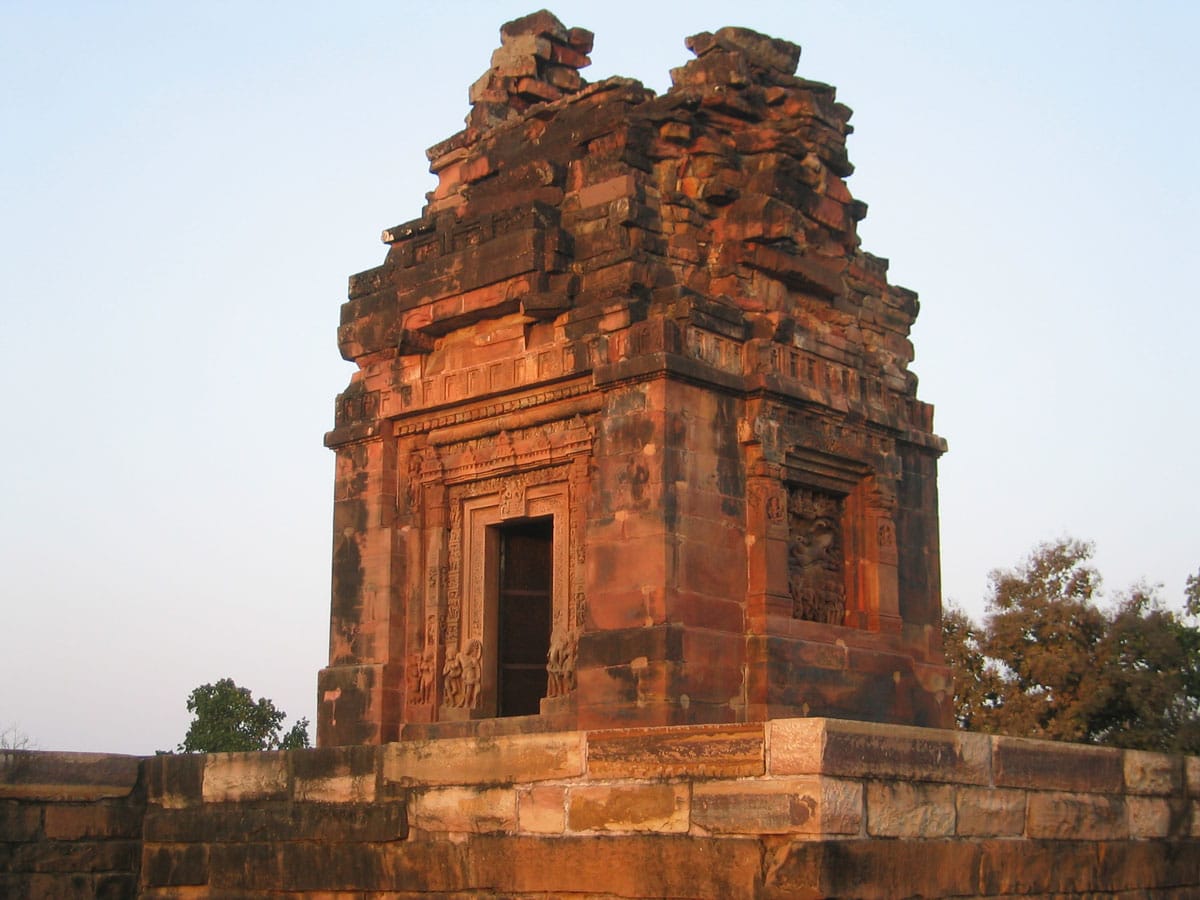
Dating to around 500 CE, this is the earliest known North Indian temple with a shikhara (curvilinear tower). The temple is famous for its carved panels depicting the ten incarnations (Dashavatara) of Vishnu on the sanctum walls.

A grand and historic temple marking the birthplace of Lord Rama, the seventh avatar of Vishnu, representing the pinnacle of Nagara architecture.

A hilltop temple dedicated to Lord Hanuman, the guardian deity of Ayodhya, reached by climbing 76 sacred steps.

A stunning modern white-marbled complex in Vrindavan dedicated to Divine Love, known for its life-like tableaus of Krishna's pastimes.
"India has over 40 UNESCO World Heritage Sites, ranging from ancient temples to natural wonders."