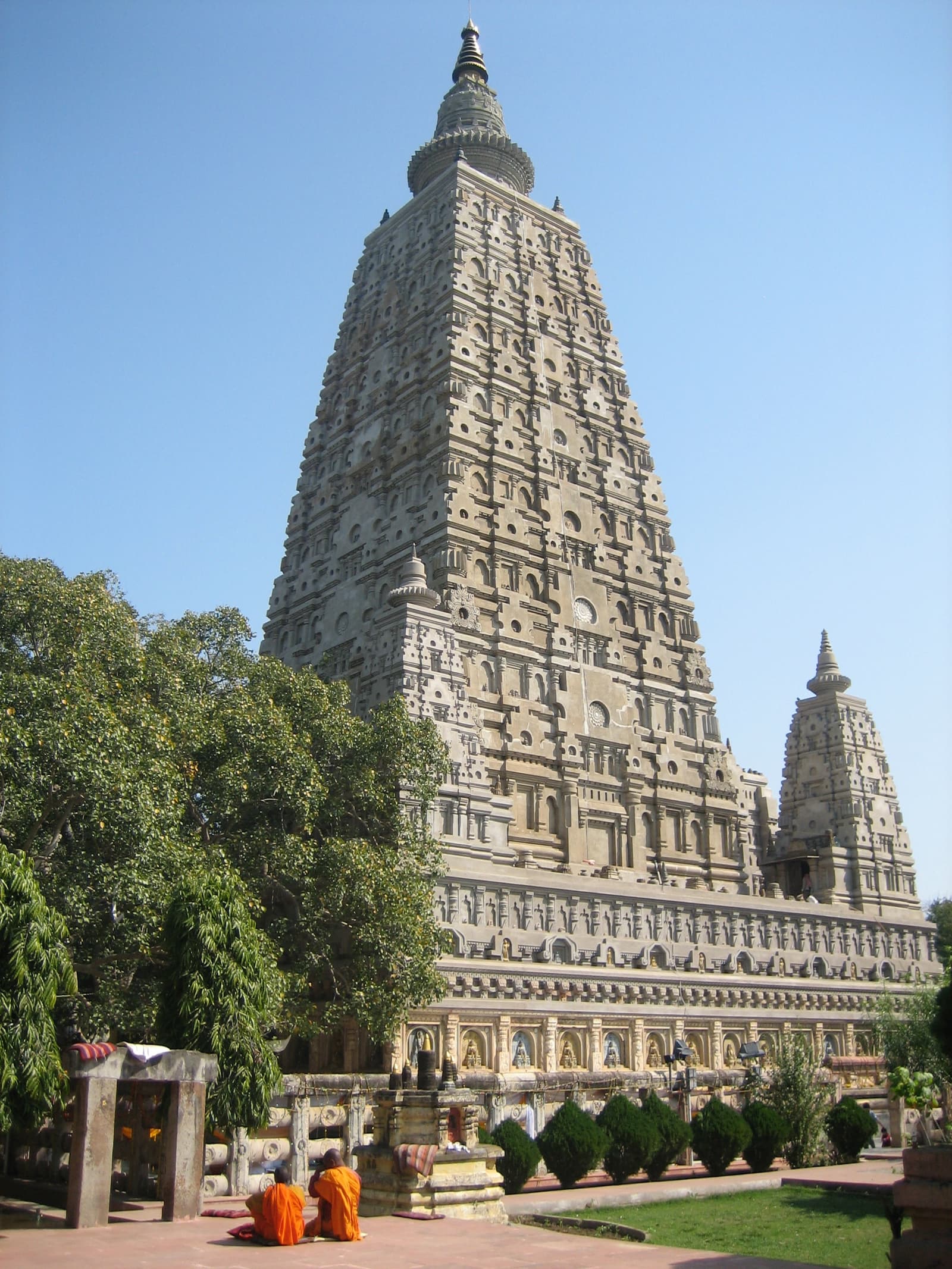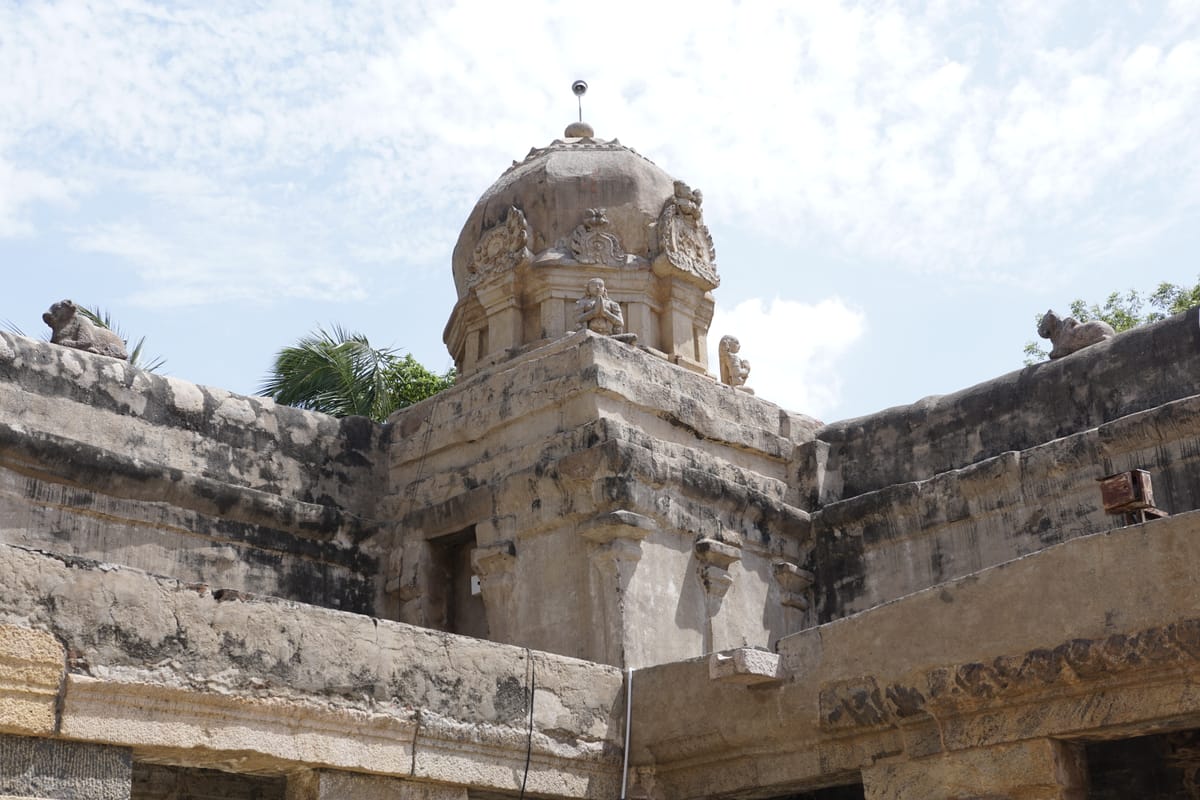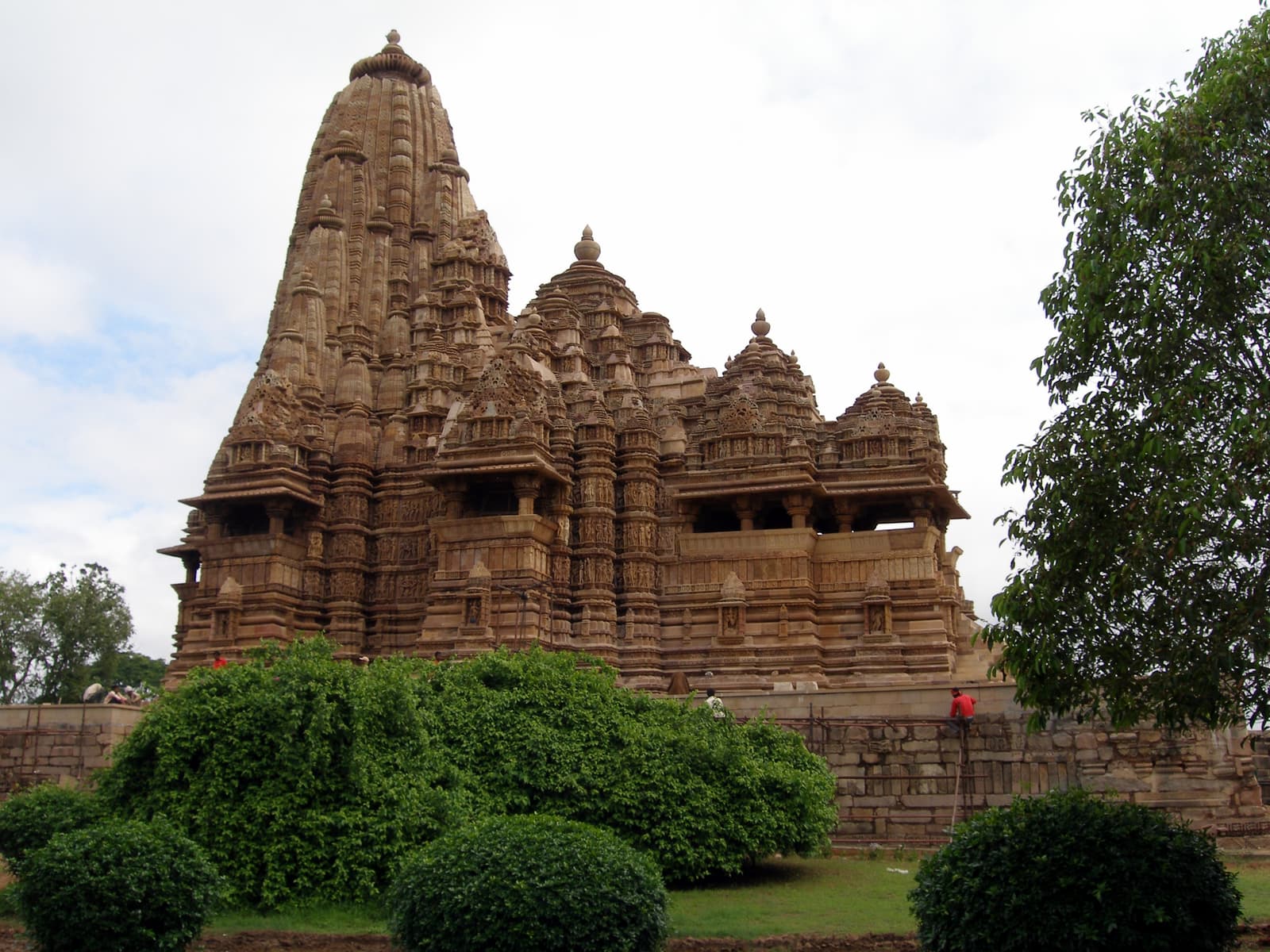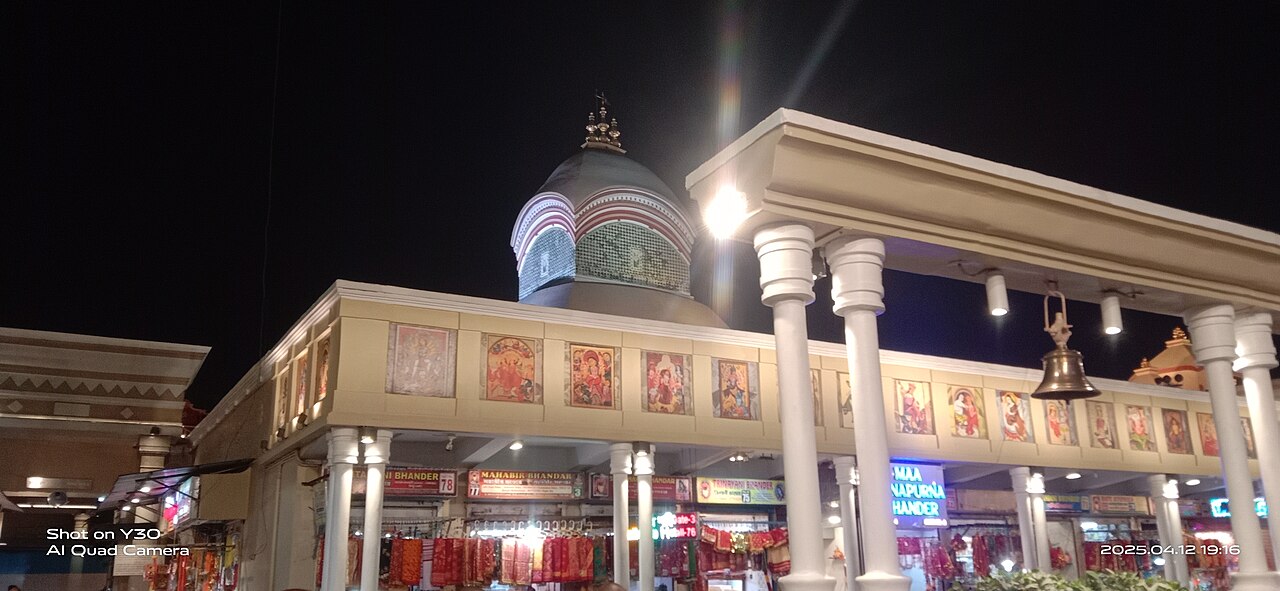
From ancient rock-cut marvels to towering imperial shrines, discover the architectural soul of Bharat through our verified digital archive.
Explore More Temples
Location
Tarapith
Presiding Deity
Goddess Tara
Architecture
Bengali Chala
Dynasty
Ancient — Pala
Timings
The Tarapith temple follows a structured daily schedule that accommodates both the ritualistic needs of the deity and the flow of the thousands of devotees who visit daily. The temple opens at 5:30 AM for the 'Mangal Aarti' and the initial darshan. The 'Nija-Rupa' darshan, where one can see the original stone image before it is covered with the silver mask and ornaments, happens between 6:00 AM and 8:00 AM. The temple remains open throughout the morning, closing briefly for the 'Madhyanna Bhog' (Mid-day Offering) between 1:30 PM and 3:00 PM. It re-opens in the afternoon and stays open until the final 'Shital Aarti' and closing at 9:00 PM. During major festivals like Kaushiki Amavasya, the temple often remains open 24 hours to accommodate the massive influx of pilgrims. Reach the temple as early as possible to avoid long queues and to witness the serene morning rituals — the most spiritually potent part of the day.
Entry Fee
Free
Best Time
To truly experience the spiritual essence of Tarapith, planning the timing of your visit is crucial. The most comfortable and popular time is during the winter months, from **October to March**. During this period, the weather in West Bengal is pleasantly cool and dry, making it ideal for spending long hours in the temple complex or exploring the Mahashamshana. The autumn months of October and November are particularly vibrant as they coincide with the major festivals of Durga Puja and Kali Puja. For the serious spiritual seeker, the month of August/September is important due to Kaushiki Amavasya, although one must be prepared for the intense heat and humidity of the monsoon season. The monsoon itself brings a different kind of beauty to Tarapith; the Dwaraka River flows in full majesty, and the surrounding rural landscape of Birbhum turns into a lush green carpet. However, for a regular traveler seeking a peaceful darshan and a chance to reflect, the crisp winter mornings, with the temple shrouded in a light mist and the sound of bells echoing through the air, offer the most serene and profound experience.
A major center for Tantric worship dedicated to Goddess Tara, famous for the saint Bamakhyapa and its sacred cremation ground.
The history of Tarapith is a tapestry of ancient myths, medieval construction, and the modern legacy of its saints. While the current temple structure was built in 1818 by Joybrata Mondal, a local landlord from Mallarpur, the sanctity of the site is believed to date back to the Puranic era. According to Hindu mythology, when the 'third eye' (Tara) of Goddess Sati fell here during Lord Shiva's Tandava, the place became a repository of immense cosmic power. However, the most defining chapter in Tarapith's history is the life and miracles of the legendary saint **Bamakhyapa** (1837—1911). Born Bamacharan Chattopadhyay, he was a simple man whose intense, child-like devotion to Goddess Tara earned him the moniker 'The Mad Saint.' Bamakhyapa chose the sacred cremation grounds as his primary abode, rejecting traditional rituals in favor of a direct, emotional connection with the Mother. His presence at Tarapith in the late 19th and early 20th centuries elevated the temple from a local shrine to a major pilgrimage center of national importance. Legend also links Tarapith to the sage Vashistha, who is said to have attained the vision of Goddess Tara here after learning the secrets of 'Cinachara' (Tantric path) from Lord Buddha in Tibet. This historical and mythological lineage makes Tarapith a unique confluence of Vedic, Buddhist, and Tantric spiritual streams, each contributing to its multifaceted identity as a center of higher consciousness.
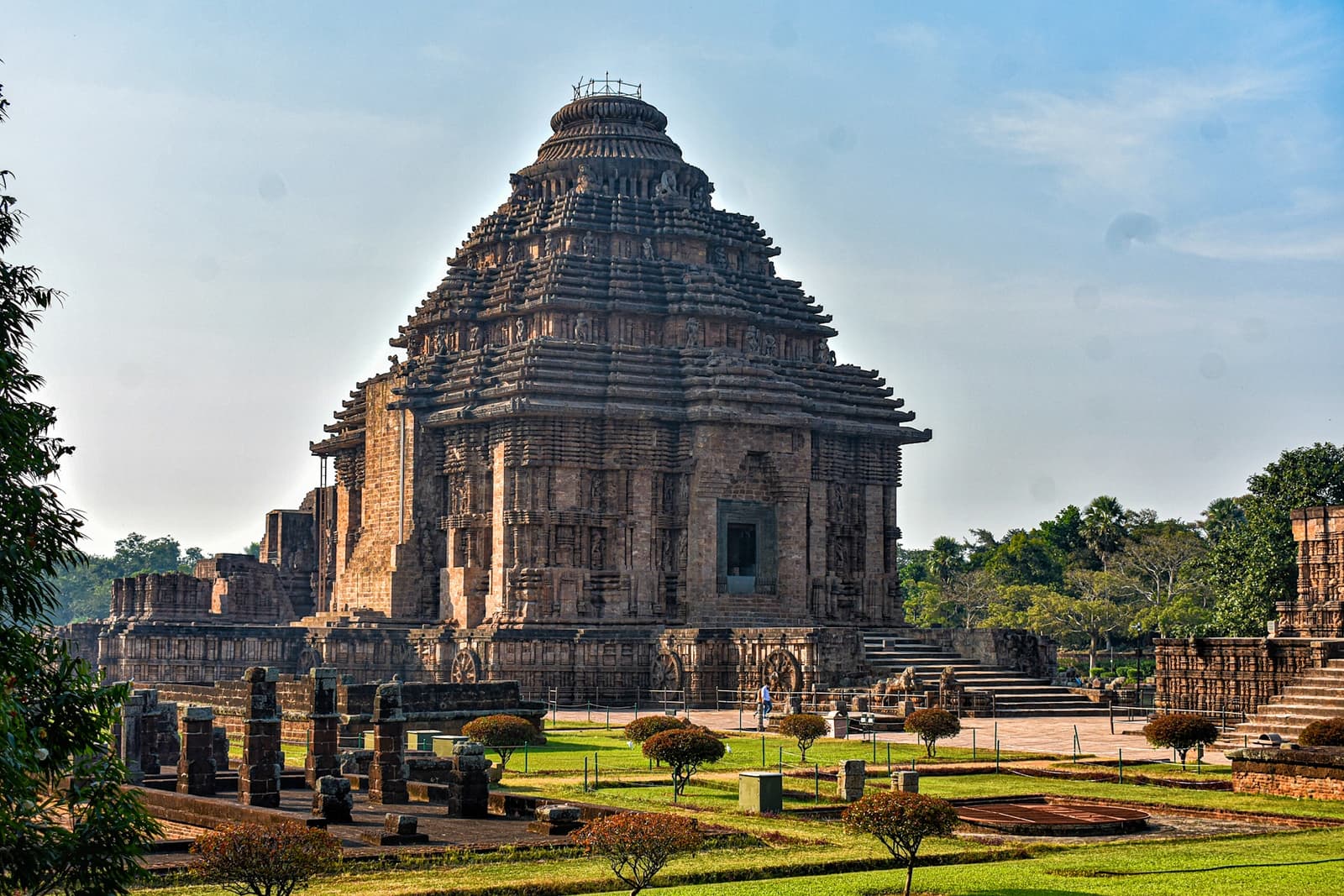
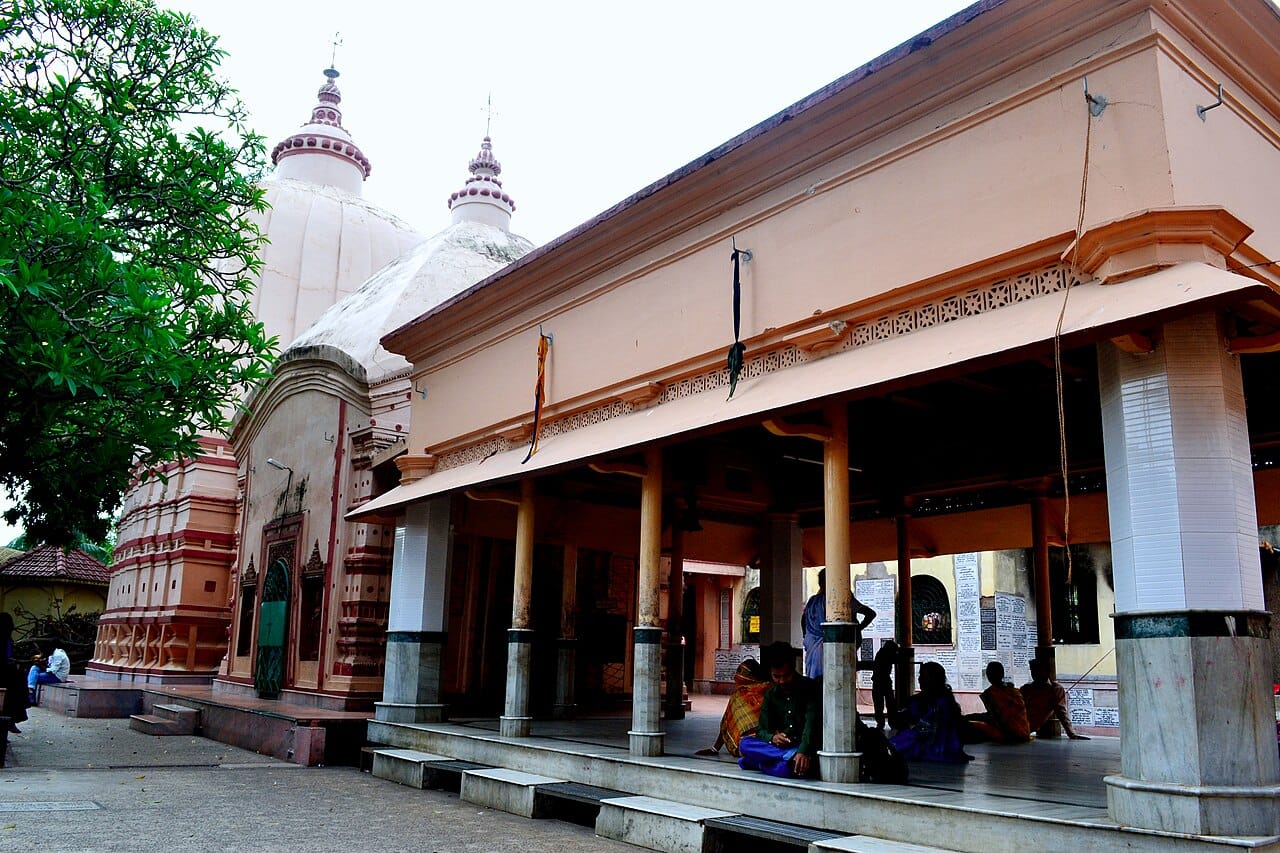
The architecture of the Tarapith temple is a classic representation of the **Bengali Chala** style, specifically the 'Aat-chala' or eight-roofed design. This style is an architectural elevation of the traditional thatched huts of rural Bengal, symbolizing the divine residing in the humble home of the devotee. Built primarily with red bricks and lime mortar, the temple features thick, sturdy walls and a curved, sloping roof designed to channel the heavy monsoon rains of the region. The facade of the temple is a masterpiece of terracotta art, although many of the original plaques have been weathered by time. These carvings depict intricate scenes from the Ramayana, the Mahabharata, and various manifestations of Goddess Durga. The temple sits on a raised platform (Jagati), providing a sense of majesty while also protecting the structure from the seasonal flooding of the Dwaraka River. The entrance to the sanctum sanctorum (Garbhagriha) is through a small, intimate doorway, which forces the devotee to bow in humility before the Goddess. Inside, the walls are adorned with silver plates and marble, creating a space that is both dark and luminous, perfectly suited for the intense, inward-looking rituals of Tantra. The temple complex also includes several subsidiary shrines, a sacred tank called Jivitkund, and the expansive, smoke-filled Mahashamshana, all of which together form a holistic spiritual ecosystem that is uniquely Bengali in its aesthetic and functional design.
Tarapith holds a unique position in the spiritual geography of India as a premier center for Tantric Sadhana. In the hierarchy of the Dasa Mahavidyas (Ten Great Wisdom Goddesses), Goddess Tara is the second, representing the 'Saviour' who guides souls through the turbulent ocean of existence (Samsara). Tarapith is significant not only because it is a Shakti Peetha but because it is a 'Siddha Peetha,' where the spiritual vibrations are believed to be so high that any prayer or practice yields immediate results. The most striking aspect of its significance is the **Mahashamshana** (the Great Cremation Ground) located right next to the temple. In many traditions, cremation grounds are places to be avoided, but in the Tantric worldview of Tarapith, the Shamshana is a sacred 'laboratory' where the practitioner confronts the reality of death to understand the truth of life. The Goddess herself is believed to reside in the cremation ground, appearing to those who have the courage and devotion to seek her there. This association with death and rebirth makes Tarapith a symbol of 'Advaita' (non-duality), where the distinction between the sacred temple and the 'impure' cremation ground vanishes. Culturally, Tarapith is the spiritual anchor for the Birbhum region, often visited alongside the [Kalighat Temple](/temple/kalighat-kali-temple) and [Dakshineshwar Kali Temple](/temple/dakshineshwar-kali-temple), forming a powerful Shakti circuit that defines the religious life of West Bengal.
The rituals at Tarapith are distinct and reflect the temple's deep roots in the 'Kaula' Tantric tradition. The day begins long before dawn with the 'Mangal Aarti,' followed by the sacred bath (Snana) of the Goddess with water from the Jivitkund. One unique aspect of the rituals here is the offering of 'Bhog' (food). Unlike many other temples that offer only vegetarian fare, the 'Raj-Bhog' at Tarapith often includes fish and meat, prepared according to strict ritualistic guidelines. This practice is part of the 'Panchamakara' ritual in Tantra, which seeks to spiritualize the sensory experiences of life. The evening 'Aarti' is a grand and hypnotic affair; the air is filled with the thunderous sound of the 'Dhak,' the clanging of brass cymbals, and the swirling clouds of 'Dhuno' (frankincense). Devotees offer red hibiscus flowers (Jaba), which are considered particularly dear to the Goddess. In the adjacent Mahashamshana, Sadhakas perform their own rituals, often involving fire and meditation throughout the night. The 'Puranic' and 'Tantric' streams of worship coexist seamlessly here; while the priests perform the standard pujas in the sanctum, the 'Sadhus' and 'Agoris' in the cremation grounds engage in 'Shava Sadhana' and other intense practices, all directed towards the same goal of merging with the consciousness of Ma Tara.
The festival calendar of Tarapith is marked by several high-intensity spiritual events that draw millions of pilgrims from across the globe. The most significant among these is **Kaushiki Amavasya**, occurring on the new moon night of the Bhadra month (August-September). It is believed that on this night, Goddess Tara manifested before the sage Vashistha, and any spiritual practice performed on this day is believed to be especially fruitful. The town transforms into a sea of humanity, with thousands of lamps lighting up the cremation grounds and the temple. Another major festival is **Kali Puja**, celebrated during the month of Kartik, which highlights the deep connection between Ma Tara and Ma Kali. The birth and death anniversaries of the saint Bamakhyapa are also celebrated with immense devotion, featuring community feasts (Bhandara) and the soul-stirring performances of 'Shyama Sangeet' (devotional songs for Kali/Tara) by local minstrels. During the days of Durga Puja, the temple sees a surge in visitors, though the rituals remain focused on the specific form of Tara. Each festival at Tarapith is not just a social gathering but a communal spiritual exercise, where the collective energy of the devotees is said to make the presence of the Goddess almost palpable.
Tarapith is globally renowned for its unique blend of spirituality, mysticism, and historical legacy. It is primarily famous for being a **Siddha Peetha**, where the boundaries between the human and the divine are believed to be exceptionally thin. The temple is synonymous with the **saint Bamakhyapa**, whose stories of divine madness and intense love for Ma Tara continue to inspire millions. The **Mahashamshana**, the great cremation ground located right next to the temple, is another world-famous feature, serving as a center for authentic Tantric practices that have survived for millennia. Iconographically, it is famous for the rare and moving depiction of **Goddess Tara breastfeeding Lord Shiva**, a symbol of supreme maternal compassion. The town is also a major center for **Shyama Sangeet** and Baul music, reflecting the deep emotional and artistic heritage of Bengal. For the pilgrim, it is famous for the 'Jivitkund' tank and the belief that the 'Tara-Ma' never sends a devotee back empty-handed. Its proximity to other cultural landmarks like **Shantiniketan**, the Abode of Peace founded by Rabindranath Tagore, makes it a critical node in the cultural and spiritual map of Eastern India.
To truly experience the spiritual essence of Tarapith, planning the timing of your visit is crucial. The most comfortable and popular time is during the winter months, from **October to March**. During this period, the weather in West Bengal is pleasantly cool and dry, making it ideal for spending long hours in the temple complex or exploring the Mahashamshana. The autumn months of October and November are particularly vibrant as they coincide with the major festivals of Durga Puja and Kali Puja. For the serious spiritual seeker, the month of August/September is important due to Kaushiki Amavasya, although one must be prepared for the intense heat and humidity of the monsoon season. The monsoon itself brings a different kind of beauty to Tarapith; the Dwaraka River flows in full majesty, and the surrounding rural landscape of Birbhum turns into a lush green carpet. However, for a regular traveler seeking a peaceful darshan and a chance to reflect, the crisp winter mornings, with the temple shrouded in a light mist and the sound of bells echoing through the air, offer the most serene and profound experience.
The Tarapith temple follows a structured daily schedule that accommodates both the ritualistic needs of the deity and the flow of the thousands of devotees who visit daily. The temple opens at 5:30 AM for the 'Mangal Aarti' and the initial darshan. The 'Nija-Rupa' darshan, where one can see the original stone image before it is covered with the silver mask and ornaments, happens between 6:00 AM and 8:00 AM. The temple remains open throughout the morning, closing briefly for the 'Madhyanna Bhog' (Mid-day Offering) between 1:30 PM and 3:00 PM. It re-opens in the afternoon and stays open until the final 'Shital Aarti' and closing at 9:00 PM. During major festivals like Kaushiki Amavasya, the temple often remains open 24 hours to accommodate the massive influx of pilgrims. Reach the temple as early as possible to avoid long queues and to witness the serene morning rituals — the most spiritually potent part of the day.
A. A 'Siddha Peetha' is a 'Place of Attainment.' In Indian spiritual traditions, it refers to a site where the spiritual energy is so concentrated that any practice—be it meditation, chanting, or prayer—is believed to yield results much faster than elsewhere. Tarapith is considered a Siddha Peetha because great sages like Vashistha and saints like Bamakhyapa have historically attained spiritual perfection here. For a visitor, this means that the environment is naturally conducive to deep introspection and spiritual experiences.
A. Yes, regular tourists can visit the Mahashamshana, as it is an integral part of the Tarapith experience. However, it is essential to remember that this is a sacred and sensitive space. Visitors should maintain silence, dress modestly, and be respectful of the families performing last rites and the Sadhus in meditation. Photography of funeral pyres or practitioners without their explicit permission is strictly prohibited and considered highly disrespectful.
A. Bamakhyapa (1837—1911) was a legendary saint whose life was entirely dedicated to Goddess Tara. Known as the 'Mad Saint,' he lived mostly in the cremation grounds and practiced a form of devotion that transcended all social norms. He is believed to have had a direct, conversational relationship with the Goddess. His legacy of simple, heart-centered devotion is what transformed Tarapith into the major pilgrimage hub it is today; his samadhi (tomb) within the temple complex is a site of great reverence.
Kalighat Kali Temple
A major Shakti Peetha where the toes of Sati's right foot fell, serving as the spiritual heart of Kolkata.
Bargabhima Temple Tamluk
An ancient 1,150-year-old temple where Sati's left ankle fell, blending Bengali 'at-chala' and Odia 'Kalinga' styles.
Vaishno Devi Temple
The Vaishno Devi Temple, a sacred cave shrine nestled in the Trikuta Mountains of Jammu and Kashmir, is one of India's most visited pilgrimage sites, where millions trek 12 km each year to seek blessings of Mata Vaishno Devi at the holy cave complex.
Dhari Devi Temple
A sacred Shakti temple on the banks of the Alaknanda River, considered the guardian deity of the Char Dham Yatra and famous for the idol that changes color three times daily.
Vishalakshi Temple
The Vishalakshi Temple, located in the narrow lanes of Mir Ghat near the Ganges in Varanasi, is one of the 51 Shakti Peethas where the earrings of Goddess Sati are believed to have fallen. Dedicated to the 'wide-eyed' goddess Vishalakshi, the temple is the first stop on the traditional Kashi Yatra pilgrimage circuit and is considered the consort shrine of the neighbouring Kashi Vishwanath Temple.
Vindhyavasini Devi Temple
One of India's most visited Shakti Peethas, where Goddess Durga is believed to have resided after slaying Mahishasura.
Dakshineshwar Kali Temple
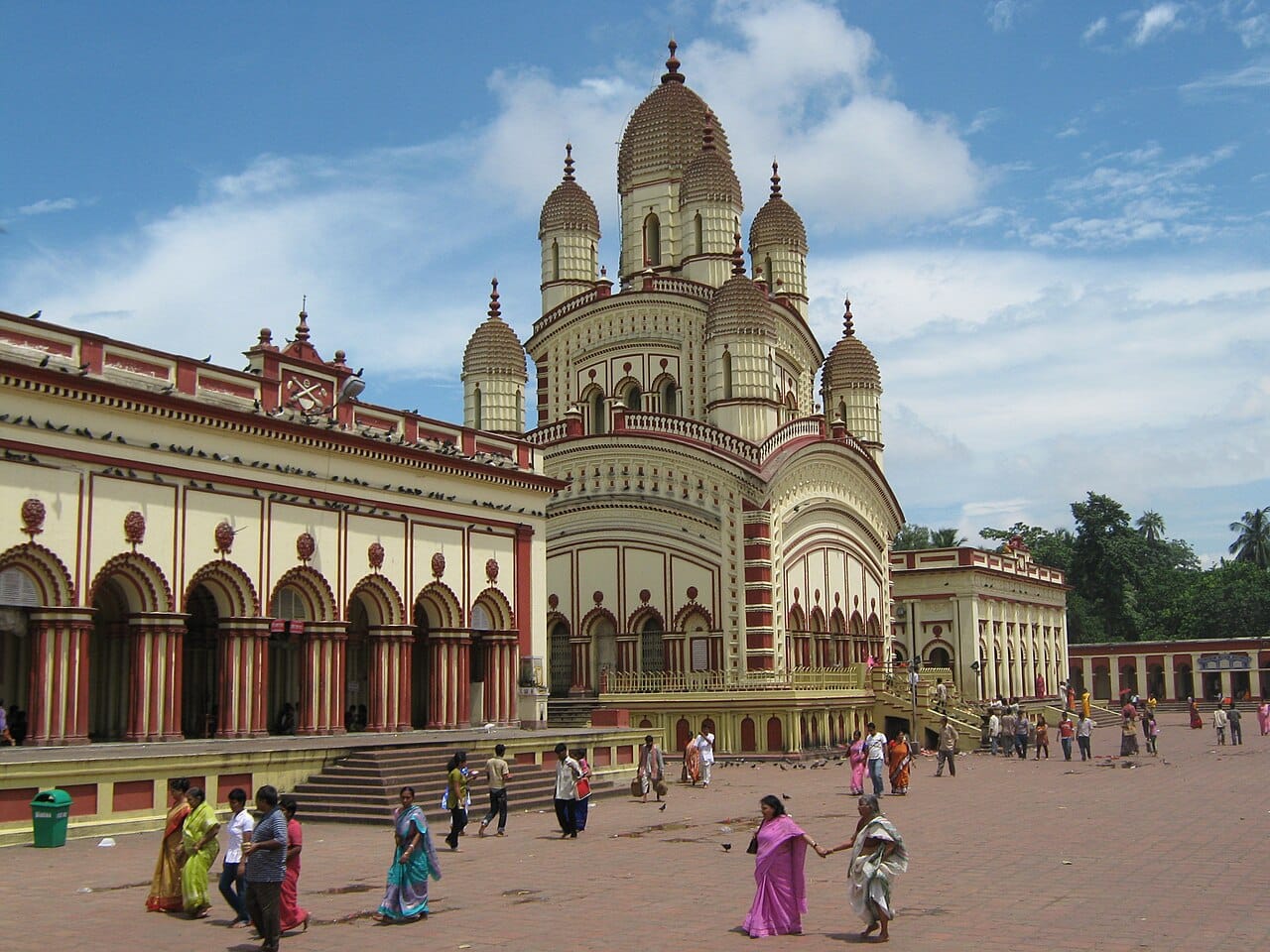
A world-famous 19th-century temple complex on the Hooghly River, immortalized by its association with the saint Sri Ramakrishna Paramahamsa.
Kalighat Kali Temple
A major Shakti Peetha where the toes of Sati's right foot fell, serving as the spiritual heart of Kolkata.
Bargabhima Temple Tamluk
An ancient 1,150-year-old temple where Sati's left ankle fell, blending Bengali 'at-chala' and Odia 'Kalinga' styles.
ISKCON Mayapur Nadia
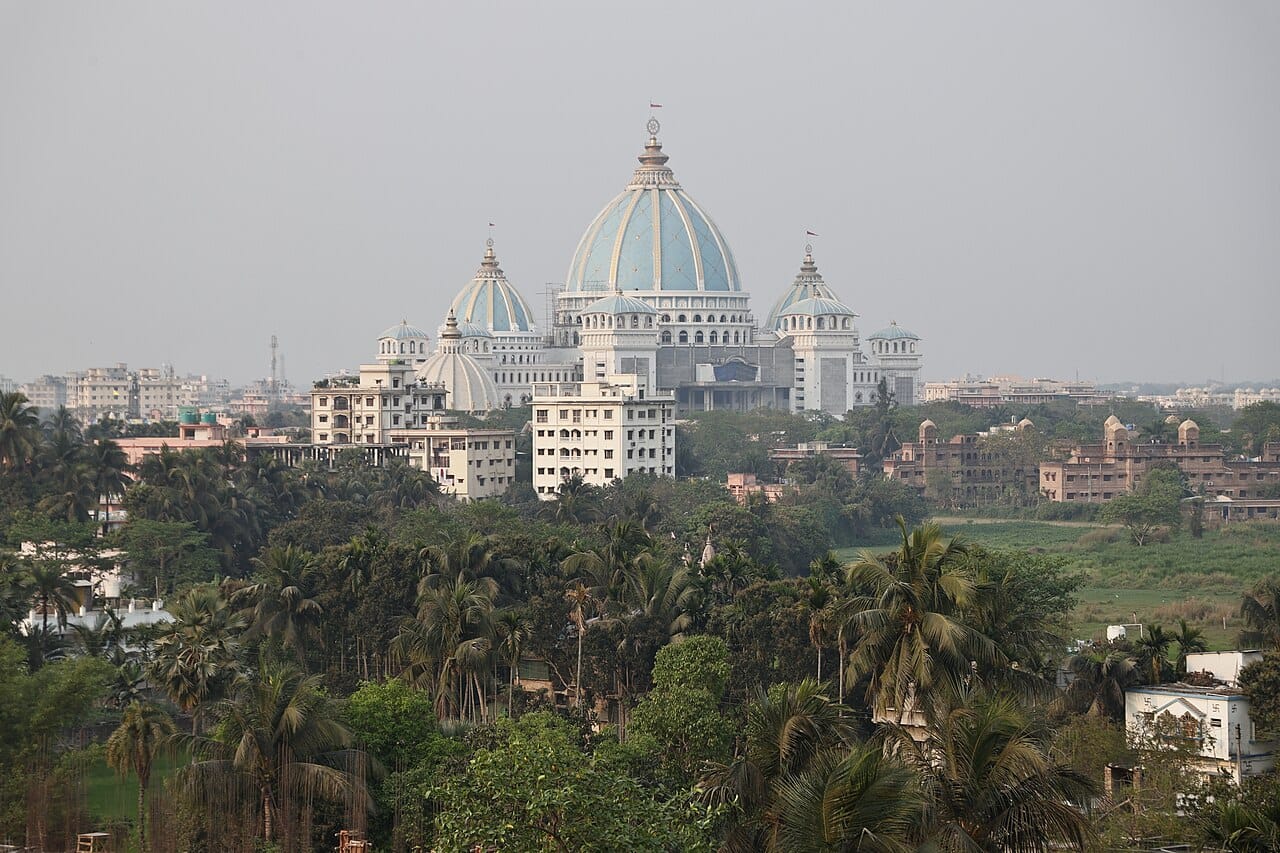
The global headquarters of ISKCON and birthplace of Chaitanya Mahaprabhu, one of the world's most visited Vaishnavite sites.
Rasmancha Bishnupur
The oldest 17th-century brick structure in Bishnupur, unique for its massive pyramidal roof and arched galleries.
Jor-Bangla Temple Bishnupur
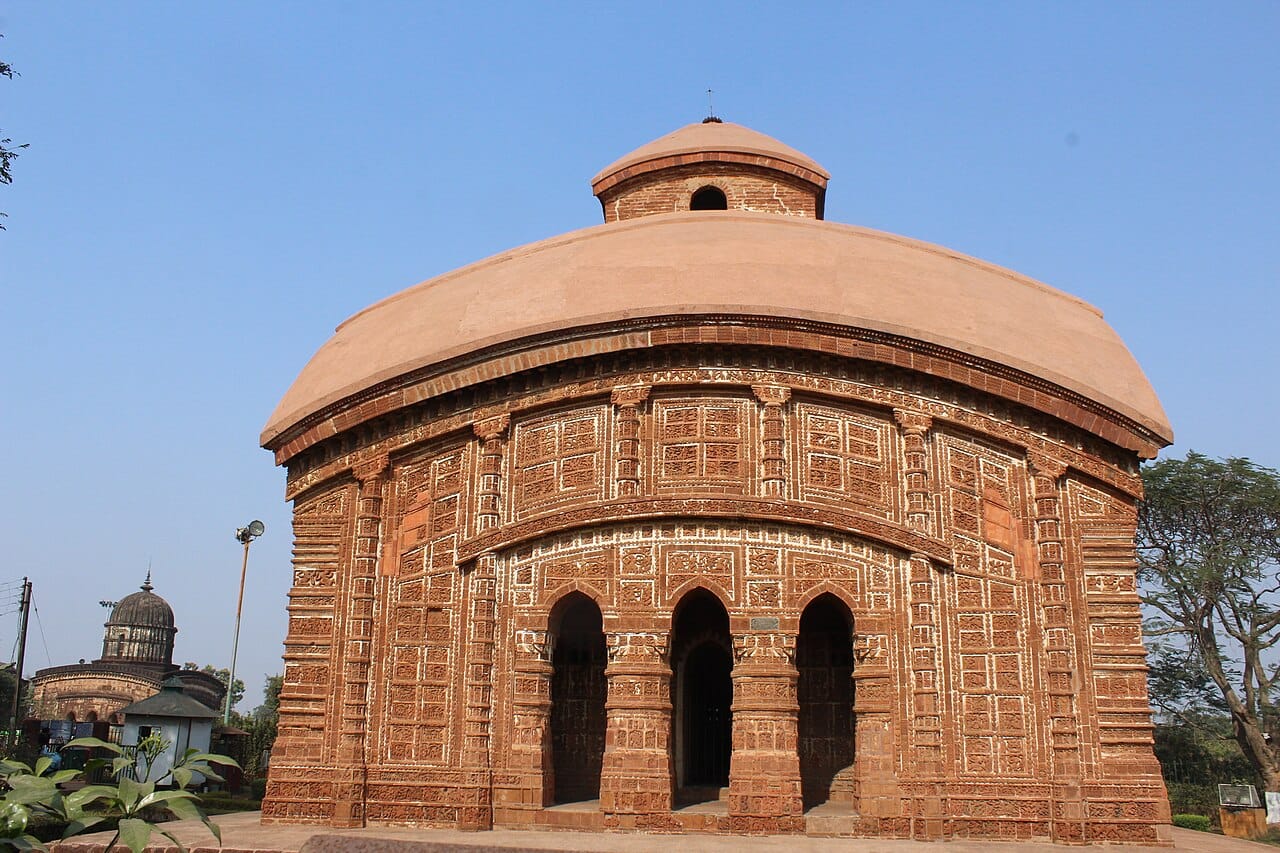
Known for its 'twin hut' design and incredibly detailed terracotta panels depicting the Ramayana and Mahabharata.
India's temples are living traditions — not museums. Every temple has its own customs. This guide helps first-time visitors prepare with confidence and respect.
Foreign visitor information is being researched
Please verify with the official temple authority before planning your visit.
Foreign Visitors
Verify Before VisitingVisitor Information
Entry policies vary between temples. Most temples welcome visitors, while some may restrict access to specific areas, rituals, or the inner sanctum. Always verify the latest entry guidelines with the official temple authorities before your visit.
Modest clothing is expected at every Indian temple — a sign of respect, not a restriction. Think of it as dressing for a formal ceremony.
A scarf is always useful — it covers shoulders, works as a head covering, and can double as a makeshift face cover if needed.
Outdoor photography is generally permitted. Indoor photography is often restricted. Always look for signage or ask a priest before taking photos inside.
To truly experience the spiritual essence of Tarapith, planning the timing of your visit is crucial. The most comfortable and popular time is during the winter months, from **October to March**. During this period, the weather in West Bengal is pleasantly cool and dry, making it ideal for spending long hours in the temple complex or exploring the Mahashamshana. The autumn months of October and November are particularly vibrant as they coincide with the major festivals of Durga Puja and Kali Puja. For the serious spiritual seeker, the month of August/September is important due to Kaushiki Amavasya, although one must be prepared for the intense heat and humidity of the monsoon season. The monsoon itself brings a different kind of beauty to Tarapith; the Dwaraka River flows in full majesty, and the surrounding rural landscape of Birbhum turns into a lush green carpet. However, for a regular traveler seeking a peaceful darshan and a chance to reflect, the crisp winter mornings, with the temple shrouded in a light mist and the sound of bells echoing through the air, offer the most serene and profound experience.
April — June
July — September
English is widely understood at major tourist temples. In smaller local temples, Hindi and the regional language are more common. A smile and simple hand gestures go a long way. Learning a few words of the local language is always appreciated.
Cash (Indian Rupees) is the most reliable option, especially for temple offerings, small shops, and local transport.
UPI digital payments (Google Pay, PhonePe, Paytm) are widely accepted across India — even at roadside stalls. Download one before you arrive.
International credit/debit cards work at most ATMs, hotels, and larger establishments. Smaller vendors may only accept cash or UPI.
Carry small denominations (₹10, ₹20, ₹50, ₹100 notes) for offerings and temple donations. Large notes (₹500, ₹2000) can be hard to break at smaller counters.
Many historic temples have uneven stone floors, multiple steps, and narrow passages. Wheelchair access is limited at older sites — contact the temple in advance.
Basic restroom facilities and drinking water are available at most major temples. Some charge a small fee (₹5–₹10).
Stay hydrated — carry a reusable water bottle, especially in hot climates.
Keep valuables secure — use hotel lockers for passports and excess cash.
Wear comfortable, sturdy footwear — temple floors can be hot, wet, or uneven.
Beware of unofficial guides or touts near temple entrances. Only use authorised services.
Carry a photocopy of your passport and visa. Leave originals in your hotel safe.
Download offline maps — mobile networks can be unreliable near remote temple sites.
These short explanations help make sense of what you see and experience.
Darshan means 'seeing' — but in a temple it means being seen by the deity. It is a sacred moment of connection, not just a viewing.
Removing footwear is a sign of humility. It also keeps the temple floor clean, since devotees sit and pray on the ground.
Food offered to the deity and then distributed to devotees. It is considered blessed. Accept it with both hands and do not discard it.
The bell creates a focused acoustic atmosphere, wards off distractions, and announces your presence before entering the inner sanctum.
Circumambulation (pradakshina) is done clockwise, keeping the sanctum on your right — an auspicious direction aligned with the sun's path.
Flowers symbolise devotion, coconuts represent the ego being broken, incense purifies the air, and lamps represent the victory of light over darkness.
Sacred viewing of the deity; the central act of temple worship.
Clockwise circumambulation of the sanctum.
Blessed food offered to the deity and distributed to devotees.
The innermost sanctum where the main deity resides.
The towering spire above the sanctum, a defining feature of temple architecture.
A pillared hall or pavilion within the temple complex.
The Indian Rupee (?, INR) is the local currency. ATMs are widely available in cities and towns. For temple offerings, keep small notes (₹10, ₹20, ₹50). Most temples accept donations in cash only — digital payments are uncommon at the offering counter itself.
Offerings (dakshina) are given with the right hand. Place cash in the donation box (hundi) or give it directly to the priest. There is no fixed amount — give what feels appropriate. Some temples have fixed fees for special entry or puja participation.
Shoes and sandals are removed before entering the temple building. Most temples have a designated shoe counter (free or a small fee of ₹5–₹20). Socks are generally allowed. In monsoon, carry a plastic bag for wet shoes.
Darshan queues can take 30 minutes to 3 hours at popular temples. Many offer paid VIP darshan (₹100–₹500) for faster entry. Special queues for women, elderly, and disabled visitors exist at some temples. No line jumping.
Major festivals draw enormous crowds — sometimes hundreds of thousands. Book accommodation months in advance. Expect road closures, restricted vehicle access, and limited phone network. Arrive early (before dawn) to avoid the worst congestion.
Always look for signage before taking photos. When in doubt, ask a priest. Never take photos of devotees in prayer without permission. Selfie sticks are banned at most temples. Silently switch your phone to silent mode.
Police / Ambulance / Fire: 112 (National Emergency Number)
Tourist Helpline: 1800-111-363 (Multi-lingual, Ministry of Tourism)
Women's Helpline: 1091
Temple-specific visitor information is continuously researched and updated from official sources. Where specific data is unavailable, general India travel guidance is provided. Always verify current policies with the temple authority before your visit.
Information last verified July 2026. Temple-specific data coming soon.
Continue your journey through the spiritual and architectural wonders of India.

A massive 18th-century pilgrimage site dedicated to Lord Taraknath, especially vibrant during the Gajan festival.

A major Shakti Peetha where the toes of Sati's right foot fell, serving as the spiritual heart of Kolkata.

An ancient 1,150-year-old temple where Sati's left ankle fell, blending Bengali 'at-chala' and Odia 'Kalinga' styles.

A world-famous 19th-century temple complex on the Hooghly River, immortalized by its association with the saint Sri Ramakrishna Paramahamsa.

The global headquarters of ISKCON and birthplace of Chaitanya Mahaprabhu, one of the world's most visited Vaishnavite sites.
The oldest 17th-century brick structure in Bishnupur, unique for its massive pyramidal roof and arched galleries.

Known for its 'twin hut' design and incredibly detailed terracotta panels depicting the Ramayana and Mahabharata.

A five-towered terracotta temple famous for its circular friezes showing the Rasa-lila of Lord Krishna.
"India has over 40 UNESCO World Heritage Sites, ranging from ancient temples to natural wonders."