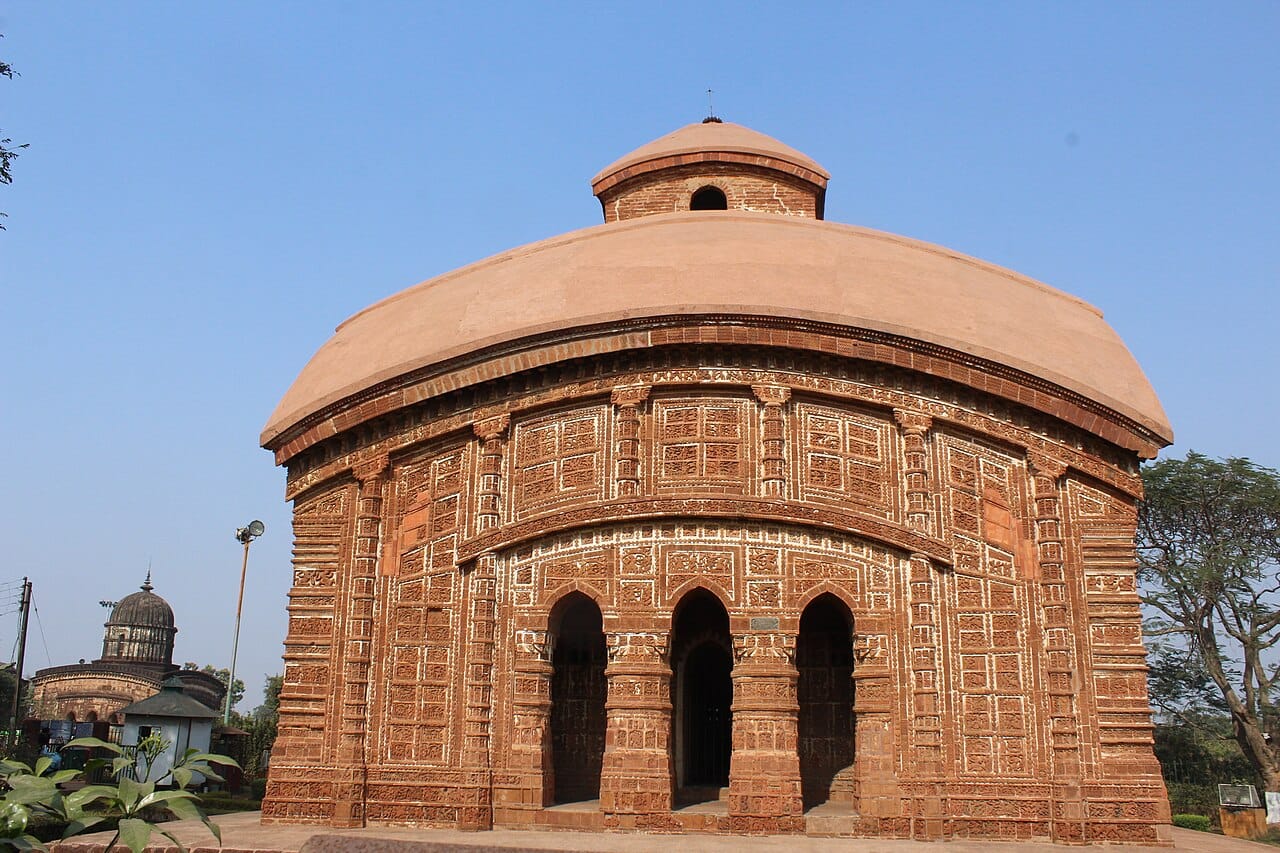
Built in 1655 AD by King Raghunath Singha Dev, the temple was dedicated to Lord Krishna. The Malla dynasty was deeply influenced by the Vaishnava Bhakti movement, and this temple was built as a center for Krishna worship. The temple has survived over 350 years and is now preserved by the Archaeological Survey of India.
Sacred Heritage
Jor-Bangla Temple Bishnupur
Bishnupur, West Bengal
State:West Bengal
District:Bishnupur
Why This Temple Matters
Key Takeaways
- Dedicated to Lord Krishna
- Terracotta Twin-hut (Jor-Bangla style) architecture
- Built by the Malla (King Raghunath Singha Dev, 1655 AD) dynasty
- Located in Bishnupur, West Bengal
- Temple timings: 6:00 AM to 6:00 PM daily.
Quick Facts
- Location
- Bishnupur
- Presiding Deity
- Lord Krishna
- Architecture
- Terracotta Twin-hut (Jor-Bangla style)
- Dynasty
- Malla (King Raghunath Singha Dev, 1655 AD)
- Timings
- 6:00 AM to 6:00 PM daily.
- Entry Fee
- Free
- Best Time
- October to March offers the best weather for exploring Bishnupur's terracotta temples.
Overview
Known for its 'twin hut' design and incredibly detailed terracotta panels depicting the Ramayana and Mahabharata.
History & Legacy
Architecture
Key Features
The temple features the classic Jor-Bangla style — two separate hut-like structures (the sanctum and the mandapa) joined together under a single roof. The entire exterior is covered with elaborate terracotta panels showing scenes from the Ramayana, Mahabharata, the ten avatars of Vishnu, and Krishna's Rasa-lila. The curved cornices and detailed ornamentation are hallmarks of this style.
Religious & Cultural Significance
The temple is a masterpiece of Bengali terracotta art. Its twin-hut (Jor-Bangla) design is a uniquely Bengali architectural style that originated in the Malla period. The terracotta panels are among the finest examples of this art form in India, depicting epic narratives with remarkable detail and artistry.
Daily Rituals
Regular Vaishnava worship is conducted. The temple celebrates traditional Krishna festivals with special offerings.
Festivals & Celebrations
Festival
Janmashtami (Krishna's birthday) and Dol Purnima (Holi) are the main festivals celebrated with traditional fervor.
Interesting Facts
Masterpiece of Bengali terracotta architecture, twin-hut (Jor-Bangla) design, exquisite narrative terracotta panels
How to Reach & Visitor Tips
Bishnupur is 140 km from Kolkata. All the terracotta temples are within walking or rickshaw distance of each other. A full day is sufficient to explore all major temples.
Nearby Attractions
Rasmancha (1 km) is the oldest structure in Bishnupur. Shyam Rai Temple (0.5 km) features terracotta friezes. Madan Mohan Temple and Bishnupur Museum (1 km) are nearby.
Frequently Asked Questions
What does 'Jor-Bangla' mean?
A.
Jor-Bangla means 'twin huts' in Bengali, describing the temple's distinctive double-roofed design.
What are the terracotta panels about?
A.
The panels depict scenes from the Ramayana, Mahabharata, Krishna's life, and the ten avatars of Vishnu.
Answers are based on verified information. Site rules may change — verify locally before visiting.
Sources & References
Links Last Checked
30 September 2026
Related Temples
Same Deity
ISKCON Temple
A spiritual hub in Dimapur offering regular kirtans, discourses, and vegetarian prasadam to followers and…
ISKCON Temple
A vibrant center for the Hare Krishna movement in Mizoram, promoting spiritual education and community…
Udupi Sri Krishna Temple
A world-famous 13th-century temple where the deity is worshipped through a silver-plated window with nine…
Same State
Dakshineshwar Kali Temple
A world-famous 19th-century temple complex on the Hooghly River, immortalized by its association with the…
Kalighat Kali Temple
A major Shakti Peetha where the toes of Sati's right foot fell, serving as the…
Tarapith Temple Birbhum
A major center for Tantric worship dedicated to Goddess Tara, famous for the saint Bamakhyapa…
Bargabhima Temple Tamluk
An ancient 1,150-year-old temple where Sati's left ankle fell, blending Bengali 'at-chala' and Odia 'Kalinga'…
ISKCON Mayapur Nadia
The global spiritual headquarters of ISKCON in Mayapur, Nadia, situated at the confluence of the…
Rasmancha Bishnupur
The oldest 17th-century brick structure in Bishnupur, unique for its massive pyramidal roof and arched…
Same Tradition
Rasmancha Bishnupur
The oldest 17th-century brick structure in Bishnupur, unique for its massive pyramidal roof and arched…
Shyam Rai Temple Bishnupur
A five-towered terracotta temple famous for its circular friezes showing the Rasa-lila of Lord Krishna.
Dashavatara Temple
Dating to around 500 CE, this is the earliest known North Indian temple with a…
Shri Ram Janmabhoomi Mandir
A grand and historic temple marking the birthplace of Lord Rama, the seventh avatar of…
Prem Mandir
A stunning modern white-marbled complex in Vrindavan dedicated to Divine Love, known for its life-like…
Banke Bihari Temple
Among the most famous Krishna temples in India, where the deity is worshipped as a…
Visiting as an International Traveller
Foreign visitor information is being researched
Please verify with the official authority for this site before planning your visit.
Entry Status
Foreign Visitors
Verify Before VisitingVisitor Information
Entry policies are set by each site — confirm before travelling.
Entry rules for international visitorsWho can enter, permits, and what to expect at the gate.Dress Code
Modest clothing is expected — a sign of respect, not a restriction.
Shoulders covered
Knees covered
Shoes removed before entry
Head covering (women)
Rain gear available
Warm layers (winter)
Photography Guide
Outside
Inside
Flash
Drone
Tripod
Commercial
Best Time to Visit
Peak Season
October to March offers the best weather for exploring Bishnupur's terracotta temples.
Moderate to High — comfortable weather
Summer
April — June
Low — hot plains, pleasant hills
Monsoon
July — September
Low — lush landscape, travel delays possible
Language & Communication
Understanding Temple Traditions
These short explanations help make sense of what you see and experience.
Tips for International Visitors
Temple vocabulary and ritualsDarshan, pradakshina, prasadam, aarti, hundi and mandapa.Currency, donations and queuesCash, UPI, donation etiquette and how long entry queues take.Photography etiquetteSignage, flash, selfie sticks and photographing other visitors.Festival crowds and safetyAdvance booking, road closures, belongings and offline maps.
Essential Contacts
Police / Ambulance / Fire: 112 (National Emergency Number)
Tourist Helpline: 1800-111-363 (Multi-lingual, Ministry of Tourism)
Women's Helpline: 1091
Travel Preparation Checklist
Packing Checklist for Jor-Bangla Temple Bishnupur
Continue Reading
Rules change — confirm current policies with the site's authority before you travel.
Site-verified visitor data pending. See our sources and methodology.
By Naveen singh negi
Updated: July 2026
Related:West Bengal TemplesLord KrishnaTerracotta Twin-hut (Jor-Bangla style)Malla (King Raghunath Singha Dev, 1655 AD)Methodology
West Bengal
Malla (King Raghunath Singha Dev, 1655 AD)
Historical
Explore More Sacred & Heritage Sites
Related heritage monuments, regional traditions, and pilgrimage connections.
UNESCO Temple Heritage Sites
UNESCO 1984Cultural Heritage
Odisha
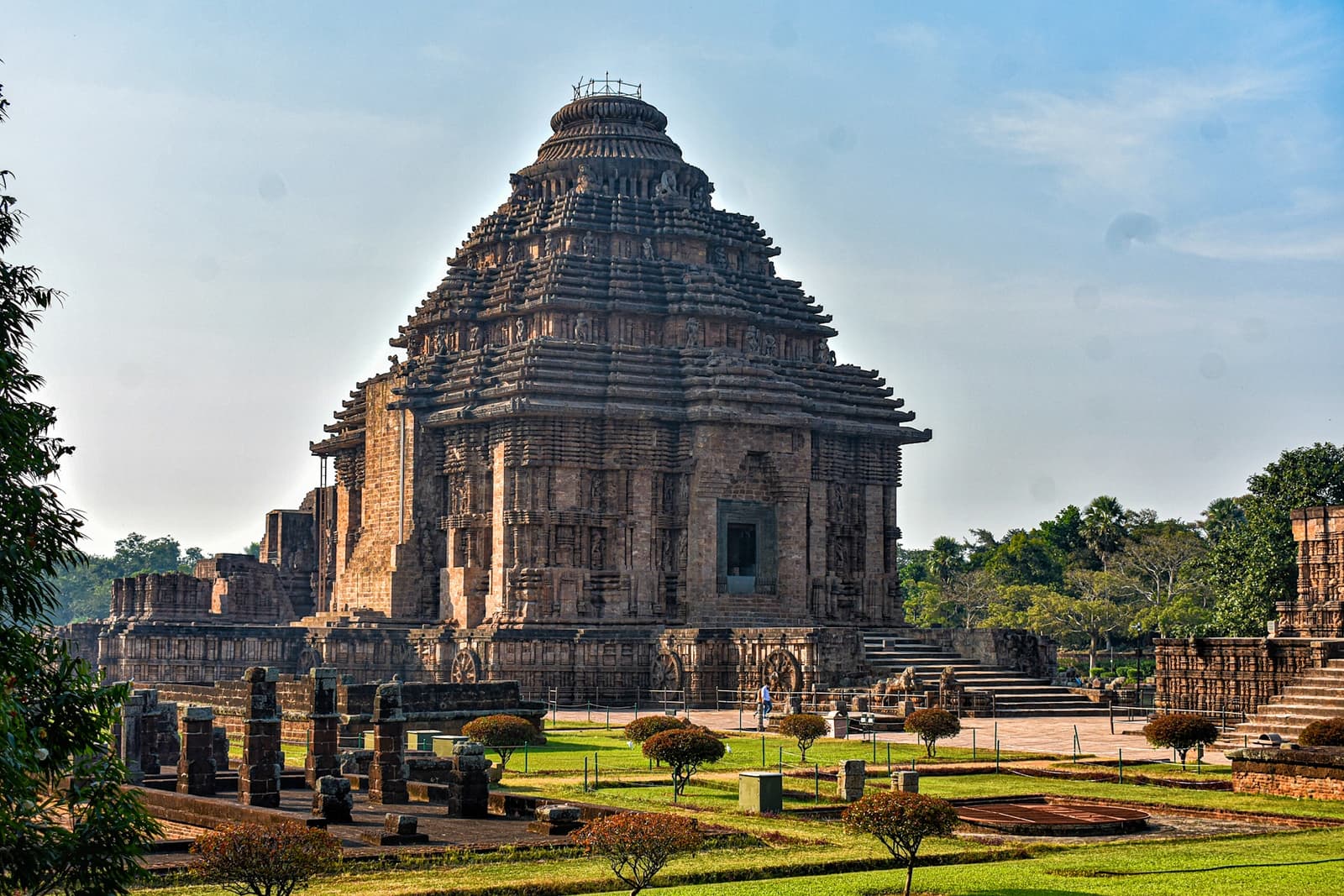
Sun Temple, Konark
A 13th-century Sun Temple built as a giant stone chariot with 24 wheels, drawn by…
Explore Temple
UNESCO 2002Cultural Heritage
Bihar
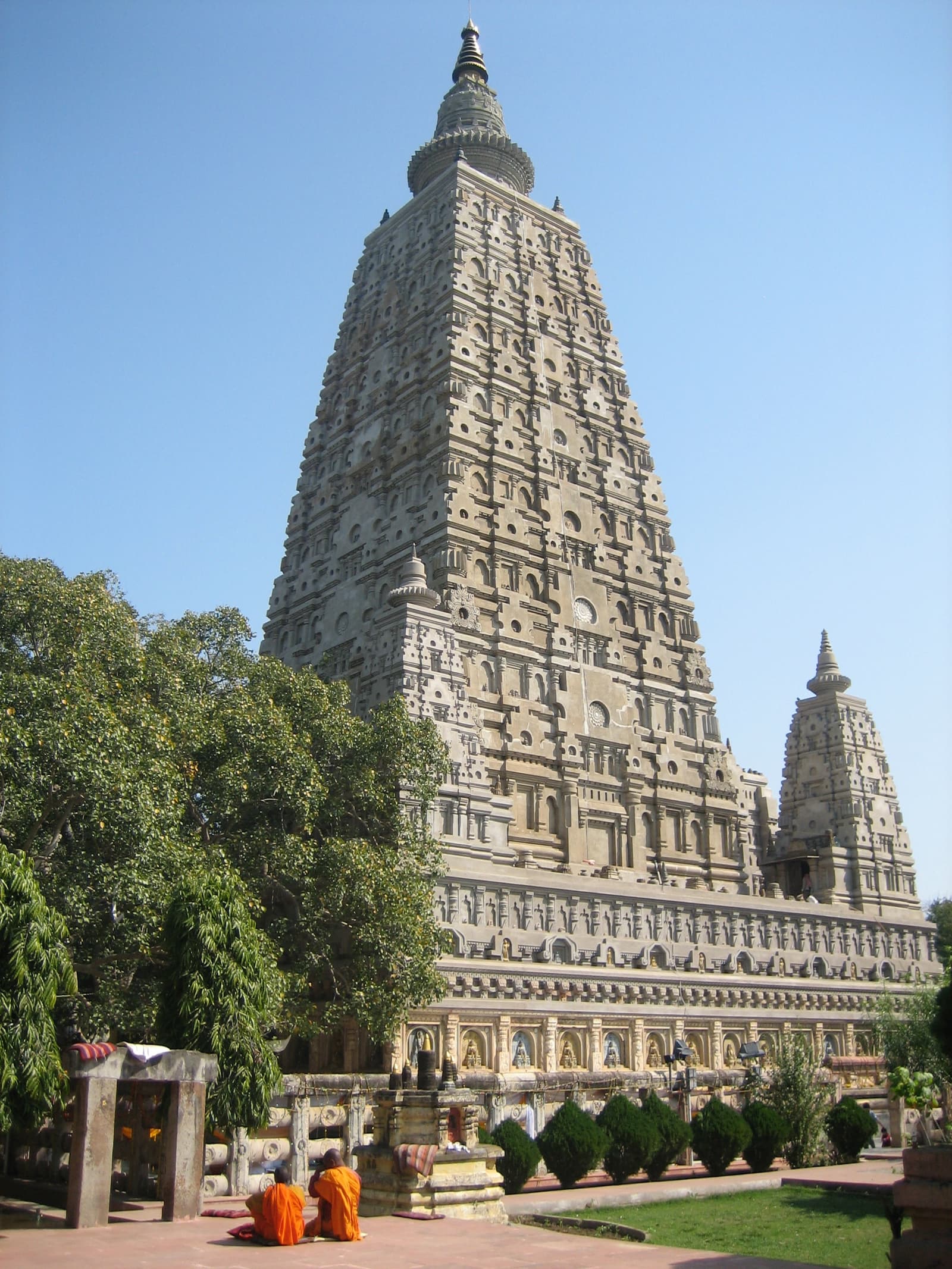
Mahabodhi Temple Complex
A UNESCO World Heritage site marking the location where Siddhartha Gautama attained enlightenment and became…
Explore Temple
UNESCO 1987Cultural Heritage
Tamil Nadu
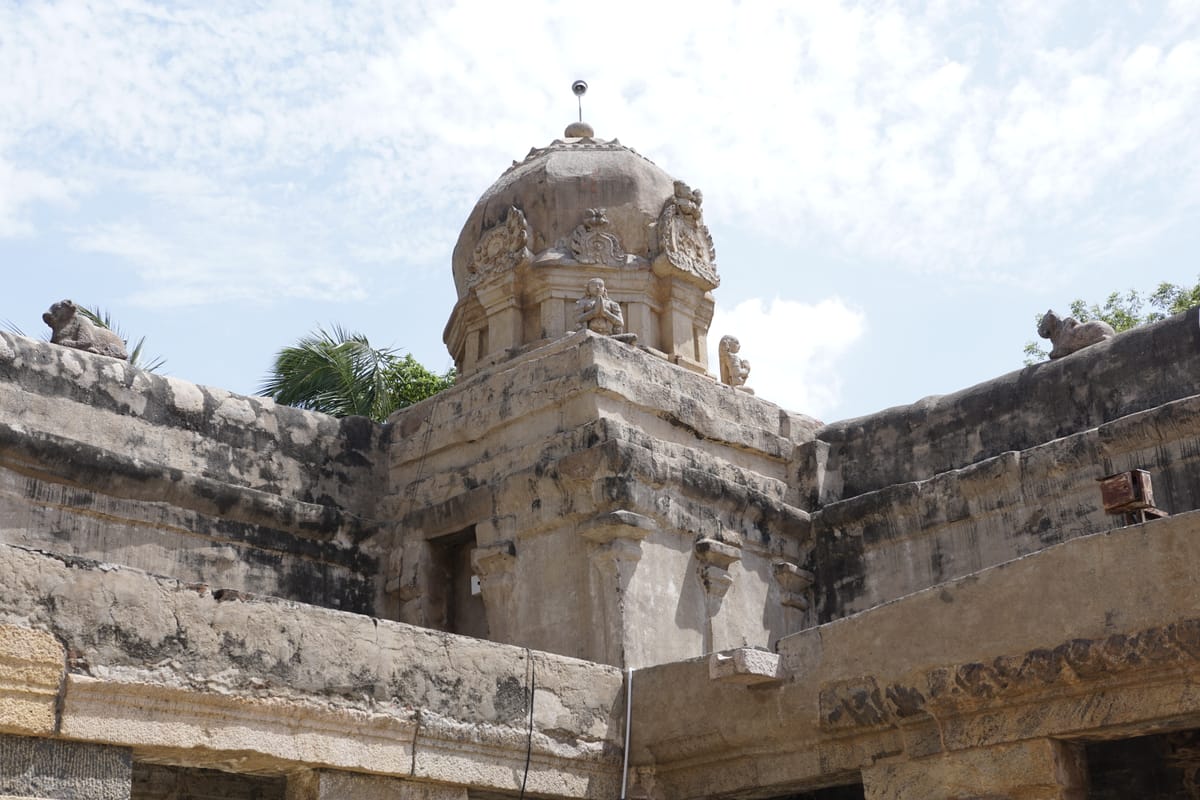
Great Living Chola Temples — Brihadeeswarar Temple
The principal temple of the Great Living Chola Temples UNESCO site, a masterpiece of Dravidian…
Explore Temple
UNESCO 1986Cultural Heritage
Madhya Pradesh
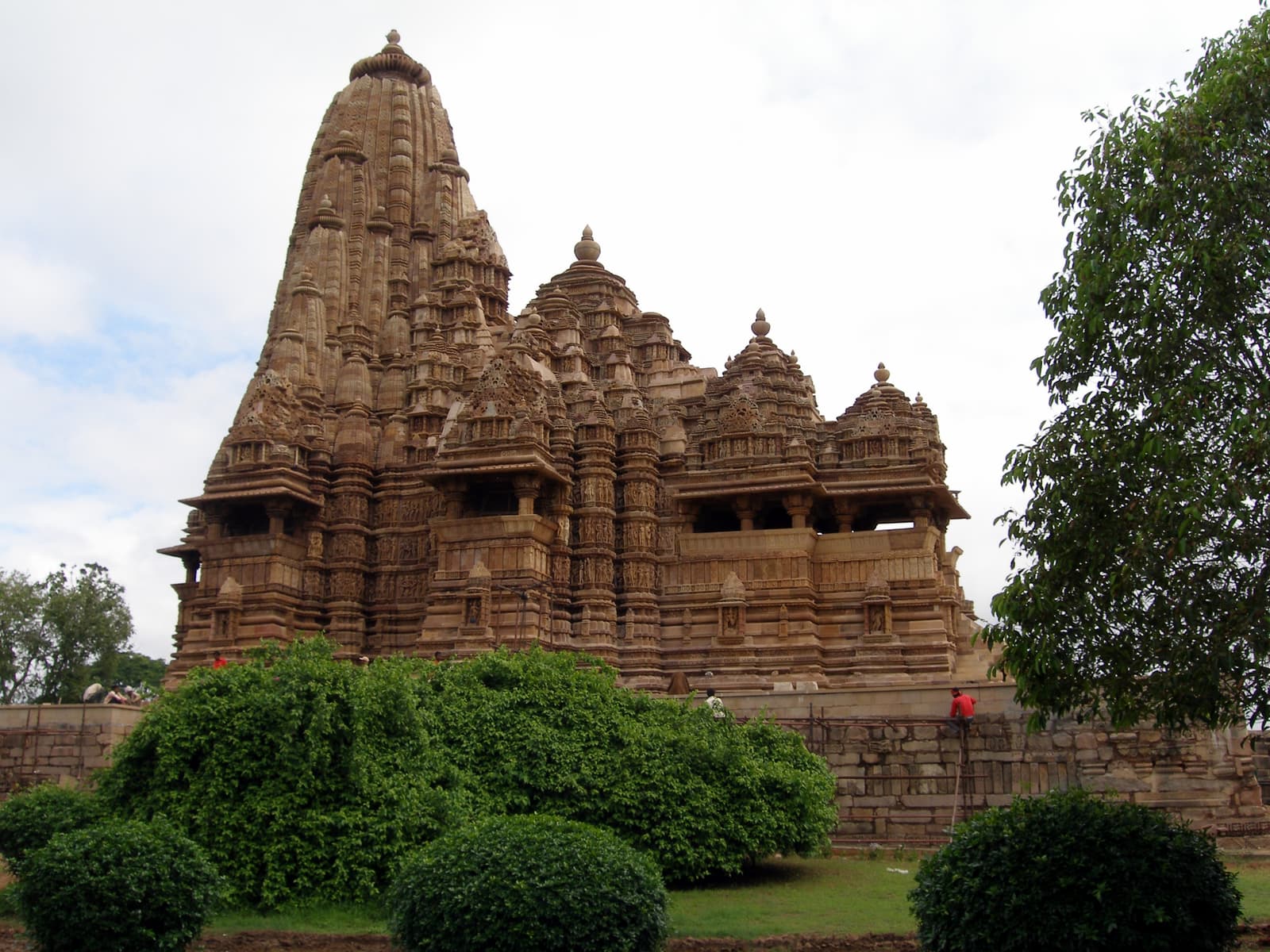
Khajuraho Group of Monuments
The largest and most ornate Hindu temple in the Khajuraho Group of Monuments.
Explore Temple
Famous Temples You May Like
West Bengal
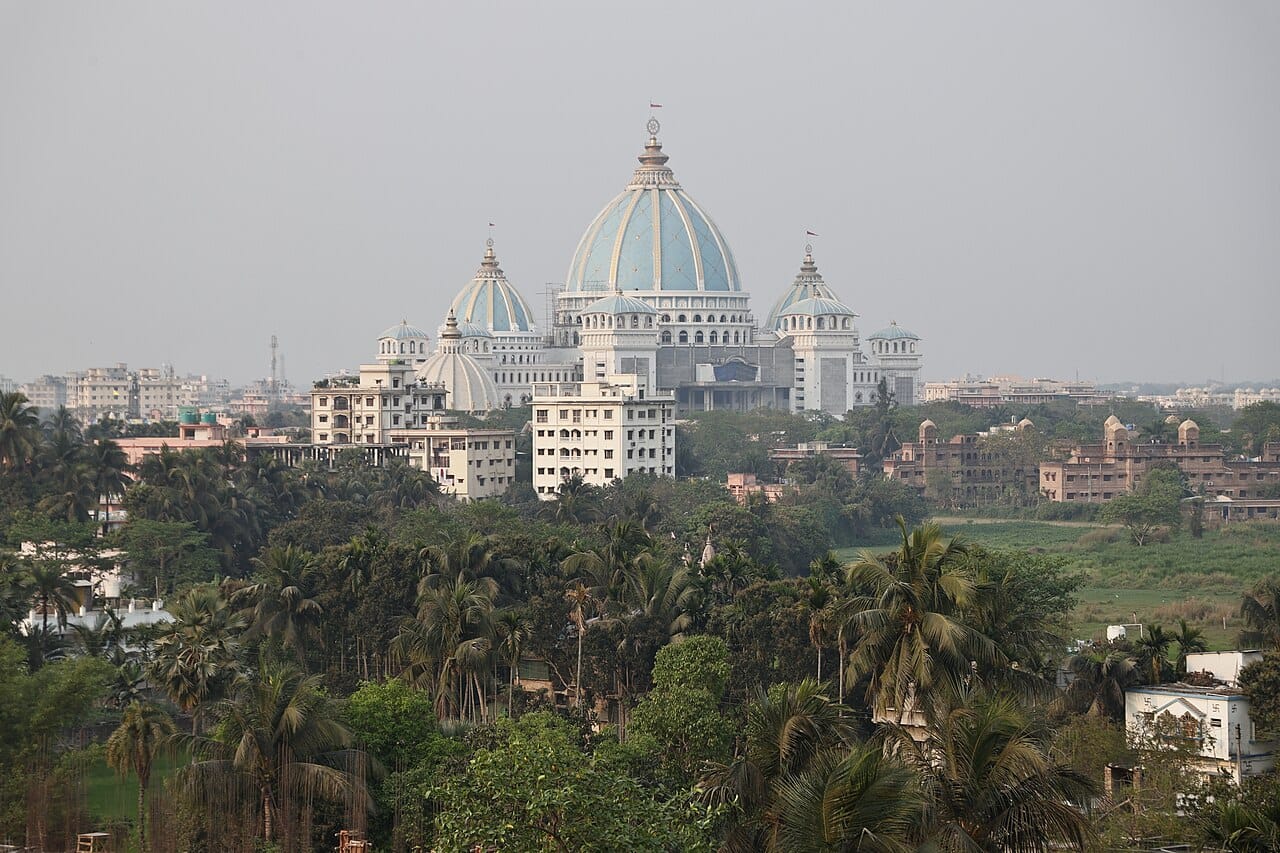
ISKCON Mayapur Nadia
The global spiritual headquarters of ISKCON in Mayapur, Nadia, situated at the confluence of the…
Explore Temple

West Bengal
Rasmancha Bishnupur
The oldest 17th-century brick structure in Bishnupur, unique for its massive pyramidal roof and arched…
Explore Temple

West Bengal
Shyam Rai Temple Bishnupur
A five-towered terracotta temple famous for its circular friezes showing the Rasa-lila of Lord Krishna.
Explore Temple
West Bengal
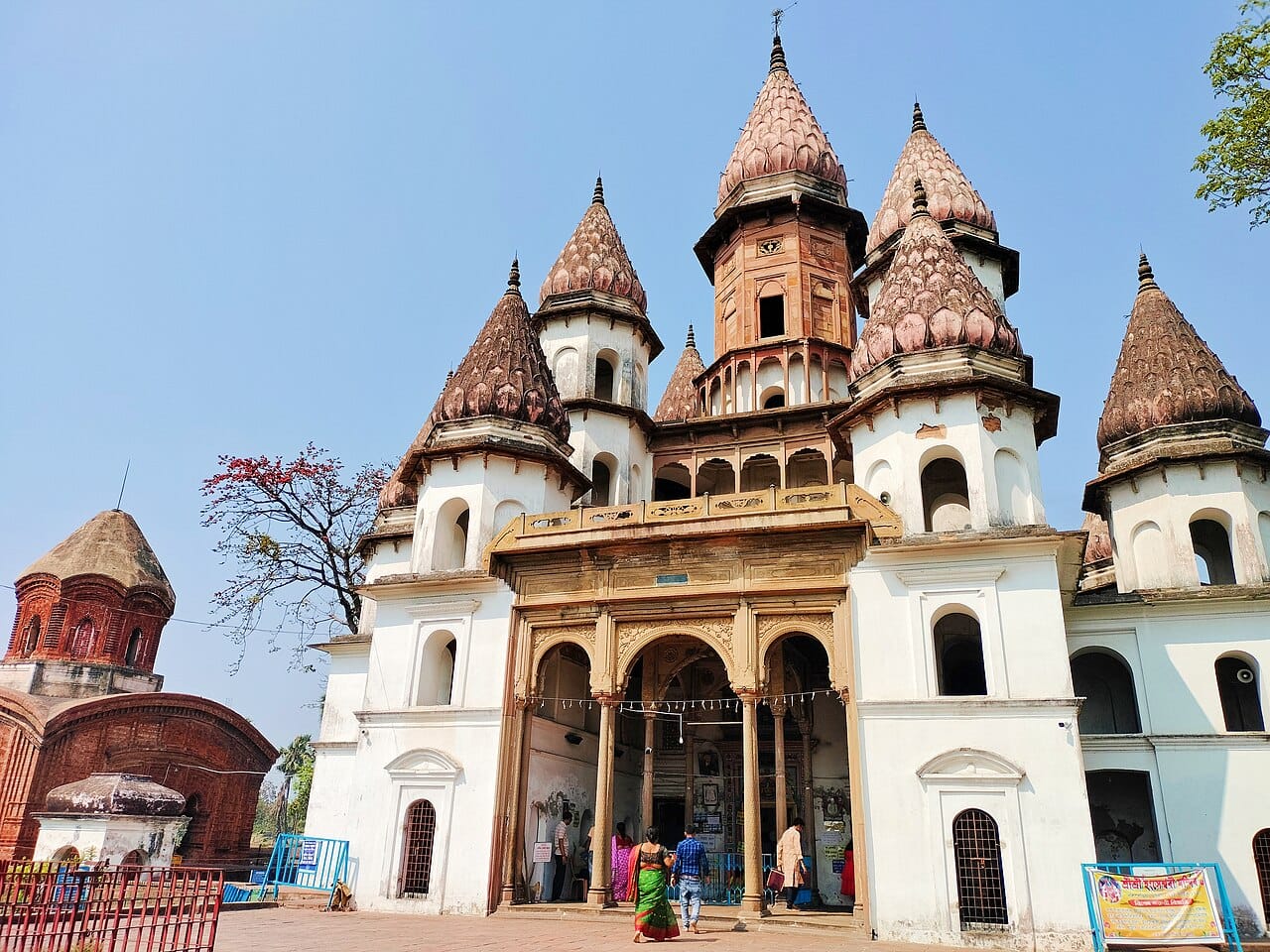
Hangseshwari Temple Bansberia
A unique temple with 13 lotus-bud towers, representing the human body's anatomy according to Yoga…
Explore Temple
Explore More in West Bengal
West Bengal
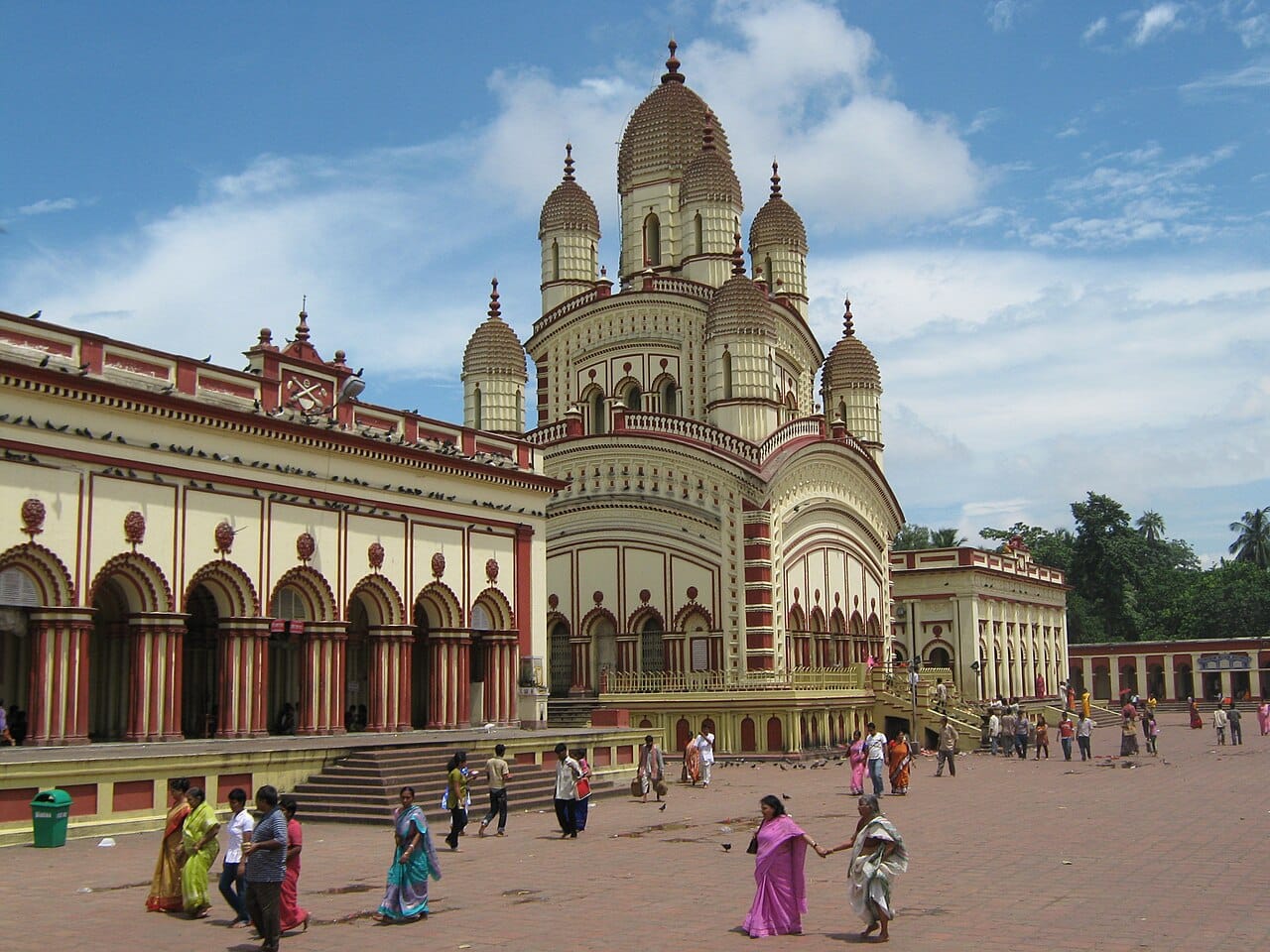
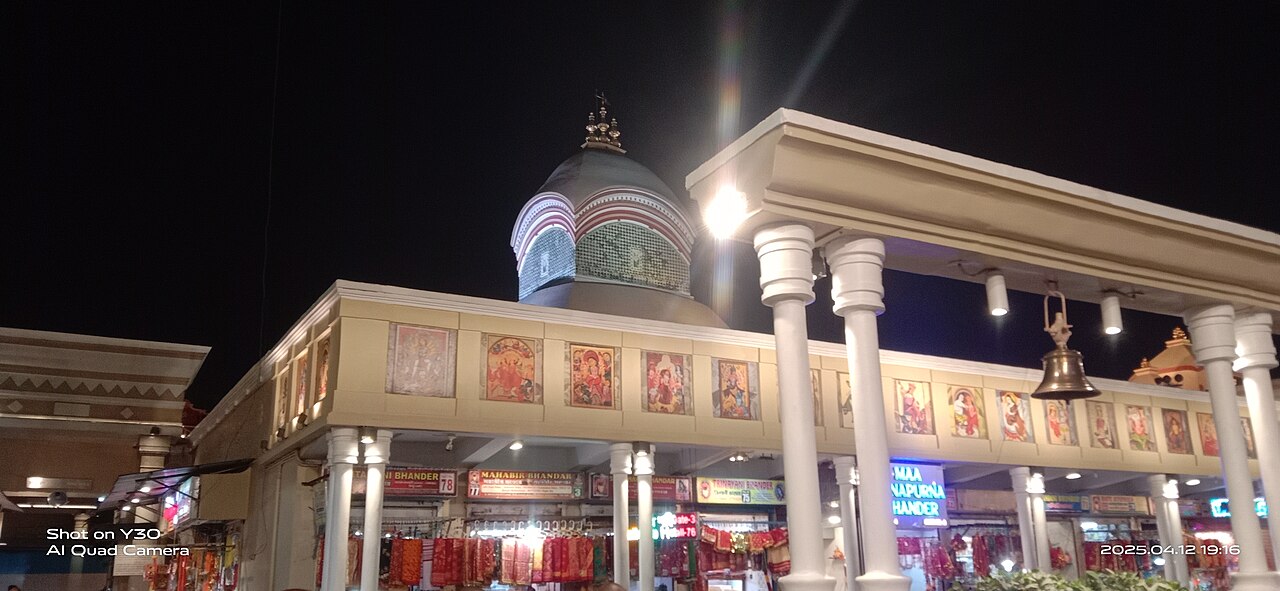
Dakshineshwar Kali Temple
A world-famous 19th-century temple complex on the Hooghly River, immortalized by its association with the…
Explore Temple
West Bengal
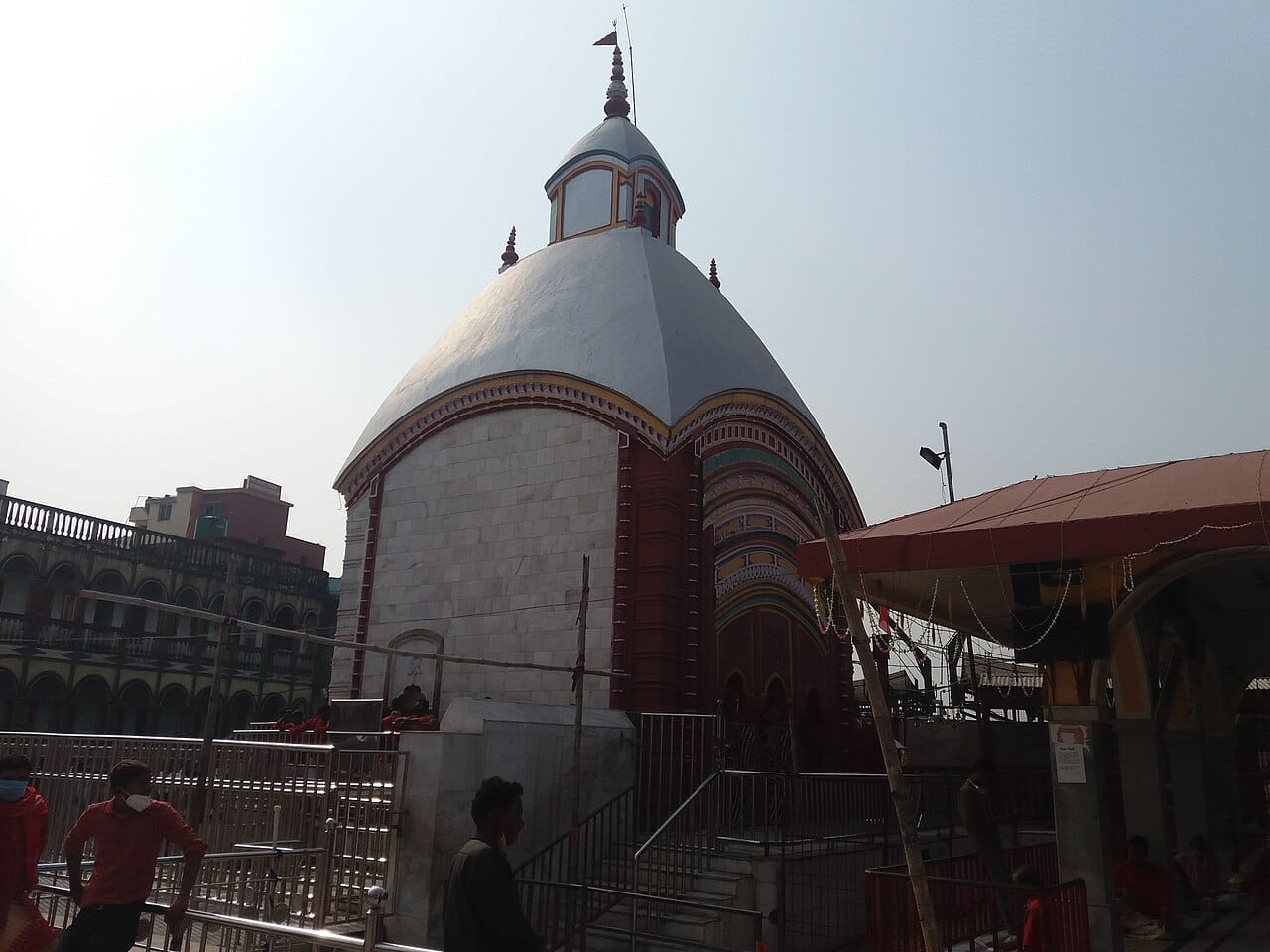
Kalighat Kali Temple
A major Shakti Peetha where the toes of Sati's right foot fell, serving as the…
Explore Temple
West Bengal
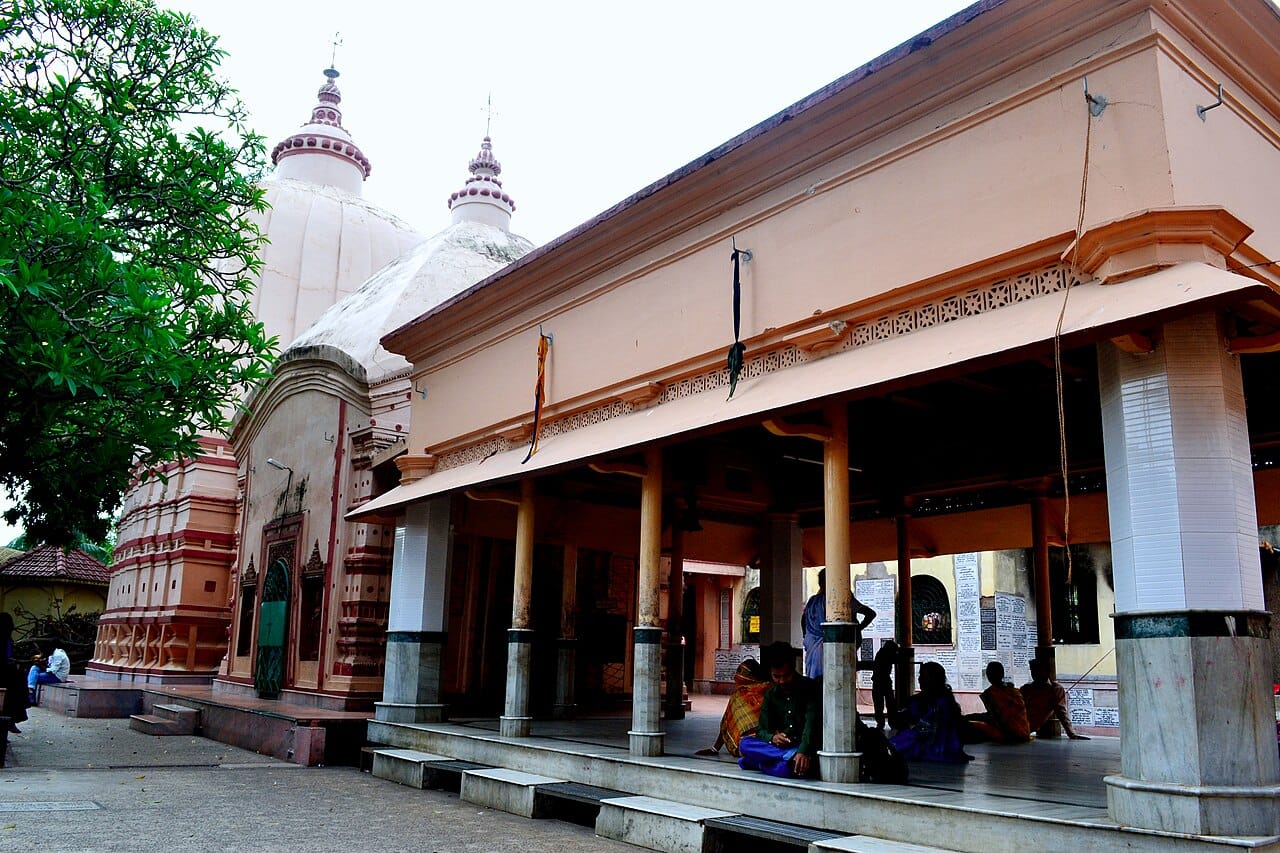
Tarapith Temple Birbhum
A major center for Tantric worship dedicated to Goddess Tara, famous for the saint Bamakhyapa…
Explore Temple
West Bengal
Bargabhima Temple Tamluk
An ancient 1,150-year-old temple where Sati's left ankle fell, blending Bengali 'at-chala' and Odia 'Kalinga'…
Explore Temple
Heritage Fact
"The Meenakshi Temple in Madurai has 14 gopurams (gateway towers), ranging from 45 to 52 meters in height."