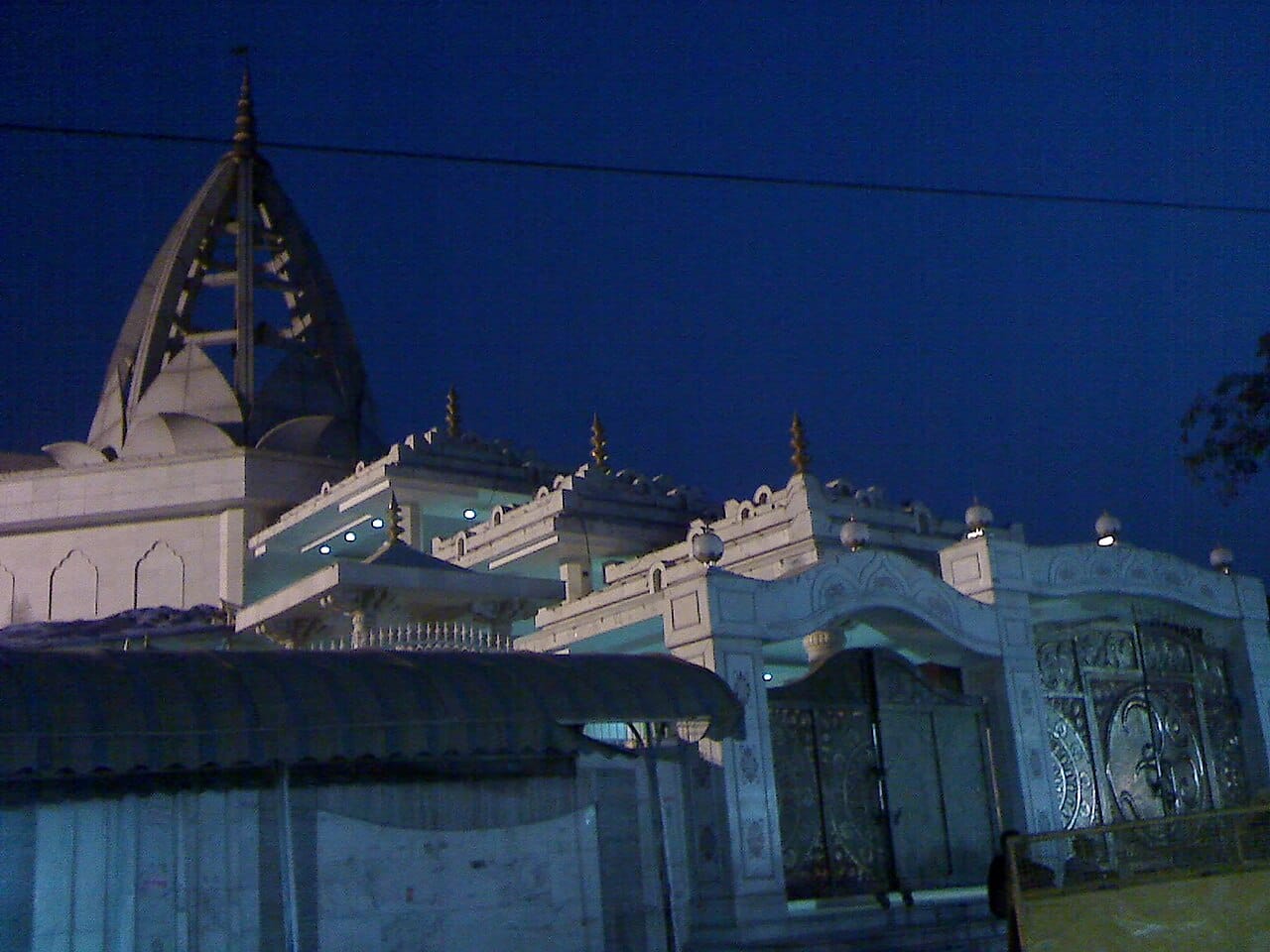
According to tradition, the original idol of the Goddess was discovered in a cave that was later incorporated into the temple. The temple has been a center of Shakti worship in Delhi for centuries. Over time, the site was developed from a simple cave shrine into a multi-level temple complex, with flags marking the gratitude of devotees.
Sacred Heritage
Jhandewalan Devi Mandir
New Delhi, Delhi
State:Delhi
District:New Delhi
Why This Temple Matters
One of the 51 Shakti Peethas — where the Goddess's divine energy resides
Key Takeaways
- Dedicated to Goddess Jhandewali (Durga)
- Multi-level Cave-style / Modern Marble Fusion architecture
- Built by the Historical dynasty
- Located in New Delhi, Delhi
- Temple timings: 5:00 AM to 10:00 PM daily.
Quick Facts
- Location
- New Delhi
- Presiding Deity
- Goddess Jhandewali (Durga)
- Architecture
- Multi-level Cave-style / Modern Marble Fusion
- Dynasty
- Historical
- Timings
- 5:00 AM to 10:00 PM daily.
- Entry Fee
- Free
- Best Time
- October to March offers pleasant weather. Navratri provides the most festive atmosphere.
Overview
One of Delhi's oldest and most revered Shakti shrines, named after the ritual flags (Jhandas) offered by its many devotees.
History & Legacy
Architecture
Key Features
The temple is a multi-level structure with a cave-style subterranean sanctum where the original idol was found. The upper levels are built of modern marble, creating a fusion of ancient and contemporary architecture. The most visible feature of the temple is the countless flags (jhandas) tied around the complex by devotees.
Religious & Cultural Significance
The temple is a powerful Shakti Peetha in Delhi. The tradition of offering flags (jhandas) is unique — devotees tie a flag at the temple after their wishes are fulfilled, and the thousands of flags that adorn the temple are a visual testament to the Goddess's blessings. The subterranean cave sanctum preserves the original worship site.
Daily Rituals
Daily aartis are performed. Special pujas are conducted on Tuesdays and Saturdays, considered auspicious for the Goddess. Navratri sees extensive celebrations.
Festivals & Celebrations
Festival
Navratri (both Chaitra and Sharad) are the most important festivals, celebrated with special pujas and the tying of new flags. Durga Puja and Diwali are also observed.
Interesting Facts
Thousands of devotees' flags, cave-sanctum, oldest Shakti temple in Delhi, wish-fulfilling Goddess
How to Reach & Visitor Tips
Located in the Jhandewalan area of central Delhi, accessible by metro (Jhandewalan or Karol Bagh stations). Auto-rickshaws are available for local transport.
Nearby Attractions
Birla Mandir (2 km). Bangla Sahib Gurudwara (3 km). Connaught Place (3 km). Jantar Mantar (4 km). Rashtrapati Bhavan (5 km).
Frequently Asked Questions
Why are there so many flags at the temple?
A.
Devotees tie flags (jhandas) at the temple after their wishes are fulfilled. The thousands of flags are a visual record of answered prayers.
Is there a cave in the temple?
A.
Yes, the original idol of the Goddess was found in a cave, which has been preserved as the subterranean sanctum.
Answers are based on verified information. Site rules may change — verify locally before visiting.
Sources & References
Ministry of Tourism, Government of India
"Ministry of Tourism — official destination information"
View SourceLinks Last Checked
30 September 2026
Related Temples
Same Pilgrimage
Kalighat Kali Temple
A major Shakti Peetha where the toes of Sati's right foot fell, serving as the…
Tarapith Temple Birbhum
A major center for Tantric worship dedicated to Goddess Tara, famous for the saint Bamakhyapa…
Bargabhima Temple Tamluk
An ancient 1,150-year-old temple where Sati's left ankle fell, blending Bengali 'at-chala' and Odia 'Kalinga'…
Vaishno Devi Temple
The Vaishno Devi Temple, a sacred cave shrine situated in the Trikuta Mountains of Jammu…
Dhari Devi Temple
A sacred Shakti temple on the banks of the Alaknanda River, considered the guardian deity…
Vishalakshi Temple
The Vishalakshi Temple, located in the narrow lanes of Mir Ghat near the Ganges in…
Same State
Akshardham Temple
A massive Hindu temple complex displaying millennia of traditional Indian and Hindu culture, spirituality, and…
Chhatarpur Temple
A massive marble temple complex dedicated to Goddess Katyayani, featuring both North and South Indian…
Kalkaji Temple
An ancient temple dedicated to Kalka Devi, believed to date back to the Satya Yuga…
Hanuman Mandir Connaught Place
One of the five ancient temples from the Mahabharata era in Delhi, famous for its…
Yogmaya Temple Mehrauli
One of Delhi's few surviving ancient temples, believed to be built by the Pandavas and…
Gauri Shankar Temple Delhi
Historic 18th-century Shaivite temple in Chandni Chowk founded by Maratha soldier Appa Gangadhar, enshrining a…
Same Tradition
Dakshineshwar Kali Temple
A world-famous 19th-century temple complex on the Hooghly River, immortalized by its association with the…
Kalighat Kali Temple
A major Shakti Peetha where the toes of Sati's right foot fell, serving as the…
Hangseshwari Temple Bansberia
A unique temple with 13 lotus-bud towers, representing the human body's anatomy according to Yoga…
Vaishno Devi Temple
The Vaishno Devi Temple, a sacred cave shrine situated in the Trikuta Mountains of Jammu…
Dhari Devi Temple
A sacred Shakti temple on the banks of the Alaknanda River, considered the guardian deity…
Kalkaji Temple
An ancient temple dedicated to Kalka Devi, believed to date back to the Satya Yuga…
Visiting as an International Traveller
Foreign visitor information is being researched
Please verify with the official authority for this site before planning your visit.
Entry Status
Foreign Visitors
Verify Before VisitingVisitor Information
Entry policies are set by each site — confirm before travelling.
Entry rules for international visitorsWho can enter, permits, and what to expect at the gate.Dress Code
Modest clothing is expected — a sign of respect, not a restriction.
Shoulders covered
Knees covered
Shoes removed before entry
Head covering (women)
Rain gear available
Warm layers (winter)
Photography Guide
Outside
Inside
Flash
Drone
Tripod
Commercial
Best Time to Visit
Peak Season
October to March offers pleasant weather. Navratri provides the most festive atmosphere.
Moderate to High — comfortable weather
Summer
April — June
Low — hot plains, pleasant hills
Monsoon
July — September
Low — lush landscape, travel delays possible
Language & Communication
Understanding Temple Traditions
These short explanations help make sense of what you see and experience.
Tips for International Visitors
Temple vocabulary and ritualsDarshan, pradakshina, prasadam, aarti, hundi and mandapa.Currency, donations and queuesCash, UPI, donation etiquette and how long entry queues take.Photography etiquetteSignage, flash, selfie sticks and photographing other visitors.Festival crowds and safetyAdvance booking, road closures, belongings and offline maps.
Essential Contacts
Police / Ambulance / Fire: 112 (National Emergency Number)
Tourist Helpline: 1800-111-363 (Multi-lingual, Ministry of Tourism)
Women's Helpline: 1091
Travel Preparation Checklist
Packing Checklist for Jhandewalan Devi Mandir
Continue Reading
Rules change — confirm current policies with the site's authority before you travel.
Site-verified visitor data pending. See our sources and methodology.
By Naveen singh negi
Updated: July 2026
Related:Delhi TemplesGoddess Jhandewali (Durga)Multi-level Cave-style / Modern Marble FusionHistoricalMethodology
Collections:51 Shakti Peethas
Delhi
Historical
Shakti Peetha
Explore More Sacred & Heritage Sites
Related heritage monuments, regional traditions, and pilgrimage connections.
UNESCO Temple Heritage Sites
UNESCO 1987Cultural Heritage
Tamil Nadu
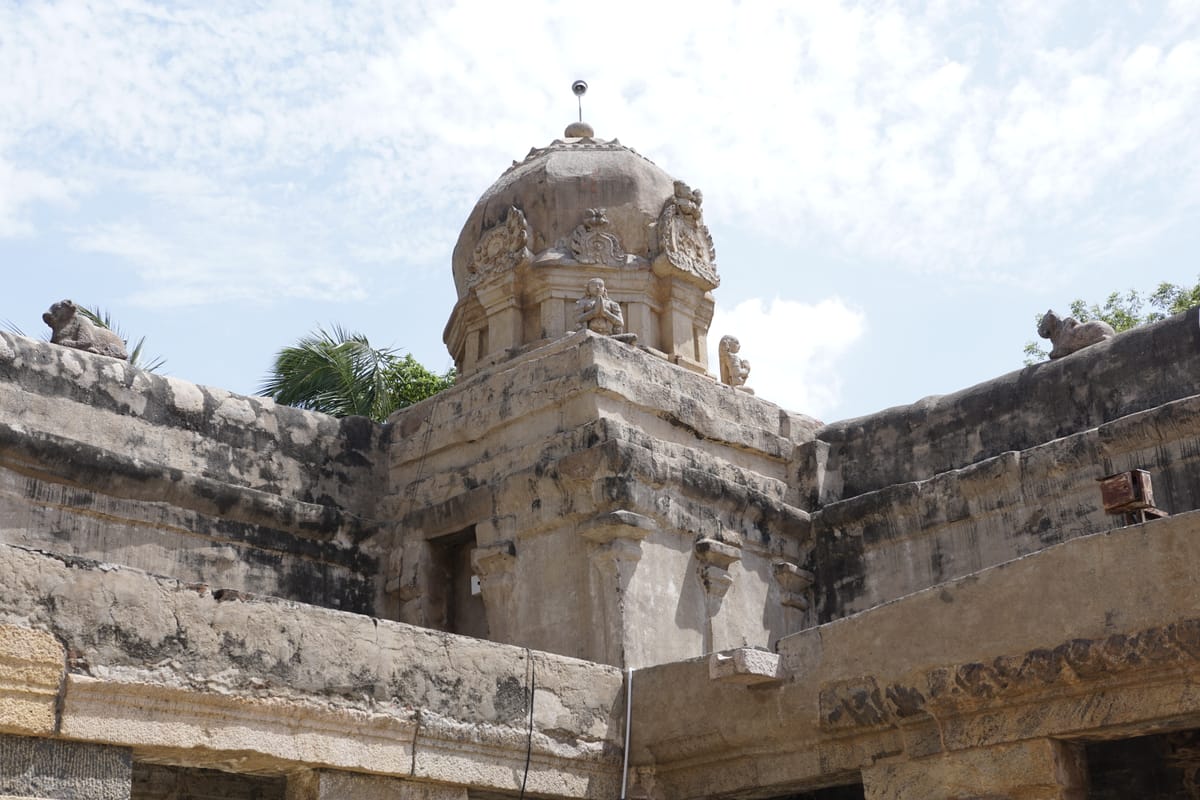
Great Living Chola Temples — Brihadeeswarar Temple
The principal temple of the Great Living Chola Temples UNESCO site, a masterpiece of Dravidian…
Explore Temple
UNESCO 1986Cultural Heritage
Madhya Pradesh
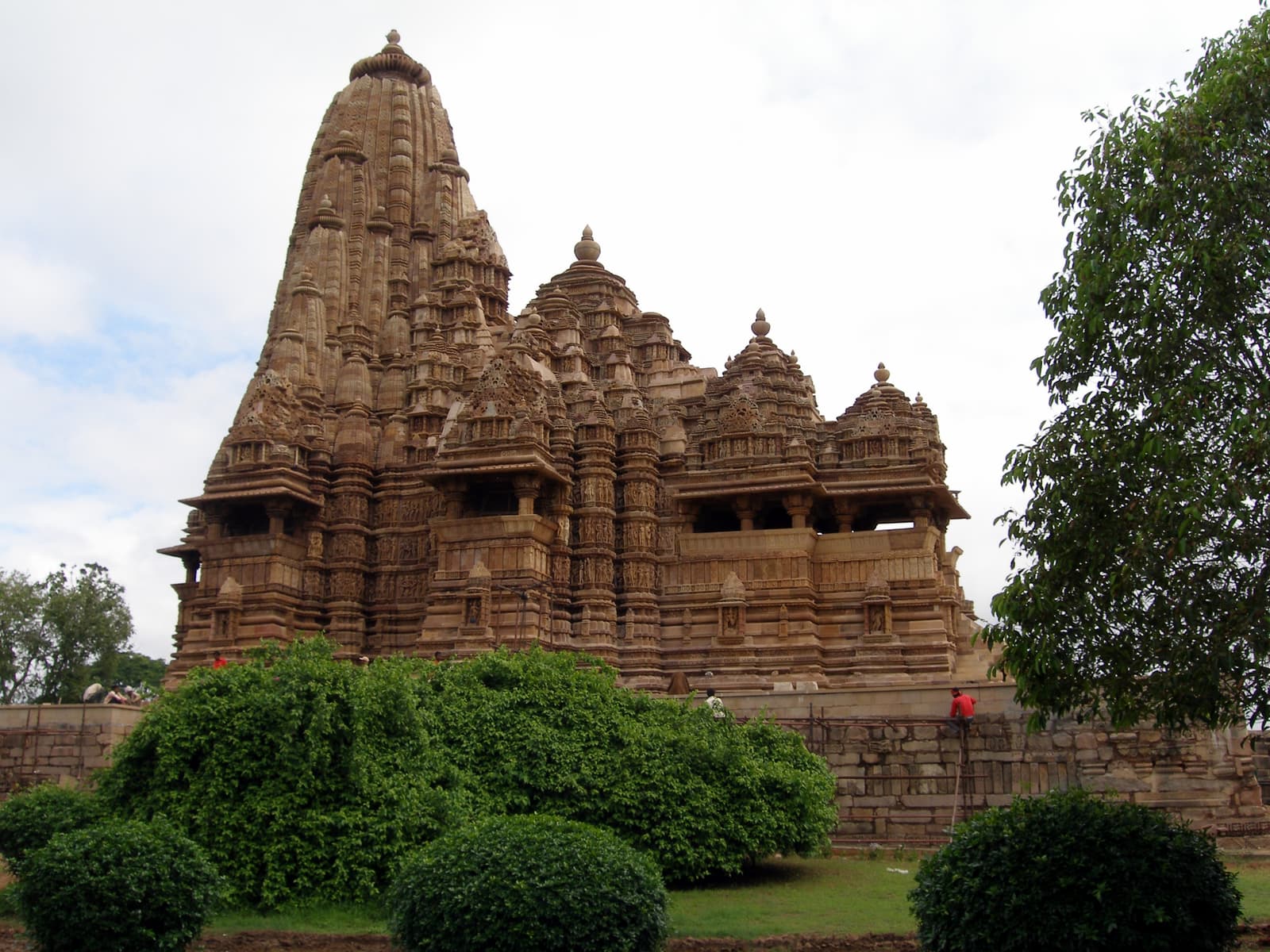
Khajuraho Group of Monuments
The largest and most ornate Hindu temple in the Khajuraho Group of Monuments.
Explore Temple
UNESCO 1984Cultural Heritage
Odisha
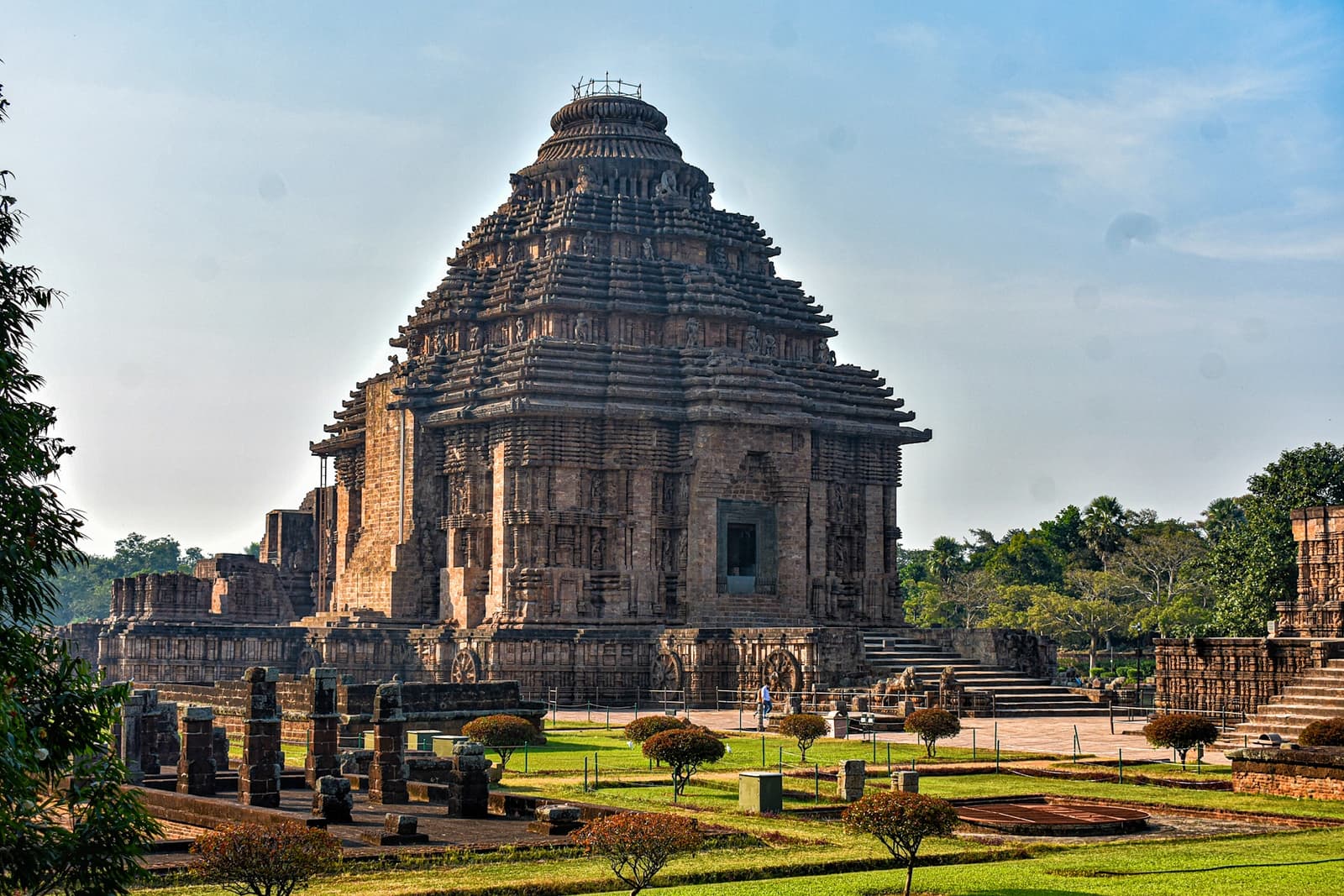
Sun Temple, Konark
A 13th-century Sun Temple built as a giant stone chariot with 24 wheels, drawn by…
Explore Temple
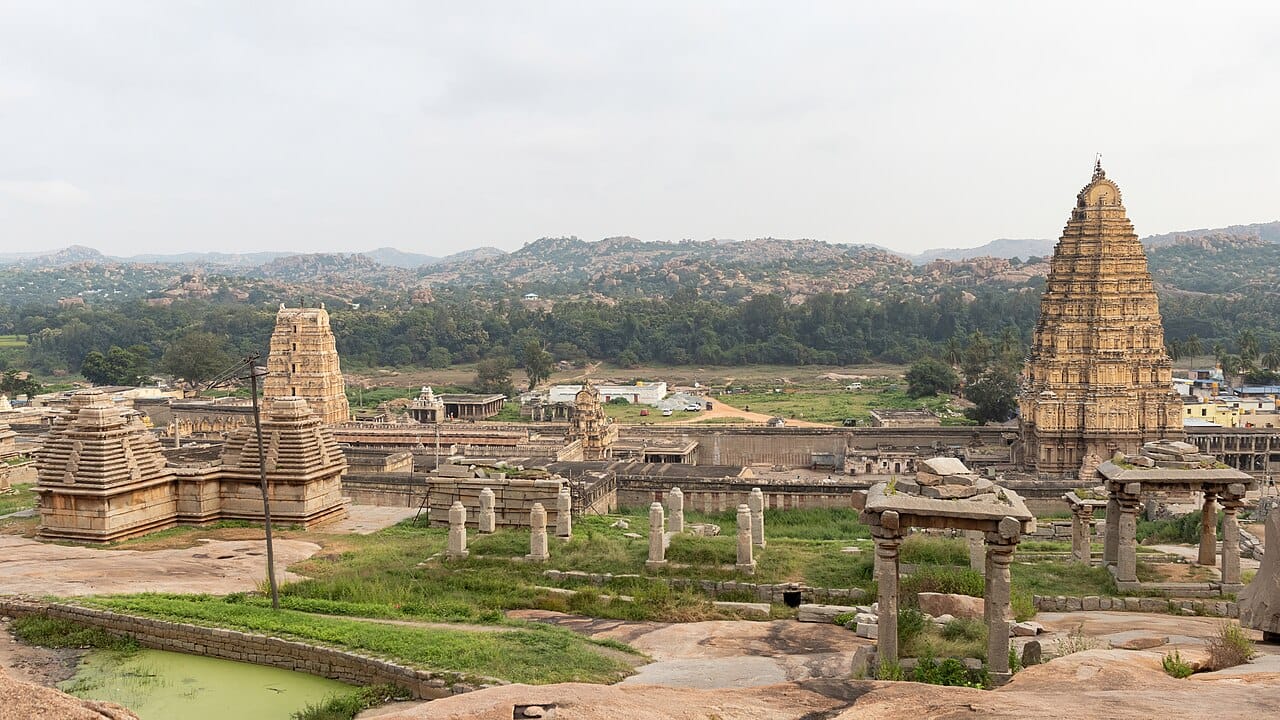
UNESCO 1986Cultural Heritage
Karnataka
Hampi Group (Virupaksha Temple)
The Virupaksha Temple is the most iconic monument of Hampi, a UNESCO World Heritage site…
Explore Temple
Famous Temples You May Like
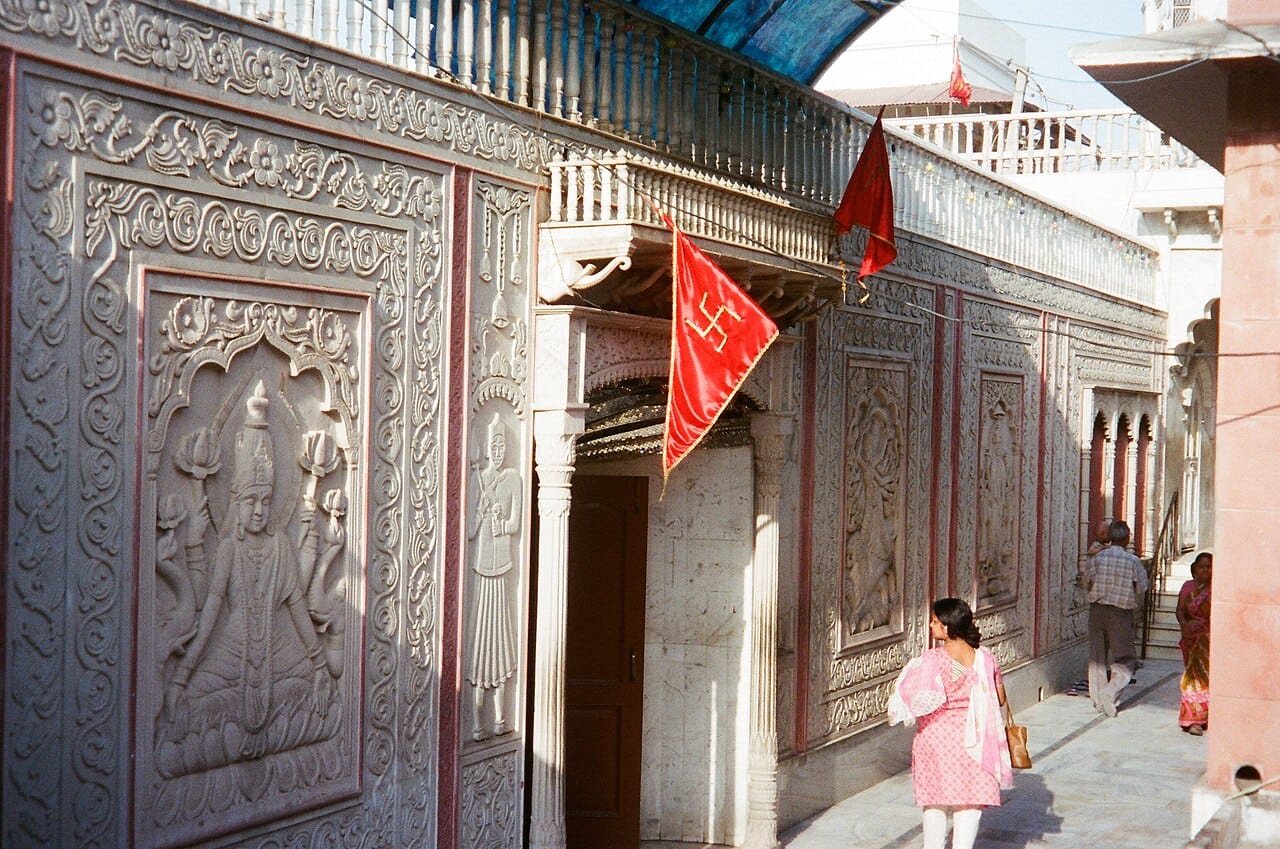
Delhi
Yogmaya Temple Mehrauli
One of Delhi's few surviving ancient temples, believed to be built by the Pandavas and…
Explore Temple
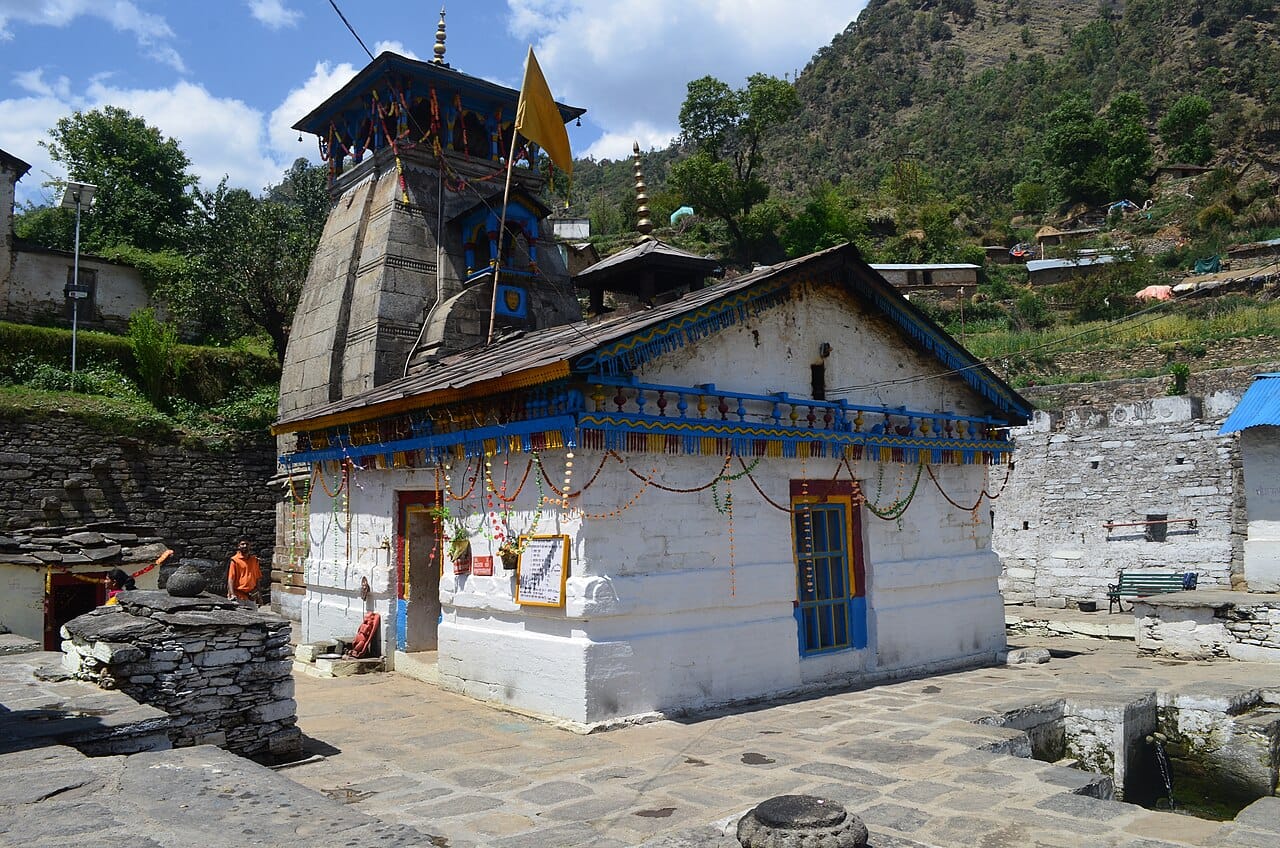
Delhi
Gauri Shankar Temple Delhi
Historic 18th-century Shaivite temple in Chandni Chowk founded by Maratha soldier Appa Gangadhar, enshrining a…
Explore Temple
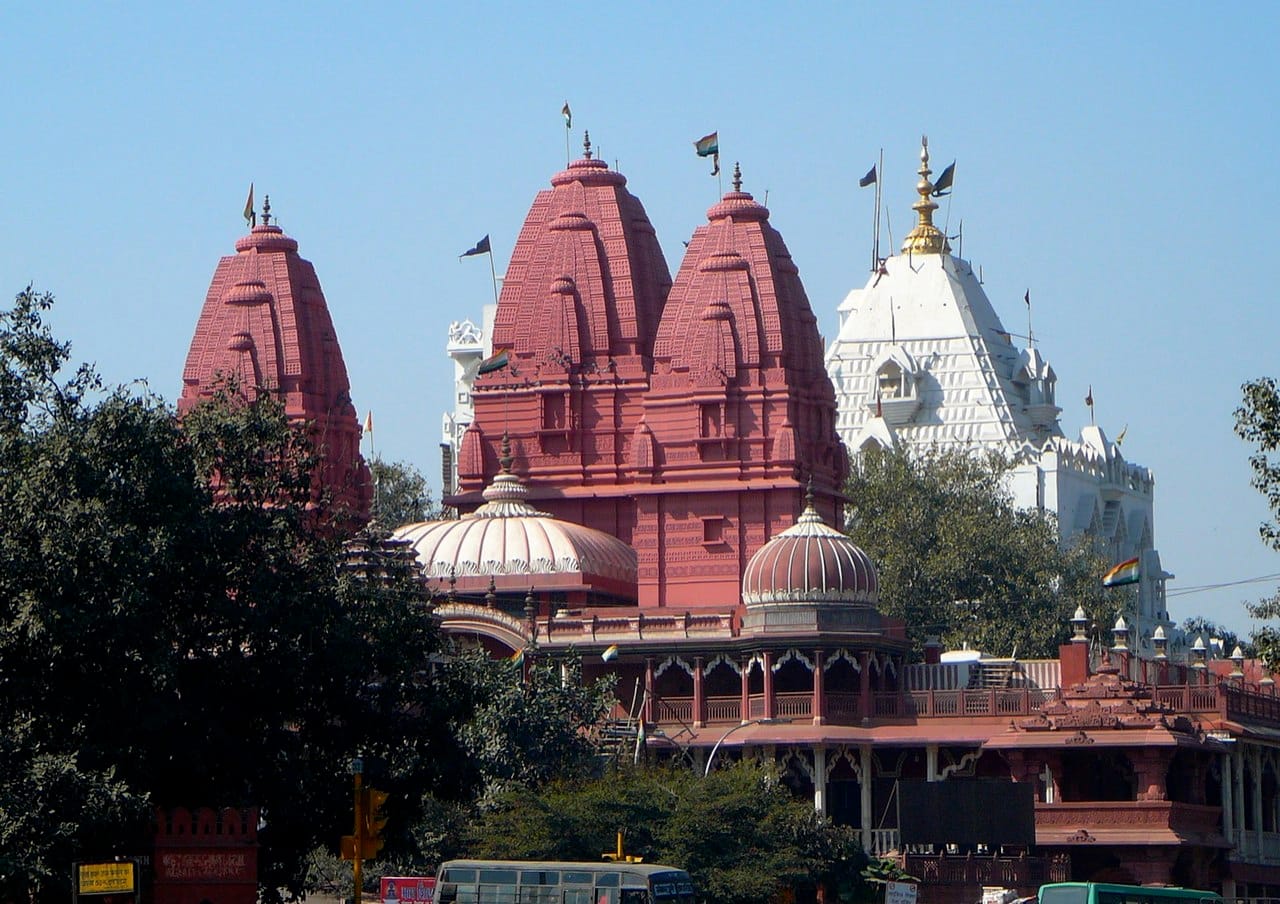
Delhi
Shri Digambar Jain Lal Mandir
The oldest Jain temple in Delhi, built in 1656 and famous for its vibrant red…
Explore Temple
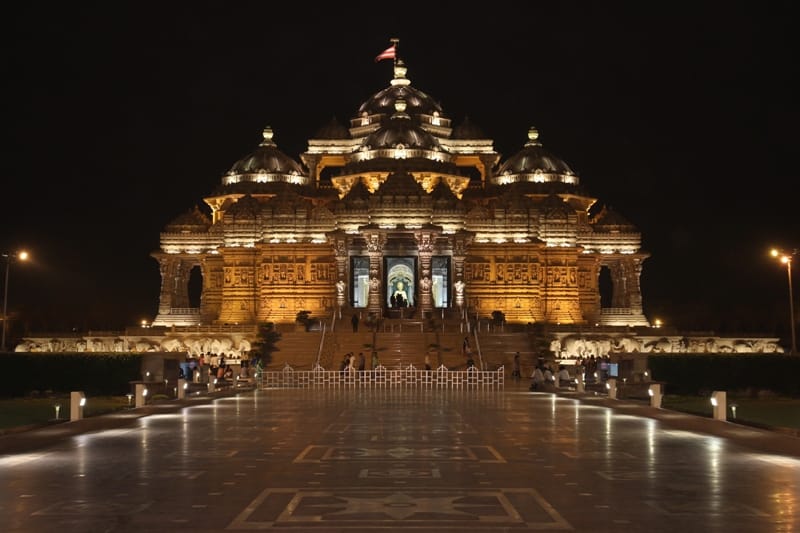
Delhi
Akshardham Temple
A massive Hindu temple complex displaying millennia of traditional Indian and Hindu culture, spirituality, and…
Explore Temple
Explore More in Delhi
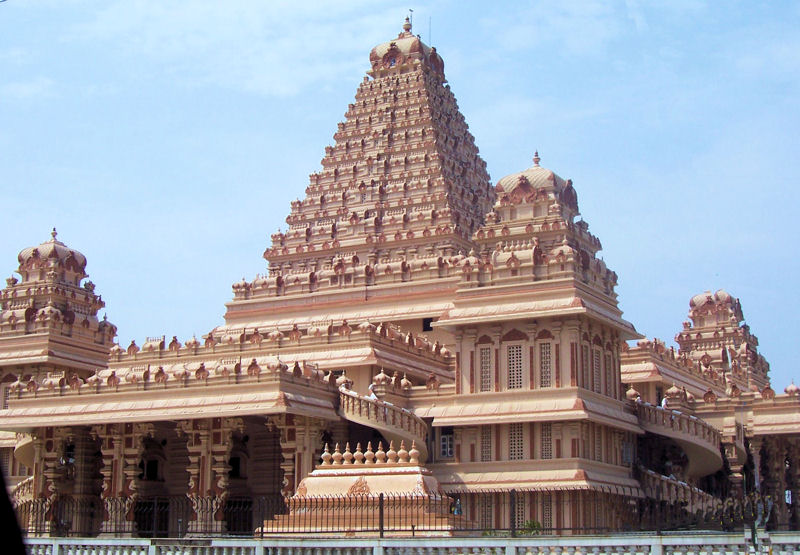
Delhi
Chhatarpur Temple
A massive marble temple complex dedicated to Goddess Katyayani, featuring both North and South Indian…
Explore Temple
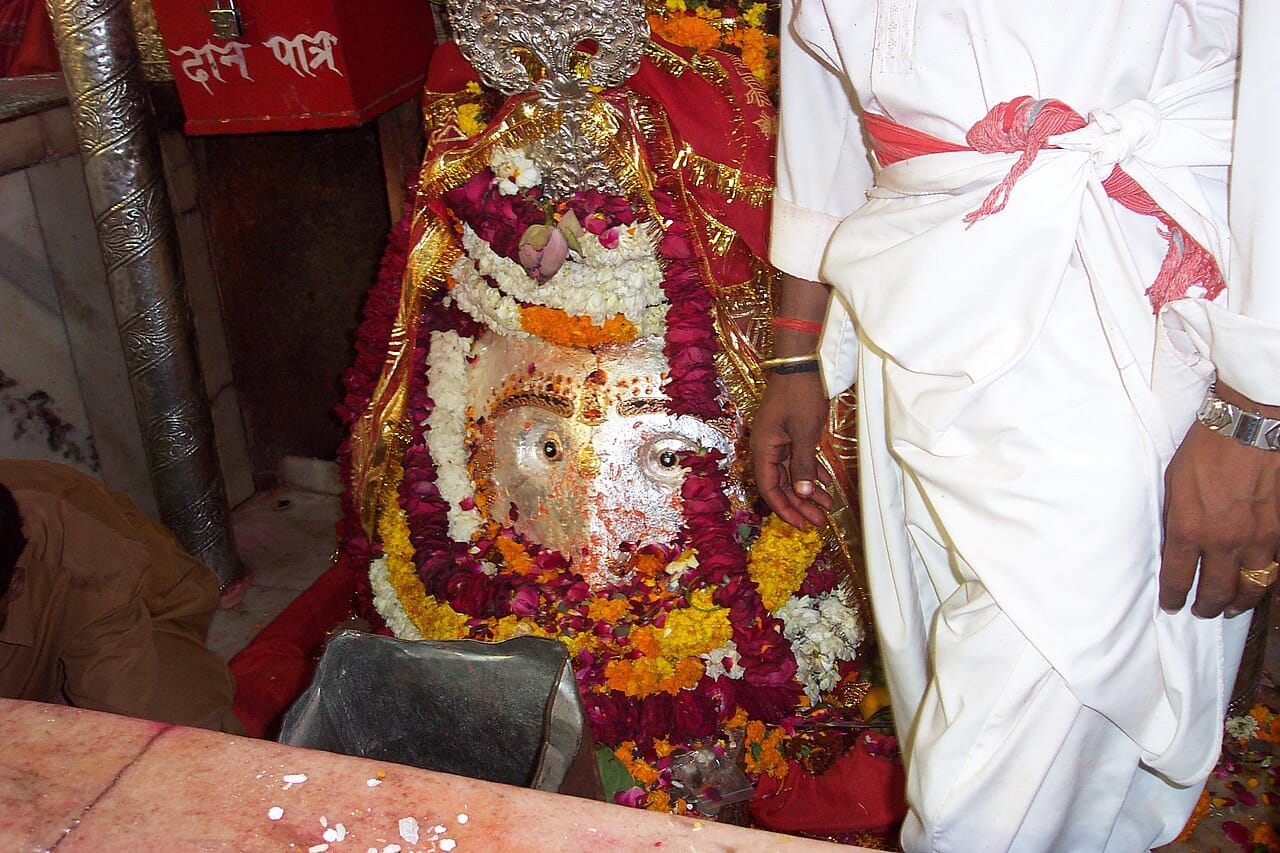
Delhi
Kalkaji Temple
An ancient temple dedicated to Kalka Devi, believed to date back to the Satya Yuga…
Explore Temple
Delhi
Hanuman Mandir Connaught Place
One of the five ancient temples from the Mahabharata era in Delhi, famous for its…
Explore Temple
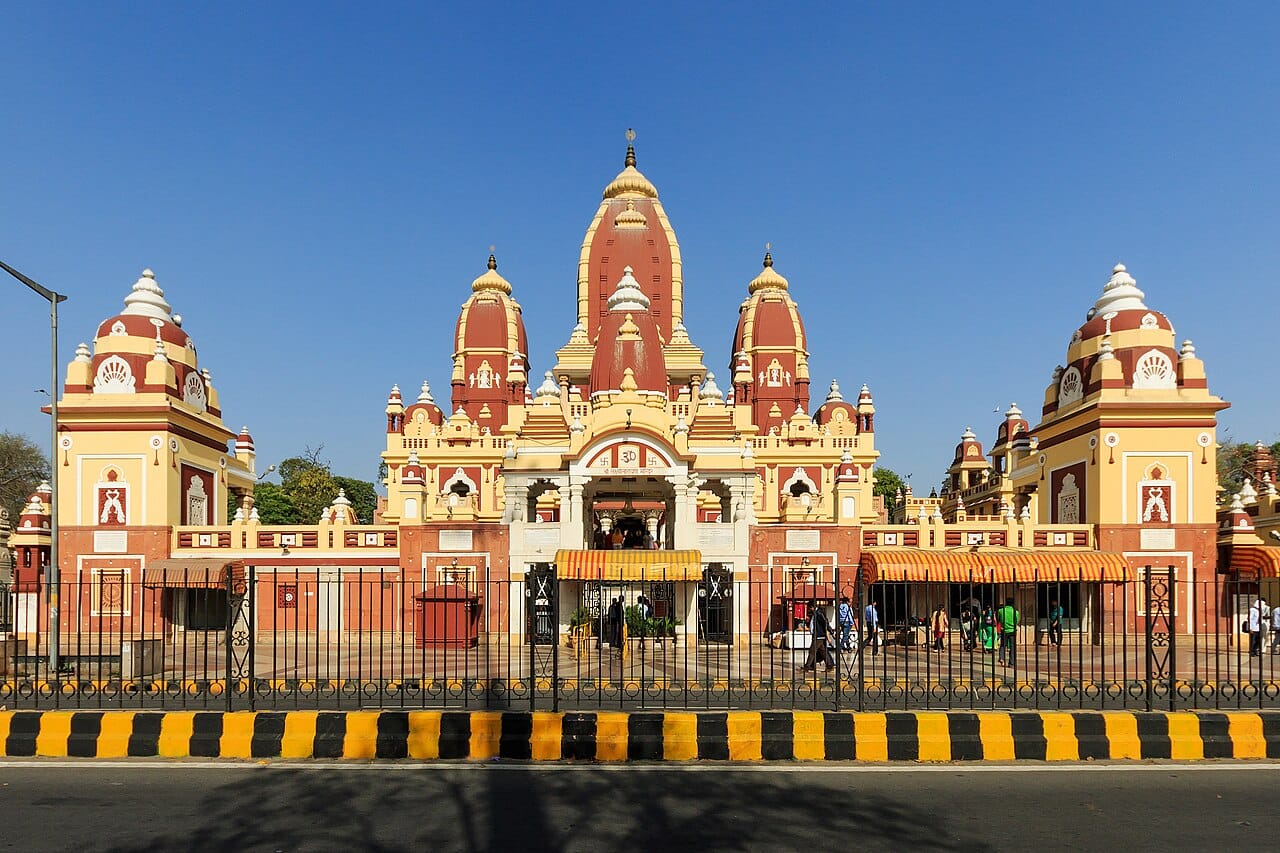
Delhi
Birla Mandir (Laxmi Narayan Temple)
Inaugurated by Mahatma Gandhi in 1939, this masterpiece of Nagara style was one of India's…
Explore Temple
Heritage Fact
"The Shore Temple at Mahabalipuram is one of the oldest structural stone temples of South India."