Sacred Destinations
Delhi
10Sacred Sites
10Major Temples
Delhi, the capital of India, is a living museum of religious history spanning over 2,000 years, containing Hindu temples, Islamic mosques, Sikh gurudwaras, Jain temples, and Christian churches. The sacred landscape includes the monumental Akshardham Temple complex (the largest Hindu temple in the world by area), the historic Birla Mandir, the Chhatarpur Temple, the ancient Yogmaya Temple (dating to the Mahabharata period), and the Kalkaji Mandir. Sikh sites include Gurudwara Bangla Sahib and Sis Ganj Sahib, the latter marking the martyrdom of Guru Tegh Bahadur.
Quick Facts
Capital
New Delhi
Population
21.8 million (metro)
Area
1,484 km²
Languages
Hindi, English, Punjabi, Urdu
Best Time to Visit
October to March
Major Pilgrimage
Akshardham, Birla Mandir, Chhatarpur, Kalkaji, Bangla Sahib
Temple Style
Nagara, modern, Indo-Portuguese
UNESCO Count
0 (temples)
Major River
Yamuna
Highest Point
Bhatti Hills (320 m)
Why Visit Delhi
Delhi's religious traditions are shaped by its layered history of Hindu, Islamic, Sikh, and Jain rule. The Akshardham Temple (2005), built by BAPS, is a modern architectural marvel spread over 100 acres with 20,000 carved deities and 234 ornate pillars. The Laxmi Narayan Temple (Birla Mandir, 1939) was inaugurated by Mahatma Gandhi and stands as a symbol of religious harmony. The Yogmaya Temple in Mehrauli is one of five remaining pre-Islamic temples in Delhi, associated with the Pandavas. The Chhatarpur Temple (1974) is the second-largest temple complex in India on 65 acres.
The Akshardham Temple holds the Guinness World Record for the largest comprehensive Hindu temple, with its central monument entirely hand-carved from 6,000 tons of pink sandstone without steel or concrete. The Birla Mandir was the first temple to admit all castes, inaugurated by Gandhi on that condition. The Yogmaya Temple is the oldest continuously worshipped temple in Delhi. Gurudwara Sis Ganj Sahib marks the site where Guru Tegh Bahadur was beheaded in 1675 for refusing to convert to Islam under Aurangzeb.
Temple Categories
Featured Sacred Places
Delhi
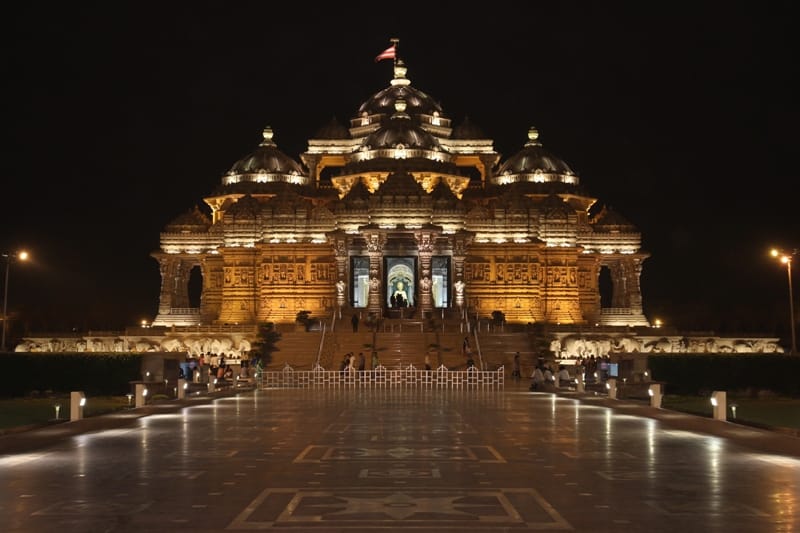
Akshardham Temple
A massive Hindu temple complex displaying millennia of traditional Indian and Hindu culture, spirituality, and architecture.
Explore Temple
Delhi
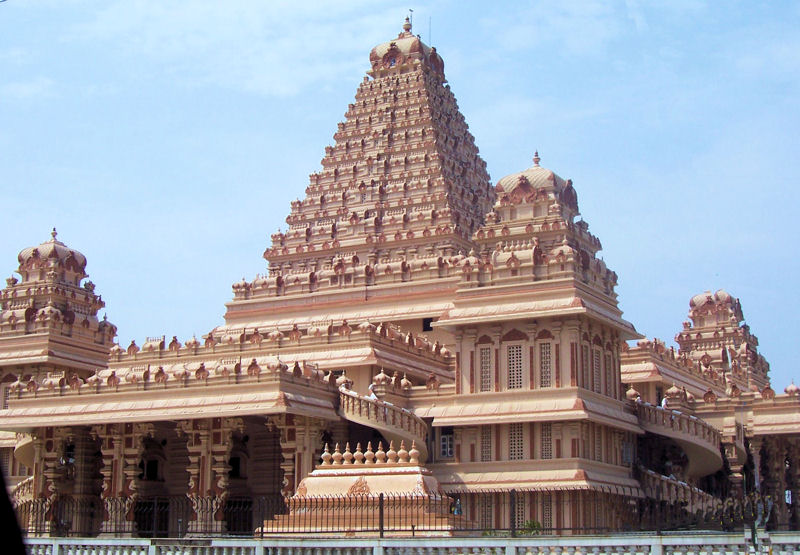
Chhatarpur Temple
A massive marble temple complex dedicated to Goddess Katyayani, featuring both North and South Indian architectural styles.
Explore Temple
Delhi
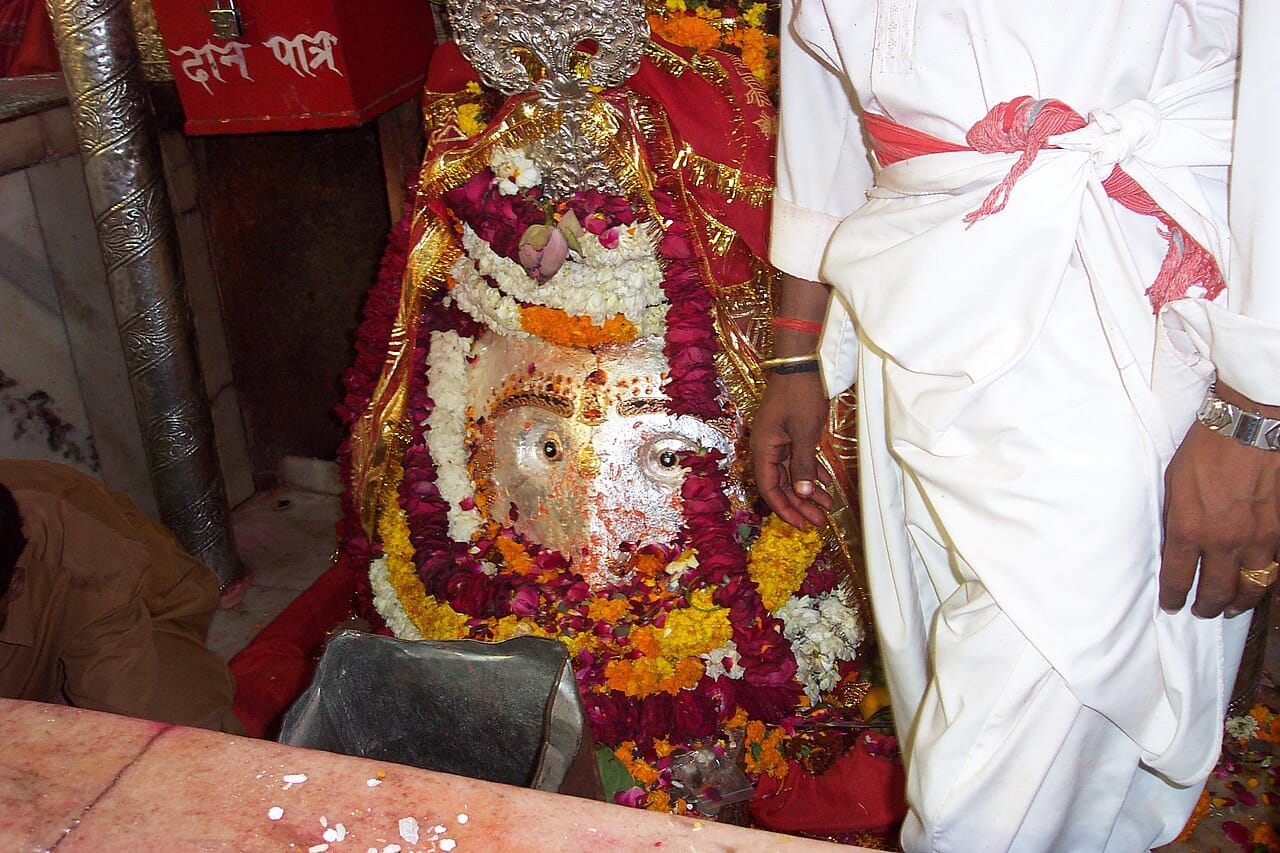
Kalkaji Temple
An ancient temple dedicated to Kalka Devi, believed to date back to the Satya Yuga, and highly crowded during Navratri.
Explore Temple
Delhi
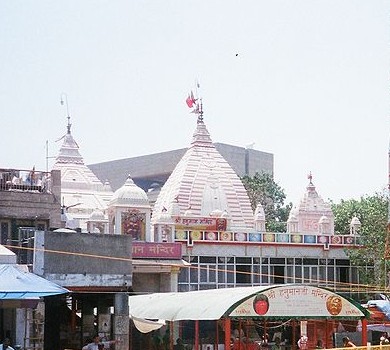
Hanuman Mandir Connaught Place
One of the five ancient temples from the Mahabharata era in Delhi, famous for its continuous 24-hour chanting since 1964.
Explore Temple
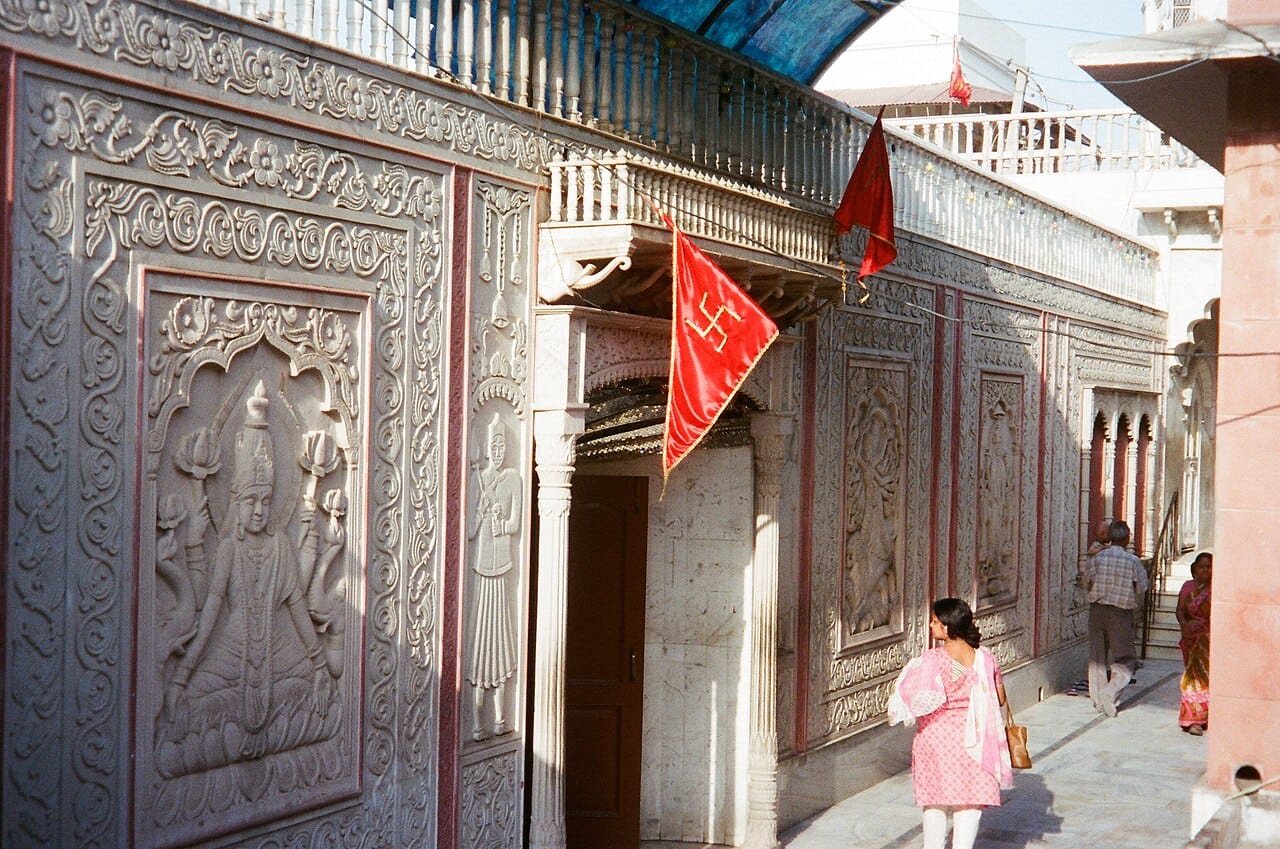
Delhi
Yogmaya Temple Mehrauli
One of Delhi's few surviving ancient temples, believed to be built by the Pandavas and a symbol of communal harmony.
Explore Temple
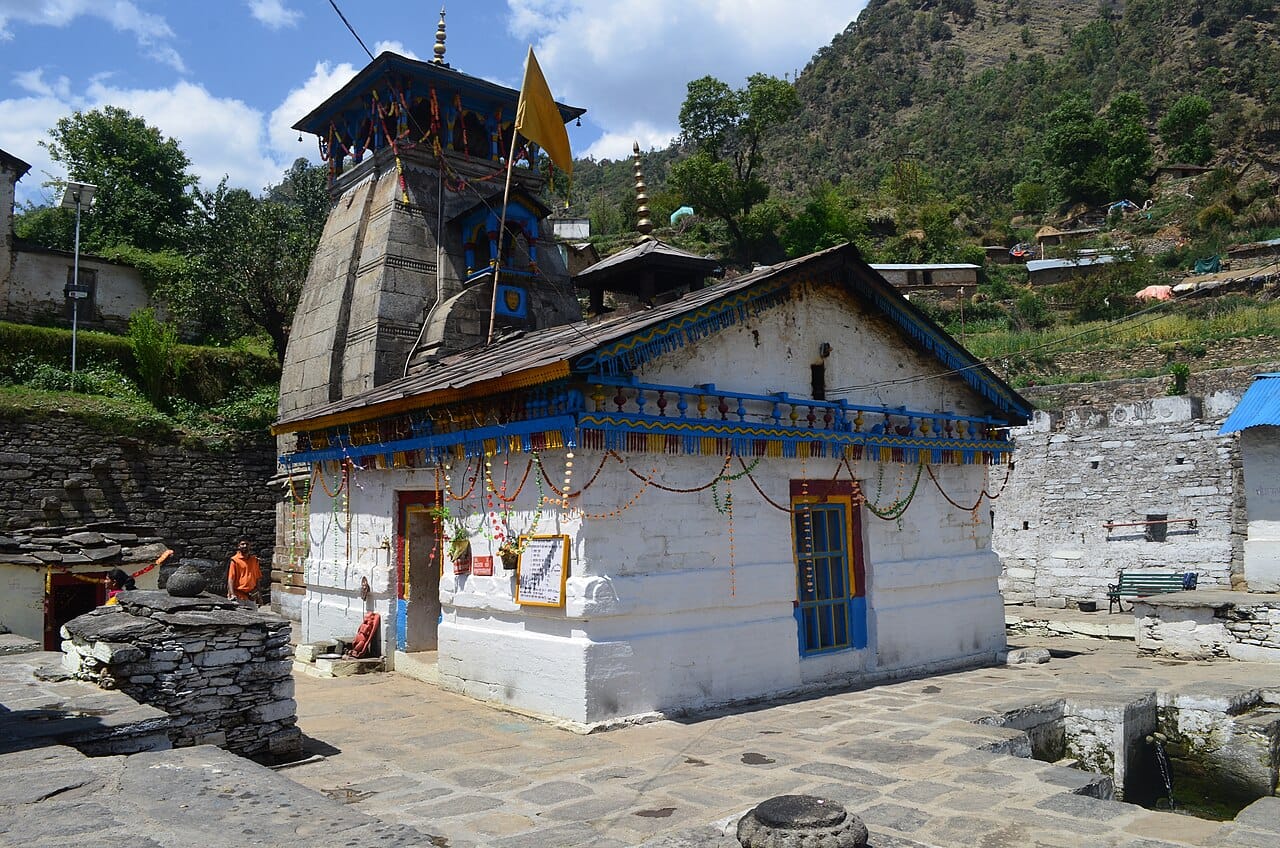
Delhi
Gauri Shankar Temple Delhi
Historic 18th-century Shaivite temple in Chandni Chowk founded by Maratha soldier Appa Gangadhar, enshrining a venerated brown stone lingam traditionally believed to be centuries older.
Explore Temple
Pilgrimage Circuits
Delhi Darshan Circuit
6 templesA one-to-two-day circuit covering Akshardham, Birla Mandir, Bangla Sahib, Kalkaji, Chhatarpur, and Yogmaya.
The Delhi darshan circuit covers Akshardham, Birla Mandir, Gurudwara Bangla Sahib, Jama Masjid, Kalkaji Mandir, Chhatarpur Temple, Lotus Temple, Yogmaya Temple, and the Qutb Minar. Many pilgrims use Delhi as a transit hub for Vaishno Devi, Char Dham Yatra, or Varanasi pilgrimage. The Akshardham Sahib Gurudwara in East Delhi is also a major Sikh site.
Temple Architecture
Delhi's religious architecture spans the full range of Indian building traditions. The Akshardham Temple follows Nagara style with 234 carved pillars, 20,000 figures, 148 life-sized elephants, and 42 intricately carved facades in pink sandstone and white marble. The Birla Mandir is a three-story Nagara structure with a 112-foot-high shikhara. The Chhatarpur Temple combines South Indian Dravidian and North Indian Nagara styles with a 70-foot gopuram. The Jama Masjid is built of red sandstone and white marble with two 40-meter minarets and three domes.
Historical Timeline
c. 1500 BCEKuru
Mahabharata-era Indraprastha established; Yogmaya Temple tradition begins.
1192Delhi Sultanate
Qutb-ud-din Aibak builds Quwwat-ul-Islam Mosque using materials from 27 demolished temples.
1656Mughal
Jama Masjid completed by Shah Jahan in Old Delhi.
1675Mughal
Guru Tegh Bahadur executed at Chandni Chowk; site becomes Gurudwara Sis Ganj Sahib.
1939British
Birla Mandir inaugurated by Mahatma Gandhi, first temple open to all castes.
2005Independent India
Akshardham Temple inaugurated, becoming the world's largest Hindu temple complex.
Temple Statistics
10+
Major Temples
Including Akshardham, Birla Mandir, Chhatarpur, Kalkaji
c. 1500 BCE
Oldest Temple
Yogmaya Temple (Mahabharata tradition)
100 acres
Largest Temple
Akshardham Temple complex
12+
Gurudwaras
Including 3 major Takht-level gurudwaras
Festivals
Akshardham Diwali
October-NovemberAkshardham Temple
1 week
Spectacular light and sound show with thousands of diyas and laser projections on the temple facade.
Navratri Chhatarpur
September-OctoberChhatarpur Temple
9 nights
Largest Jagran gatherings in Delhi; continuous devotional singing and night-long vigils.
Guru Parab
November-JanuaryGurudwara Bangla Sahib
2 days per Guru
Akhand Path (continuous scripture reading), devotional kirtan, and community langar.
Diwali at Akshardham features one of Delhi's most spectacular light shows. Navratri draws large crowds to Chhatarpur, Kalkaji, and Jhandewalan temples. Janmashtami at ISKCON Temple features midnight bhajans and dahi handi. The Guru Parabs at Gurudwara Bangla Sahib include continuous Akhand Path and langar. The Qutb Festival (October-November) features Sufi music and classical dance performances.
Travel Guide
Best Time
October to March (7-25°C)
Climate
Summer up to 45°C; winter fog Dec-Jan
Nearest Airport
Indira Gandhi International (DEL)
Metro
391 km network serves all major sites
Railway
New Delhi, Old Delhi, Hazrat Nizamuddin
Road
Ring Road, NH-44, NH-48
Local Transport
Metro, DTC buses, cabs, auto-rickshaws
Suggested Duration
2-3 days for religious sites
Nearby Attractions
UNESCO site
Red Fort
17th-century Mughal fortification built by Shah Jahan; site of the Prime Minister's Independence Day address.
UNESCO site
Qutb Minar Complex
73-meter victory tower built 1193-1386; Quwwat-ul-Islam Mosque built from temple materials.
UNESCO site
Humayun's Tomb
16th-century Mughal garden tomb, precursor to the Taj Mahal in architectural design.
Modern
Lotus Temple
Bahai House of Worship built 1986 in the shape of a lotus flower with 27 marble petals.
Interesting Facts
01
The Yogmaya Temple in Mehrauli is the only temple in Delhi continuously worshipped since the Mahabharata period, surviving all subsequent Islamic and British rule.
02
The Quwwat-ul-Islam Mosque in the Qutb complex was built entirely from the dismantled remains of 27 Hindu and Jain temples, with the original carved pillars still visible.
03
The Akshardham Temple was built without steel — 6,000 tons of pink sandstone and 2,000 tons of marble are held together by interlocking joints and gravity.
Frequently Asked Questions
It holds the Guinness World Record for the largest comprehensive Hindu temple, entirely hand-carved from 6,000 tons of pink sandstone and 2,000 tons of white marble without steel or concrete. The complex features 234 carved pillars, 20,000 deities, a water show, and a boat ride through Indian history.
The Yogmaya Temple in Mehrauli is the oldest continuously worshipped temple, associated with the Mahabharata period. The Kalkaji Mandir and Bhairon Mandir near Purana Qila are other ancient shrines, with worship traditions dating back several centuries.
It marks the site where Guru Tegh Bahadur, the ninth Sikh Guru, was publicly beheaded in 1675 on the orders of Aurangzeb for refusing to convert to Islam and for protecting Kashmiri Pandits' religious rights.
Delhi's status as the national capital, patronage of industrialist families (the Birlas), the Swaminarayan movement (Akshardham), and post-independence religious revival led to a temple construction renaissance, alongside Delhi's role as a transit hub for millions of pilgrims annually.
Sources & References
These records back the history, architecture, temple listings and visitor guidance published on this Delhi page.
Archaeological Survey of India
Archaeological Survey of India — monument records and conservation reports
Protected-monument status, dating, architectural classification and conservation records for the temples and monuments named across this Delhi guide.
Primary archaeological record
Open source (opens in a new tab)Ministry of Tourism, Government of India
Ministry of Tourism — official destination information
Official Government of India visitor information, access routes and pilgrimage circuits for Delhi.
Government record
Open source (opens in a new tab)Delhi Tourism
Delhi Tourism — official destination portal
State visitor information — temple timings, access routes and pilgrimage circuit details cited on this page.
Government record
Open source (opens in a new tab)
— every record linked above was re-requested for this release, so the link still resolves and the publisher still serves the document. It is a link check, not a re-verification of every sentence on this page.
Missing something, or found an error? Send us a correction with the record that supports it, or read how we choose sources.