From ancient rock-cut marvels to towering imperial shrines, discover the architectural soul of Bharat through our verified digital archive.
Explore More Temples
Location
Tawang
Presiding Deity
Lord Buddha (Sakyamuni)
Architecture
Tibetan Monastic
Dynasty
Gelugpa (Founded by Merak Lama)
Timings
8:00 AM to 6:00 PM daily.
Entry Fee
Free
Best Time
March to June and September to October offer the best weather. Winters can be extremely cold with heavy snowfall, making travel challenging but the monastery looks magical in the snow.
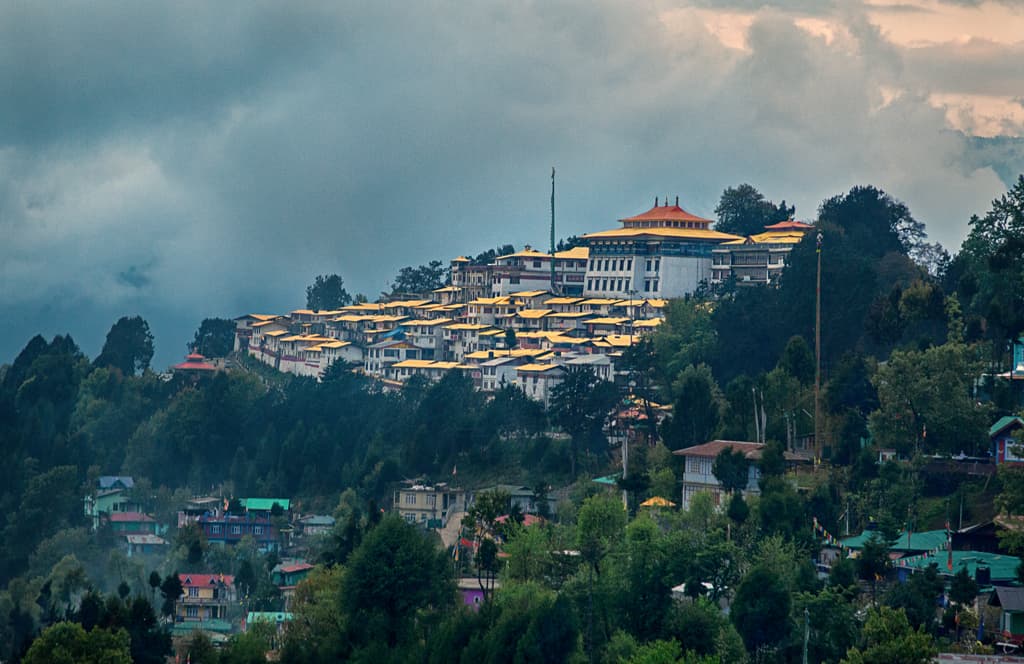
The largest monastery in India and the second largest in the world, a stunning 17th-century fortress of Buddhist culture perched at 10,000 feet.
The monastery was established in the 17th century during a period of conflict between different schools of Buddhism. Legend says that the site was chosen by the Merak Lama's horse; while the Lama was praying for guidance, his horse wandered off to the top of a hill. Taking this as a divine sign, he founded the monastery there, naming it 'Tawang' (Ta - horse, Wang - chosen). The monastery played a crucial role in the history of the region and was the site where the 14th Dalai Lama took refuge in 1959 after fleeing Tibet. It remains a powerful symbol of the spiritual bond between India and Tibet.
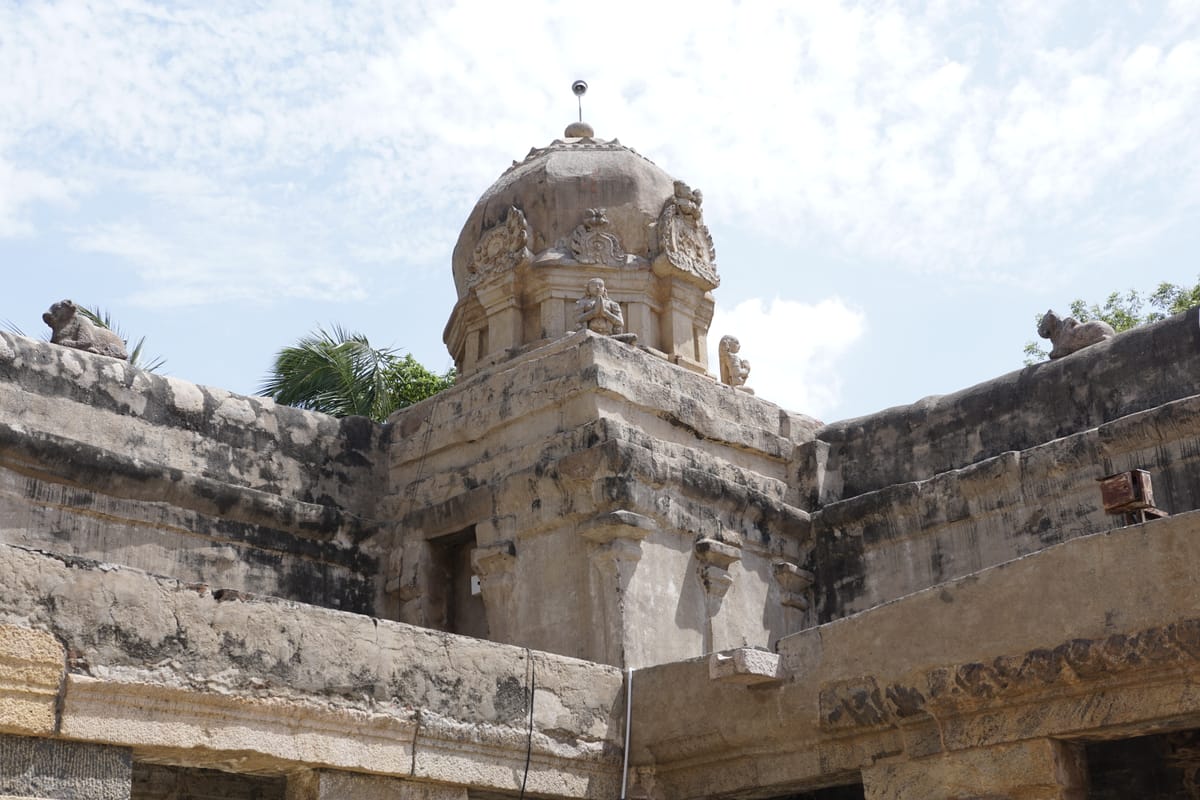
The monastery is built like a fortified complex, enclosed by a 925-foot long wall. The main building, the 'Dukhang' (assembly hall), is a magnificent three-storied structure decorated with colorful murals and traditional motifs. It houses a 26-foot high gilded statue of Lord Buddha. The complex includes several residential buildings for monks, a library, a printing press (using traditional woodblocks), and a school. The architecture is a perfect blend of functional durability and artistic brilliance, designed to withstand the harsh Himalayan environment.
Tawang Monastery is the spiritual heart of the Monpa people of Arunachal Pradesh. It is a world-renowned center for Buddhist learning, particularly famous for its library which contains ancient 'Kangyur' and 'Tangyur' manuscripts. The monastery is one of the few places where traditional Tibetan medicine and arts are still taught and practiced in their purest form. For Buddhists worldwide, it is a site of immense pilgrimage and a beacon of peace and compassion in the high Himalayas.
The day begins early with the sound of the 'Dungchen' (long horns) calling monks to prayer. Daily rituals involve the chanting of scriptures, meditation, and the performance of 'Cham' (masked dances) on specific lunar dates. Devotees offer butter lamps and incense, and participate in circumambulating the main hall. The monastery follows the strict monastic discipline of the Gelugpa order, emphasizing study and debate.
'Torgya' is the most significant festival, celebrated in the 11th month of the lunar calendar (January) to ward off evil spirits and pray for prosperity. It features spectacular masked dances performed by the monks. 'Losar', the Tibetan New Year, is another major celebration involving community prayers and traditional Monpa festivities. The 'Buddha Mahotsava' is also a grand event showcasing local heritage.
Largest Monastery in India, 26-foot Gilded Buddha, Ancient Woodblock Printing Press, Torgya Festival
March to June and September to October offer the best weather. Winters can be extremely cold with heavy snowfall, making travel challenging but the monastery looks magical in the snow.
8:00 AM to 6:00 PM daily.
A. Yes, all Indian citizens require an Inner Line Permit (ILP) and foreign nationals require a Protected Area Permit (PAP) to visit Tawang and other parts of Arunachal Pradesh.
A. The name means 'Chosen by the Horse' (Ta - horse, Wang - chosen), referring to the legend where the founder's horse chose the site for the monastery.
A. The monastery houses a magnificent 26-foot tall gilded statue of Lord Buddha in the main assembly hall, which is one of the largest such statues in the region.
Parshuram Kund
A sacred Hindu pilgrimage site on the Lohit River, where Lord Parshurama is believed to have washed away his sins in the holy waters.
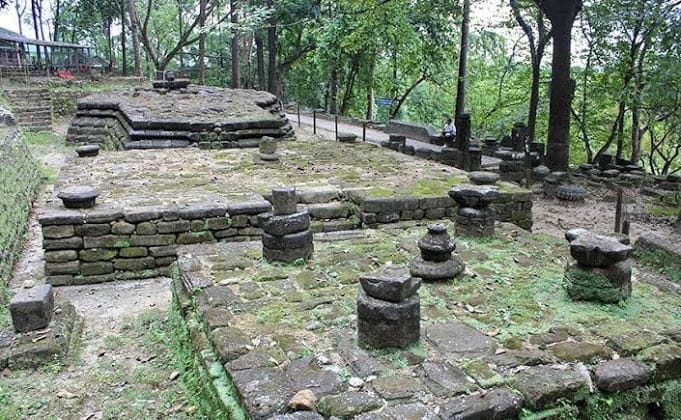
Malinithan Temple
An ancient 14th-century archaeological site housing exquisite granite sculptures that bridge the cultures of the plains and the Himalayas.
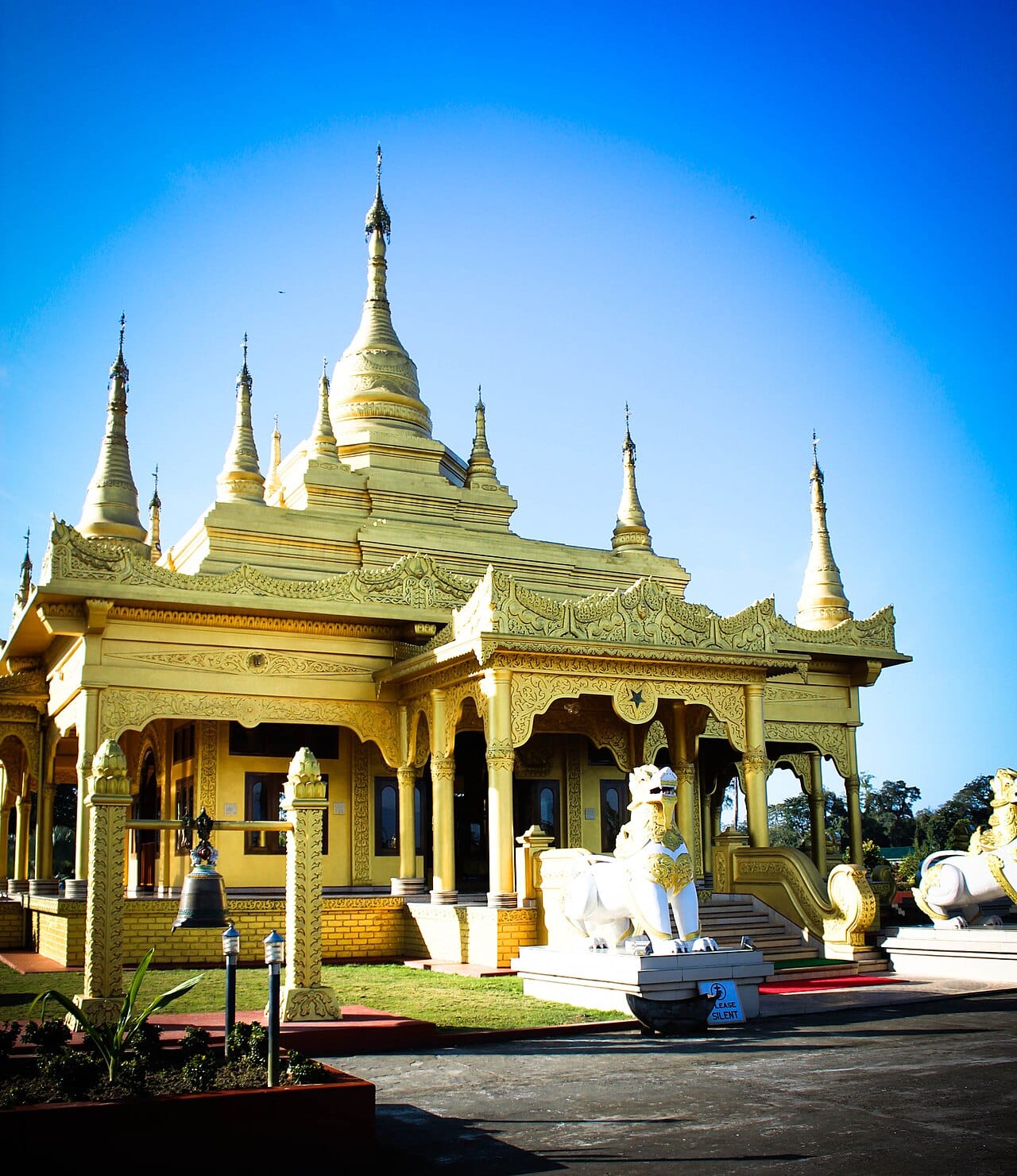
Golden Pagoda
A stunning golden masterpiece of Burmese architecture, serving as a beacon of Theravada Buddhism in the plains of Namsai.
India's temples are living traditions — not museums. Every temple has its own customs. This guide helps first-time visitors prepare with confidence and respect.
Foreign visitor information is being researched
Please verify with the official temple authority before planning your visit.
Foreign Visitors
Verify Before VisitingVisitor Information
Entry policies vary between temples. Most temples welcome visitors, while some may restrict access to specific areas, rituals, or the inner sanctum. Always verify the latest entry guidelines with the official temple authorities before your visit.
Modest clothing is expected at every Indian temple — a sign of respect, not a restriction. Think of it as dressing for a formal ceremony.
A scarf is always useful — it covers shoulders, works as a head covering, and can double as a makeshift face cover if needed.
Outdoor photography is generally permitted. Indoor photography is often restricted. Always look for signage or ask a priest before taking photos inside.
March to June and September to October offer the best weather. Winters can be extremely cold with heavy snowfall, making travel challenging but the monastery looks magical in the snow.
April — June
July — September
English is widely understood at major tourist temples. In smaller local temples, Hindi and the regional language are more common. A smile and simple hand gestures go a long way. Learning a few words of the local language is always appreciated.
Cash (Indian Rupees) is the most reliable option, especially for temple offerings, small shops, and local transport.
UPI digital payments (Google Pay, PhonePe, Paytm) are widely accepted across India — even at roadside stalls. Download one before you arrive.
International credit/debit cards work at most ATMs, hotels, and larger establishments. Smaller vendors may only accept cash or UPI.
Carry small denominations (₹10, ₹20, ₹50, ₹100 notes) for offerings and temple donations. Large notes (₹500, ₹2000) can be hard to break at smaller counters.
Many historic temples have uneven stone floors, multiple steps, and narrow passages. Wheelchair access is limited at older sites — contact the temple in advance.
Basic restroom facilities and drinking water are available at most major temples. Some charge a small fee (₹5–₹10).
Stay hydrated — carry a reusable water bottle, especially in hot climates.
Keep valuables secure — use hotel lockers for passports and excess cash.
Wear comfortable, sturdy footwear — temple floors can be hot, wet, or uneven.
Beware of unofficial guides or touts near temple entrances. Only use authorised services.
Carry a photocopy of your passport and visa. Leave originals in your hotel safe.
Download offline maps — mobile networks can be unreliable near remote temple sites.
These short explanations help make sense of what you see and experience.
Darshan means 'seeing' — but in a temple it means being seen by the deity. It is a sacred moment of connection, not just a viewing.
Removing footwear is a sign of humility. It also keeps the temple floor clean, since devotees sit and pray on the ground.
Food offered to the deity and then distributed to devotees. It is considered blessed. Accept it with both hands and do not discard it.
The bell creates a focused acoustic atmosphere, wards off distractions, and announces your presence before entering the inner sanctum.
Circumambulation (pradakshina) is done clockwise, keeping the sanctum on your right — an auspicious direction aligned with the sun's path.
Flowers symbolise devotion, coconuts represent the ego being broken, incense purifies the air, and lamps represent the victory of light over darkness.
Sacred viewing of the deity; the central act of temple worship.
Clockwise circumambulation of the sanctum.
Blessed food offered to the deity and distributed to devotees.
The innermost sanctum where the main deity resides.
The towering spire above the sanctum, a defining feature of temple architecture.
A pillared hall or pavilion within the temple complex.
The Indian Rupee (?, INR) is the local currency. ATMs are widely available in cities and towns. For temple offerings, keep small notes (₹10, ₹20, ₹50). Most temples accept donations in cash only — digital payments are uncommon at the offering counter itself.
Offerings (dakshina) are given with the right hand. Place cash in the donation box (hundi) or give it directly to the priest. There is no fixed amount — give what feels appropriate. Some temples have fixed fees for special entry or puja participation.
Shoes and sandals are removed before entering the temple building. Most temples have a designated shoe counter (free or a small fee of ₹5–₹20). Socks are generally allowed. In monsoon, carry a plastic bag for wet shoes.
Darshan queues can take 30 minutes to 3 hours at popular temples. Many offer paid VIP darshan (₹100–₹500) for faster entry. Special queues for women, elderly, and disabled visitors exist at some temples. No line jumping.
Major festivals draw enormous crowds — sometimes hundreds of thousands. Book accommodation months in advance. Expect road closures, restricted vehicle access, and limited phone network. Arrive early (before dawn) to avoid the worst congestion.
Always look for signage before taking photos. When in doubt, ask a priest. Never take photos of devotees in prayer without permission. Selfie sticks are banned at most temples. Silently switch your phone to silent mode.
Police / Ambulance / Fire: 112 (National Emergency Number)
Tourist Helpline: 1800-111-363 (Multi-lingual, Ministry of Tourism)
Women's Helpline: 1091
Temple-specific visitor information is continuously researched and updated from official sources. Where specific data is unavailable, general India travel guidance is provided. Always verify current policies with the temple authority before your visit.
Information last verified July 2026. Temple-specific data coming soon.
Continue your journey through the spiritual and architectural wonders of India.

A sacred Hindu pilgrimage site on the Lohit River, where Lord Parshurama is believed to have washed away his sins in the holy waters.

An ancient 14th-century archaeological site housing exquisite granite sculptures that bridge the cultures of the plains and the Himalayas.

A stunning golden masterpiece of Burmese architecture, serving as a beacon of Theravada Buddhism in the plains of Namsai.

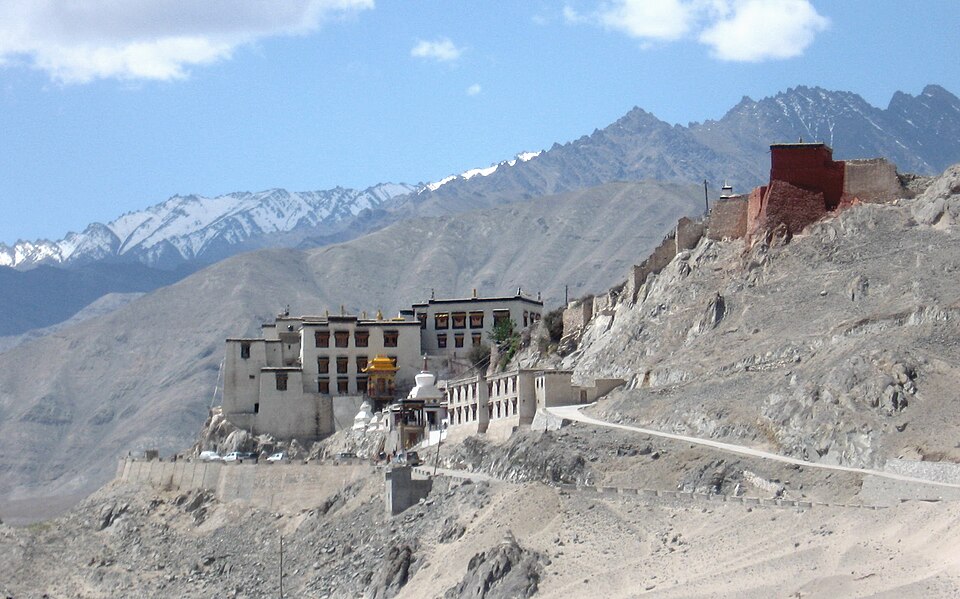
An impressive 11th-century Gompa overlooking the Indus River, known for its giant statue of Kali and stunning views of the Leh airport.
"UNESCO was founded in 1945 to promote world peace and security through international cooperation."